
'Dear Black Girls': How A'ja Wilson Is Helping Black Girls Heal & Bloom With Confidence

In recent years, books written by Black women, such as Viola Davis, Michelle Obama, and Taraji P. Henson, have adorned our shelves and shown the great trials and tribulations one has had to endure to become the woman we see today. Though their narratives show great accomplishments, they explain in detail the price that had to be paid to achieve their monumental success. Often, this price came at the cost of having to endure unspeakable tragedy. The world was being carried on their shoulders and backs, and they had to learn to balance the weight of it all. Despite the odds, they managed to grow and become exceptionally talented women with limited support or, most of the time, alone.
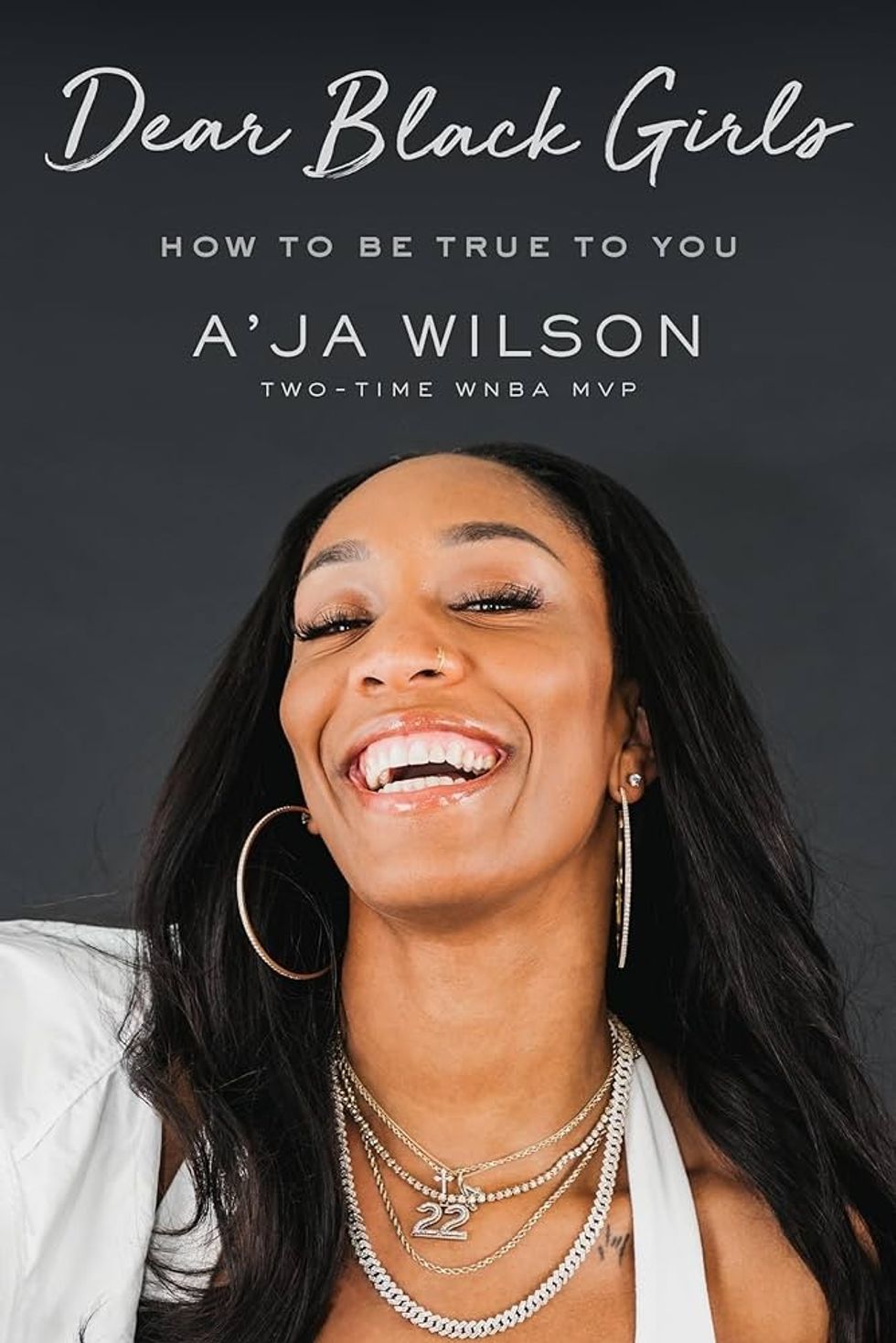
However, in A'ja Wilson's recently published book, Dear Black Girls, this narrative is changing for the better. The memoir shows that WNBA superstar, and growing legend, A'ja Wilson isn't just a force to reckon with on the court, racking up championships, MVP awards, Olympic gold, and season-record-breaking accomplishments. Her impact transcends the game, reaching into the hearts of young Black women and girls, who like me might have once felt a pang of otherness for embracing their inner tomboy.
Wilson's recently published book offered a powerful remedy, a story that mirrored my own experiences and gently soothed the wounds of not always fitting in. This collection of honest stories is not just about Wilson's journey, it's also a book that holds the potential to heal and inspire countless other Black girls who deserve to see themselves reflected in the pages of a champion.
Although Wilson discusses the tribulations she had to overcome, she didn't have to do them alone and often had more than one support system installed to ensure her success. This book ultimately shows the beauty that grows when Black girls are raised with nourishment, intentionality, and understanding rather than the unrelenting grief and sadness that many believe are necessary to raise Black girls.
In Dear Black Girls: How to Be True to You, the two-time MVP shows us that love, rather than unending tragedy, can be the source of success for all Black girls--past, present, and future. Wilson also shows us how love can occasionally come from an unexpected source--a stranger who only has compassion, empathy, and understanding to offer.
Living While Black
There comes a point in time, in every Black girl's life, where they learn that they are not just a girl, but a Black girl. For me, it was on the playground of my elementary school, where a white girl--who I thought was my friend--called me the n-word when I refused to join her in a fight against a mutual friend. For A'ja Wilson, it was when her "friend" refused to invite her to her house for a sleepover, unless she slept outside. When asked why she had to be the only one to sleep outside, she was quickly informed it had been due to her race. Though her parents discussed it with her and explained why she and the young lady could no longer be friends, A'ja Wilson offers a relatable lens to express the grief of realizing one's otherness.
The year she discovered her Blackness meant a difference, Wilson felt alone and began isolating herself. It wasn't until she met a woman who worked in the cafeteria that she understood the importance of being seen by someone who looked like her. In Dear Black Girls, Wilson teaches the importance of representation and finding someone who "looks like you" and actively cares and checks in with you. Though the young readers of this book will most likely never meet Wilson, she provides her novel as a stand-in role model who actively sees how alone some Black girls feel in the world and tells them lovely: "I see you, I got you."
Finding Oneself
There is a certain power in discovering one's "why." In Dear Black Girls, Wilson explains that in order to find oneself or one's reasons for doing things, it might be important to look to your elders. The ones that could make you believe in yourself. For Wilson, it was her grandmother. Her grandmother was her place of solace and the person she felt closest to. Before she picked up the game of basketball, A'ja's grandmother believed she was special and would achieve so many things in life.
Through this belief, she nurtured Wilson and taught her to believe in the good that everyone had to possess. She taught Wilson that Black women could be heroes, and knew how to "walk the walk" and "talk the talk." She taught Wilson, and in turn, Wilson has taught Black girls, that finding oneself can be done at the hands of the ones that we love. And that if one's love is strong enough, we can "freeze it, and preserve that safe space forever."
It's Okay to Be Different
In school, Wilson was considered a "slow learner." Diagnosed with dyslexia at the late age of 16, she believed she had not been as "smart" as the other kids. Wilson would freeze up in class, and despite loving to write narratives and the school itself, she found she did not catch on with her peers as quickly as she liked. She spent hours on end stressing about being different, so much so, that at times the thought of her otherness became debilitating and all-consuming. With her family and in her solitude, she understood who she was. However, among her friends and in class, she found that she didn't know who she was, nor who they wanted her to be.
From this, she taught Black girls that being a teen is stressful enough, so being oneself should be easily embraced. Though, she admits to not knowing the right thing to say, do, or act, and therefore is unable to give us "cheat codes," the best thing a young Black girl can do, is just be.
Find Your Gardener
I often say that Black women have learned to grow without nourishment. So, in reading Dear Black Girl, it was a refreshing change of pace to read that Wilson had been adorned with love, guidance, honesty, and protection by strong support systems in her life. One of those support systems was Wilson's father. Her father taught her many things in life, but one that was most essential was the importance of perseverance and overcoming mediocrity. See, despite being the best in her career, Wilson and basketball did not mesh well from the start. Instead, she had been known to try many things and was lackluster at best.
Nevertheless, when Wilson was told that she did not play well by her father--after asking why she wasn't getting any playing time--she finally learned to overcome her challenges.
Not because she suddenly practiced more, or believed she could do anything with time. She became better because her father gave her the option to walk away from the sport. He allowed her to be scared, to be unsure of what she wanted in life, and freed her of the stress of absolutes. Through encouragement, he became her gardener--always trying to bring out the best in her through "easy" and "tough" love. In Dear Black Girls, Wilson encourages Black girls to find their "gardeners," the people in their lives who bring out the best in them, drive them crazy and are never afraid to tell them how it is. The person that pulls out all of the weeds and negativity, and leaves enough space for you to receive sunlight and bloom.
Gaining a Nonsense Detector
While finding a gardener, Wilson also encourages Black girls to find or gain a "nonsense detector." A nonsense detector is just as it sounds, someone who can detect the nonsense that the world is attempting to bring to them and help them identify what it truly is. They are the person who is willing to approach a spade and call it by its name. In Wilson's life, this was her mother. A'ja's mom encouraged her to think logically about her education and its relationship to her basketball career.
She was the person Wilson called when she learned to drive in a new state or deal with the stress of her newfound career. Through her mother's encouragement, she learned not to chase after boys or some concept of a new sense of self, instead, she learned to make decisions with her best interest in mind. In doing so, she chose family, which meant more time with her grandmother, which she would not have had if she hadn't learned to listen to something that encourages no-nonsense.
Grief Has No Timeline, Knows No Bounds
In 2017, during her junior year of college, A'ja Wilson was known as one of the best players in the NCAA. After two seasons of coming up short of winning a national title, she had finally accomplished her goal of winning with Dawn Staley's South Caroline Gamecocks. However, the win was bittersweet, because the champ had been grieving the loss of her grandmother, one of her biggest support systems.
During this time, Wilson discovered that grief could not be neatly packed away in a box, waiting to be unraveled when she had prepared to deal with it. She noted that it was an unending rollercoaster where lows felt all-consuming and endless.
In Dear Black Girls, Wilson discusses the importance of experiencing grief at its pace, and on your own timeline. She explains to young Black girls that the feeling of despair and paralysis is normal and that instead of trying to climb out of the sadness, sometimes it is beneficial to wade through it, with the people you care about. Not only this, she encourages Black girls to embrace support that may be considered unexpected, through a beautiful anecdote involving Dawn Staley.
The champ mentioned the coach drove down to her house, upon hearing about the death of her grandmother, and sat in silence with the athlete as she cried. She informed her that she could take all of the time that she needed and that the "team would be waiting for her when she was ready to return."
You Don't Know What You Don't Know
The issue that many people hold today is they expect to be perfect. Though we know perfection is merely a concept, and the only thing perfect about perfection is the word itself, many dwell on being perfect and having the foresight to ensure it is so. When perfection is inevitably unattainable, we punish ourselves for not knowing better or being fallible. Nevertheless, dwelling on things, especially in relation to being perfect, is nothing more than wasted energy.
In Dear Black Girls, Wilson--through a humorous anecdote of her WNBA drafting day--points out that everyone makes mistakes and that many should not be ashamed for not knowing what they hadn't known before. Instead, beauty lies in learning and giving oneself credit for the knowledge that you now have for navigating future situations. Instead of beating yourself up, Wilson tells young Black girls there is no point in beating themselves up and to allow grace in moments of uncertainty and error.
Protect and Nurture Your Mental Health
The idea of seeking therapy is often a hurdle for Black women. With societal expectations and generational aversions, the concept of the "strong Black woman" often overpowers the necessary, and sometimes dire assistance Black women should seek. In Dear Black Girls, A'ja Wilson points out that most Black women are the first, or one of few, in their families to accomplish significant achievements, such as going to college, getting a corporate job, or making a high-figured salary.
This results in pressure that cannot be seen as relatable by family members, and often results in anxiety disorders, growing, unrelenting pressure, and crippling stress. To solve this, Wilson encourages Black girls to seek help outside of themselves and their friends, to ensure they are not taking on the weight of the world, simply because it was placed on their shoulders. Black women need someone to talk to, especially when it has been ingrained since birth that we should nurture and care for everyone but ourselves. By seeking a therapist, this narrative can change, and the idea of being a "strong Black woman" can come from the idea of learning to be vulnerable and asking for help.
Be Your Own Hero
It is heroic to take control of your own life. Being your own hero gives you confidence and reassurance to face obstacles directly, to follow your passion, and to define success how you see fit. It can be powerful and gratifying to become the best version of yourself and to allow yourself to be. In Dear Black Girls, Wilson teaches Black girls their final lesson, "If you can see them [your heroes], then you can be them." Many Black girls do not seek certain positions in life because they have never seen people who look like them in certain positions.
Nevertheless, Wilson explains the importance of having and seeking out representation, either in life or in media. Then, she encourages young girls to pursue that life they dream of, because anything is attainable with hard effort and--most importantly--love.
Check out A'ja Wilson and the 2024 Paris Women's Basketball Olympic team from July 26 through August 11.
xoNecole's I Read It So You Don't Have To is a recurring series of self-discovery that breaks down self-help books into a toolkit of takeaways and tips that are meant to assist you in finding the best life you can live. Take what works for you, and leave everything else where it is.
Let’s make things inbox official! Sign up for the xoNecole newsletter for love, wellness, career, and exclusive content delivered straight to your inbox.
Featured image courtesy

This article is in partnership with Lexus.
Luxury is often defined by someone else’s standards. But what if the finer things in life looked different through the lens of those crafting and shaping Black culture?
In Redefining Excellence, a two-episode short-form video series presented by Will Packer Media in collaboration with Lexus, we dare to broaden how we think about luxury. Here, it’s not just about the price tag. Luxury is a practice.
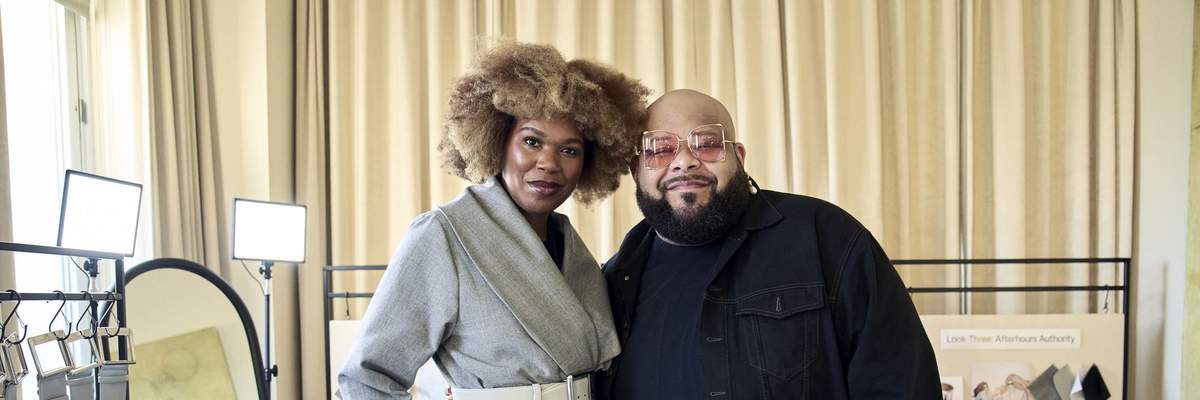
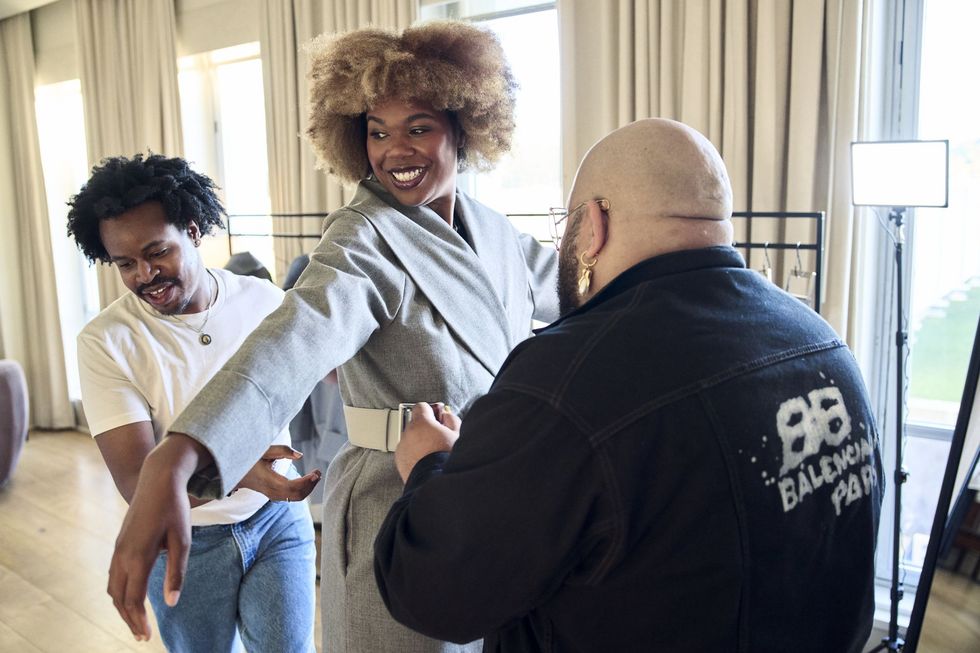
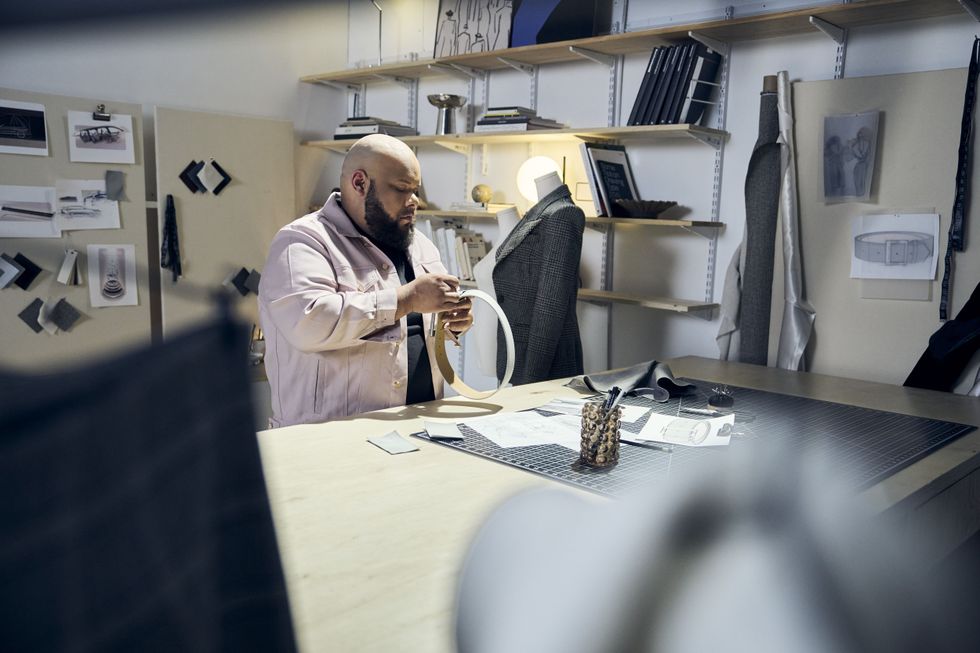
At its core, Redefining Excellence is a celebration of intention woven into every detail of how we live: our joy, our spaces, our craft, but also our rituals of care. These are the Black creators who not only give the best to themselves in what they build, but also pay it forward to the communities around them.
Through their vision, they embody the same precision and artistry that Lexus embraces when in pursuit of a higher standard, the Standard of Amazing.
In Episode 1, “Ingredients of Success,” the series follows chef, restaurateur, and Lexus Culinary Master Kwame Onwuachi, whose artistry is imbued with rich cultural storytelling. We see him wander purposefully through a garden, gently testing the ripeness of fresh fruits and vegetables. “Luxury isn’t about exclusivity. It’s about being intentional with your choices and craft,” he says.
The article continues after the video.
“Now, because of my work and the ingredients I use, luxury means something different. I am boldly setting a new standard of amazing and innovation.”
As he chops vegetables, plates vibrant dishes, and loads the finished product into the sleek Lexus LC Convertible, he continues, “For me, luxury means ingredients that carry memory… dining experiences and locations that honor the stories that raised me and feel like us.”
In Episode 2, “The Texture of Luxury,” the lens turns to founder and CEO of CurlyCon LA Ava Pearl, whose ingredients take a different form. As the trunk of her Lexus LX 700h lifts, she says, “When I think of luxury, it isn’t expensive, it’s expansive.” The scene shifts, and we watch Ava lay down a bouquet of fresh flowers upon entering her home before using aloe vera leaves to prepare gel by hand.
The article continues after the video.
“When I was younger, I thought luxury was something you bought. Now I know it’s about living up to a higher standard… Black women have always defined what’s next, setting the standard for beauty, luxury, and excellence.”
Like Kwame, she builds with intention, pouring care into the details, believing, like Lexus, that “luxury isn’t just a finish, it’s a standard. One that’s built to amaze.”
Through these stories, Redefining Excellence serves as a reminder that the journey is not just about the destination, but also the ingredients you choose along the way.
Watch both episodes now and learn more about how Kwame and Ava set their own standard of amazing.
Featured image by xoNecole/Will Packer Media
As Cuffing Season Steadily Approaches, What The Heck Is 'Winter Coating'?
Y’all, I ain’t got not one lie to tell you. With the way that this summer has gone in my world (check out “I've Been Estranged From My Mom For Years. She Died Last Week.” and “I Was Hired To Be An Online Life Coach. Then Got Scammed For $4K. Here's How To Avoid This.”), I am not surprised in the least that it caught me off guard that, once again, we are officially in the drafting portion of yet another cuffing season.
What I will say threw me a bit is that there are actual dating trends in cuffing (did y’all know that?), and one of them happens to be something called “winter coating.”
What do I personally think about cuffing season? I think it’s more than a notion and you should proceed with caution. As far as the subset of it that is known as winter coating, though — well, as you’re about to see, if you’re going to try to take it on, you absolutely need to know what you are getting yourself into because if you lie to yourself, it may not exactly give you the results that you were looking for.
Read on to see what I mean by that…
What Is the Science Behind Cuffing Season?
GiphyOkay, so first let’s get into if cuffing season is a “real thing” or not. Well, from what I’ve read and researched, apparently, someone should send an artist by the name of Musa Murchison a Cash App because, although she isn’t the originator of the phrase, she does seem to be the one who made it popular by shouting it out back in 2008 on her campus radio show. And yes, beyond the term being something that comes up on social media, like clockwork, right around this time every year, there does seem to be some real science behind it all — even if you want to chalk what I’m about to say up to being nothing more than mere coincidence.
What do I mean specifically? Well, being that cuffing season is (generally) all about finding someone to boo/bae up with before the weather drops below freezing, only to potentially break up with said-person once the temperatures start to rise again — did you know that dating apps tend to pick up on traffic between October and December (although the most popular dating app day is Dating Sunday which is in January)?
Did you also know that dating, in general, tends to happen the most between November and February? And, if you do decide to take what I just said seriously, it also shouldn’t surprise you that most children (in the US) are conceived during the fall and winter seasons as well. So yeah, at the very least, it does seem like people want to get “closer than close” the colder it gets outdoors.
And exactly why is that? Chile, you can read an article that I wrote for the platform last year entitled, “Did You Know Fall & Winter Are The Best Times To Have Sex?” to put two and two together on that tip.
Cooler (and even rainier) weather. Pumpkins (which are a bona fide aphrodisiac; especially for men) being in abundance. Being indoors more often. The romance of the holiday season. Shifts in our DNA making us hornier (not to mention the fact that men find women more attractive during the colder months — no joke). All of these things literally help to create the perfect storm as far as cuffing season is concerned.
8 Interesting Straight-Up Facts About Cuffing Season
GiphyI’m pretty sure I’ve mentioned in one of these articles on here before that a web series I enjoyed watching last year is called Cuddle Season. You can currently watch it on — yep, you guessed it — Tubi; it’s all about some not-so-slim fellas adoring what the cooler weather brings them as far as female company is concerned. LOL. As I thought about it and all of the other intel that I just provided, I decided to further solidify the impact that cuffing season provides by bullet pointing a few other semi-fascinating facts.
1. 1 in 3 individuals find cuffing season to be a real phenomenon, although more millennials are caught up in the hype than those who are older than they are (by the way, 54 percent of Gen Zers find the holiday season to be the perfect time for finding a potential partner too).
2. Although around 30 percent of individuals think that cuffing season is mostly about staying warm, about 45 percent think it’s more about avoiding loneliness.
3. 60 percent of people who tend to feel lonely during the fall and winter will rely on dating apps to bring about some sort of mental and emotional relief.
4. Getting “cuffed up” has actually been proven to reduce anxiety and stress.
5. Not everyone thinks that cuffing season is (potentially) selfish or shallow. In fact, the most engagements transpire between November and January.
6. Know all of those holiday movies where single people fake being in a relationship during the holiday season in order to avoid any pressure from family members and friends? Apparently, it’s art imitating real life because one popular study revealed that a whopping 40 percent of singles have asked a friend to pretend to be their date during the holiday season.
7. Testosterone levels are higher in men during cooler months while being lower in hotter seasons. Women’s eggs are apparently in optimal condition during the fall and wintertime too.
8. Some researchers actually finding “cuffing” to be a means of literal survival due to the fact that (affectionate) touch lowers stress and, since stress is attached to health-related issues like digestive issues, a lower libido, irregular cycles, heart disease, headaches, depression and shortened longevity — well, yes, cuffing season could potentially be a lifesaver.
Okay, So What Is Winter Coating All About?
GiphyAight, so now that you know more about cuffing season than you possibly ever thought that you would, what in the world does the dating term “winter coating” come from? Well, the long-short of it is…what some of y’all call “spinning the block?” How I oftentimes see it is “hitting a cul-de-sac.” LOL. Yes chile, if you decide to participate in winter coating activities during cuffing season, what you’re essentially doing is making the intentional decision to either reach out to an ex or — respond to one who decides to call, text, DM or email you, seemingly out of the blue.
Now the interesting thing about winter coating is it’s not really something that dating experts are thrilled about. One reason is because if someone is in your past, you’ve got to remember that it got to that point for a purpose. Another issue is because, well, why did you/they wait until cuffing season to try and reach out/rekindle something?
Usually, the motive for that is because, oftentimes, the combination of nostalgia mixed with the feeling that love bombing is easier to do on an ex than anyone else. And while that indeed may be true, does that sound healthy and long-term beneficial to you? Yeah, me neither.
Yeah honestly, when you really stop to think about it, winter coating seems a lot like what we do with our actually winter gear — we cram it somewhere where we don’t have to deal with it until it gets cold outside and then we pull it out from a closet, hope chest or under our bed to use it all (and up) for a couple of months — until we don’t need it anymore…and then we discard it all over again. SMDH.
So, if you’re someone who is an avid fan or big-time participant of cuffing season, before you decide to bring winter coating into the mix, really ponder if it’s a good idea or wise decision — because doing something that keeps you warm for a few weeks only for it to turn you cold afterwards…that typically turns out to be more counterproductive than anything else.
5 Tips for Guarding Your Heart (and Perhaps Genitalia) During Cuffing Season
GiphyMatter of fact, while we’re on the topic of cuffing season overall, let me share a few tips to keep you as unscathed as possible, period:
1. To thine own self be true. It’s a French philosopher by the name of Jean de La Bruyère who once said, “It's motive alone which gives character to the actions of men.” You know, the reason why a lot of people trip their own selves up in life is because they aren’t being honest with themselves about WHY they do the things that they do. That said, if you’re going into cuffing season just to have someone to cuddle up and watch Hallmark movies with until spring — have at it.
However, if you’re using cuffing season in hopes of getting something more out of it, SAY THAT. The more honest you are with yourself about your intentions, the less disappointed, disillusioned or hurt you will be…regardless of how things may play out in the end. You were genuine. Karma has taken note.
2. Think about your short and long-term (relational) goals. Let’s be real — for most people, cuffing season is a short-term goal. So, if you want something that is fleeting, do you. On the other hand, if you’re looking for something more meaningful, playing all of the games that come with cuffing season is not going to be your best bet — especially when it comes to the whole winter coating thing.
Yeah, please keep that in mind as you and your ex are taking a walk down memory lane because, more times than not? It’s probably going to lead to (another) dead end. If not immediately…eventually. Bottom line with this one: cuffing season only thinks about the present. Make sure that you also factor in your future.
3. If he’s your ex, don’t sugarcoat why. I’m not the person who thinks that an ex can’t be upcycled — just make sure that you aren’t merely recycling him. The difference? Recycling is using something old (or used) all over again. Upcycling is taking something old (or used) and making it better. That said, sometimes time gives people the opportunity to grow and that can make the “take two” of a relationship better.
Just make sure that if you are entertaining getting back with an ex that you are real with yourself about why the relationship ended to begin with. If you see signs of that mess/drama/ridiculousness still hovering around — cuffing season or not, you should probably take a pass. Why let him infiltrate your holiday season with some bullshishery that you will carry with you for years to come? Girl, uh-uh.
4. DO NOT follow your heart. If you’ve read enough of my relational content, you know that I can’t stand the motto, “Follow your heart”. The fact that it’s not biblical should be reason enough — and it’s not because Jeremiah 17:9-10 says that the heart is deceitful and that’s because emotions can indeed cause you to think/believe that something is one way when it may indeed be something else. And so, as you go into cuffing season this year, follow facts and reality.
That is biblical too: “It’s best to stay in touch with both sides of an issue. A person who fears God deals responsibly with all of reality, not just a piece of it.” (Ecclesiastes 7:18 — Message) In other words, if how you feel is conflicting with what you see — pause, ponder and reflect.
5. Avoid peer (and social media) pressure as best you can. I don’t even know if people would give a damn (at least so much) about cuffing season if social media didn’t talk about it so much. And don’t even get me started on just like peer pressure can get kids and teens to go against their core values and/or participate in risky behavior, it can impact adults in a similar fashion.
Bottom line with this point: Don’t engage in cuffing season or winter coating just because you see other people doing it. If your mind, body and spirit are telling you that it’s not what’s best for you — TAP OUT. You’ll be just fine.
____
Winter coating. Hmph.
Your best bet: Buy one to wear and avoid this dating trend.
The former is an investment. Chances are the latter is a complete waste (of time).
Just sayin’.
Let’s make things inbox official! Sign up for the xoNecole newsletter for love, wellness, career, and exclusive content delivered straight to your inbox.
Featured image by PeopleImages/Shutterstock