

I mean, maybe it’s just me, but when it comes to dealing with the monthly occurrence that is our periods, even though our vagina is very much involved, it’s rare that I will see content that is centered around that body part alone (relatively speaking). Sure, I read period hacks fairly often, but — what I mean is, where are the articles that are devoted to prepping and loving on your vagina and vulva specifically so that your period can be a lot less…intense?
A wise person once said that if you don’t like something, instead of complaining about it, why not do it yourself? Indeed…INDEED. So today, in honor of our vagina (and vulva) and all that it goes through every time our cycle rolls around, here are 15 ways that you can get it ready for the…well, inevitable.
15 Period-Prep Tips for Your Vagina
1. Buy Unscented Pads or Tampons
Getty Images
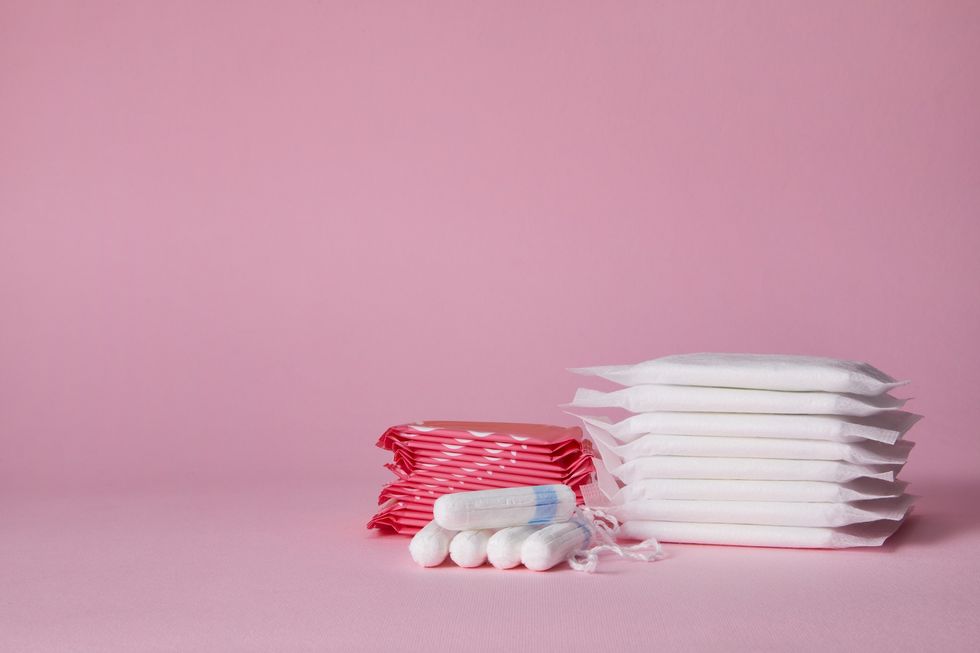
I’ve said before that I wish that I had known about menstrual cups YEARS ago. Since I’ve been using one, I’ve pretty much only relied on pads on my heaviest days (as backup). Yet even during my tampons (in my 20s) and pad seasons, I’ve avoided all of the scented stuff. My vagina is pretty sensitive all on its own, so fragrances and dyes don’t help it one bit. I’m not alone, either.
Even the Centers for Disease Control and Prevention (CDC) highly recommends that, if you want to keep your pH balance where it needs to be, the less chemicals on your menstrual products (and in your toilet paper), the better. A cheat sheet on how to find the best ones is to look for what is branded as being “organic.” You can also read up on some Black-owned menstrual care brands here and here.
2. “Trim the Lawn”
Getty Images
When you’ve got a real bestie, you tend to talk about everything — TMI ish ‘n all. One of mine, we sometimes debate “to go bald or to keep” when it comes to pubic hair. Me? I’m Team Keep, although I do wax the “outer perimeters” and bikini line on a consistent basis.
I also try to keep things like a golf course (as one of my friends says. LOL); especially when my period is about to come on. Not only does it make me feel fresher, but it makes — let me pick something not super graphic — unraveling from any blood remnants so much easier to do every day (until my cycle ends).
3. Apply a Carrier Oil
Getty Images
If your vulva (the outer part of your vagina) tends to feel either irritated (from the blood) or dry (if you do wear a menstrual cup or tampon), you can protect that part of your body by applying a carrier oil; especially at night (when you may not be changing your menstrual products as much).
If you’re concerned about which ones could end up doing more harm than good (as far as irritation is concerned), check out “So, Here Are The Carrier Oils That Will Take Your Sex Life To A Whole 'Nother Level” when you get a chance. It lists 12 oils that your vagina will embrace instead of repel. Personally, I’m a carrot seed oil fan; the Vitamin E in it is quite soothing.
4. Up Your Hydration
Getty Images
How much blood you lose during your cycle kind of varies per person (although if you bleed through a tampon or pad every 1-2 hours or for more than seven days consistently, you may have what is called menorrhagia; you should definitely speak with your doctor). What does apply, across the board, is the loss of blood can lead to dehydration, intensified period cramps, bloating, and hella-fied fatigue.
So, when you feel PMS coming up, ramp up your water intake. It really does help to make all of these issues…less of one.
5. Take More Probiotics
Getty Images
Something that typically happens right before your period begins is the progesterone levels in your body increase. That’s because, if you were to get pregnant, progesterone is what helps to prepare your uterine lining to support your pregnancy. When you don’t, in order for the lining to shed (which is basically what having a period is all about), progesterone levels must shift.
All of this “shifting” can result in you experiencing digestive issues — including (sometimes) constipation (or going to the bathroom more than usual). Not only that, but periods can also put quite a bit of stress on your body as well. Plus, yeast infections come when bad bacteria overtake good bacteria (and you can get a yeast infection at any time). Something that can help with all of this is taking a probiotic.
Honestly, since probiotics also help with improving your gut health, keeping you energized and in a good mood, and even reducing belly fat, it’s best to incorporate one into your daily health regimen. You can take probiotics in supplement form. Also, some foods that are high in probiotics include fermented ones like yogurt, pickles, and cheese.
6. Buy an OTC Antihistamine
Getty Images
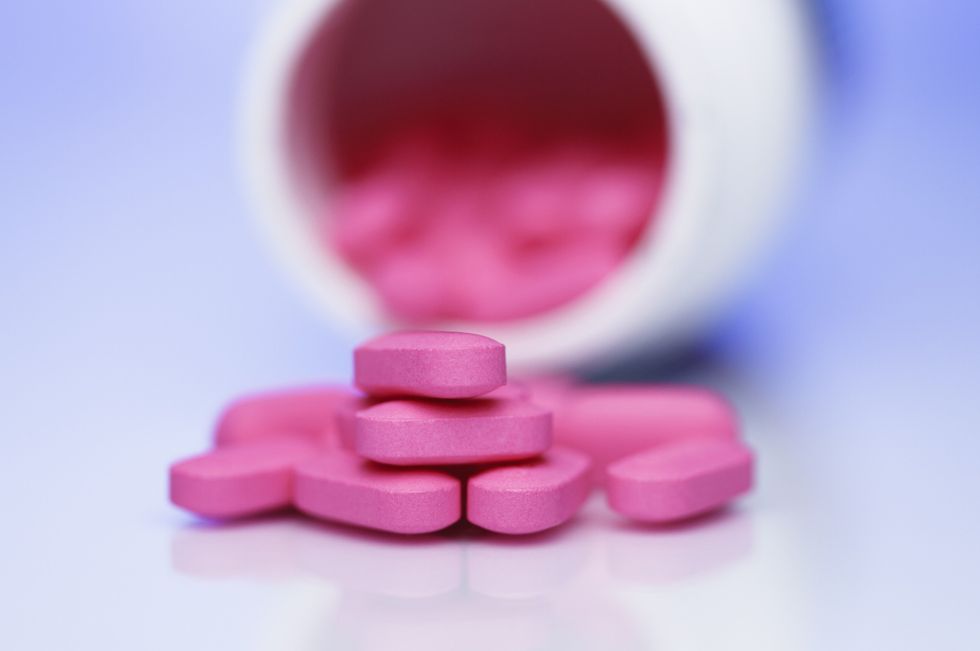
Now here’s something that I bet you didn’t have on your period prep bingo card. Did you know that if you take an over-the-counter antihistamine right before your cycle, it can somewhat decrease your blood flow during it? The thought process here is that the natural histamine that’s in your system will elevate your estrogen levels around the time of your cycle which can lead to more shedding of your uterine lining.
So, while tossin’ back Claritin pills like it’s candy isn’t recommended, having one or two on your heaviest day could provide a bit of (flow) relief.
7. Enjoy Some Phytoestrogens
Getty Images
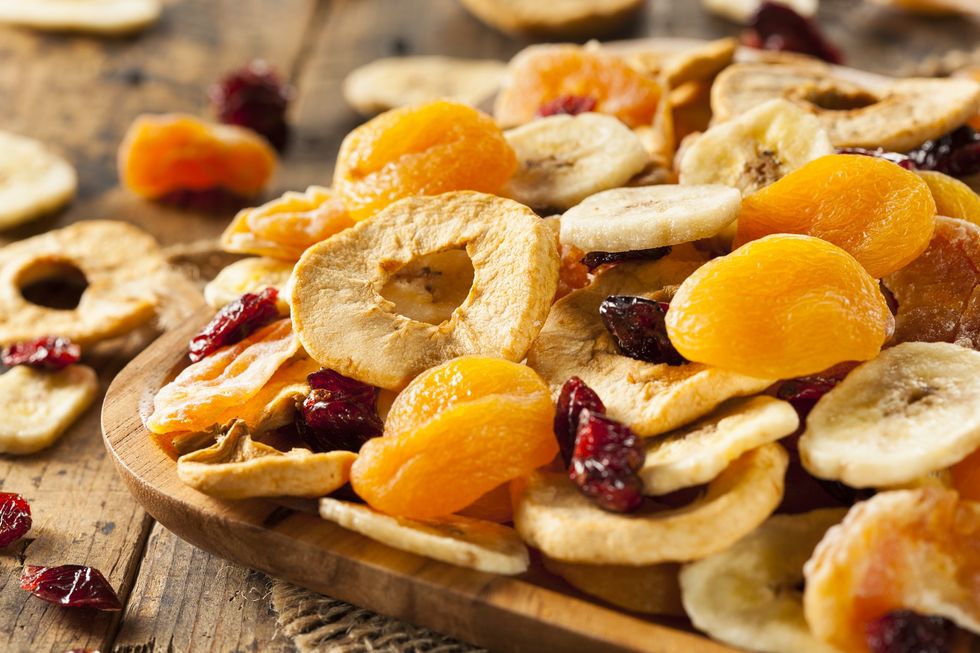
On the flip side, towards the end of your period, your estrogen levels will drop. Because low estrogen can result in symptoms like irritability, tender breasts, a lack of concentration, vaginal dryness, and even dry skin, it certainly can’t hurt to consume some phytoestrogens (plant-based estrogen foods). Some of those would include dried fruits, berries, garlic, cabbage, collards, and wheat bran.
8. Eat Iron-Rich Foods
Getty Images
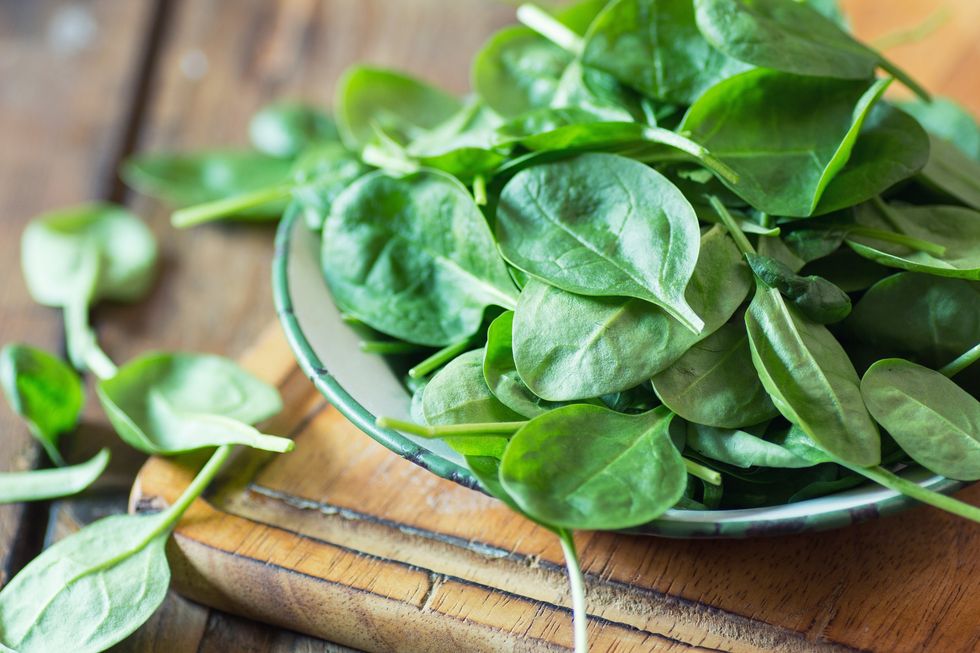
There is a lot of iron in your red blood cells, and since blood is what you’re losing during your period, eating some iron-rich foods is highly recommended, too. In fact, you might be surprised to know that when you have an iron deficiency, it can affect your libido and lubrication levels and even your ability to have orgasms (chile). So yeah, definitely get that iron in. Some foods that are loaded with it include red meat, quinoa, beans, turkey, and broccoli.
9. Consume Less Sugar

Getty Images
If you’ve ever wondered why you suddenly want to eat everything sweet that you can get your hands on right before and during your period — well, not only can you put that on your hormones fluctuating, but sweet and starchy foods can also give you a “hit” of serotonin which can happily put you in a happier state of mind. Problem is, that sugar can increase inflammation and inflammation can make period pain worse.
Not only that but speaking of yeast infections, if you’ve never had a yeast infection during your cycle, LUCKY YOU. Even though period blood alters the pH balance to where symptoms related to one can also decrease, the yeast will be waiting on you once the bleeding stops — and yeast literally feeds off of sugar. So yeah — junk food in moderation, please.
10. Load Up on Condoms
Getty Images
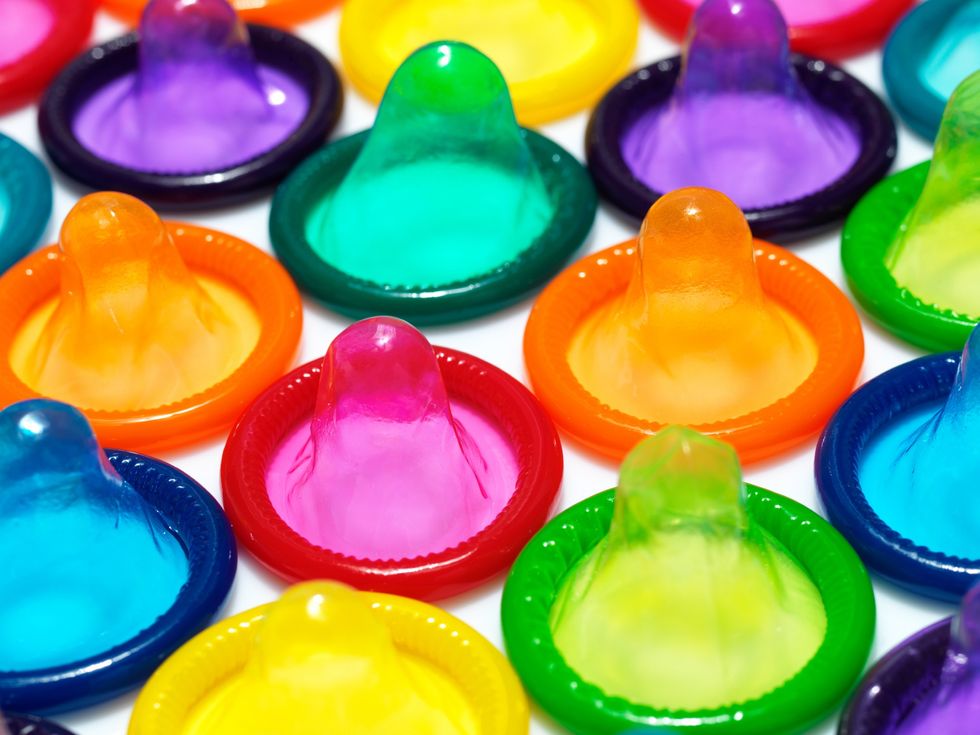
If you’re down for period sex, there are a few reasons why it’s best to have your partner use a condom (if he’s not doing so already). One, the prostaglandins in your partner’s sperm/semen could actually trigger cramps (because some vaginas are very sensitive to them). Two, because sperm can live inside of your vagina for up to five days. If your cycle is all over the place…yes, you can get pregnant while on your period. And third, blood doesn’t stop STIs/STDs from being transmitted. So, if you are running low on rubbers, now would be the time to pick some up.
11. Prepare to Take Showers…Unless
Getty Images
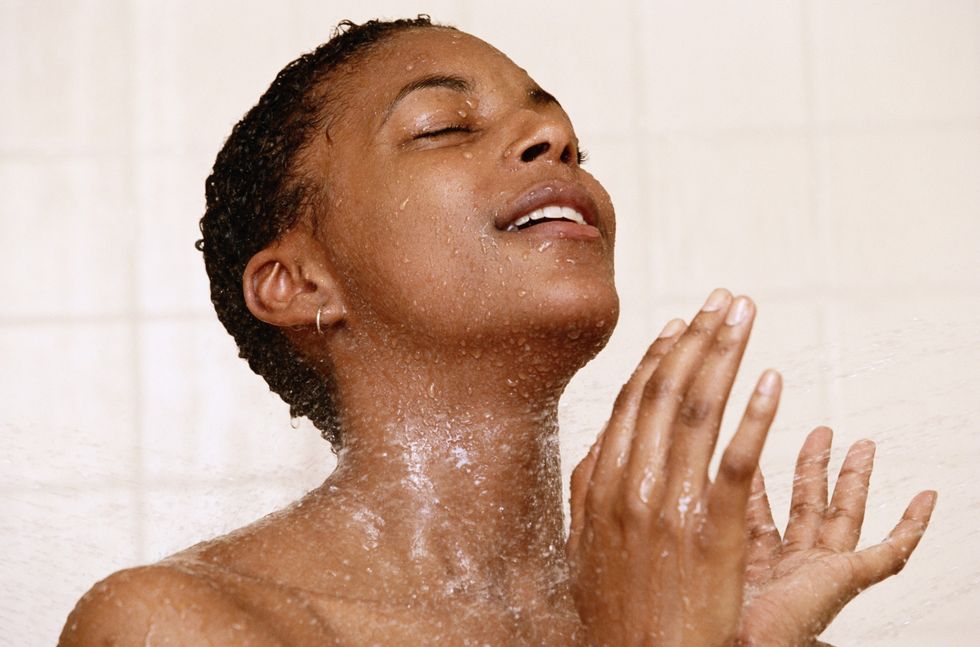
Even though a warm bath can actually help to soothe your menstrual cramps, if you’re a heavy bleeder, you’re gonna be attempting to wash yourself with blood in the water; that’s why showers are probably best (at least on your heavy days). There is a workaround for this: put a menstrual cup or tampon in before getting into the tub.
Showers are totally my thing, so this tip doesn’t apply to me personally. However, if you find showering to be kind of “blah,” check out “How To Turn Your Showers Into A Tranquil DIY Spa.” It might just make taking showers your favorite thing about having a period!
12. Avoid Hot Water. Kind Of.
Getty Images
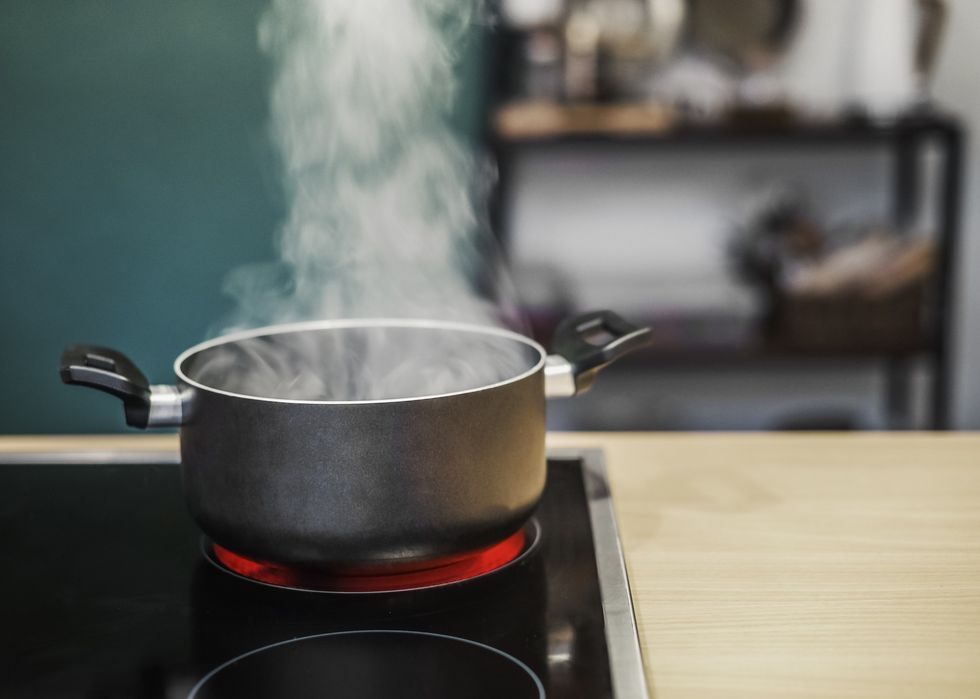
When it comes to this particular point, while drinking warm/hot water can help to soothe cramping, I’m still talking about bathing here. Honestly, hot water isn’t the best thing, period, because it tends to dehydrate your skin. The reason why I say “maybe” in this case is, that if you don’t have a heavy blood flow, you probably won’t care about how hot water increases blood circulation.
Oh, but if you do and you tend to shower/bathe in the morning — don’t be surprised if that awesome “hot time” leads to some unexpected leaks on the way to work. #justsayin’
13. Try Some Aquaphor
Getty Images
If you don’t have a really strong blood flow, you’re a tampon wearer, and it can feel uncomfortable to put them in; applying something like Aquaphor around the entrance of your vagina can make tampons so much easier to insert. Something else that I like about this particular hack is Aquaphor is also a solid skin barrier if your vaginal fluids irritate your vulva during your special time of the month.
14. Do (More) Meditating
Getty Images
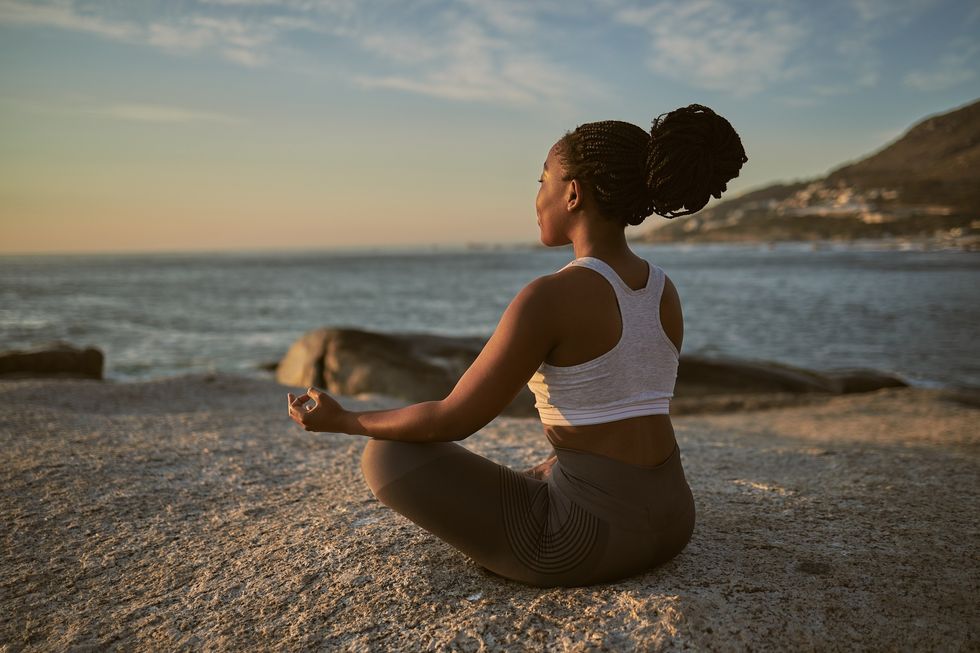
Although many health experts are still looking into this, it would make sense that meditation would help with period discomfort. One, because it is a proven stress reliever, and two, there is plenty of data to support that it can help with reducing chronic pain. So, even if you don’t really feel like exercising while you’re on your period (although that can be beneficial for you, too), at least devote 5-20 minutes of meditating. You might not need (so much) Advil if you do.
15. Take Naps

Getty Images
Taking naps leading into your cycle (and during it) not only helps in the fatigue department, but they also help to reduce stress (even if it’s only a 15-minute one). And since yes, you can absolutely stress your vagina out (check out “Ever Wonder If Your Vagina Is Stressed TF Out?”) and piss it off (check out “Welp. Here Are 15 Things That Could Be Pissing Your Vagina Off.”); especially during “that time of the month.”
So, don’t feel the least bit guilty about ramping up your nap schedule. You’re doing your vagina (and the rest of you) a ton of good if you do!
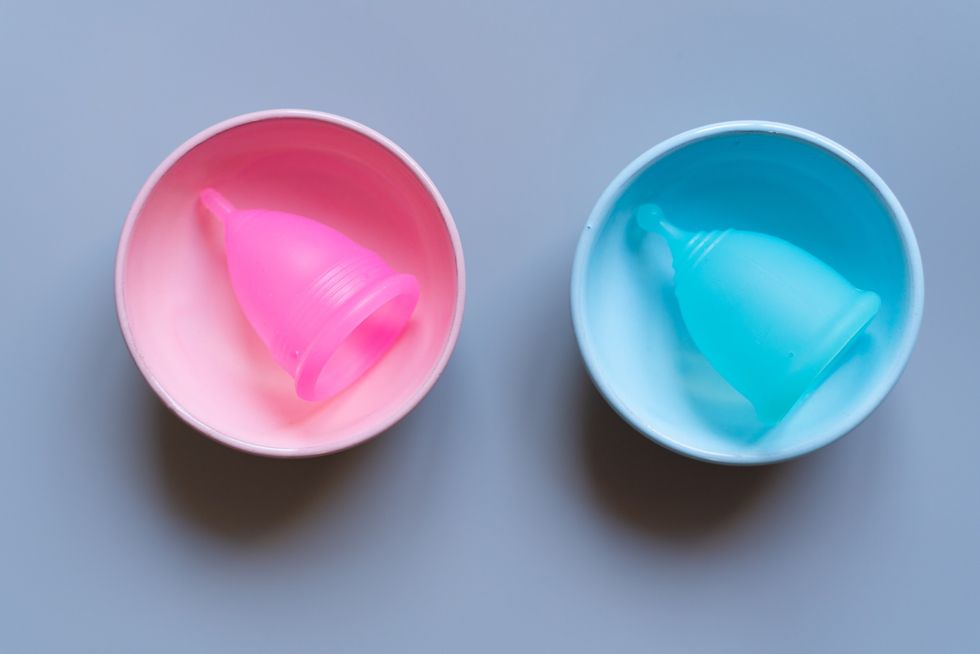
BONUS FOR AFTERWARDS: Wear Your Menstrual Cup an Extra Day
Getty Images
Although I don’t smell anything while I’m on my period, the day right after the flow stops, it sometimes smells almost like…death. I looked up why, and it’s basically because there is still some tissue and bacteria that is still coming out. That’s also why my vulva and vaginal opening would be so irritated. I found a solution: I wear my menstrual cup on that day, too. That way, it can catch all of the drama, and I don’t have to suffer.
______________________
So, now that you know what your vagina needs for your period, doesn’t that make everything about how to approach your period seem so much better? Gee, I certainly hope so, sis. With all that you go through during that time of the month, you absolutely deserve it.
Let’s make things inbox official! Sign up for the xoNecole newsletter for daily love, wellness, career, and exclusive content delivered straight to your inbox.
Featured image by Volanthevist/Getty Images

Sleek & Heat-Proof: Straightened Hair, The Summer It List Way
This article is in partnership with SheaMoisture.
The world may try to convince you that straight hair is a no-go for the summer heat, but if you’re an It Girl, defying the odds is embedded in your DNA.
When it comes to achieving sleek strands for the summer, xoNecole and SheaMoisture have your blueprint for smooth, frizz-free, humidity and heat-damage-resistant hair throughout this season!
From hair styling oils to bond repairing products, and strengthening shampoo and conditioner, SheaMoisture offers a range of products that help you achieve the perfect silk press without worrying about the heat damage, thanks to formulas that moisturize, reduce breakage, and more.
We want your silk press to stay pressed, not stressed, so here’s our quick, three-step guide featuring SheaMoisture products from our xoNecole Summer It List for straightened hair all summer long.
Step 1: Keep Your Hair Strong
Like everything in life, if the foundation is rocky, things won’t last, and the sentiment remains when it comes to your hair.
SheaMoisture’s Hair Styling Oils are a must-have when preparing and protecting your strands before getting them pressed. The Bond Repair Oil is perfect reinforcement that your hair needs from within to prevent breakage and dryness when using heat-forward tools to achieve your look.
Protecting the hair before adding heat with SheaMoisture’s Bond Repair Leave-In helps guard against styling damage. The product also ensures hair bonds are repaired and essential proteins are replenished, resulting in less breakage. It also provides a boost of hydration and 24-hour control against frizz.

Courtesy of SheaMoisture
Step 2: Seal The Deal With Some Shine
Whether you’re preparing to attend a summer wedding or hitting a rooftop with your girlfriends, finishing the look with SheaMoisture’s Manuka Honey & Yogurt Lightweight Oil serves you and your hair right by adding luster, locking in moisture, and taming flyaways.
Step 3: Repair Your Hair Following The Heat
Before jumping into your next style, a moisturizing cleanse is a great repair duo to put the life back into your hair after a silk press.
The SheaMoisture Jamaican Black Castor Oil Shampoo and Conditioner offers damage-repairing benefits that will have your hair thanking you. It restores, nourishes, and strengthens hair, eases detangling, and brings damaged hair back to life with shine and movement, while most importantly, restoring moisture.
Who said that straight hair was off the table during the summer heat wave? With SheaMoisture and a plan, you’ll hit the scene like the It Girl you are for every summer festivity.
Consider your It Girl era unlocked. Shop all of our beauty and lifestyle must-haves on The It List.
Featured image courtesy of SheaMoisture
10 Self-Care Practices That Will Help You Through The Grieving Process
Grief. Boy, if there is one thing that is layered, seasonally intense, and very personalized to each human being (meaning, no one can tell you when or how to grieve), grief would have to be it. And yet, live long enough and you’re bound to experience it — not just in one way either. Grief tends to come with the loss of a loved one. Grief tends to show up via the ending of a relationship (including a friendship). Grief shows up during various types of life transitions.
Grief even reveals itself as you are shedding pieces of who you are (in order to become who you need to be). And that is why I have always appreciated and even resonated with the quote by author Colin Murray Parkes about grief: “Grief is the price that we pay for love.”
Because here’s the thing — just as love has seasons and stages, so does, well, grief: denial, anger, bargaining, depression and acceptance, and what a lot of people don’t tell you is the stages can come in cycles and even overlap. It’s important that when this happens, you are both self-compassionate as well as hypervigilant when it comes to implementing self-care.
And that’s what moved me so about the lead video for this piece (see below), where Regina King (someone who I enjoy and appreciate on so many levels) is talking about where she currently is, in her own grief, almost three years after her son Ian’s passing. In her eyes, there is both sadness (a stage of grief) and resilience (a form of acceptance) and, to me, it serves as a reminder that through grief, we must nurture self. It is essential. It is paramount.
The article continues after the video.
If you are currently in the stage of grieving something or someone, here are 10 things that you can do, physically, to get through — not over but through — what you are currently experiencing. Because another quote that I honor about grief? “Sometimes the healing hurts more than the wound.” (Unknown)
Or, as my mother used to say, “Surgery hurts but it can also cure.” Amen.
1. Do Some Grief-Themed Meditations

Unsplash
Meditation is something that we’re always gonna back over on this side of the internet because science gives us far too many reasons to. Over the years, research has proven that meditation reduces stress and anxiety, promotes self-awareness and a higher sense of self-worth and it can help you to become more compassionate while improving your quality of rest.
And when it comes to grief, specifically, by getting still enough to feel what you are going through (whatever stage of grief it may be), it can help you to understand what your present needs are, it can encourage you to be kinder and more patient with yourself and it can also reduce your chances of falling into depression. If you would like to tap into this more, check out Mindful’s “A 12-Minute Meditation for Grief and Loss” or go to YouTube and put “grief meditations” in the search field.
2. Use Essential Oils (That Make the Grieving Process Easier)
At this point, I’m really starting to wonder if there is anything that essential oils can’t do. I say that because, over the years, I’ve written articles like, “8 Essential Oils That Will Manifest (More Of) Your Feminine Energy” and “You'd Be Amazed How Much These 10 Essential Oils Can Give You Some Blissful Sleep” — and, believe it or not, there are even oils that can help to bring ease and comfort during the grieving process.
Some of those include lavender (it decreases anxiety); chamomile (it helps to balance your moods); sandalwood (it calms your senses); jasmine (it cultivates peace), and rosemary (it reduces your cortisol levels which basically means that it reduces stress).
To get the most out of these oils, you can either apply them to one of your pressure points, put them into a diffuser and add a couple of drops to your bedding for a more restful night’s sleep.
3. Spend More Time in Nature

Unsplash
There is a chapter in the Bible that says there is a time and season for everything. If you read Ecclesiastes 3 all the way through, you will notice that there are times for death, crying, mourning and losing — it’s all a part of life. And perhaps the reason why nature can help us to get through those things is because it literally goes through seasons of transition; it’s not summer all of the time and it’s not winter all of the time either.
Aside from the “poetic” insights that nature can provide, the American Psychological Association says that doing something as simple as taking a walk outdoors can lower your stress levels, help you to feel happier and it can boost your cognitive abilities. In fact, if you want to bring some nature indoors, plants have a way of also reducing your stress levels and making you physically feel better (since they help to keep indoor pollution down to a minimum).
4. Limit Your Alcohol Intake
It’s not uncommon that, when some people are going through certain stages of grief, they will drink alcohol more often than they usually do. The challenge with that is, although it may feel like an initial stimulant, it’s actually a depressant; this means that it can slow down your brain and make you feel calm at first while also blurring your vision, impairing your judgment and causing you to feel disoriented in the process.
The roller coaster ride of what alcohol can do is why it’s not a good idea to consume a lot of it if you are going through an intense grieving process. Because here’s the thing — it’s not as difficult to develop a dependency on alcohol as you might think; especially if you have a family history of alcoholism or you’ve relied on it as a way to cope with stress or pressures in the past.
5. Up Your Vitamin B, C and Magnesium Doses

Unsplash
It’s pretty understandable that while you are grieving, you may not have much of an appetite; that’s why it’s important to take supplements in order to get certain nutrients into your system. For instance, B-vitamins help to reduce stress, anxiety and feelings related to depression; vitamin C will strengthen your immunity (because the last thing that you want to be is sick when you’re grieving) and, to keep your cortisol (stress hormone) levels in check, magnesium will help to stabilize your moods.
By the way — foods that are high in “B” include spinach, eggs and beef; foods that are filled with Vitamin C include citrus fruit, berries and yellow peppers, and foods that are packed with magnesium include whole grains, avocados and cashews.
6. Get More Hugs
Not too long ago, I stumbled across an article entitled, “A Hug Only Takes 10 Seconds, Yet the Benefits Last Forever” and it really is true. For one thing, hugs are a physical expression of sympathy, compassion and even empathy — and all of that can help to decrease your stress levels, reduce feelings of fear (yes, literally) and lower experiences of (mild) physical pain and discomfort that you might have. Also, hugs can make it easier for you to express whatever you may be currently going through to other people.
In fact, some therapists say that we need multiple hugs a day, whether we are feeling low/need an extra layer of support or not. How many exactly? Popular therapist Virginia Satir believes this: “We need 4 hugs a day for survival. We need 8 hugs a day for maintenance. We need 12 hugs a day for growth.” So, even if you think that you don’t feel like receiving physical affection, be open to it. A hug can do what all of these other tips simply…can’t.
7. Make Plans for Special Days (That Are Connected to Your Grief)

Unsplash
Ask anyone who has lost someone close to them (whether it was through death, a break-up or life-altering transition of a relationship…of any kind) and they will probably tell you that holidays, birthdays and anniversaries are oftentimes the hardest days to get through. To this, I say, make a point to do something special — whether grand or small — on those days instead of dreading them.
When it comes to my late fiancé, he will have been gone 30 years this November 3. Every year, I will get his favorite Checker’s meal (that man ate Checker’s and pizza more than anything else; it was wild!) and listen to some of his favorite music (The Roots, Biggie, D’Angelo, Faith Evans and Groove Theory…for starters; he used to intern where he would get early releases of things and it was awesome). It always puts a smile on my face to do so because it reminds me that love doesn’t die…it shifts forms.
8. Try a Grief Journal and/or Grief Therapy
So, here’s the thing about journaling — if writing isn’t really your thing (or grieving currently has you feeling pretty close to exhausted most of the time), you can always pull out your phone and record some voice notes. Just remember that there is plenty of research which supports that journaling (of any kind) can help to relieve anxiety, reduce stress and help you to face whatever you are feeling head-on. A bonus? If you journal consistently, it can help you to document the progress that you are making through your feelings and stages of grieving.
The same thing can be said for grief therapy; especially since grief therapists/counselors/life coaches are trained to help you get through whatever season of grief that you might be going through.
And what are some clear indicators that you might need some extra assistance with your grief? You are experiencing suicidal ideations. You seem “stuck” in a stage (especially if it is sadness or anger). You don’t have any reliable support (meaning, you feel like you are dealing with everything that you are going through on your own). You are participating in (potentially) destructive habits or acts of self-sabotage. Your grief is affecting your quality of life (long-term). If any of these apply, please let someone know. There is absolutely nothing to be ashamed of. Again, grief comes to us all.
9. Add More “Comfort” to Your Bedding

Unsplash
Personally, I’m a believer when it comes to color psychology (check out “Understanding Color Psychology Will Sharpen Your Lens On Life” and “This Is How Color Psychology Can Significantly Improve Your Sex Life”) and that is why I definitely think that when you are going through the grieving process, you should consider upgrading/updating your bedding. Since sleep is probably already a challenge for you (because grief elevates stress and stress is tied to restlessness and insomnia), sometimes a change of scenery in your bedroom can feel comforting.
First up, go with colors that cultivate feelings of happiness and security like shades of blue, orange, pink, yellow and green. Invest in a(nother) down or down alternative comforter. Surround yourself with, what I call “stuffed animals for adults” — tons of pillows; they can provide comfort and a sense of protection at night. You need to feel nuzzled in comfort at night — new bedding can help to make that happen.
10. Put Yourself on a Sleep Schedule
As you’re going through the various stages of grief (sometimes more than once), I actually read before that an acute level of it can take somewhere around a year before you settle into a new normal. During that time, your heart rate might randomly speed up, you may experience joint discomfort and headaches, concentrating could prove to be challenging, you might catch colds quicker and easier — and yes, all of this can lead to really struggling with getting to sleep.
Something that can help with this is putting yourself on a sleep schedule. By creating (and maintaining) a sleep schedule for yourself, that can place your circadian rhythm (the 24-hour cycle that helps you to get the kind of sleep that you need) into a routine that can make it easier for you to not only fall asleep but stay asleep — and the more rest you have, the easier it will be to face the grief cycles that you are going through. For other tips on how to get the quality of sleep that you both need and deserve, check out “These Sleep Hacks Will Make Getting A Good Night’s Rest So Much Easier.”
____
Artist Yumi Sakugawa once said, “Sometimes it’s okay if the only thing you did today was breathe.” When you’re walking through grief, please take this especially to heart.
And listen, if you apply even one of these tips to your breathing, pat yourself on the back. You are showing signs of wanting to get through the grief — and that makes you stronger than you will ever know.
Let’s make things inbox official! Sign up for the xoNecole newsletter for love, wellness, career, and exclusive content delivered straight to your inbox.
Featured image by Unsplash