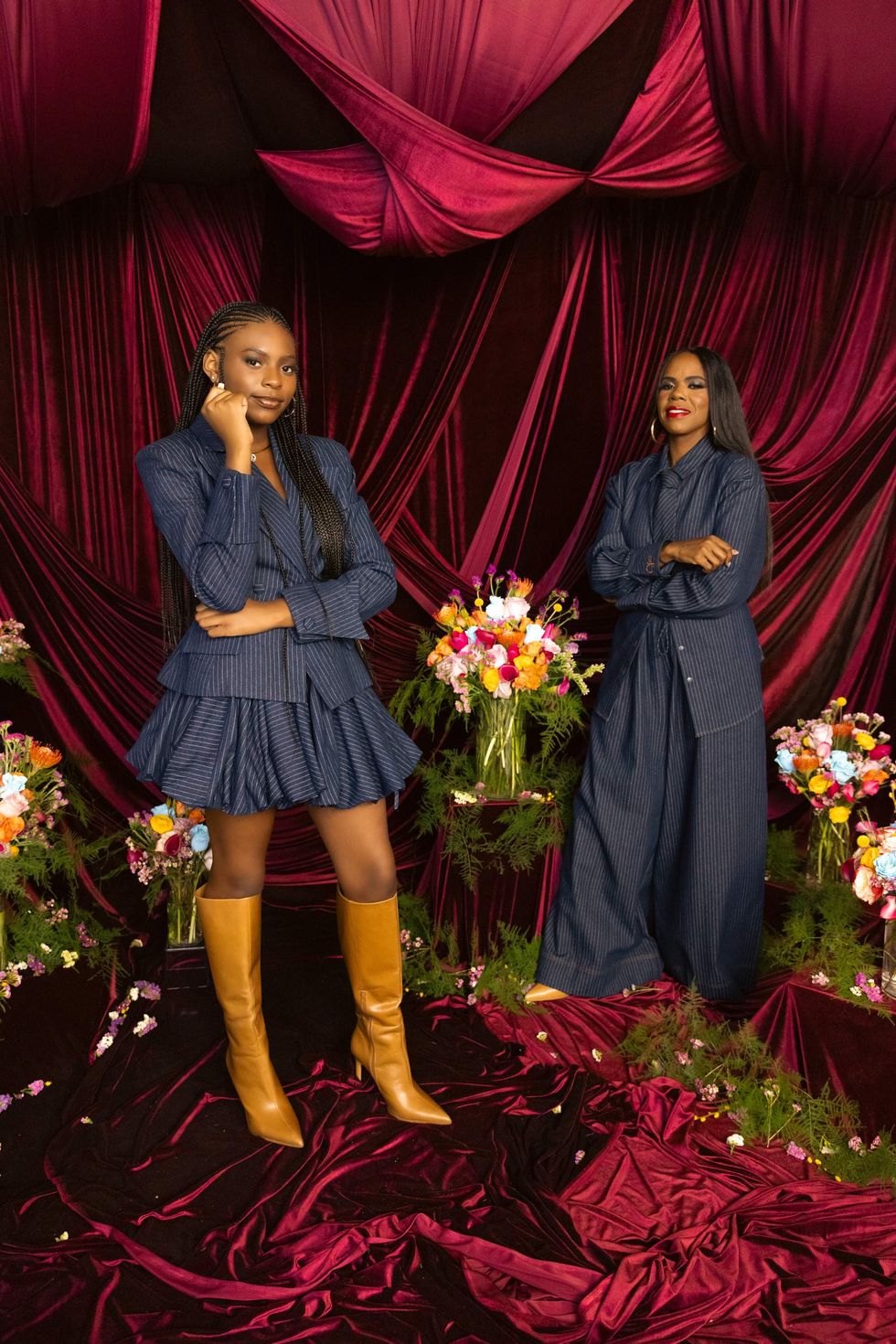

The conversation about sex and intimacy often neglects the experiences of individuals with disabilities. Society's misguided notion that individuals with disabilities are devoid of desires for love, intimacy, and sexual fulfillment is not only preposterous but also damaging, but one disability activist is here to challenge that narrative.
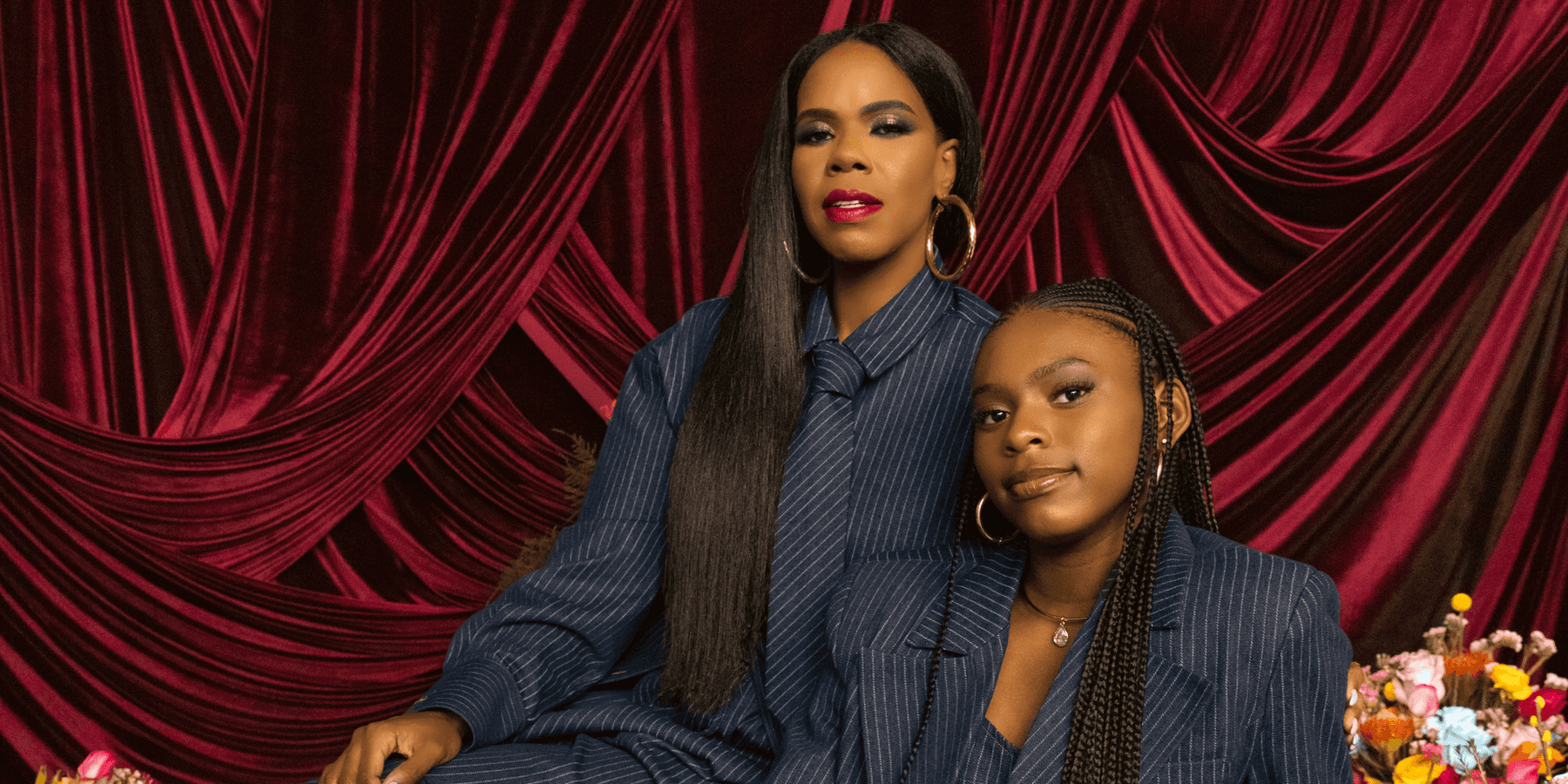
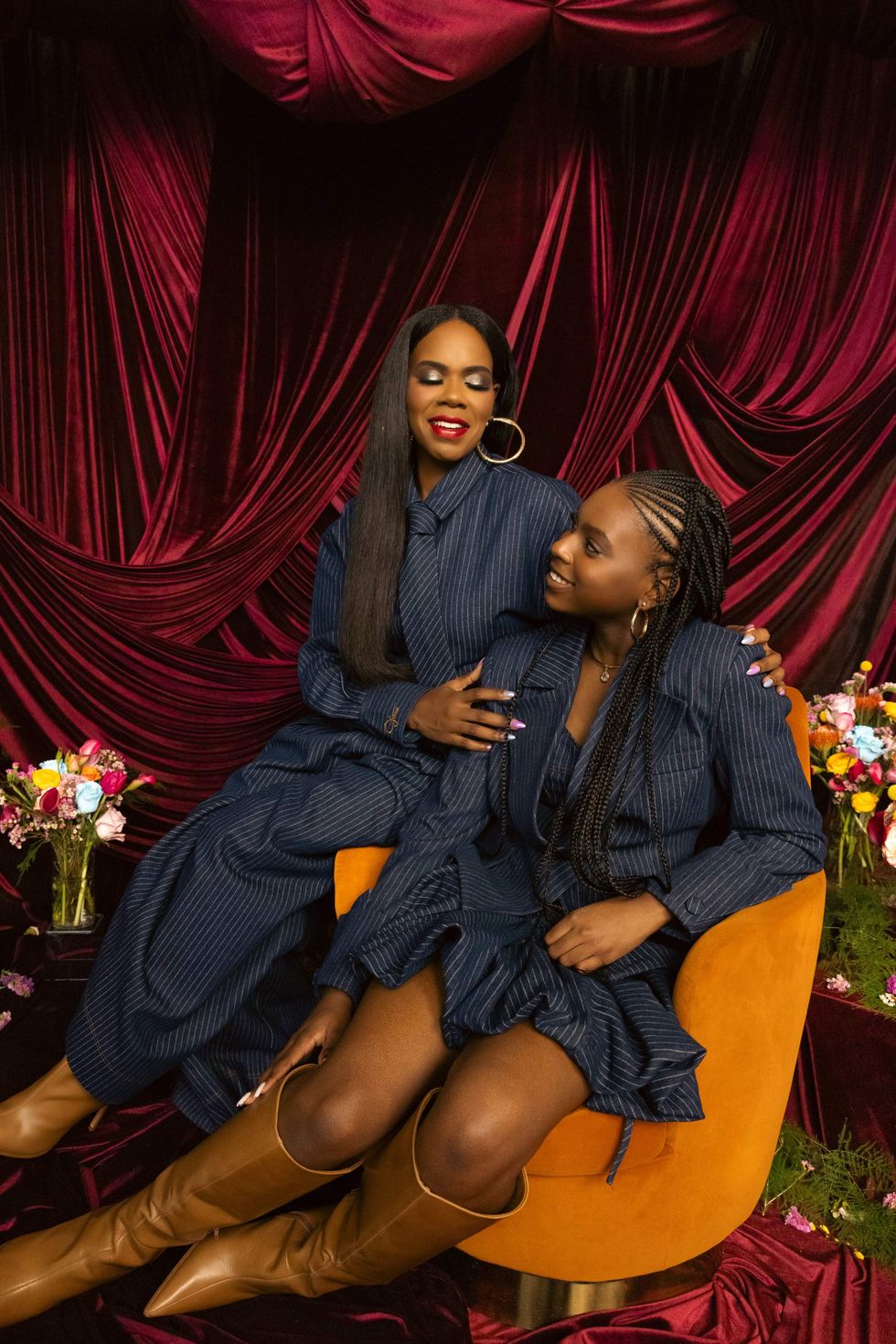
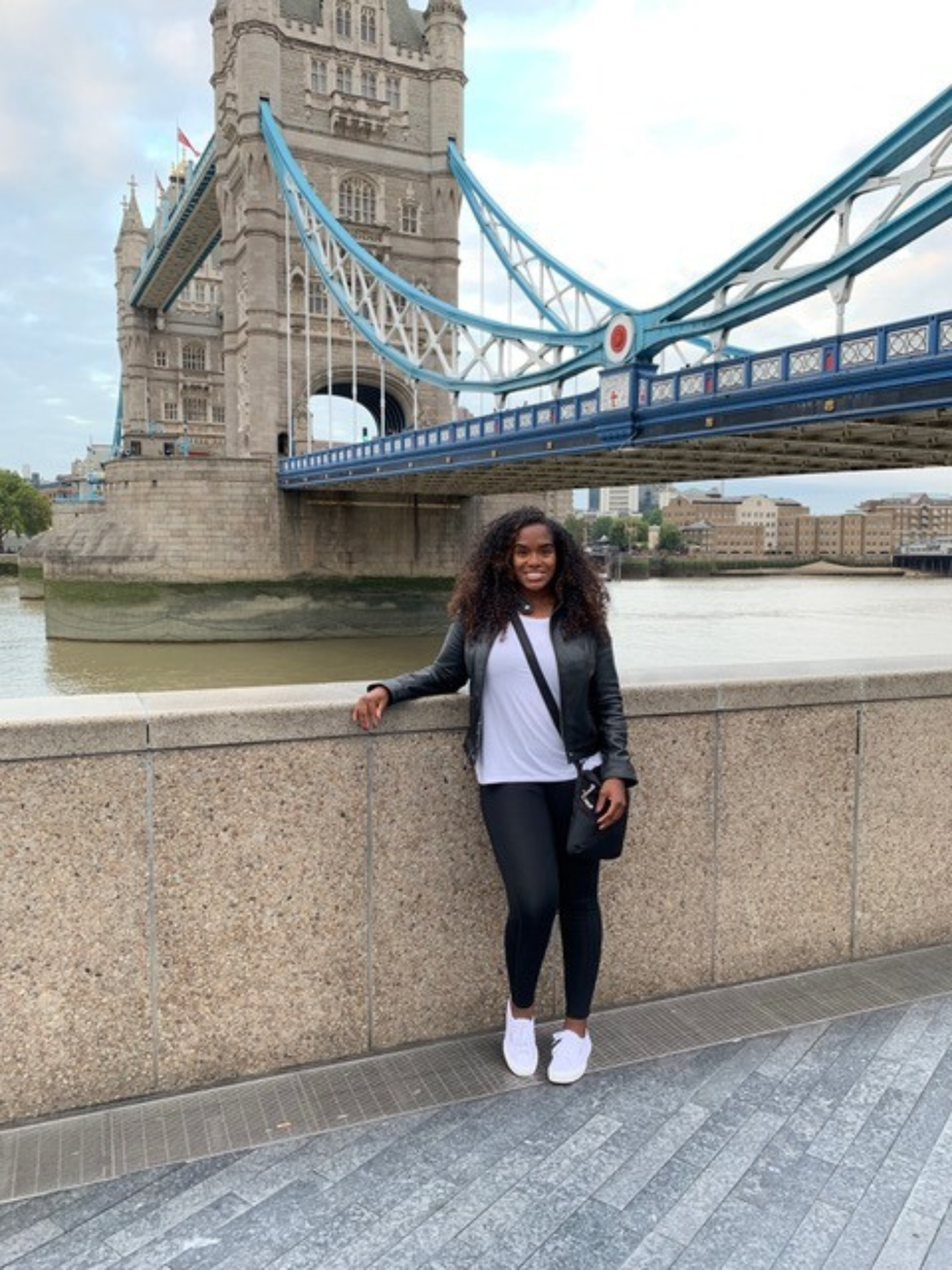
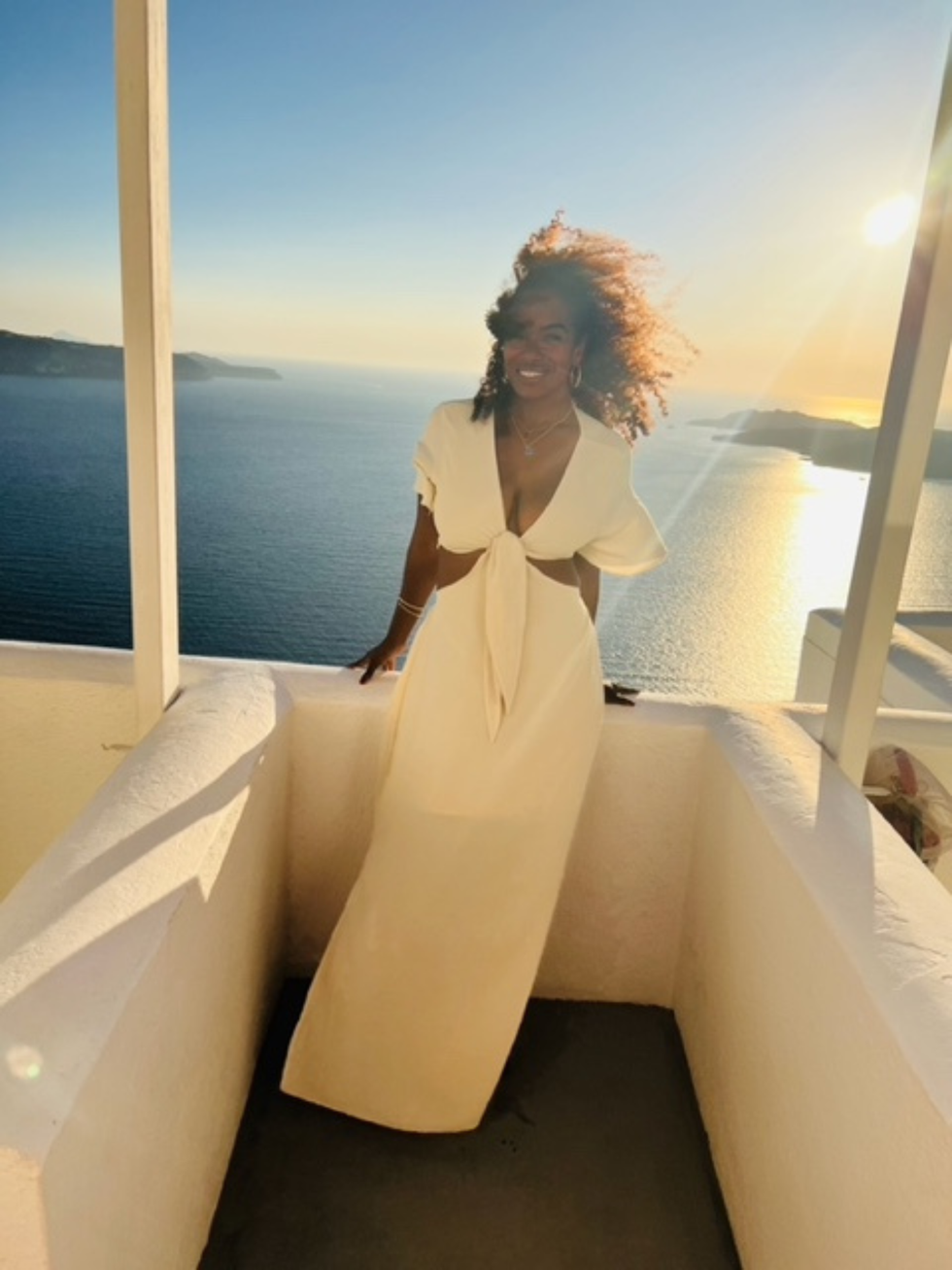
"Society's perception of disability has greatly influenced my own understanding and expression of my sexuality," said author and disabled influencer Tylia L. Flores. "The stigma associated with my disability made it difficult for me to express myself freely, leading to self-esteem issues during my teenage years."
Born with Spastic Cerebral Palsy, Flores refuses to let her condition define her love life or limit her aspirations. As a passionate advocate for her community, she's on a mission to shatter misconceptions and pave the way for a more inclusive understanding of sexuality within the disabled community.
Misconceptions About Sexuality for the Disabled Community
Ableist misconceptions cast shadows over romantic pursuits for disabled individuals. These misunderstandings can lead to assumptions and judgments that hinder their ability to explore and experience love fully.
For instance, Flores revealed that most believe her caregiver, her mother, or another abled-bodied individual has total influence over her decisions with a partner. Contrary to popular belief, Flores wants the world to know she has complete control over her emotions and decisions regarding her dating and sex life.
"By educating others about sexuality and disability, I challenge these stereotypes and break down barriers. By being open about my experiences and advocating for inclusivity, I hope to inspire others to see beyond misconceptions and embrace diverse experiences within the disabled community," Flores stated.
Another misconception is disabled characters in movies, shows, or books cannot be the main character of affection or have sex. Media representations often portray disabled characters as either asexual or objects of pity, reinforcing harmful stereotypes and perpetuating that disabled individuals are not sexual beings.
"The only way we could create a more inclusive world for Black women with disabilities is to have more Black women come out and voice their truths in the mainstream media and literature, and that's my whole goal as an author," said Flores. "I want to see more disabled characters have sex on TV screens and express themselves sexually like abled-bodied characters."
Ignoring The Suggestion of ‘Limited Romance’ in Partners
The stigma surrounding disability and sexuality finds its roots in deeply ingrained societal biases and stereotypes. Throughout history, people with disabilities were systematically marginalized and desexualized, relegated to the fringes of society. This pervasive attitude stems from a misguided belief that disability diminishes one's humanity, erasing desires and needs deemed as "normal" for able-bodied individuals.
"As a Black woman with cerebral palsy, I have faced challenges in navigating intimate relationships. One challenge has been the lingering belief among many that individuals with disabilities should be limited in their romantic choices by only dating or being intimate with other disabled people," Flores explained. "This suggestion is based on assumptions that individuals with physical disabilities are not capable of having fulfilling relationships."
She overcame this by putting herself out there and actively sharing her life and experiences with others. The author also noted that she doesn't have a "type" limited to African Americans or disabled. She prioritized finding love based on shared values, compatibility, and sexual desires. Additionally, she recommended showing yourself without fear of judgment or prejudice when it comes to dating or having a sexual relationship. The right person will value and respect you, disability and all.
Let’s make things inbox official! Sign up for the xoNecole newsletter for daily love, wellness, career, and exclusive content delivered straight to your inbox.
Feature image by Renata Angerami/ Getty Images