

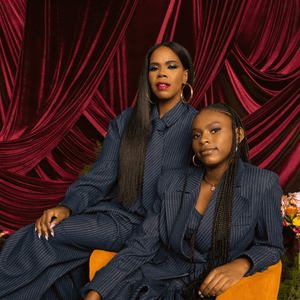

Many of us, 25+ women, are mindfully exiting toxic relationships and transforming good relationships into great ones by healing our inner child and returning back to childlike play. In the context of a post-lockdown society, we’re recovering from avoiding connection for years by discovering ourselves in community and interdependence, as is most rewarding.
They say raising a child takes a village, but we don’t stop needing a village to become well and good people in adulthood - after all, we are but tender children looking for love, safety, and fun on the inside.
After the obligations and responsibilities of work and home life, there is little left of us, which is why and how we spend what little time we have with others matters. We cannot rely on convenience or proximity to form rich adult friendships that fill our cup, but rather something more substantive.
Why Adult Friendships Feel Harder to Make
As a Brooklyn-based community builder who runs a collective to help women make adult friendships, I would say the best return on investment in new friends comes from meeting people where their joy exists.
When it comes to the development of such friendships, we might need to return to the sandbox and the vulnerability of asking another human if they want to play with us. As kids and young adults, community is compulsory. By way of school, church, extracurricular activities, sports, cul-de-sac friends, and third place galore, we were surrounded by peers from all walks of life, even if we didn’t necessarily intend to be.
Unlikely to consider if these spaces were even truly fun, safe, or beneficial, I’m not sure we even knew that community was what we were participating in.
A lot of folks struggle to make friends beyond their early twenties because the security blankets have been removed.
The 'Friendship Drought' After 25
The average age that most meet our best friends is 21, according to The Friendship Report, a global study commissioned by Snapchat in 2019. We can theorize this is because of factors like college environments, frequency of social events, bonding over canon events like first serious romantic relationships, and simply having idle time.
As we age and our responsibilities start to weigh heavier and heavier, we connect less over levity, play, and gossip and become more concerned with romantic partners - which society assigns greater importance - taxes, mortgages, children, increasingly aching bones, and the looming anxiety of legacy.
The Health Risks of Loneliness
Here’s the thing: Loneliness is as harmful as smoking 15 cigarettes a day. Our health quite literally depends on having fruitful connections that aren’t grown from obligation. We need friends who choose us because they love to see us happy and light.
We need friends who choose us because they love to see us happy and light.
The average American spends a very sad 41 minutes a day socializing. We are not socialized to value regular attendance to third places or interest-based activities/hobbies, so this makes sense, but it’s the greatest inhibitor to finding other adults we’re delighted by rather than trauma bonds with coworkers who also hate your boss or neighbors who are fine, but don’t share our values.
Meeting Friends Where Joy Exists
Not only do we need to find third places, not only do we need to commit intentional time daily to investing in friends, but we also need to connect with our friends over soul-enriching and genuinely fun activities. Things that help us know each other intimately.
What we do while we spend time with friends is what makes the friendship.
Time is the Real Investment
According to Jeffrey A. Hall of the University of Kansas, it takes over 200 hours of committed time to truly build a friendship, but as the time committed to leisure increases, so does the reported quality of the friendship. Hence, meeting our friends where our joy is.
Hence, meeting our friends where our joy is.
Building Friendship Through Shared Rituals
I was not the kind of person who ever got to make friends for a good or long time. I moved a lot as a child, went to university across the country from my family, where I didn’t have the ideal experience, then moved across the country again to New York post-college - a city notoriously densely populated and yet incredibly lonely.
I was experiencing no shortage of interactions with people, but a shortage of A) time outside of work and B) vulnerable experiences that don’t involve going to a bar to truly bring me closer to other humans. Today, I have certainly met my people.
While I’m emotionally available to kind folks always, my cup is filled constantly by those who have met me where I am happiest with consistency. I know the context of the way these relationships developed has greatly impacted them.
Last year, a new friend of mine noticed I volunteer at a local food bank every week. We are both founders and hobbyists with little extra time on our hands who really value being of service to the community, so I asked her to join me.
Over the period of a year, she and I developed a ritual of buying each other coffee, coming to our “sacred place,” as we call it, and spending time in the kitchen catching up on family chat, dating gossip, therapy updates, and everything in between.
We kiss goodbye and promise to see each other soon, and we always do.
Small Joys, Big Bonds
Several of my friends are travelers, so we spend time eating delicious food and putting our toes in the finest sand in the world together. Several of my friends are obsessed with and work in music, so we enjoy attending the concerts of our favorite artists. My friends and I each have our rituals of sheer, unadulterated joy.
My friends and I each have our rituals of sheer, unadulterated joy.
Redefining Community as Adults
When I plan events for my community collective, I keep this in mind. We don’t just meet over dinner to talk about work - we do yoga together, we make homemade pasta, we grab ice cream, we learn breathwork, we run around the park, we go on nature walks, we meet to debrief books.
It dawned on me recently that because we grew up forced into dynamics with each other, we never truly learned what community means to us and don’t know how to choose it. As we age, the foundation of our survival shifts from being liked by others to liking ourselves and building a small but mighty team of people who support us in doing so and brighten that light in us out in all of its luminosity.
Your friendships and community are, in essence, a team of people who are co-creating your reality, with each person offering a slice of deliciousness to round out your life pie.
Valuing yourself and committing time for joy is the gateway to friends who bring you joy and want to find you there.
Let’s make things inbox official! Sign up for the xoNecole newsletter for love, wellness, career, and exclusive content delivered straight to your inbox.
Featured image by Ninthgrid on Unsplash
Article originally published on November 6, 2023
- My Female Friendships Were The Most Heartbreaking & Loving Relationships Of My Twenties ›
- 10 Things You Should Absolutely Expect From Your Friendships ›
- True Friendships Are About More Than Sunday Brunches & Photo Ops ›
- Life Taught Me That True Friendships Are “Inconvenient” ›
- A Definitive Guide On How To Make Friends As An Adult ›
- 6 Habits That Make Your Friendships Stronger - xoNecole ›