
It is possible to be both woke and tired. The senseless killings of George Floyd and Breonna Taylor lit up the world, causing cities across the world to pour into the streets to demand justice like never before. Not everyone can be on the frontlines – everyone's role in the revolution is different. From supporting bail funds to creating art to contacting public officials, everyone is essential.
That's why wellness has to be a priority for all of us, especially in these unprecedented times. You can't pour from an empty cup, beloved. OG Audre Lorde once said, "Caring for myself is not self-indulgence. It is self-preservation, and that is an act of political warfare."
We had the pleasure of catching up with three women on the frontlines making our world better. Keep reading to learn more about what activism means to them, how they persevere, and how they do self-care.
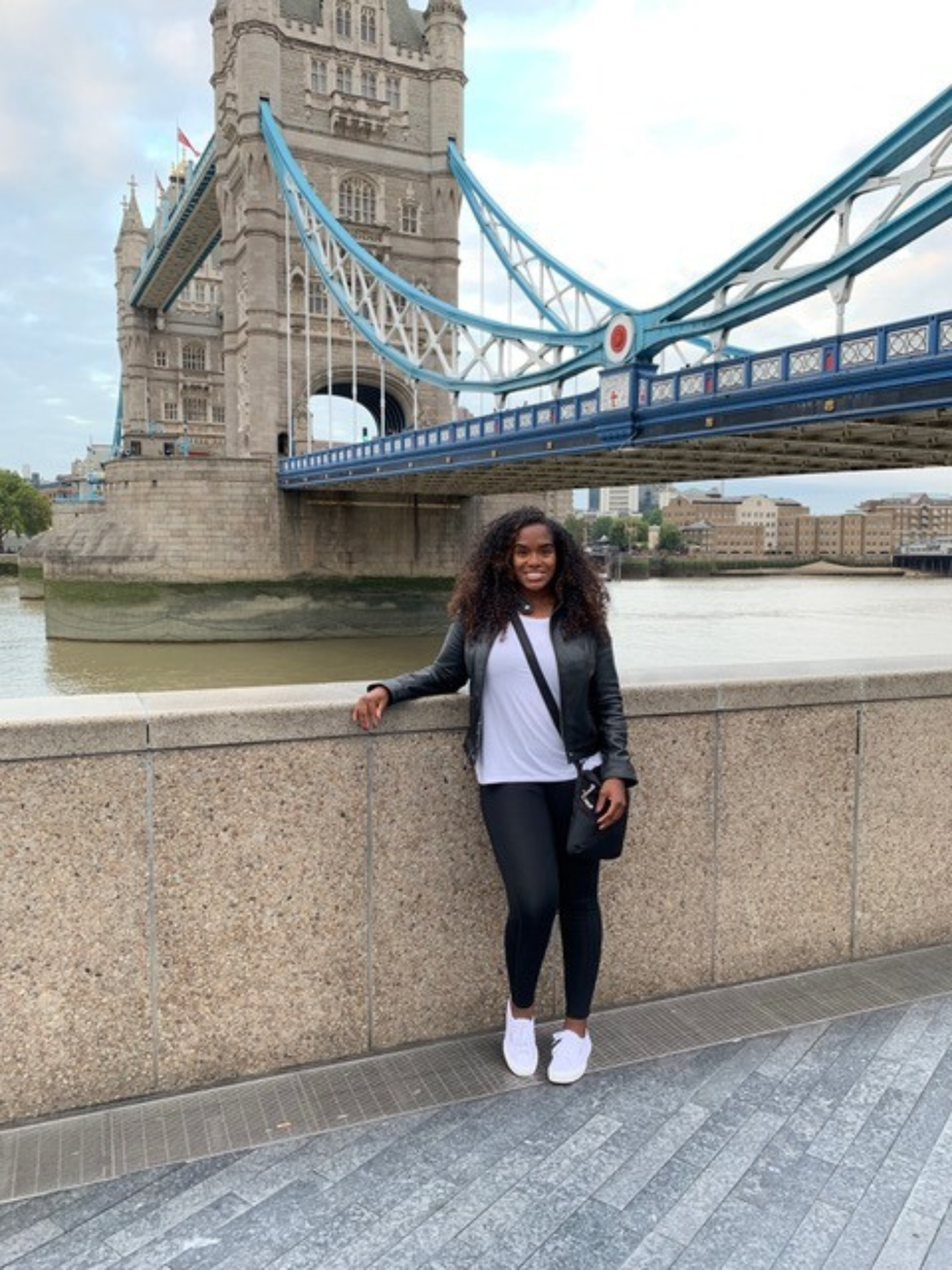
Niki Franco @venusroots
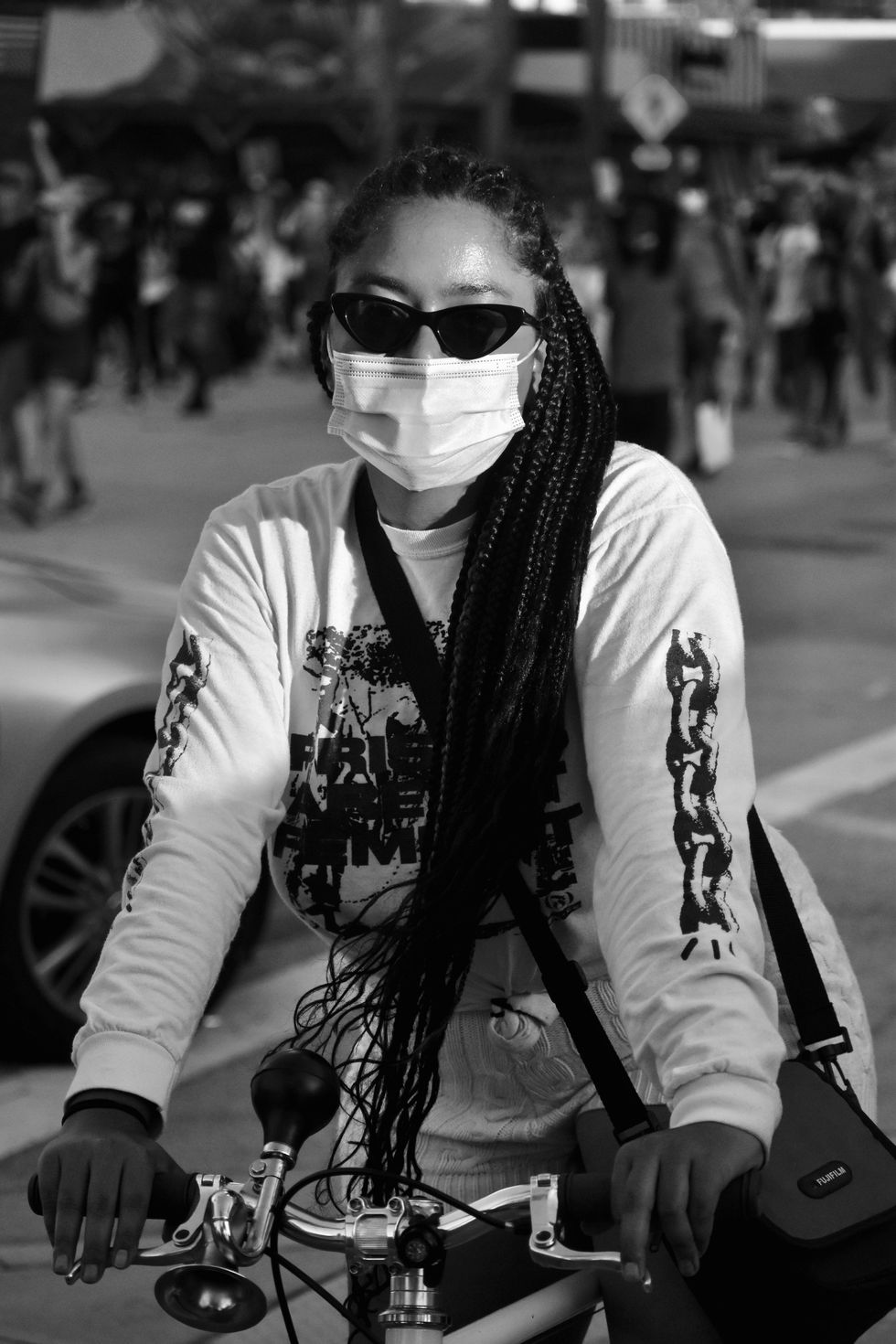
Photo Courtesy of Niki Franco
Name: Niki Franco
Pronouns: she/her/hers
Occupation: Community Organizer, Writer, and Podcast Host
Age: 26
Location: Miami, FL
What does activism mean to you?
My work as a community organizer means that I constantly push the envelope on what we understand to be true, which are usually internalized ideas that reinforce a harmful status quo and it also means I build deep relationships with folks in my community.
This is the time to be bold, to demand everything that we are owed. A new world is possible and it is being built in front of our eyes.
How long have you been an activist and what was your first taste of the social justice movement?
I originally came into movement through work of health inequities and reproductive justice (abortion access and more), but in the past three years, I have focused more on abolitionist work, the school-to-prison pipeline, and youth organizing. A very transformative moment for me was back in 2012 when I was in high school and the killing of Trayvon Martin happened, he was a year younger than I was at the time and just a few hours from Miami.
Why is self-care important now more than ever?
Boundaries! We don't have enough examples of what it means to have healthy boundaries in every aspect of our lives and throughout all types of relationships -- platonic, sexual, romantic, familial, or working, and it usually means we overextend ourselves and am in a constant state of depletion and toxic cycles.
Self-care and communal care are more important than ever because we are in unprecedented times of crisis and our resilience will have to evolve in more profound and expansive ways.
What is your self-care routine? How often do you practice it?
I go to therapy, I do somatics, I work out, I read a lot, I'm ritualistic about my skincare, I nurture my garden, I curate playlists to get me through different moods, I cook, and I try my best to rest and be gentle with myself. I tap into these practices constantly.
What's the hardest thing you've had to overcome in this pandemic within a pandemic?
It has been hard on my mental health. My emotions have gone through a lot of ebbs and flows in this time. I'm naturally an empath and have a deep sense of community. There has been a lot of uncertainty, pain, suffering, and compounding challenges - I have tried to stay rooted in my principles and be of support for myself and everyone I can.
What are some other things that help you navigate difficult times?
Bike rides! It makes me disconnect from the madness and [allows me to] just be caressed by the sun and the breeze. So simple, but such a gift.
What's your go-to mantra to pull you through difficult days?
"My ancestors prepared me for this. I am worthy. I am capable."
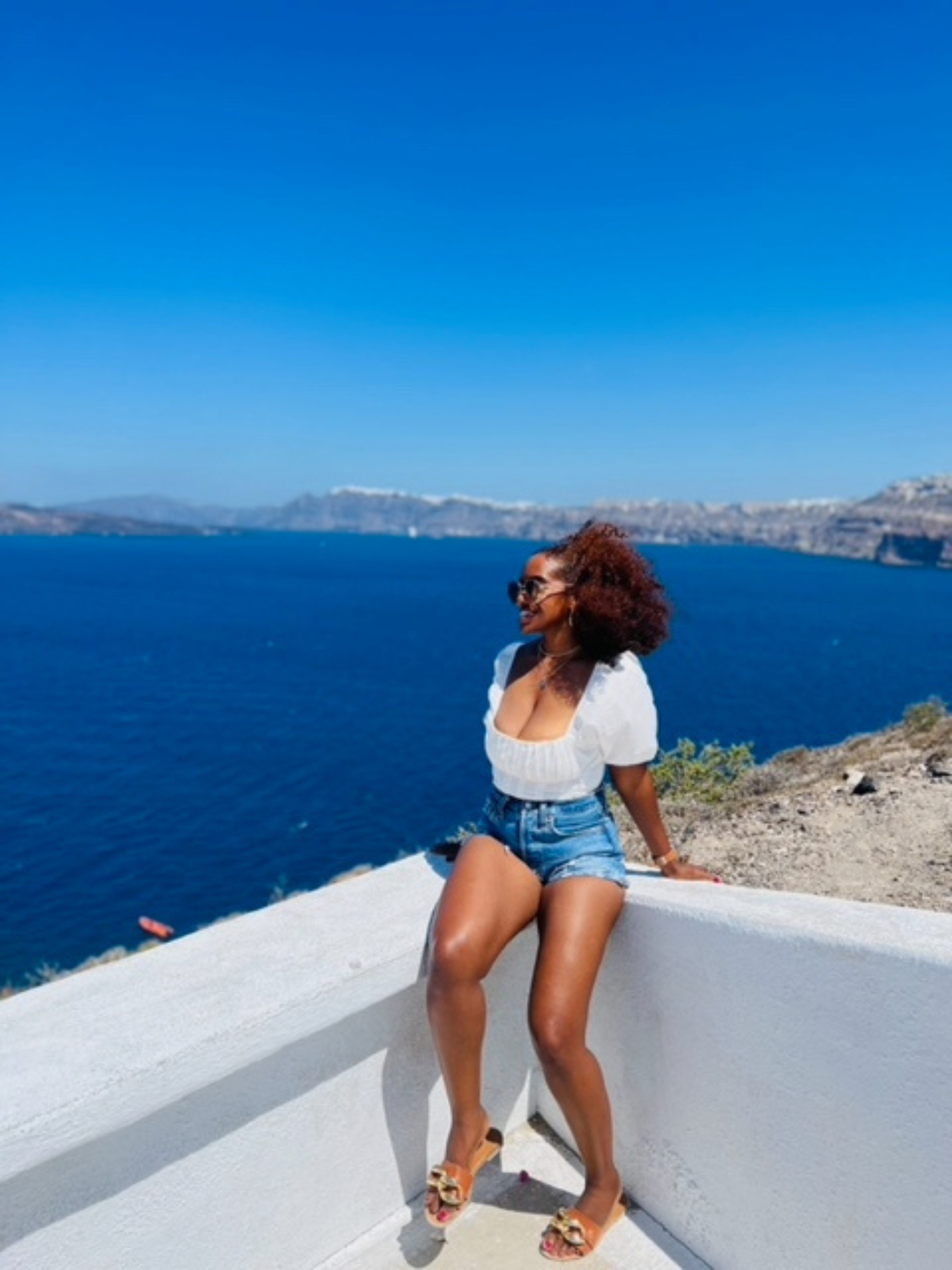
Melissa Denizard @themelissadenizard
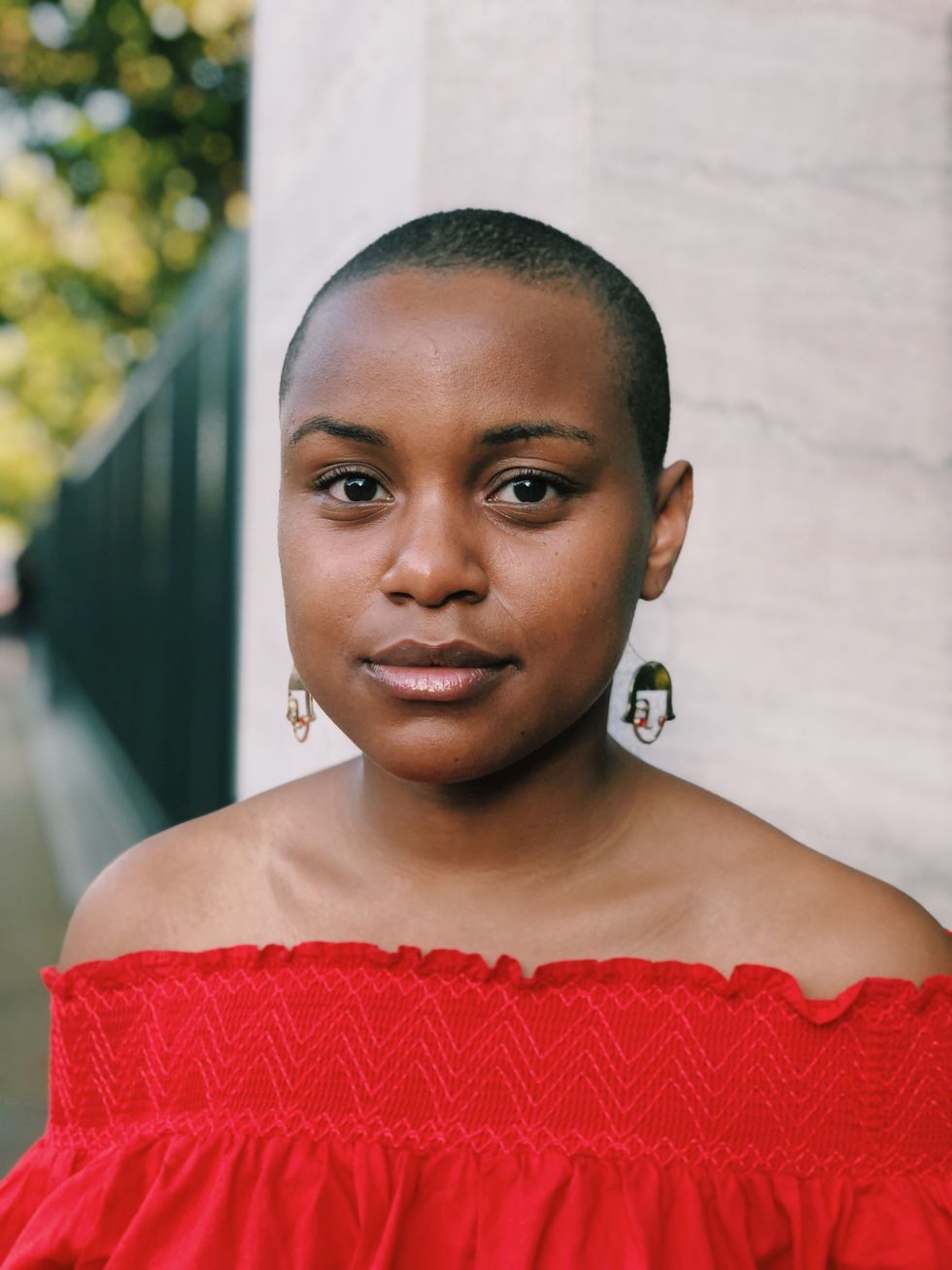
Photo Courtesy of Melissa Denizard
Name: Melissa Denizard
Pronouns: she/her/hers
Occupation: Pro-Black Organizer, Activist, Political Education Educator, and Documentarian – Her politics are rooted in Black Feminism and the Black Radical Tradition, specifically through the lens of Haitian revolutionary politics.
Age: 21
Location: Spring Valley, NY
What does activism mean to you?
Activism, at least when it is in service to Black people and Indigenous people, is a very clear stance. That type of activism--the right type of activism--is saying that I believe in the sanctity of Black and Indigenous lives; that we are deserving of abundance, safety, love, and care. And though we live in a world characterized by scarcity, brutality, punitivity, and suffocation, my engagement in activism is saying that not only have we imagined a better world in which we are honored, we are actively fighting for and working towards that world every day. And we are willing to put everything on the line, including our lives, in order to reach that world.
Why is it important to you that you practice being an activist or activism in conjunction with the other roles in your life?
One time, I was giving a presentation on activism and afterward, someone in the audience--a Black woman, to my surprise at the time--minimized activism and organizing to merely protesting on the streets. Although I was very young, I vividly remember being appalled by her attempt to compartmentalize activism and organizing into one-off protests. In actuality, activism is an integral aspect of the global narrative; along with people who flood the streets demanding recourse for harm caused to their communities, there will always be a student who raises her voice in the classroom, two dissenting people who engage in debate, a community member hoping to pass legislation or a congregation with a desire for justice.
I found my entry into activism through my sheer frustration with my environment and my refusal to accept the status quo. I decided to make a lifelong commitment to pro-Black liberation because activism and organizing have given me the ability to synthesize my experiences and the experiences of others into vibrant narratives that can shift oppressive systems and our traditional ways of thinking. Activism is a way of life, rather than a single ideology that occurs in a silo.
It's time to start looking at activism and organizing beyond obligatory protesting. Yes, protests are a vital component of building, but it is equally crucial that we take a deep dive into how oppression seeps into every facet of our lives. As daunting as that sounds, I am certain that we can all be empowered to utilize activism that is rooted in pro-Blackness and Indigenity as a tool to dismantle systems of oppression to rebuild equitable political systems.
What does this time in history mean to you as an activist fighting for justice and equality?
Witnessing this time signifies to me that our rage is boiling over. We find ourselves in this moment because the United States has never experienced a reckoning for the history of racial capitalism, enslavement, and the displacement of Indigenous people on this land. Black people, Indigenous people, and people of color have never received justice for what was done to us.
Haitian culture and history have taught me that when someone does not receive justice for what has happened to them, a sensation of rage begins to ferment within them. In Haitian culture, we do not shy away from our rage. Instead, we tap into that rage. We are taught to cultivate and nurture our rage, thereby holding that rage very dearly to us until justice is served.
Until we forge a path forward so that we can realize a better world for Black people and Indigenous people, our rage will continue to ferment and boil over.
How long have you been an activist and what was your first taste of the social justice movement?
I've been organizing since I was 14. My entry into activism was actually through the manifestation of the Combahee River Collective's notion of identity politics. Identity politics attributes our identities, which dictate our socio-political and socio-economic positions, as our first introductions to politicization. My initial entryway into advocacy work was through #BringBackOurGirls--a cause specifically dedicated to the plight of Black girls in Nigeria. Before I knew Black Feminist theory, I simply saw myself in those Nigerian girls and organized on their behalf because I knew that their struggle was intertwined with mine. Since then, my organizing work has always been rooted in issues that I have a personal stake in.
Why is self-care important now more than ever?
I saw a tweet the other day that said if we want more Angela Davises, we must be willing to fund them and pour into them. Being on unemployment throughout this pandemic has helped me to realize what the government is depriving us of.
I recently graduated from college (and no, I won't say the name because those were the worst three years of my life), and as I've been applying to post-undergraduate professional opportunities, I have been reflecting upon healing, particularly how little time young adults are afforded to heal before being pushed to transition to the next stages in our lives. It should not be a common, American practice that we expect young people to undergo 16 years of schooling and then immediately plunge themselves into a capitalistic death trap.
Our swift departure to quarantine was, for me, a blessing in disguise. Having the chance to be home presented me with the opportunity to tie up some loose ends and quite frankly, make my final great escape from what has been my personal hell on earth. Most importantly, I finally had the chance to really reflect on all the trauma I've collected these past three years.
The job search has been tough for me — not because I haven't been finding listings, but because it's hard to find the motivation to entrap myself in what will eventually become a lifelong cycle of working to stay alive. For the rest of my life, I would much rather work to service my community rather than to engage in labor to preserve my sustenance and survival. We shouldn't have to sacrifice our leisure or comfort for labor.
I've been working since I was 16. In high school, I worked 40 hours a week to help support myself and my family financially. In college, I worked three or four jobs a semester just so that I could buy groceries and meet my basic needs. My experience with labor is rooted in scarcity — never having enough time or money; never having enough time to enjoy the money I'm making or never having enough money to engage in leisurely activities. Now that I have enough time AND money, I can't help but feel weird and out of place.
What this pandemic has offered me, is a glimpse into what's possible when the government supplements our basic needs so that we don't have to kill ourselves in order to live. I don't think we congratulate our graduates enough for surviving college, nor do we honor the marginalized people in our lives--particularly Black and Indigenous women and Queer folks--who are still standing despite having their livelihoods threatened almost every single day. So, I want to honor all of us who survived.
To those of us who are, although emerging fragmented rather than whole, I implore you to consider how you will heal from it all. You deserve it.
What is your self-care routine? How often do you practice it?
I don't yet have a well-established self-care routine. Currently, I am interrogating why I believe I am not deserving of rest. So I've been going to therapy; I am so happy to be working with a Black woman who holds my trauma and anxiety with love and care.
What's the hardest thing you've had to overcome in this pandemic within a pandemic?
Dissociating from work has been difficult. Now, I can't distinguish if I'm going online for productivity or leisure. It feels like there's never an adequate time to rest.
What are some other things that help you navigate difficult times?
I've recently developed a practice of talking to my ancestors. A friend of mine advised me to pray in the shower. Praying to my ancestors in the shower allows them to cleanse me of any bad spirits, anxieties, or feelings of inadequacy. I often ask my ancestors to guide and protect me, and I thank them for the love and care they extend to me. Cultivating a relationship with my ancestors has been incredibly grounding for me, especially as I continue to deepen my commitment to movement building.
What's your go-to mantra to pull you through difficult days?
"Mwen led, mwen la: I'm ugly but I'm here." Among Haitian women, this phrase, although aesthetically displeasing, is a sign of survival. It explains why, for all my life, I've always described my mother's face—creased with wrinkles and hardship—as never beautiful, but hard. The bags under her eyes weren't designer nor were her raggedy mumus and tired work attire.
According to American beauty standards, she wasn't beautiful. But her struggle was weaved with prophetic dreams of glory; that one day, the work she did would propel her immigrant children into financial stability. So, I carry this with me because it is a reminder that I will be propelled forward by my ancestors.
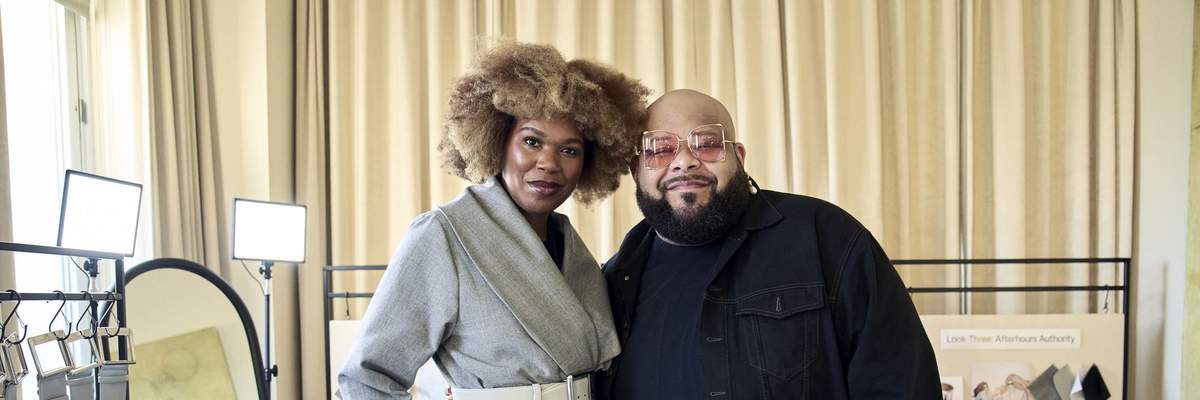
Ryann Richardson @theryannrichardson
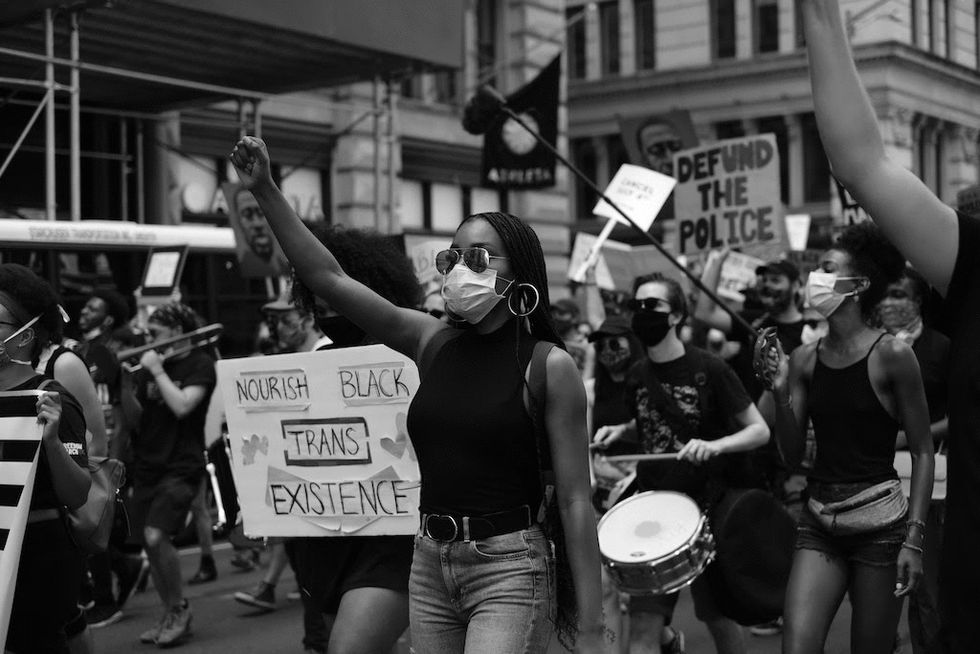
Photo Courtesy of Ryann Richardson
Name: Ryann Richardson
Pronouns: she/her/hers
Occupation: Tech Founder, Keynote Speaker, and Miss Black America
Age: 30
Location: Brooklyn, NY
What does activism mean to you?
I think activism might actually be the meaning of life. While the specific avenues and tactics that we use to exercise it are different for every individual, I do think of activism at its core as a personal responsibility that all of us bear, but only some of us actually step up to accept. You're given one life and I think the measure of success in it might be what you do to improve the world that life exists in.
Why is it important to you that you practice being an activist or activism in conjunction with the other roles in your life?
My role as Miss Black America is first and foremost about service to Black American communities, so my activism is the foundation of my job; everything else is ornamental. On the flip-side, my business career has demonstrated to me how the industry is the single most powerful influence over American culture and the sectors that drive economic growth (like mine: tech) dictate how our society functions. So, business leaders have to exercise an activist mindset in their operations if we're going to see solutions to systemic injustice follow.
What does this time in history mean to you as an activist fighting for justice and equality?
This moment is unique and really promising. This isn't the first time the country has been faced with public outcry for racial justice. But now, for the first time, that outcry is being compounded by three other huge factors: a population that's more diverse (and more socially progressive) than ever before, a global pandemic that has turned Americans into a, literally, captive news audience, and financial insecurity for consumer businesses as a result of the worst economic downturn since the Great Depression. No one can ignore the calls for justice and with more people than ever identifying with the experience of BIPOC in America, the country's private business sector can't afford the financial penalty of not supporting progress. It just seems like the perfect storm for systemic change.
How long have you been an activist and what was your first taste of the social justice movement?
When I was a teenager, every year my Catholic school would take a school-wide field trip to the largest anti-choice rally and march in the U.S. I protested the trip being presented as an official school activity and linked to class credit and refused to attend. It was the first time I remember explicitly challenging an expectation set by institutional authority because it didn't align with my values.
Why is self-care important now more than ever?
We're on the cusp of a revolution. And while there's more working in favor of justice than ever before, winning the fight to fundamentally change our country is still going to be the greatest challenge of our lifetime. Black women are the leading forces in this movement, in our communities, and in our families. We'll have to be the ones who carry this movement on our back and across the finish line.
But we can't do it if our tanks are already running on E. We have to invest in nourishing ourselves (and require that those around us support that nourishment) for us to be the effective leaders we'll need to be at the most important moment in our history.
What is your self-care routine? How often do you practice it?
I have to be sensitive to my own mental and emotional health. Even in "normal" times, our society is already chock full of all kinds of obstacles and pits that Black women uniquely face on our paths to wellness. During this moment, the mental and emotional trap doors are everywhere and it's even harder to navigate. For me, self-care has meant taking periodic breaks from being present in the fight.
I regularly reset emotionally by completely unplugging from the news and social media for a day or two; I actually went dark for a full week recently. I know I'll miss some things, and frankly, that's exactly what I need. I also center myself mentally by temporarily shifting my productivity efforts from serious advocacy work to something more recreational. The total absence of work generally doesn't serve my self-care needs, but if once a week I can replace writing, speaking, organizing voters, etc. with building a new table or reorganizing my closet (or spending the day learning how to do knotless box braids), that allows me to reinvest in the important stuff refreshed.
What's the hardest thing you've had to overcome in this pandemic within a pandemic?
Being largely stuck at home and away from friends and family has meant not being able to turn to in-person social interaction as a palette cleanser when work (or life) gets too heavy. Like most of us, I've relied on video happy hours and FaceTime as a substitute but, admittedly, it's not quite the same.
What are some other things that help you navigate difficult times?
Phone calls with my parents, going on long walks with my dog, sparkling rosé, and remembering that nothing lasts forever.
What's your go-to mantra to pull you through difficult days?
Want more stories like this? Sign up for our newsletter here to receive our latest articles and news straight to your inbox.
Featured image courtesy of Ryann Richardson