

Don't even act like you didn't know this was coming. As we're entering the "out with the old, in with the new" portion of the 2019 program, this is when you won't be able to get online without seeing at least two articles a day on what will be trending in the new decade. However, what might be harder to find than anything else are the healthy food trends that you should take special note of.
In 2020, things will be interesting. "Interesting" in the sense of being a little all over the place, super intriguing and definitely what will require a little more effort on our parts. But if you're looking to expand your palate and also spend a little more time in your own kitchen in the new year, these are things that will help you to accomplish both goals—exquisitely and effectively so.
1.West African Foods
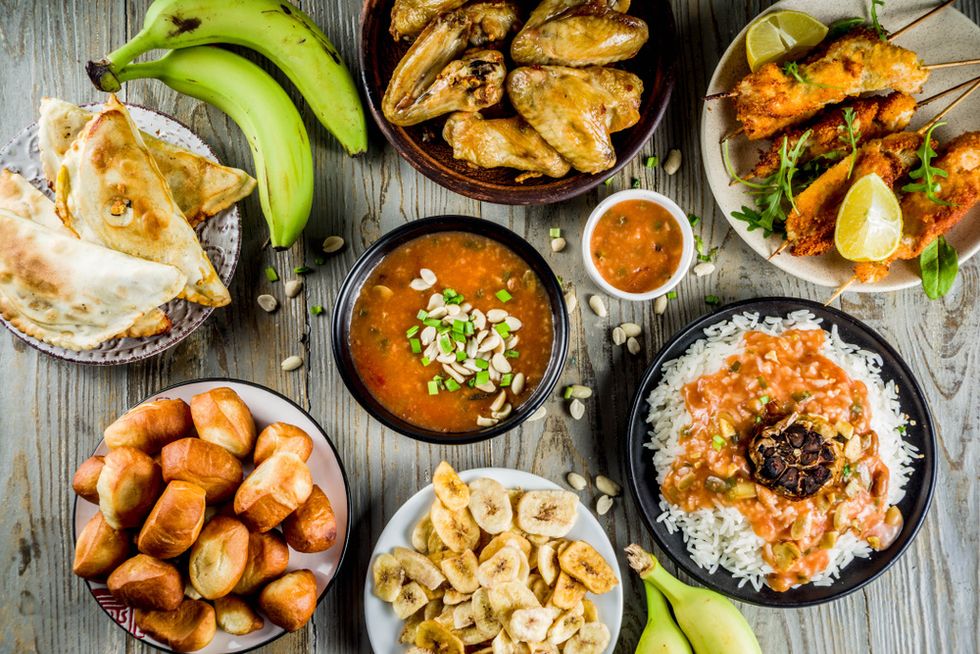
When I read that West African foods would be big in 2020, I immediately smiled. I know several people from Ghana and pretty much every single one of them are gorgeous. GORGEOUS. Anyway, as far as the types of foods that part of the world eats—millet, teff, fufu, yams, avocados, black-eyed peas, mangos, pineapple, ginger, lemongrass, coconut, peanut oil and the combo of tomatoes, onions, and bell peppers as a base for dishes are all extremely popular.
If 2020 is the year that you want to expand your diet with something unique, another popular West African food is sorghum. It's a cereal grain that is gluten-free, rich in fiber, high in protein and iron, and is able to help with controlling your blood sugar levels. You can buy it as a grain; some people enjoy it in syrup form as well.
2. CBD Foods and Drinks
OK, so in the spirit of responsible writing, I would be remiss if I didn't share this off the rip—"CBD-Infused Food and Beverages Are Still Illegal Under US law. So Why Are They Everywhere?". From what I read, this is battle that the FDA knows that they probably won't win; especially since there are currently over 1000 CBD-infused foods and drinks available online alone. That said, yep, it is another food trend that is only going to get bigger in the new year.
And just what are the benefits of consuming foods (and drinks) that have cannabidiol—the non-intoxicating chemical compound that's found in the cannabis plant)—in it? Well, the properties in CBD are anti-inflammatory, anti-anxiety and anti-spasmodic. This makes CBD great at treating pain, depression, keeping diabetes at bay, strengthening the heart and even getting rid of acne if it's consumed on a semi-consistent basis.
If you'd like to see a few examples of CBD foods, it's worth your time to read "What Are CBD Foods and Why Are They Everywhere?" A Hemp Bar or two might be just what the doctor ordered (relatively speaking).
3. Nut and Seed Butters and Spreads
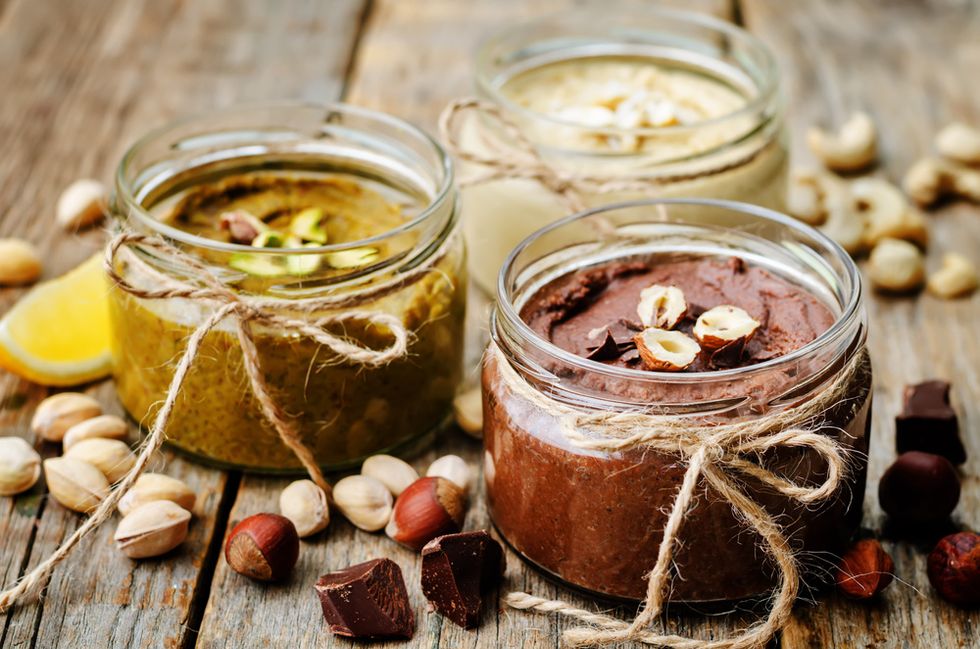
If you'd like to put a spread on your toast or crackers, but you don't want it to be butter, go to your local health food store to pick up some nut or seed butters instead. Some examples of a nut butter include cashew, almond, hazelnut, walnut and, of course, peanut. Some seed butters include pumpkin, watermelon, and sunflower. All are packed with protein, have their own unique flavor, and are full of vitamins and minerals.
4. Jackfruit
Believe it or not, jackfruit is being used more and more as a meat substitute. So, if you're vegetarian or are attempting to go vegan in the new year, this is a food that you'll definitely want to have on hand. Jackfruit contains a significant amount of vitamins A and C. It also has about two grams of protein and six grams of fiber in it per serving. Unripe jackfruit is ideal for meat-like recipes while ripe jackfruit is oftentimes put into smoothies and baked goods. As far as where to cop some, you should be able to find it pretty easily at your local Whole Foods or Trader Joe's stores.
5. Mocktails
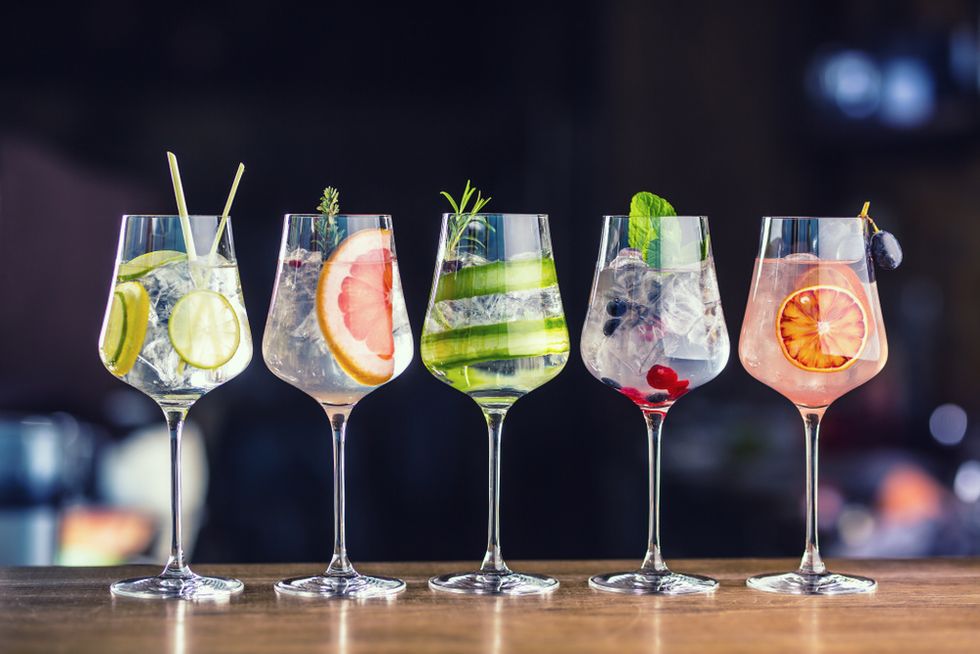
Mocktails (fake cocktails) will also be big in 2020. As I was reading a few articles on this particular food trend, some of the authors brought up a valid point. With mocktails, not only do you not have to work around the after-effects that alcohol can bring, drinking and serving them can save you a heck of a lot of money too. So, if you've got a party coming up, consider offering a couple of mocktails as alternatives. If you have no clue of where to even begin when it comes to building your mocktail mental library, this link features 50 mocktail recipes to get you started.
6. Lotus Seeds
The lotus plant is the kind of plant that is popular in parts of Southeast Asia. The seeds themselves contain a good amount of calcium, magnesium, manganese, pantothenic acid, phosphorus, potassium, protein and thiamin.
As far as its health benefits go, lotus seeds have a good reputation for treating insomnia, strengthening your digestive system, fighting aging signs, healing gum disease, giving an energy boost and supporting newly pregnant moms by giving their babies what they need to have a strong nervous system.
Believe it or not, Walmart sells lotus seeds. So does Amazon. As far as how to eat them, many mash the seeds up with some sugar and salt and serve it as a paste on pancakes, etc. You can check out an easy-to-make recipe here.
7. Middle Eastern Spices
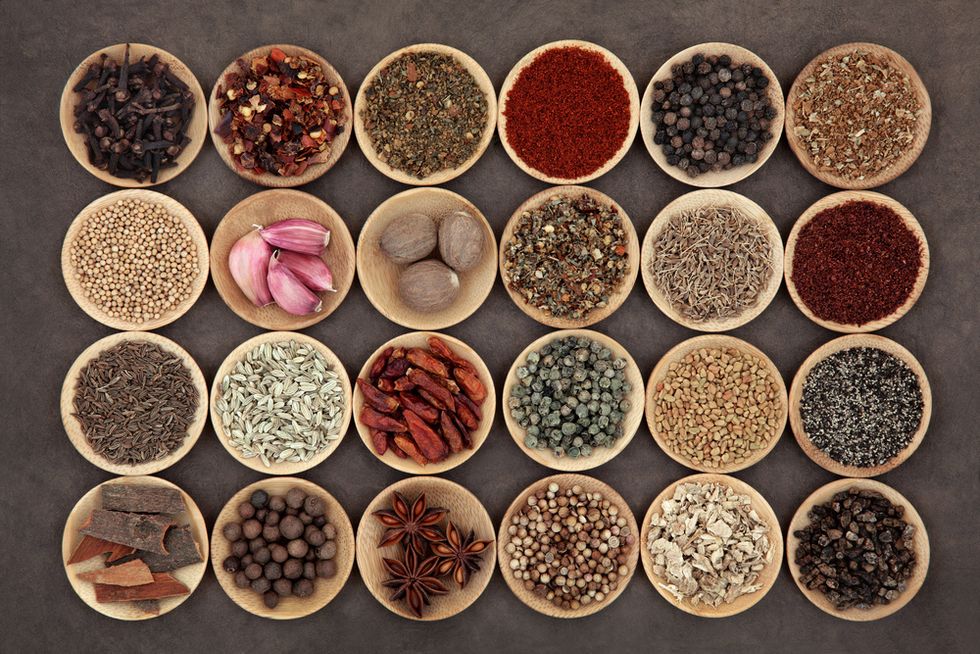
If you enjoy Middle Eastern cuisine, commit to preparing more dishes from the comfort of your own home by stocking up on some traditional Middle Eastern spices. Ones that top the list include turmeric, cumin, cardamom, cinnamon, Baharat, sumac, nutmeg, allspice and anise seed. If you want to impress your own damn self with your knowledge of Middle Eastern foods, also pick up some ras el hanout. It's a spice that is a combo of sweet, spicy and savory. It's so good that its name literally translates to mean "top shelf". (You should be able to find all of those at your local grocery store, by the way.)
8. Fruit and Veggie Flours
Here's the deal—when things are refined, a lot of what makes them good in the first place are removed. Such is the case with refined white flour (read "The Dark Side of White Flour"). But if you like to bake, even half as much as I do, an alternative you might want to try that just happens to be another big food trend for next year are flours that are made from fruits and vegetables. Two that are going to be getting a lot of shine are banana flour and cauliflower flour. Both contain a similar texture to refined white flour while also having the nutrients that naturally come with them. It truly is the best of both worlds.
9. Biodynamic Wine
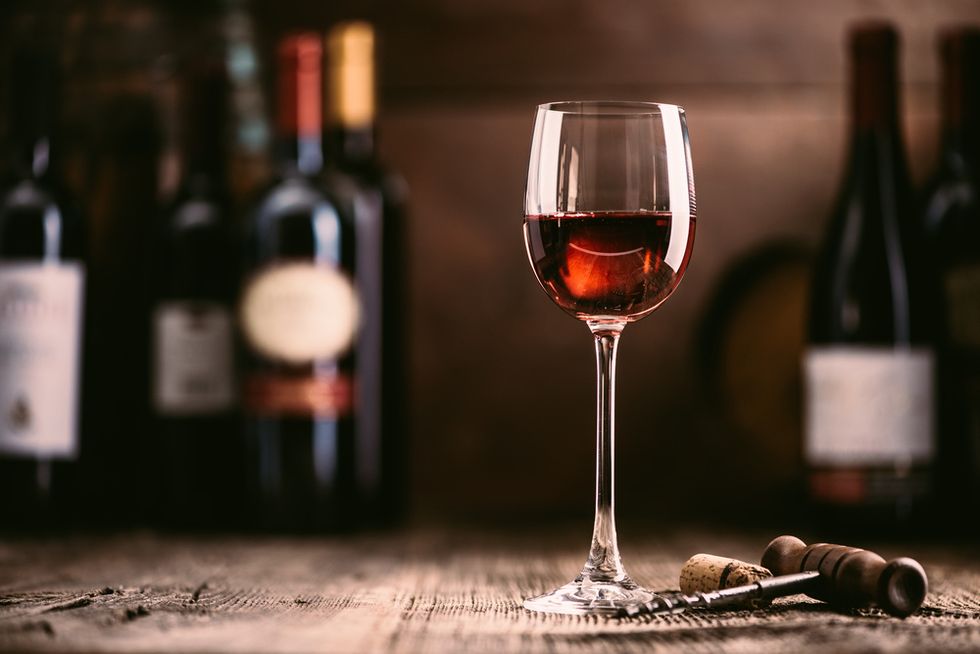
C'mon, wine experts. You tell me what biodynamic wine is. Basically, it's the kind of wine that is prepared in such a way where it has no chemicals at all in it; not only is this kind of sustainable processing good for the planet, it's healthier for you in the long run as well. This is an alcohol trend that's been growing for a couple of years now, so it's not hard to find. But if you'd like a cheat sheet on how to get the best kind of biodynamic wine at an affordable price, check out "The Best Biodynamic and Organic Wines For Under $30".
10. Alternative Sweeteners
If there are two things that all of us could stand to consume a heck of a lot less of next year, it's dairy (eww) and white sugar (double eww). As far as sugar goes, consuming less of it doesn't mean that you can't still appease your sweet tooth. The key is to do it in a healthier fashion. Molasses is packed with iron. Coconut sugar is unrefined, so it contains all of the nutrients that coconuts do. Monk fruit is actually 150 times sweeter than sugar, which means you can use much less of it, which means you don't have to worry about accumulating as many calories as with sugar. All you need to do to enjoy date paste is to combine ¾ teaspoon of water, ½ teaspoon of vanilla extract and a cup of dates. Mash it all up and you're good to go.
And then there's honey. Honey helps to lower cholesterol levels, is an energy booster, is a great sugar substitute for diabetics, is loaded with antioxidants and, has antibacterial and antifungal properties in it too. The best kind of honey to get is raw (unrefined) honey.
You can click here to figure out which brand would prove to be best for you.
11. Supporting Local Farmers
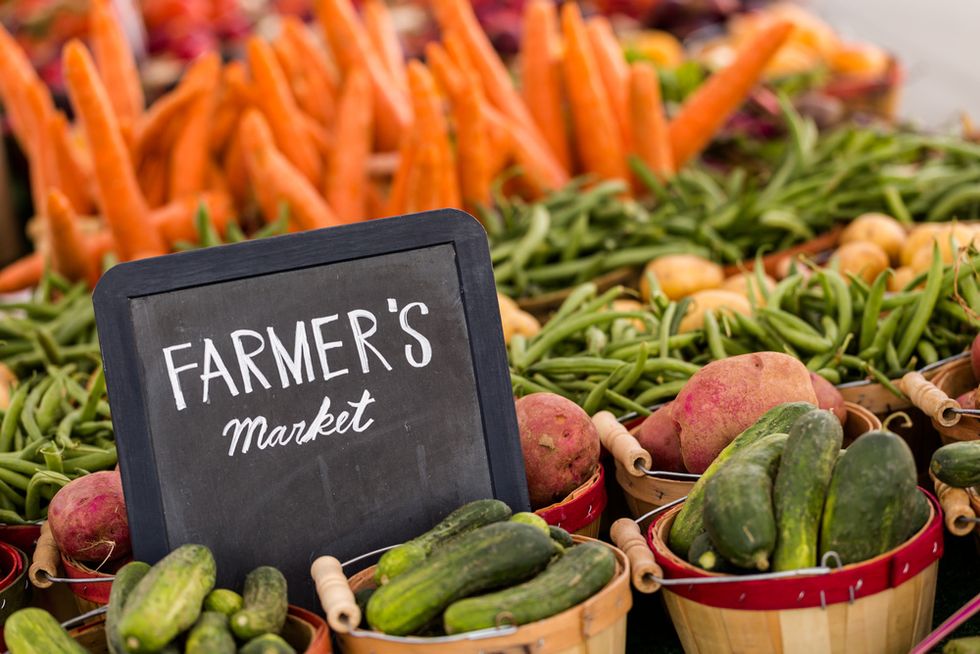
Another way to be more responsible with your diet is to support local farmers by going to farmer's markets more often. The food is fresher, it helps to stabilize our local economies, it's sustainable, it's a wonderful way to stay connected within your community and, oftentimes it's cheaper than going to the grocery store. Everything about the farmer's markets is worth making a weekend run. Try and do more of that next year, will you?
12. Meal Kits
Just last week, I was talking to a male friend of mine who is the consummate bachelor. He admittedly sucks in the kitchen and shared that one of the best things that's happened to him lately are meal kits. His exact words were, "It's a lot healthier than eating out and it makes me feel like I know what I'm doing, even though I don't." If you can relate to where he's coming from, meal kits are also pretty cool because they come with all that you need to prepare a full meal in a box. If you'd like to try "meal kitting" next year—Sun Basket has a great reputation among vegetarians and Home Chef has the best reputation overall. Some other companies that are also popular include Blue Apron, Hello Fresh and Purple Carrot.
Or, if you still want to go out, but you want to eat healthier and preferably at Black-owned establishments, check out Eboneats.
Or, if you happen to live in Georgia or New Jersey, Eat Clean Bro does meal prepping. Here's to eatin' right in 2020, y'all. For real, for real.
Want more stories like this? Sign up for our newsletter here and check out the related reads below:
Plantain Flour, Spirulina & Other Uncommon Foods To Add To Your Diet
The Foods You Should & Shouldn't Be Eating On A Plant-Based Diet
10 "Healthy" Foods That Actually, Well...Aren't
Here Are Some "Holiday Season Foods" That Are Actually Good For You
Feature image by Shutterstock
Did you know that xoNecole has a podcast? Subscribe on Apple Podcasts or Spotify to join us for weekly convos over cocktails (without the early morning hangover.)
- The Top 10 Food Trends for 2020, According to Whole Foods | Kitchn ›
- Whole Foods: 10 food trends we'll see in 2020 ›
- Five 2020 Food Trends to Look for from Boston-Based Food Experts ›
- Benchmark Hospitality Forecasts 2020 Food Trends | Special Events ›
- Our Top 10 Food Trends for 2020 | Whole Foods Market ›
- Food Trends for 2020 from the Fancy Food Show | Tara Teaspoon ›
- Top food trends for 2020, according to Whole Foods ›
- 10 food trends you're about to start seeing everywhere - The ... ›
- An outlook of 2020's biggest food and restaurant trends - Insider ›
- 10 Food Trends To Look For In 2020, According To Whole Foods ›

Sleek & Heat-Proof: Straightened Hair, The Summer It List Way
This article is in partnership with SheaMoisture.
The world may try to convince you that straight hair is a no-go for the summer heat, but if you’re an It Girl, defying the odds is embedded in your DNA.
When it comes to achieving sleek strands for the summer, xoNecole and SheaMoisture have your blueprint for smooth, frizz-free, humidity and heat-damage-resistant hair throughout this season!
From hair styling oils to bond repairing products, and strengthening shampoo and conditioner, SheaMoisture offers a range of products that help you achieve the perfect silk press without worrying about the heat damage, thanks to formulas that moisturize, reduce breakage, and more.
We want your silk press to stay pressed, not stressed, so here’s our quick, three-step guide featuring SheaMoisture products from our xoNecole Summer It List for straightened hair all summer long.
Step 1: Keep Your Hair Strong
Like everything in life, if the foundation is rocky, things won’t last, and the sentiment remains when it comes to your hair.
SheaMoisture’s Hair Styling Oils are a must-have when preparing and protecting your strands before getting them pressed. The Bond Repair Oil is perfect reinforcement that your hair needs from within to prevent breakage and dryness when using heat-forward tools to achieve your look.
Protecting the hair before adding heat with SheaMoisture’s Bond Repair Leave-In helps guard against styling damage. The product also ensures hair bonds are repaired and essential proteins are replenished, resulting in less breakage. It also provides a boost of hydration and 24-hour control against frizz.

Courtesy of SheaMoisture
Step 2: Seal The Deal With Some Shine
Whether you’re preparing to attend a summer wedding or hitting a rooftop with your girlfriends, finishing the look with SheaMoisture’s Manuka Honey & Yogurt Lightweight Oil serves you and your hair right by adding luster, locking in moisture, and taming flyaways.
Step 3: Repair Your Hair Following The Heat
Before jumping into your next style, a moisturizing cleanse is a great repair duo to put the life back into your hair after a silk press.
The SheaMoisture Jamaican Black Castor Oil Shampoo and Conditioner offers damage-repairing benefits that will have your hair thanking you. It restores, nourishes, and strengthens hair, eases detangling, and brings damaged hair back to life with shine and movement, while most importantly, restoring moisture.
Who said that straight hair was off the table during the summer heat wave? With SheaMoisture and a plan, you’ll hit the scene like the It Girl you are for every summer festivity.
Consider your It Girl era unlocked. Shop all of our beauty and lifestyle must-haves on The It List.
Featured image courtesy of SheaMoisture
10 Self-Care Practices That Will Help You Through The Grieving Process
Grief. Boy, if there is one thing that is layered, seasonally intense, and very personalized to each human being (meaning, no one can tell you when or how to grieve), grief would have to be it. And yet, live long enough and you’re bound to experience it — not just in one way either. Grief tends to come with the loss of a loved one. Grief tends to show up via the ending of a relationship (including a friendship). Grief shows up during various types of life transitions.
Grief even reveals itself as you are shedding pieces of who you are (in order to become who you need to be). And that is why I have always appreciated and even resonated with the quote by author Colin Murray Parkes about grief: “Grief is the price that we pay for love.”
Because here’s the thing — just as love has seasons and stages, so does, well, grief: denial, anger, bargaining, depression and acceptance, and what a lot of people don’t tell you is the stages can come in cycles and even overlap. It’s important that when this happens, you are both self-compassionate as well as hypervigilant when it comes to implementing self-care.
And that’s what moved me so about the lead video for this piece (see below), where Regina King (someone who I enjoy and appreciate on so many levels) is talking about where she currently is, in her own grief, almost three years after her son Ian’s passing. In her eyes, there is both sadness (a stage of grief) and resilience (a form of acceptance) and, to me, it serves as a reminder that through grief, we must nurture self. It is essential. It is paramount.
The article continues after the video.
If you are currently in the stage of grieving something or someone, here are 10 things that you can do, physically, to get through — not over but through — what you are currently experiencing. Because another quote that I honor about grief? “Sometimes the healing hurts more than the wound.” (Unknown)
Or, as my mother used to say, “Surgery hurts but it can also cure.” Amen.
1. Do Some Grief-Themed Meditations

Unsplash
Meditation is something that we’re always gonna back over on this side of the internet because science gives us far too many reasons to. Over the years, research has proven that meditation reduces stress and anxiety, promotes self-awareness and a higher sense of self-worth and it can help you to become more compassionate while improving your quality of rest.
And when it comes to grief, specifically, by getting still enough to feel what you are going through (whatever stage of grief it may be), it can help you to understand what your present needs are, it can encourage you to be kinder and more patient with yourself and it can also reduce your chances of falling into depression. If you would like to tap into this more, check out Mindful’s “A 12-Minute Meditation for Grief and Loss” or go to YouTube and put “grief meditations” in the search field.
2. Use Essential Oils (That Make the Grieving Process Easier)
At this point, I’m really starting to wonder if there is anything that essential oils can’t do. I say that because, over the years, I’ve written articles like, “8 Essential Oils That Will Manifest (More Of) Your Feminine Energy” and “You'd Be Amazed How Much These 10 Essential Oils Can Give You Some Blissful Sleep” — and, believe it or not, there are even oils that can help to bring ease and comfort during the grieving process.
Some of those include lavender (it decreases anxiety); chamomile (it helps to balance your moods); sandalwood (it calms your senses); jasmine (it cultivates peace), and rosemary (it reduces your cortisol levels which basically means that it reduces stress).
To get the most out of these oils, you can either apply them to one of your pressure points, put them into a diffuser and add a couple of drops to your bedding for a more restful night’s sleep.
3. Spend More Time in Nature

Unsplash
There is a chapter in the Bible that says there is a time and season for everything. If you read Ecclesiastes 3 all the way through, you will notice that there are times for death, crying, mourning and losing — it’s all a part of life. And perhaps the reason why nature can help us to get through those things is because it literally goes through seasons of transition; it’s not summer all of the time and it’s not winter all of the time either.
Aside from the “poetic” insights that nature can provide, the American Psychological Association says that doing something as simple as taking a walk outdoors can lower your stress levels, help you to feel happier and it can boost your cognitive abilities. In fact, if you want to bring some nature indoors, plants have a way of also reducing your stress levels and making you physically feel better (since they help to keep indoor pollution down to a minimum).
4. Limit Your Alcohol Intake
It’s not uncommon that, when some people are going through certain stages of grief, they will drink alcohol more often than they usually do. The challenge with that is, although it may feel like an initial stimulant, it’s actually a depressant; this means that it can slow down your brain and make you feel calm at first while also blurring your vision, impairing your judgment and causing you to feel disoriented in the process.
The roller coaster ride of what alcohol can do is why it’s not a good idea to consume a lot of it if you are going through an intense grieving process. Because here’s the thing — it’s not as difficult to develop a dependency on alcohol as you might think; especially if you have a family history of alcoholism or you’ve relied on it as a way to cope with stress or pressures in the past.
5. Up Your Vitamin B, C and Magnesium Doses

Unsplash
It’s pretty understandable that while you are grieving, you may not have much of an appetite; that’s why it’s important to take supplements in order to get certain nutrients into your system. For instance, B-vitamins help to reduce stress, anxiety and feelings related to depression; vitamin C will strengthen your immunity (because the last thing that you want to be is sick when you’re grieving) and, to keep your cortisol (stress hormone) levels in check, magnesium will help to stabilize your moods.
By the way — foods that are high in “B” include spinach, eggs and beef; foods that are filled with Vitamin C include citrus fruit, berries and yellow peppers, and foods that are packed with magnesium include whole grains, avocados and cashews.
6. Get More Hugs
Not too long ago, I stumbled across an article entitled, “A Hug Only Takes 10 Seconds, Yet the Benefits Last Forever” and it really is true. For one thing, hugs are a physical expression of sympathy, compassion and even empathy — and all of that can help to decrease your stress levels, reduce feelings of fear (yes, literally) and lower experiences of (mild) physical pain and discomfort that you might have. Also, hugs can make it easier for you to express whatever you may be currently going through to other people.
In fact, some therapists say that we need multiple hugs a day, whether we are feeling low/need an extra layer of support or not. How many exactly? Popular therapist Virginia Satir believes this: “We need 4 hugs a day for survival. We need 8 hugs a day for maintenance. We need 12 hugs a day for growth.” So, even if you think that you don’t feel like receiving physical affection, be open to it. A hug can do what all of these other tips simply…can’t.
7. Make Plans for Special Days (That Are Connected to Your Grief)

Unsplash
Ask anyone who has lost someone close to them (whether it was through death, a break-up or life-altering transition of a relationship…of any kind) and they will probably tell you that holidays, birthdays and anniversaries are oftentimes the hardest days to get through. To this, I say, make a point to do something special — whether grand or small — on those days instead of dreading them.
When it comes to my late fiancé, he will have been gone 30 years this November 3. Every year, I will get his favorite Checker’s meal (that man ate Checker’s and pizza more than anything else; it was wild!) and listen to some of his favorite music (The Roots, Biggie, D’Angelo, Faith Evans and Groove Theory…for starters; he used to intern where he would get early releases of things and it was awesome). It always puts a smile on my face to do so because it reminds me that love doesn’t die…it shifts forms.
8. Try a Grief Journal and/or Grief Therapy
So, here’s the thing about journaling — if writing isn’t really your thing (or grieving currently has you feeling pretty close to exhausted most of the time), you can always pull out your phone and record some voice notes. Just remember that there is plenty of research which supports that journaling (of any kind) can help to relieve anxiety, reduce stress and help you to face whatever you are feeling head-on. A bonus? If you journal consistently, it can help you to document the progress that you are making through your feelings and stages of grieving.
The same thing can be said for grief therapy; especially since grief therapists/counselors/life coaches are trained to help you get through whatever season of grief that you might be going through.
And what are some clear indicators that you might need some extra assistance with your grief? You are experiencing suicidal ideations. You seem “stuck” in a stage (especially if it is sadness or anger). You don’t have any reliable support (meaning, you feel like you are dealing with everything that you are going through on your own). You are participating in (potentially) destructive habits or acts of self-sabotage. Your grief is affecting your quality of life (long-term). If any of these apply, please let someone know. There is absolutely nothing to be ashamed of. Again, grief comes to us all.
9. Add More “Comfort” to Your Bedding

Unsplash
Personally, I’m a believer when it comes to color psychology (check out “Understanding Color Psychology Will Sharpen Your Lens On Life” and “This Is How Color Psychology Can Significantly Improve Your Sex Life”) and that is why I definitely think that when you are going through the grieving process, you should consider upgrading/updating your bedding. Since sleep is probably already a challenge for you (because grief elevates stress and stress is tied to restlessness and insomnia), sometimes a change of scenery in your bedroom can feel comforting.
First up, go with colors that cultivate feelings of happiness and security like shades of blue, orange, pink, yellow and green. Invest in a(nother) down or down alternative comforter. Surround yourself with, what I call “stuffed animals for adults” — tons of pillows; they can provide comfort and a sense of protection at night. You need to feel nuzzled in comfort at night — new bedding can help to make that happen.
10. Put Yourself on a Sleep Schedule
As you’re going through the various stages of grief (sometimes more than once), I actually read before that an acute level of it can take somewhere around a year before you settle into a new normal. During that time, your heart rate might randomly speed up, you may experience joint discomfort and headaches, concentrating could prove to be challenging, you might catch colds quicker and easier — and yes, all of this can lead to really struggling with getting to sleep.
Something that can help with this is putting yourself on a sleep schedule. By creating (and maintaining) a sleep schedule for yourself, that can place your circadian rhythm (the 24-hour cycle that helps you to get the kind of sleep that you need) into a routine that can make it easier for you to not only fall asleep but stay asleep — and the more rest you have, the easier it will be to face the grief cycles that you are going through. For other tips on how to get the quality of sleep that you both need and deserve, check out “These Sleep Hacks Will Make Getting A Good Night’s Rest So Much Easier.”
____
Artist Yumi Sakugawa once said, “Sometimes it’s okay if the only thing you did today was breathe.” When you’re walking through grief, please take this especially to heart.
And listen, if you apply even one of these tips to your breathing, pat yourself on the back. You are showing signs of wanting to get through the grief — and that makes you stronger than you will ever know.
Let’s make things inbox official! Sign up for the xoNecole newsletter for love, wellness, career, and exclusive content delivered straight to your inbox.
Featured image by Unsplash