
National Black Business Month may be winding down, but that doesn’t mean we won’t stop celebrating Black businesses anytime soon. Starting a business is no small feat, and ensuring its success is its own accomplishment.
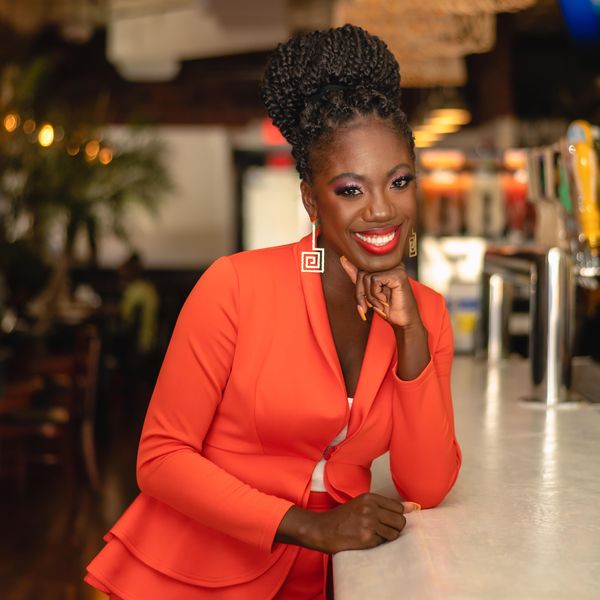
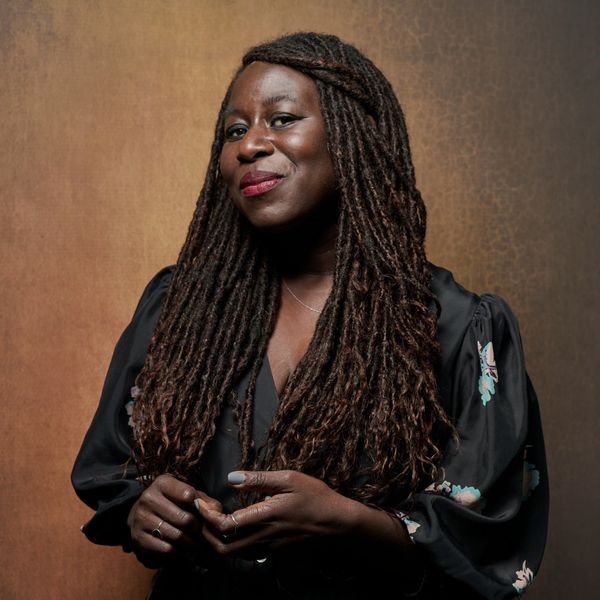
However, Black women are reportedly the fastest-growing business owners in the U.S., and they are using their voices to show others the power of entrepreneurship. xoNecole interviewed four Black women leaders in healthcare, tech, nonprofit, and entertainment about their entrepreneurship journeys, their legacies, and so much more.
Learn more about their stories below: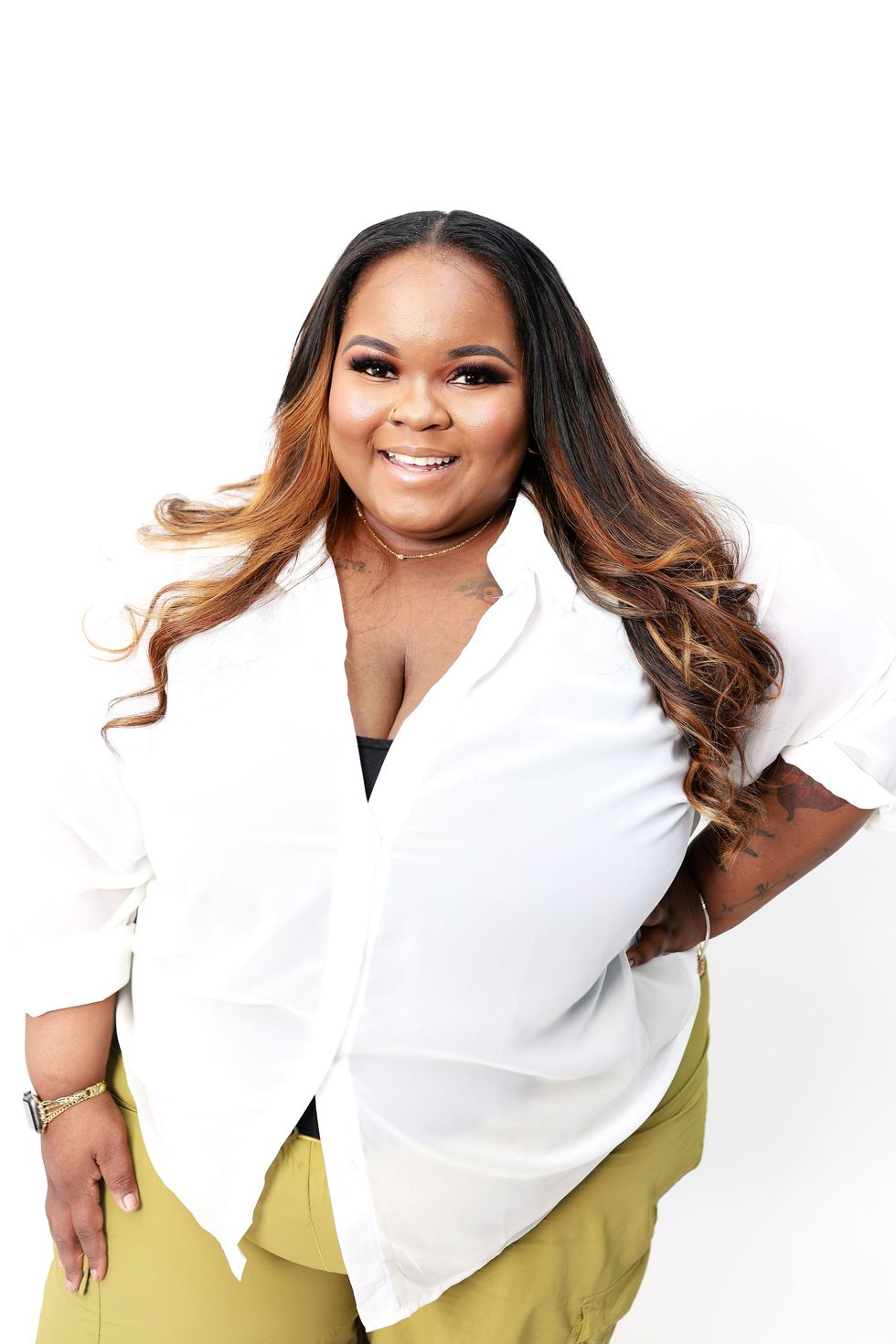
xoNecole: Tell us a little bit about your journey.
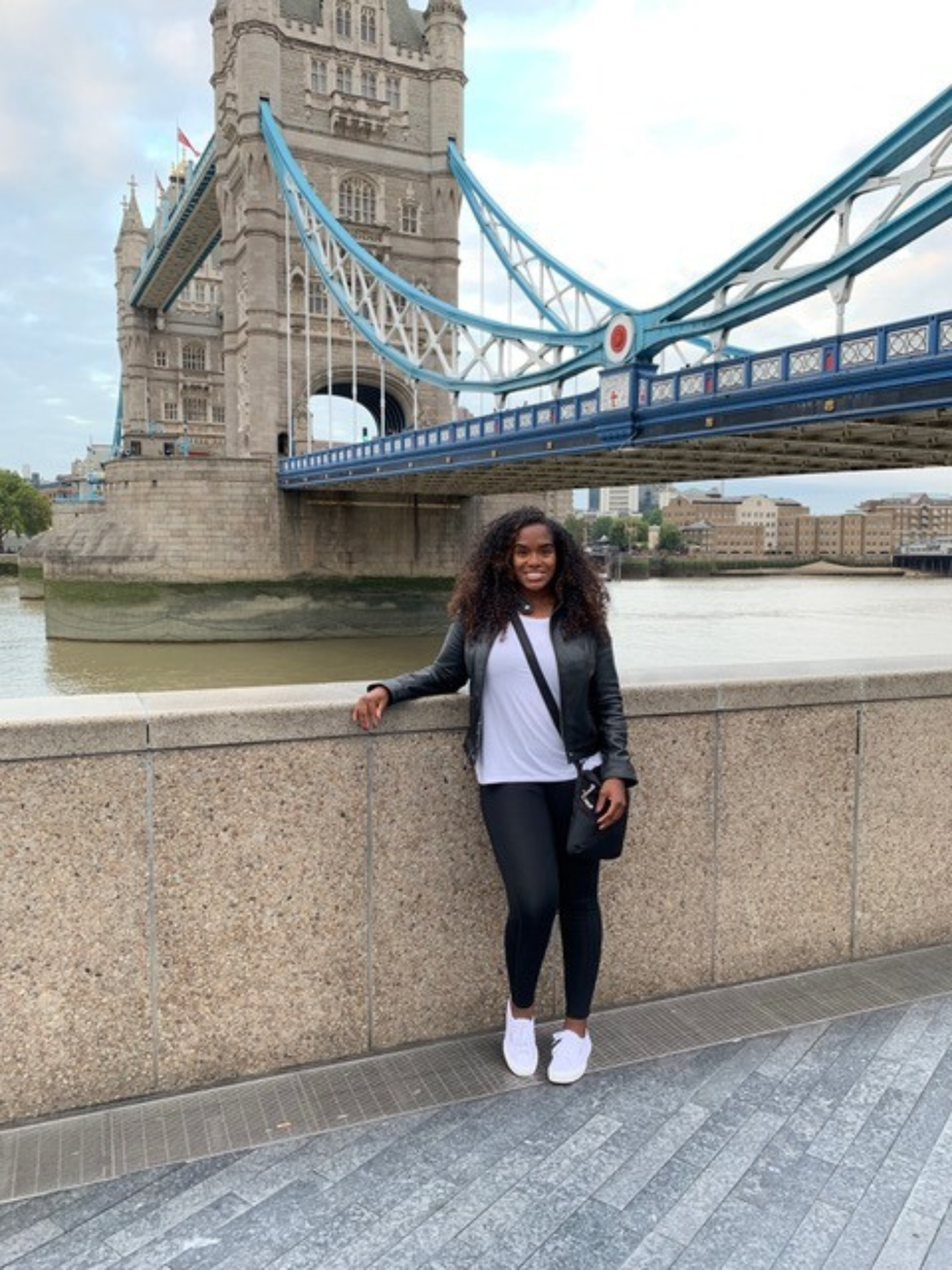
Kayla Life: My pathway was a little bit different than most. I didn't go into a tech career. I didn't go and start working for a tech company. I actually started working in schools, and I was a teacher. I was a school counselor. I did everything but be a principal for over 15 years. But my main passion was technology.
So I would teach tech courses. I created tech curriculums. They attributed me to saving our network during the pandemic, because I was the only one that knew what to do. And once that happened, you get to a space where you're like, ‘Okay, what's next?’
I was in New York City. I was working in Brooklyn. Like I said, I had built that tech curriculum. I was at the school for six years, and then once the pandemic happened, and they said, "Oh, you saved us. Thank you so much." I said, "Okay, great. What's my compensation?’" There was none. So I left (laughs), and that was just one of those things. I called it my dramatic push from God, when you realize you're super talented and you're being stifled in the area that you're in.
xoN: So, you left to start your company, or you started working with different companies and then eventually created your own?
KL: No, I left and I started my own company. I didn't have a plan. I did what God told me to do. I did some radical faith. Radical like, all right. You said, quit. I'm quitting. You said, move back to Atlanta. I moved back to Atlanta. So what now?
xoN: How are you rewriting the rules as a Black woman in your space?
KL: I'm not gatekeeping. I like to sit in these conversations because I've got the personality. They think I'm cute. I'm not that intimidating, that type of thing. And I can sit down, I can hear and I can intake the information, and as soon as I get the information, I'm going right back to my people, like, ‘Hey, listen, this is how they’re getting the money. This is where you need to go.
These are the communities you need to be a part of if you're really trying to take this to the next level. I'm going to sound real hotep-y when I say this. Full transparency, I graduated from Spelman so there is that. I feel like this LLC community, it’s been something that's been pushed on us to hold us back again.
"I called it my dramatic push from God, when you realize you're super talented and you're being stifled in the area that you're in."
xoN: Tell me more.
KL: You've got everyone running around [telling people] go get your LLC. Create freedom. Do this, do that. And it's not a one step or overnight process. We're not telling individuals, okay, you can go get an LLC. That's great. That's a good start, right? But when you actually start making money, you should start looking at the different tax classifications, so you can keep some of your money. Or, maybe you don't need an LLC. You should actually try to get an investable, venture backable business.
You need a C Corp. And this is how this [is] used. They're not telling us that. That's stuff that I found out just from engaging and putting myself in other networks, right? So if I had known that at the beginning, I wouldn't have started as a small business. I would have started as a startup, which is what we are now.
For more about Kayla and RebrandLand AI, click here.
Mattie Gaffney, Abloom Healthcare
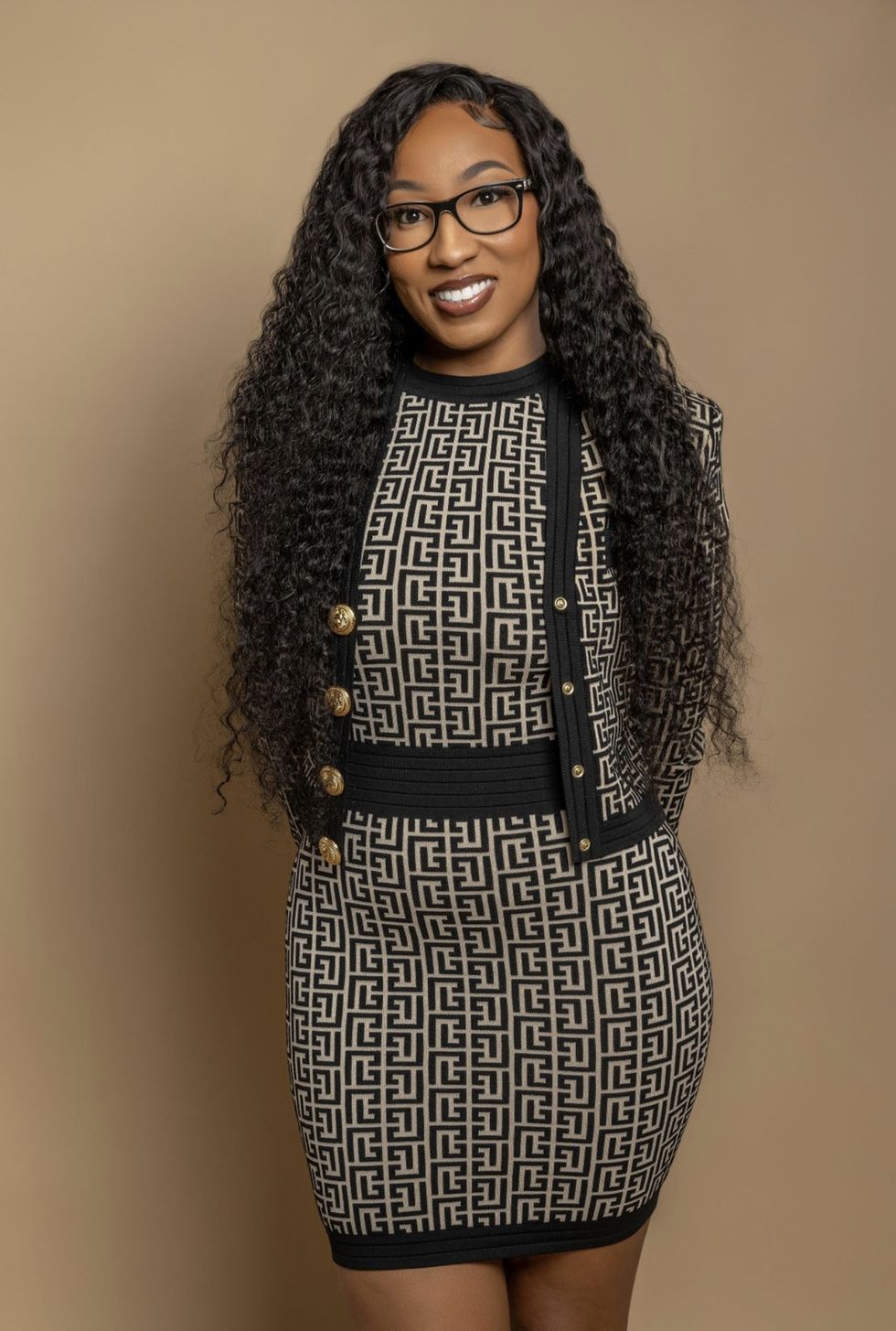
Mattie Gaffney
Courtesy
xoNecole: Why healthcare and did you always know that you would pivot into entrepreneurship?
Mattie Gaffney: I've always been an entrepreneur at heart. In 2019, my mom dropped a pot of hot greens on her foot, and she had to go into intensive care. She had third degree burns on both of her feet, and she went from ICU to intensive care. She had to undergo skin grafting. The surgeon had to remove skin from the back of her leg and graft it onto her feet so the wounds would start to heal.
I didn't like the care that was being provided when she transitioned back home. I didn't like some of the caregivers, and overall, I just didn't like the adjustments. I also didn't like how they handled the whole entire process. One day I was on the phone with one of my students who was very knowledgeable about the healthcare industry, and long story short, I was like, 'Hey, I want to get into healthcare.' She said: 'You're in Arizona, you don't need to be a nurse.' I was like, 'I don't have to be a nurse to pivot into healthcare?' She said: 'No, you just have to learn the rules, regulations, statutes, policies, procedures for your state.'
I had a father that was very ill, and we took him to the nursing home, but he didn't make it out, [and] ended up passing away. So I was like, I don't want that for my mother. I'd rather build something so that not only can I leave something behind to my children but also create generational wealth. It was also important to me to be able to help give back, and be that vessel in the community, help my mom, and provide care for her at the same time.
xoN: What has been the greatest thing about being a Black woman business owner?
MG: A lot of these nurses, they have the bedside experience, but they don't have the business experience. So a lot of them come to me, and honestly, I just feel sad that they're withering away. Yes, they're providing the service, and yes, they are taking care of our loved ones, but what about giving back to them and helping them? I feel like they're the ones that's overlooked. They do a lot of good in the community. They provide a lot of service, but they're also overworked and underpaid.
So I said to myself, it was like, 'Okay, well, how can I give back to them in such a way that can take them out of those situations, and position them for greatness to make more money, create that freedom, buy back their time, and also just help them create generational wealth as well by creating a business intangible that they can either leave to their children, and then sell it if they wanted to, and just be free.'
xoN: What do you want your legacy to be?
MG: I want my legacy to be that I exemplified Black excellence, and gave people hope. I want my legacy to be that I was positive and motivational, and that I inspired others to grow beyond their own potential and to look at life through a different lens that you can accomplish anything you want to accomplish in life, if you just believe, and if you just get started; that's the first step. [I just want to] be known for helping my nurses, my therapists, and even some of our doctors that want to transition out of being on call, on bedside in hospitals, or working in urgent care or the clinics.
I want my legacy to be that I was able to actually help them create financial freedom through creating successful healthcare businesses and position them to be able to also leave it to their children. Because generational wealth is what it's really about. Leaving legacies and being able to show them the benefits of franchising, and how to leave their mark is what I want to be known for. I want to be known as 'the girl who came and she just gave us hope, and we were able to create this multimillion-dollar empire just off of her knowledge, her wisdom, her experience.
And that's something that I plan to leave behind for my followers and the masses out there.
For more about Mattie and Abloom Healthcare, click here.
Raoini Madison Jones, 3D Girls
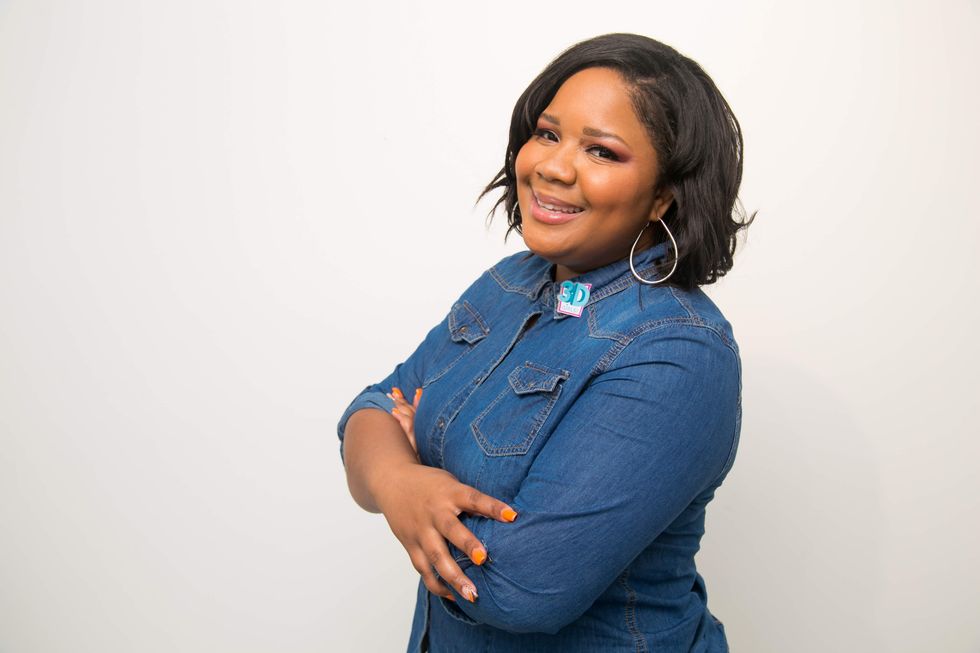
Raoini Madison Jones
3D Girls, Inc.
xoNecole: What made you choose nonprofit?
Raoini Madison Jones: The organization initially started as a nonprofit and we [are] now developing into a social enterprise. I chose a nonprofit simply because I was in a college classroom. My teacher challenged us to find nonprofit organizations within our community that are aligned to issues and causes that we cared about. And in that research, I found that there were not many active organizations within my service area, and that was a problem for me.
Why don't [these] organizations last long? Or, you know, they don't have funding and things of that nature. I chose the nonprofit space because it allows me to directly address the critical needs of the people in my community. But I run my organization as a business because it is.
"I chose the nonprofit space because it allows me to directly address the critical needs of the people in my community. But I run my organization as a business because it is."
xoN: Tell us a little bit more about the global program.
RMJ: Last August, we launched a pilot program in Lima, Peru. We had 50 girls to participate in the STEM program, where they used our digital platform. The Girls Link Up digital platform provides an opportunity for girls to connect across borders and they are able to engage in STEAM activities and unleash their curiosity about STEM education. There are financial literacy modules, there are coding modules. There's an introduction to career development and dorm life, so that we're building a college and career pathway and interest in those things.
So our main goal with that program was to expose the girls in Peru to our in-person, online digital platform. And what we learned is that it becomes an English language learning tool for them. As a native Spanish-speaking country, we were able to use that tool to help them to develop their skills in speaking English. So it was a really cool project. It was federally funded, and at the top of this year, we weren't able to elaborate on it in that way because of some of the shifts that we've seen in our social economic status.
So we're reimagining how we can connect with other global partners to expand our reach and reach other girls in other countries.
xoN: What would you say has been the greatest thing about being a Black woman business owner?
RMJ: I think it has been my ability to lead with an authentic voice that is really just rooted in my own living experience and deeply connected to the community. I feel like when you're at corporate or you're working for someone, you lose who you are to align to a mission. So I've been able to create and cultivate a community where Black women can work in a space that cultivates joy and self-care and that feels good. So that's the best part about it. I can be myself. I can show up, [feel] how I feel that day, and know that it's widely accepted amongst the people I work with.
As Black women, we have been historically at the forefront of social movements, given so much of ourselves within our community.
Now, as a business owner, I have the opportunity to normalize that care, to be acknowledged, to be appreciated, to be compensated for the contributions that we made to the community. I feel like it's an honor to stand on the shoulders of many women who come before me and build a business that not only serves our people, but also stands as a testament to our power and our resilience. Like, it's okay to be you. I think building that part of my business has been the greatest thing so far.
For more about Raoini and 3D Girls, Inc. click here.
Chanel Nicole Scott, CheMinistry
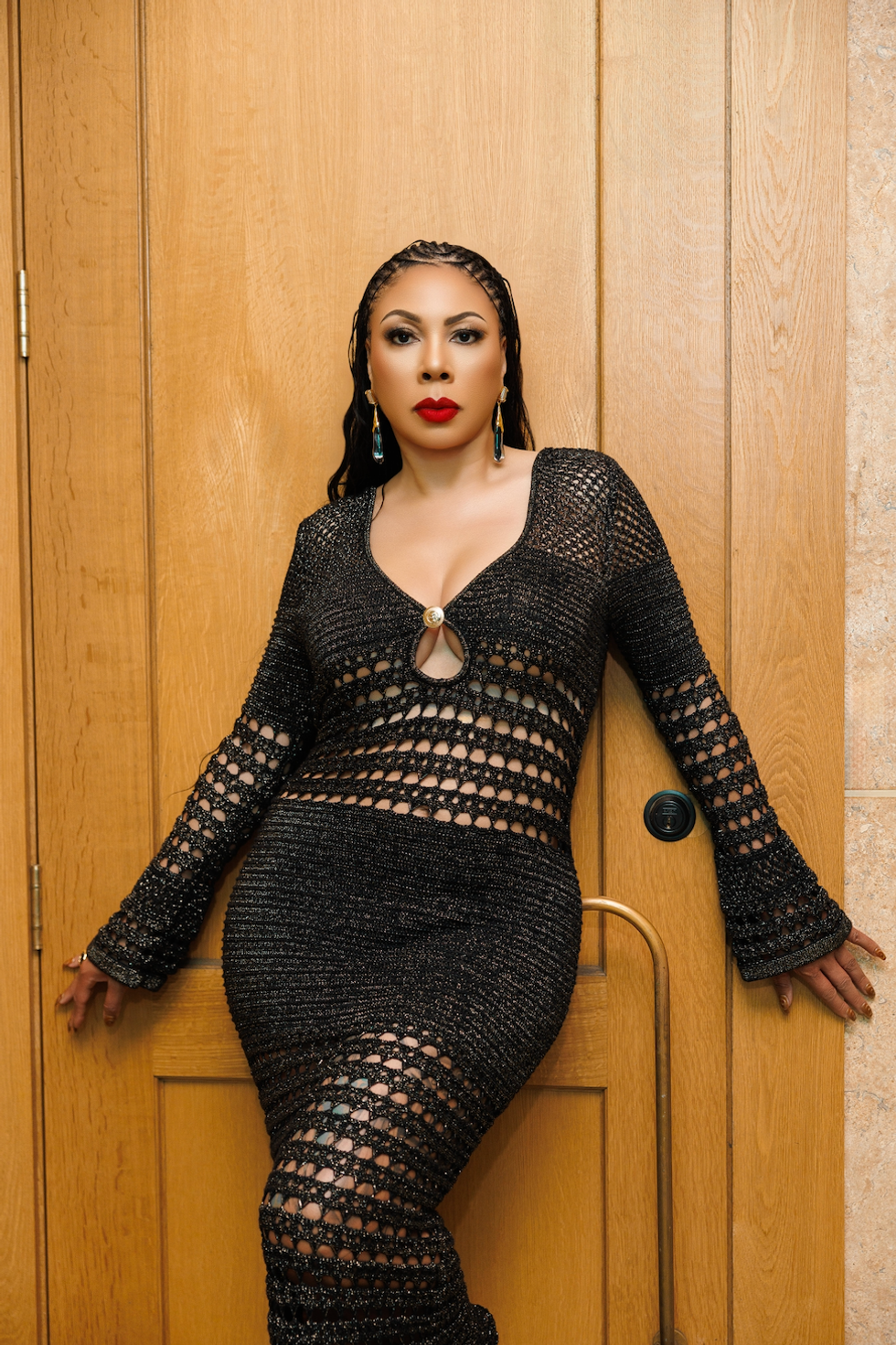
Chanel Nicole Scott
Guy X Photos
xoNecole: Tell me a little bit about your journey.
Chanel Nicole Scott: I'm the Chief Marketing Officer [of In The Black Network]. James DuBose is the CEO and founder of In The Black Network. But I'm also the creator of CheMinistry, a relationship platform, which is where the journey began. I got involved in relationship talk just because of my inability to sustain healthy relationships. So I wanted to have a conversation with men and women to talk about the different perspectives and have that transparent, candid dialog, just to get the different viewpoints of how to do relationships.
I did that for about seven years, and I got my first opportunity with Fox Soul to do CheMinistry as a television show. So it went from being a live event to being a television show. We did one season with Fox Soul. Then, there [were] some changes made. James DuBose was the general manager at Fox Soul, and he launched his own network. [He] invited me to come and join the cast of Crowned. This was a spin off of Cocktails with Queens. That was with Vivica Fox, Claudia Jordan, LisaRaye, and Syleena Johnson. I had been a guest on that show several times.
So he did a spin off at In The Black Network with Vivica Fox, Syleena Johnson. Initially, it started off with Kendra G and I was the fourth cast member and then L'Oreal came on later. Then around that same time I launched Relationships Matter. Relationships Matter was a podcast turned television show on In The Black, and I did that with Josh Powell. He's a retired NBA ball player with the LA Lakers, and continued my journey there on the network.
xoN: How would you say you are rewriting the rules as a Black woman in your space?
CNS: When I had the idea, I didn't know it was something that I could actually do. When I came to Atlanta, I was enamored with reality TV, and I watched all the shows. It's funny because now that I live here, I don't watch any of the shows. I would go to After Party Live! for Love & Hip Hop Atlanta. They would have After Party Live! where they would talk about what just happened on the show. I would go with one of the young ladies who was like a [seat] filler.
The first time I ever went, I saw Mona Scott-Young, and I was like, oh my god, she’s in entertainment and I'm not prepared. I don’t have my business cards, and maybe I could work for her. I had these ideas in my head of, if I just introduce myself, she'll give me an opportunity. I'll work for free, all these things, right? So I didn't say anything to her the first time because I didn't have my business cards. But the next couple times I came with business cards and she was not there.
So maybe, the fourth time I showed up and she was there. I'm like, oh my god, I'm gonna talk to her. I'm gonna see if I could do some pro bono work. I just got my MBA with a concentration in marketing, and I'm like, I could do work. I have all these amazing ideas. So I approached her, and she gave me a card to her business development person. I emailed that person, wrote a nice little email. I was like, Hey, I would love to work with you guys. Willing to work pro bono, whatever you guys need, and whatever else I said in that email, and I didn't get a response.
So after that, I was like, I'm gonna create my own platform. I don't need to work for anybody for free. I have ideas. I have dreams. I have vision. I'm going to create my own. I'm going to create my own opportunity. That way, no one can fire me because I own it, and I'm just going to develop it and create it and pour my resources into my platform. That's what I did.
So I would say, what Tyler Perry said, you don't have to sit at anybody else's table. You can create your own table, so that's what I did.
xoN: What do you want your legacy to be?
CNS: I would say somebody who is determined, persistent. When I came to Atlanta, I had nothing. I lost everything. The people who knew me prior, they know. So I want people to know if nothing more, she is the billboard for consistency. If you don't give up, you can have whatever it is that you want. You just got to stay to it and continue to do the work.
For more about Chanel and CheMinistry, click here.
*Responses were edited for clarity
Let’s make things inbox official! Sign up for the xoNecole newsletter for love, wellness, career, and exclusive content delivered straight to your inbox.
Feature image CreativeFocusPro Jayla White Davis/ courtesy