

When I was turning 30 last year, I thought I would want this big grandiose affair to usher in this new era. But instead, I opted for peace, I opted for quiet, I opted for an unofficial but official move to a new country and the overall unloading of things that no longer served the version of myself that I no longer was. On my actual birthday, I wasn't on someone's beach like I had imagined or turning up until the wee hours of the night, I was enjoying a meal with my love over wine in a city that I love and those two factors made it more affirming of an evening than I ever imagined. In a phrase, entering my 30s felt like coming home to myself. I reveled in awe at the confidence I felt wash over me in the way that women before me had raved it would be.
I didn’t sweat the small stuff, I started the long and winding road of learning boundaries, and I embraced a soft life that no longer saw wealth as success or my ultimate goal in life. In this new decade, I longed to plant seeds of a life where stress was something that came in sporadic visits instead of being a resident. I seek comfort, I aim for health, and I gravitate towards the simplicity of small things and leading a life well-lived. By terms and rules that are my own. Who I was in my 20s would surely stare at the woman I had become with such awe. Is that me? I am, indeed.
Though I am most definitely still finding my footing, I am enjoying what this season of life is teaching me and asking of me. And as a newly 30-year-old, I found myself wondering how other women’s 30s have shaped them so far. We asked four women to define their 20s and how the lessons they learned helped them evolve into who they are today as thirty-somethings.

xoNecole: What's one word you would use to describe your 20s?
Bianca Lambert: I'll have to use three in this case: a hot mess.
What is the single most significant lesson or takeaway that you took from that time in your life and how are you applying that to your 30s?
You know, what's funny about this question, in particular, is that I've been thinking about this a lot lately as I've stepped into my mid-30s. The most significant lesson I learned was that it's okay to make mistakes. I think what I got wrong in my 20s was thinking I was somehow supposed to have it all together post-college. I understand why I felt that way because of all of the pressures we have as Black women to not only the idyllic career, but we also have to layer our career successes with perfect long-term relationships, and soon after securing a man, now we're supposed to have kids and live happily ever after. That's just so unrealistic and, to be frank archaic and doesn't allow young women to actually figure out who we are in the same way men do.
I want to be clear that I'm not saying if you get married early in life, you're doing anything wrong. I just think I realized as I was turning 33 that there was so much more to life than the things people told me I should strive for, and I am grateful I've had this time to myself. In my 20s, I made some pretty drastic and life-changing mistakes that were the source of a lot of hurt and trauma. But that is life, and that's how I try to see things now. It's not about that thing that I messed up. It's about taking the time to process, work through it, and then move forward to the next part of my life. Life can be so beautiful even after things have gone off the rails.
Sometimes it takes a minute for us to really come to terms with lessons that we need to learn and grow from in life, was it a journey to learn that particular lesson?
You know, I felt like I was doing all of the growing and healing on my own. But the truth was I was compartmentalizing and moving on without letting myself really sit with and feel the pain of the things I'd experienced, and that turned into panic attacks that started when I was 32. It wasn't until I was 34 and we were all processing the pandemic that I realized I needed help. I couldn't even drive myself five minutes to the grocery store without feeling the onset of a panic attack hit me.
So, I sought out a therapist and have been talking to her once a week for almost two years. I think there are times when we can make room and space to look back on certain really big events in our life and say, "Okay, I learned x,y, and z from that." But, so much of the time, it's the little things that creep up on us, and for me, that has made it really difficult to allow people into my emotional bubble.
But, I can always be there for other people because it's easier for me to be there for them and not talk about how all of these things that have happened in my life have shaped who I am. So, I am always the "strong friend" or fixer. Therapy has opened me up and allowed me to see myself and my experiences in a new way. For the first time ever, instead of looking at my past as this thing I'm trying to forget, I use it as a way to inform me about how people and situations make me feel, which is vital to ensuring I allow good people in and allow myself to enjoy life without waiting on the other shoe to drop.
Are there any other lessons that speak to you when you think back to that time in your life?
I'm sure we all do this thing where we look back and cringe at what we did and said. I'd even have a habit of beating myself up about them, but now it's like I've grown, and if people want to continue to remember me the way I was, what feels like a million years ago, that's their stuff, not mine. We're all works in progress. We all have shit. And, giving people the same grace you'd like to receive is essential. And I strive to do that daily.
What was the biggest misconception that you had about your 20s and your 30s?
In my 20s, I really attached my worth to how other people saw me, including guys and dating. What a time that was. Yikes. When I hit 26 and was unmarried without prospects and a career I didn't love, I thought I was failing. When in fact, it was the exact opposite. I was experimenting with creating, entrepreneurship, and writing, and really diving into all of those interests—even though I was in debt up to my eyeballs—[and that is] why I have a career I love today. In my opinion, the 20s are meant for trying and failing a lot—not getting every step of your journey just right. And, I wish more people kept it real about the difficulties they face(d) during this very transitional time from young adulthood to the real world. It's challenging.
"In my opinion, the 20s are meant for trying and failing a lot—not getting every step of your journey just right. And, I wish more people kept it real about the difficulties they face(d) during this very transitional time from young adulthood to the real world. It's challenging."
When I'd hear people talk about their 30s, I'd be like, "Wow, that's so old." Now, I'm an oldie. Ha! I think that was my biggest misconception about my 30s. Like, welp, I'm 30. This is it. And the reality is life is just beginning. I didn't get settled in my career until I was 32. And I didn't get my first opportunity to work full-time in digital media until I was 30. If someone had told me I'd move to L.A. with zero dollars at 30 to be an intern —or what they called a resident—at BuzzFeed, I'd be like 'No, when I'm 30, I will be happily married with three kids, a fine ass husband that adores me, a thriving career, and a big house in some suburb.'
But, God's plan for me wasn't that. I embraced turning 30 and said yes to every opportunity. Being single, curious, and ambitious has worked out for me. Has my life been perfect? Absolutely not. But, if I compare my happiness from my 20s to my 30s, I am the happiest I've ever been at 35. The pressure to live up to everyone else's expectations of me is gone. I do what I want and what feels right for me.
What's a word or theme that you feel is defining your 30s so far?
Acceptance and happiness.

xoNecole: What's one word you would use to describe your 20s?
Monnie Drea: The word that I would use to describe my 20s is "impulse." Mostly every decision I made in my 20s was 20 percent logic and 80 percent impulse. If I felt unhappy in any situation, I would work to find something that felt "right" and put 100 percent into exploring that. That's how I ended up in L.A.
What is the single most significant lesson or takeaway that you took from that time in your life and how are you applying that to your 30s?
Forget the rules. Everyone has their "right way" to do things but just because it works for them doesn't mean it'll work for you. Create your own rules and live by them. As long as you maintain your morals everything will be fine.
Sometimes it takes a minute for us to come to terms with lessons that we need to learn and grow from in life, was it a journey to learn that particular lesson?
It was most definitely a journey. I spent a lot of time doing what my friends thought would make me successful. That's why is very important to choose your friends wisely and always have a mind of your own. It's okay to take suggestions but make sure the advice you're receiving applies to where you see yourself going. I got to a point where I was just so unhappy that I had no other choice but to bet on myself, and it worked out.
Are there any other lessons that speak to you when you think back to that time in your life?
Another lesson I've learned was to not be afraid of people. It was instilled in me to always be wary of people and their motives so, literally everyone that I was meeting would give me anxiety. I would consistently question what their motives were and it showed. Discernment is vital. Trusting your gut and not being afraid of getting it wrong would probably be my next toughest lesson.
What was the biggest misconception that you had of your 20s and your 30s?
The biggest misconception is, that you have to have everything together before you start working towards your dream. The reality is you'll never have everything together. I guarantee they'll always be something that you "need" to get started. Focus on using what you have already in your possession and start working today.
What's a word or theme that you feel is defining your 30s so far?
The word that best describes my 30s so far is individuality. I'm focused on learning exactly who I am and taking all the lessons I've learned in my 20s and applying them so that I can become the best version of myself.

xoNecole: What's one word you would use to describe your 20s?
Brittany Daniel: I would say adventurous. I did whatever I wanted to do. I mean that in the humblest way just taking risks and going after everything that I wanted in my 20s. I didn't have children. That's the biggest thing and that's one of the things I preach on my platform. I understand that social media is making motherhood look so glamorous and popular, but the freedom of not tying myself down at a young age to a person or another life was really why I was able to just really move freely and do what I wanted to do.
I think that's the biggest contributing factor because I did get pregnant at 21. Had I made the decision to have that child, I wouldn't have had the life that I ended up having in my 20s.
What is the single most significant lesson or takeaway that you took from that time in your life and how are you applying that to your 30s?
Save your money and delay gratification. Especially when...I’m not sure how old you are but when I was in my 20s, becoming a beauty guru was really popular so consumerism was really heightened in my mid-20s. I would have just delayed a lot of the spending that I did, [been] a lot smarter with my money, saving it when they told me to when I was young. When you're in your 20s, you feel like you have your whole life [to save], but being more financially responsible, fiscally responsible with my income... If I could do anything over again, that would be my biggest takeaway.
Sometimes it takes a minute for us to come to terms with lessons that we need to learn and grow from in life, was it a journey to learn that particular lesson?
I moved to New York and I moved to New York off of my GI bill. So, I had a steady income. I had to finesse it a little bit, but at least there was something coming in. Even though I wasn't working a job, I was able to intern and do certain things. I really had to go out there and grind and start over, that was my turning point. Not to say that I didn't know life was real before, but it really showed me that I was in charge of my destiny, and I take control of my life. I always knew I was in control of my life, but when I decided to leave something comfortable that I just really took charge of my life.
I guess the turning point was when I had mental health issues because I had never known a job could affect me in that way. I guess overall I didn't know that choosing the wrong career for the wrong reasons, that you can suffer for that. I think that the biggest turning point was just me hating life [at the time], having depression, and then deciding to do something about it.
Are there any other lessons that speak to you when you think back to that time in your life?
Chile, if I could go back and not date anybody I dated... What I try to teach young women [through my platform is] to focus as much on yourself as you can until you've reached a level where you feel like, 'Okay, this is the career that I want, I know who I am, and this is what I want out of life.' Then, I think it's time to incorporate somebody else and start building with that person. But if you try to incorporate somebody into your life and try to date while you're figuring it out, I feel it just causes distraction.
From my personal viewpoint, nothing came of it because I wasn't who I was yet. I didn't know who I was yet. If I could take that back and not waste a lot of time on dating or energy focusing on marriage before I figured out myself and figured out what I truly wanted for myself and what I wanted to do -- I think that's the biggest thing. Make sure you know who you are, what you want to do, and where you're going, and then incorporate somebody else into your life. But until then, just stay single, girl. Have fun.
What was the biggest misconception that you had of your 20s and your 30s?
The misconception for my 20s was that I would have it all figured out by now. [I would have] the biggest house with three children, a husband, a dog, and I'd be a marketing executive making millions of dollars. I think in your 20s, even though it's great to visualize the life you think you want, I think one thing that we don't stress enough with people is, 'What's the plan?' Your 20s are just figuring it out. You're just figuring out life. You don't know a lot. You're not supposed to have the answers. That doesn't happen for everybody. That didn't happen for me.
I think the biggest misconception in your 30s is that it's too late and you have to play catch up. So many people freak out before they're 30 that they are not married or they don't have children. One of the highest viewed videos on my YouTube channel is [talking about being] 30, single, no kids. A lot of women have anxiety approaching their 30th birthday and not having what they thought that they should have at that time.
We still have time in our 30s to figure out our partner when we want to. We have other options if that's what people want to do. You're still building in your 30s.
What's a word or theme that you feel is defining your 30s so far?
I would say sacrifice and discipline because I did a whole lot of partying and a whole lot of spending and a whole lot of living in my 20s. But now, I feel like my life is shifting into where it's really focused and it's like, I don't have time for a lot of the things that I would've entertained or done back then or the way I was spending money back then.

xoNecole: What's one word you would use to describe your 20s?
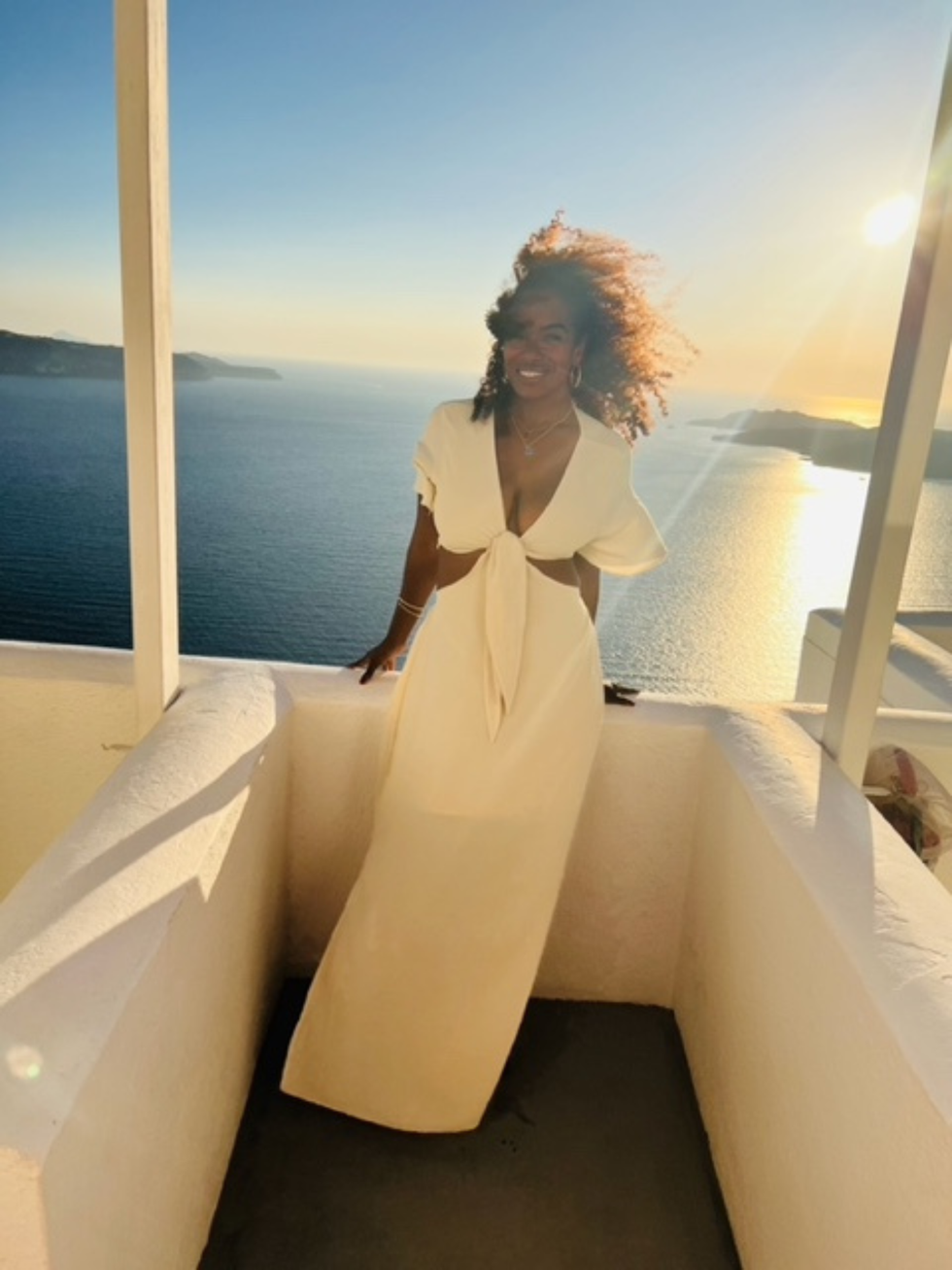
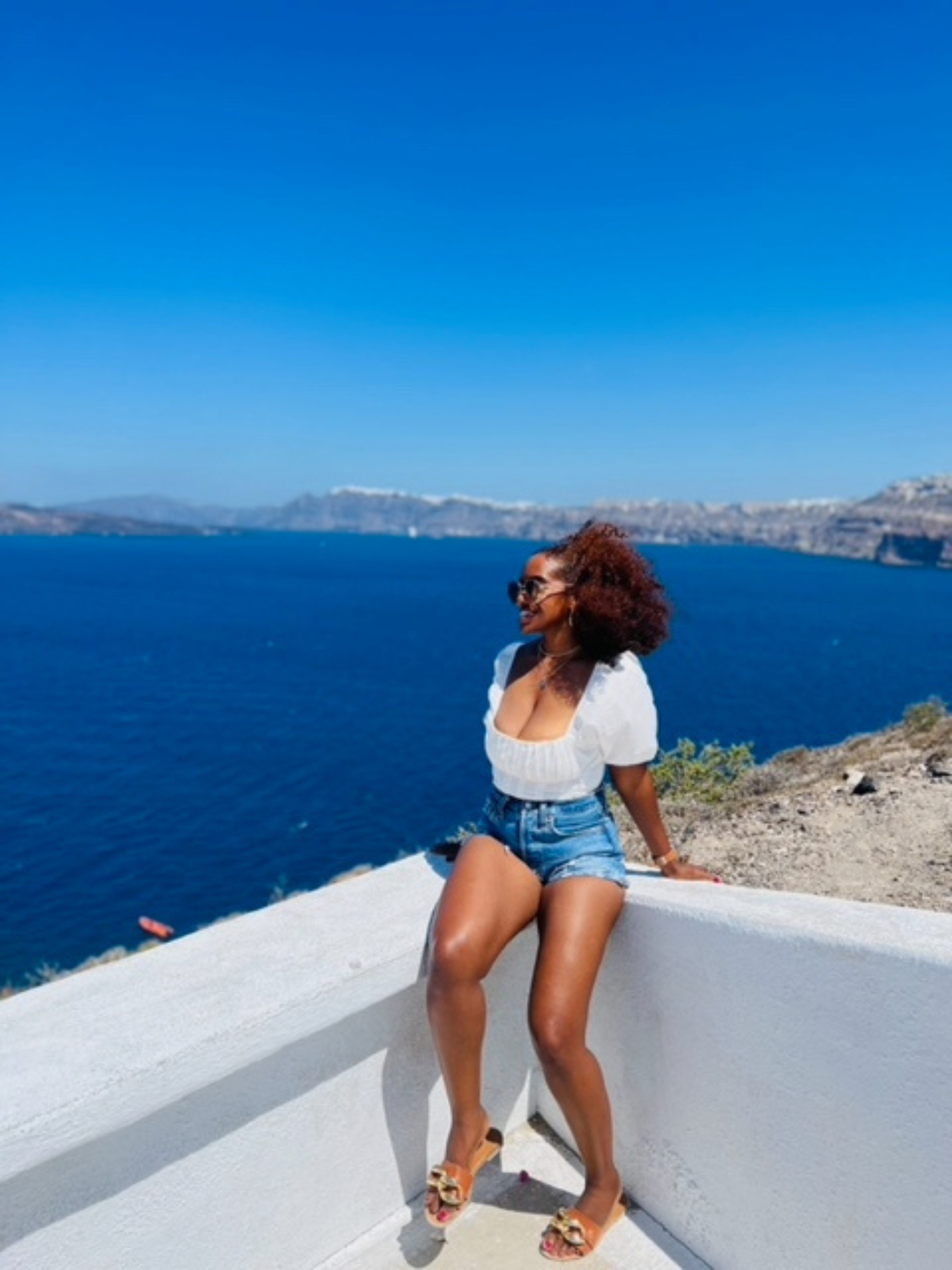
Darla Holmes: The one word I would use to describe my 20s is "discovery." I found myself constantly discovering, navigating, and learning a lot of the hard realizations about myself, the people around me, and why I made the decisions that I made. My 20s were a beautiful lifelong lesson of learning how to “fail forward” and a prerequisite to one of the most beautiful decades of life in my opinion that I call, The Thirty Journey.
What is the single most significant lesson or takeaway that you took from that time in your life and how are you applying that to your 30s?
One of the single most significant lessons from that time that I’m applying now in my 30s was learning the importance of discovering who I was as a woman and overall individual before navigating romantic and platonic relationships. It taught me about accepting yourself in every aspect. Your quirks, your uniqueness, and overall, what makes you, YOU. From that, I believe you attract those to you that align with your beliefs and bring out the best and hidden parts of you. It’s one of the most beautiful displays of self-love in my opinion.
Self-love for me goes beyond just fun spa days and pampering after a long day. Those things are great but learning who I was and being authentically me to attract the same is self-love in its purest form. Being authentically me has always given me a freedom that I can hardly put into words. It has always led me closer to those that feel like home. It also allowed me to attract partners who allowed me to be ME and repelled those who did not.
"Self-love for me goes beyond just fun spa days and pampering after a long day. Those things are great but learning who I was and being authentically me to attract the same is self-love in its purest form. Being authentically me has always given me a freedom that I can hardly put into words."
Sometimes it takes a minute for us to really come to terms with lessons that we need to learn and grow from in life, was it a journey to learn that particular lesson?
It was extremely hard considering I really didn’t start assessing this until my late 20s and didn’t commit to doing the actual work until my early 30s. There was definitely work being done during my 20s, just not consistently. The turning point came when I started to hone in on the spiritual aspect of my life and learn who I was through God’s eyes. It’s funny, I purchased my first bible as an adult at the age of 29 and didn’t open it and really focus on my relationship with my Creator until 31. The intention was always there, but the execution is what changed everything!
Are there any other lessons that speak to you when you think back to that time in your life?
One other lesson that speaks to me looking back is thinking you have so much time. I remember preparing to graduate from high school and my English teacher at the time said, “After leaving here, time is going to fly by for you all. Your 10-year high school reunion will be here before you know it.” I remember we were all like, “Ma’am, whatever.” That moment still sticks with me to this day because it was so true. I’m a firm believer that you can start over, fail forward, and begin again at any age, but applying the lessons learned and committing to something sooner rather than later is the catalyst for easier transitions and heightened awareness when navigating through life’s journeys.
What was the biggest misconception that you had of your 20s and your 30s?
The biggest misconception is that the pinnacle is your 20s. I heard a while back from a few people that “it gets greater, later.” And I wholeheartedly agree. To believe you must have it all figured out and done before 30 is added stress and premature wrinkles. My 30s so far have given me purpose, an amazing relationship with my Creator, visions for upcoming and future milestones, attained career goals, leaps of faith, domestic and international solo travel, love, a platform, and so much more.
Don’t believe the hype. Like I mentioned earlier, applying the lessons sooner rather than later is what makes for an easier transition through life’s ups and downs, but to believe that it’s all downhill after 29 is just crazy talk. I firmly believe those that believe that aren’t living or doing it right.
What's a word or theme that you feel is defining your 30s so far?
A purposeful faith and fulfilled journey. Purpose found me at the age of 32 and my platform The Thirty Journey allows me to share my experiences, life lessons, and journey through my 30s with all who choose to listen.
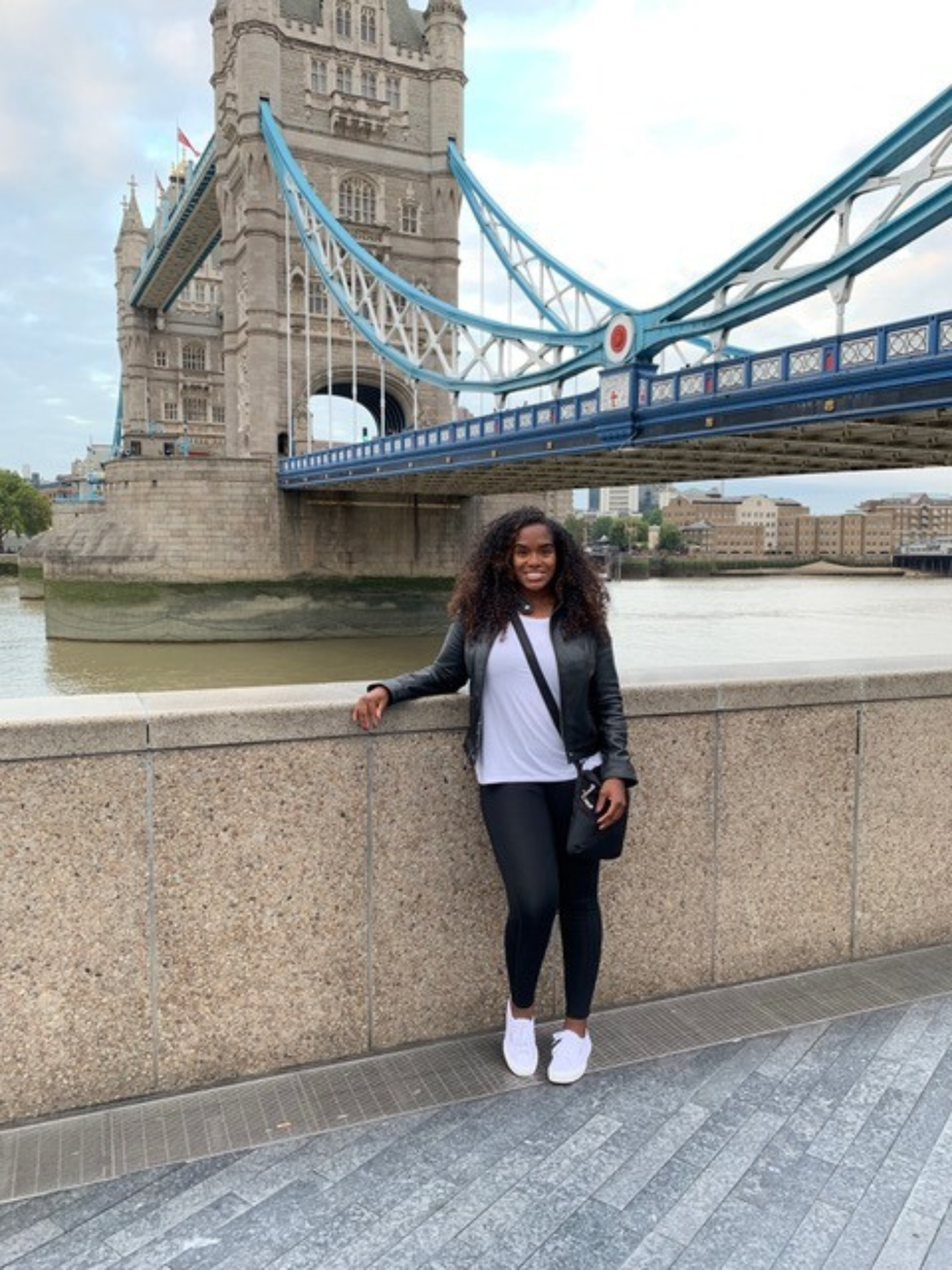
Featured image courtesy of Darla Holmes