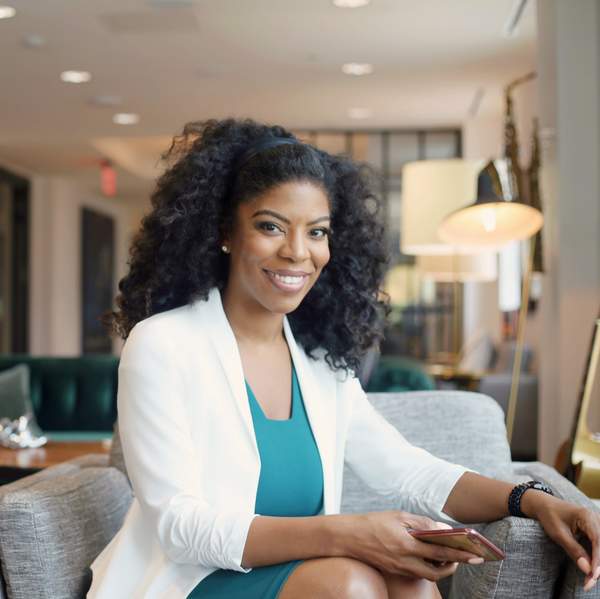


The tech industry is more than just men in hoodies glued to their desks in Silicon Valley. There are also beautiful Black women cracking the code every single day - and slaying while doing it. Each of the Black women included in the list below has created an app, a platform, or a community based upon a need that they've identified or a hole that they sought to fill with their relatability and brilliance.
From food and science to self-love and mental health, Black women in tech are setting positive examples in the STEM field that encourage the confidence of other tech entrepreneurs on the rise.
xoNecole had a chance to speak with these leading Black girl bosses who are sprinkling their #BlackGirlMagic all over the tech industry. Here's what they had to say about their online communities and the importance of diversity and representation in the world of technology.
Carina Glover, CEO of HerHeadquarters

Courtesy of Carina Glover
The platform she created: "HerHeadquarters is a brand partnership platform exclusive to women entrepreneurs. Female founders and entrepreneurs all over the country use HerHeadquarters to quickly secure valuable brand partnerships with other women-owned brands. The platform currently houses 400+ women-owned brands from the fashion, beauty, entertainment, events, and PR industries."
The importance of Black women in tech: "We are the key to creating the products that will positively impact the lives of Black people and women. Until we create the solution, we (and everyone else who falls within the demographic) will continue to live in the problem. Our experiences, perspectives, and culture are unlike those who currently dominate the tech world. They can't develop products that solve problems they've never experienced because they can't relate, therefore they don't see the need for the products. Black women in tech are not a luxury, we're a necessity."
Advice for budding tech entreprenueHERs: "Don't be afraid to take up space. You don't have to be an expert in every area, but learn as much as you can, even outside of your area of focus. Find someone that can mentor you, someone who sees your potential and wants to help water the seed in you."
"Don't be afraid to take up space. You don't have to be an expert in every area, but learn as much as you can, even outside of your area of focus. Find someone that can mentor you, someone who sees your potential and wants to help water the seed in you."
Riana Lynn, Founder of Journey Foods
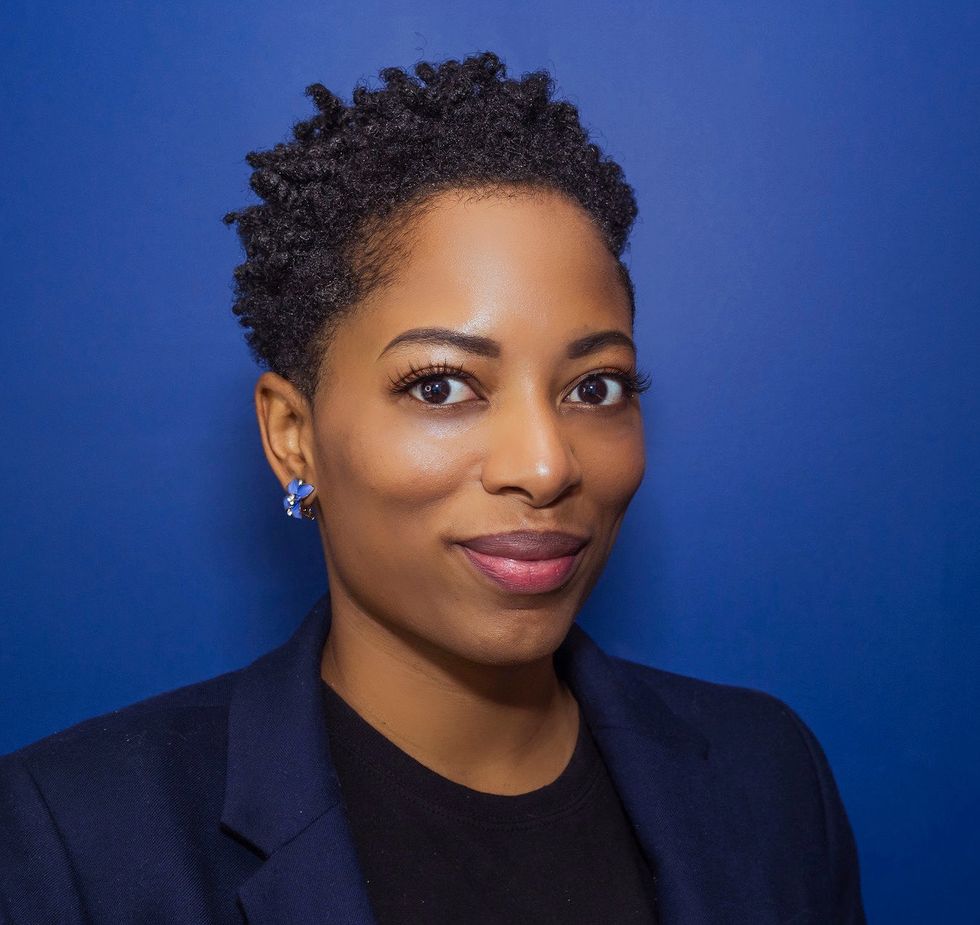
Courtesy of Riana Lynn
The platform she created: "Journey Foods solves food science and supply chain inefficiencies with software in order to help companies feed eight billion people better. [We do this through] technology that improves product management and development for CPG companies, ingredient suppliers, and manufacturers. In addition to helping food manufacturers create better products, we also use the power of our data to create experimental snacks that help us test our AI called Journey Bites. They're nutrient-dense, micro foods that we release for sale online and Amazon."
The inspiration behind her platform: "Globally, consumers spend three trillion [dollars] on packaged foods every year. This number is set to eclipse jump from 700-900 billion in the US by the end of the year. These products, packaged and manufactured foods, account for over 70 percent of our daily caloric intake. At the same time, there's clear evidence that much of the food we eat is related to the increase in chronic diseases - cancer, diabetes, and poor mental health."
The importance of Black women in tech: "As a Black woman, I want to continue to solve problems for myself, family, friends, and communities across the globe. Even though Black women are one of the fastest growing sectors in entrepreneurship, it is a challenging road for the most impactful industries in the world which happen to be dominated by old heads: agriculture and tech. I want to continue to break through on growth, servant leadership, and impact that will help inspire the next crop of Black women that can solve the world's greatest challenges."
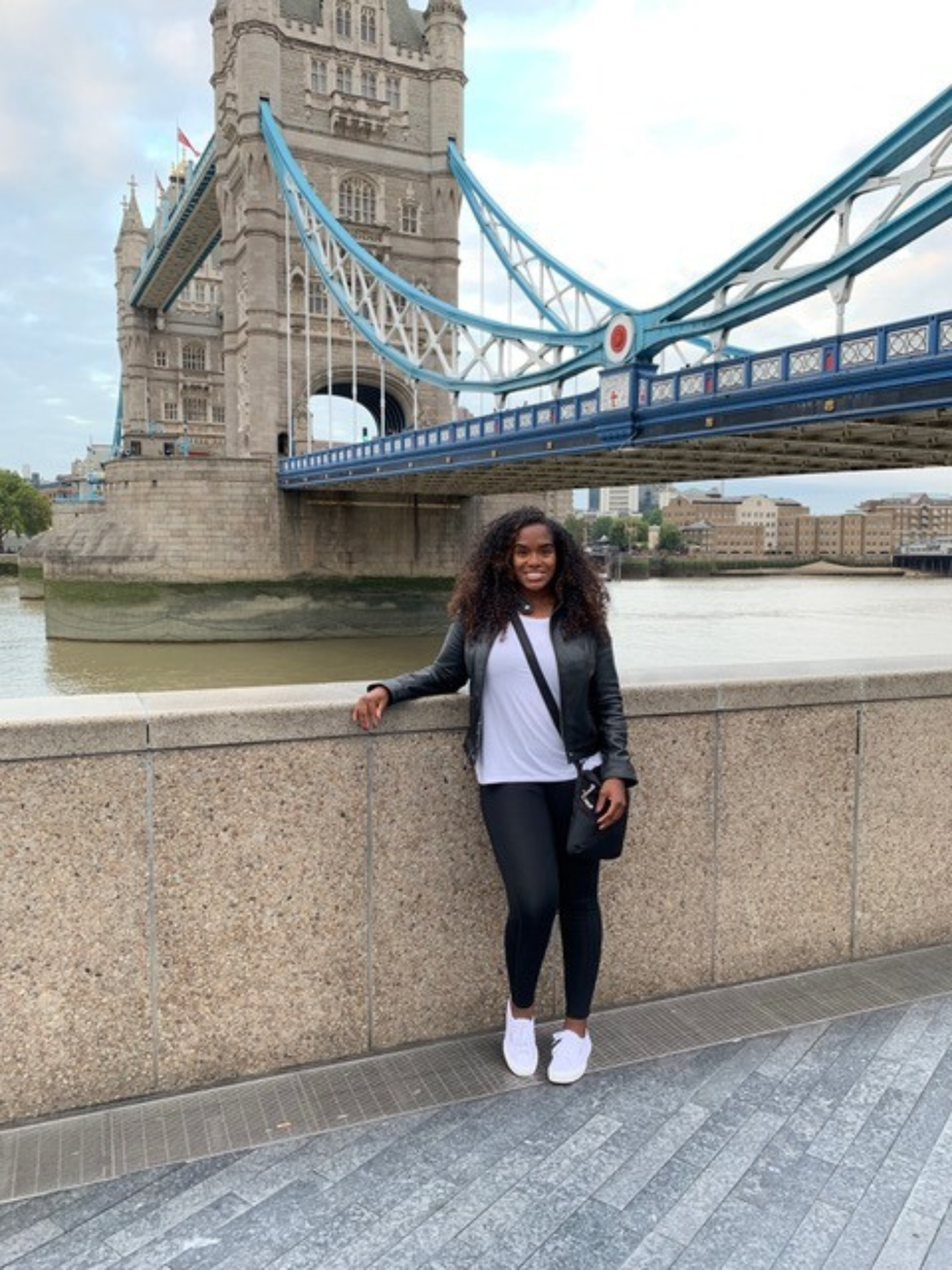
Joy Ofodu, Coordinator of #ShareBlackStories
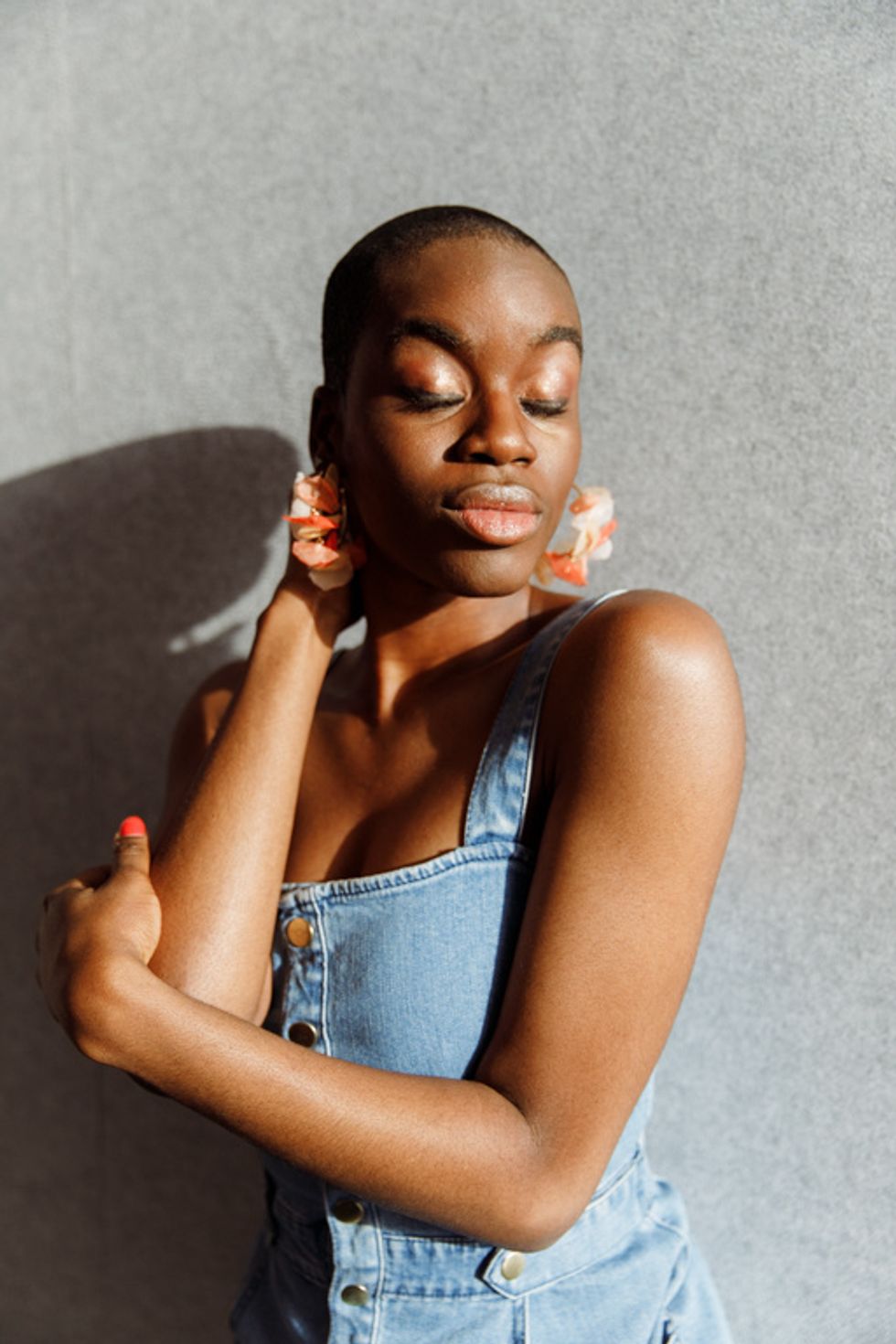
Courtesy of Joy Ofodu
The community for which she leads the brand effort: "#ShareBlackStories, Instagram's first multi-channel program, call to action, and campaign to support and inspire our Black community. Since launching in the U.S. in Feb 2019, #ShareBlackStories has also taken root in the U.K. and Brazil."
The inspiration behind her community: "The U.S. Black community is so active and vibrant on Instagram. We share a sense of pride, perseverance and promote a shared cultural identity that is emulated by so many others. In February 2019, our Black employees were inspired by this and knew it was important to create a space within the app for Black people to fearlessly express themselves. I helped to create a unifying brand identity across our existing efforts, brainstorm new applications, and stepped up to coordinate the efforts of over 11 teams including Editorial, Product, Partnerships, Design and Policy. Since 2019, we've partnered with hundreds of creators, businesses, and public figures to bring #ShareBlackStories to life online and in-person, including Jackie Aina, Jidenna, Ruth Carter, Overbrook Productions, and Afropunk."
The importance of Black women in tech: "When people envision a tech wiz or hacker, they envision a white man from the Silicon Valley. They forget that Black women are expert hackers by nature, some of the most creative problem solvers. Even though Black women make up less than 5% of most major tech company workforces, we play such vital roles in these organizations, both in STEM roles and non-STEM roles, serving as inspiration to other girls. Our presence helps to validate that yes, we are brilliant and deserving of the opportunity to serve a global user base. Sometimes we can't be what we can't see. Finally, when we are represented at the table, we can help make our companies more empathetic to and supportive of Black users."
"Our presence helps to validate that yes, we are brilliant and deserving of the opportunity to serve a global user base. Sometimes we can't be what we can't see. Finally, when we are represented at the table, we can help make our companies more empathetic to and supportive of Black users."
OlanikeeOsi, CEO/Founder of SelfishBabe
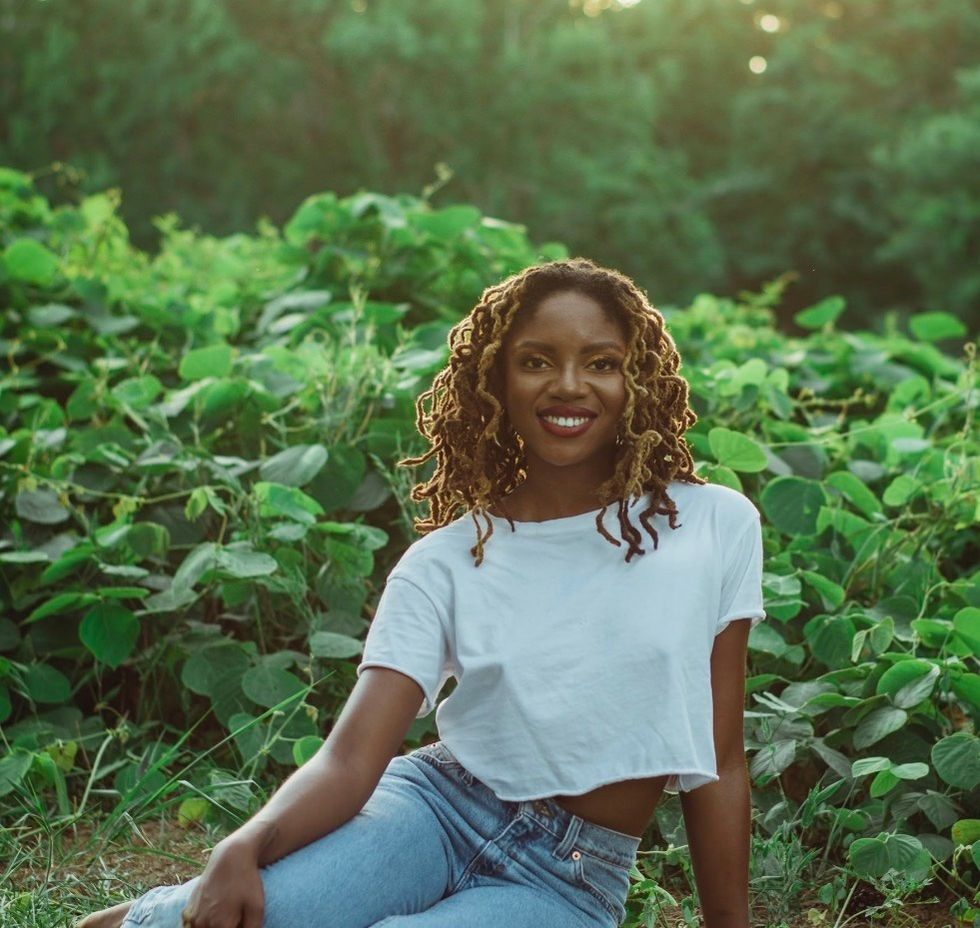
Courtesy of OlanikeeOsi
The app she created: "The SelfishBabe App is my self-love app that sends women a daily affirmation and self-love reminder. SelfishBabe is about women selfishly and authentically loving themselves. Choosing themselves and creating a life they enjoy. It puts self-love at the forefront, really themselves, when usually many women would put themselves at the backseat and put others first."
The inspiration behind her app: "I wanted there to be one place where you could have personal development. A few years back I was big into personal development, learning about spirituality, the law of attraction, crystals, and the power of our words. I had already seen and been inspired by BossBabe and ManifestationBabe. I wanted to change the way we viewed the word selfish. When one thinks of being selfish they usually think about someone who is mean and greedy. With SelfishBabe I just want women to think about them putting themselves first because honestly when it comes to self-love, you are placing yourself first and you're not thinking of anyone else but you, so it is SELFISH but not in the negative way people usually think about it. Being selfish actually helps humanity. Imagine if more women were selfish with themselves where the world would be right now."
Advice for budding tech entreprenueHERs: "My advice would be to be patient, have your vision of what you want your tech to do, how you want it to impact the world, and have a way that it will make money eventually. Have patience because at least in my experience, tech is a long-haul thing. You have to build up visibility about what you have and why it's important and you probably spend a good penny on developing it, without immediate return. This can be frustrating if you don't know this in the beginning and may make you want to quit. Don't quit if you really have the vision for it."
Amanda Spann, Founder of The App Accelerator
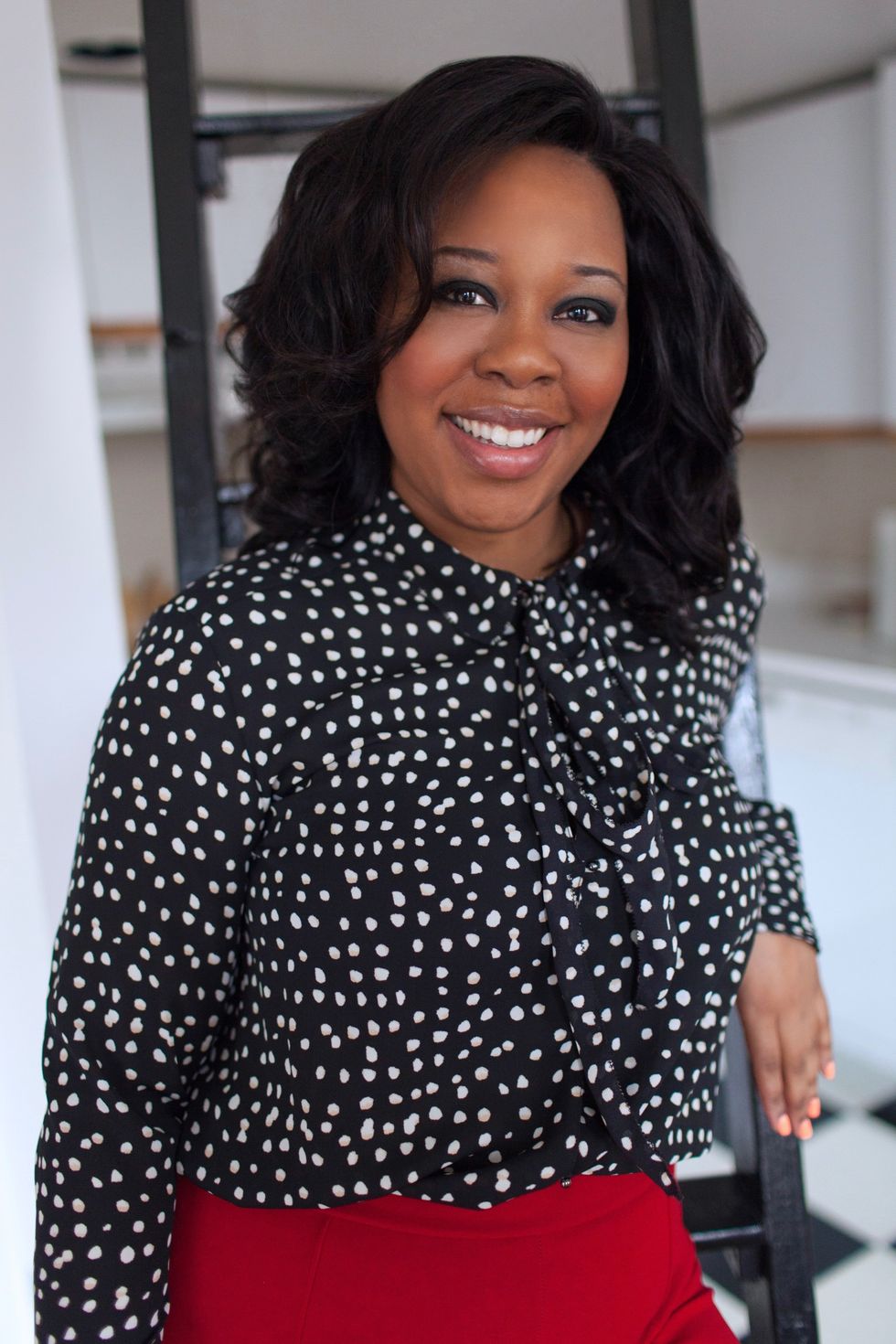
Courtesy of Amanda Spann
The community she created: "The App Accelerator is an online program and community that provides a framework for non-technical and aspiring entrepreneurs to build their first app. We pair our robust curriculum with group and 1:1 coaching and add an additional layer of support with our resource repository to provide you with every asset you need to make your app business a reality."
The inspiration behind her community: "Creating my first app was a long, hard, and lonely process. I blew thousands of dollars and wasted countless hours aimlessly trying to navigate the path from idea to app. Building any product is difficult, but it can be a particularly challenging task when you're non-technical. It can feel like a never-ending trail of Google searches, technical jargon, and a good ol' boys club that you don't necessarily have a membership to. As I was building and some of my apps rose in popularity, I started to receive hundreds of emails from nearly every continent from people who had similar stories, 'Amanda, I have an app idea but I don't know where to start.'
"The App Accelerator was my own 'reply-all' of sorts to each and every one of those messages. I wanted to let people know that everyone has to start somewhere and it's OK to not know what you don't know. Your ideas still hold value and you are capable of building them from anywhere, at nearly any budget. The App Accelerator is my roadmap for making your app ideas happen."
Advice for budding tech entreprenueHERs: "If nothing else, have the audacity to continually show up for yourself, even on the days you don't feel capable, confident or worthy. Give yourself the patience to make mistakes and the grace to keep going."
"If nothing else, have the audacity to continually show up for yourself, even on the days you don't feel capable, confident or worthy. Give yourself the patience to make mistakes and the grace to keep going."
Quincy K. Brown, Ph. D., Co-Founder of blackcomputeHER
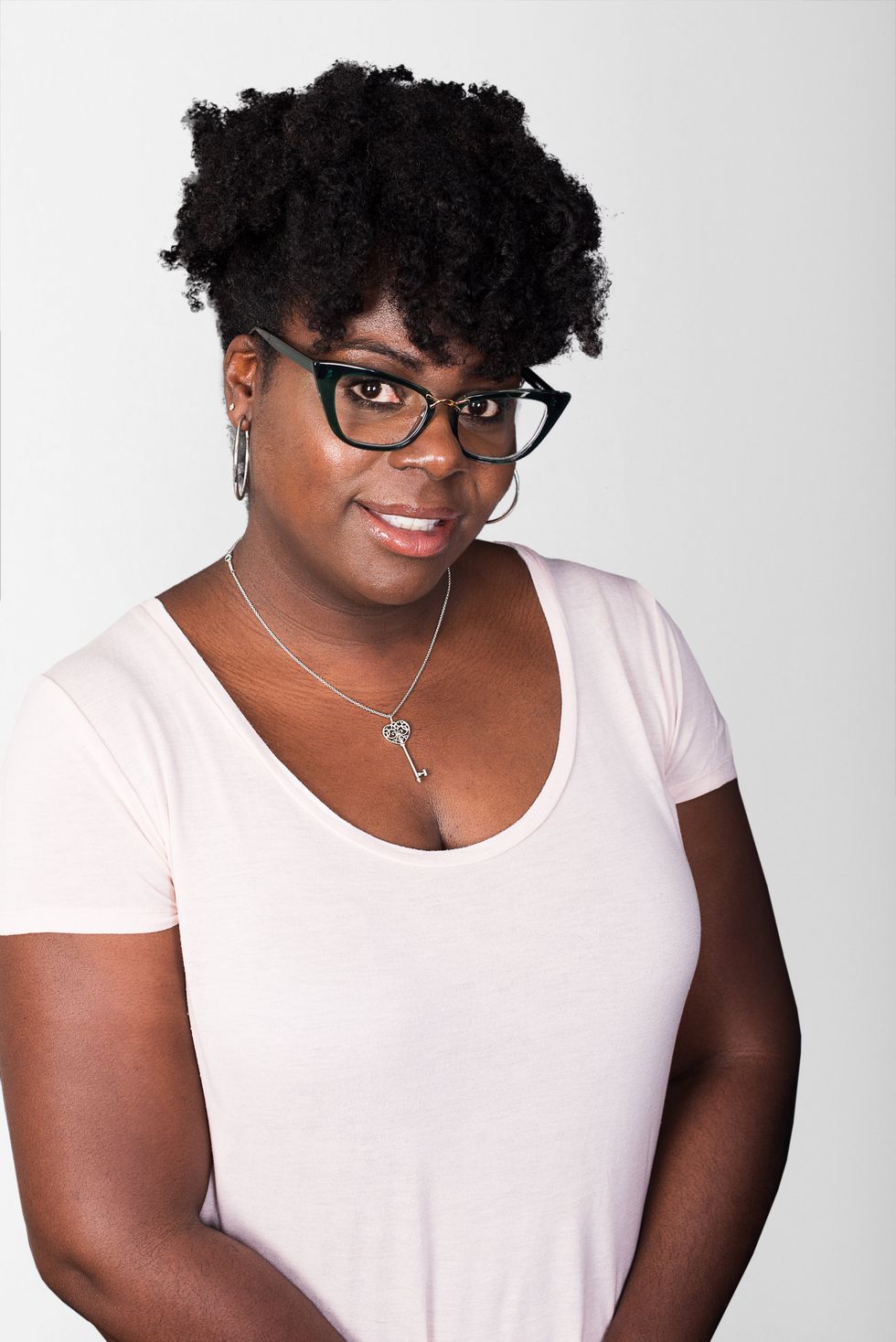
Courtesy of Quincy K. Brown, Ph. D.
The inspiration behind her community: "blackcomputHER.org was born out of the lived experiences of the three co-founders. We each have PhDs in Computer Science and met as graduate students. Throughout our years in graduate school and early in our post-PhD careers, we would see each other at conferences and remark about the small number of Black women with visible roles, e.g. presenters, keynote speakers, committee chairs, etc., in the community. We would often have these conversations at night after the day's conference programming ended.
These became known as the 'Conference after the Conference'. At some point, we realized that our community was dope enough such that for us, the 'Conference after the Conference' really was the conference that we all needed to sustain ourselves, to learn and grow from our experiences, and to be the support for each other that we need.
"We started the conference as a means of organizing the community of Black women in computing and tech by developing an agenda that we can implement and scale. We created the annual #blackcomputeHER conference to be a safe space for us to gather. A time when we can be ourselves, turn off our guards, and have the frank conversations that we know we need. The conference is a gathering for us, not about us, and a time unlike any other when we can speak about our technical expertise and the other topics of importance to us. The organization grew out of this effort as a structure to enable us to do the work."
The importance of Black women in tech: "Representation matters because we matter. Black women in the computing [and] tech world matter. We contribute, we innovate, we create, and we lead at every level. The research literature about Black women and girls in computing [and] tech is scant. The narrative about Black women in tech, who we are, where we come from, what our interests are, what works for us, etc. has not been created by us.
The representation of Black women that is based on 'our' truth is important because it allows us to be free of other people's perceptions of what we can or cannot, should or should not, do or be. The freedom of 'dropping the mask' and just being who we are is not afforded to us, generally, and even less so in tech. Having visible representation that highlights the breadth and depth of who we are and our accomplishments allows us to see ourselves in the space that we have contributed to and created."
Davinia Tomlinson, Founder of rainchq
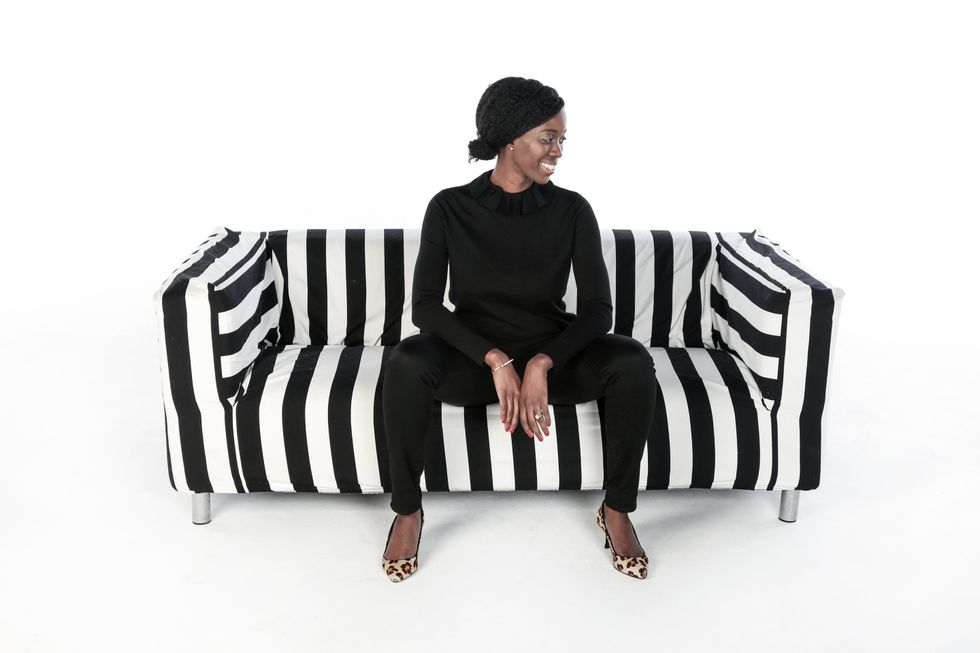
Photo Credit: Simeon Thaw
Courtesy of Davinia Tomlinson
The platform she created: "rainchq is a membership platform created to help women take control of their financial futures. 'Rainmakers' gain access to financial education, qualified and regulated financial advice from female financial advisers and events focused on all aspects of holistic well-being – all delivered digitally."
The inspiration behind her platform: "As someone who has spent my entire career in the world of investment management, it was obvious that women are chronically underrepresented, not just in terms of visibility in senior leadership roles within the industry, but also in terms of the client base. There are a number of different financial challenges women face which have become more prominent in recent years, from the gender pay gap to the gender investing gap, all of which have the potential to cripple us in later life.
rainchq was set up to provide practical solutions to help address this gloomy picture through education, advice, and online community in a mutually supportive and ultimately enriching environment. My ambition is to build a global community of rainmakers who are smashing it, not just professionally but financially too."
The importance of Black women in tech: "I live by the mantra 'if you can't see it, you can't be it', which has become even more important to me as a mother of two young daughters. Black women are trailblazers in whichever field we choose to pursue, however the importance of role models in helping us recognize our capabilities and importantly see what the possibilities are for women who look like us is invaluable."
"Black women are trailblazers in whichever field we choose to pursue, however the importance of role models in helping us recognize our capabilities and importantly see what the possibilities are for women who look like us is invaluable."
Nichelle McCall Browne, Co-Founder of Bramework
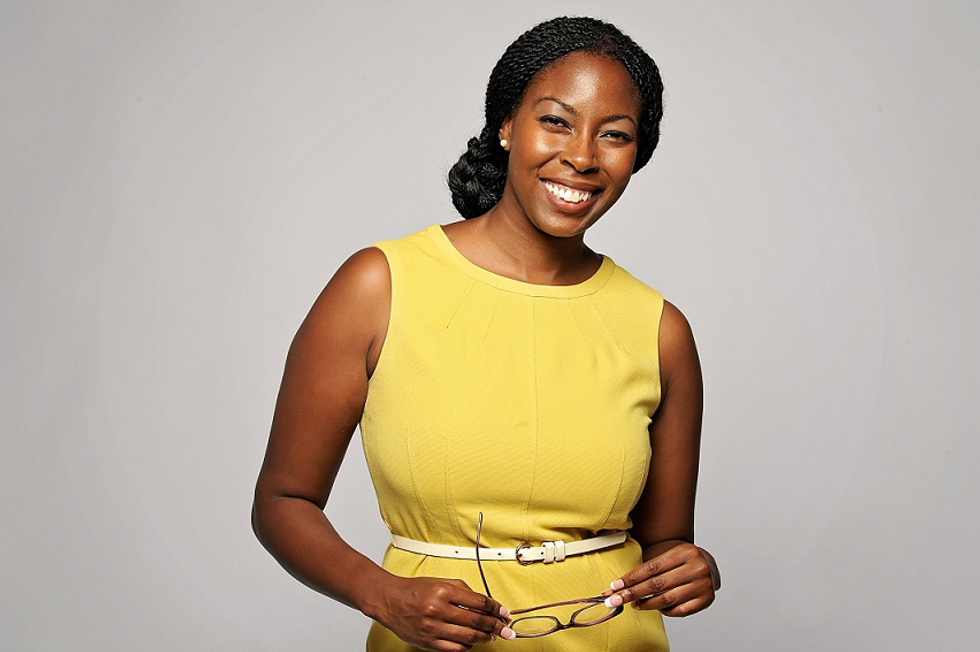
Courtesy of Nichelle McCall Browne
The platform she created: "Bramework is my second tech Startup. I started BOLD Guidance in 2013 to help students apply to college and raised $1/2 million in a year as a non-technical founder (putting me in the .02% of Black women to raise venture capital for a tech company). Now I'm working on my second startup, Bramework, helping small businesses create high-quality blog posts in minutes. Bramework is a marketing department in your pocket.
Helping small businesses that can't afford to hire a specialized team produce blog content regularly so their customers can find them online. When you produce quality content regularly on your website, Google starts to index more pages, which can help you rank higher in search engines. We've found that digital marketing strategists and entrepreneurs love Bramework because they can produce more quality content faster, especially in this current COVID-19 environment where more businesses need to be found online but have limited resources."
The importance of Black women in tech: "Black women bring their own experiences and perspectives, so we see problems, opportunities, and solutions differently. We tap into markets that may be a barrier of entry for others because they don't understand the nuisances of the customer's problems, needs, or how to connect with them. If it wasn't for Black women, there would be no Miss Jessie's, Carol's Daughter, or NaturAll Club. If it wasn't for Black women in tech, there would be no digitalundivided, Blavity, or Travel Noire.
Exposure lets other women see what's possible for them, while being a voice at the table opens up the way for more Black women. It's like when Kimberly Bryant created Black Girls CODE – once women and girls started to see people who look like them and had someone open the doors to opportunities in tech, we saw a huge increase of Black girls being interested in tech. We must continue to open the doors and support each other along the way. We do better when we come up together."
Advice for budding tech entreprenueHERs: "When building your tech company, focus on finding your right paying customer and generating revenue. This is the number one thing I teach entrepreneurs in my courses. Make sure all your milestones and activities point to revenue-generating goals. Don't put too much focus on raising money and what the stats say about Black women raising venture capital. When your number one concern is creating a product that solves your customer's biggest challenge, it's easier to sell it and the money will come. It's always easier to raise money when you have money. But even if it takes longer to raise money, your business is OK because you're making the money that can help you to grow. Plus, you give up less equity when your company is making more."
Featured image courtesy of Joy Ofodu
- This Woman Is Using Tech To Help Families In Need Get Food ... ›
- Amanda Spann Wants More Black Women In The Tech Industry ... ›
- Best Investment Apps 2021 - xoNecole: Women's Interest, Love, Wellness, Beauty ›
- Get Your Mind Right With These Mental Health Apps For Black People - xoNecole: Women's Interest, Love, Wellness, Beauty ›