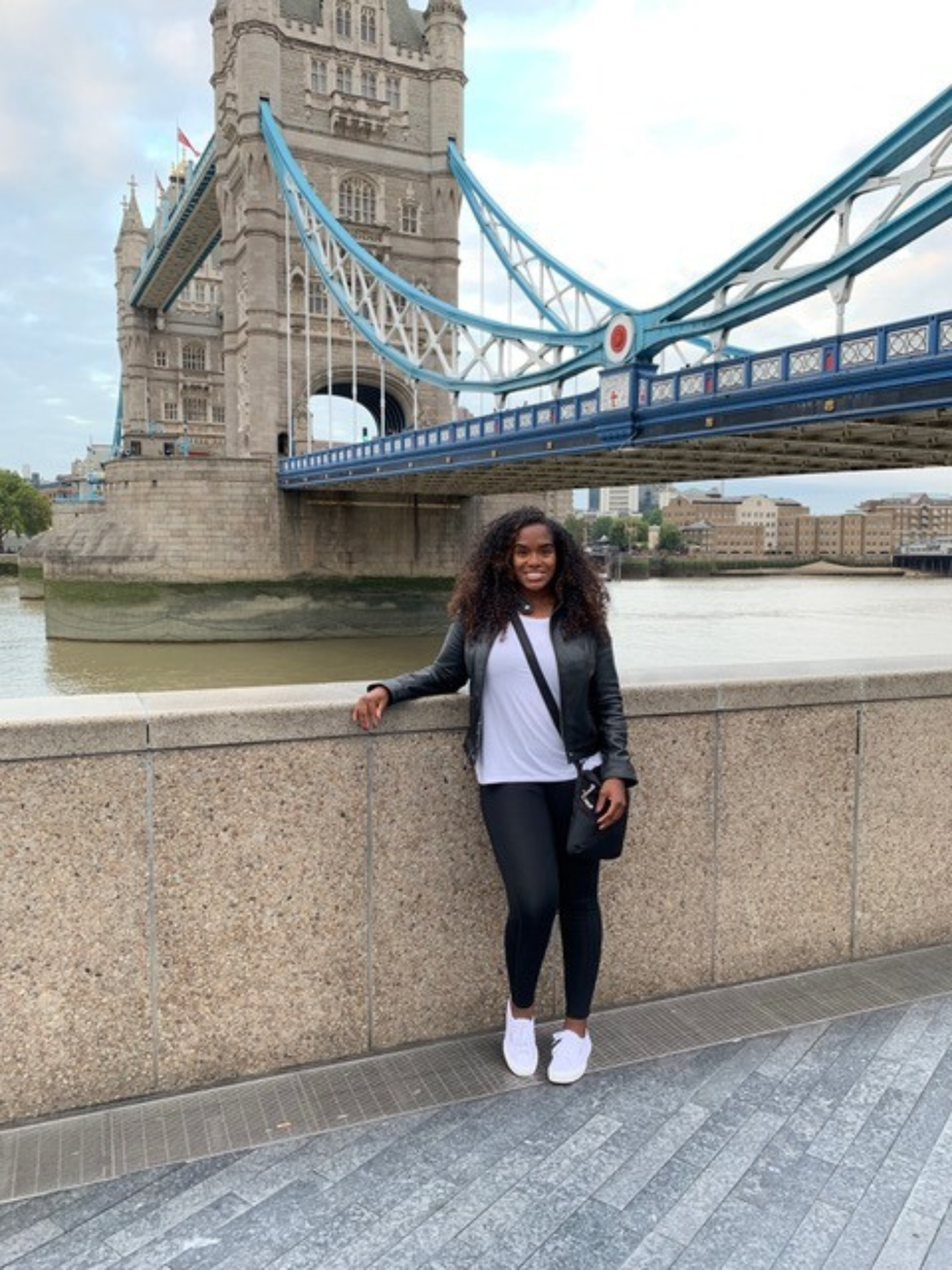


I grew up with examples of married couples all around me: my parents, grandparents, and the majority of my aunts and uncles on both sides of my family were together since I was born. As a 10-year-old child who was predisposed to seeing marriage as a normal part of life, I never considered the interworkings of how one comes to be married, but rather, I was conditioned to believe it was something that just kind of happened when you were a grown-up. Fast forward twenty years later and here I am a successful Black woman who has no husband.
While I don't personally feel like I'm missing out having never been married, I can say that it's caused me to do some serious soul-searching, and research, on why some women are choosing to delay the date, rather than save it.
Marriage Trends Among Black Women
For decades, scholars have studied the marriage gap in the United States. It's no secret that marriage rates in the Black community lag in comparison to those among other races. A study by R. Kelly Raley, Megan M. Sweeney, and Danielle Wondra compared the marriage patterns of Black, white, and Hispanic American women. They discovered that Black women married later in life than both age groups and were overall less likely to ever marry. Additionally, Black women's marriages tended to have higher rates of "marital instability." Finally, the study revealed that Black women had higher divorce rates than white women, at all stages of life and ages. And it seems that the more educated a Black woman is, the less her chances for finding a husband who shares her income or educational achievements are.
Additional sources agree that college-educated black women are less likely to marry than any other group. But all is not lost. It's not that Black women don't want to be married, but it seems that Black millennials, in particular, are redefining the ideals of marriage to fit their terms, opting for cohabitation relations or what is known as the beta marriage. Likewise, there may be another trend that offers a glimmer of hope for those still dreaming of wedded bliss. The most dramatic trends are that of interracial dating and marriages with Black women accounting for 12 percent of the US population, according to data from Pew Research Center.
Societal Pressures & Expectations Of Women’s Roles
 media.giphy.com
Considering the seriousness of such a commitment as marriage, it baffles me to understand the pressure that comes from people like our family and friends, as kind-hearted as they may be, to almost make you feel at fault for not making the trip down the aisle sooner.
I believe that never marrying or taking time to decide on a life-long partner is an admirable choice, but it seems that people would almost prefer you "try" even if it means you fail at marriage and having kids than to "not try" at all. I can't help but get the feeling that what people really want to say is, "It's all right to try and fail – but goddamnit, you'd better try."
If you grew up as I did, then you likely saw your parents married and grandparents married for the duration of their lives. Because children are a product of their environment, they often live what they learn. And the Disney fairy tales we grew up watching only reinforced the idea that it was our duty as little women to wait for Prince Charming to save us from an unenchanted life rather than to pursue one on our own.
Popular culture and classic films, such as Sleepless in Seattle would also have you believing that singlehood is the worst thing in the world and that your fate would end in one of two tragic ways: becoming an old maid or an increased chance of, get this, being killed by a terrorist. Luckily, for single women, that myth has been thoroughly debunked, but the inscription of the old maid remains forever sketched into our subconscious.
Career Vs. Relationship: You Be The Judge
There have been public discussions over the years that point to reasons for the "single, Black woman". In 2010, ABC hosted an all-star panel to figure out, "Why A Successful Black Woman Can't Find a Man". Some of the reasons included stereotypes, unfaithful partners, and availability of quality mates of the same race, to name a few. Unfortunately, for single sisters out there, the odds of finding a decent Black man are scarce, although not completely exhausted.
According to the U.S. Bureau of Justice Statistics (BJS) in 2018, Black males accounted for 34 percent of the total male prison population. But for women who are willing to look beyond the color lines, scholarly studies show promise for those who are open to exploring romantic relationships outside their race. When given the odds of finding a suitor that matches your educational, aspirational, and ethnic criteria, one could argue that a longer wait time is the only choice.
Finally, there are economic factors. I would be remiss not to include the fact that sistas are more financially independent than ever before. Although most research maintains that the pay gap is still dramatically lower for Black women than any other group, including Black men, that hasn't stopped us from starting new businesses and flourishing at a rate higher than any other demographic. Gone are the days of being dependent on a man for economic support. While women may not be actively rejecting the onset of a relationship, we are certainly selecting the procurement of the bag.
What Does It Mean To Be A Strong Black Woman?
Black girl magic is nothing new. We know that Black women helped build the foundation that this country stands on today and we continue to contribute to society through our leadership and business ventures. And while this is a good look for us, economically speaking, I'm curious as to what it implies for Black women personally.
For our mothers and their mothers, being a strong Black woman has meant we were caretakers. Not only to our children but also the children in the community and sometimes, other people's children for whom they were paid to care for to make a living.
 you is kind the help GIFGiphy
When you recall the slave experience of Black women who were forced to perform wifely duties for men that weren't their husbands, the idea of marriage may be somewhat disenchanting. Having to cook and clean and launder their clothes for little to nothing in exchange, should it be a surprise that more women aren't jumping at the chance to (jump the broom) enter into a union that never really served them? Sadly, this experience isn't just limited to Black women. History documents decades of women being regarded as inferior to men and limited to subservient roles in relationships.
For single women today, being a "strong Black woman" often means having to step into the role that tradition has deemed as "masculine" or "dominant" to provide for her family if there isn't a male figure present. As single mothers, Black women take on the responsibilities of both mother and father, breadwinner, and primary guardian, for not only her children but also the aging family member, leaving little time for herself, let alone time to nurture a romantic relationship.
In this regard, I can't help but wonder if black women are choosing this option because they see it as their only choice. In the same breath, Black women may not necessarily be choosing their careers, entrepreneurship, or anything else... maybe, just maybe, they're finally choosing themselves.
Are you a member of our insiders squad? Join us in the xoTribe Members Community today!
Feature image by Shutterstock
- Successful Black Women Best Career Advice Ever - xoNecole ... ›
- Amanda Seales Black Women Self-Care Wellness - xoNecole ... ›
- 46% Of Women Say Career Is More Fulfilling Than Marriage ... ›
- Black Women Don't Get Married Myth - xoNecole: Women's Interest ... ›
- Black Women Breadwinners: How To Talk Money With Your Spouse - xoNecole ›
- Raising the Race: Black Career Women Redefine Marriage ... ›
- The Economics of Marriage Often Don't Work for Black Women - The ... ›
- Why are so few Black women married in America? - Marketplace ›
- Career, Marriage, and Family Aspirations of Young Black College ... ›
- Marriage eludes high-achieving black women ›