


“Reclaiming my time” isn’t just a catchphrase coined by our beloved ‘Auntie’ Maxine Waters. It is an assertion that Black Americans have been striving to obtain for centuries. Pillaged and plucked from our Motherland, stripped of our culture, and robbed of our freedom, Black Americans have fought vigorously to not only reclaim our time but to reclaim our identity for centuries.
While the foundation was laid by those who came before us, the world saw an undeniable shift in the early 2020s.
George Floyd, like so many others, paid the ultimate price. As a result of his untimely death, the world reached a tipping point. Black squares standing in solidarity filled our timelines, companies plastered their promises on their websites, and DEI, all of a sudden, became a buzzword. The world was now “woke” from its all-too-complacent slumber.
The Story of Juneteenth Is the Story of Freedom
More than ever before, the nation wanted to hear our stories and right its wrongs. Let’s be clear, not everyone shared these sentiments. Go to any corporate Instagram page and read the comments under any Black-centric, supporting post. The vileness of some keyboard warriors never ceases to amaze me. Nonetheless, historic shifts were made. People like Dr. Opal Lee, the 95-year-old activist who set out to walk from Texas to Washington, D.C. in hopes of gaining support from Congress to officially name Juneteenth a national holiday, finally saw her dreams and hard work manifest into reality.
For the first time since its inception over 150 years ago, Juneteenth became a recognized Federal holiday in June 2021.
Now, more than ever, people are privy to the date etched in history in which all enslaved Black people were set “free” as deemed by the Emancipation Proclamation. This day, when General Gordon Granger rode into Galveston, Texas with his Union soldiers to inform over 250,000 enslaved Black people they were now free, came two and a half years after the actual Emancipation Proclamation, on June 19, 1865.
Despite Black history, Black stories, and Black celebrations like Juneteenth being brought to the forefront, there are still seemingly gaps that need to be bridged between our present and our past. There are stories from our ancestral archives that need to be told and retold, so that our history, all too often diminished by high-rise condos, quaint cafés, and overpriced artisanal shops, may never be forgotten.
This was evident when I first visited Houston and learned about the history and legacy of Freedmen’s Town, a neighborhood built by newly freed Black Americans in the 1800s. This was a community built by hand, brick by brick, where Black businesses boomed and Black families flourished. It was a place where Blacks had freedom of choice and could reclaim their identities that had been stripped through years of slavery and oppression. There were dozens of Freedmen’s Town settlements across the United States, but most notably in Texas. Houston’s Freedmen’s Town is the only remaining freed slave community of its kind in the United States.
Not surprisingly, Texas was the location of the first Juneteenth celebrations. In 1872, Jack Yates and members of his church raised $1,000 to purchase ten acres of land in Houston, known as Emancipation Park. This community cornerstone served as a formal gathering space for Juneteenth celebrations.
While the national spotlight on Juneteenth has grown in recent years for many Black communities, Juneteenth roots run deep in Texas.
To get a better idea of how Texans honor and celebrate Juneteenth in this day and time, their perceived importance of the holiday, and how they define their Blackness, I tapped some locals to get their perspective.
How Black Texans Continue To Celebrate and Preserve Juneteenth
Zion Escobar
Executive Director of the Houston Freedmen's Town Conservancy (HFTC)
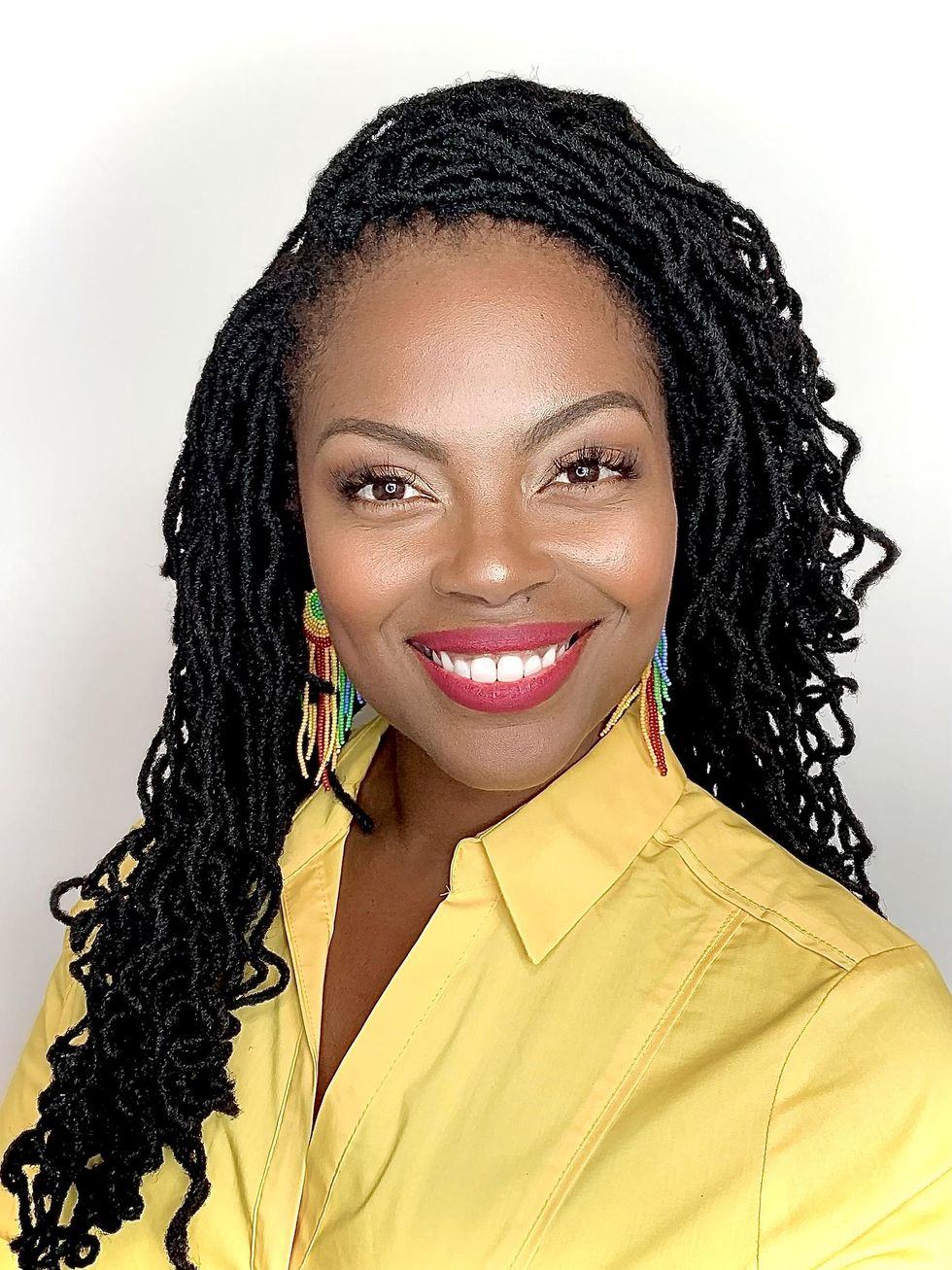
Courtesy of Zion Escobar
I, myself, have older family members who have never heard of Juneteenth, despiteJuneteenth having been around for over 150 years now. Why do you think there are still so many people who don’t know about this celebration?
When I’m kind of pondering that question, I really actually have to reflect on the surface level -- why I think people don’t know about this, and then the deeper level -- why I think they don’t know, right?
And, if I start with the idea that context is everything, I truly believe that once the country is introduced to the story of freedom -- which, a.k.a., the story of Freedmen’s Town, the story of the Houston/Galveston region’s Juneteenth story, and the context that has, to the social justice movement happening throughout the country, to modern-day issues of policing and how all of these things really track back culturally to norms and Jim Crow laws, and post-Reconstruction Era, decisions that were made, in regards to redlining in Black communities and culture erasure -- when people have that context, they’ll realize that a lot of the things that they are out in the streets fighting for, that this is so not new.
That this problem is 150+ years old. I think that more people will start to understand. The example that I would use as a kind of that beacon of hope is that the 1619 Project has set the context for America, for a conversation that’s been around since 1619.
So, I think the answer is that context is everything. People have a tendency to say, “Oh, Juneteenth is about slavery and nobody wants to talk about slavery” and people actually don’t understand that it’s actually the story of freedom. And, it’s the story of what we did, what Black excellence looks like before all these systems of oppression really took hold and were established as a system.
As the Director of Houston’s Freedmen’s Town Conservancy have you seen an evolution in the way that Juneteenth has been celebrated in Houston? How so?
As the director of the Houston Freedmen’s Town Conservancy, I have seen a substantial shift in how Juneteenth is being celebrated in Houston. Case in point, we’ve been free for over 150 years now, and for the first time ever, the grassroots, the foundational non-profit organizations’ leadership in Houston have come together to collaborate on a city-wide Juneteenth experience; meaning, we are not just having a parade that the city gets to come to.
As Black organizations, we are working with each other to uplift, co-program, co-fund, co-market and communicate what this is about, and to show unity in a way that I think people need to see around the world -- that we are all on board with this story and we understand that this needs to come into the American consciousness in a very real and solid way and we are showing up to do the work and we understand the assignment.
[In] previous years, I can’t say that there was such a cohesive consciousness of understanding, and the social justice movement has awakened that vigor, that thing, within everyone to say, ”We need to get it together and make sure that the story is clear and that the context is clear”; because people are celebrating Juneteenth in far reaches of the globe and they don’t have the context. Which is how you get Juneteenthice cream and Juneteenth Vaseline.
"It’s too important to the fabric of Houston’s history, to America’s history, to the history of the slaves that came and laid the foundation for what we know as Houston today that all of America is celebrating -- the wonderful Black culture and music and expressions that have come from Houston. People need to understand the context."
So, we are ready to do that work, because we are not going to see the Cinco de Mayo of Juneteenth, where people say it’s tacos and beer and no one actually knows the true history. It’s too important to the fabric of Houston’s history, to America’s history, to the history of the slaves that came and laid the foundation for what we know as Houston today that all of America is celebrating -- the wonderful Black culture and music and expressions that have come from Houston. People need to understand the context. So, it’s evolved because it is time and we’re ready and I think the consciousness of the collective community is ready. And so, I’m excited to see what we do and I’m excited to continue this inaugural effort in collaboration with everyone.
Finish this sentence: My Black is ________.
Resilient.
Lauren Greer
Principal
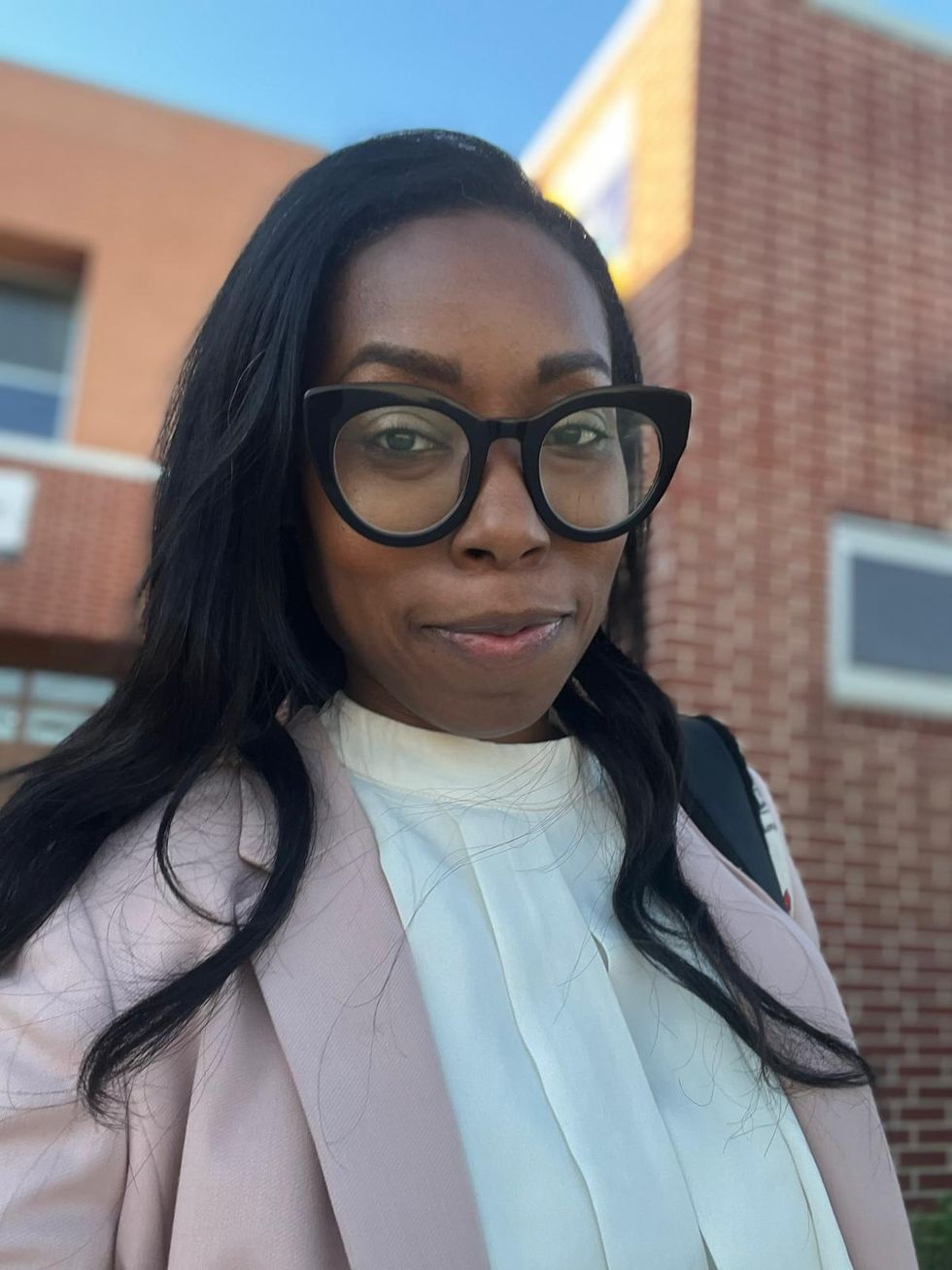
Courtesy of Lauren Greer
Black history is American history. As an educator, how are you seeing Juneteenth being taught in school systems, if at all?
So, that’s interesting just because as an educator, just in light of all the things that have happened recently, there’s some conversations about critical race theory and things of that nature, and because I am in an urban school district, there have been lots of initiatives just around all things cultural diversity and things of that nature. I will say though, as far as just teaching Juneteenth in and of itself, I still haven’t seen that in the classrooms. However, I’m also in an elementary school setting as well. So, it looks a little bit different than what it looks like say in middle school or high school or something like that.
This is the first year, though, where they have the actual holiday on the school calendar. So, my kiddos are off on June 20, that Monday. This will be the first time ever that that’s happened. There are lots of schools in our district. We have different calendars that are already on summer break, but my babies are not on summer break yet. So, we will actually experience the national holiday for Juneteenth while we are still in school. So, while there are initiatives for cultural diversity, Juneteenth still is not a primary focus, as of yet.
As a Texan, has Juneteenth always been something that was celebrated by you and your family? Please explain.
Yes. A lot of the things that I learned, like all things Black history and Black culture, things like that I actually learned at church. Because, the neighborhood I grew up in was a predominantly Caucasian neighborhood, but my church was always Black American. So, from Black history plays, to Juneteenth, to picnics in the park, to the parades that come with it, all of that has always been a part of my upbringing. So, it was not uncommon to literally go to the neighborhood park for all of these things -- for picnics, and just, you know, games, and things of that nature.
Learning all the history that comes with all that was just an embedded part of what I learned in church all the time. And, then just my mom, she just wanted to make sure that we knew our history and so literally I grew up hearing about this all the time in my household, on Sundays or Wednesdays, Vacation Bible Schools, all of those things is the space that I really learned all of the things Black history and Black culture.
How do you celebrate and honor Juneteenth now?
All things Blackity Black Black Black to be completely honest. Usually, getting with friends, picnics, hanging out in the backyard, just reminiscing on history. But, we kind of live it every single day. So, now that there’s a national holiday for it, so to speak, that doesn’t change how we’ve always felt about it, it doesn’t change how we always felt about our culture. It’s given us a space to embrace it a little bit more. Just because of all the things that have happened in our nation in the last few years it’s kind of really drawn light to some things. So, it causes us to be more aware of our culture and also more proud of our culture and who we are as well.
And, so, we take those opportunities on a daily basis to kind of reminisce, but on that day we like to get together and kind of hang out and chill together as well. So, that will probably likely happen again this year. We will all probably get together at somebody’s house just to be around each other.
Finish this sentence: My Black is __________.
When I thought about that question, the cliche answer is 'beautiful.' But, then, as I was thinking about it again this morning -- my Black is needed. I really believe that all of us have been given an assignment on the earth. And I really believe that there’s something that I bring to the table that someone else doesn’t bring, and there’s something that someone else brings to the table that I don’t bring. So, I feel like it is so needed. There has been a target out for our culture for so long, and I feel like we cannot allow society to keep subtracting from our culture.
"There are people that need us to stand in the gap. There are lessons that need to be learned from each and every last one of us. And there is wisdom that needs to be poured into the land. And, each one of us has a responsibility to do that."
Whether it be through entertainment, whether it be through politics, whether it be through education we can’t allow that because we are needed. There are people that need us to stand in the gap. There are lessons that need to be learned from each and every last one of us. And there is wisdom that needs to be poured into the land. And, each one of us has a responsibility to do that. Lauren has a responsibility to do that too, in all of Blackness and all of her educated-ness. The world needs that, and so my Black is needed.
Ebony Parker
Residential Loan Officer
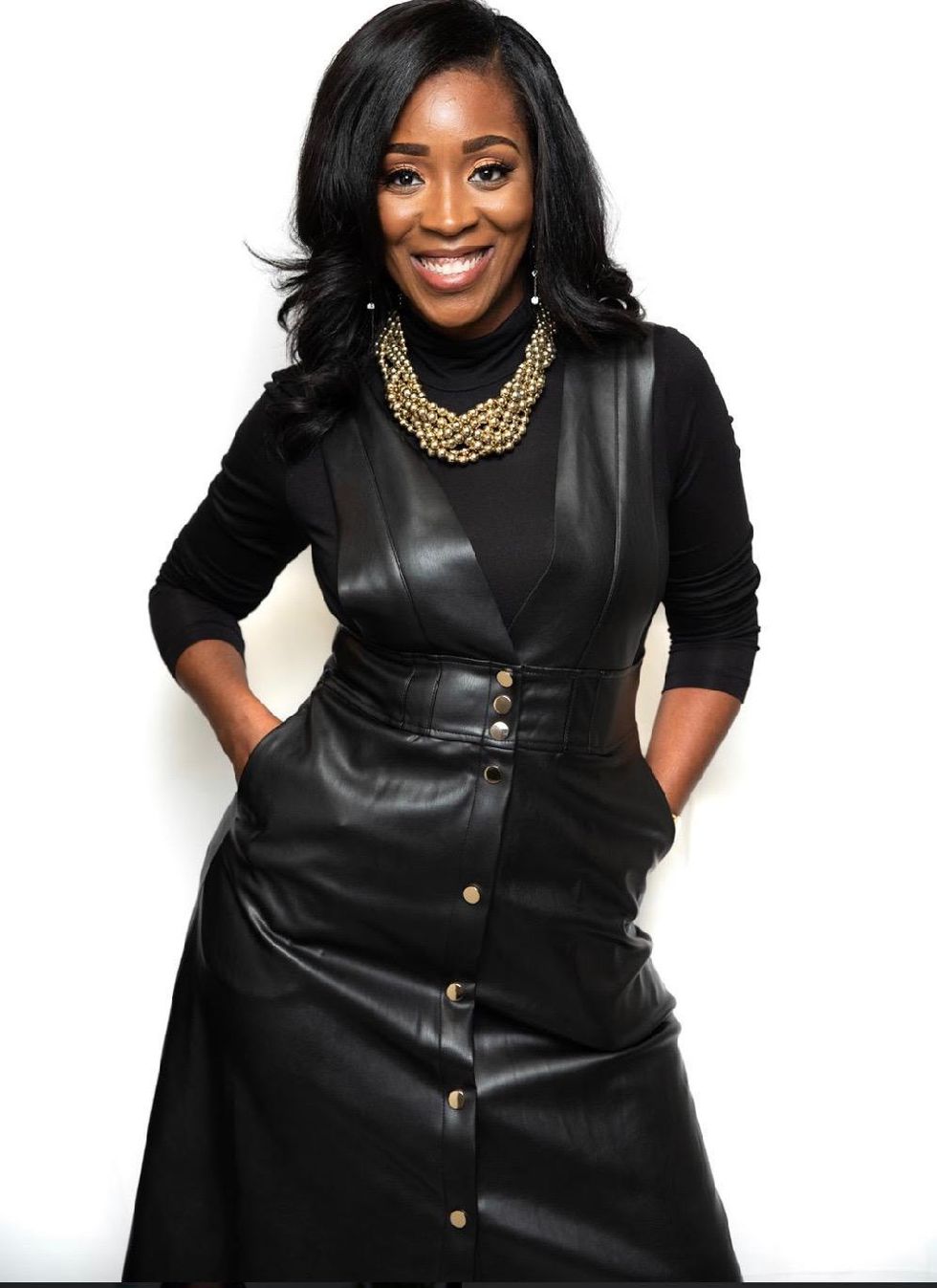
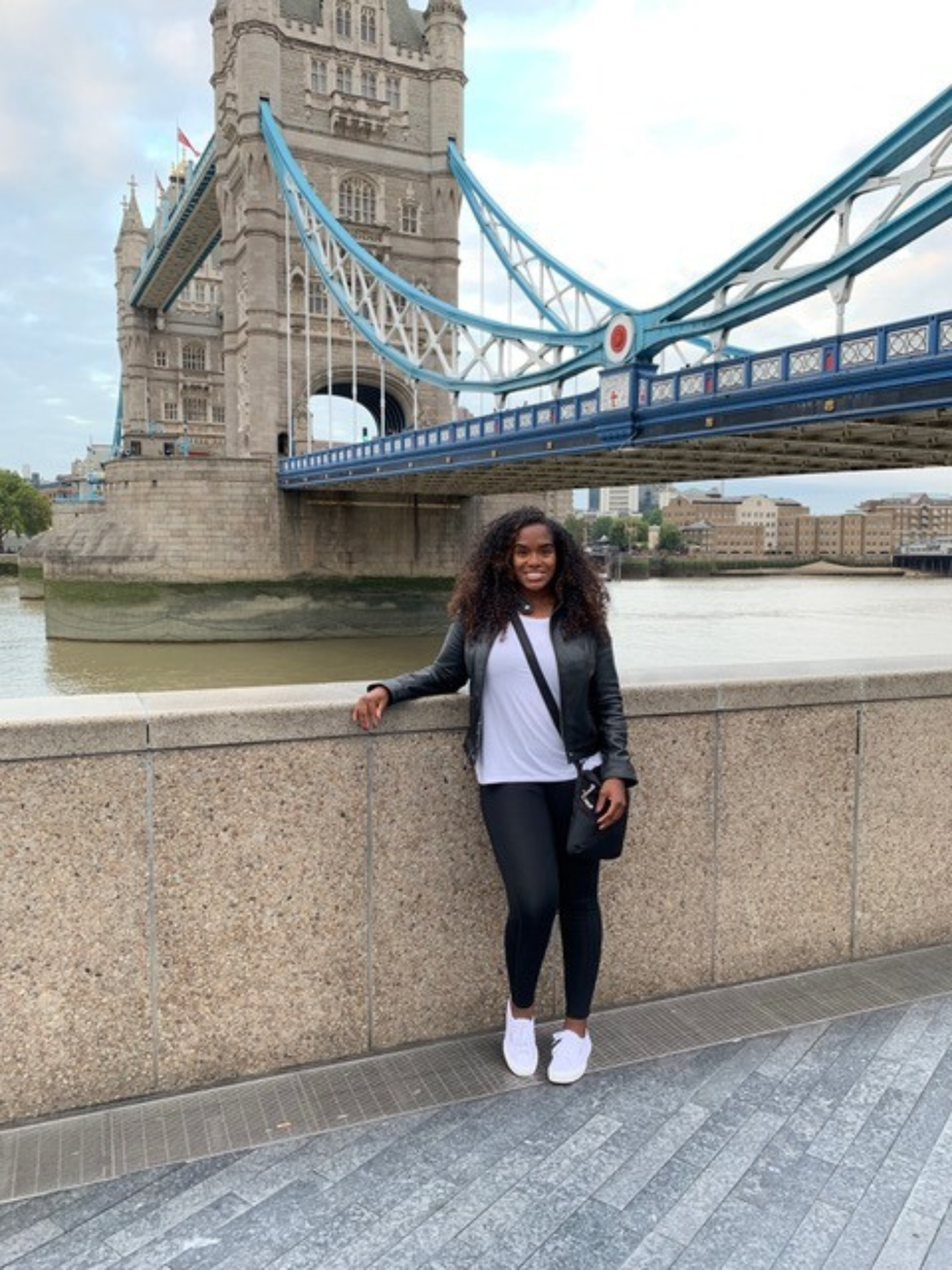
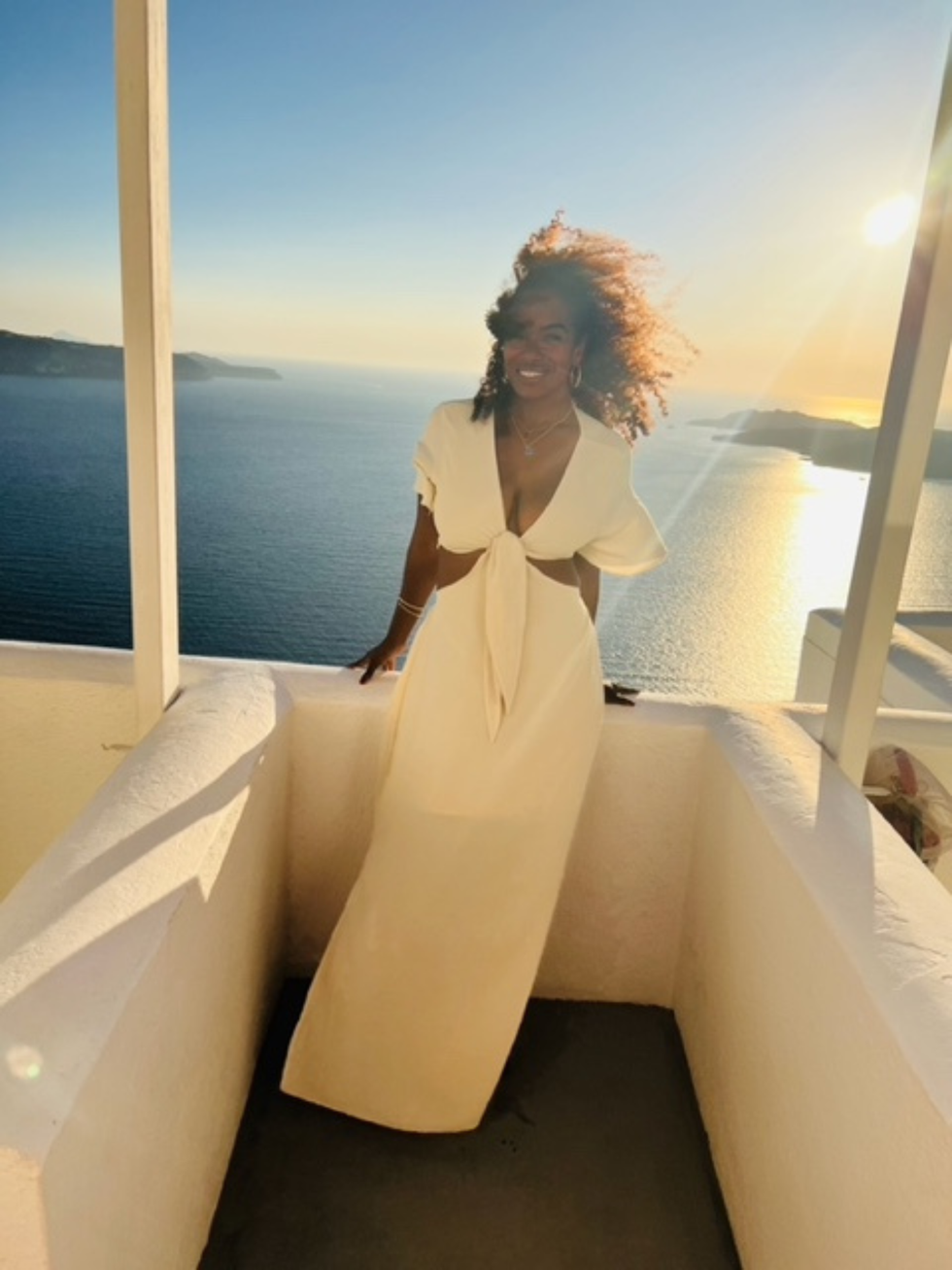
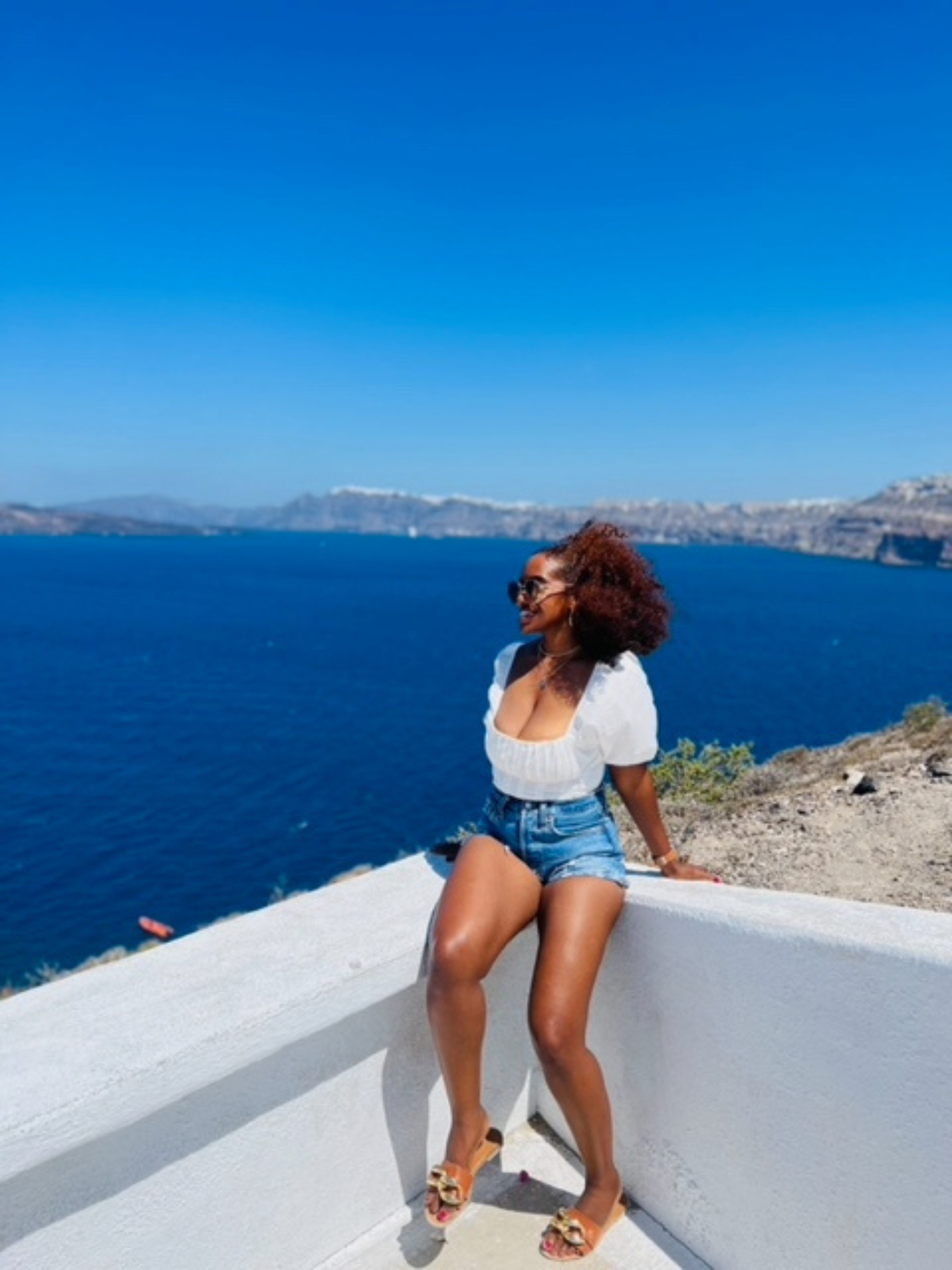
Courtesy of Ebony Parker
What does Juneteenth mean to you?
Juneteenth to me is a representation of perseverance and displays our ability to make lemonade out of lemons at any time. It is us, as a people, continuing to get the leftovers but making them appear as a five-course meal. Juneteenth is the beginning of laying the foundation for our future as the freedom finally granted was the work of our ancestors, but the starting point for us to be able to accomplish the many things we have accomplished. Without the notification of freedom, we would still be sitting on the sidelines, unfortunately. Instead, we are now the trendsetters that everyone is continuously trying to duplicate, unsuccessfully.
As a born and raised Texan, has Juneteenth always been something that was celebrated by you and your family? Please explain.
Unfortunately, Juneteenth wasn’t always celebrated for me. The school system, especially in Texas, has always taught a watered-down and quite often inaccurate version of history, typically leaving out any representation of Black people outside the role of slaves (which unfortunately the textbooks now also consider us as “workers” instead as that narrative makes them appear innocent versus revealing the genocide and cruel things done to my ancestors and even more unfortunate are the things that are still occurring daily). My mother, too, was uneducated on the significance of the day and unable to pass down the knowledge.
"Juneteenth is the beginning of laying the foundation for our future as the freedom finally granted was the work of our ancestors, but the starting point for us to be able to accomplish the many things we have accomplished."
Therefore, I began educating myself on Black culture in college and embraced Juneteenth while finding less of a desire to celebrate July 4 as it along with other “federal holidays” wasn’t an inclusive holiday for those of us that didn’t meet the “standard."
How do you celebrate and honor Juneteenth now?
I like to do all things Black at an exponential level. I ensure that I don’t allow myself to drift towards code-switching. I spend time with my loved ones being unapologetically me. I ensure to be intentional in educating my children and peers. But, more importantly, I celebrate the day by setting a new goal to crush that will further my family, community, and culture.
Finish this sentence: My Black is __________.
My Black is simply Ebony! It is beautiful, intelligent, excellence, confident, sassy, trendsetting, nurturing, loving, and perseverance!
MyKayla Searles-Houston
UTHealth Graduate Student
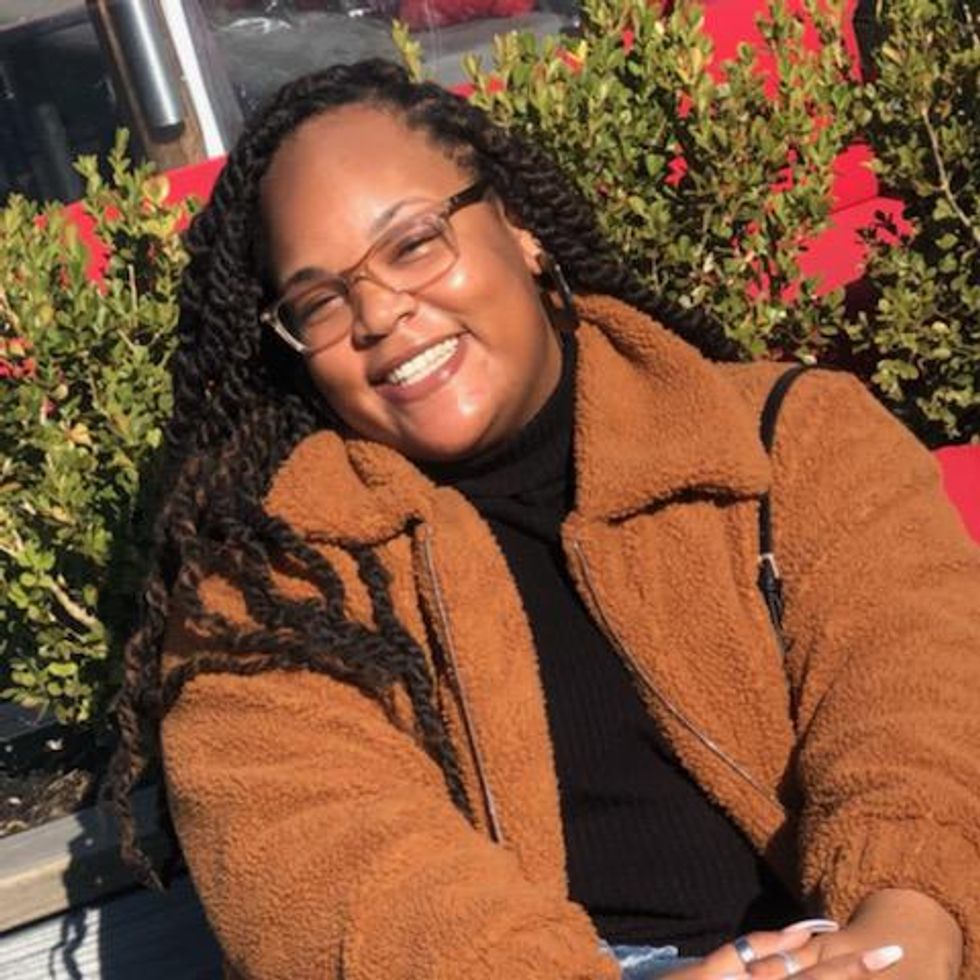
Courtesy of MyKayla Searles-Houston
Why do you think it's important for younger generations to learn about Juneteenth?
I think it is important for the younger generation to learn about Juneteenth because this is our history. This is a part of our culture, especially being Black and from Texas. And, I think it's important to hear from our community and families because oftentimes we are taught history from a narrative or perspective that is not centered in Blackness. So, learning about Juneteenth should be something families talk about with all age groups because one day it'll be the younger people's responsibility to pass down this information.
"I think it is important for the younger generation to learn about Juneteenth because this is our history. This is a part of our culture, especially being Black and from Texas."
How do you celebrate and honor Juneteenth?
I usually celebrate Juneteenth by hanging out with my friends or family! Somebody may barbecue, or we will go to local community festivities which are always nice. There is usually some great food around which is one of the best parts! Honestly, I just love being surrounded by Black people who show love to each other, and being together on Juneteenth is another way for us to express ourselves and have some fun!
Finish this sentence: My Black is __________.
My Black is loving, intentional, and full of care and compassion.
Let’s make things inbox official! Sign up for the xoNecole newsletter for love, wellness, career, and exclusive content delivered straight to your inbox.
Featured image courtesy of Ebony Parker
Originally published on June 14, 2022