


This article is in partnership with Visit Charlotte.
Trading the security—hello, regular paychecks and benefits—that come with a 9-to-5 for the unknowns of entrepreneurship requires a big leap of faith. Yet, for the women who dare to start their own venture, and muscle through challenges (particularly those of the last year), the experience is intensely rewarding—doubly so when your business helps bring vitality to your neighborhood, and is supported by your neighbors. But where to start?
These three women, all of whom left successful careers with big corporations to be their own boss, found the welcoming, mid-sized city of Charlotte to be fertile ground for opening up shop. Spoiler alert: They're happier than ever!
Remi Haygood, Charlotte Yarn
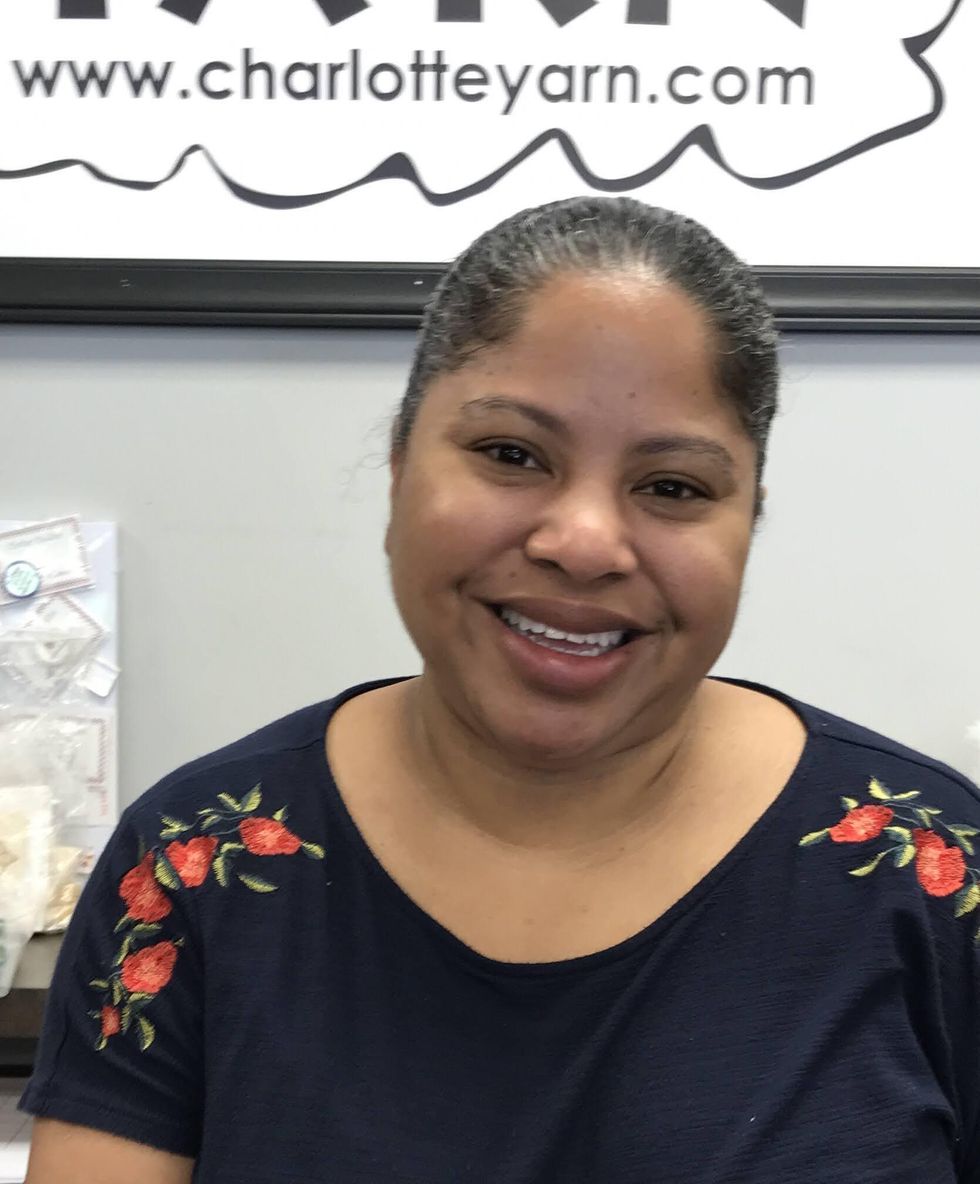 Courtesy of Remi Haygood
Remi Haygood learned to knit to deal with the stress of a corporate banking job. As she knit and purled each new skein of yarn, this calming pastime slowly became her passion.
In 2005, Haywood learned that the owner of Charlotte Yarn was looking to sell the store and she decided it was time to leave the corporate world and embark on a new career.
"Even though I had never worked retail, I have never been shy about trying new things," she says. "I liked knowing that I was in control of whether it failed or succeeded."
Haygood admits the learning curve was steep: She'd never used a cash register or run payroll and had no idea about business essentials like applying for tax identification numbers or paying sales tax, all while researching knitting trends, building a local knitting community, and marketing her store to bring in shoppers.
"I thought, 'I'll order yarn and teach people to knit,' but there was a lot of work on the back end to make the business run," she says.
It didn't take long for Haygood to master the basics; she took to entrepreneurship the same way she took to knitting: quickly and passionately. Charlotte Yarn customers embraced the business—and the change in ownership—and cheered Haygood on as she put her own spin on the shop.
The business skills that Haygood developed running Charlotte Yarn were essential for navigating the pandemic. She changed the store hours, introduced beginner knit kits to help people learn the craft during quarantine, promoted one-on-one (socially distanced) knitting lessons and introduced virtual "sit and knit" gatherings. Haygood's now launching corporate team-building events to help others relieve stress through knitting.
"I don't knit as much as I used to and my hobby is now my work," she says. Yet the locals who've supported her from the start are all the better for it. "I find joy in seeing how much knitting has helped other people."
Lindsey Williams, Davidson Wine Co.
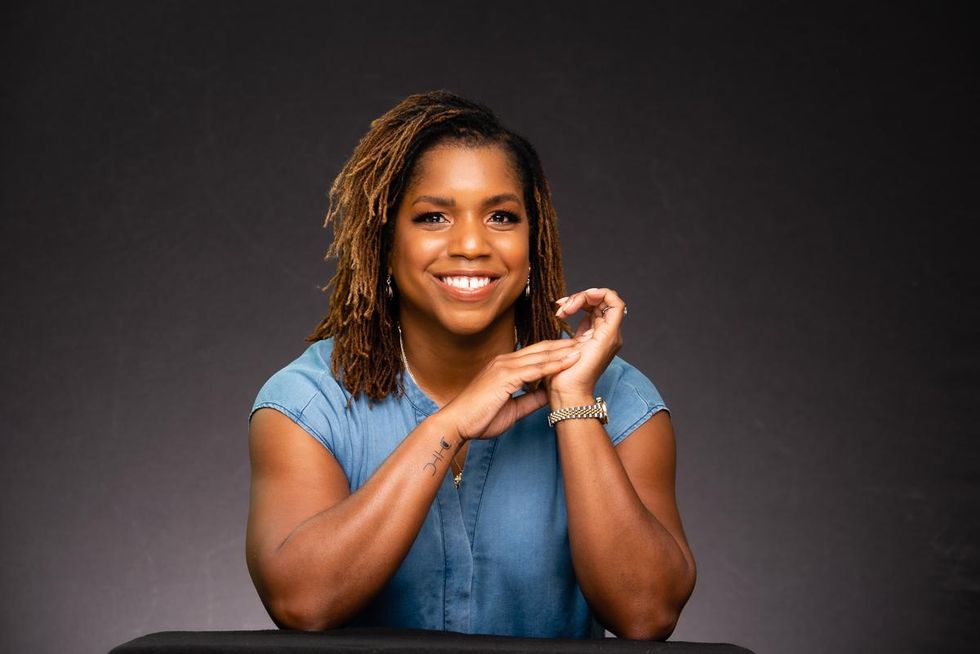 Courtesy of Lindsey Williams
After graduating from law school, Lindsey Williams spent a decade working for a big bank. Williams was successful, climbing the corporate ladder and receiving accolades for her work, but she was burned out and looking for new opportunities.
"I started thinking, 'What if I went out on my own? What is something I would want to do?'" she recalls. "I'd always loved wine…and I fostered that love of wine into my next career."
Williams took winemaking classes and participated in an internship with a winemaker in California before opening Davidson Wine Co. in 2019. "As a lawyer, when you have a difficult case, you do a lot of research," she recalls. "I wasn't going to feel comfortable going into wine without knowing a lot about it."
The "urban winery" in Davidson (about a half hour from Charlotte) produces popular wines like merlot, cabernet and chardonnay as well as unique wines like petit verdos and pinotages. As head winemaker, Williams makes all of the wines and offers tastings, wine sales and a bistro menu from the wine bar in bustling downtown Davidson.
Her legal background proved helpful for navigating the federal and state regulations but, Williams admits, "I had no idea all of the hats I'd be wearing: winemaker, retail, marketing, human resources all fall on me."
Opening a wine bar meant trading a (mostly) 9-to-5 career for one that requires working nights and weekends, and the transition to entrepreneurship required several other adjustments. Williams credits local mentors for helping her navigate the challenges and celebrate the successes of being her own boss.
"It's important for women to find other mentors and support," she says. "Having someone to provide a sounding board when I'm having a challenge and leaning on others to help is one of the things that's been really beneficial to me."
Sherry Waters, The Pauline Tea Bar-Apothecary
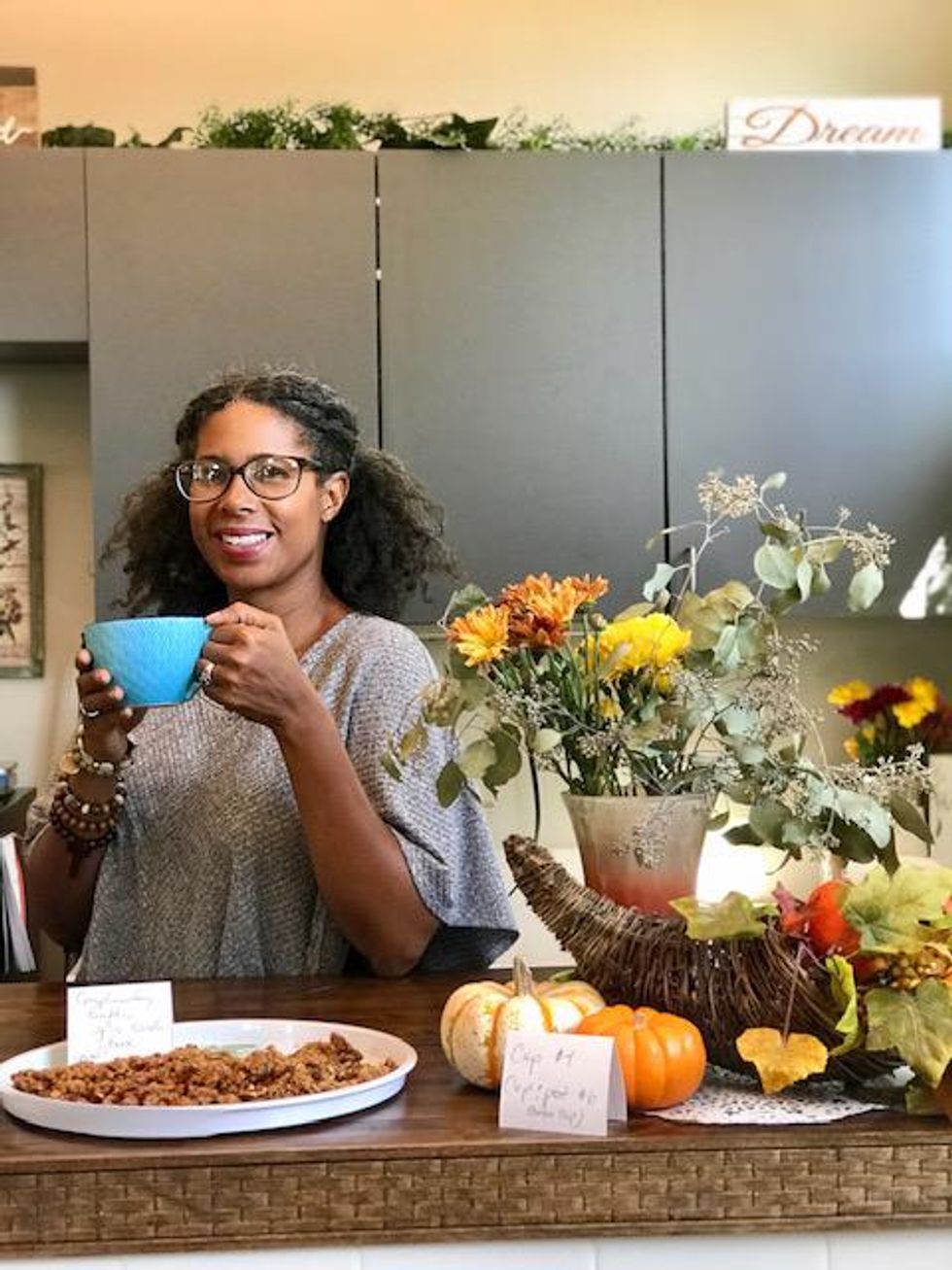 Courtesy of Sherry Waters
Although Sherry Waters had a background in marketing and public relations, she credits her work as a hospital chaplain for inspiring her to open an herbal tea lounge. "The idea of having a sacred space for the community was planted in my heart," she recalls.
In 2019, Waters opened The Pauline Tea Bar-Apothecary in Charlotte's Camp Greene historic neighborhood district. Customers order steaming mugs of herbal tea, read, meditate, journal or engage in quiet conversation. A grant from the Center City Small Business Innovation Fund allowed Waters to build a labyrinth behind the building in the Camp Greene neighborhood.
"It's quite different from a normal café," she says. "The intention here is to unplug and find respite and solace in a peaceful environment…it's a sanctuary space."
Creating that kind of environment required a great deal of work. Waters studied herbal teas, tapped into community resources, hired staff and maintained long to-do lists to keep things running. In an attempt to do it all, she realized the need to prioritize self-care.
"I've gotten better about learning to say 'no,'" she says. "There have to be boundaries to protect my time."
It's hard to take time off when the demand is so great. The community has embraced the unique space, dropping in for tea and renting the tea bar for special events. During the pandemic, Waters received invitations to sell loose leaf teas and cold brews at two local farmers markets. It added to her schedule but offset COVID-19-related business losses—and brought Waters even closer to her community.
"I've always found Charlotte to be generous, supportive and innovative," she says. "One of the most important skills you can have as a business owner is being part of your community, aware of their needs and able to respond."
Featured image courtesy of Lindsey Williams