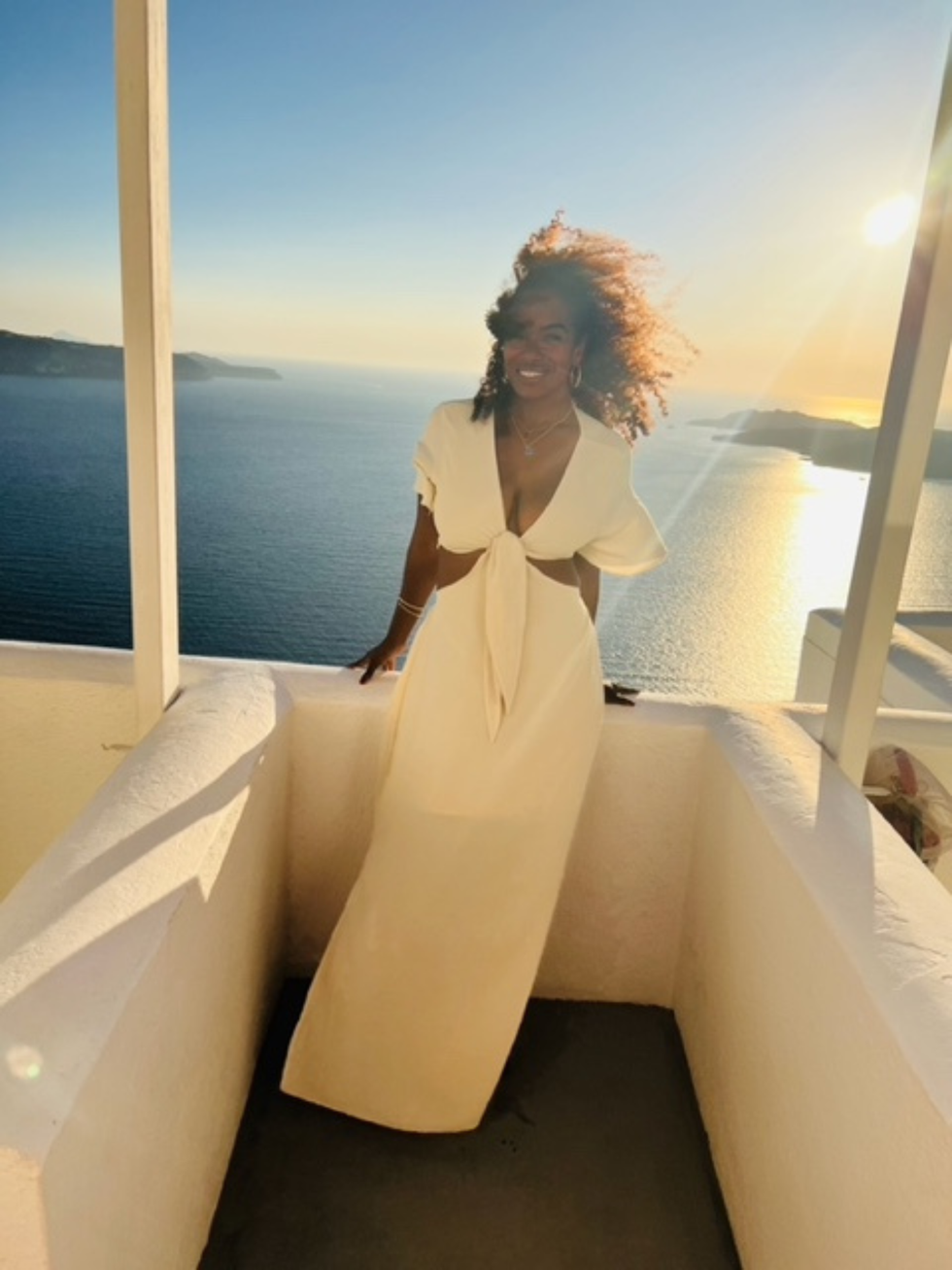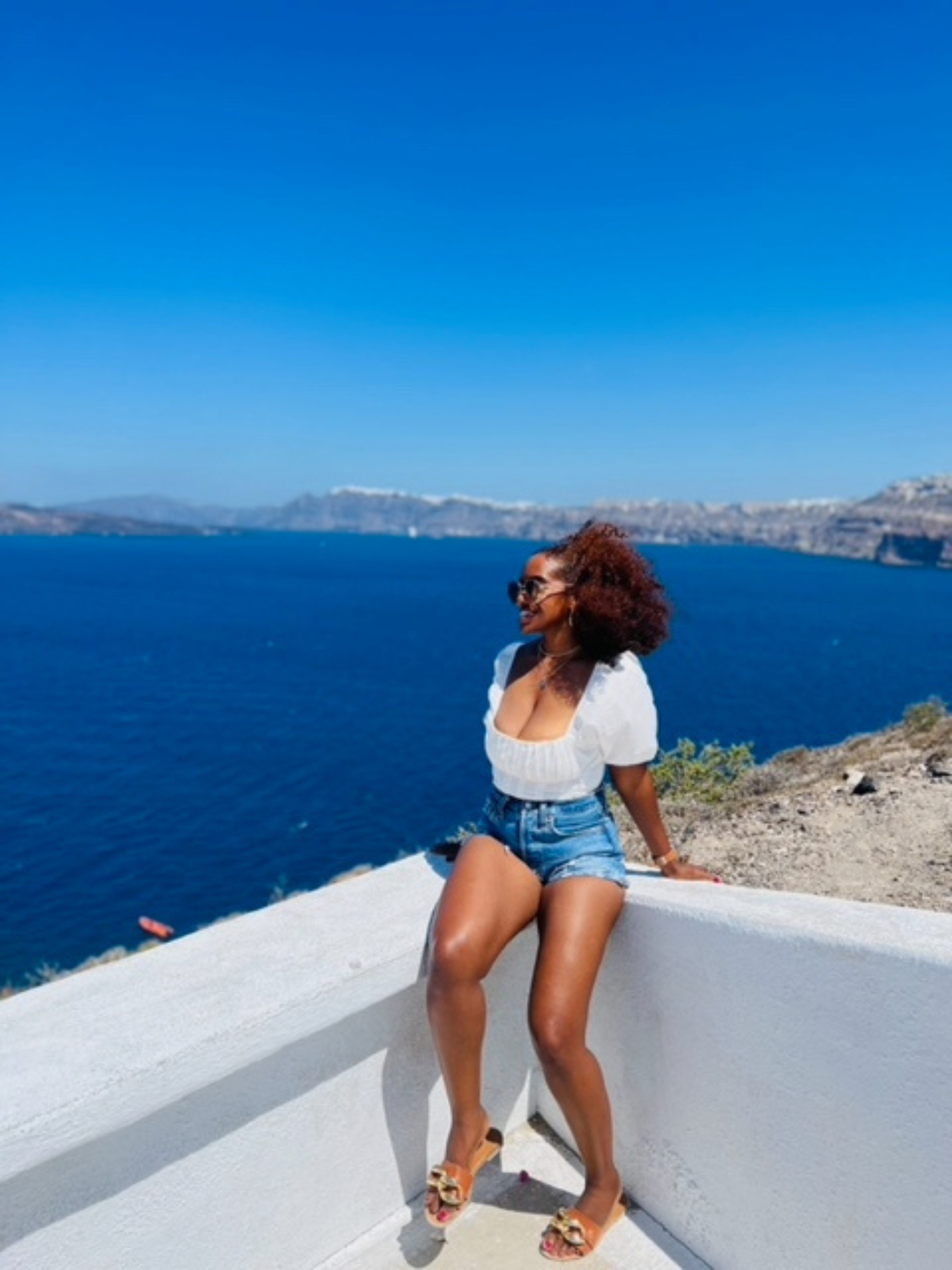



It was 2018 when I realized working in a toxic work environment and pursuing a high-stress career in Corporate America wasn't for me. But at the time, resources on how to take a career break were scarce. I researched, googled, and scrolled through Pinterest. I read blogs and listened to podcasts about other women who traveled and eventually made a career switch. But there wasn't a platform dedicated to strategizing an exit plan from the American lifestyle. At least, not for women of color. I was left to make these life-altering decisions on my own with little to no help or substantial resources.
I managed to execute my plan, and here I am still curating this new life of mine. I still dream of living life overseas too. It's going to happen, but I'm just not quite there yet. And in 2021, more and more American Black women have realized hustle culture or Black Excellence is not where it's at. Two years ago, it was highly uncommon for a Black woman or any woman of color to quit her job, sell her house, give up everything she owns, and catch a flight to a destination unknown and start a whole new life. It was just completely unheard of.
It went against everything our parents and the generations before us taught us about building the American dream. Life for an American Black woman embodies hard work.
Oftentimes, this means demanding and stressful careers. It's a constant state of chaos and, the thing is, most Black women don't realize this until they are forced to. And there is no telling how chaos decides to show up, but it usually manifests in unhealthy vices or underlying health problems. The idea of "taking a break" or moving abroad isn't a part of what we consider Black Excellence to be. So, we entertain the idea of a relaxed lifestyle only when we are eligible for retirement.
But in case you haven't noticed, we are no longer waiting until 65 to truly live. We are deciding to be present and live our best lives now.
The pandemic showed us what a life with balance and freedom can look like. It gave more and more Black women the permission to discover new ways to find joy. Even if that joy looks like leaving their homes and everything they know. Whether that is through a career break or a more permanent move, Black women have come to realize a life of constant burnout and mental health problems isn't a life at all. And Stephanie Perry and Roshida Dowe came to this same realization too.
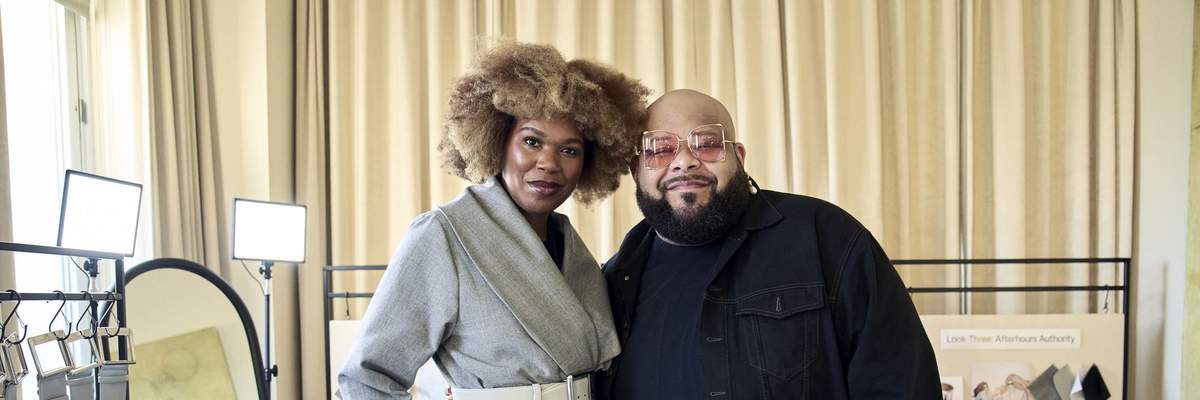
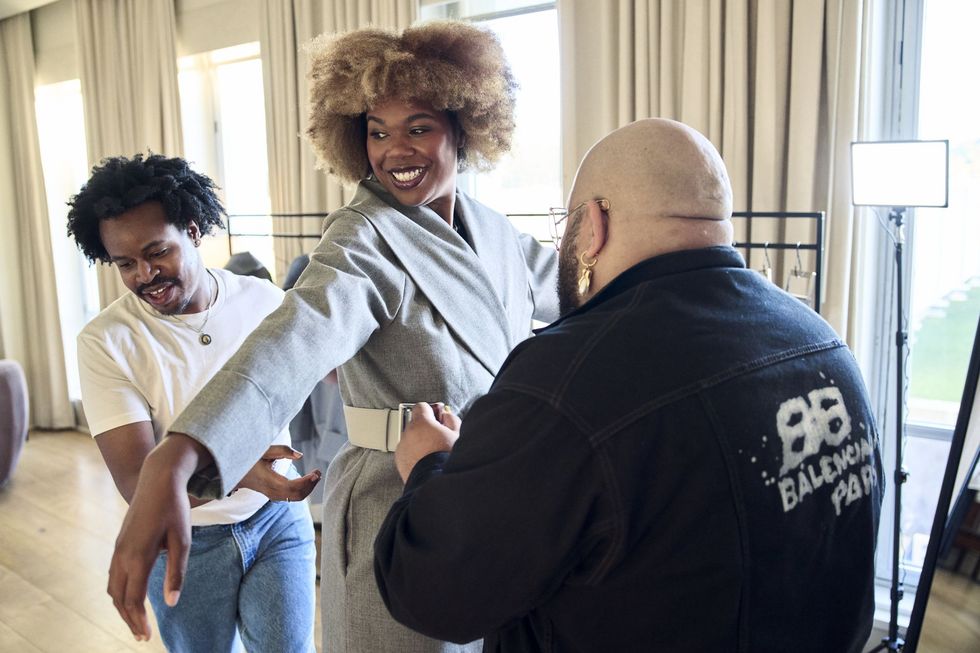
Together, through their company Exodus Summit, they help other black women navigate the ins and outs of taking a career break or living abroad. "The idea for Exodus Summit started in the summer of 2020. Stephanie and I thought this would be a good way for us to collaborate and serve more women than we could serve individually," Roshida explained. "This year, we have invited back women who attended the summit last year to be speakers at this year's Homecoming. These women are coming back to share their roadmaps for how they made the transition abroad happen for themselves."
Meet The Creators Of Exodus Summit
Stephanie is a digital nomad. She has visited 12 countries in 12 months all at $1200 per month. Before making the leap overseas, she was a hospital pharmacy technician. Now, she's a year-round house sitter and pet sitter who helps Black women take a career break to travel on a budget through her website vaycarious.com.
Roshida, aka "Shida D", is a passionate proponent of career breaks, sabbaticals, and grown-up gap years. In her previous life, she was a lawyer in high-pressure tech companies. It wasn't until a decade later that Roshida realized she wasn't in love with the life she built.
Stressed, tired, and burned out, Roshida decided to take the leap and travel the world for a year. It was then that she discovered her purpose. Roshida decided to help other women experience the freedom she had found on her own career break. She now coaches women on how to plan satisfying and sustainable breaks from their careers and leave burnout behind.
xoNecole interviewed Stephanie and Roshida on their personal experiences with taking career breaks and living abroad. Here's what they had to share.
Leaving The American Life
It's never an easy decision to leave the life you're accustomed to for an unconventional life. There are so many what-ifs, risks, and issues that come up. Not to mention self-doubt and limiting beliefs. It's an internal battle of:"Can I really do this?" "Am I making the right decision?" and "What are people going to say?" Especially for Black and brown women. Our function in the United States is to work and take care of other people so that others can live out their dreams. To seek a desired of level freedom is almost considered unattainable and too far-fetched in our culture. But says who?
Stephanie and Roshida share their reasons for leaving this American life.
Stephanie: "I decided that I wanted to spend a year traveling full-time and I thought that one year was going to be enough. And I was going to return from that year and be like, 'I did it. I saw it all. Now, I'm ready to go back to my old life.' It turns out, that once I was out for a little while, it made me put my life and work in perspective. I started to see how other people in other countries don't make work their priority and try to fit other things in. They get to enjoy a full life. They get to live it 360 degrees and not just work most of the time and then hope and pray when they get to that magical retirement age that they are still able to do the things that they have always wanted to do. So, being able to experience life in other cultures for those 12 months changed the idea of what I wanted my life to look like."
Roshida: "I got laid off from my job when the company I worked for went out of business. The thought of getting a new job was overwhelming (I was totally burnt out from the last job). So, I did some quick math and realized I had enough money saved to travel for a year, and I was off exploring the world less than a month later."
Challenges Of Living In A Foreign Country
When you finally decide to build a life in a different country, there is no question there will be a few challenges. And it seems scary at first when you don't know how another country operates or how to establish residency, let alone get a job. But we live in a digital world. We have a variety of resources that allow us to educate ourselves about other countries and their cultures. From social media, YouTube, language and travel apps, blogs, and Google, we can easily travel to another country well-prepared. I mean, I did. While external challenges exist to living in a different country, most of the challenges are internal. It comes down to adopting a new way of thinking and allowing yourself to say "yes."
Stephanie: "Living in another place is simpler than what most people think it is. It's 2021 and there is a lot of information out there. You don't have to go into a place blind. There are communities of people, especially if you're a Black woman. There are communities of Black women all around the world that are sharing information so that you can get to places and know what neighborhoods you want to live in, the good doctors, and the good service providers in the area. So, you're not moving to a place with no clue.
"The real hurdles are in yourself. How do I reject everything I was told that I was supposed to be living for? We are stuck on the idea of Black excellence, which is a trap. It's doing things for outward appearance and forgetting about what you really want. You have to be these things so that other people can look at you and respect you. But what about how you feel about yourself?"
Roshida: "Beyond not being fluent in the language, getting used to the local customs can be a challenge. But when you find the perfect place for yourself (for me, it's Mexico City), those challenges seem like learning opportunities."
Earning An Income And Finding Work In Another Country
Stephanie: "Because I like to go to inexpensive countries, finding work overseas would not benefit me. I would be paid in their currency, and it would be worth less than the U.S. dollar. So, I instead make money in U.S. dollars online and stay, visit, or live in these other places. It turns out that I have a skill set that people were willing to pay me for that I had been doing for free. I'm a house sitter and people used to ask me all the time how to get started with house sitting and I would give them information for free. Now they pay me for it. That's my business. I make a living helping people become house sitters. Most of my clients are Black women from the U.S. and the Caribbean. I found a skill set that supports me so that I don't have to have a traditional job."
Roshida: "During my career break, I started helping other Black women take breaks as well, and that turned into a business. Building my own business, I get to set my own hours, work with who I want, and work from wherever I want."
Misconceptions About Living Abroad
Stephanie: "Misconception number one is that it's dangerous. I spend six months out of the year in Mexico and people always want to know how safe it is or what about the cartels. But if you don't have cartel business, you don't have to think about the cartels. Another piece of American propaganda is that we are better than other places. Especially when it comes to certain things like safety. I am not safer in the United States compared to when I'm in a different country. Mexico is a place where people just mind their business. There is not a group of people in Mexico who are waiting to harass you. If you have an interaction with the police in Mexico, it's not going to be a negative interaction. In the cities we live in, in the United States, we are probably in more danger than in any place that you're going to want to go to in the rest of the world."
"It's also not as expensive as people think. People price places based on what they see when they go on vacation. When you live someplace, it's a lot less expensive than when you are just visiting. It was less expensive for me to travel full-time, than it was for me to live in Wilmington, Delaware."
"Loneliness. When you are a solo traveler, you will meet people if you want to. It's so much easier to meet new friends when you travel solo. I have friends now that I would not have met if I traveled with other people, and we are still friends today."
Life Abroad Vs. The Black American Lifestyle
Stephanie: "When I'm abroad, it's the only time I get treated like an actual American with all of the rights and privileges that come with being an American. I also don't have to fear for my safety as a Black woman abroad. Dating is better for me as a Black woman abroad too. My self-care is better. We think self-care is manicures and pedicures, but not like actual rest. I have free time to do creative things and daily spirituality practices. All of those things are things I have time for because I don't work and live in the United States."
Roshida: "Living outside of the U.S. gives me a sense of freedom that I didn't experience in the U.S."
On Why Black Women Are Adopting A Life Overseas
Stephanie: "I think that we have gotten tired of living the life of other people. We want to feel that freedom, that right now, it's only felt when we leave the country. Also, it's helpful that the internet exists and that Black women are sharing what they have been doing so new people can be introduced to it. I have a YouTube channel, and people are like, I didn't even know that I can do this. I think the communities of people who are out sharing information are very helpful."
"And I think that we've hit a breaking point where either you're going to make a big change, or this environment is going to kill us. We are fighting for our lives. It's a fight for our peace of mind, for our safety, for children's safety, and our joy. There's a new emphasis on Black joy that has not existed in the past. It prioritizes what you want or what life you want to live. All of these have converged to make it so much easier and so much more realistic for us to go."
Roshida: "Life abroad comes with significantly less stress and a sense of joy and ease that is hard for Black women to achieve overseas. It's not a stress-free life, but most other cultures have a more relaxed way of life, and it's nice to get to enjoy that abroad."
Exodus Summit 2021 starts this weekend, from September 24-26. Learn more about the virtual event here.
Featured image by Getty Images
- Career Bucket List Ideas - xoNecole: Lifestyle, Culture, Love, Wellness ›
- Top Podcasts For Black Women To Level Up - xoNecole ›
- Top Entry-Level Remote Jobs That Require No Experience - xoNecole ›
- Why Black Women Are Leaving Corporate America - xoNecole ›
- What You Should Know Before Moving Abroad - xoNecole ›