One of my goals for 2025 is to take better care of my body. Whether it’s making movement a daily practice, eating more vegetables and protein, or making rest a priority. Within that goal is to also reduce the toxic chemicals I put in and on my body.
A few weeks ago, I was perusing YouTube and stumbled across a video from the Diary of a CEO podcast titled “No.1 Toxicologist: These Products Were Making Me Infertile And Are Harming Your Future Kids!”
It stopped me dead in my tracks because I want kids, so of course, I would like to know if I were using any of these products and if there were solutions.
Now, before I continue, I’m not trying to be a fearmonger, but I do think it’s important to know if you’re unintentionally doing something that can have a negative impact on your health.
In the interview, toxicologist Dr. Yvonne Burkart talked about everything from plastics being harmful to avoiding fragrances and how a lot of products pose potential health risks like cancer and infertility.
Many of our everyday products, like plastic containers, makeup, and non-stick cookware, are laced with phthalates, bisphenol (BPA), and PFAS chemicals, which are endocrine disruptors.
“In the human body, we have eight endocrine glands. So they’re little centers in our bodies, and they secrete hormones, and these hormones regulate pretty much everything that you can think of,” Dr. Burkart explained. From sleep, wake, digestion to how well your brain works, cognition to metabolism, to how quickly you can burn calories.
“How much fat you deposit, how much fat you can lose, and also your fertility, if you’re able to have children, someday. So endocrine disruptors are coming in, and they’re basically disrupting just as the name indicates. They’re throwing the balance off. They’re messing up the signaling. They’re causing everything to go haywire in our bodies.”
Black women especially have a higher risk of endocrine disruptors. Harvard Health reported that haircare products sold in mostly Black, low-income neighborhoods have more toxic chemicals than in white, affluent neighborhoods.
“I think the vast majority of people are entirely unaware of this and studies show it because there are studies showing that the earlier you start using cosmetic products, the higher your chance of coming down with breast cancer,” she said.
“And the people who had the highest prevalence were African American females. So I think it’s a combination of the fact that there is some level of racism, environmental injustice, but also a cultural and societal preference for certain products.” She even suggested that some of the creators of Black-owned companies may not even be aware of the health risks. While the government is slow with updating regulations and clean beauty is still far and few between, it’s up to us to make these changes.
Below is a list of four common products with toxins and what you can do to lessen risks when using them.
Scented Candles
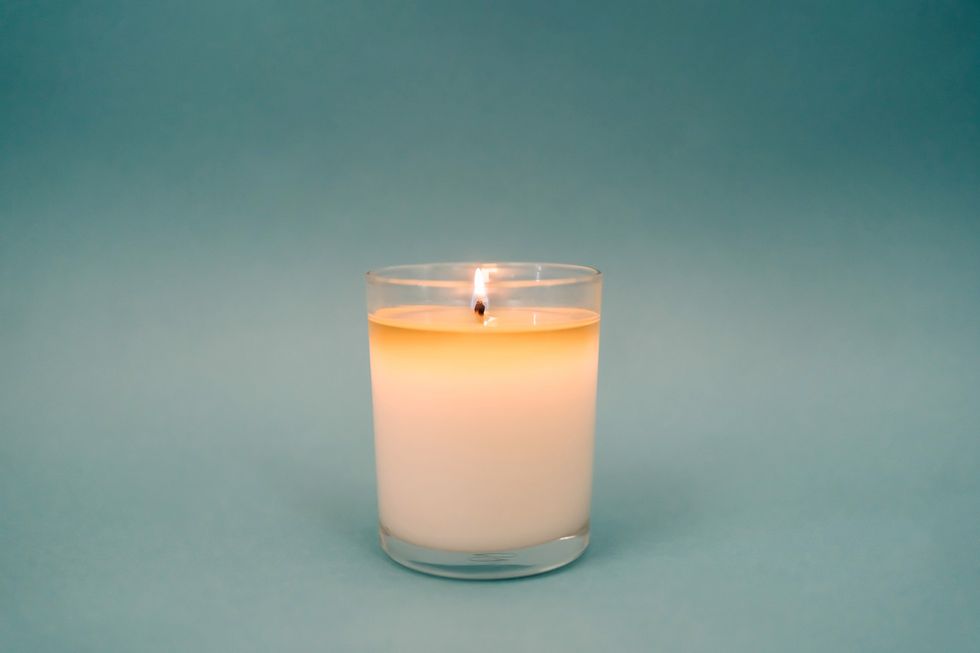
Anna Efetova/ Getty Images
It’s popular to use scented candles, air fresheners, and incense to make your home smell good, but it can also make your home toxic. According to the National Library of Medicine, scented candles (with paraffin wax), for example, have carcinogens such as formaldehyde that, when lit indoors release harmful gasses. These gasses can cause respiratory issues, headaches, throat irritation, and overall, indoor pollution.
Dr. Burkart suggested that it’s also best to avoid soy blend candles as it can also have paraffin wax.
What you can do: If you want to use scented candles, it’s best to use ones that are made from beeswax, essential oils, and have wooden or cotton wicks as regular wicks can contain lead.
Plastic Containers
Our society has become so dependent on plastics. We drink out of plastic bottles, we store food in plastic containers, and we even heat food with plastic on top.
The Geneva Environment Network reported that “the toxic chemical additives and pollutants found in plastics threaten human health on a global scale. Scientifically-proven health effects include causing cancer or changing hormone activity (known as endocrine disruption), which can lead to reproductive, growth, and cognitive impairment.”
Dr. Burkart took it step further by revealing that microwaving plastic containers are worse because the heat releases it into “billions of microplastic particles” that then gets released into the food. This also applies to restaurant to-go cups with hot coffee or tea. Microplastic doesn’t break down in the body and can even be found in newborn babies.
Even BPA-free plastic bottles/ containers aren’t technically safe, because at the end of the day, it’s still plastic.
“We’re becoming plastic. We’re actually known as the plasticine epic. Humankind is more plastic. Eventually we will become more plastic than we are humans if we continue at this rate,” she said.
What you can do: Use reusable glass and stainless steel bottles, silverware, and glass food storage containers. Dr. Burkart suggested that if you have a glass container with a plastic lid, keep the food from touching the lid. Also try to buy loose fruit and vegetables versus packaged ones.
Non-Stick Cookware

Rebeca Mello/ Getty Images
Many of us may have used a non-stick pan at some point. If not, then you’ve seen them in the cookware section at your local retailer. However, research shows that non-stick cookware isn’t safe.
“PTFE is the chemical name for teflon, so teflon is used to create the non-stick coating and it is believed because it’s so chemically stable that it wouldn’t come off the pan into your food, but that’s not true,” Dr. Burkart said.
“There’s evidence showing that there is transfer from the cookware in normal cooking conditions into the food. Not only that, when you heat the pan high enough, it will vaporize and get into the air and if you inhale it, you run the risk of experiencing what is known as teflon flu.” Dr. Burkart explained that teflon flu feels like getting the regular flu.
PFAS are also found in non-stick cookware, which are linked to kidney and testicular cancers and thyroid disorders. It also increases the risk of miscarriage, pre-term labor and pre-term birth, preeclampsia, PCOS, endometriosis, and obesity.
What you can do: Stainless steel and cast iron cookware are safer options.
Skincare Products
Unfortunately, most skincare products have phthalates, which is disguised as fragrances (parfums). “The reason why they’re (phthalates) in fragrances and manufactures love them so much is they’re what are known as film formers,” Dr. Burkart said.
“So it helps the fragrance to stick to surfaces like your skin, your clothing, and it helps to make it last longer and linger. So if you’ve ever sprayed something on yourself and are still able to smell it hours later, that’s a telltale sign that you’ve been exposed to phthalates.”
What you can do: While we love our perfumes, a solution can be to not wear it everyday. Another solution is to use essential oils instead.
Let’s make things inbox official! Sign up for the xoNecole newsletter for love, wellness, career, and exclusive content delivered straight to your inbox.
Feature image by Jacob Wackerhausen/ Getty Images