



Friends. How many of us have them? Friends. Ones we can depend on? The older I get and the more time I spend on this planet, the more I think Whodini straight up preached in those lyrics. It really is true that, if you've got even one friend to speak of, you are truly blessed because, let's be honest—we humans are a trip out here. Two flawed individuals who are trying to make any type of emotional connection work is a feat within itself. But man, when one of those folks is fake, opportunistic, low-key envious, disloyal or simply doesn't know what being a true friend consists of, they can send you on an emotional roller coaster ride that is truly unlike any other. You can find yourself being a friend to someone who is literally the worst kind of enemy.
I've been there. Oh, have I been there. And to prevent you from experiencing the complete and totally WTF moments I have or maybe even help you recognize if you've got a pattern of having "non-friend friends", here are seven signs that just because you call someone your "friend" doesn't automatically or necessarily mean that they are even close to being a real one.
1. If You Weren’t Reaching Out, the Two of You Wouldn’t Communicate
There is someone I know who considers me one of her closest friends. Chile, no I'm not. For one thing, in order for us to be bosom buddies, I have to be able to get in on that decision (some of y'all will catch that later) and second, I haven't heard from that girl in months upon months. The funny—or not so funny, depending on how you look at it—thing is that, the last time I saw her, I told her that I wasn't going to initiate contact anymore, that the next time we spoke, it would be if/when she reached out. When she asked why I was implementing that little rule, I told her point blank, "Because the only reason we speak as much as we do is because I am the one who checks on you." She laughed it off and said I would hear from her the following week. Like I said, that was months ago.
I already know that when I see her again, she's gonna be on the flattery tip; she always is. And you know what? I ain't even mad. On a lot of levels, she's cool people. But are we actual friends? Nah. My friends call me. I call them. They email me. I email them. There's a consistent mutuality that exists—consistently so. This girl? She's basically just a nice person. There's no love lost. It's just that she's not in my inner court by any stretch. (If you want to know what I mean by that, check out "Always Remember That Friendships Have 'Levels' To Them"). Her total lack of initiative proves that she doesn't deserve to be.
2. Their Needs Are an Emergency While Yours Aren’t Even a Priority

When I wrote the article "Life Taught Me That True Friendships Are 'Inconvenient'", what I meant by that is, if you are truly committed to someone and they are truly committed to you, there are going to be times when both of you are inconvenienced. Your friend might need you to stay up with her all night as she grieves the breakdown of a relationship (or friendship), or you might need a few bucks from them in order to pay an unexpected bill. In my friendships, it's not a second thought for me and my peeps to have each other's backs; it's a given. Oh, but there is a woman I know who is stingy as all get out. When she needs something, not only is she quick to ask, but she pretty much assumes that I'm gonna come through. Why? Because I always have. But the past 5-6 times that I've asked her for something, she has always had an excuse. When I brought it to her attention, she even had an excuse for her excuses.
Listen, maturity will teach you that no one owes us anything in life. But if you've got a so-called friend who always expects you to help them out, even though they do not show up for you in a pinch—sis, that is not a friend. That is a user.
3. They’re Your Friend in Your Face but Shady Behind Your Back

A wise person once said, "The person who hears other people talking behind your back but does nothing and might even join in is called an acquaintance. But the person who has a problem with it, will call them out, or will call you and tell you about it, they are a friend." I agree with this to a large extent. If I were to change anything, I would say that anyone who claims to care about you on some level and joins in on gossip about you is not really even an acquaintance. Low-key, they are a hater. Also, based on what your friends know about you and how you react to things, it may not be a good idea to bring certain things directly to your attention. Sometimes, that could make matters worse instead of better. What a true friend will do is handle it and squash it. They will definitely give yappers the impression that they are the last person who should bring up anything negative about you. Point blank and period.
I'm telling you, it can be a hard and oh-so-painful lesson to learn that some people aren't your friend for friend's sake. Nah, they just want to be around you in order to collect information to spread around. So yeah, if you can't say, beyond the shadow of a doubt, that the people close to you wouldn't tell your business, throw shade or stab you in the back outside of your presence, are they really your friend? Somehow, I doubt it.
4. They Are Low-Key Competitive

This is an area where I've had bad friends and been a bad friend. That's why I'm not big on building close relationships with folks who have low self-esteem. People like that dislike themselves so much that they don't have a clue how to be happy for other people, celebrate other people, or not feel like they constantly have to one-up other folks. When it came to those who were closest to me, yes, I used to be that kind of person sometimes. I resented them for how they looked, what they had, or even the quality of men they dated. And that turned everything into a bitter battle of competition—or straight-up bitterness.
It is damn near impossible for anyone to love someone else when they don't even love themselves. If you've got someone in your life who always makes you feel like they are trying to outdo you, not only is that exhausting but that's pretty toxic. Friends relish in each other's come-up; they don't compete with it.
5. They Are Narcissistic AF
I grew up in an entertainment industry household. Then, I became an entertainment writer which meant that a lot of my social circle consisted of entertainers and whatnot. Boy, did it take me for-e-ver to recognize that something that automatically came with this reality was knowing a lot of narcissistic people--oodles and oodles of 'em. And just how can you know that you've got a narcissistic "friend" in your space? They're always right. They can never be corrected. Sometimes they build you up, other times they tear you down (and you never know which person is going to show up). They constantly need attention and validation. They are control freaks (including when it comes to your life, if you let them). They're disingenuous. They don't take responsibility for their actions (ie. they deflect…a lot). They refuse to empathize with your feelings and needs. They don't apologize. They act entitled. They have split personalities (or are moody as hell). They wouldn't know a boundary, if it slapped them in the face.
Whew. You know what this all boils down to, right? They are basically emotionally abusive individuals. And abuse, in any form, should never be used in the same sentence (or context) as healthy friendship.
6. They’re Dismissive AF Too

So, I live in Nashville and not too long ago, we had a pretty devastating tornado. The way that it affected me personally is I didn't have electricity for about a week. (You can't even begin to process just how deep that is until it actually happens to you). As I was waiting to "get back on the grid", I had to find ways to rig up getting a charge, like using a car charger or going to a mall to work on my laptop. Anyway, there is someone who could've made all of this so much easier and they live a bike ride away. When I asked if I could charge up for an hour, they talked about how they wouldn't be home all day, so they didn't know when I could. When I asked a few days later to do the same thing, they wrote me late at night talking about they don't check their email as much as I do, so they missed the message. Hmm…that's interesting because when they needed some of my press contacts for a project they are working on, they replied back to back to my responses within an hour. And when they wanted my opinion on some of their music, I heard from them right after sharing my insights. It's basically been like this for years. Would a true friend be like this? I doubt it.
But here's the thing. Sometimes, we keep people around and allow them to have some of the same benefits that our real friends have because they're not bad people. It's just that, as you start to define your own boundaries and expectations, you realize that they don't deserve the same access and privileges.
For me, a "boundary" that I am learning to set is to not be close to dismissive people. Dismissiveness is a subtle form of folks not giving AF. And when you take into account what the actual definition of the word is ("indicating lack of interest or approbation"), it's basically a low-key form of disrespect. True friends take an interest in your life and your needs. Anyone who, through their words and/or actions, shows that they don't...they are not much of a friend at all.
7. “Safe” Is the LAST Word You Would Use to Describe How You Feel Around Them
Probably every fourth article that I write, I mention how important the word "safe" is. That's because it is. When you feel safe, you feel secure. When you feel safe, you're not wondering if someone is going to hurt or harm you. When you feel safe, you are confident that the people in your life are reliable, they have your back, and you are never alone to deal with the ups or the downs of this world. Something else that's cool about the word "safe" is there is no "kinda" to it; either someone makes you feel safe around them or…they don't. If when you just read all of this, you found yourself squinting because a couple of people came to mind who definitely caused you to be unsure, that is a very telling sign that they are not as good of a friend as they should be or as you deserve. No matter how long you may have bestowed the honor of the "friend" title upon them, they need to be demoted. Because a friend who isn't safe isn't a friend at all. Not. At. All.
Feel me? Please tell me that you feel me. And more importantly, tell me that if someone fits this bill, you will make some much needed adjustments ASAP. So that some real friends can come into your life. People who are as far from these signs as possible.
Want more stories like this? Sign up for our newsletter here and check out the related reads below:
Pettiness, Moodiness & Other "Friendship Irritants" To Work Through
What If You Love Your Friend...But Don't Like Her Anymore?
Feature image by Giphy
- Friend Divorce: How To End Friendships - xoNecole: Women's ... ›
- 5 Signs Your Closest Friends Are The Most Envious Of You ... ›
- Warning Signs Your New Friend Is An Opportunist - xoNecole ... ›
- Signs You're Dealing With A Toxic Person - xoNecole: Women's ... ›
- 10 Strong Signs You Have A Toxic Friend - xoNecole: Women's ... ›
- 7 Signs You're Your Own Best Friend - xoNecole: Women's Interest, Love, Wellness, Beauty ›
- Subtle Signs Your Friend Doesn't Like You - xoNecole: Women's Interest, Love, Wellness, Beauty ›
- How Not To Be Jealous Of Friends - xoNecole: Women's Interest, Love, Wellness, Beauty ›
RELATED






A big part of the clarity that is coming through this month is due to Neptune going direct in Pisces on December 10, after being retrograde here since July. With Neptune now direct, we are able to see our inspiration and creativity a little more clearly, providing the perfect energy for dreams and manifestation to be built upon. The smoke is clearing, and it’s up to you to decide what you want to do with this newfound clarity that this transit is bringing. Mercury also moves back into Sagittarius on December 11, which is great for communication and clarity, and the adventures you were trying to see through at the beginning of November come around for you again with greater purpose and support.
On December 15, Mars enters Capricorn until the end of January 2026, and this is the extra push we need to make important changes and to be on the path towards greater abundance, stability, and prosperity. Mars in Capricorn takes care of business, and we have extra energy at our disposal during this time to do so. This transit is an ideal time to focus on your career or financial goals for next year and to start putting some of these plans into motion now. A few days later, we have the New Moon of the month, which will be in Sagittarius on December 19, and this is the perfect New Moon to manifest.
The energy is high, magic is in the air, and it’s all about moving forward with the new beginnings that are inspiring you and bringing you joy to think about right now.
Capricorn Season officially begins on December 21, and this earth sign energy is how we heal, gain closure, and build new foundations in our world. With Venus also moving into a Capricorn a few days later, there is something about peace, prosperity, and security that we are gaining in life and in love as we close out the year, and this is what we need right now. This month is about reflecting on what was, letting go of old hurt, and renewing. December is an ending and a new beginning in one, and there is magic in this space to be created.
Read for your sun and rising sign below to see what December 2025 has in store for you.
 AriesKyra Jay for xoNecole
ARIES
December is a full-circle moment for you, Aries. You are seeing the gifts in your world and have a lot of gratitude for the way things have come about for you as of late. There are culminations in your world that are providing you with more abundance, stability, and community, and you are exactly where you are meant to be this month. With the Sun in a fellow fire sign and in your 9th house of travel for most of the month, December is a good time to get out of your comfort zone, explore the world around you, and get your body moving.
Mars, your ruling planet, also makes a change and moves into Capricorn on December 15, which will fuel your inspiration and power in your career space. You are making a lot of professional progress as we close out the year; however, make sure to be more mindful of your competitive drive right now. The New Moon on December 19 is the perfect opportunity for you to create some new plans and goals when it comes to traveling, education, and where you want to gain some new inspiration in your world. Overall, this is a month of things coming together for you serendipitously.
 TaurusKyra Jay for xoNecole
TAURUS
December is about trusting your intuition, Taurus. You have a lot on your mind this month, and it’s best to delegate, communicate, and allow yourself some relief by opening up to someone and not feeling like you have to hold everything in. As we begin the month, we have a Supermoon in Gemini happening in your house of income, and the plans and projects you have been building here come to fruition for you now. This is the time to gain clarity on your financial world and to take a look at what spending habits you want to let go of here as well.
With Venus in your 8th house of shared resources for most of the month, you are doing a cleanse on your commitments, partnerships, and business ventures. You are taking a look at what you want to dedicate yourself to in the future, and what commitments you may need to let go of now in order to be in the space you truly want to be, both financially and within some of your relationship dynamics. Before we end the month, we have a New Moon in this same area of your chart, and it’s time to look at the opportunities that are presenting themselves and to trust your internal guidance system to lead you forward.
 GeminiKyra Jay for xoNecole
GEMINI
You are moving forward fearlessly this month, Gemini. December is your month of love, passion, and dignity, and you are owning the light that you shine. We begin the month with the last Supermoon of the year, happening in your sign, and you are stepping up to the plate. You are showing up, owning how much you have grown this year, and allowing yourself to heal while also acknowledging that you have done your best and you deserve to have fun in the midst of the changes you are creating.
Mercury, your ruling planet, is officially out of retrograde, and you can use this energy to the fullest potential now. With Mercury in your 7th house of love, it’s time to speak from the heart and to talk about the things that matter and that are inspiring you right now to your loved ones. You never know what kind of epiphanies you may have when you open up the conversation to others. Before the month ends, you have a New Moon in this same love area of your chart, and this New Moon is all about manifesting romance, commitment, and abundance in your world.
 CancerKyra Jay for xoNecole
CANCER
December is an opening for more love, more joy, and more freedom in your life, Cancer. You have come to a place where you hold so much gratitude in your heart for where you are today and where your heart is shining, and things come together for you with more ease right now. With the Sun in your 6th house of health, work, and daily routines for most of the month, you are getting your ducks in a row while also putting more energy and effort into taking care of yourself, your priorities, and your well-being. This month surprises you in many ways, and it’s because you are showing up.
Mars and Venus both move into your house of love, relationships, marriage, and abundance this month, and you are making strides in your love life. You have both of these opposing forces on your side and are being recognized for the love you are while also receiving the love you want. This month, overall, is about focusing more on the positives in your world and letting your heart have its joy. Before December comes to an end, there is a New Moon in Sagittarius, and this is the perfect opportunity to create the plans you want to see through next year, especially when it comes to your work life, colleagues, business ventures, and health.
 LeoKyra Jay for xoNecole
LEO
The scales of karma are balancing, and they are balancing in your favor this month, Leo. December is your month of truth, and of seeing it clearly in your world. The Sun is in your house of romance, pleasure, and happiness for most of the month, and it’s time to relax, be in the present moment, and allow what is meant to be, to be. With a Supermoon in your 11th house of manifestation as December begins, this is a powerful month for seeing your dreams come to fruition, and for feeling like the intentions you have set this year are finally here for you now.
Mars also moves into your 6th house mid-month, and this is the perfect energy to have to move into the new year. You have extra energy at your disposal right now and are feeling fearless with what is possible for you and your daily routine. Before the month ends, we also have a New Moon in a fellow fire sign, Sagittarius, and this is a breakthrough moment for you and your heart. December, overall, wants to show you how loved and supported you are and will be doing so in magical, unexpected, and concrete ways.
 VirgoKyra Jay for xoNecole
VIRGO
December is a month of victory, Virgo. You are showing up and experiencing some new successes in your world that move you forward on your path in life. With a Supermoon in your 10th house of career as we begin the month, the effort and intentions you have made this year come into full bloom, and you are being recognized for who you are and the good work you have done. This month is all about showing up and allowing yourself to be seen and loved, knowing that you deserve the support and opportunities you are receiving.
Mars moves into Capricorn on December 15, which brings the passion and excitement into your love life, hobbies, and little pleasures in life that light you up. You want to have fun this month and are going to be walking into the new year with this fearless, happy, and spontaneous energy within you. Before the month ends, Venus also enters Capricorn, and in this same area of your chart, you have a lot to look forward to and believe in right now. Overall, December wants you to be happy and will be doing everything possible to make that happen for you. This is your month to shine, Virgo.
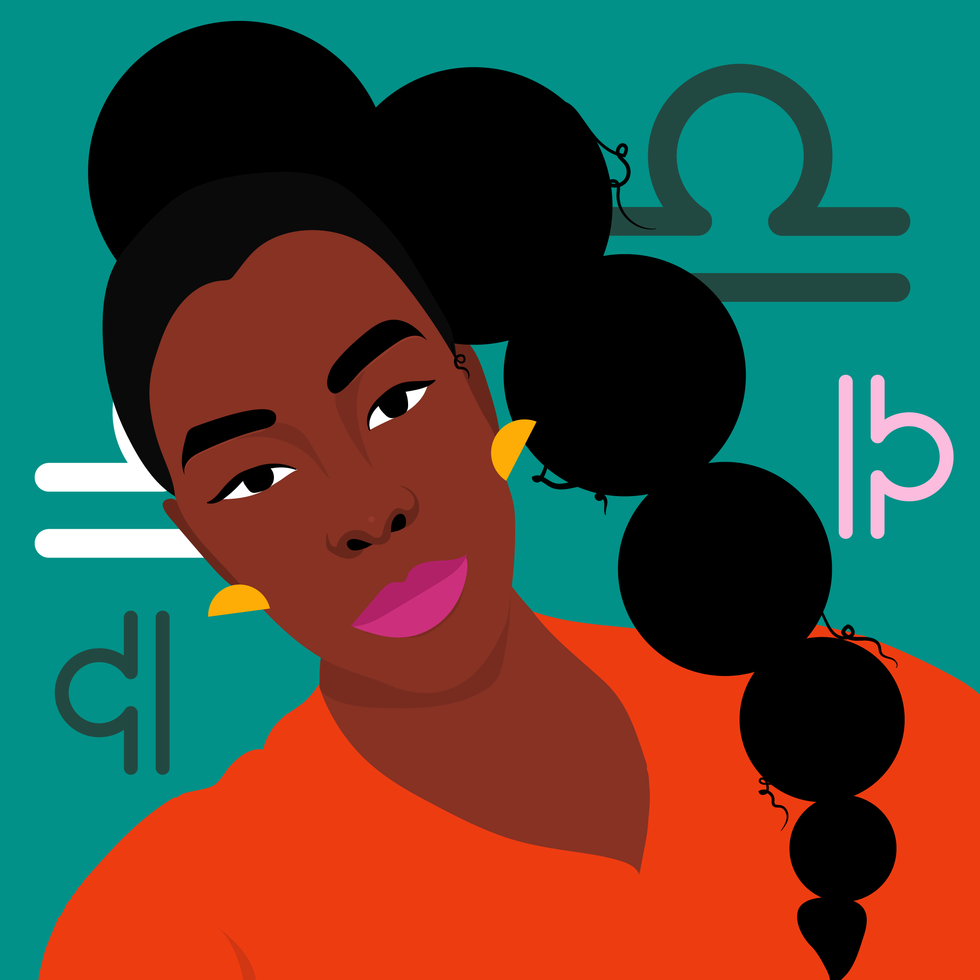 LibraKyra Jay for xoNecole
LIBRA
December is a month of opportunity for you, Libra. New doors open, and you are financially making breakthroughs this month because of it. December begins with a Supermoon in your 9th house, and you are getting a clearer view of where you have been making strides in your life and how it has all brought you here to this present moment of freedom. This month is showing you what happens when you are fearless with your purpose and when you believe in yourself and what you are worthy of.
Moving further into December, Mars moves into your 4th house of home and family mid-month, and you are closing out the year in your safe spaces. You are spending more time with your loved ones and taking the time to quiet your mind and listen to what your heart has been telling you. Before the month ends, we have a New Moon in Sagittarius, happening in an area of your life that deals with communication. This is a great time for getting the answers you have been looking for and for feeling more clear-headed and confident about the decisions you are making as you move into the new year.
 ScorpioKyra Jay for xoNecole
SCORPIO
Patience is a virtue this month, Scorpio. December is all about remaining patient and vigilant with what you are creating in your world, and knowing that the universe has your back. It’s time to be reminded of the power of hope, and this month is an opening to greater clarity in your life. There is a lot of energy in your financial zones right now, and this is providing you with new opportunities and new insight; however, the speed at which things come about for you may feel daunting. Keep your head up and eyes focused on what you want and know that you are more than worthy of receiving it.
With Mercury in your 2nd house of income this month, December is a good time to plant new seeds and to think about where you want to be financially a month from now or even a year. This month is asking you to think bigger and to think more long-term so that you can set the appropriate plans into motion now. We also have a New Moon in your house of income before the month ends, and this is when you will see more of your dreams come to fruition in this area of your life, and have more opportunities to build. Overall, December will be teaching you a lot, Scorpio.
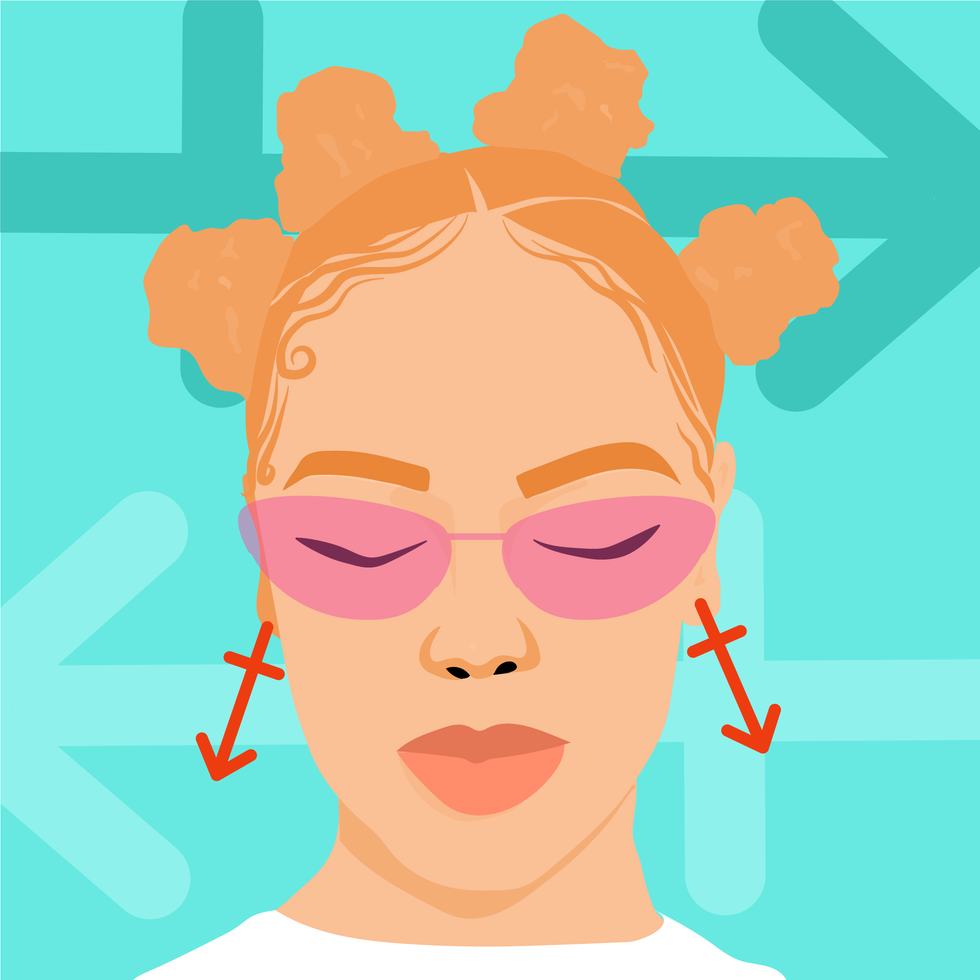 SagittariusKyra Jay for xoNecole
SAGITTARIUS
Sagittarius Season is here, and there is a lot in store for you this month, Sag. December is all about what you are dedicating yourself to. It’s about setting your intentions and putting the work in to back up your dreams, and about getting things in order so that when the new beginnings come, you are ready for them. The Sun and Venus are in your sign for most of this month, and there are a lot of eyes on you right now. You have the potential to create a new beginning for yourself, and it’s time to invest in yourself, your love life, and your dreams.
Mercury moves into Sagittarius on December 11, and this is giving you another opportunity to see through some of the plans that you had initiated in November. Mercury was retrograde in your sign last month, and there may have been some disruptions to your vision and plans for the future, and now this energy is turning around for you. Before the month ends, we also have a New Moon in Sagittarius, and you are walking through new doors fearlessly. You are catching others by surprise by your growth this month, and you are thinking a lot about your purpose, future, and plans for the new year.
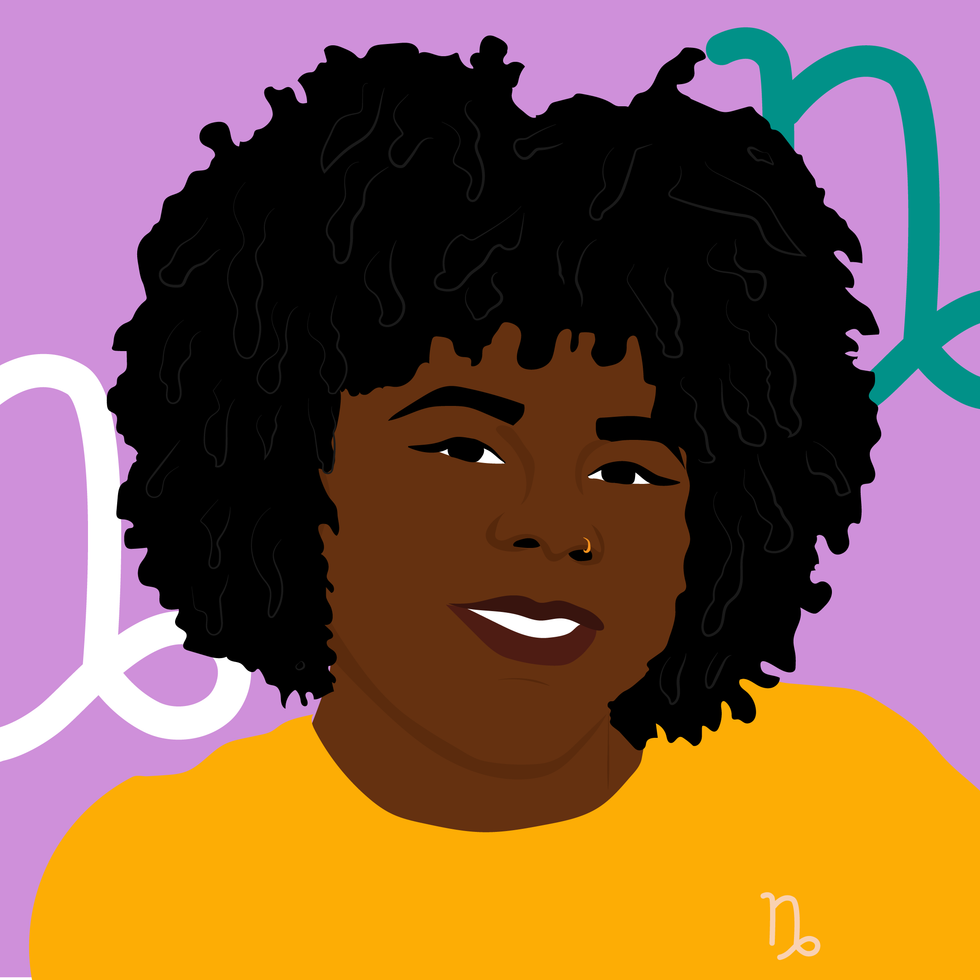 CapricornKyra Jay for xoNecole
CAPRICORN
December is all about the vision, Capricorn. You are moving through a lot of changes and transformations this month, yet they are giving you a chance at a new beginning in the process. You are focused more on the future and what goals you want to manifest for yourself right now, and are ready to let go of what hasn’t been working for you. With the Sun in your 12th house of closure for most of December, this is your time for healing, but remember, healing doesn’t have to be isolating or boring; you can thrive while you renew, and you are this month.
Mid-month, the excitement picks up for you, and you are feeling more energized than you have in a while. Mars moves into Capricorn until the end of January 2026, and you are being proactive with your goals, intentions, and passions. You are a force to be reckoned with this month, and you are making things happen for yourself with confidence. Capricorn Season officially begins on December 21 this year, and this is definitely speeding up your healing process. You are breaking free from what was, and with Venus also moving into Capricorn before the month ends, you are leaving this year in high spirits and with love opening a new door for you.
 AquariusKyra Jay for xoNecole
AQUARIUS
December is all about community, creativity, and manifestation, Aquarius. This is the month to work together with others to help bring your dreams to life. You are in a space of inspiration, empowerment, and beauty, and are creating more of this energy around you and in your world. Look out for what support comes your way this month and know that you don’t have to do everything alone to succeed. With the Sun in your 11th house of manifestation and friendship, your intentions are coming to fruition, and it’s time to celebrate with the people you love and to own how far you have come this year.
On December 19, we have a New Moon in Sagittarius, lighting up your life in all of the best ways possible. This is your New Moon of freedom, victory, and magic, and you are seeing new beginnings appear that you were once just hoping for. Before the month comes to an end, Venus moves into your 12th house of closure, and after an active and successful month, you are ready to relax, heal, and give your heart some of the attention it has been asking for. You are moving into the new year with the need to release and renew what hasn’t been working in your relationships, and you are finally ready to.
 PiscesKyra Jay for xoNecole
PISCES
December is a big month for you, Pisces. You are making some huge accomplishments this month, and are feeling like everything you have been through this year has been worth it for these moments that are coming to fruition for you now. The Sun is in your 10th house of career and reputation for most of the month, and this is where a lot of your focus is right now. You are claiming your successes and putting yourself out there in ways that not only serve you, but that inspire others as well.
Neptune officially goes direct on December 10, after being retrograde in your sign since July, and you are finally seeing things a little more clearly. You are feeling renewed inspiration and passion in your life, and your intuition is your strongest asset right now. Before December comes to an end, we also have a New Moon in your 10th house of career, and what happens now not only changes things for you in the present, but it also opens new doors and what is possible for you in the new year as well. Overall, you are on top of your game this month and are owning the joy and empowerment you feel.
Featured image by Kyra Jay for xoNecole

Things like what exactly? So glad that you asked.
How Serious Is the Relationship?
 Giphy
GiphyOkay, so if you’ve never heard of the “10-date rule” before, it’s basically the belief that after 10 consecutive dates with someone, it’s time to come to the conclusion that you are officially in a relationship with them. Personally, I have lived, observed and counseled enough people to say that when it comes to knowing where you stand with another person, you shouldn’t assume one damn thing — you should 1000 percent communicate your thoughts and listen to theirs in return.
That said, it is a bit different (wouldn’t you say?) if you’ve been out on a couple of dates with someone vs. if you’ve been with them for almost a year. So yeah, the first thing to ponder is how serious the dynamic is. Because honestly, if things are new and fairly casual, I don’t see how ending things, whether it’s the holiday season or not, is going to matter much — one way or another.
Remember, the holidays tend to be a very emotional time; however, if there isn’t a huge emotional investment going on, I don’t think anyone in a casual situation is going to look back and think that you are a villain (or Grinch), just because you’d prefer not to go on a third date with them. Good lord.
Next point.
Do You Want to Slow Down or End Things Entirely?
 Giphy
GiphyAre you totally over him or is it more like there are some things about the situation that you want to step back and ponder before making any major decisions about the future? If the answer is “B,” I recommend talking it over ASAP; especially if the two of you have been seeing each other for a while at this point. I say this because, whether you all are at the “meet the family” (or have already met the family) stage or not, when people are in a relationship, they tend to factor one another into their holiday plans — and it’s hella inconsiderate to not take this into account when it comes to the guy who you are seeing.
That said, I will say this: It’s mighty interesting that you are choosing this time of the year for this type of relational self-reflection — so, while you’re on this break, think about what it symbolizes.
For instance, are you slowing things down right now because you’re not sure if you want to go into a new year with him or are you doing it because spending the holidays together tends to represent that a relationship is far deeper than you want yours to be right now? Because really, you could’ve gone with the summertime (for example) not the holiday season to make this type of move…so, if your “pump the brakes” time is now, chances are, there is some subconscious subtext going on that you really should get to the root of.
Actual Holidays Are a DEFINITE No-No
 Giphy
GiphyYou would think that this wouldn’t need to be said yet since I once experienced a guy who decided to be a complete a*shole on my birthday some years back — yeah, let’s address it. Isn’t it interesting that one study revealed that during the first week of December, searches for how to break-up with someone go up by a whopping 60 percent? Then, if you add to that the fact that the holidays can sometimes be pretty stressful — well, while most folks with a heart and a conscience wouldn’t dream of breaking up with someone on an actual holiday, sometimes the pressure of everything can create the perfect storm for it to happen anyway.
That said, a super-duper throwback song by Neil Sedaka entitled, “Breaking Up Is Hard to Do” — and it absolutely is. Know what makes it worse: It happening on a holiday, so that every time the day rolls around, it’s bittersweet because you remember that someone broke up with you then.
Listen, just because you may not love or even like someone (in that way) anymore, that doesn’t mean that you shouldn’t treat them with some common decency and respect. Besides, don’t you also want your own Thanksgiving, Christmas Eve, Christmas Day, New Year’s Eve and New Year’s Day to be as unscathed and drama-less as possible?
Whatever you’re gonna do, you’re grown, chile. If you want my advice, though — put good energy into your future holiday seasons and avoid breaking up (or even having deep decisions) on actual holidays.
Definitely Keep the Golden Rule in Mind
 Giphy
GiphyProbably, until the end of time, there are going to be debates about whether karma is real (in the sense of it being scientifically proven). While quite a bit of data says that it isn’t and that it tends to be adapted and promoted by certain faiths more than anything — if you do believe that you reap what you sow (Galatians 6:7-8), at the end of the day, that is pretty much what karma is all about and, as I oftentimes say, karma (or sowing and reaping) don’t have expiration dates. In other words, what you have said and done can manifest in ways and at times that you never saw coming. A cautionary tale, indeed.
So yeah — even if you’ve been with ole’ boy for a while now, you’ve tried to make it work and you just don’t see a future for the two of you anymore, however you decide to end it, definitely keep the golden rule of doing unto others as you would want them to do unto you in mind.
Be as kind as you are honest. Be as empathetic (putting yourself in his shoes) as much as you possibly can. Avoid gaslighting him about how he feels about your decision. Be clear about how you’d like things to be moving forward (for instance, if you actually DON’T want to be friends afterwards, there’s no need to say it). And try not to do anything that will make him feel used — like waiting until after receiving a Christmas gift to end it (you’d be amazed by how many people do exactly that. SMDH).
The thing about break-ups is, live long enough, and you’re probably going to be on the giving and receiving end of one. So, even if you’re not really emotionally invested in your relationship anymore, be kind to your future self and be as respectful as possible throughout your…relational transition. Because even if you don’t feel like he deserves it, your feelings up the road, with someone else who may do the same thing to you…absolutely do.
Timing Is Everything
 Giphy
GiphyA bishop by the name of Fulton J. Sheen once said, “Patience is power. Patience is not an absence of action; rather it is ‘timing’ it waits on the right time to act, for the right principles and in the right way.” And while it might seem really challenging to figure out when the RIGHT time to break up with someone is — “right” is about using good judgment, right is about conforming to certain principles (like integrity and fairness), right is about doing things in order. Now with that in mind, is the RIGHT TIMING now or should it be later?
Only you can really answer that yet what I will say is if your mind, body and spirit aren’t on the same page — figure out why before making any moves. Oh, and if it’s simply about fear — girl, whether it’s November 30, December 9 or January 14…break-ups are always going to be uncomfortable. It’s about knowing what’s best for you and then ending things in a way that is as respectful, timing-wise, as possible (again, due to the whole karma thing).
____
‘Tis the season and sometimes “out with the old” means leaving a relationship behind. Just make sure that you move with wisdom and discernment and not hypersensitivity and knee-jerking.
That way, you can look back on every holiday season with as little regret as possible.
Due to how you handled things. Including a (potential) break-up.
Let’s make things inbox official! Sign up for the xoNecole newsletter for love, wellness, career, and exclusive content delivered straight to your inbox.
Featured image by Shutterstock