


I remember the day of my wedding…when I started feeling my contraception ring coming out of my vagina. I had only recently started using the ring even though I was more used to taking the pill. There I was in the bathroom stall with one of my bridesmaids, and she was literally helping to guide my ring back up into my vagina because I could feel it slipping out of me. Although quite embarrassing, let's just say that we're forever bonded by that experience. So, have you ever tried a new birth control method that wasn't the best for you but it seemed to work well for others?
During a recent interview with Board Certified Obstetrician & Gynecologist, Dr. Chimsom Oleka, she provided a list of all of the birth control methods currently available, which can potentially serve as a starting point for those of you who may be exploring new contraceptive methods.* As you continue reading, you'll notice that the list is organized based on what Dr. Oleka refers to as Short-acting (hormonal and non-hormonal), to Long-acting, to Barriers of Protection.
Before we dive into the list, let's first clarify specifically what birth control does. As. Dr. Oleka explained, for most methods, birth control releases certain hormones in your body which contributes to the ultimate end goal: block ovulation or keep an egg from being released, thicken the mucus in the cervix so that sperm can't pass through, and/or thin the lining of the uterus, which decreases chances of implantation. Each birth control method is designed to do each or all of these things, but depending on the method, they will either do them better, worse, or not at all.
Choosing The Best Birth Control Method For You
SHORT-ACTING BIRTH CONTROL METHODS
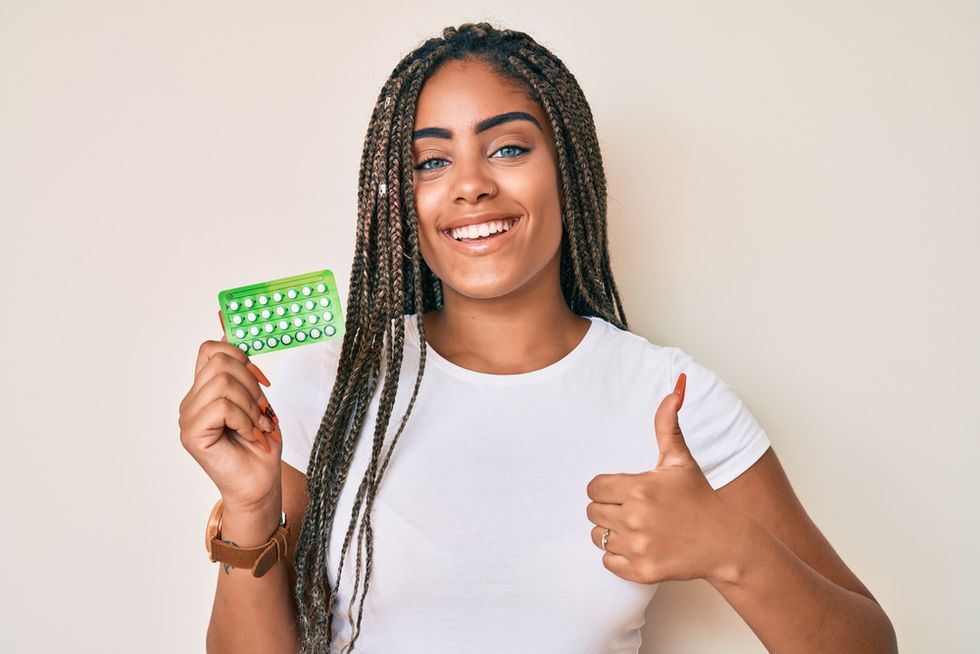
Shutterstock
Note: Throughout this section, you will notice references related to "continuous" or "extended" usage. As Dr. Oleka explained, many of us have a false idea of what the period is supposed to do. Contrary to popular belief in terms of what our menstrual cycle does and why it's "necessary" every month, ultimately its main purpose is for pregnancy. That's it.
As Dr. Oleka expertly pointed out, "It's the birth control's period, not your period. Your birth control will start stimulating the lining and doing all of the things that cause you to bleed." So, as long as you have a hormone that's assisting with protecting and keeping your uterus lining thin, and as long as you've consulted your physician beforehand, then you don't have to necessarily worry about shedding the lining every month (i.e. having a period).
Consider, for example, women who have bleeding disorders (i.e. their bodies bleed too much or won't stop bleeding), female athletes, as well as those who may suffer with things such as menstrual migraines…situations like these support the case for continuous or extended methods.
Method: Birth Control Pill (Hormonal - Estrogen and Progesterone)
Shutterstock
How It's Administered: Self-ingested orally, daily
Efficacy: 7 to 9% failure rate (i.e., approximately 1 in 10 will get pregnant)
Description & Overview:
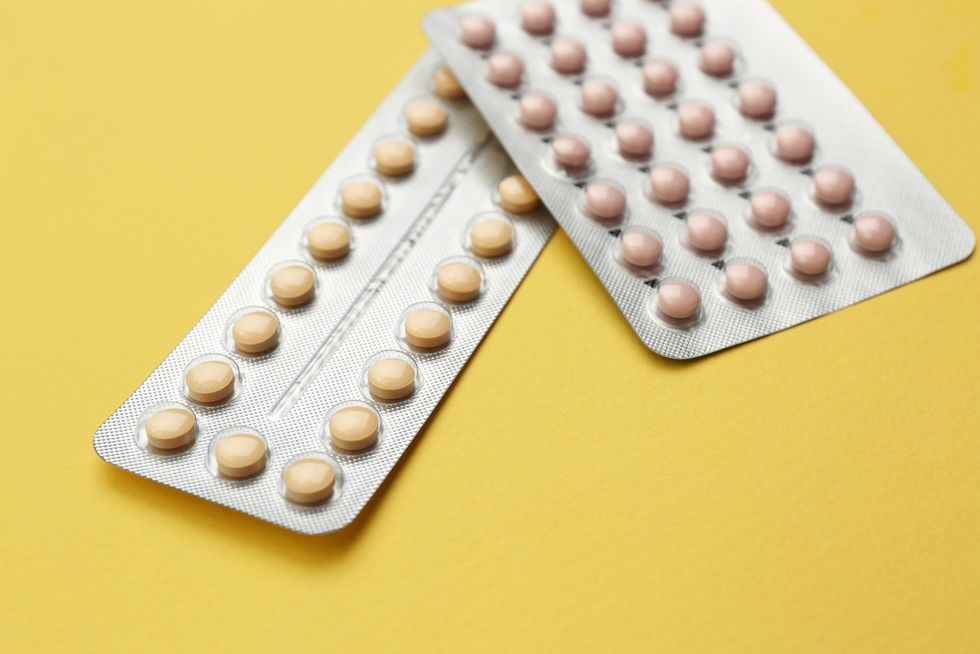
Birth control pills usually come in 28-day pill packs (four rows of seven pills) including a week of placebo, non-active pills. There are different variations as well, but it's critical that you take it every day at the same time.
The most commonly used pill has both estrogen and progesterone. With estrogen, it tends to help provide more stability of the lining. However, some people may not want estrogen or they may have an underlying medical issue that conflicts with the estrogen. There is a risk of blood clots, although fairly low, but the risk of this goes up when you're pregnant. With the pill, it helps regulate the bleeding, which in turn, helps make it predictable. It's known to have protective benefits such as helping to decrease risk of certain cancers and it can help reduce symptoms related to fibroids.
Also, you can use this method, as well as other methods, continuously or in an extended way so that you can delay or skip the bleeding (i.e. going on vacation). For example, if you wanted to try an extended use, then you could delay the withdrawal bleeding (period) for a set number of weeks or months by skipping the last row for let's say two months. Then, you would take the last row of inactive pills the third month, so that you would only bleed approximately every 10 weeks.
On the other hand, if you're someone who decides "I don't want to bleed at all," then you could skip the last row of inactive pills and move forward with starting the new pack each month. Keep in mind, if you don't bleed or you bleed too heavily already, there may be other medical issues going on, so as always, you'll want to consult your physician about this.
Side effects can vary, but some of the most common side effects include: nausea, breast tenderness, and initial irregular bleeding.
Method: Birth Control Pill (Hormonal - Progesterone Only)
How It's Administered: Self-ingested orally, daily
Efficacy: 7 to 9% failure rate
Description & Overview:
This method basically works pretty much the same as the first pill mentioned above, but it doesn't include estrogen. It only includes progesterone.
Progesterone-only pills can be harder for some women to use because you have to be really consistent. If the daily pill ingestion time is missed by as little as three hours, then it loses its efficacy. Hence, it's critical that you take the pill every day at the same time.
With the progesterone-only pill, there's also a greater chance of irregular bleeding. Hence, this method is usually recommended by the physician if there are estrogen-related conflicting medical issues.
Method: Vaginal Ring (Hormonal – Estrogen and Progesterone)
Michael Kraus/Shutterstock
How It's Administered: Self-inserted through Vagina
Efficacy: 7 to 9% failure rate
Description & Overview:
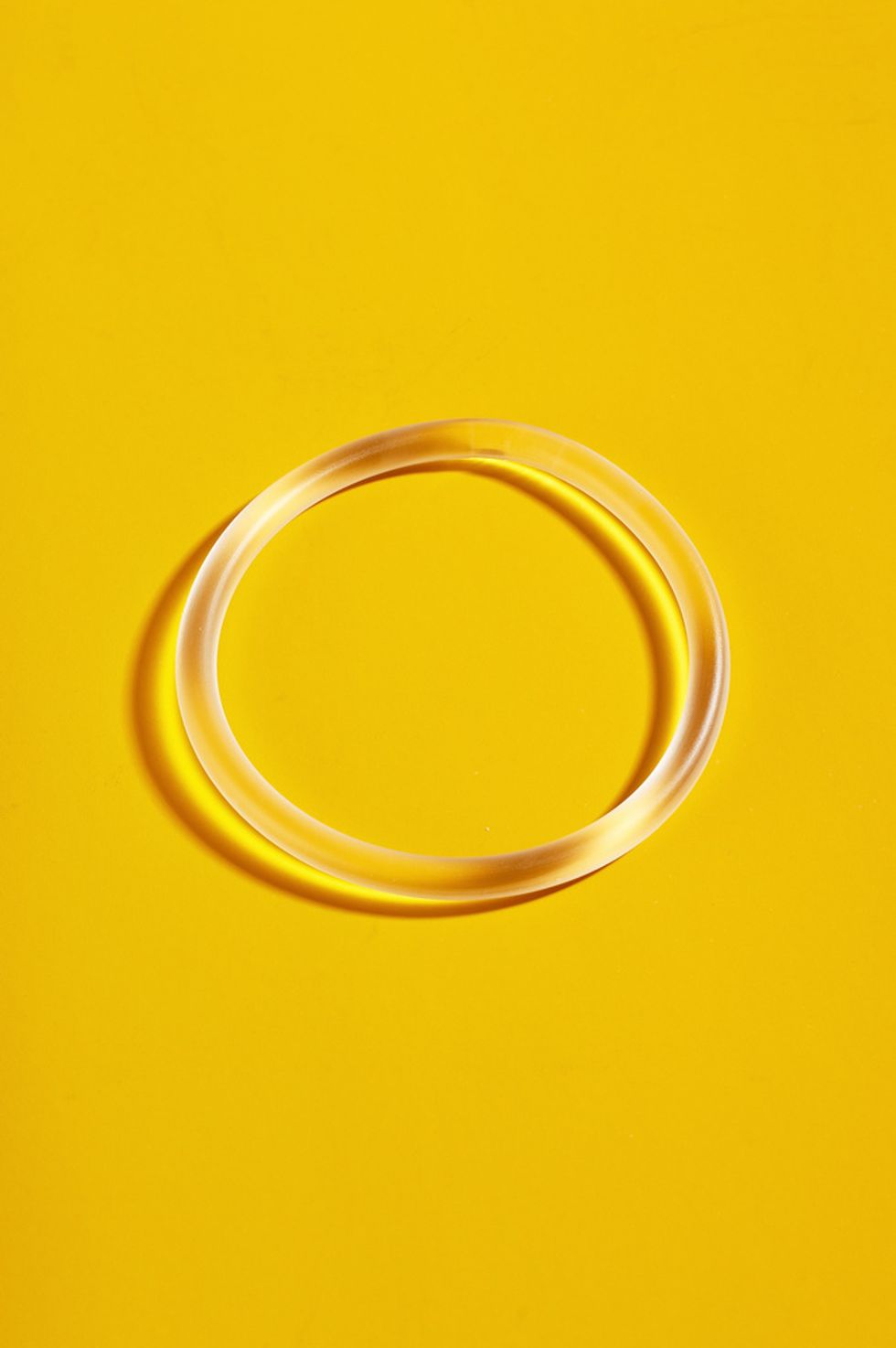
The vaginal ring is a soft, flexible ring approximately two inches wide and four centimeters thick that is self-inserted and removed in/out of the vagina. Some women will tie a string to the ring and there's also an applicator that can be used to assist with insertion and removal.
The vaginal ring stays in for three weeks and releases hormones every day. Once removed for seven days, it allows withdrawal bleeding (period) to occur. Then, a new ring is inserted every four weeks. This method can be used continuously if you bypass the seven days and move forward with inserting the new ring every three or four weeks, or in an extended way if you bypass the seven days every few months or so.
The ring has been known to cause breakthrough or irregular bleeding. Not to mention, there are times when the ring can slip out during sex, which of course can directly impact the efficacy.
Method: Progesterone-Only Shot (Hormonal - commonly referred to as “Depo”, short for Depo Medroxyprogesterone Acetate)
How It's Administered: Injected in arm by physician
Efficacy: 6% failure rate
Description & Overview:
The progesterone-only shot is usually injected every three months (or every 11 to 13 weeks). Although the failure rate is approximately 6%, that's also related to the fact that patients are late with getting their scheduled shot.
Depo is known to decrease bone mineral density (contributes to the risk of fractures) within the first two years, but you start to recover it within 30 months after you stop taking it.
Also, because the shot can linger in your system up to nine months after your last shot (not the efficacy), it has the propensity to delay the return to your normal fertility state.
Some of the most common side effects include weight gain with research showing that it can act as an appetite stimulant.
Method: The Patch (Hormonal – Estrogen and Progesterone)
Michael Kraus/Shutterstock
How It's Administered: Self-adhesive
Efficacy: 7 to 9% failure rate
Description & Overview:
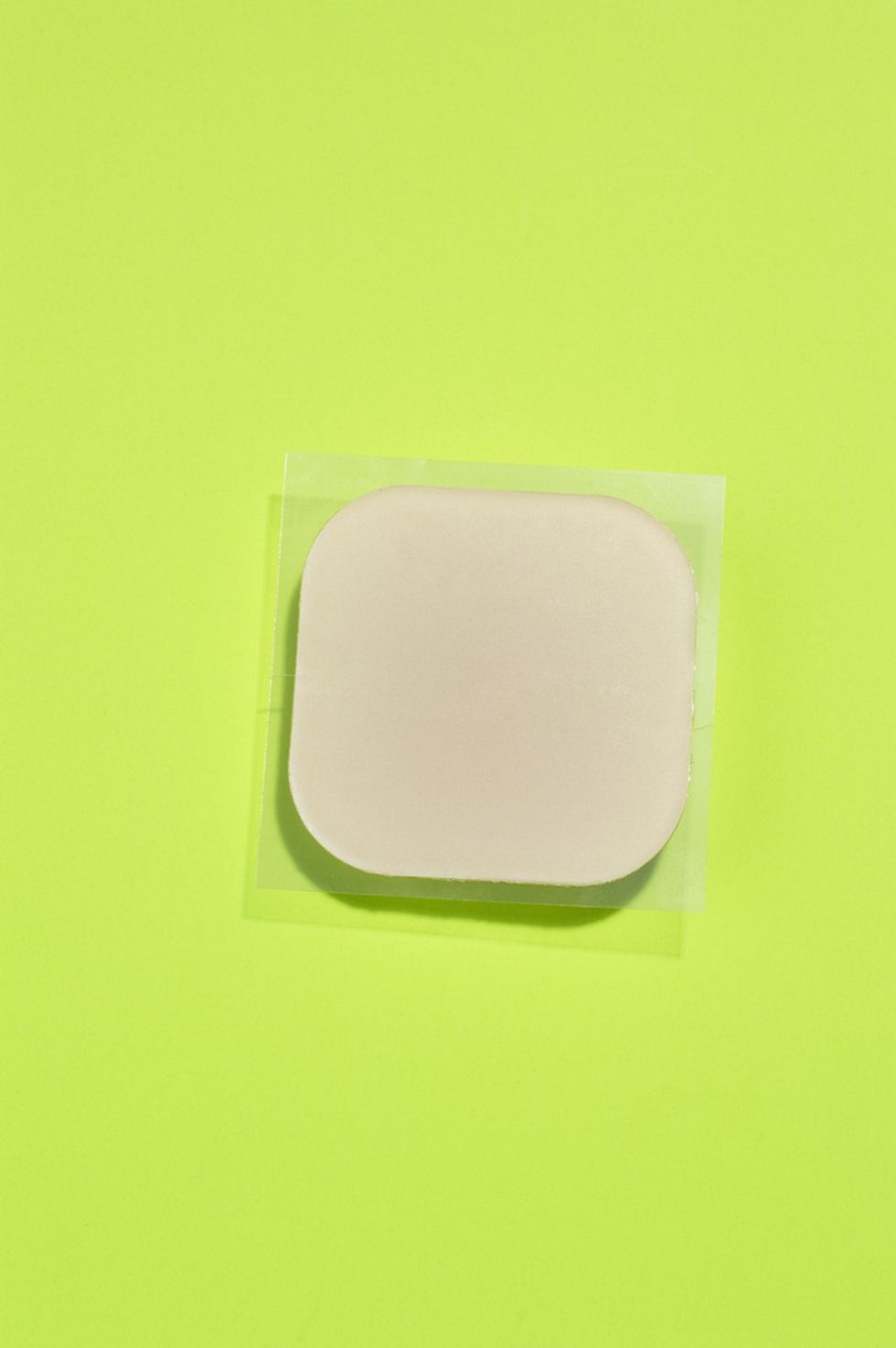
The patch is a small, square-shaped band-aid like adhesive or patch that can be applied to your upper arm, abdomen, or butt. You receive a new patch every three weeks and the fourth week is when you're patch free to allow for withdrawal bleeding.
This method is not recommended for extended or continuous cycles like with the pill and ring because it has higher levels of estrogen, which means increased risk for blood clots. Also, if you have sensitive skin or you're prone to breakouts and rashes, then you may want to avoid this method as well.
The patch can cause irregular or breakthrough bleeding or no bleeding at all depending on the individual. During the first few months of use, you may experience that as well as nausea, but it usually improves over time.
Method: Family Planning (Non-hormonal)
How It's Administered: N/A - Personal planning and scheduling
Efficacy: Up to 40% failure rate
Description & Overview:
There are a variety of options as it relates to family planning including: use of calendars, basal body temperature, cervical mucus, and more. There are a lot of useful tracking apps that can help with these methods as well.
Family planning can be taught and is a pretty well-accepted method. However, it can only be used if you have a regular cycle. Also, it has a very high failure rate because it requires extensive tracking and managing certain records such as time, ovulation, and temperature. So, you have to be extremely detailed-oriented, organized, and highly motivated to be successful with family planning. Otherwise, it can be extremely overwhelming for some people.
Due to the excessive planning and stringent scheduling, it can potentially decrease sexual spontaneity and/or convenience.
LONG-ACTING BIRTH CONTROL METHODS
Method: IUD (Hormonal - Progesterone Only)
Shutterstock
How It's Administered: Inserted vaginally by physician (through opening of cervix, into the uterus)
Efficacy: Less than 1% failure rate
Description & Overview:
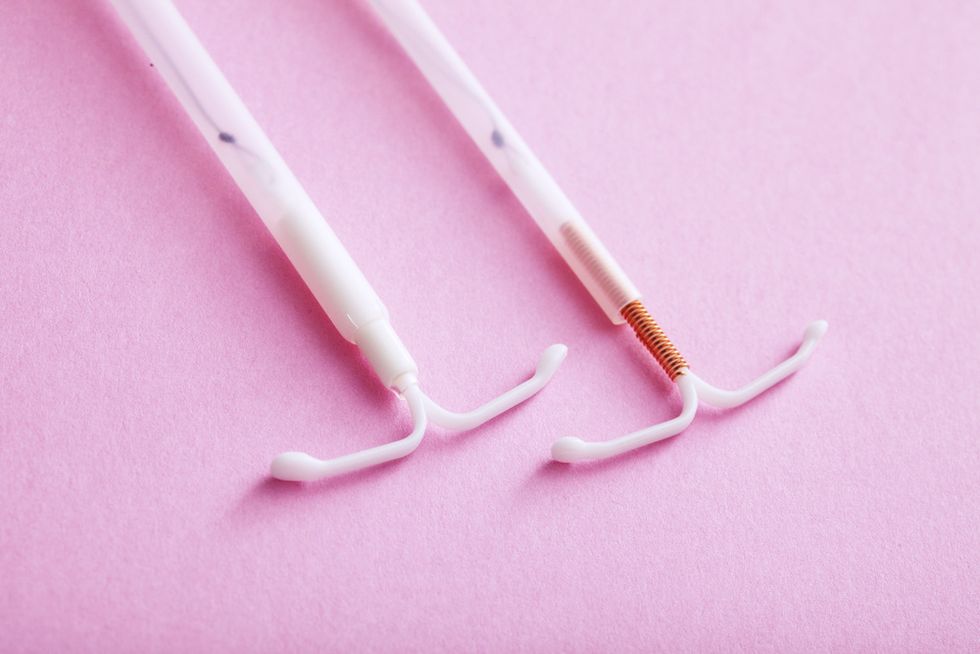
The IUD has varying brands (Mirena has been around the longest), costs, and dosages. The IUD is a small, t-shaped plastic piece, approximately 3 cm in size, although the size can vary as well. In addition to women who have had children, the IUD can be used in teenagers as well as women who have not have had babies.
Remember, this is a longer-acting method, so this is ideal for someone who wants to hold off on having children for a longer period of time.
Some of the most common side effects include insertional discomfort (I'm a personal witness to this) and irregular bleeding although it tends to help those who suffer from painful periods and heavy flow. The longer you leave it in, the less likely you'll bleed.
Method: Copper IUD (Non-hormonal)
How It's Administered: Inserted vaginally by physician (through opening of cervix, into the uterus)
Efficacy: Less than 1% failure rate
Description & Overview:
Similar to the IUD previously mentioned, the copper IUD is a latex-free, t-shaped, plastic piece but it also includes areas of exposed copper. By releasing copper salts into your body, the copper tricks the uterus into thinking something foreign is inside, creating an appearance of a "chaotic" environment in your system, which ultimately blocks sperm and prevents reproduction. It can last for 10 years, but it has been known to be effective for up to 12 years.
The copper IUD is ideal for someone who doesn't want to deal with hormones, or someone who is certain they don't want children for a long time. There are instances where it can be used as emergency contraception but it won't work if something has already been implanted.
Because this method doesn't affect ovulation, this method is also ideal for women who want to continue bleeding or women within certain cultures where the idea of contraception isn't readily accepted. This can serve as contraception method without anyone else truly knowing that you're taking it because you will still have a period as normal.
The most common side effects usually include more painful cramping or heavier bleeding.
Method: Contraceptive Implant (Hormonal – Progesterone Only)
Michael Kraus/Shutterstock
How It's Administered: Implanted in arm by physician
Efficacy: Less than 1% failure rate (the most effective method)
Description & Overview:
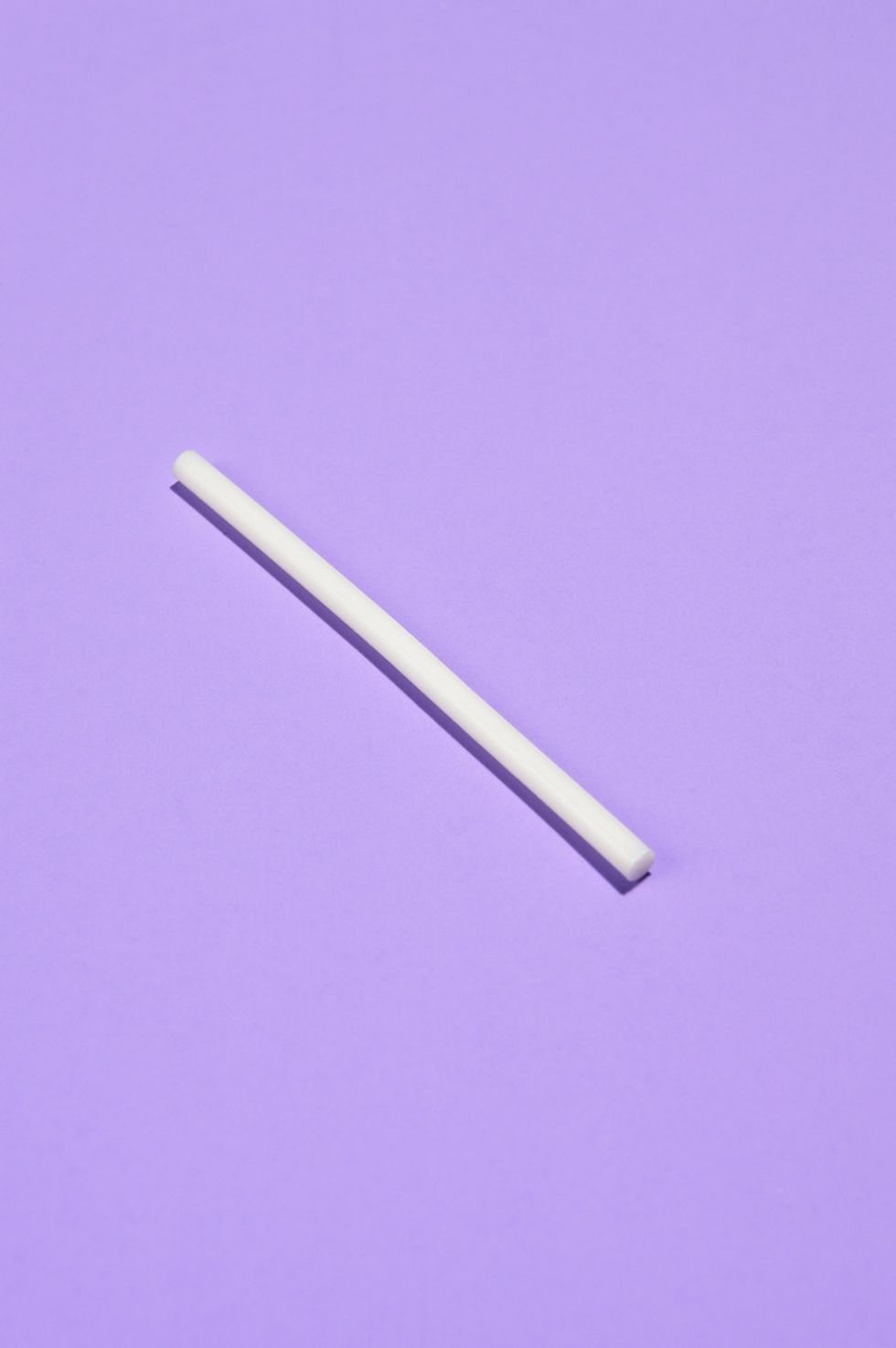
The contraceptive implant is a flexible, plastic rod that's placed inside the upper arm. It's small and thick - approximately 4 cm long and 2 mm thick. It releases hormones daily, and lasts for three years, although recent data shows it may last longer than that. After three years, you get a new one if you choose to do so. Otherwise, you will return back to your baseline fertility.
Some of the most common side effects can include irregular bleeding, no bleeding (approximately 6%), or heavier bleeding. For those who experience irregular bleeding, there are ways to decrease it and make it more manageable. Also, there are rare occasions where, if placed improperly, it can shift or migrate.
BARRIERS OF PROTECTION** BIRTH CONTROL METHODS
The most common effects for any of the following methods can include vaginal discharge and irritation. After the use of these, the return to fertility is usually fairly quick.
As it relates to a lot of these barriers of protection, Dr. Oleka likes to think of it this way, "Condoms should be used more so for STD and HIV/AIDS protection, and less for pregnancy prevention." Nevertheless, they are still considered methods for both pregnancy and STD/HIV prevention.
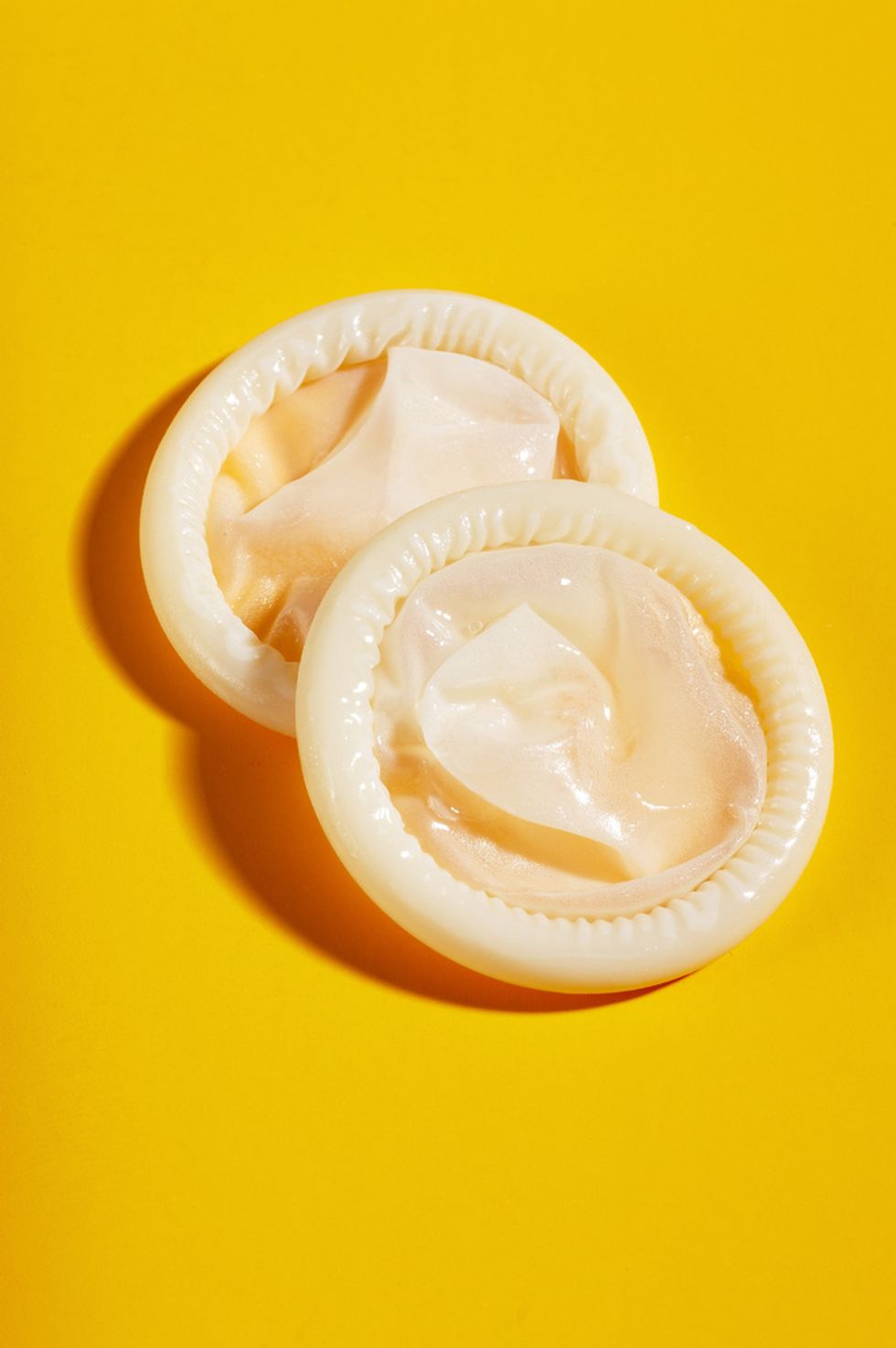
Method: Male Condom (Non-hormonal)
Michael Kraus/Shutterstock
How It's Administered: Applied by male on his penis
Efficacy: 15% failure rate (research across the board states this although it seems quite questionable by both the expert and the writer)
When to Apply: Right before sex
Description & Overview:
Condoms are usually latex or you can opt for lambskin if you're allergic to latex. However, anything non-latex has been known to be less effective in preventing pregnancy as well as STDs. With condoms, common things like inconsistent use, slippage during sex, and the risk of it tearing are a few factors that can directly impact the overall efficacy.
Method: Female Condom (Non-hormonal)
How It's Administered: Self-inserted vaginally
Efficacy: 21% failure rate
When to Apply: Right before sex
Description & Overview:
Similar to the male condom, the female condom has a thick ring that's used for placement within the vagina along with the pouch that goes in when it's time to have sex. There's also a thin ring that goes outside of the vagina. With this method, proper placement is just as important because it helps prevent condom slippage during sex. Also, the male condom should not be used when the female condom is used because it can cause tearing.
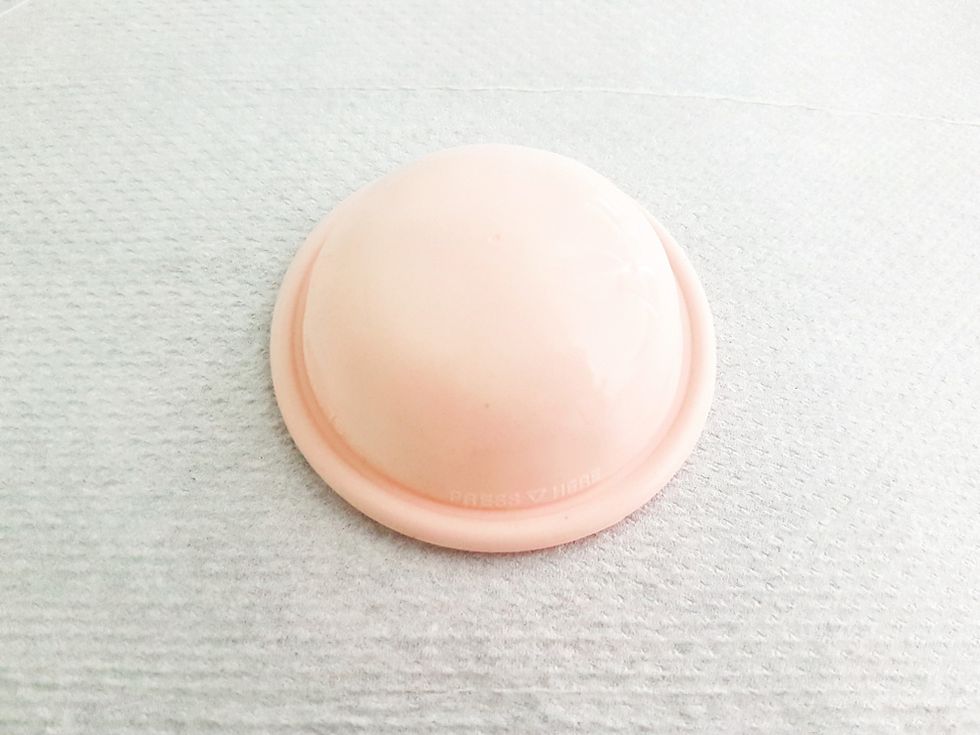
Method: Diaphragm
Shutterstock
How It's Administered: Self-inserted vaginally
Efficacy: 16% failure rate
When to Apply: Up to six hours before sex.
Description & Overview:
The Diaphragm is reusable silicon disk that's self-inserted through the vagina. Similar to the cervical cap, it should be inserted up to six hours before you have sex and should remain in your vagina at least six hours after sex. A spermicide should also be used in conjunction with the diaphragm to help ensure efficacy. It's also possible for the diaphragm to become dislodged during sex.
Method: Cervical Cap (Non-hormonal)
How It's Administered: Self-inserted vaginally
Efficacy: 14 to 20% failure rate
When to Apply: Up to six hours before sex
Description & Overview:
The cervical cap is a reusable silicone rubber cup that sits on the cervix while you're having sex. Think of it as a "hat" that comes in different sizes and sits on your cervix. It's usually inserted into the vagina up to six hours prior to sex, it should remain in there for at least six hours after sex (and can remain there up to 48 hours). Of note, it only works if used with a spermicide. There's usually only one brand available in the United States.
One thing to consider is proper placement of the cap, and making sure you're comfortable with putting it in your vagina. Also, if you've already had a baby, then you'll have a higher risk of contraception failure.
Additionally, here are a few things Dr. Oleka suggests women should consider before choosing a contraceptive:
- What are your chances of getting pregnant with this method (efficacy)?
- What do you want your bleeding profile to look like (i.e. how often do you want your "withdrawal bleeding" or menstrual cycle to occur)? How will this affect my bleeding profile?
- What does your lifestyle look like (i.e. will it be difficult to remember to take the pill every day versus another option that may not require as much involvement)?
- What are your priorities? What does the timeline for trying, starting, or growing your family look like?
- How long do you want it to be in effect or control?
Shutterstock
As always, Dr. Oleka reminds everyone to be sure and consult your physician* when deciding on a method because hormones affect individuals differently. Not to mention, there's certain criteria and health/risk factors that doctors review and consider when determining contraception needs for their patients.
With most methods, efficacy is usually effective within a week or so, but to be safe, Dr. Oleka suggests giving the new contraception at least a month or two to allow enough time to confirm efficacy on your side and to see how well your body reacts to it.
*Before taking any medications, over-the-counter drugs, supplements or herbs, consult a physician for a thorough evaluation. xoNecole does not endorse any medications, vitamins or herbs. A qualified physician should make a decision based on each person's medical history and current prescriptions. The prescribing physician should be consulted concerning any questions that you have.
**Quick note about Plan B: Plan B is NOT a standard contraceptive like those mentioned above. Conversely, it is an emergency contraceptive, and should be used as soon as possible after sex (within 72 hours, up to 5 days). Dr. Oleka recommends that you already have some beforehand to prevent from panicking or having to run around to find in the middle of the night trying to find an open local pharmacy.
Join our xoTribe, an exclusive community dedicated to YOU and your stories and all things xoNecole. Be a part of a growing community of women from all over the world who come together to uplift, inspire, and inform each other on all things related to the glow up. We drop xoNecole events and special opportunities into our Tribe first.
Featured image by Shutterstock
- The Difference Between Your Period And Ovulation - xoNecole: Women's Interest, Love, Wellness, Beauty ›
- Ari Lennox Shares Traumatic Story About Getting IUD - xoNecole ›
- Things You Might Not Know Affecting Your Fertility Issues - xoNecole ›
- Birth Control - Mayo Clinic Health System ›
- Which Birth Control Method Is for You? 19 Types, Pros, Cons, More ›
- Find Your Birth Control Method 2020 | Power to Decide ›
- Choose the Right Birth Control - MyHealthfinder | health.gov ›
- 5 types of birth control options: which is best for you ... ›
- Birth control options: Things to consider - Mayo Clinic ›
- Best Birth Control For Me Quiz | Choosing the Right Contraceptive ›