Three Black Women Activists Get Real About Self-Care, Self-Preservation & Social Change

It is possible to be both woke and tired. The senseless killings of George Floyd and Breonna Taylor lit up the world, causing cities across the world to pour into the streets to demand justice like never before. Not everyone can be on the frontlines – everyone's role in the revolution is different. From supporting bail funds to creating art to contacting public officials, everyone is essential.
That's why wellness has to be a priority for all of us, especially in these unprecedented times. You can't pour from an empty cup, beloved. OG Audre Lorde once said, "Caring for myself is not self-indulgence. It is self-preservation, and that is an act of political warfare."
We had the pleasure of catching up with three women on the frontlines making our world better. Keep reading to learn more about what activism means to them, how they persevere, and how they do self-care.
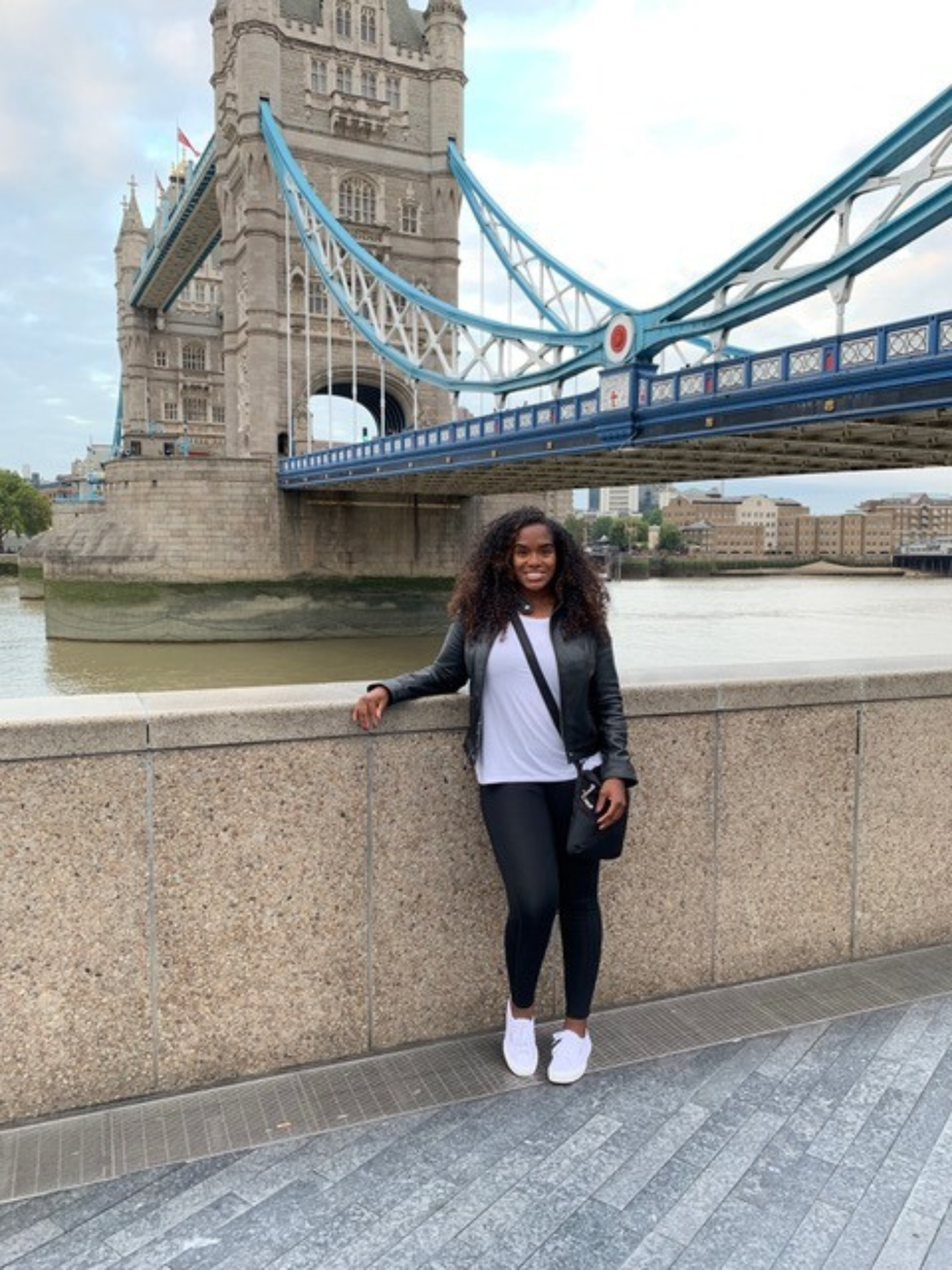
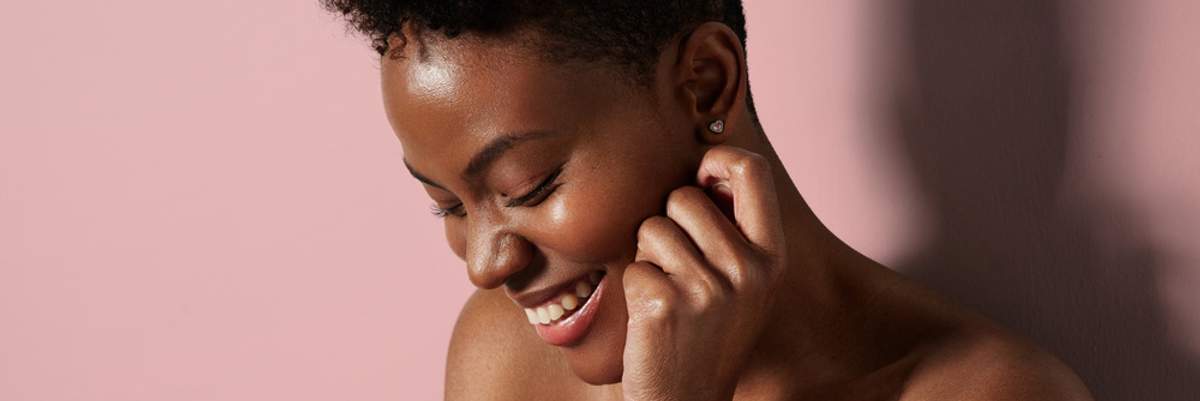
Niki Franco @venusroots
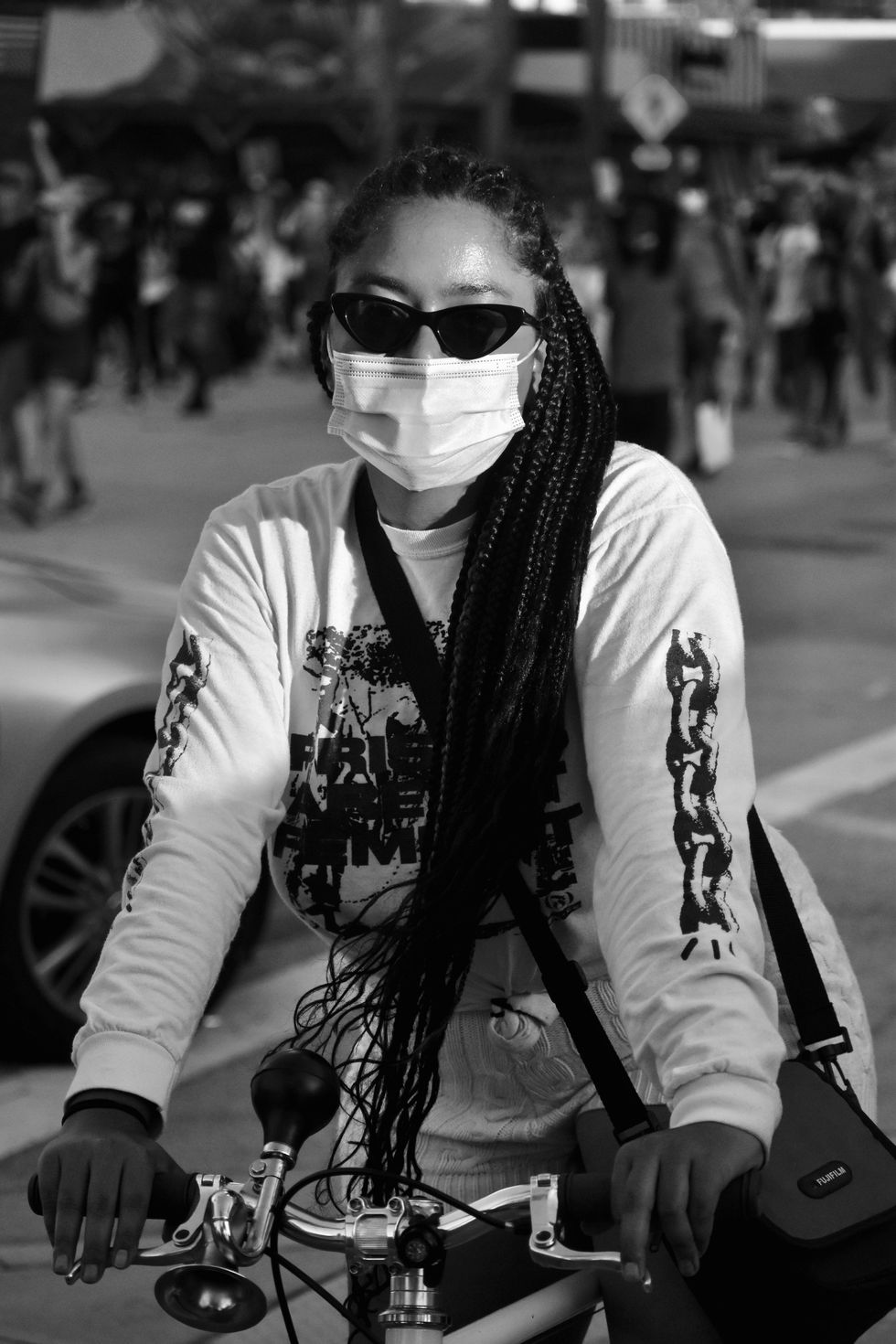
Photo Courtesy of Niki Franco
Name: Niki Franco
Pronouns: she/her/hers
Occupation: Community Organizer, Writer, and Podcast Host
Age: 26
Location: Miami, FL
What does activism mean to you?
My work as a community organizer means that I constantly push the envelope on what we understand to be true, which are usually internalized ideas that reinforce a harmful status quo and it also means I build deep relationships with folks in my community.
This is the time to be bold, to demand everything that we are owed. A new world is possible and it is being built in front of our eyes.
How long have you been an activist and what was your first taste of the social justice movement?
I originally came into movement through work of health inequities and reproductive justice (abortion access and more), but in the past three years, I have focused more on abolitionist work, the school-to-prison pipeline, and youth organizing. A very transformative moment for me was back in 2012 when I was in high school and the killing of Trayvon Martin happened, he was a year younger than I was at the time and just a few hours from Miami.
Why is self-care important now more than ever?
Boundaries! We don't have enough examples of what it means to have healthy boundaries in every aspect of our lives and throughout all types of relationships -- platonic, sexual, romantic, familial, or working, and it usually means we overextend ourselves and am in a constant state of depletion and toxic cycles.
Self-care and communal care are more important than ever because we are in unprecedented times of crisis and our resilience will have to evolve in more profound and expansive ways.
What is your self-care routine? How often do you practice it?
I go to therapy, I do somatics, I work out, I read a lot, I'm ritualistic about my skincare, I nurture my garden, I curate playlists to get me through different moods, I cook, and I try my best to rest and be gentle with myself. I tap into these practices constantly.
What's the hardest thing you've had to overcome in this pandemic within a pandemic?
It has been hard on my mental health. My emotions have gone through a lot of ebbs and flows in this time. I'm naturally an empath and have a deep sense of community. There has been a lot of uncertainty, pain, suffering, and compounding challenges - I have tried to stay rooted in my principles and be of support for myself and everyone I can.
What are some other things that help you navigate difficult times?
Bike rides! It makes me disconnect from the madness and [allows me to] just be caressed by the sun and the breeze. So simple, but such a gift.
What's your go-to mantra to pull you through difficult days?
"My ancestors prepared me for this. I am worthy. I am capable."
Melissa Denizard @themelissadenizard
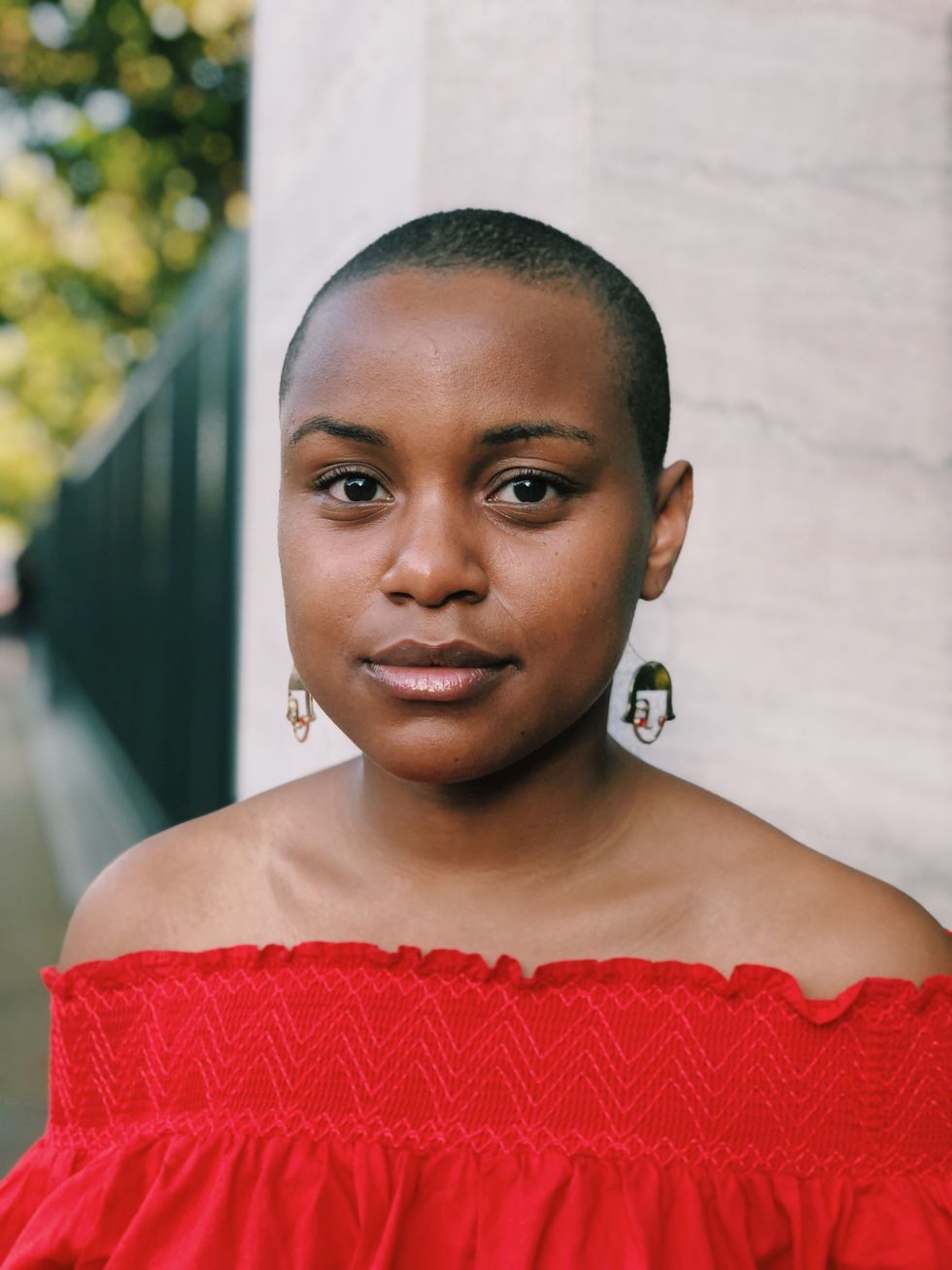
Photo Courtesy of Melissa Denizard
Name: Melissa Denizard
Pronouns: she/her/hers
Occupation: Pro-Black Organizer, Activist, Political Education Educator, and Documentarian – Her politics are rooted in Black Feminism and the Black Radical Tradition, specifically through the lens of Haitian revolutionary politics.
Age: 21
Location: Spring Valley, NY
What does activism mean to you?
Activism, at least when it is in service to Black people and Indigenous people, is a very clear stance. That type of activism--the right type of activism--is saying that I believe in the sanctity of Black and Indigenous lives; that we are deserving of abundance, safety, love, and care. And though we live in a world characterized by scarcity, brutality, punitivity, and suffocation, my engagement in activism is saying that not only have we imagined a better world in which we are honored, we are actively fighting for and working towards that world every day. And we are willing to put everything on the line, including our lives, in order to reach that world.
Why is it important to you that you practice being an activist or activism in conjunction with the other roles in your life?
One time, I was giving a presentation on activism and afterward, someone in the audience--a Black woman, to my surprise at the time--minimized activism and organizing to merely protesting on the streets. Although I was very young, I vividly remember being appalled by her attempt to compartmentalize activism and organizing into one-off protests. In actuality, activism is an integral aspect of the global narrative; along with people who flood the streets demanding recourse for harm caused to their communities, there will always be a student who raises her voice in the classroom, two dissenting people who engage in debate, a community member hoping to pass legislation or a congregation with a desire for justice.
I found my entry into activism through my sheer frustration with my environment and my refusal to accept the status quo. I decided to make a lifelong commitment to pro-Black liberation because activism and organizing have given me the ability to synthesize my experiences and the experiences of others into vibrant narratives that can shift oppressive systems and our traditional ways of thinking. Activism is a way of life, rather than a single ideology that occurs in a silo.
It's time to start looking at activism and organizing beyond obligatory protesting. Yes, protests are a vital component of building, but it is equally crucial that we take a deep dive into how oppression seeps into every facet of our lives. As daunting as that sounds, I am certain that we can all be empowered to utilize activism that is rooted in pro-Blackness and Indigenity as a tool to dismantle systems of oppression to rebuild equitable political systems.
What does this time in history mean to you as an activist fighting for justice and equality?
Witnessing this time signifies to me that our rage is boiling over. We find ourselves in this moment because the United States has never experienced a reckoning for the history of racial capitalism, enslavement, and the displacement of Indigenous people on this land. Black people, Indigenous people, and people of color have never received justice for what was done to us.
Haitian culture and history have taught me that when someone does not receive justice for what has happened to them, a sensation of rage begins to ferment within them. In Haitian culture, we do not shy away from our rage. Instead, we tap into that rage. We are taught to cultivate and nurture our rage, thereby holding that rage very dearly to us until justice is served.
Until we forge a path forward so that we can realize a better world for Black people and Indigenous people, our rage will continue to ferment and boil over.
How long have you been an activist and what was your first taste of the social justice movement?
I've been organizing since I was 14. My entry into activism was actually through the manifestation of the Combahee River Collective's notion of identity politics. Identity politics attributes our identities, which dictate our socio-political and socio-economic positions, as our first introductions to politicization. My initial entryway into advocacy work was through #BringBackOurGirls--a cause specifically dedicated to the plight of Black girls in Nigeria. Before I knew Black Feminist theory, I simply saw myself in those Nigerian girls and organized on their behalf because I knew that their struggle was intertwined with mine. Since then, my organizing work has always been rooted in issues that I have a personal stake in.
Why is self-care important now more than ever?
I saw a tweet the other day that said if we want more Angela Davises, we must be willing to fund them and pour into them. Being on unemployment throughout this pandemic has helped me to realize what the government is depriving us of.
I recently graduated from college (and no, I won't say the name because those were the worst three years of my life), and as I've been applying to post-undergraduate professional opportunities, I have been reflecting upon healing, particularly how little time young adults are afforded to heal before being pushed to transition to the next stages in our lives. It should not be a common, American practice that we expect young people to undergo 16 years of schooling and then immediately plunge themselves into a capitalistic death trap.
Our swift departure to quarantine was, for me, a blessing in disguise. Having the chance to be home presented me with the opportunity to tie up some loose ends and quite frankly, make my final great escape from what has been my personal hell on earth. Most importantly, I finally had the chance to really reflect on all the trauma I've collected these past three years.
The job search has been tough for me — not because I haven't been finding listings, but because it's hard to find the motivation to entrap myself in what will eventually become a lifelong cycle of working to stay alive. For the rest of my life, I would much rather work to service my community rather than to engage in labor to preserve my sustenance and survival. We shouldn't have to sacrifice our leisure or comfort for labor.
I've been working since I was 16. In high school, I worked 40 hours a week to help support myself and my family financially. In college, I worked three or four jobs a semester just so that I could buy groceries and meet my basic needs. My experience with labor is rooted in scarcity — never having enough time or money; never having enough time to enjoy the money I'm making or never having enough money to engage in leisurely activities. Now that I have enough time AND money, I can't help but feel weird and out of place.
What this pandemic has offered me, is a glimpse into what's possible when the government supplements our basic needs so that we don't have to kill ourselves in order to live. I don't think we congratulate our graduates enough for surviving college, nor do we honor the marginalized people in our lives--particularly Black and Indigenous women and Queer folks--who are still standing despite having their livelihoods threatened almost every single day. So, I want to honor all of us who survived.
To those of us who are, although emerging fragmented rather than whole, I implore you to consider how you will heal from it all. You deserve it.
What is your self-care routine? How often do you practice it?
I don't yet have a well-established self-care routine. Currently, I am interrogating why I believe I am not deserving of rest. So I've been going to therapy; I am so happy to be working with a Black woman who holds my trauma and anxiety with love and care.
What's the hardest thing you've had to overcome in this pandemic within a pandemic?
Dissociating from work has been difficult. Now, I can't distinguish if I'm going online for productivity or leisure. It feels like there's never an adequate time to rest.
What are some other things that help you navigate difficult times?
I've recently developed a practice of talking to my ancestors. A friend of mine advised me to pray in the shower. Praying to my ancestors in the shower allows them to cleanse me of any bad spirits, anxieties, or feelings of inadequacy. I often ask my ancestors to guide and protect me, and I thank them for the love and care they extend to me. Cultivating a relationship with my ancestors has been incredibly grounding for me, especially as I continue to deepen my commitment to movement building.
What's your go-to mantra to pull you through difficult days?
"Mwen led, mwen la: I'm ugly but I'm here." Among Haitian women, this phrase, although aesthetically displeasing, is a sign of survival. It explains why, for all my life, I've always described my mother's face—creased with wrinkles and hardship—as never beautiful, but hard. The bags under her eyes weren't designer nor were her raggedy mumus and tired work attire.
According to American beauty standards, she wasn't beautiful. But her struggle was weaved with prophetic dreams of glory; that one day, the work she did would propel her immigrant children into financial stability. So, I carry this with me because it is a reminder that I will be propelled forward by my ancestors.
Ryann Richardson @theryannrichardson
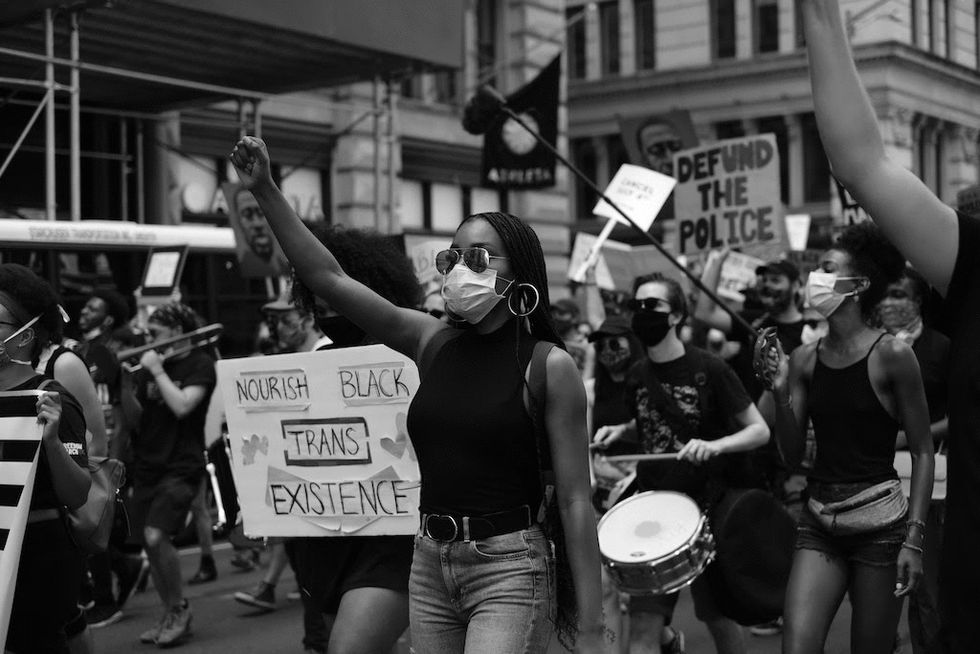
Photo Courtesy of Ryann Richardson
Name: Ryann Richardson
Pronouns: she/her/hers
Occupation: Tech Founder, Keynote Speaker, and Miss Black America
Age: 30
Location: Brooklyn, NY
What does activism mean to you?
I think activism might actually be the meaning of life. While the specific avenues and tactics that we use to exercise it are different for every individual, I do think of activism at its core as a personal responsibility that all of us bear, but only some of us actually step up to accept. You're given one life and I think the measure of success in it might be what you do to improve the world that life exists in.
Why is it important to you that you practice being an activist or activism in conjunction with the other roles in your life?
My role as Miss Black America is first and foremost about service to Black American communities, so my activism is the foundation of my job; everything else is ornamental. On the flip-side, my business career has demonstrated to me how the industry is the single most powerful influence over American culture and the sectors that drive economic growth (like mine: tech) dictate how our society functions. So, business leaders have to exercise an activist mindset in their operations if we're going to see solutions to systemic injustice follow.
What does this time in history mean to you as an activist fighting for justice and equality?
This moment is unique and really promising. This isn't the first time the country has been faced with public outcry for racial justice. But now, for the first time, that outcry is being compounded by three other huge factors: a population that's more diverse (and more socially progressive) than ever before, a global pandemic that has turned Americans into a, literally, captive news audience, and financial insecurity for consumer businesses as a result of the worst economic downturn since the Great Depression. No one can ignore the calls for justice and with more people than ever identifying with the experience of BIPOC in America, the country's private business sector can't afford the financial penalty of not supporting progress. It just seems like the perfect storm for systemic change.
How long have you been an activist and what was your first taste of the social justice movement?
When I was a teenager, every year my Catholic school would take a school-wide field trip to the largest anti-choice rally and march in the U.S. I protested the trip being presented as an official school activity and linked to class credit and refused to attend. It was the first time I remember explicitly challenging an expectation set by institutional authority because it didn't align with my values.
Why is self-care important now more than ever?
We're on the cusp of a revolution. And while there's more working in favor of justice than ever before, winning the fight to fundamentally change our country is still going to be the greatest challenge of our lifetime. Black women are the leading forces in this movement, in our communities, and in our families. We'll have to be the ones who carry this movement on our back and across the finish line.
But we can't do it if our tanks are already running on E. We have to invest in nourishing ourselves (and require that those around us support that nourishment) for us to be the effective leaders we'll need to be at the most important moment in our history.
What is your self-care routine? How often do you practice it?
I have to be sensitive to my own mental and emotional health. Even in "normal" times, our society is already chock full of all kinds of obstacles and pits that Black women uniquely face on our paths to wellness. During this moment, the mental and emotional trap doors are everywhere and it's even harder to navigate. For me, self-care has meant taking periodic breaks from being present in the fight.
I regularly reset emotionally by completely unplugging from the news and social media for a day or two; I actually went dark for a full week recently. I know I'll miss some things, and frankly, that's exactly what I need. I also center myself mentally by temporarily shifting my productivity efforts from serious advocacy work to something more recreational. The total absence of work generally doesn't serve my self-care needs, but if once a week I can replace writing, speaking, organizing voters, etc. with building a new table or reorganizing my closet (or spending the day learning how to do knotless box braids), that allows me to reinvest in the important stuff refreshed.
What's the hardest thing you've had to overcome in this pandemic within a pandemic?
Being largely stuck at home and away from friends and family has meant not being able to turn to in-person social interaction as a palette cleanser when work (or life) gets too heavy. Like most of us, I've relied on video happy hours and FaceTime as a substitute but, admittedly, it's not quite the same.
What are some other things that help you navigate difficult times?
Phone calls with my parents, going on long walks with my dog, sparkling rosé, and remembering that nothing lasts forever.
What's your go-to mantra to pull you through difficult days?
Want more stories like this? Sign up for our newsletter here to receive our latest articles and news straight to your inbox.
Featured image courtesy of Ryann Richardson
RELATED
Exclusive: Viral It Girl Kayla Nicole Is Reclaiming The Mic—And The Narrative
It’s nice to have a podcast when you’re constantly trending online. One week after setting timelines ablaze on Halloween, Kayla Nicole released an episode of her Dear Media pop culture podcast, The Pre-Game, where she took listeners behind the scenes of her viral costume.
The 34-year-old had been torn between dressing up as Beyoncé or Toni Braxton, she says in the episode. She couldn’t decide which version of Bey she’d be, though. Two days before the holiday, she locked in her choice, filming a short recreation of Braxton’s “He Wasn’t Man Enough for Me” music video that has since garnered nearly 6.5M views on TikTok.
Kayla Nicole says she wore a dress that was once worn by Braxton herself for the Halloween costume. “It’s not a secret Toni is more on the petite side. I’m obsessed with all 5’2” of her,” she tells xoNecole via email. “But I’m 5’10'' and not missing any meals, honey, so to my surprise, when I got the dress and it actually fit, I knew it was destiny.”
The episode was the perfect way for the multihyphenate to take control of her own narrative. By addressing the viral moment on her own platform, she was able to stir the conversation and keep the focus on her adoration for Braxton, an artist she says she grew up listening to and who still makes her most-played playlist every year. Elsewhere, she likely would’ve received questions about whether or not the costume was a subliminal aimed at her ex-boyfriend and his pop star fiancée. “I think that people will try to project their own narratives, right?” she said, hinting at this in the episode. “But, for me personally – I think it’s very important to say this in this moment – I’m not in the business of tearing other women down. I’m in the business of celebrating them.”
Kayla Nicole is among xoNecole’s It Girl 100 Class of 2025, powered by SheaMoisture, recognized in the Viral Voices category for her work in media and the trends she sets on our timelines, all while prioritizing her own mental and physical health. As she puts it: “Yes, I’m curating conversations on my podcast The Pre-Game, and cultivating community with my wellness brand Tribe Therepē.”
Despite being the frequent topic of conversation online, Kayla Nicole says she’s learning to take advantage of her growing social media platform without becoming consumed by it. “I refuse to let the internet consume me. It’s supposed to be a resource and tool for connection, so if it becomes anything beyond that I will log out,” she says.
On The Pre-Game, which launched earlier this year, she has positioned herself as listeners “homegirl.” “There’s definitely a delicate dance between being genuine and oversharing, and I’ve had to learn that the hard way. Now I share from a place of reflection, not reaction,” she says. “If it can help someone feel seen or less alone, I’ll talk about it within reason. But I’ve certainly learned to protect parts of my life that I cherish most. I share what serves connection but doesn’t cost me peace.
"I refuse to let the internet consume me. It’s supposed to be a resource and tool for connection, so if it becomes anything beyond that I will log out."

Credit: Malcolm Roberson
Throughout each episode, she sips a cocktail and addresses trending topics (even when they involve herself). It’s a platform the Pepperdine University alumnus has been preparing to have since she graduated with a degree in broadcast journalism, with a concentration in political science.
“I just knew I was going to end up on a local news network at the head anchor table, breaking high speed chases, and tossing it to the weather girl,” she says. Instead, she ended up working as an assistant at TMZ before covering sports as a freelance reporter. (She’s said she didn’t work for ESPN, despite previous reports saying otherwise.) The Pre-Game combines her love for pop culture and sports in a way that once felt inaccessible to her in traditional media.
She’s not just a podcaster, though. When she’s not behind the mic, taking acting classes or making her New York Fashion Week debut, Kayla Nicole is also busy elevating her wellness brand Tribe Therepē, where she shares her workouts and the workout equipment that helps her look chic while staying fit. She says the brand will add apparel to its line up in early 2026.
“Tribe Therepē has evolved into exactly what I have always envisioned. A community of women who care about being fit not just for the aesthetic, but for their mental and emotional well-being too. It’s grounded. It’s feminine. It’s strong,” she says. “And honestly, it's a reflection of where I am in my life right now. I feel so damn good - mentally, emotionally, and physically. And I am grateful to be in a space where I can pour that love and light back into the community that continues to pour into me.”
Tap into the full It Girl 100 Class of 2025 and meet all the women changing game this year and beyond. See the full list here.
Featured image by Malcolm Roberson
More Than Gratitude: 7 Signs You're Struggling With Contentment In Your Life
If Thanksgiving happens to be your favorite holiday — or you just happen to be a longstanding participant of it — then there is one tradition that you are probably familiar with. Usually, before everyone eats, each individual expresses at least one thing that they are grateful for. I actually think that is one of the best things about the holiday because it reminds people to slow down and really reflect on how to be in the moment and think about the blessings that they have. And that, my friend, is what gets folks into the mindset of knowing how to be…content — even if it’s just for a brief moment.
Contentment. By definition, it’s the state of not only being “satisfied with what one is or has” but also “not wanting more or anything else.” And you know what? Although it might not be a popular aspiration of many, it is a sign of spiritual maturity on certain levels. After all, it is the Apostle Paul who once said, “Not that I speak in regard to need, for I have learned in whatever state I am, to be content…” (Philippians 4:19 — NKJV).
Being content is about not complaining. Being content is about learning to be comfortable in your present circumstances. Being content is about choosing to find joy and fulfillment, on some level, and in some way, on a daily basis.
Personally, I dig all of this so much because when you have mastered true inner contentment, it creates stability, self-awareness, and a type of resilience that makes you…shoot, powerful beyond measure, if you ask me. Because when someone knows how to “find the good” and “make peace,” regardless of what is going on around them, they truly are unstoppable. Yeah, on so many levels, contentment is the ultimate life hack. It’s something that each and every one of us should aspire to become: completely and genuinely content.
Thanksgiving is basically moments away at this point. In preparation for that time of self-reflection, pour yourself a glass of wine, turn on some soft music, sit on your coach, and then ask yourself, “Am I content?” If you’re not sure (or you need the definition unpacked for you just a bit more), here are seven signs that you may not be…and yet, there is no time like the present to do something about it.
1. You’re Super Impatient
GiphyHonestly, putting another Scripture right here could be all that is needed in order to bring this point to a swift and abrupt end. Which one? I Corinthians 13, the Love Chapter, starts off with “Love is patient” (I Corinthians 13:4). Yeah, if you want to know if you love yourself and love yourself well, how patient are you…including with yourself? Throughout the years, I have shared one of my favorite definitions of "patient" in several different articles: “bearing provocation, annoyance, misfortune, delay, hardship, pain, etc., with fortitude and calm and without complaint, anger, or the like.” For me, it’s a blaring reminder that mastering patience isn’t just about waiting (more on that in a sec); it’s about waiting with grace.
Content people can do this because, on some level, they know how to apply the John Piper quote, "God is always doing 10,000 things in your life, and you may be aware of three of them." Another way of looking at this is people who can wait well — without complaining or getting annoyed by delays or challenges in the meantime — get that in order for things to truly come together, there are lots of moving parts…some that they don’t even know about. And so, if they want the best outcome, yes, waiting well is oftentimes not just involved; it is required.
Impatient people don’t get any of this. That’s why they are so stressed out all of the time.
2. You’re Worried About Things You Can’t Control
GiphyThis. Past. Election. Chile. And then the cabinet that that man is putting together as we speak? I don’t even want to get my blood pressure up, expounding on it. Let me just pivot by adding one more Scripture — because it is beyond fitting: “Therefore do not worry about tomorrow, for tomorrow will worry about its own things. Sufficient for the day is its own trouble.” (Matthew 6:34 — NKJV)
Although worrying is something that pretty much everyone does at one point or another, one of my favorite quotes on it is by an American humorist by the name of Erma Bombeck: “Worry is like a rocking chair: it gives you something to do but never gets you anywhere.” And really, when you stop to really think about worrying, isn’t that the truth? For one thing, all worrying does, by definition, is cause you to torment yourself by focusing on things that aren’t even going to happen (somewhere between 85-90 percent of the time, in fact; there is actually a science on that) or trying to control things that are beyond your control.
If being a worry wart is your internal struggle, my advice would be to look at life this way: If you’re worried that you’re about to get written up for getting to work late again, leave your house earlier — you can control that. On the other hand, if you’re worried that you’re going to get laid off before the holiday season ends, so long as you’ve been doing your best (which is also something that you can control), please put your energy elsewhere because that is something that you can’t control.
And I promise that when you choose to be calm and confident over worrying yourself to death, that can help you to manage what you can’t control so much easier. Oh, and your health will thank you, too, because worry is attached to things like insomnia, muscle tension, headaches, overeating, and drinking too much. All this over things that probably won’t happen in the first place? Yeah, sis…(choose to) relax.
And by choosing to chill out, there is some contentment that follows because you will see the good as much as, if not more than, the potential bad. Trust me.
3. The Past and/or Future Consume You
GiphyOn the heels of the Scripture that I just provided for the previous point, it also applies to this one. You know, back when I was doing some intentional research on forgiveness, I always appreciated the insight of author Gary Zukav: “Forgiveness is accepting that the past cannot change.” While this doesn’t mean that you shouldn’t hold people accountable for what they have done, it does help you to be compassionate with those who are truly sorry (check out “Heads Up: It's NOT An Apology If An Amend Isn't Made”) because, no matter what has transpired between you and them, one thing they can’t do is go back into a time machine and change it.
And you know what? When it comes to the mistakes — or, let’s be real, sometimes they are conscious poor decisions — you have made, you can’t either. So, why let their misdeeds or your own consume you to the point of internally destroying you?
Then there’s the future. What if you get robbed? What if your mom gets cancer? What if your husband files for divorce? Girl, if you are caught up in the future that hasn’t even happened yet, you are definitely gonna drive yourself up the wall! And this is why so many mental health experts and platforms are all about encouraging individuals to live in the moment. You can do this by meditating, taking breaks from social media (and the news), journaling, doing things that you enjoy (instead of waiting to put them off), and resting.
Listen, one of the best things about choosing to only focus on the here and now is you can find little things about it to be content with — and that helps you to be/become more content overall.
4. You Always Think About Wanting More
GiphyAlthough it certainly wasn’t my plan for this piece to be so Scripture-heavy, I’ve got to flow with what immediately comes to mind and, for this point, the verse, “So are the ways of everyone who is greedy for gain; It takes away the life of its owners” (Proverbs 1:19 — NKJV) is it. And just what does it mean to be greedy? A greedy individual isn’t just low-key obsessed with getting and having more — please catch it — they are also quite EAGER.
Eager folks also tend to be impatient. Eager folks are perceived by others as being very intense (and not in a good way). More times than not, eager folks haven’t really mastered how to take a moment to appreciate what they do have because all they care about is what’s next. And when you’re in a state of that kind of, well, anxiety…how could it not affect your quality of life? I mean, really.
And what if you read all of that and said, “I’m not greedy; I’m just ambitious” — listen, there is nothing wrong with having goals and wanting to obtain them. However, an ambitious individual knows how to find balance. If they get a promotion, they will schedule a vacation to celebrate it. If they just got a new car, they are not in a rush to get a new house until they can financially afford it. If they were just proposed to with a really nice ring, they aren’t hounding their new fiancé about setting a date within the next two weeks.
People who always want more, without taking the time to enjoy what they already have, are never going to be content. Why? Because there is always something else that you can want…even if you don’t need it or it really isn’t the time for it. Meanwhile, content people get that it’s a good thing to not go after everything all of the time; that it’s far wiser to embrace what is already before them — because some folks don’t even have…that.
5. You Compare Yourself to Others
GiphySomething that I actually get asked fairly often is, do I feel “some type of way” that I do so much work in the realm of marriage when I’ve never been married myself. The short answer is “absolutely not” because I know that I could’ve been married, a few times over, at this point; however, I am just as intentional about not wanting to be divorced as I am about being in a healthy marriage, not just “a marriage.”
I’m grateful to be in that head and heart space too; otherwise, I would be out here comparing myself to other people — and there is nothing good, healthy, wise, profitable, or beneficial about doing that. In fact, science isn’t a fan of playing the “keeping up with the Joneses” game, either.
According to science, that can ultimately do things like lower your self-esteem, cause you to only see the bad/negative things in your world (in comparison to other people), and it can jack up your perception of what’s really going on with other people. For instance, if you’re 33 and comparing yourself to your friends who are already married and parents, you might want to talk to them about what their day-to-day, beyond their IG posts, is like.
Because while prayerfully, their life is filled with many blessings, if they are being totally honest with you, they will also share that you’ve got some “pros” to your life too (honey, there are some real benefits to being single; check out “If You're Not In Love With Being Single, Ask Yourself These 6 Questions.,” “10 Bona Fide Benefits Of Being Single,” and “10 Words That'll Make You Totally Rethink The Word 'Single'”). Content people get that every season does — because it’s true.
6. You Don’t Verbalize Gratitude Often
GiphyThere is someone in my world who I actually try to avoid as much as possible. It’s not that she’s not smart, and honestly, she’s one of the funniest individuals that I’ve ever known (and I’ve known her for most of my adult life). It’s just that…she is always wanting something, and I find that to make her a very draining individual. Lawd, even as I am typing all of this out, I’m trying to recall a time when I’ve heard her say, “thank you” for something (no joke), let alone express any form of genuine gratitude. She’s just got such a sense of entitlement that whatever she does receive, she thinks she’s owed and what she doesn’t have, she believes that something is wrong if it hasn’t arrived yet. Geeze, what a horrible type of existence.
You don’t have to take my word for it either because there is plenty of data out here to support that people who don’t take the time to be grateful for what they have ended up being unhappy, more stressed out, in more physical pain (yes, literally) and definitely more negative than everyone else — which would explain why people don’t like hanging out with them as much.
So, since this is the time when gratitude is the theme of the season, think about what you are grateful for when it comes to what you’ve accomplished this year, then write it down and post it up somewhere. Then, as far as the individuals, for whom you are grateful for — send them a handwritten note, get them a gift card to their favorite coffee shop, or even just call to tell them.
One of the most beautiful things about being in a state of contentment is it reminds you of a lot of what you already have. It really is enough…for now…in this very moment.
7. Being (and Living) Satisfied Is a Foreign Concept to You
Giphy“Tubi movies” really is a complete sentence. LOL. And yes, sometimes, when I’m taking a writing break, I will check out some of the most…I-wouldn’t-normally ones, just to lend my support. In walks Never Satisfied with its own self-explanatory meaning. Y’all, it really is oh so true that there are folks out here dealing with some unpredictable and sometimes even truly dire consequences — and it’s all because they didn’t know how to sit down somewhere and learn how to be satisfied with the people, places, things, and ideas that they already have.
That said, I am indeed a quotes gal, and one of my favorites on the topic of satisfaction is by actor Christopher Reeve: “Success is finding satisfaction in giving a little more than you take,” and although I don’t do what I’m about to do often (because I try to take Matthew 6:1-4 very literally and seriously), I’m going to illustrate what he said about satisfaction by sharing a recent situation.
This past week, a nurse practitioner (I prefer those to doctors) diagnosed me with wrist tendonitis for the first time in my life. If you knew how many keystrokes that I do a day, you’d probably be shocked that it took this long. Anyway, as I was waiting in line to get a prescription, a young Black man was basically freaking out because his insurance was refusing to cover his own meds. According to what he was telling the pharmacist, he always only pays $5; however, this time, they were charging $62, he simply didn’t have it, and the insurance company was not picking up.
As I watched him shaking and sweating while saying that he really needed it today and fretting while talking to his mom on the phone, I offered to cover it — and after going back and forth with him for about three minutes, I did. In my mind, although I didn’t plan on spending about $85 (total) that day, the little inconvenience that it was costing me was nothing in comparison to how much it was going to benefit him — I could tell from how he and his mother reacted (even the pharmacist mouthed “thank you so much”), and that is what made it money well spent.
To help someone who had no way of helping themselves in the moment? That brought me a lot of satisfaction because it’s nice to lighten someone’s load while leaving it to karma to handle it. ALL OF IT.
And that’s why I thought it was best to wrap all of this up with a reminder that being satisfied is being content. And when you can be so satisfied with your life that you want to help others? That is a level of contentment that is truly unmatched because you start looking for ways to bless others simply so that they can feel just as content as you do.
____
Our culture? It really is never satisfied, which explains why a lot of people are so miserable. SMDH. You don’t have to be like the masses, though. This Thanksgiving, please purpose in your mind (and heart) to be(come) more content. It will make you a rare gem that benefits everyone and everything around you.
Including yourself, sis. No doubt about it.
Let’s make things inbox official! Sign up for the xoNecole newsletter for love, wellness, career, and exclusive content delivered straight to your inbox.
Featured image by Shutterstock
Originally published on November 28, 2024