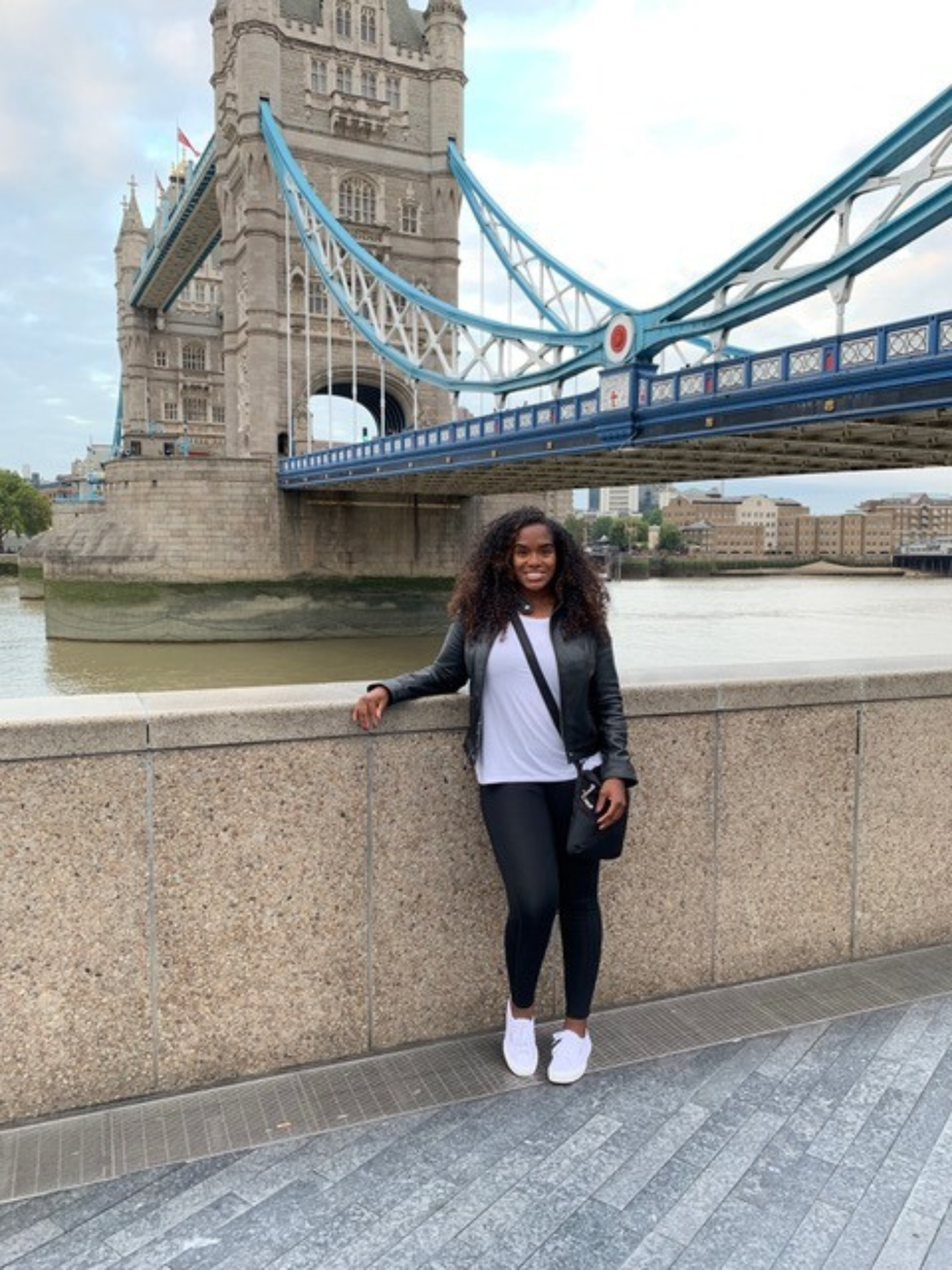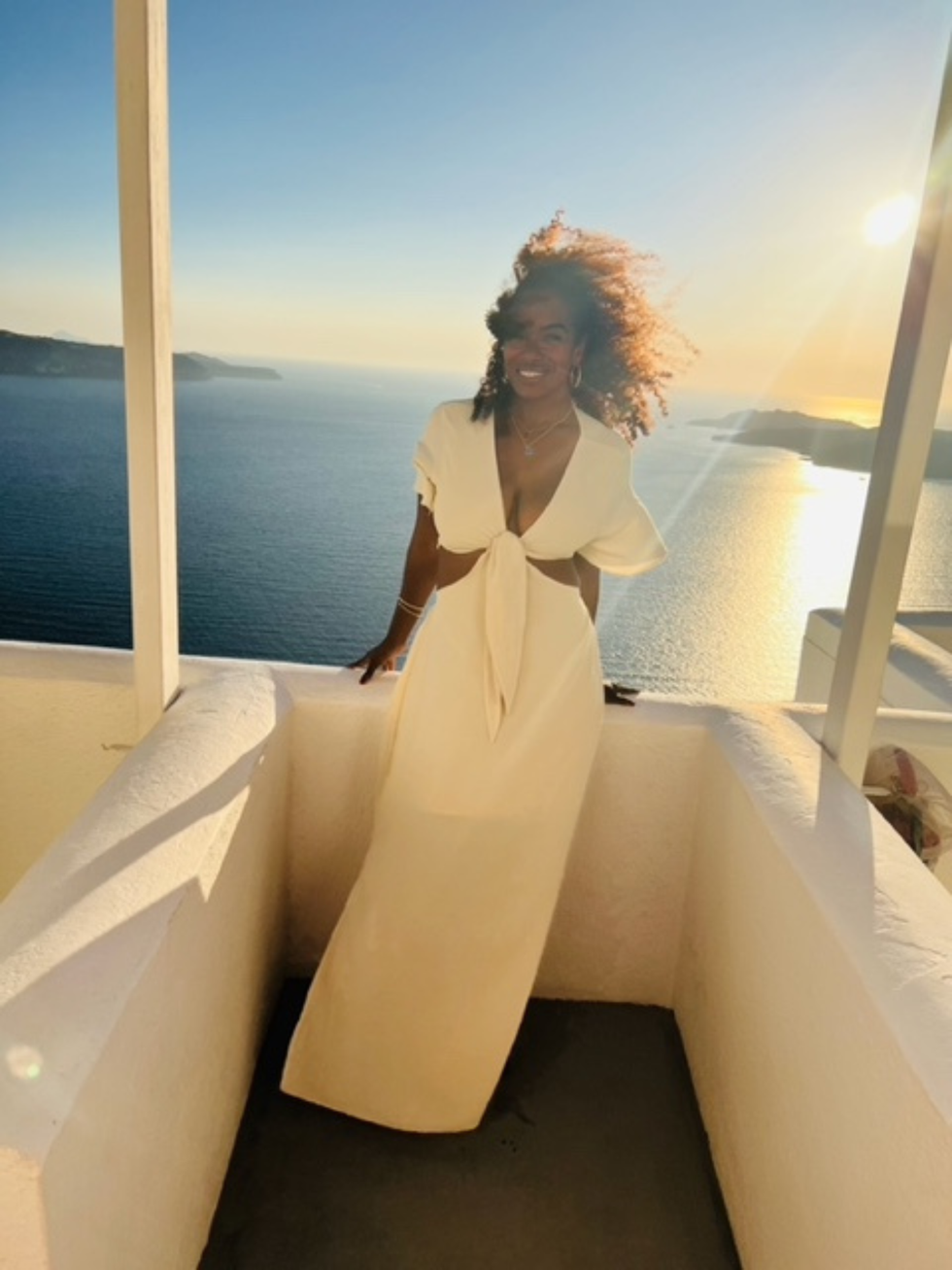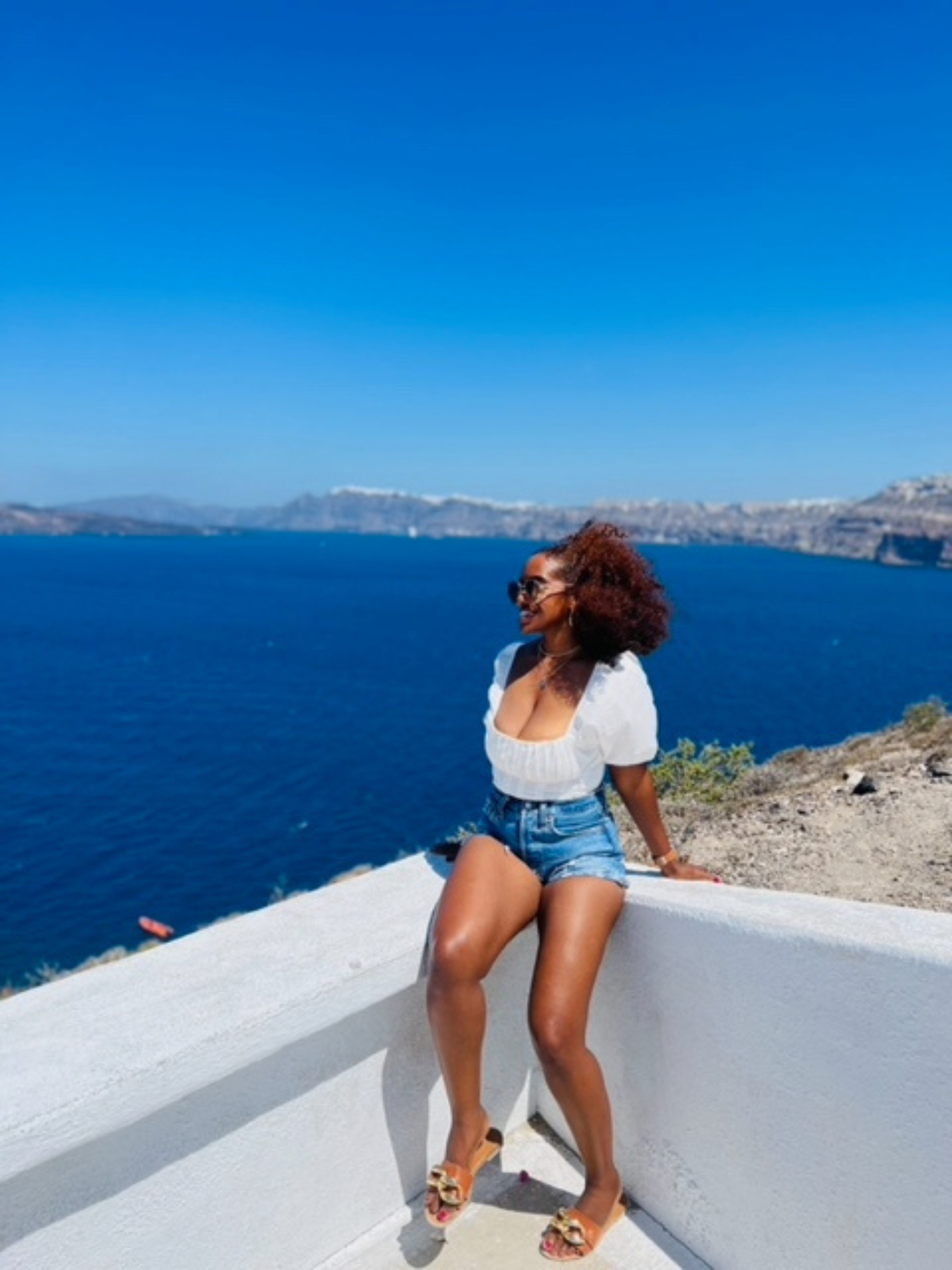
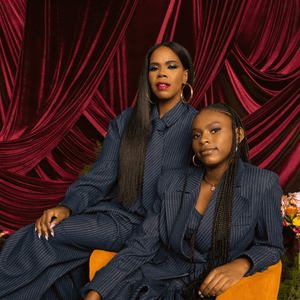

Picture day at work can be an exciting time: not only are you becoming an official part of the team and their brand, but it is also another excuse to buy new clothes. The most exciting part, for me at least, is to be able to update my LinkedIn profile. All that being said, unfortunately, picture day can also invoke a lot of unnecessary anxiety for me and not because I am camera shy--just check my Instagram. I get anxiety because, while I think my natural hair is awesome, many others still think that it is…different. To people outside of our community, natural is hair is is not professional.
Never mind that I have a stellar work ethic, or that I contribute to student success daily at the number one public university in the world. Those things seem to not matter once people see my natural hair, because all of a sudden both my hair and I are identified as "unprofessional".
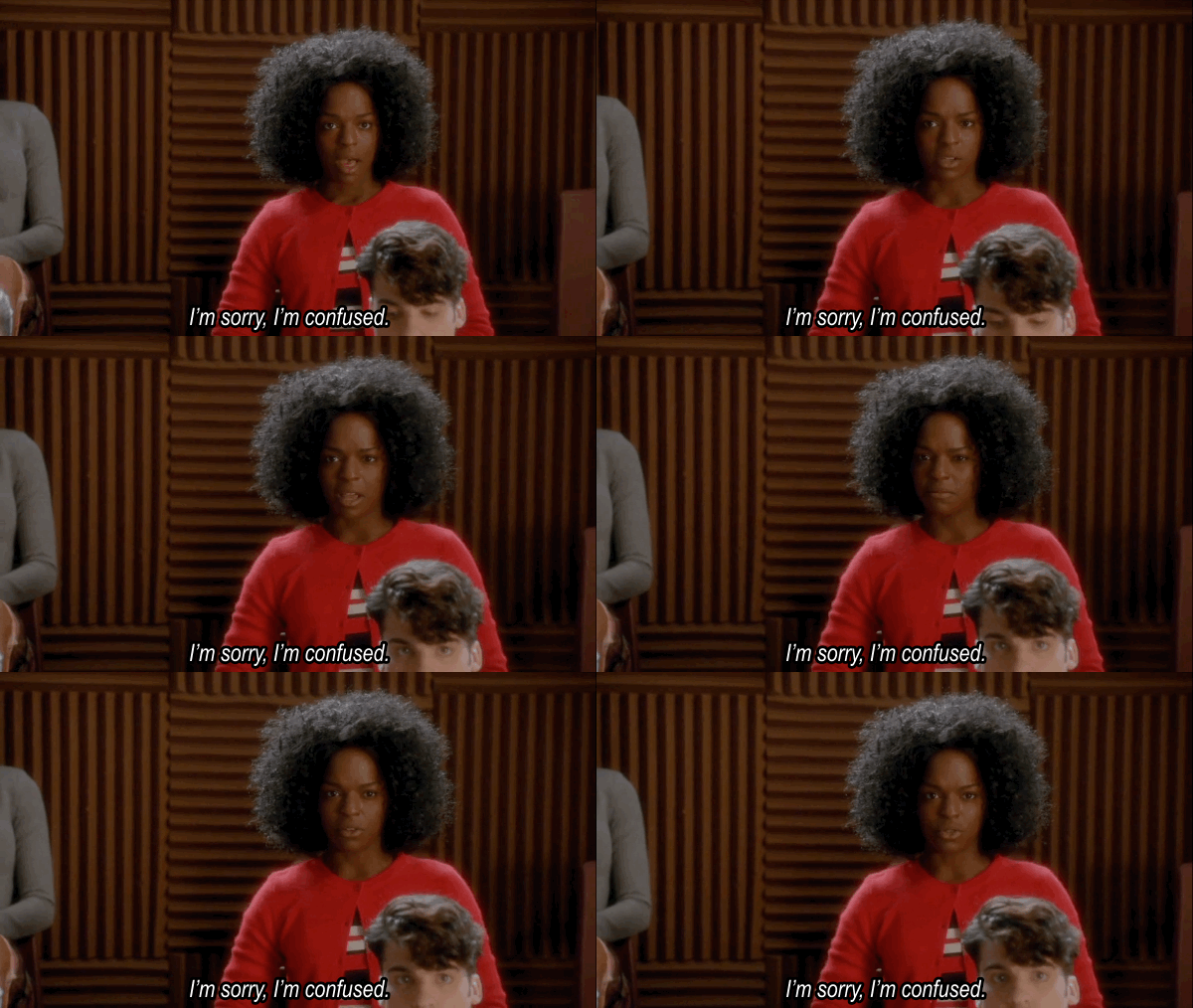 The anxiety I experience does not only come up during picture day, it comes up as I am preparing for interviews as well. I generally love interviewing and feel quite confident that when I am in an interview, I am absolutely flourishing! Instead, my anxiety manifests itself as I am trying to figure out how to professionally style my hair. Forget the fact that women worry about what to wear; I am amongst the group of Black women and girls who have been told that unless your hair is straight, it is not professional thus it is undesirable.
Hence, a large portion of my interview prep consists of me staring in a mirror trying to style my hair in the least distracting way so that my interviewer does not have a chance to focus on the stereotypical images of Black people that may have been consumed through the media.
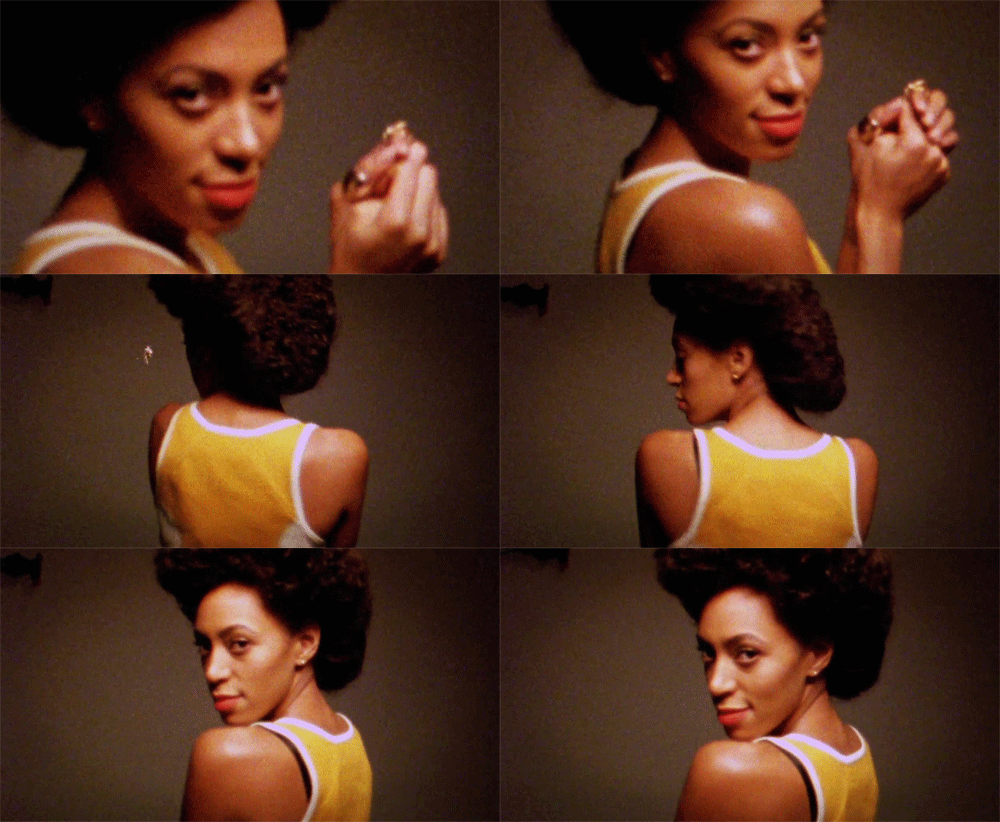 This is what renowned social psychologist Dr. Claude Steele refers to as “stereotype threat". Stereotype threat refers to “a situational predicament in which people are or feel themselves to be at risk of conforming to stereotypes about their social group" (Steele, 2010). This directly correlates to the feeling of constantly wondering if and what stories are being projected onto me simply because of my locs -- something I highly doubt my non-Black colleagues have to worry about.
Who determines professionalism?
What ideals are informing notions of professionalism that essentially tell Black women, like myself, that because we choose to embrace our authentic selves, we are suddenly not "professional"? Naturally, I did what every millennial does when we have a question, I googled “unprofessional hair". (I invite you all to do the same.) The mostly Black faces that populated my screen did not surprise me. Essentially, my search affirmed the discomfort and anxiety I felt all along. Black women in general, but especially Black women who have natural hair, do not fit into this idea of professionalism.
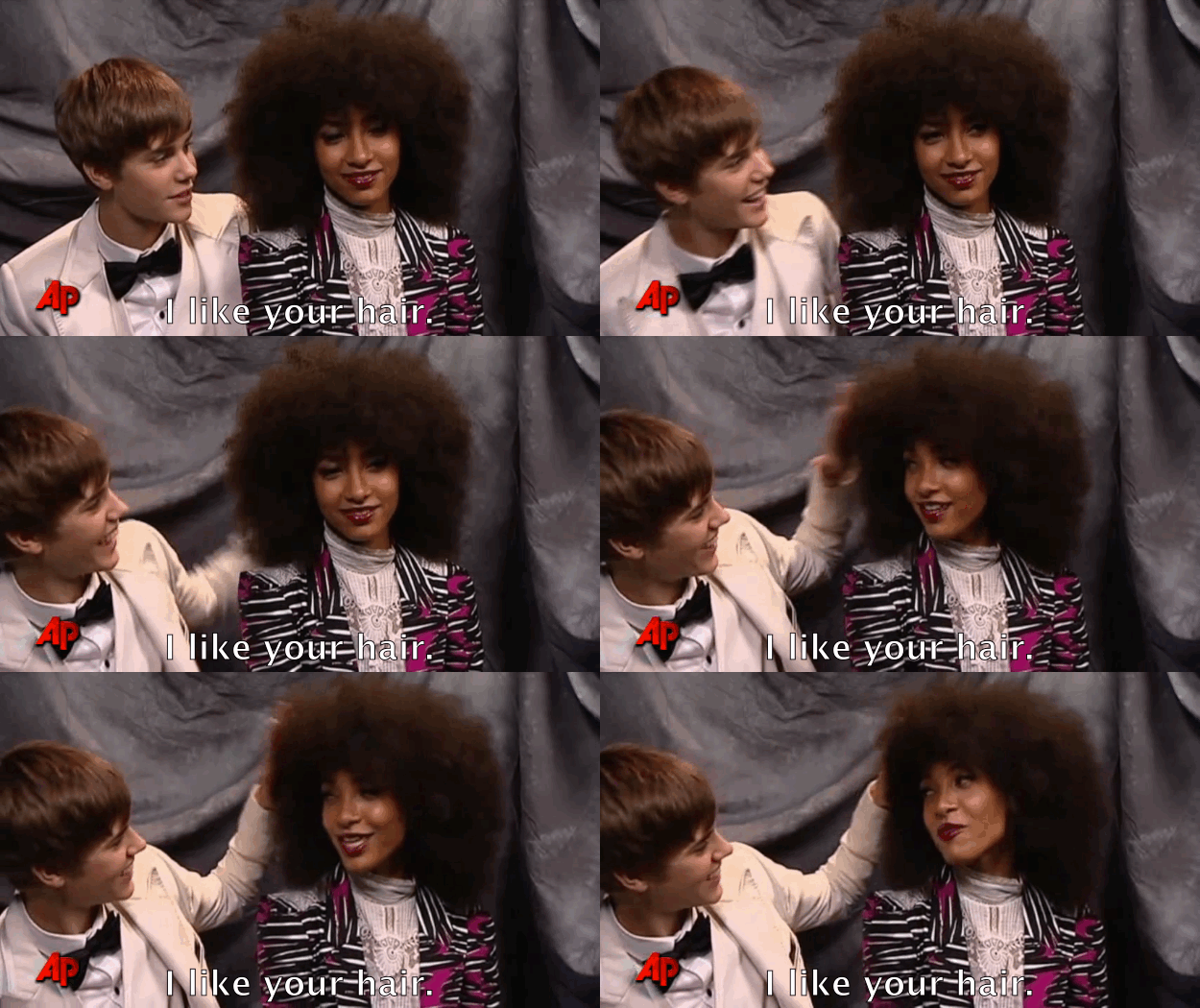
So does this mean our hair is good enough to warrant stares, or worse, petting, but not good enough for the office?
For many companies who are attempting to address ongoing concerns of inclusion, it is crucial to unpack the term professionalism and how people of color and gender nonconforming people fit into that paradigm. This DOES NOT mean you are lowering your standards, nor does it mean that you should not continue to ask and expect your employees to conduct themselves in appropriate behavior and adhere to things like dress codes. It DOES mean that within those expectations, you are leaving room for people like myself to feel like we can show up wearing our natural hair and not be judged or assumed less competent because of it.
Inclusion is no doubt a buzzword these days, but it is my hope that this piece offers critical and concrete experiences to consider, which can and should inform efforts towards making workplaces more inclusive. People do their best work when they are allowed to be their authentic selves; therefore, companies must be committed to creating work cultures that encourages this. So, the next time someone comes into your office with their natural threads, rather than stare blankly, provide a compliment or say nothing at all and continue to work. That is ok!
As for my professional headshot, I finally gathered the courage, silenced the imposter syndrome, and rocked my natural threads.
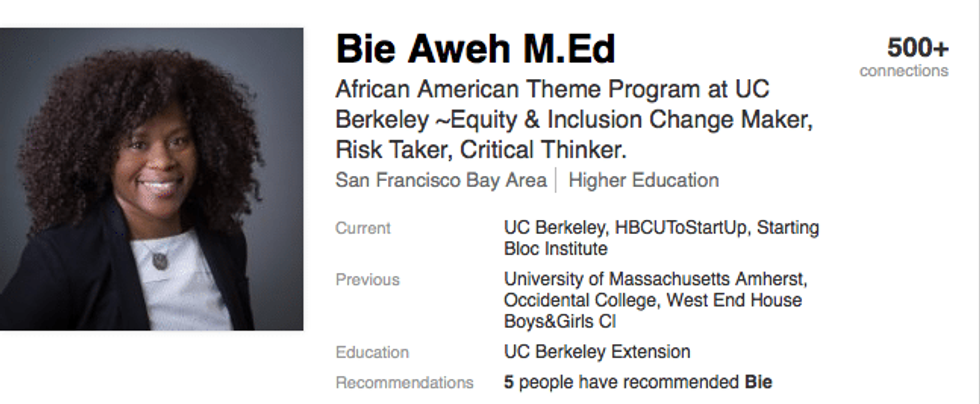
Even as colleagues whispered microagressions like “is that how she is taking your picture?" I remained confident as I made my way to the photographer. Not only for my professional headshot, but everyday! To the many people of color who navigate professional workspaces as the only one, there is the added pressure to conform. Certainly this was my experience as a Black Woman, and it was absolutely taxing on my body and spirit.
Pretending to be someone and something I was not for eight hours a day, seven days a week was exhausting. I finally made the conscious decision to say “no" and to be faithful to saying “yes" to being my authentic self and being unapologetic about it. Contrary to popular belief, you can be an incredible educator, doctor, lawyer, or engineer, and rock your natural hair at the same time!
What do you think about wearing natural hair in the workplace? Share with us below!
Bie Aweh is Equity & Inclusion Strategist for HbcutoStartup and Co Founder of Beloved Black. Learn more about Bie on Twitter or Linkedin
Have a story you want to share? Send submissions to editor@xonecole.com.