

As the pandemic was shutting down so much around us in early 2020, disabled people were disseminating advice on what it would take for everyone to stay home and take care of themselves. We wrote Twitter threads on masking, cross-contamination, and sanitation. Much of what we’ve all experienced during the pandemic – mainly that the deadly virus would also be a mass disabling event - was predicted early on by the members of the disability community. We also predicted the social consequences of COVID-19 and isolation: People would yearn for connection with one another, for a touch of kindness, love and lust, and would go hungry.
Today, it seems that the rest of society has “moved on” from protecting themselves and each other from the effects of COVID, and now Monkeypox and even Polio. Judging by how many ancient graves people keep digging up, we are in for several more viral pandemics. Yet they’re accepting serial reinfection of disabling disorders as an inevitability worth the risk of “getting back to normal.” But there’s one demographic who is unable to do so: disabled people. This now includes the millions of people who have Long Covid.
With everyone “returning to life as usual,” abled people have told disabled people to keep isolated as the world continues without us. It’s our “choice,” they say. It is a painful reminder that those around us do not believe disabled people have lives, loves, goals or relationships to return to and if we want to venture outdoors, we have to put our lives on the line to do so. Our health and lives remain still while everyone else snatches the opportunities for connectivity we so desperately want.
Self-pleasure is so much more than pure sexual gratification. It’s meditation. It’s exercise. It’s grounding ourselves in our own bodies.
Touch and closeness with others are a dangerous gamble, regardless of what the pandemic minimizers have to say. So what do we do when our bodies crave touch? I’ve been here before.
When it comes to sex and touch, my own experience has consistently been informed by my disability. In high school, I believed that because I wasn’t dating anyone, I was behind the mark on milestones I should be passing. No one explicitly spoke to me about sexual autonomy, other than to say that if I were to have sex, I should use protection.
Amongst the people around me, there was doubt that I would ever “do it,” and in my youth, prior to me growing some gall, I would join in the speculation with my classmates about what my body would be capable of in the bedroom. The desperation to be held and wanted made me do some wild things, including, at 19, chatting with way older men online who said they wanted nothing more than to fly me to where they lived and take care of me.
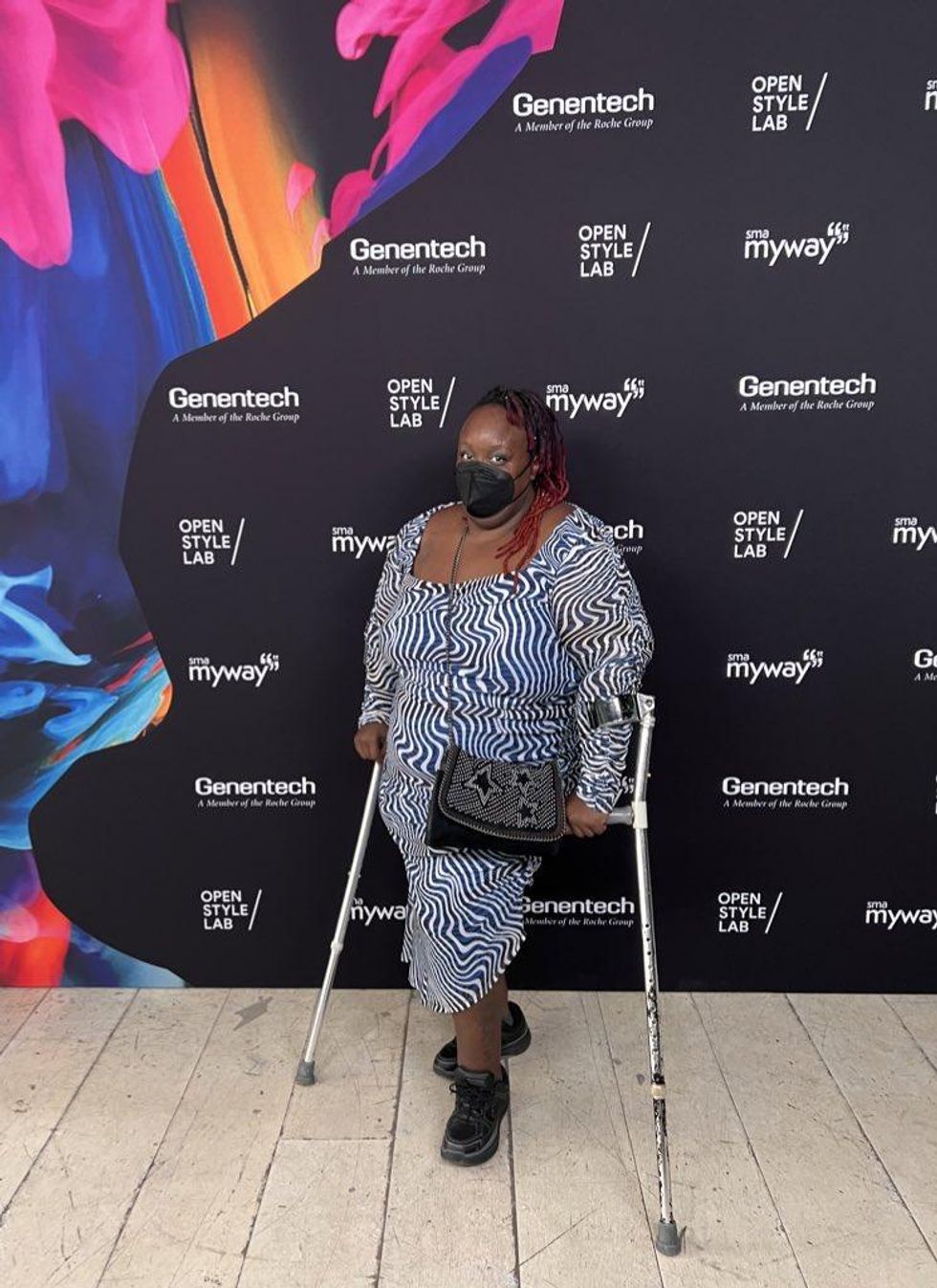
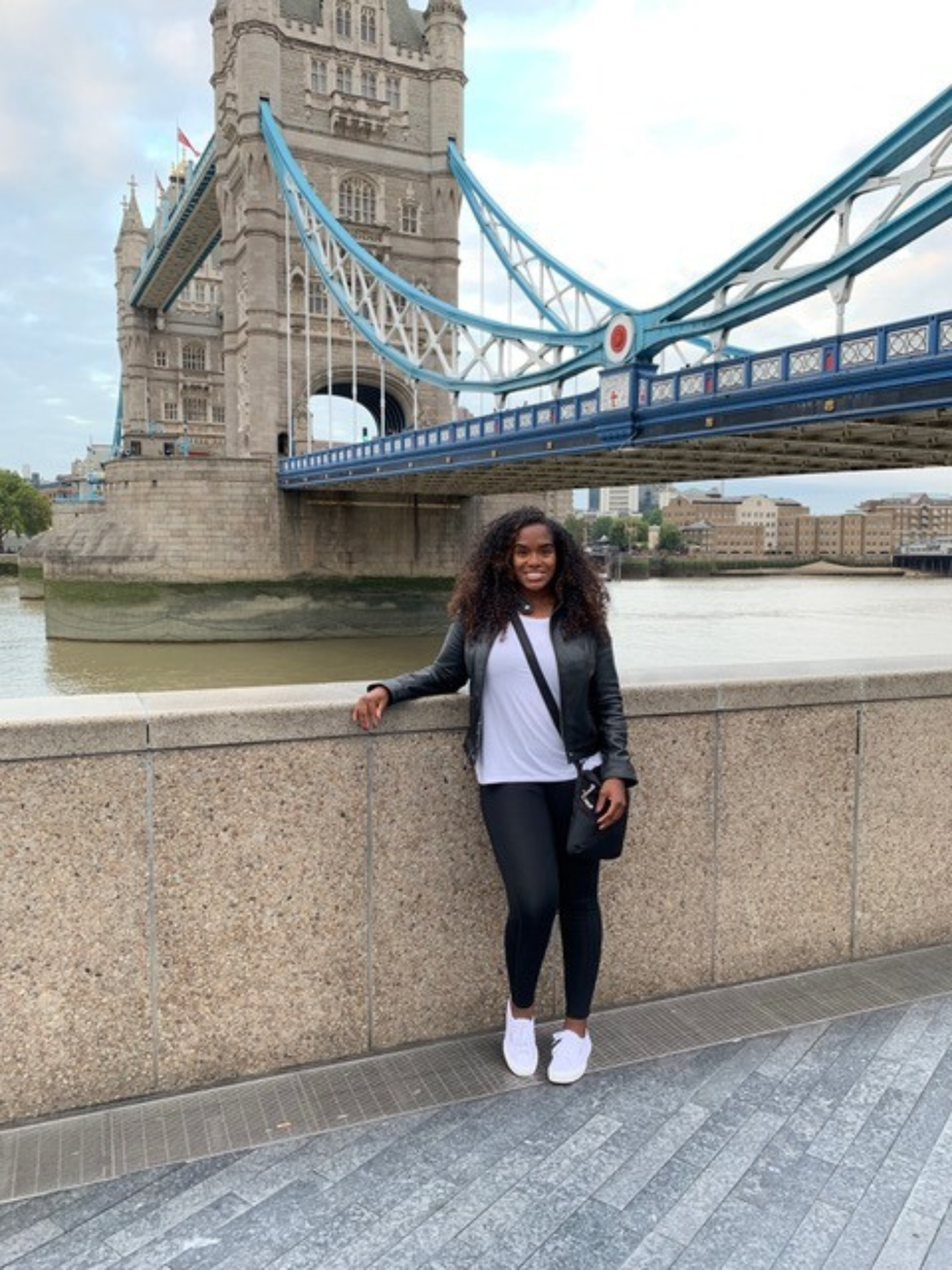
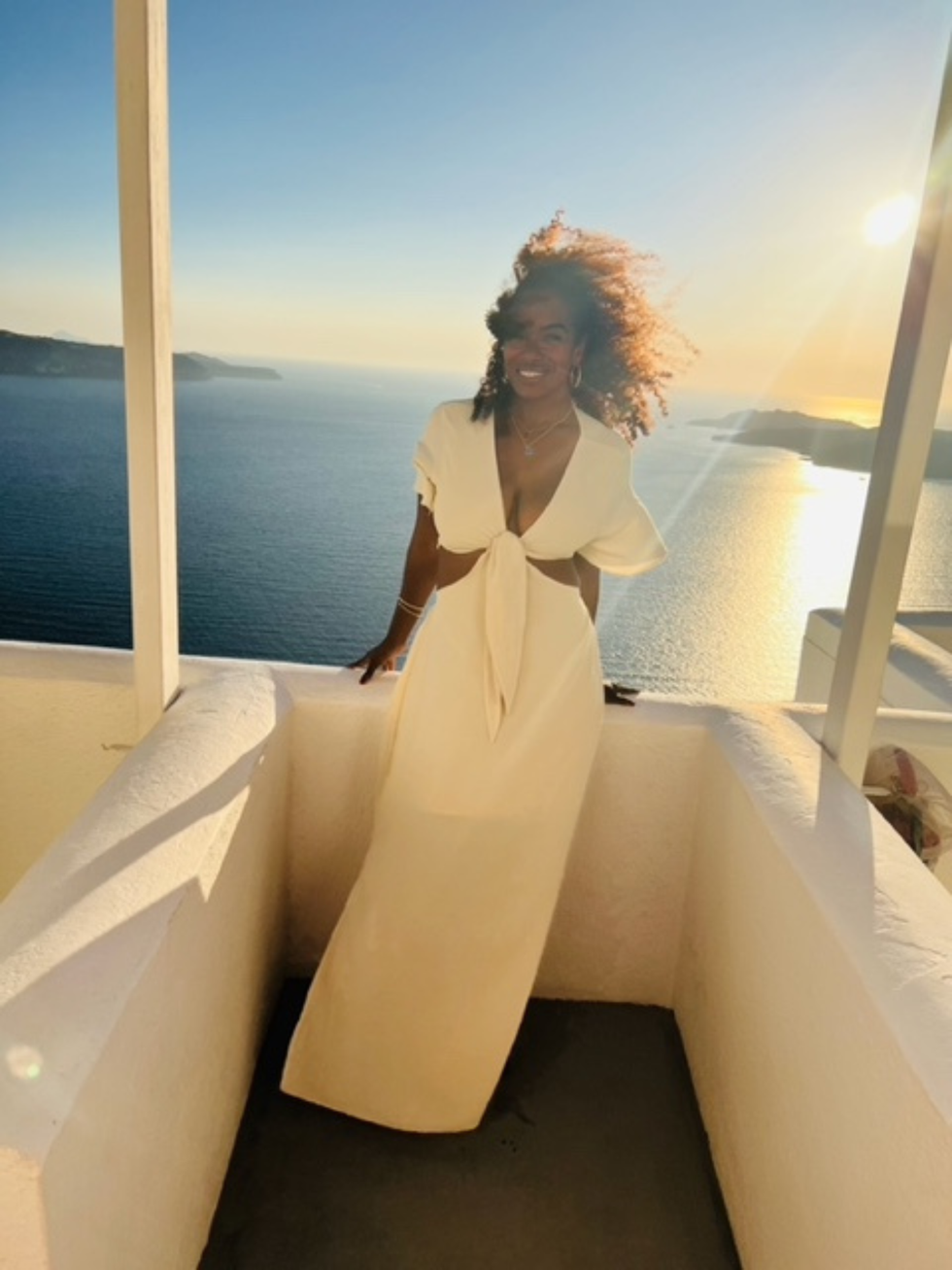
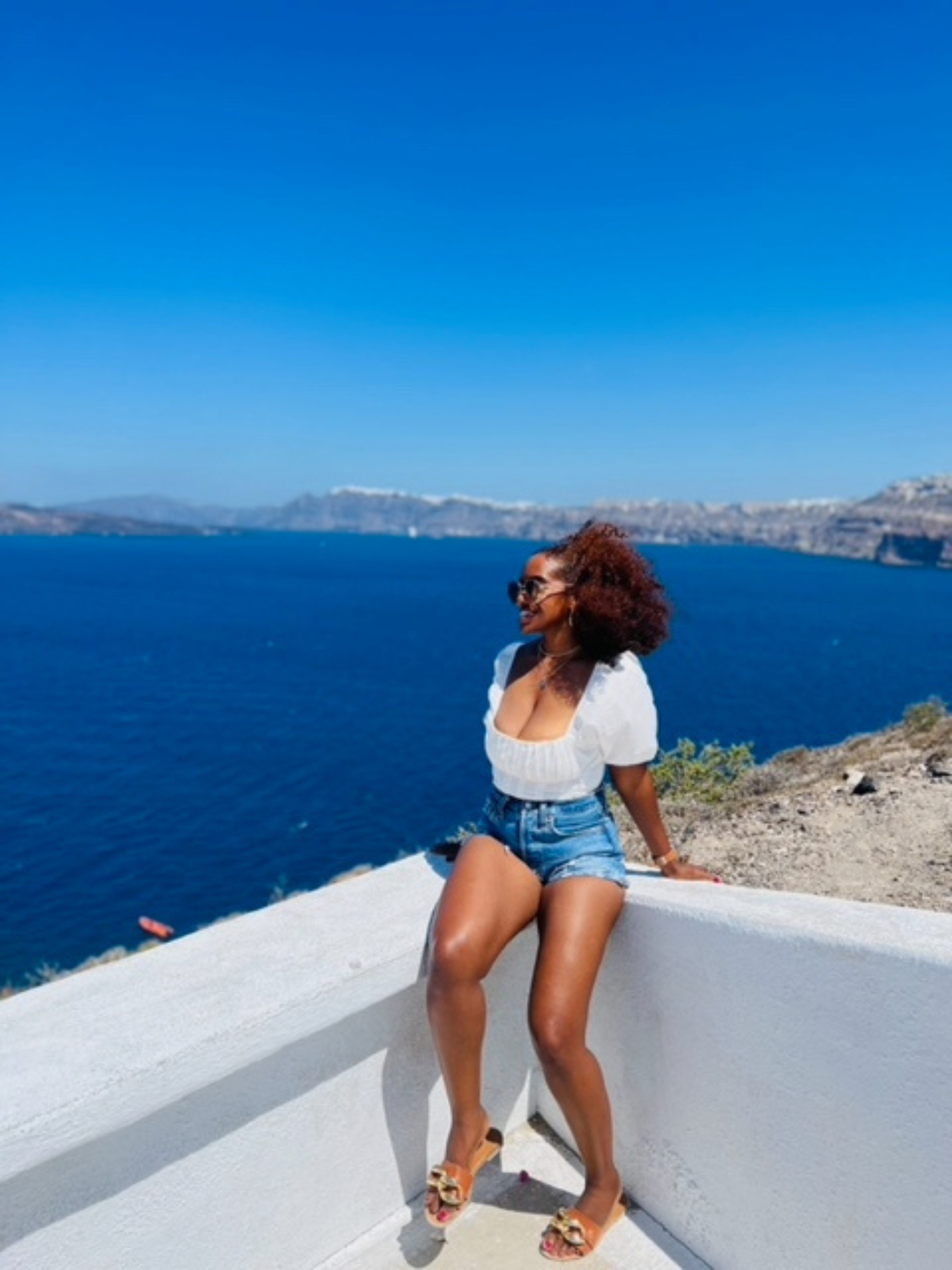
Imani Barbarin out in pandemic style
Imani Barbarin
Spending my teen years romantically isolated made me feel like I was undesirable and unwanted. It wasn’t just that I was disabled; I was also one of only four Black girls in my class of 400. I could already feel that others viewed me as an obligation, so dating me would be a nonstarter. I accepted that I would likely spend my life alone without ever experiencing the rush of being physically desired. As I was implicitly and explicitly taught, bodies like mine are to remain alone. Touching someone like me when not medically necessary was out of the question. Disabled, fat and Black does not a lover, a partner make. Maybe, I was told to believe, with some weight loss and physical therapy, I could get them to see past that.
It wasn’t until after college that I intentionally approached dating (and stayed away from the Facebook chats with random men). Dating apps were their own obstacle course as I had to navigate people wanting a little taste of chocolate and whether or not to disclose my disability. When not fielding messages asking if I had an “attitude” like “those other Black girls,” I was trying to get them to understand that I can, in fact, have sex (in theory with no indication otherwise) and I wouldn’t be broken by their bedroom prowess.
At this point, I had given up on the idea of ever having a relationship and focused more on hooking up. I could find someone who wanted to sleep with me, but I couldn’t make anyone love me, I believed.
I would engage in self-pleasure, but it always felt like a substitute for the romance that I had always wanted.
In a world in desperate need of safer sex practices, self-pleasure is self-care.
Finally, I found a partner that wasn’t put off by my disability and didn’t fetishize my Blackness. We hung out under the pretense of being on a “real date” and then made our way to my bedroom. I was clear about the parameters of this particular meet-cute. But in that moment something unexpected happened: being desired felt empowering. Knowing I was wanted made me like my body, my rolls, my skin more.
Afterwards, my self-pleasure sessions got even better, because I understood I was allowed to be and be seen as sexual and desirable. With each new encounter, I was gaining confidence and feeling more at one with my body -- even with someone else in the room.
Now, just as safe sex has become more complicated due to our government’s poor management of competing pandemics, self-pleasure is even more accessible. In the prescient words of N’SYNC, we are in the age of the Digital Get Down.
I like the idea of consenting entities engaging in intimate acts over video and Bluetooth connected devices simultaneously. Companies in recent years have made a point to cultivate accessible toys that accommodate those with dexterity and flexibility issues. Since my hands are on poles (crutches) all day, I prefer toys in the bedroom that allow my wrists and shoulders to rest. The magic bullet type of toys often can be paired with apps or bluetooth, but for those of us feeling the pressure of purse strings, toys with wires and a remote control can make you feel old school, but financially prudent. Long vibrating dildos are also worthwhile as long as the controls are on or near the top and can be accessed without straining too intensely. If getting into position is still difficult, wedge pillows for disabled people have the exact same shape as sex pillows. (Come to think of it, a Hoyer Lift looks identical to a sex swing. Coincidence? I don't think so!)
There are those who would say that these accommodations aren’t “real” or intimate enough. Not only does this discount the ways in which disabled people experience physical intimacy, it also diminishes the opportunities we all have for self-connection, for releasing any shame, guilt, ignorance or embarrassment we may hold about our own bodies.
In this sense, self-pleasure is so much more than pure sexual gratification. It’s meditation. It’s exercise. It’s grounding ourselves in our own bodies. And in a world in desperate need of safer sex practices, self-pleasure is self-care.
This isn’t to say that we don’t need other people or that self-pleasure is a last resort or a stand in for sex with others. It’s a valid-in-its-own-right practice that you can share with others or explore on your own as a way to know and love your body, with no judgment, as it is.
As disabled people, our lives are reliant on closeness, touch and letting others have a deep knowledge of our needs. We are aided, physically moved and treated by people who know us at our most vulnerable. Our ableist society doesn’t see us as we are: lustful, desirable, and wanted. Whether we’re living single, partnered, or isolating from potential partners to protect our own lives and each other, self-pleasure is a wonderful way to remind ourselves and the world that our bodies and our pleasure matter.
Read all of the stories in the Issa Rae: She Comes First editorial series here.
Let’s make things inbox official! Sign up for the xoNecole newsletter for daily love, wellness, career, and exclusive content delivered straight to your inbox.