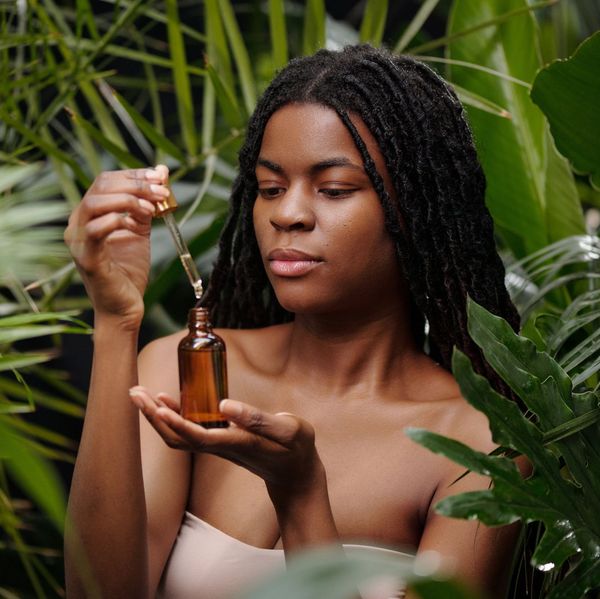


DARK SPOTS.
They show up on your skin from time to time. You find them on your face, your arms, legs, or anywhere you've touched your skin or maybe not touched your skin. By touch, I mean to pick, squeeze, or scratch an area of skin that is inflamed or healing.
Well, what is it? Is it just a scar? What causes this ugly darkening of the skin?
As told to me by my dermatologist, this skin condition is called Post-Inflammatory Hyperpigmentation (PIH). PIH is an injury or disorder of the skin. Essentially, it is the darkening of the skin after an injury from a cut, a burn, an insect bite, or more commonly acne. As the skin heals, an overproduction of melanin is produced. The extra melanin darkens and discolors the skin; the skin remains discolored after the wound has healed.
This is also how my skin heals and how everyone else with PIH heals. In the words of TLC, these dark spots on my face made me feel so damn unpretty. I felt like I never had good skin, even though people admired my complexion. I developed skin problems younger than most adolescent girls. I was so young, and I didn't have a good understanding of skincare. Especially, being a woman of color growing up in the late 1990s and early 2000s. Options were limited, and certain ingredients found in over-the-counter skincare products can further irritate PIH.
Post-Inflammatory Hyperpigmentation is a skin condition that affects men and women equally. This includes all skin types and more so people with skin of color. The majority of African-American women are susceptible to this disorder; roughly forty-five to eighty-three percent. The discoloration can take anywhere from three to twenty-four months to fade. Say what? While I am completely in love with my dark sun-kissed skin; the darker skin, the darker the spot, and the longer the healing process. Trust me. I have lived with post-inflammatory hyperpigmentation for a whole thirty-five years of life as I am sure many other women do too.
There is hope my melanin poppin' queens.
Treatment for PIH is readily available and there are more skincare options for women of color today than there were a decade ago. My skincare skills have increasingly been on point as I slide into my thirties. Here are some tips and products I have used to treat my post-inflammatory hyperpigmentation.
A Good Dermatologist
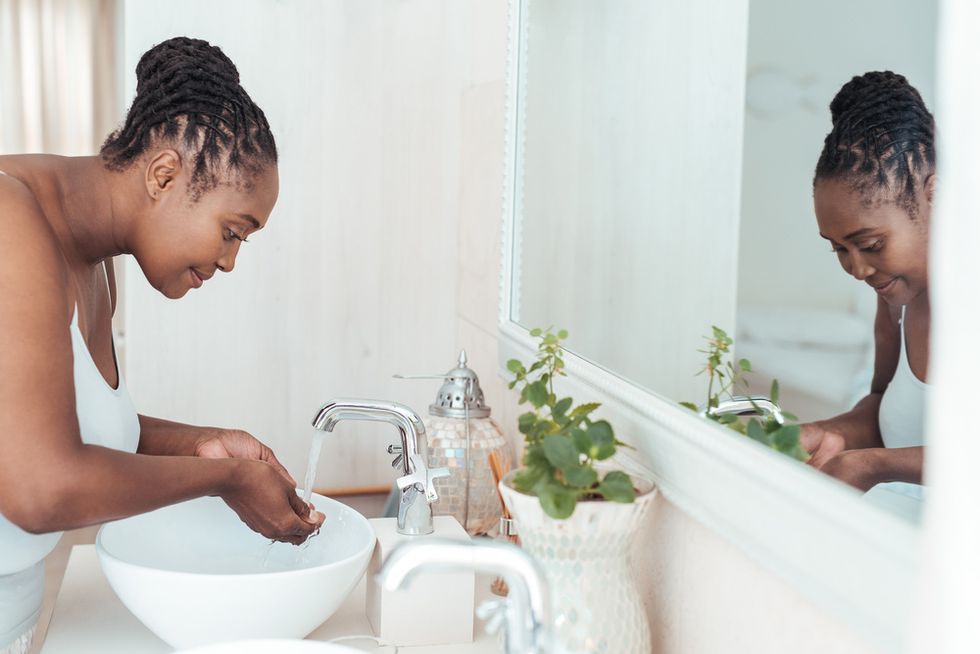
I cannot stress enough how important it is to find a good dermatologist, let alone a good esthetician. You want someone who takes the time to examine your skin, listen to your concerns, recommend a skincare routine, and prescribe medications (retinol, azelaic acid, glycolic acid, salicylic acid scrub, and a sulfur wash) that work for you. You don't want someone who is out to provide or sell services just to make a profit. I probably have gone through five different dermatologists over the last ten years. Recently, I found myself returning to my childhood dermatologist. To me, a good dermatologist (a good anything) is like dating, you're going to go through a few until there is that one that meets your needs.
Shutterstock
Stop Touching Your Skin
Don't you dare pop that pimple, pick that scab, cyst, ingrown hair, or scratch that mosquito bite. I promise you; you will be sorry later. We're all guilty of this though. Thanks, Dr. Pimple Popper for showcasing your skills. There is some kind of innate relief associated with popping pimples; disgusting yet satisfying. I know because my esthetician low key revealed this to me. Seriously, picking at your skin only makes hyperpigmentation worse and does not allow the discoloration to heal and fade. If you need to have blackheads or cysts removed, see a professional.
Chemical Peels
I scheduled a series of chemical peels at my local dermatologist's office. I tried a twenty to thirty percent salicylic acid peel for a period of three months (a chemical peel is recommended every four to six weeks). Chemical peels remove dead skin, promote skin growth, and even your skin tone. Everyone's result will be different, and your skin is guaranteed to peel as if you were sunburned. Sunblock and moisturizers are so necessary when undergoing this treatment. I was pleased with my results, but I probably needed a second round of treatment to achieve my desired results.
Facials
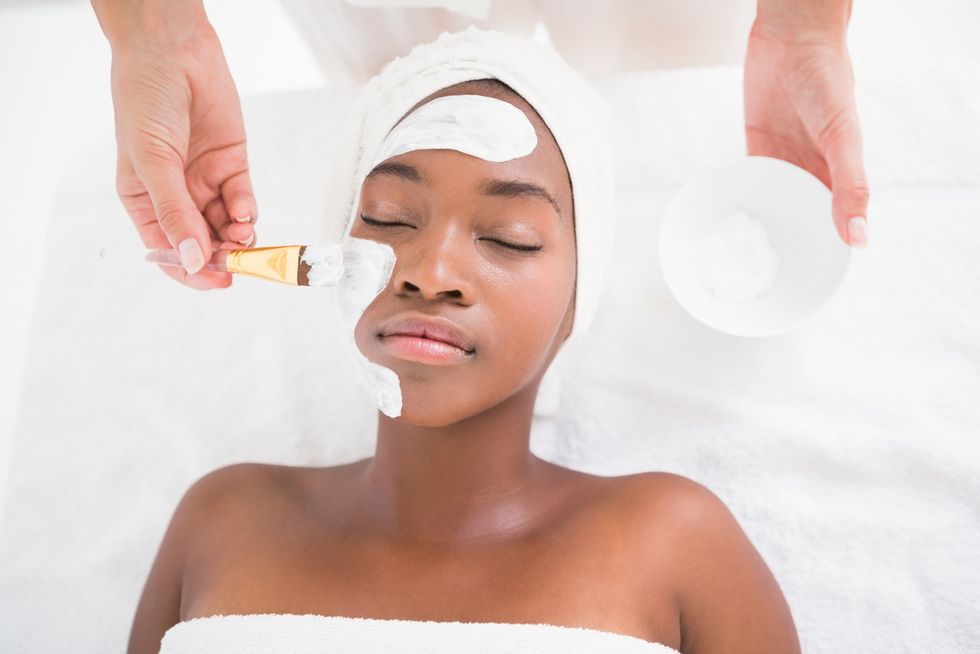
I had my first facial in January 2018 and the results were amazing. I couldn't believe the difference in my skin. I found an esthetician that I can trust with my skin. Let me just say, this is not easy to do. Unfortunately, sometimes we as women overpay for services based on an advertisement or because it sounds good. The majority of the time these services are not needed and are not conducive to individual skincare needs. So be careful. A good esthetician will always tell you the truth and set you straight. Estheticians and dermatologists generally recommend a facial at least once a month.
Shutterstock
Dermaplaning
Game-changer. Dermaplaning is the removal of dead skin cells and hair ("peach fuzz") from the face by using a surgical scalpel. The first time I received a dermaplaning treatment, I could not believe all the hair and old skin that was removed from my face. My skin was so soft, even, and brand new. I was legit glowing. Most estheticians or dermatologists offer this service and it's recommended every 3-4 weeks. Did you know every time you undergo dermaplaning, you are removing two to three weeks of dead skin?
These are my go-to-solutions to live with not having flawless skin due to post-inflammatory hyperpigmentation. Try whatever works for you and your skin.
Originally published on Medium
Have a beauty, wellness or self-care find you've tried recently and want to share your experience? Join the xoTribe members community to connect with other beauty lovers and share your wins with the Tribe.
Featured image by Shutterstock