
A few weeks ago, I read an article on the Huff Post, written by Cheryl Green Rosario, a black woman considered “white-passing" due to her fair complexion and seemingly not-so-obvious black attributes. In her post, she discussed the racism she experiences, first-hand, from white people who are unaware of the fact that she is indeed a biracial black woman.
Hearing her story reminded me of many ambiguous biracial women in my life that I've met on my own journey, who are also black women, but are questioned every single day. This isn't an uncommon thing. Celebs such as Halsey, Soledad O'Brien, and Rashida Jones, all share the same story as Cheryl.
This made me wonder, considering the state of the country—and even the world—today, what direct experiences have women with racial ambiguity encountered throughout their lives? What stories do they have to tell?
We found a few women to chat with us candidly about how being labeled as 'racially ambiguous' has shaped their identity. Here are the captivating stories we were told:
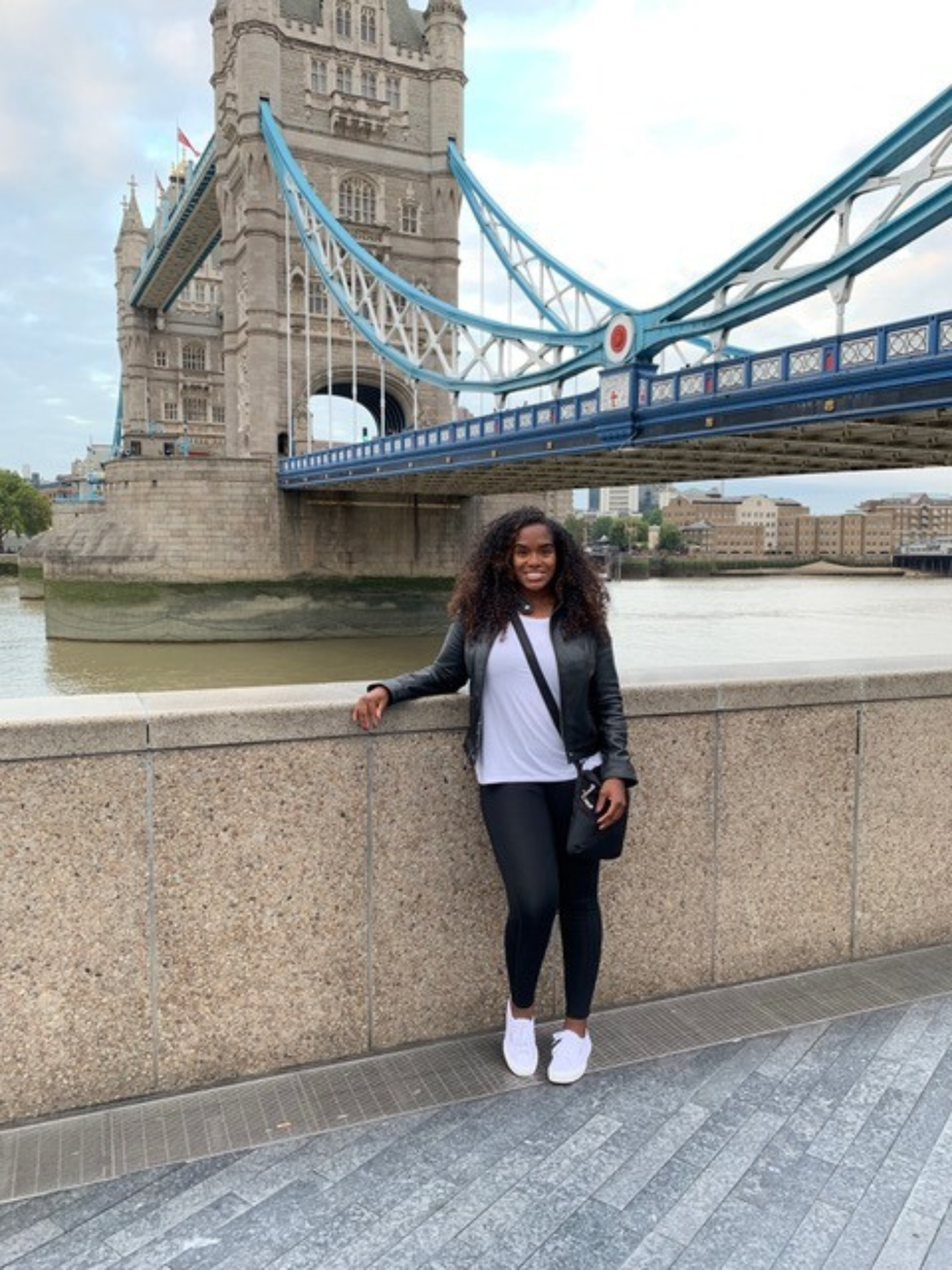
Heather Fulton | 25
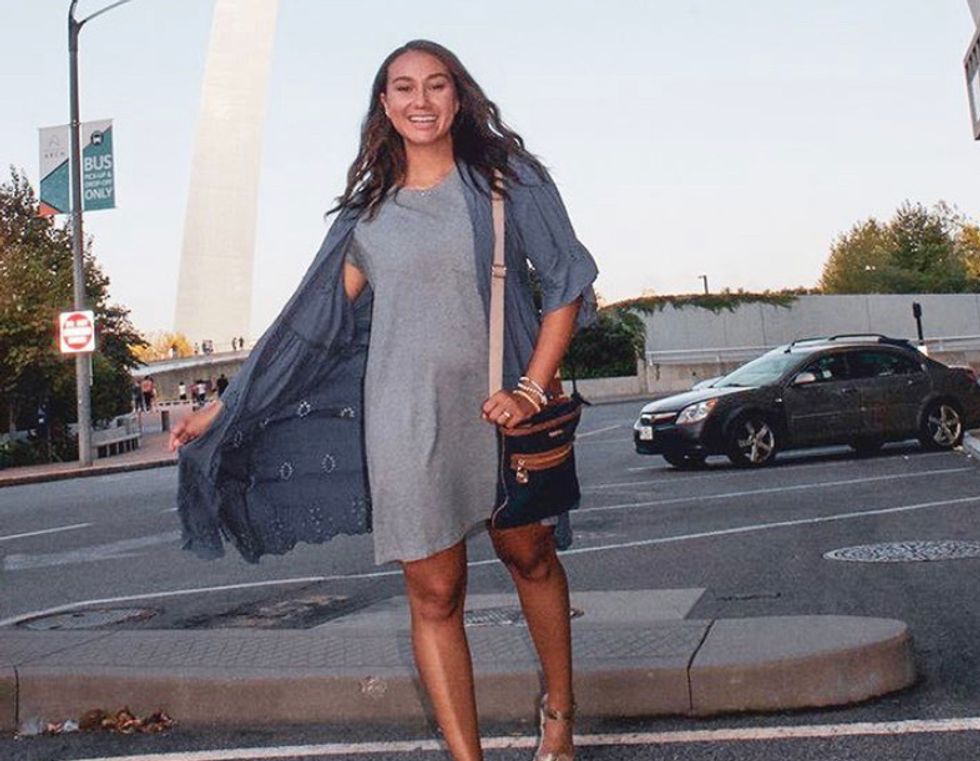
Courtesy of Heather Fulton
Ethnicity: Black, White
Houston, TX | @heathersavonne
Growing up for me, I always felt different—and people definitely let me know that I was. Raised by my father, who is white, it wasn't uncommon for kids to ask if I was adopted. I remember being so confused as to why they would ask, because for me, he was just dad—and I only saw him as my dad. I never saw his skin as white or mine as tan.
Once people realized I was mixed, they'd call me a "mutt", which honestly didn't really hurt me. I was more so confused as to why other people were so inquisitive about it. I remember times when I'd go to the doctor or dentist—and even taking state tests in school—I'd have to fill out my ethnicity, without an accurate option. Sometimes I'd choose white, sometimes I'd choose black. It always confused me as to why I had to select my race in the first place but I did the best I could (thankfully over time, these same documents have become much more inclusive).
Today, almost every day, or multiple times a week, I am asked, “What is your ethnicity?" or "What are you?" Not many can tell but when I tell them, especially with my hair being so versatile, almost immediately they'd want to know who was white and who was black, which was intriguing to me. Most of the time I received praise and compliments for how I looked once they knew I was black and white. But, on the negative side, people always bring up how I was "acting white" or "oooh, that's the black side of you coming out," which is hurtful. Anything that I would do that was so-called negative or bad, someone would say, "That's your black side" or even use the n-word towards how I acted. On the other hand, if I spoke properly, dressed in certain brands, and straightened my hair, I'd be accused of wanting to be white. And sadly, I've noticed I'm more accepted, or I receive more compliments with straightened hair, as opposed to curly. This led me to a lifelong battle of hating my hair and being confused about my tan skin. Now, I finally have a great relationship with my curls and love them!
Ultimately, I've unfortunately spent my whole life trying to be balanced. To balance something means two separate things are coming together in unison being able to well...balance. Coincidentally, my zodiac sign is a Libra which is "the scales" or balance.
I've always felt the need to be one or the other because that's what I allowed society and other people to have an influence on me. Thankfully, I've found my identity in Christ now and I choose to see both sides for what they are: different, but equally unique and special without one outweighing the other. And in today's world, I can stand up for my African American brothers and sisters as a biracial woman.
I no longer shy away from saying, "I'm black and white," but instead, say it with pride and honor. I can only speak on the perspective of being black AND and white, not one or the other. I believe I've had the special privilege to be able to see on "both sides of the fence" but I refuse to stand on one side. I stand linking hands with both sides as a living breathing symbol of unity and love.
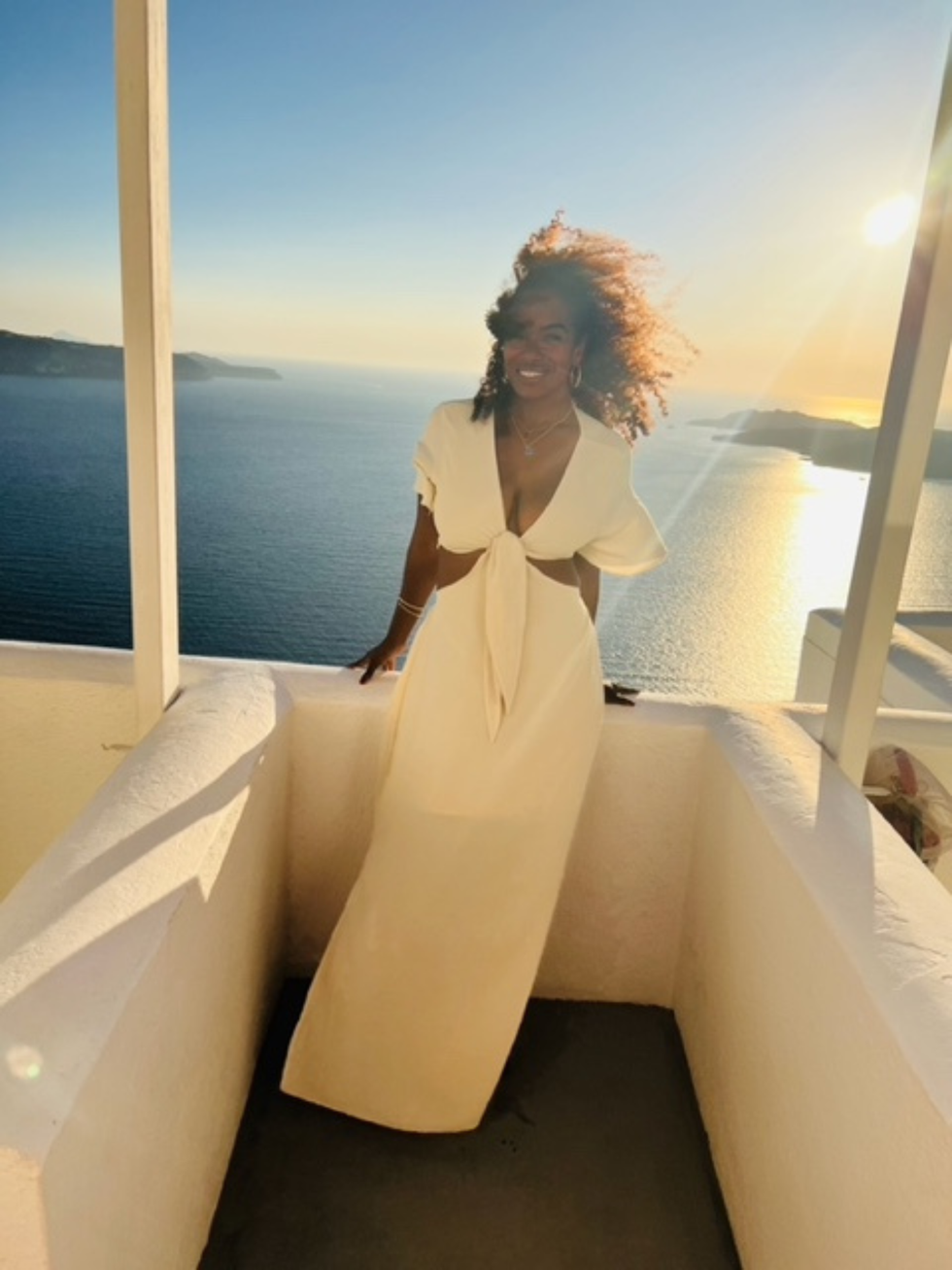
Acacia “Breeze” Arnold | 27
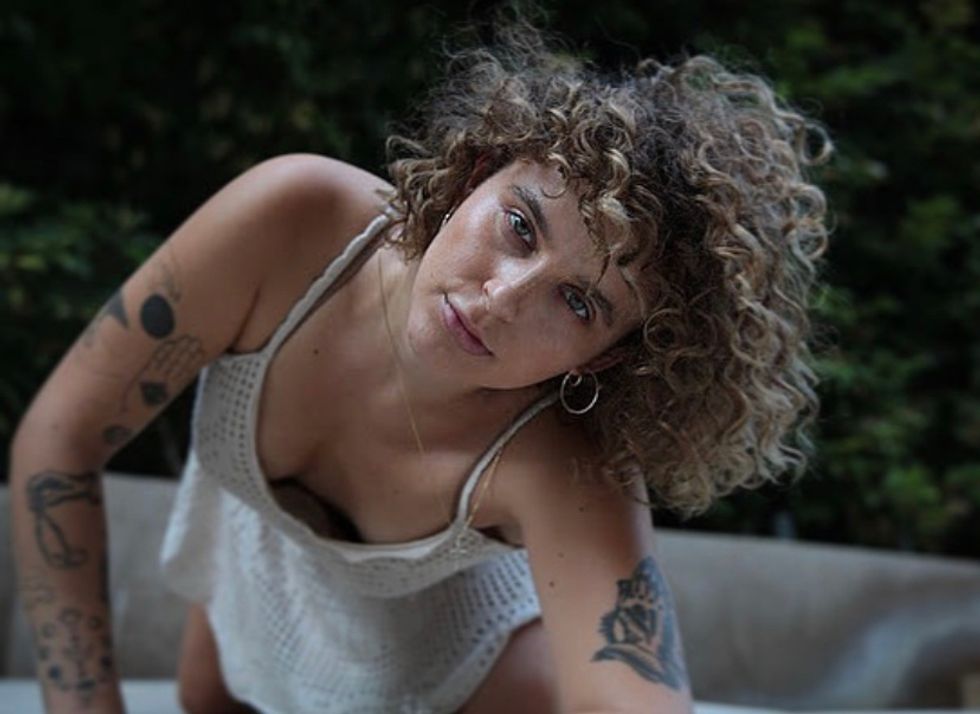
Courtesy of Acacia "Breeze" Arnold
Ethnicity: Black, White
Pasadena, CA | @bby.breeze
Growing up, I had a very unique experience. My father is black and my mother is white, but was adopted by a black woman. Culturally, everything I love and relate to is of black culture. My adopted grandmother primarily raised me. Her being from New York, the first in her family to obtain a college degree and a single mother raising a white child in the 60s, gave me the strength I have today. Being around a woman like that gives you a superhero-like strength.
When I was young, I never looked at race until the world looked at it for me.
I, for a period of time, went to a wealthy white middle and high school. When my father would pick me up from school and the teachers would pull me aside asking if I knew who that man was and if I felt safe leaving with him. While at these schools I was an outsider. I had a hard time making friends and it was one of the loneliest points in my life. I wondered why guys did not like me, I wondered why I did not have a lot of friends and junior year I decided to change high schools. I went to a performing arts high school in the LAUSD district and had a great experience due to there being so many different cultures, races and acceptance.
I was looking for acceptance to be who I was and am very thankful I found it.
When I would go to parties, my friends would bring up in discussion that I was half black as if I was a science experiment. They would say I don't look black or act black…as if there is one way to act if someone is black. And it's interesting, because black people have always been more accepting of me being mixed than white people. Some would even deny me being black. It's amusing that people think they get to decide if I am black or not, that has to be one the most privileged things I have ever encountered. Anyone that is a minority knows I am mixed, but they're generally unsure with what exactly. It is usually white people that are in disbelief and request to see a picture of my father.
I am proud of my background and one of the biggest ways I balance my identity is by surrounding myself with those who I relate to or those that wish to change the way of the world.
I stand up for what is right and anyone who wishes to question that is someone who is not in my immediate circle. I look at my identity similar to my morals and relate it to water: if I dilute my water supply, I will become dry and empty. When you do not embrace who you are, you will reach a point of emptiness because you are not being true to yourself.
As a stand-up comedian, I often shed light on injustice, showing those who do not understand a perspective in which they can and continuing to open eyes of those who cannot see. My goal is to inspire women to embrace their identity, strength and culture because that is what makes us so beautifully unique.
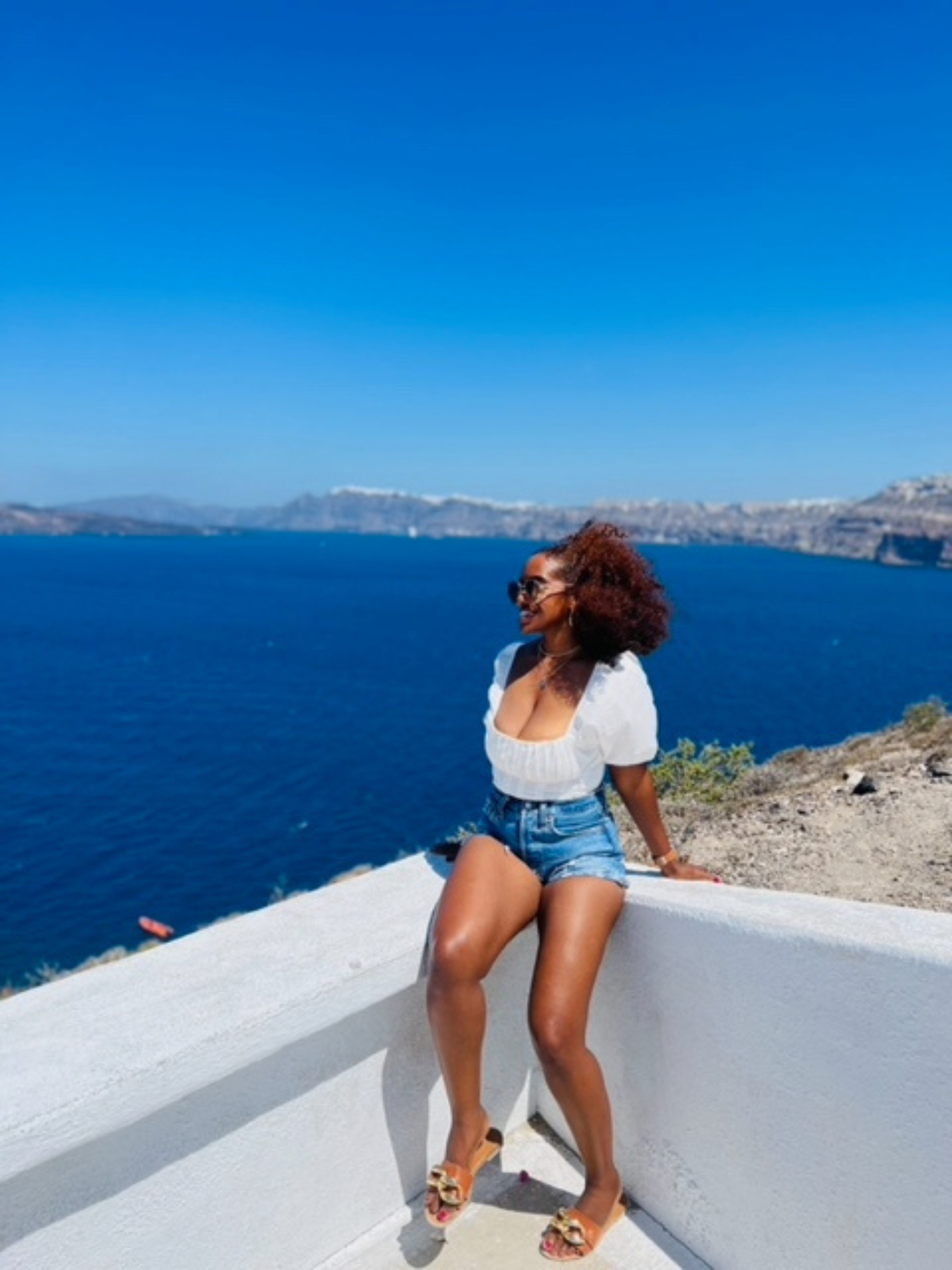
Savannah Taïder | 25
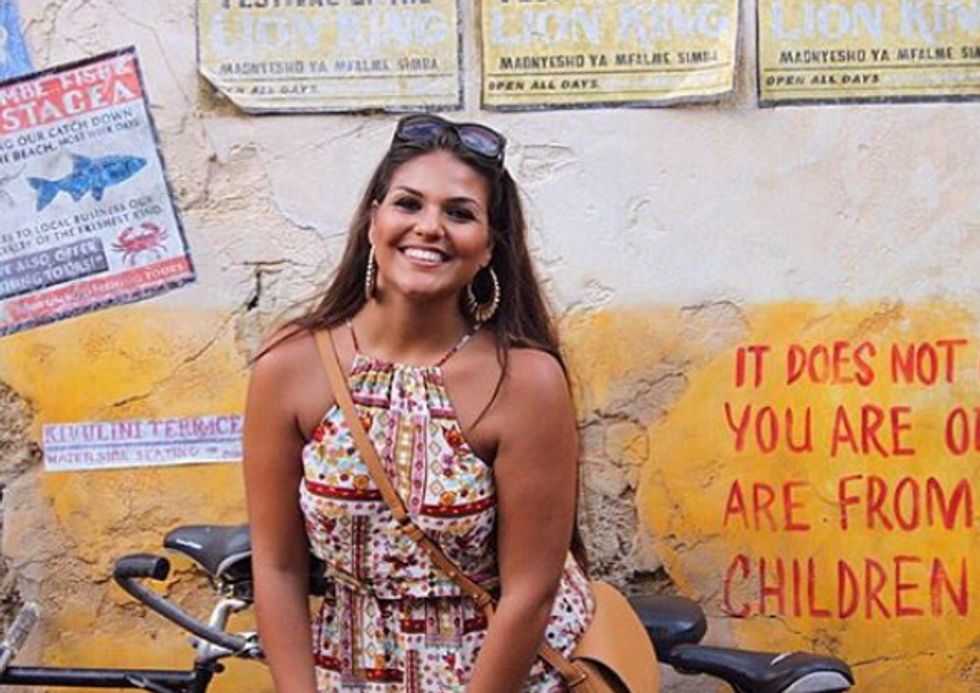
Courtesy of Savannah Taïder
Ethnicity: White, Algerian (Northern Africa)
Belgium | @savannahtaider
In elementary school, my first name and skin complexion always differentiated me from the other kids. In a little Belgium town, full of pale-skin girls usually named Amélie or Laura, Savannah was considered a pretty odd name. Additionally, bronze skin, was a pretty rare complexion. I remember being young and feeling so different from the others. Although none of my classmates or teachers ever rejected me, l felt like I didn't belong.
You know, when you're a kid, you appreciate the resemblance and similarities with your pals. I would have loved to have a best friend that could pass for my sister or a name twin. Instead, I was always standing in my singularity.
I believe this is the reason why I've always been drawn to people with similar or darker skin than mine. I immediately associated with them because of the color of our skin. Having observed the world around us, something told me that they, too, knew the feeling of being different. And thanks to my mom, colored skin, no matter what shade, became a beauty standard for me.
Anyway, I think I've always known race existed. I grew up playing with Asian, Black, and Caucasian baby dolls. Additionally, I was fortunate enough to not have been raised in a racist country (at least compared to America), so I don't know what it feels like to be treated differently because of my ethnicity, but I have had experiences. I remember the day one of my crushes said that my skin was too dark and not to his taste; it killed me inside. As women, especially during our youthful years, we often tend to do the most for the guys we like to like us back. But in this case, there was nothing I could do. Not about my skin. I also remember being taught about Rosa Parks, way in Belgium. Her story profoundly touched me and stuck with me since then.
The question I am asked the most is, "What are you?" I've been told many times that I'm "so ethnically ambiguous." When I tell them that my father is Algerian, they're like "Oh, you don't look Algerian. I thought you were..."
I'm often mistaken for Latin, Black, or that I'm Indian. And when I say people, it includes Black folks, but Arabs know. They can always tell I'm one of their daughters. "It's the nose and the hairy forearms," they often joke.
And because my name isn't culturally Algerian, I'm usually forced to answer an endless list of questions:
Why were you given an American name if you're Arab?
Do you have family in America?
Have you ever been to Algeria?
How come you're Christian and not Muslim?
Funny enough, I'm not offended when these type of comments are directed toward me. I don't even pay attention to what's said. However, it is admittedly difficult to deal with people's assumptions of my ethnicities. I just simply combat this by surrounding myself with decent people. #positivevibesonly
Michelle Redman | 27
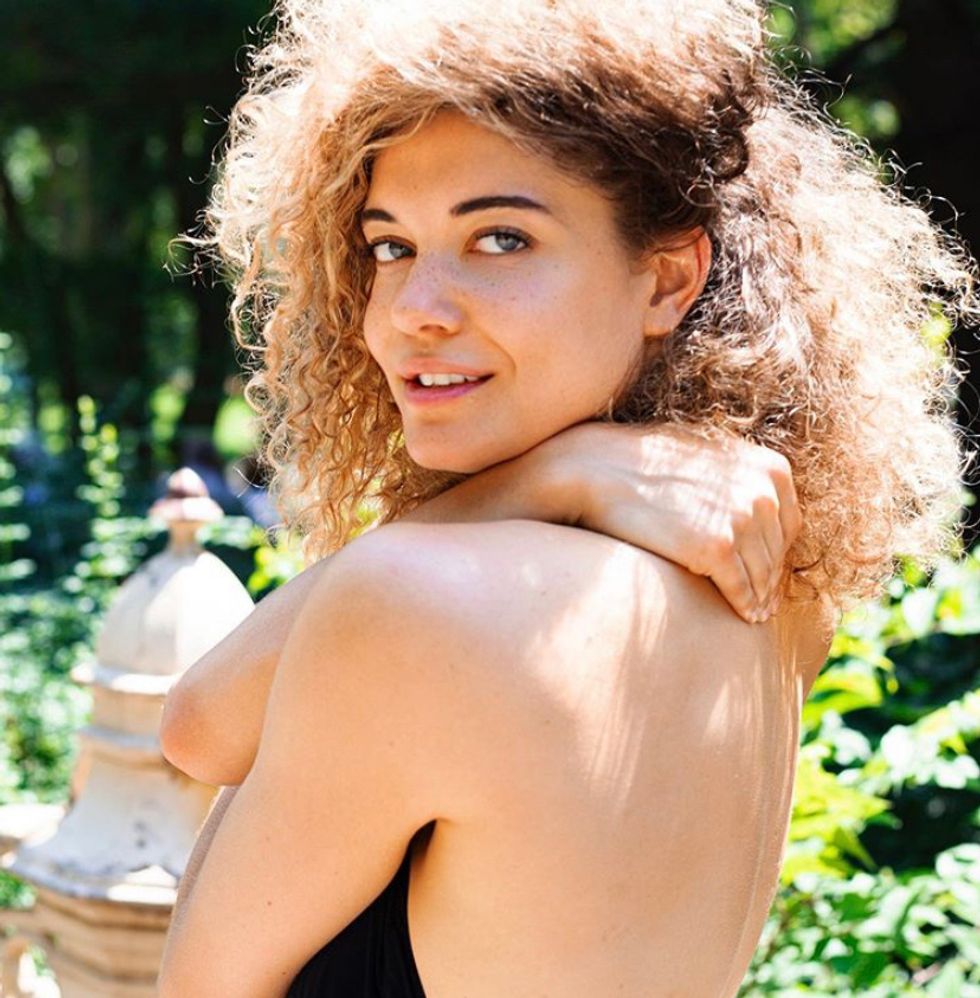
Courtesy of Michelle Redman
Ethnicity: Bajan, Sicilian, African-American, Irish
Los Angeles, CA | @thedaringmillennial
I'm a native New Yorker, born and raised. I've always had such great pride being a Brooklynite. By growing up in such a large and diverse place, I always felt like I belonged; that's my identity. I believe that being from a diverse place is a gift in itself because I welcome my ethnic ambiguity being from the cultural melting pot of the world.
I grew up closely with three of my sisters, being raised by our father, who's black. I'm the only daughter with fair skin so it was obvious from very early on I was "white-passing" and children would certainly point that out being that I have a black family. This caused me to question my identity and where I fit in my own family.
Being biracial was always something I was aware of, and it used to be something that made me insecure by not feeling like I was black enough, and not quite white enough either. Fortunately, this all eventually taught me to embrace the beautiful blend that makes me unique.
Most people of color pickup that I'm biracial, and they're always interested in the eclectic mix of ethnicities. I've noticed white people generally don't realize I'm a woman of color, so I'm regarded as white to them until I'm not. And if my ethnicity comes up, they're usually surprised that I'm mixed, or then notice my 'exotic' attributes.
Today, there are so many systemic racial injustices that are perpetuated, and it's unacceptable. And I've definitely been in the middle of them all my life.
This racial divide is something we can evolve beyond and I believe it is happening despite all the negative news we see. Most news from major networks are grossly manipulated and orchestrated by the one-percent to give the illusion that it's the left versus the right or black versus white but really it's just the ultra affluent versus everyone else. When society is at odds, the super-rich prosper even more.
Us, the majority, the people that make up this democracy, need to make it our personal priority to go outside of our comfort zone, help others and listen more. Come from a place of respect and compassion for your fellow human instead of trying to find the differences in one another.
Despite it all, I don't feel the need to balance my identity. I am a multifaceted person with so many different attributes and qualities that allow me to be an effective communicator that spreads kindness and awareness every day. I practice gratitude and forge genuine connections with people on a mutual spiritual frequency.
This is where the true magic happens; connecting and forging authentic relationships with people—regardless of color.
Feature image courtesy of Michelle Redman