The female body is a truly magnificent and very layered thing. Take your vagina, for example. Think about how often you’ve heard or read something about it when it really wasn’t about the vagina at all — not technically. There are so many times when folks (myself included) will loop everything about the female genitalia together, probably because it’s easier to do. Still, I know for me personally that whenever I really devote some time to studying different parts by name, I stand amazed by how intricately designed we all are.
In honor of that, today, let’s give our vulvas — you know, the outer part of our vagina — some real love and time in the spotlight. Because although some of the things that I’m about to share, you may already know, something tells me that there are certain facts that, until now, you probably never knew about. Let’s see if I’m right.
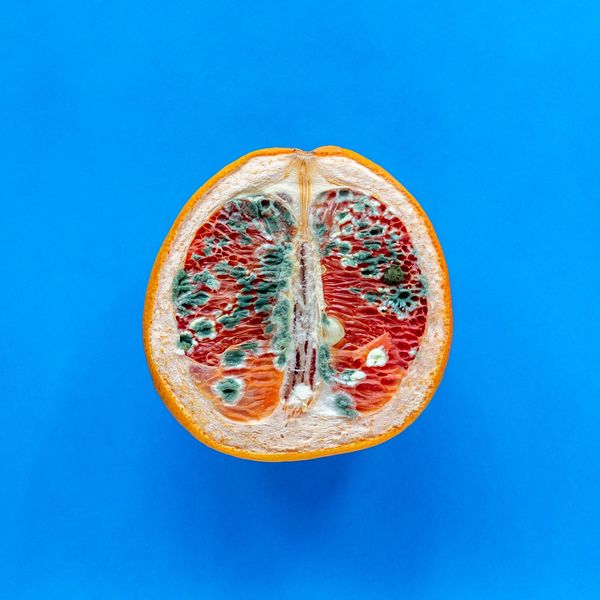
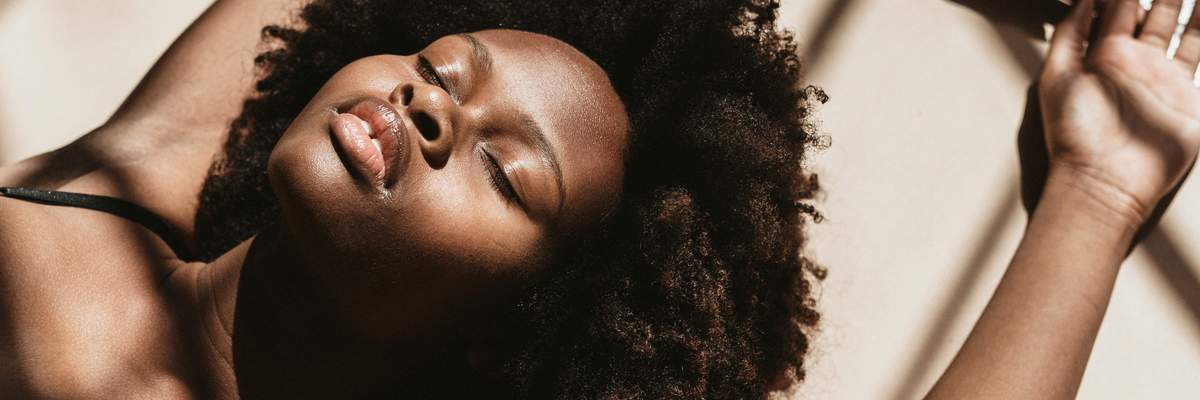
(Oh, and if you’re wondering about the featured image, pomegranate is a symbol for the vagina; I’ve always liked that, so I thought it was super fitting.)
1. You’re Probably Referring to Your Vulva Most of the Time
GiphyAgain, isn’t it interesting how much we will talk about vaginas when, if you listen really closely, it’s clear that what we mean is vulvas? The reason why I say that is because while the vagina is a muscular tube that connects the neck of the uterus (which is the cervix) to the vaginal opening (mostly so that intercourse can transpire, babies can be born, and menstrual blood can be released), the vulva is the external part of the vagina — and there is more to it than most folks actually realize.
Per the National Library of Medicine:
“The definition of ‘vulva’ is covering or wrapping. From the exterior observation of the female external genitalia, it does appear to be covered or wrapped by skin folds. These skin folds are called the labia majora and labia minora. Both labia majora and labia minora are part of the vulva. The components of the entire vulva are the mons pubis, labia majora, labia minora, clitoris, urethra, vulva vestibule, vestibular bulbs, Bartholin's glands, Skene's glands, and vaginal opening.”
I know, right? Yeah, the vulva is more than just some skin that covers the vagina up. We need our vulvas on multiple levels and for multiple reasons. The clitoris (that I will get more into in a bit) is a part of the vulva. The hole that we urinate out of (yes, we have three, not two, holes), which is the urethra, is a part of our vulva. The Bartholin's glands and Skene's glands (which help us to naturally lubricate) — all of this stuff is a part of the vulva.
So yeah, in a world of Google articles where people act like the vagina and vulva are one and the same, I think that it’s highly important that we’re at least clear on the purpose that vulvas serve…because it’s all quite relevant and necessary. Every single part of it.
2. Vulvas Are Like Snowflakes
GiphyI used to tour with an organization that dealt with porn and sex addiction. That said, it’s my total belief that the reason why cosmetic labiaplasty is continuing to soar is because a lot of people watch porn and think that their vulva is supposed to look a certain way. Hear me when I say this: YOUR VULVA IS SUPPOSED TO LOOK THE WAY IT DOES. The reality is that, just like no two snowflakes are identical, no two vulvas are either. Even if yours happens to “stick out” a bit, there’s nothing wrong with that. It dangles? That’s fine, too. We really need to get back to remembering that unique is what’s beautiful — and rare.
So, is it ever a super wise move to get labiaplasty? If your extra folds of skin are proving to be painful, speak with your doctor. From what I’ve read and researched, though, doing it, just to make your vulva look different is something that many physicians discourage. After all, all surgery comes with a certain amount of risk, no matter what kind it may be.
3. Your Two Labia Serve Specific Purposes
GiphyYou might remember from one of your science classes that you have two different “lips” down below: your labia minora and your labia majora. Okay, but do you know the purpose that they serve? Your labia minora is actually the smaller, shorter, and thinner lips that divide at the clitoris. A fun fact about them is they don’t contain any hair follicles, and they’re actually more visible in children and women who’ve already completed menopause. Anyway, its main purpose is to protect your vaginal opening from dryness and vaginal irritants.
Your labia majora is what tends to get far more attention; it’s the external lips that cover up the labia minora. It’s filled with sebaceous glands (which produce lubrication), erectile tissue, and nerve endings. Definitely, your labia majora works overtime to make sexual pleasure possible, so clap for it a couple of times; it deserves it.
4. Labia Tends to Be Asymmetrical
GiphySo, what if your main issue is it seems that your lips are asymmetrical (uneven)? Is that something that you should stress out about? Nope. While sometimes this is the result of labial hypertrophy (a term for when your labia can be enlarged), it’s also important to remember that each side of your body is more like sisters than twins. That’s why one side of your hair may grow faster than the other, one of your eyebrows probably looks just like you want it whenever you wax or thread it, and the other doesn’t, and one of your breasts or feet (even hands) may be slightly larger than the other. Nothing is “wrong.” It’s just a part of how you were made. All good.
5. The Hymen Is a Part of the Vulva Too
GiphyA topic that continues to be pretty controversial, even in this day and age, is the hymen. Depending on who you speak to, it can hold a lot of spiritual weight and moral perspective. After I explain what it is, I’m pretty sure you’ll get why. The hymen is a thin membrane that covers the entrance of the vagina. It can be broken or torn by having sex for the first time OR from things like tampon use, pap smears, or even vigorous exercise.
Although a “missing” hymen does not indicate a “loss of virginity,” in some cultures, that is exactly how it is seen. For instance, a Congolese marriage tradition is to put sheets out for people to see the day after a couple’s wedding. If no blood is on them, they assume that the woman wasn’t a virgin and her husband could rescind his marriage offer (that’s not as “crazy” as you might think; in the Bible, when Joseph was considering ending his engagement to Mary, it was to protect her reputation since she was pregnant with Christ…and the Bible is an eastern cultured book — Matthew 1:18-25). In other parts of the world, it’s called “virginity testing.”
So, what is the purpose of the hymen? Again, it depends on who you ask. However, according to medical professionals, it holds no purpose. Personally, I find that hard to believe since everything else in our body does. Anyway, that’s just one more thing about the vulva that gets overlooked, so I thought that I should bring it up.
6. Your Labia Will Shrink As You Age
GiphyUsually, it’s right around menopause when many women notice something about their labia — it seems like it is literally shrinking…and they would be correct. As our bodies begin to produce less estrogen (because we’re producing less eggs and, eventually, no eggs), we can go through what is known as vaginal atrophy or atrophic vaginitis; it can result in thinner, dryer, and even inflamed vaginal walls.
Not only that, but your vagina can become shorter and tighter, and your labia can literally start to shrink, too. Hormone replacement therapy and estrogen creams can help (an all-natural approach to look into is wild yam). Also, many health professionals recommend staying sexually active — kind of the menopausal take to “if you use it, you won’t lose it.”
7. Your Clitoris Only Serves ONE Purpose
GiphyWanna know that your Creator definitely wanted you to experience sexual pleasure as a woman? It’s because you’ve got an organ that serves no other real and substantial scientific purpose other than to help you enjoy sex to its fullest — and that would be your clitoris. It’s attached to your labia. It is a glans that contains several thousands of nerve endings and then is covered up with a hood (one might say that it’s “female foreskin”). The inside of your clitoris consists of four main parts — most of which can get erect similar to how a penis can. When you’re aroused, blood rushes to your clitoris…also similar to what happens when a penis is aroused.
In fact, back when you were in the beginning stages of your development, you had something called an ambisexual genital tubercle. It is in there where either a penis or clitoris develops, and as you can see, in many ways, when it comes to sex, the two of them have a lot in common. Another example? Clitorises actually rely on testosterone (yes, women have testosterone in their bodies, too) to become erect.
8. Some Clitorises Are Larger than Penises
GiphyAnother way that penises and clitorises are alike is in the fact that, what you see isn’t all there is to either one of ‘em. For men, half of their penis is visible to the public (so, since the average size of an erect penis is 5.5”, it’s actually way larger than that in its totality). For women? Well, I’ll just let you look at a 3D print of a clitoris for yourself (here), and you’ll be able to get that some of them are easily larger than some penises are when you take every part of a clitoris into full account.
Actually, this is a great time to put on record that the inside of a vagina is anywhere from 2-5” (sometimes more when it’s sexually stimulated); however, remember that full babies come out of there. If you add to that the fact that some clitorises can rival penises — listen, you can handle just about any penis that you decide to take on. I promise you that.
9. Grooming Your Pubic Hair Could Give You a Self-Esteem Boost
GiphyWhile I was reading a Healthline article on pubic hair (here), it brought up a point that I had exactly considered before: grooming your pubic hair could ramp up your self-esteem. As I pondered that perspective, while I can’t relate to when it said that completely moving everything can make that happen, I have thought about how much I look forward to my wax appointments and how much more comfortable I feel after things are “cleaned up” down there.
Personally, I think that any time we prioritize self-maintenance and care, it can boost our confidence levels — including our sexual self-confidence (check out “10 Sensuous Ways To Boost Your Sexual Self-Esteem”). Just something to think about if pubic hair grooming isn’t something that you do. You might want to start. See how it makes you feel.
10. Pubic Hair Tends to Make Sex Better (Dead Serious)
GiphyI’ve got a girlfriend whose husband has been close to begging her to grow her pubic hair out for years now. I think I will send her this article once it’s published because, aside from the fact that pubic hair serves a practical purpose (protects your vagina from experiencing uncomfortable friction, keeps your vulva and vagina warm, and reduces your chances of experiencing STIs/STDs), it serves a sexual one — I mean, a sexual pleasure-based one.
As wild as it might sound, when your pubic region gets sexually stimulated, the follicles of your pubic hair actually “activate” your nervous system in a way that can intensify your arousal and, ultimately, your orgasms, too. If that ain’t a reason to let your Brazilian wax appointments go, I don’t know what is, chile.
BONUS: Don’t Wax While You’re PMS’ing
GiphyThis last one, I just thought it was interesting. If you’re like me and you like to wax or sugar parts of your pubic hair, go easy on your vulva during the time when you’re PMS’ing (the week before your period). Your body goes through a lot of changes during that time of the month, which puts it into an inflammatory state, which can make anything that’s even remotely painful feel that much more so. Getting your pubic hair together the week prior is a much wiser move.
_____
Who knew that the vulva had all of this going on, right? And although I’m pretty sure that even when you read my own future articles on the vagina, there will be times when I will include the vulva in with the word (because, again, it’s easier) — believe you me, I get that vulvas deserve to be celebrated. They do so much more for us than we realize.
So, whether it’s by applying a carrier oil to massage or soothe your vaginal lips (labia), making the time to do some vaginal mapping, or you simply want to take out a moment to tell your vagina “thank you” (check out “Here's How To Show Your Vagina Some Gratitude In This Season”) — don’t forget to pamper your vulva sometimes.
“She’s” earned it and you both deserve it.
Let’s make things inbox official! Sign up for the xoNecole newsletter for daily love, wellness, career, and exclusive content delivered straight to your inbox.
Featured image by Iulia Isaieva/Getty Images
Because We Are Still IT, Girl: It Girl 100 Returns
Last year, when our xoNecole team dropped our inaugural It Girl 100 honoree list, the world felt, ahem, a bit brighter.
It was March 2024, and we still had a Black woman as the Vice President of the United States. DEI rollbacks weren’t being tossed around like confetti. And more than 300,000 Black women were still gainfully employed in the workforce.
Though that was just nineteen months ago, things were different. Perhaps the world then felt more receptive to our light as Black women.
At the time, we launched It Girl 100 to spotlight the huge motion we were making as dope, GenZennial Black women leaving our mark on culture. The girls were on the rise, flourishing, drinking their water, minding their business, leading companies, and learning to do it all softly, in rest. We wanted to celebrate that momentum—because we love that for us.
So, we handpicked one hundred It Girls who embody that palpable It Factor moving through us as young Black women, the kind of motion lighting up the world both IRL and across the internet.
It Girl 100 became xoNecole’s most successful program, with the hashtag organically reaching more than forty million impressions on Instagram in just twenty-four hours. Yes, it caught on like wildfire because we celebrated some of the most brilliant and influential GenZennial women of color setting trends and shaping culture. But more than that, it resonated because the women we celebrated felt seen.
Many were already known in their industries for keeping this generation fly and lit, but rarely received recognition or flowers. It Girl 100 became a safe space to be uplifted, and for us as Black women to bask in what felt like an era of our brilliance, beauty, and boundless influence on full display.
And then, almost overnight, it was as if the rug was pulled from under us as Black women, as the It Girls of the world.
Our much-needed, much-deserved season of ease and soft living quickly metamorphosed into a time of self-preservation and survival. Our motion and economic progression seemed strategically slowed, our light under siege.
The air feels heavier now. The headlines colder. Our Black girl magic is being picked apart and politicized for simply existing.
With that climate shift, as we prepare to launch our second annual It Girl 100 honoree list, our team has had to dig deep on the purpose and intention behind this year’s list. Knowing the spirit of It Girl 100 is about motion, sauce, strides, and progression, how do we celebrate amid uncertainty and collective grief when the juice feels like it is being squeezed out of us?
As we wrestled with that question, we were reminded that this tension isn’t new. Black women have always had to find joy in the midst of struggle, to create light even in the darkest corners. We have carried the weight of scrutiny for generations, expected to be strong, to serve, to smile through the sting. But this moment feels different. It feels deeply personal.
We are living at the intersection of liberation and backlash. We are learning to take off our capes, to say no when we are tired, to embrace softness without apology.
And somehow, the world has found new ways to punish us for it.

In lifestyle, women like Kayla Nicole and Ayesha Curry have been ridiculed for daring to choose themselves. Tracee Ellis Ross was labeled bitter for speaking her truth about love. Meghan Markle, still, cannot breathe without critique.
In politics, Kamala Harris, Letitia James, and Jasmine Crockett are dragged through the mud for standing tall in rooms not built for them.
In sports, Angel Reese, Coco Gauff, and Taylor Townsend have been reminded that even excellence will not shield you from racism or judgment.

In business, visionaries like Diarrha N’Diaye-Mbaye and Melissa Butler are fighting to keep their dreams alive in an economy that too often forgets us first.
Even our icons, Beyoncé, Serena, and SZA, have faced criticism simply for evolving beyond the boxes society tried to keep them in.
From everyday women to cultural phenoms, the pattern is the same. Our light is being tested.

And yet, somehow, through it all, we are still showing up as that girl, and that deserves to be celebrated.
Because while the world debates our worth, we keep raising our value. And that proof is all around us.
This year alone, Naomi Osaka returned from motherhood and mental health challenges to reach the semifinals of the US Open. A’ja Wilson claimed another MVP, reminding us that beauty and dominance can coexist. Brandy and Monica are snatching our edges on tour. Kahlana Barfield Brown sold out her new line in the face of a retailer that had been canceled. And Melissa Butler’s company, The Lip Bar, is projecting a forty percent surge in sales.

We are no longer defining strength by how much pain we can endure. We are defining it by the unbreakable light we continue to radiate.
We are the women walking our daily steps and also continuing to run solid businesses. We are growing in love, taking solo trips, laughing until it hurts, raising babies and ideas, drinking our green juice, and praying our peace back into existence.
We are rediscovering the joy of rest and realizing that softness is not weakness, it is strategy.
And through it all, we continue to lift one another. Emma Grede is creating seats at the table. Valeisha Butterfield has started a fund for jobless Black women. Arian Simone is leading in media with fearless conviction. We are pouring into each other in ways the world rarely sees but always feels.

So yes, we are in the midst of societal warfare. Yes, we are being tested. Yes, we are facing economic strain, political targeting, and public scrutiny. But even war cannot dim a light that is divinely ours.
And we are still shining.
And we are still softening.
And we are still creating.
And we are still It.

That is the quiet magic of Black womanhood, our ability to hold both truth and triumph in the same breath, to say yes, and to life’s contradictions.
It is no coincidence that this year, as SheaMoisture embraces the message “Yes, And,” they stand beside us as partners in celebrating this class of It Girls. Because that phrase, those two simple words, capture the very essence of this moment.
Yes, we are tired. And we are still rising.
Yes, we are questioned. And we are the answer.
Yes, we are bruised. And we are still beautiful.

This year’s It Girl 100 is more than a list. It is a love letter to every Black woman who dares to live out loud in a world that would rather she whisper. This year’s class is living proof of “Yes, And,” women who are finding ways to thrive and to heal, to build and to rest, to lead and to love, all at once.
It is proof that our joy is not naive, our success not accidental. It is the reminder that our light has never needed permission.
So without further ado, we celebrate the It Girl 100 Class of 2025–2026.
We celebrate the millions of us who keep doing it with grace, grit, and glory.
Because despite it all, we still shine.
Because we are still her.
Because we are still IT, girl.
Meet all 100 women shaping culture in the It Girl 100 Class of 2025. View the complete list of honorees here.
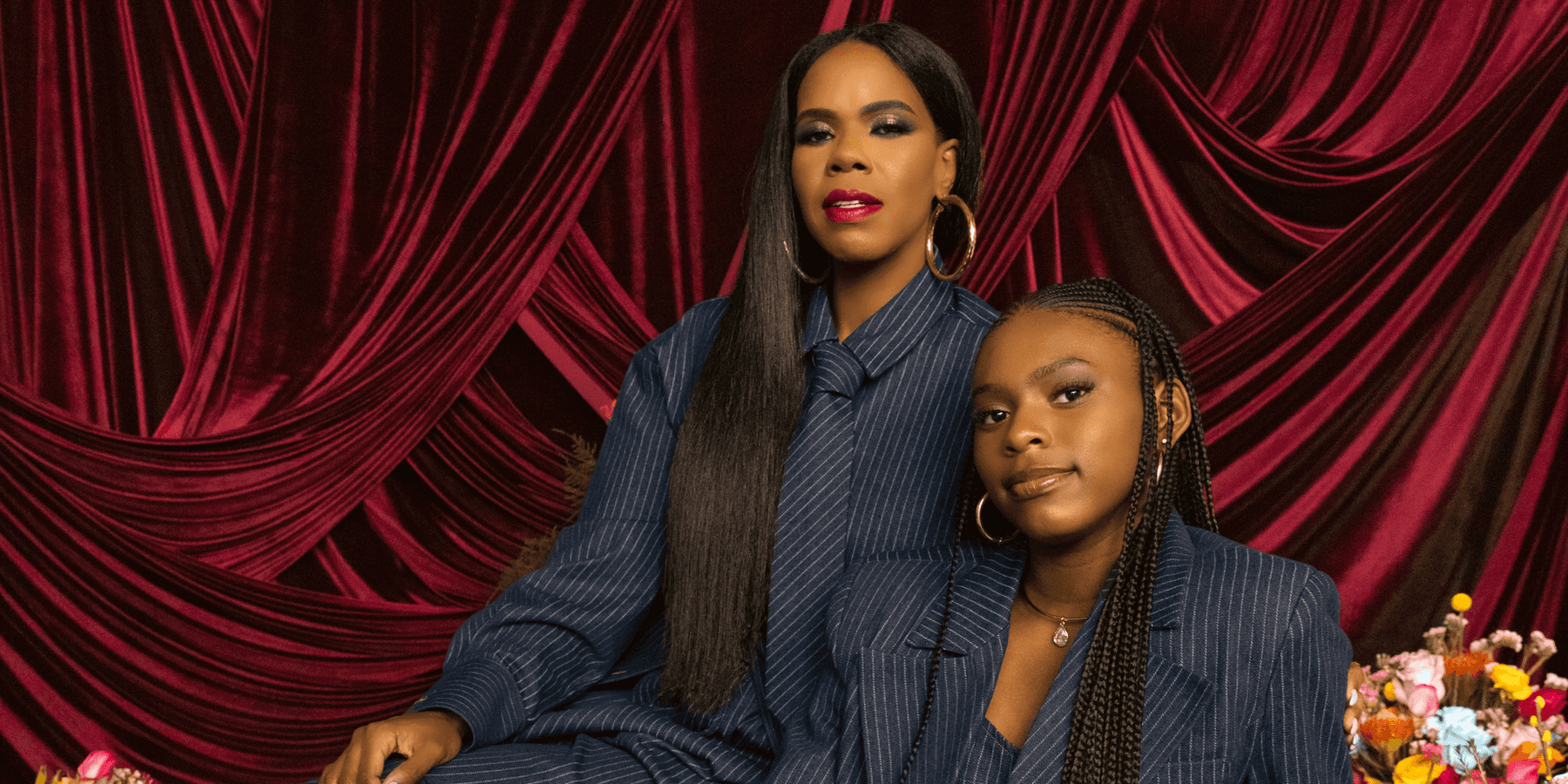
Featured image by xoStaff
Because We Are Still IT, Girl: It Girl 100 Returns
Last year, when our xoNecole team dropped our inaugural It Girl 100 honoree list, the world felt, ahem, a bit brighter.
It was March 2024, and we still had a Black woman as the Vice President of the United States. DEI rollbacks weren’t being tossed around like confetti. And more than 300,000 Black women were still gainfully employed in the workforce.
Though that was just nineteen months ago, things were different. Perhaps the world then felt more receptive to our light as Black women.
At the time, we launched It Girl 100 to spotlight the huge motion we were making as dope, GenZennial Black women leaving our mark on culture. The girls were on the rise, flourishing, drinking their water, minding their business, leading companies, and learning to do it all softly, in rest. We wanted to celebrate that momentum—because we love that for us.
So, we handpicked one hundred It Girls who embody that palpable It Factor moving through us as young Black women, the kind of motion lighting up the world both IRL and across the internet.
It Girl 100 became xoNecole’s most successful program, with the hashtag organically reaching more than forty million impressions on Instagram in just twenty-four hours. Yes, it caught on like wildfire because we celebrated some of the most brilliant and influential GenZennial women of color setting trends and shaping culture. But more than that, it resonated because the women we celebrated felt seen.
Many were already known in their industries for keeping this generation fly and lit, but rarely received recognition or flowers. It Girl 100 became a safe space to be uplifted, and for us as Black women to bask in what felt like an era of our brilliance, beauty, and boundless influence on full display.
And then, almost overnight, it was as if the rug was pulled from under us as Black women, as the It Girls of the world.
Our much-needed, much-deserved season of ease and soft living quickly metamorphosed into a time of self-preservation and survival. Our motion and economic progression seemed strategically slowed, our light under siege.
The air feels heavier now. The headlines colder. Our Black girl magic is being picked apart and politicized for simply existing.
With that climate shift, as we prepare to launch our second annual It Girl 100 honoree list, our team has had to dig deep on the purpose and intention behind this year’s list. Knowing the spirit of It Girl 100 is about motion, sauce, strides, and progression, how do we celebrate amid uncertainty and collective grief when the juice feels like it is being squeezed out of us?
As we wrestled with that question, we were reminded that this tension isn’t new. Black women have always had to find joy in the midst of struggle, to create light even in the darkest corners. We have carried the weight of scrutiny for generations, expected to be strong, to serve, to smile through the sting. But this moment feels different. It feels deeply personal.
We are living at the intersection of liberation and backlash. We are learning to take off our capes, to say no when we are tired, to embrace softness without apology.
And somehow, the world has found new ways to punish us for it.

In lifestyle, women like Kayla Nicole and Ayesha Curry have been ridiculed for daring to choose themselves. Tracee Ellis Ross was labeled bitter for speaking her truth about love. Meghan Markle, still, cannot breathe without critique.
In politics, Kamala Harris, Letitia James, and Jasmine Crockett are dragged through the mud for standing tall in rooms not built for them.
In sports, Angel Reese, Coco Gauff, and Taylor Townsend have been reminded that even excellence will not shield you from racism or judgment.

In business, visionaries like Diarrha N’Diaye-Mbaye and Melissa Butler are fighting to keep their dreams alive in an economy that too often forgets us first.
Even our icons, Beyoncé, Serena, and SZA, have faced criticism simply for evolving beyond the boxes society tried to keep them in.
From everyday women to cultural phenoms, the pattern is the same. Our light is being tested.

And yet, somehow, through it all, we are still showing up as that girl, and that deserves to be celebrated.
Because while the world debates our worth, we keep raising our value. And that proof is all around us.
This year alone, Naomi Osaka returned from motherhood and mental health challenges to reach the semifinals of the US Open. A’ja Wilson claimed another MVP, reminding us that beauty and dominance can coexist. Brandy and Monica are snatching our edges on tour. Kahlana Barfield Brown sold out her new line in the face of a retailer that had been canceled. And Melissa Butler’s company, The Lip Bar, is projecting a forty percent surge in sales.

We are no longer defining strength by how much pain we can endure. We are defining it by the unbreakable light we continue to radiate.
We are the women walking our daily steps and also continuing to run solid businesses. We are growing in love, taking solo trips, laughing until it hurts, raising babies and ideas, drinking our green juice, and praying our peace back into existence.
We are rediscovering the joy of rest and realizing that softness is not weakness, it is strategy.
And through it all, we continue to lift one another. Emma Grede is creating seats at the table. Valeisha Butterfield has started a fund for jobless Black women. Arian Simone is leading in media with fearless conviction. We are pouring into each other in ways the world rarely sees but always feels.

So yes, we are in the midst of societal warfare. Yes, we are being tested. Yes, we are facing economic strain, political targeting, and public scrutiny. But even war cannot dim a light that is divinely ours.
And we are still shining.
And we are still softening.
And we are still creating.
And we are still It.

That is the quiet magic of Black womanhood, our ability to hold both truth and triumph in the same breath, to say yes, and to life’s contradictions.
It is no coincidence that this year, as SheaMoisture embraces the message “Yes, And,” they stand beside us as partners in celebrating this class of It Girls. Because that phrase, those two simple words, capture the very essence of this moment.
Yes, we are tired. And we are still rising.
Yes, we are questioned. And we are the answer.
Yes, we are bruised. And we are still beautiful.

This year’s It Girl 100 is more than a list. It is a love letter to every Black woman who dares to live out loud in a world that would rather she whisper. This year’s class is living proof of “Yes, And,” women who are finding ways to thrive and to heal, to build and to rest, to lead and to love, all at once.
It is proof that our joy is not naive, our success not accidental. It is the reminder that our light has never needed permission.
So without further ado, we celebrate the It Girl 100 Class of 2025–2026.
We celebrate the millions of us who keep doing it with grace, grit, and glory.
Because despite it all, we still shine.
Because we are still her.
Because we are still IT, girl.
Meet all 100 women shaping culture in the It Girl 100 Class of 2025. View the complete list of honorees here.
Featured image by xoStaff