


When I first heard about Harlem, the new Amazon series about four Black girlfriends in the city, I admit, I wasn't a fan. There, I said it. I'm a child of the golden era of Girlfriends, Living Single, Friends, Moesha, Sex and the City, and The L Word. My friends and I were real-life offspring of these constructs who had a lot in common with the women of those shows. Even after enjoying a season of the similar new Showtime series Run the World, I'd had enough of stories about friends "navigating their way through" their 20s, or 30s, or 40s. I loved these shows, but thought to myself, "Why do we need a Harlem? Can't we tell other stories?"
It wasn't until recently that I had a come-to-Jesus shift of mind on why more than one depiction of any common human experience where the characters are Black in America is not only needed but still vitally necessary – particularly related to Black sexuality. And when I dug a bit deeper, I saw that Harlem specifically did a huge service to the depiction of Black male bisexuality that few other popular series have been able to honestly honor. (And yes, I just typed Jesus in the same paragraph as bisexuality. Hey, Ma!)
'Harlem' as a Catalyst
Giphy
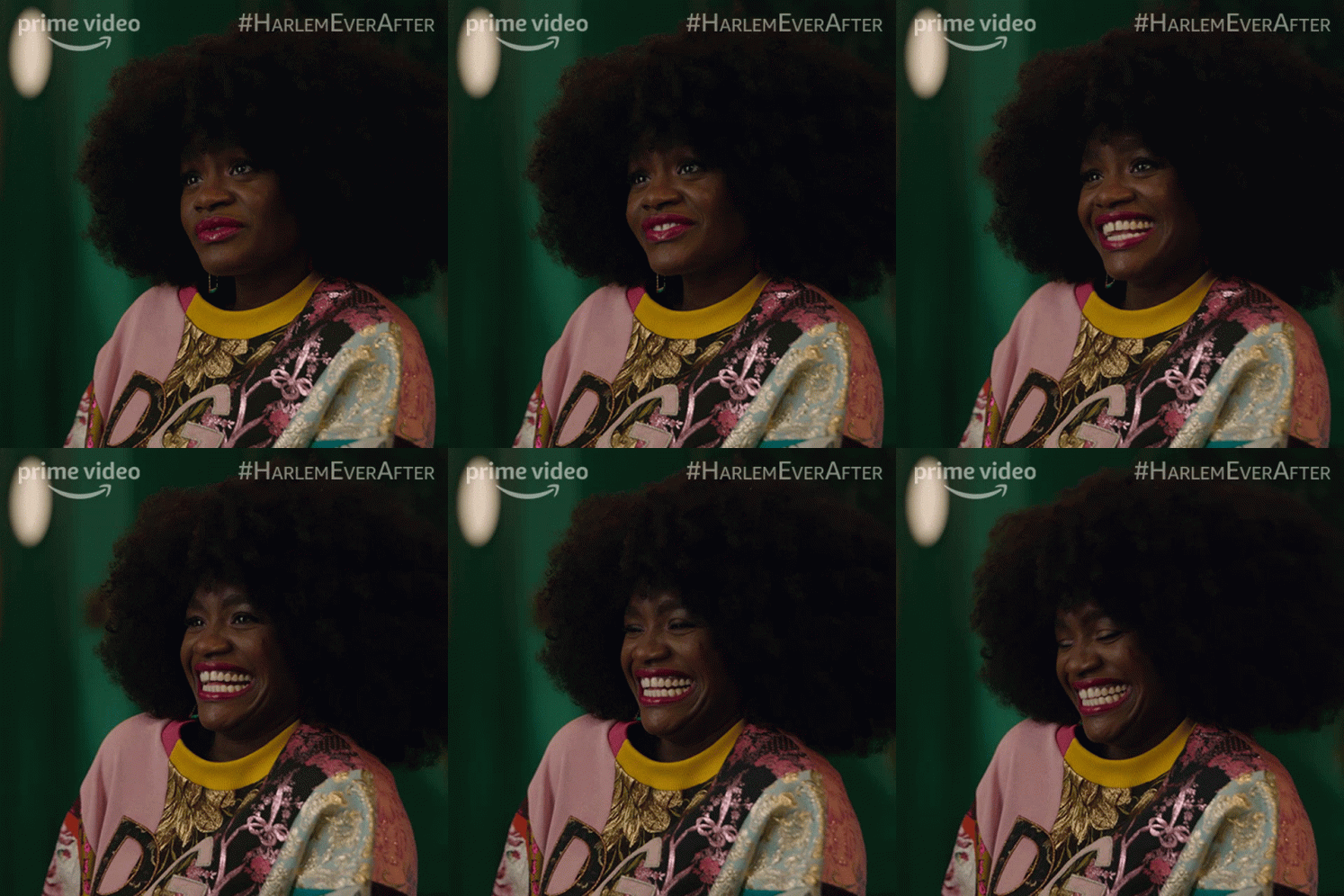
Late last year, I stumbled upon an Entertainment Weekly piece about the comparison of Harlem to Run the World and was intrigued by the words of the show's creator, Tracy Oliver: "When there's another Black show, people either reduce it down to the same thing, as if two creators can't have totally different experiences, and points of views, and voices, or they try to pit you against them and make it competitive."
But wait. That didn't quite seal the deal.
Then, about a week ago, I had to edit a piece that was literally about why the two shows should be able to co-exist—a very well-written, logically convincing piece of prose that again, almost, convinced me that I'd prematurely written off what could be a very profound work by another Black creative.
I didn't need another sign. I binged-watched the whole season, in its entirety, in one day.
Amazon Prime
What truly stood out for me is that the characters, cinematography, soundtrack, and swag of Harlem really do embody the diversity of what you might find if you'd plopped yourself on 139th and Lenox. Considering the show and any competitor similar to it can be likened to comparing your favorite tell-it-like-it-is cousin and your sassy bestie confidante. They wear the same tapered ode-to-the-'90s haircut and Savage x Fenty lingerie, but each plays a very unique, valuable, and significant role in your life.
Harlem is an authentic nod to the fact that while we know Black women aren't a monolith, neither are their experiences. The perceptions, subcultures, and vibes within our communities can vary from group to group, even if that group is in the same locale or setting. The same definitely applies to the Black identity as it relates to sexuality.
The show offers an empowering representation of Black masculinity and bisexuality that is notable because it turns the usual onscreen stereotypes of women's fear, disgust, and bewilderment about Black men's queer sexualities and experiences on their head.
A Case for Elevating the Sexuality Conversation
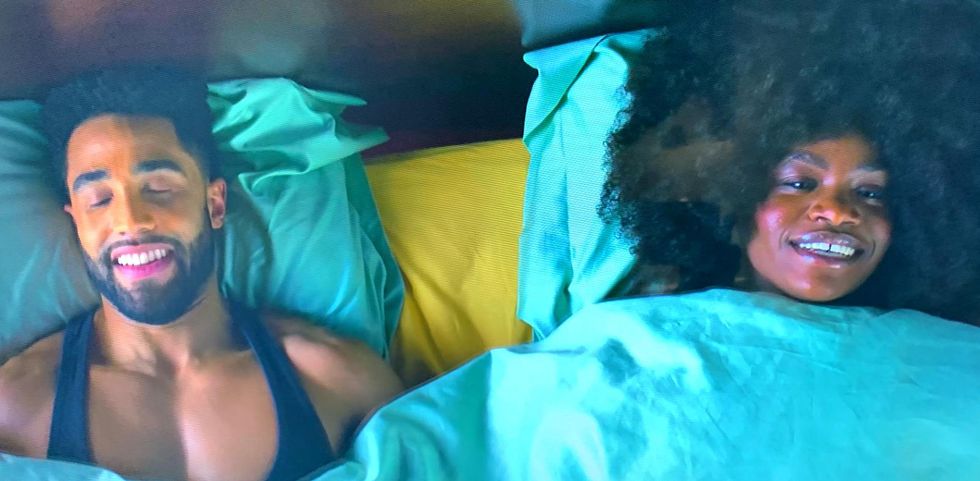
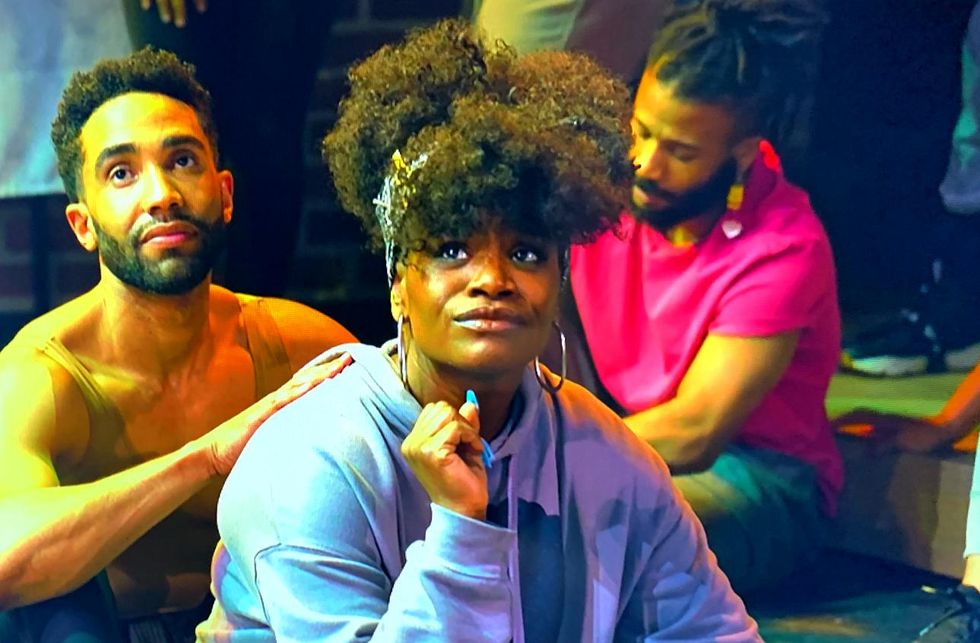
It's hilarious and telling when, in episode 6, the actress-friend of the group, Angie (played gloriously by the amazing Shoniqua Shandai), finds out that her castmate, Eric (played by the alluring Jonathan Burke) in the fictional off-Broadway production of Get Out, is not gay but bisexual. They work together. They laugh. They build a friendship. They even scope out "big n**ga" baes together. During that journey, Eric finds that he's attracted to Angie and he confesses to her as much. She shares the attraction. They kiss. They have sex. They continue to build.
The show doesn't awkwardly dwell on the affirmation expressed by Eric or received by Angie. It doesn't overanalyze it. It doesn't demonize it or dehumanize it. It also doesn't overtly rally behind it nor glaze over it. It treats it as an everyday life norm in the context of a show depicting Black women who are actively dating, working, and loving in a city where bisexuality shouldn't even be a taboo topic. It's actual truth to power in action, without the fluff, the pretentiousness, or the shame.
We often get to see Black women fluidly express themselves sexually, unapologetically owning the choice of who they go to bed with on TV. But when it comes to our men, there seems to be a very skewed, dare I say problematic double standard.
While the BET series Twenties very expertly, albeit briefly, scratches the surface of Black women in relationships with bisexual Black men with its notable foray into the story of a soon-to-be-married woman who finds out her fiancé is also attracted to men, we still have yet to see a robust, fully developed, humanity-validating, modern-day depiction of Black bisexual men.
Still not catching what I'm throwing at you? Go take a look at Insecureseason 1 episode 6 where Molly tossed a totally good prospect into the dating-pool garbage bin because he admitted to performing a sexual act with a man once. She also labeled the guy "gay" (and unfairly outed him, if indeed he was) only to find out that he was heterosexual. Her friends also debated whether or not they would be comfortable dating a man who either was bisexual or who’d had bisexual experiences. I love the show, but that's just one of several very significant examples that help illustrate my point about the way bisexual Black men and the women who date them have been portrayed onscreen.
Amazon Prime
Art As Life ... or Nah?
I moved to the Bronx and worked in Manhattan in my 20s—post-crack-era but pre-gentrification—and my network was filled with professional transplants looking to make their Big Apple dreams come true. They wanted to hustle and live the freest, most exciting lives they could outside of the judgmentally conservative, middle-America, salary-capped eyes of suburbia. Several of the people in my close-knit group were bisexual, pansexual, transgender, or enjoyed sexual encounters with the same gender.
Safe to say, I'd truly had a been-there-done-that chip on my shoulder when I heard the news about Harlem premiering until I saw that the show at least attempted to dynamically take the conversation of love, sexuality, identity, and dating further than it had been taken on TV before. I could think back to days when a friend I thought only liked women brought his male boo to the weekly Sunday potluck or when I met the guy who proudly had sex with whoever he wanted to. (He'd boldly share the juicy details during drunken nights at the pizza shop after the club let out. If you asked him to label his choices, he'd smile and say, "You wanna find out? I'm me, baby.")
Black Bisexual Men and the Women They Love
It is truly Harlem's approach to reintroducing a topic like Black male bisexuality that can, at the very least, enhance a quite stale dialogue, offering the beginnings of efforts to give a solid voice to people who are looking for understanding, connection, love, and companionship. The stats even reflect why this is important. According to a 2019 Center for American Progress report, about half of the LGBTQ community is "bi+, meaning they identify as bisexual, queer, pansexual, or some other identifier indicating attraction to more than one gender."
Another recent Gallup report states that about half of millennials, specifically, (people aged 24 to 39 in 2020) who identify as LGBT indicate that they are bisexual. (And we all know that there's much more work to be done in terms of adequate racial representation in studies and reports about sexuality, so these numbers, arguably, could be just the tip of the iceberg in terms of an accurate picture of the U.S. population, but again, I digress).
We've seen Nola beautifully exploring love with both men and women in Netflix's She's Gotta Have It. We've seen Annalise Keating torn between two lovers of different genders on How to Get Away With Murder. There was Tara on True Blood, Maya on Pretty Little Liars, and more recently, Nova on Queen Sugar. These Black women, even if some were not overtly identifying as bisexual, at least enjoyed ample screentime for fleshed-out romances, sex scenes, and loving exchanges that showed both sides of the bisexual coin. Why not our Black men?
They're relegated to being depicted as either down-low, confused, disgraced, loathsome, or cheaters—and maybe all of the above, depending on the show or film.
That one episode in Harlem reminded me why I moved to NYC in the first place: to expand my horizons, get to know people from diverse walks of life, and push past the stifling mental envelope of what I'd been taught growing up in a Southern Baptist small-town enclave of Black excellence tainted by its own dangerous underbelly of ignorance, bias, and delusion.
Harlem should remind us all of the expansiveness of the Black community; to continue to think outside that box of TV stereotypes related to sexual interactions and expressions and to start the conversations that need to be sparked – especially about our Black men. It should empower us to be thinkers and nudge us into an elevated reflection of our own humanity.
Harlem prompts us to at least question what our own notions of Blackness and Black sexuality are—or better yet, why those notions about our Black men should be questioned at all.
Featured image via Amazon Prime
- Why This Woman Chooses To Embrace Polyamory In Her Marriage ... ›
- Amandla Sternberg Comes Out - xoNecole: Women's Interest, Love ... ›
- I'm A Bisexual Woman, Bisexuality Misconceptions - xoNecole ... ›
- Black Plus-Size Women Characters TV Movies - xoNecole: Women's Interest, Love, Wellness, Beauty ›
- A Look Back on 'Harlem' Season One - xoNecole: Women's Interest, Love, Wellness, Beauty ›
- Harlem Season 2 Review - xoNecole: Women's Interest, Love, Wellness, Beauty ›
RELATED
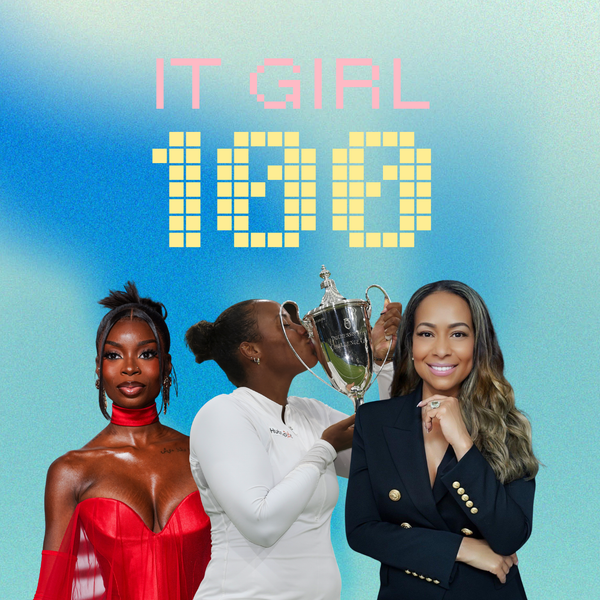


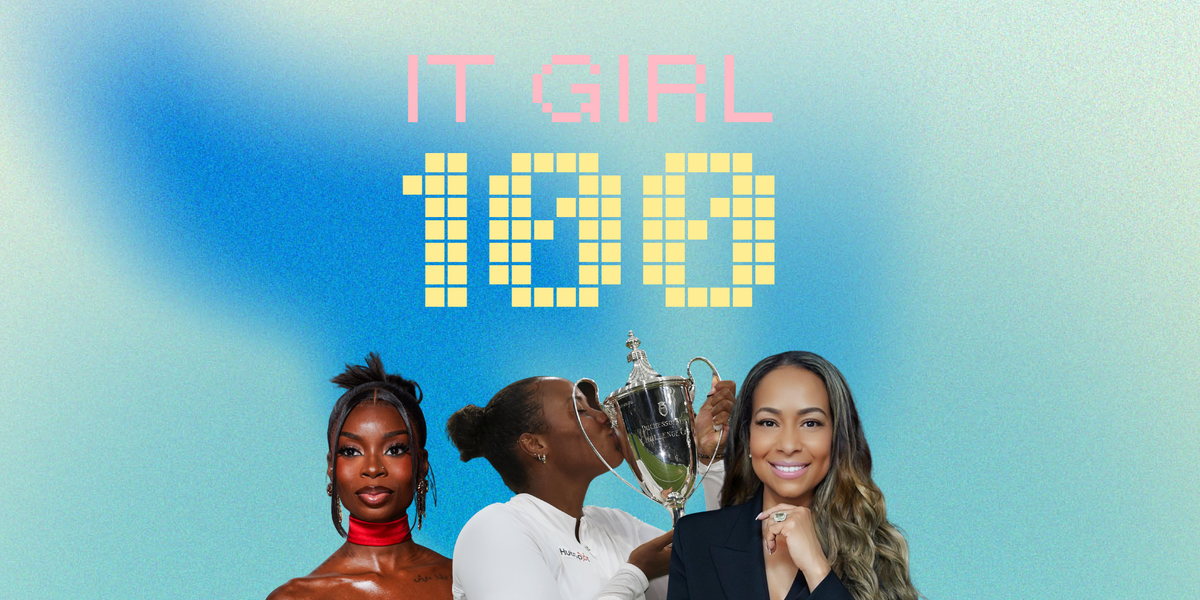
So, we handpicked one hundred It Girls who embody that palpable It Factor moving through us as young Black women, the kind of motion lighting up the world both IRL and across the internet.
It Girl 100 became xoNecole’s most successful program, with the hashtag organically reaching more than forty million impressions on Instagram in just twenty-four hours. Yes, it caught on like wildfire because we celebrated some of the most brilliant and influential GenZennial women of color setting trends and shaping culture. But more than that, it resonated because the women we celebrated felt seen.
Many were already known in their industries for keeping this generation fly and lit, but rarely received recognition or flowers. It Girl 100 became a safe space to be uplifted, and for us as Black women to bask in what felt like an era of our brilliance, beauty, and boundless influence on full display.
And then, almost overnight, it was as if the rug was pulled from under us as Black women, as the It Girls of the world.
Our much-needed, much-deserved season of ease and soft living quickly metamorphosed into a time of self-preservation and survival. Our motion and economic progression seemed strategically slowed, our light under siege.
The air feels heavier now. The headlines colder. Our Black girl magic is being picked apart and politicized for simply existing.
With that climate shift, as we prepare to launch our second annual It Girl 100 honoree list, our team has had to dig deep on the purpose and intention behind this year’s list. Knowing the spirit of It Girl 100 is about motion, sauce, strides, and progression, how do we celebrate amid uncertainty and collective grief when the juice feels like it is being squeezed out of us?
As we wrestled with that question, we were reminded that this tension isn’t new. Black women have always had to find joy in the midst of struggle, to create light even in the darkest corners. We have carried the weight of scrutiny for generations, expected to be strong, to serve, to smile through the sting. But this moment feels different. It feels deeply personal.
We are living at the intersection of liberation and backlash. We are learning to take off our capes, to say no when we are tired, to embrace softness without apology.
And somehow, the world has found new ways to punish us for it.
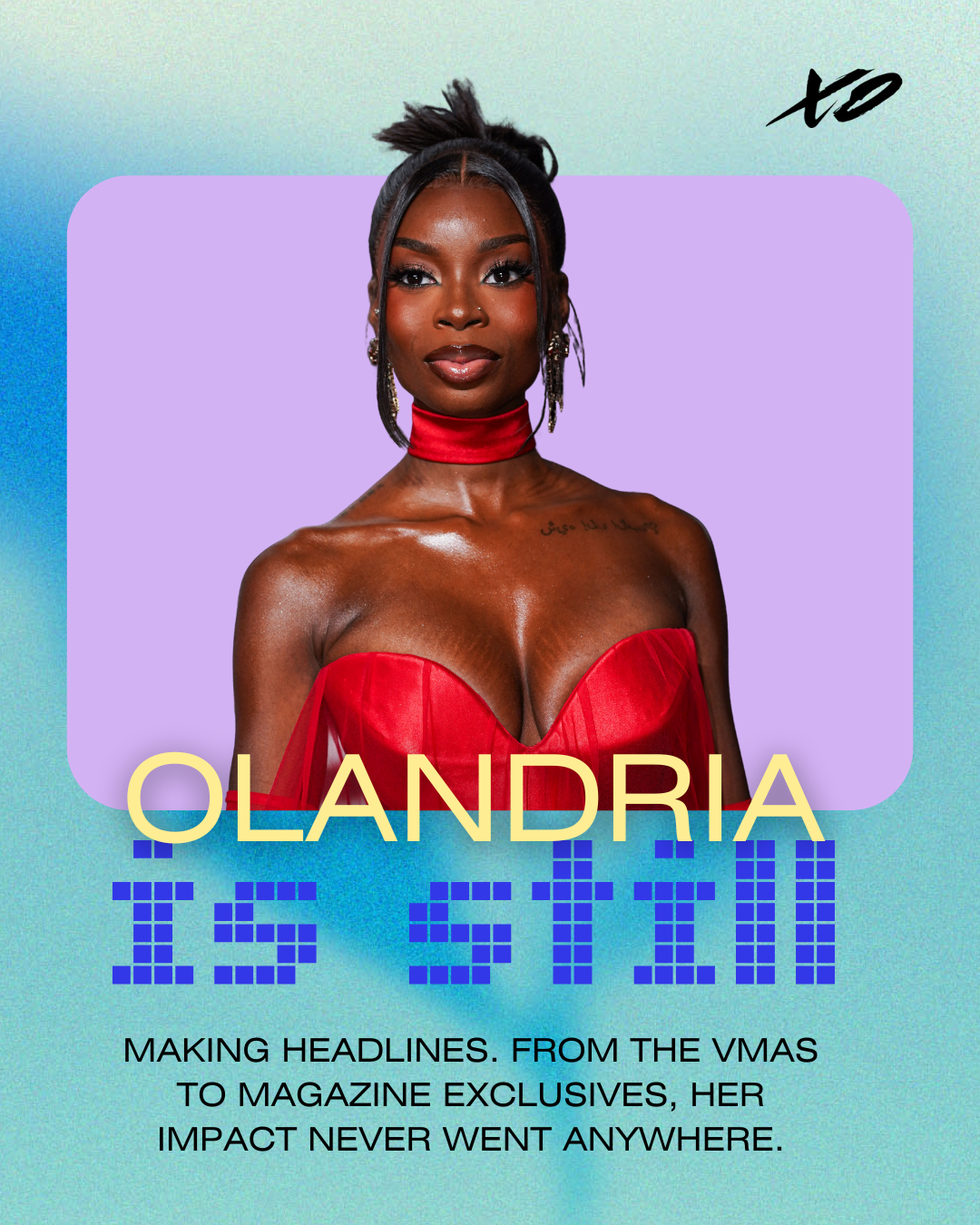
In lifestyle, women like Kayla Nicole and Ayesha Curry have been ridiculed for daring to choose themselves. Tracee Ellis Ross was labeled bitter for speaking her truth about love. Meghan Markle, still, cannot breathe without critique.
In politics, Kamala Harris, Letitia James, and Jasmine Crockett are dragged through the mud for standing tall in rooms not built for them.
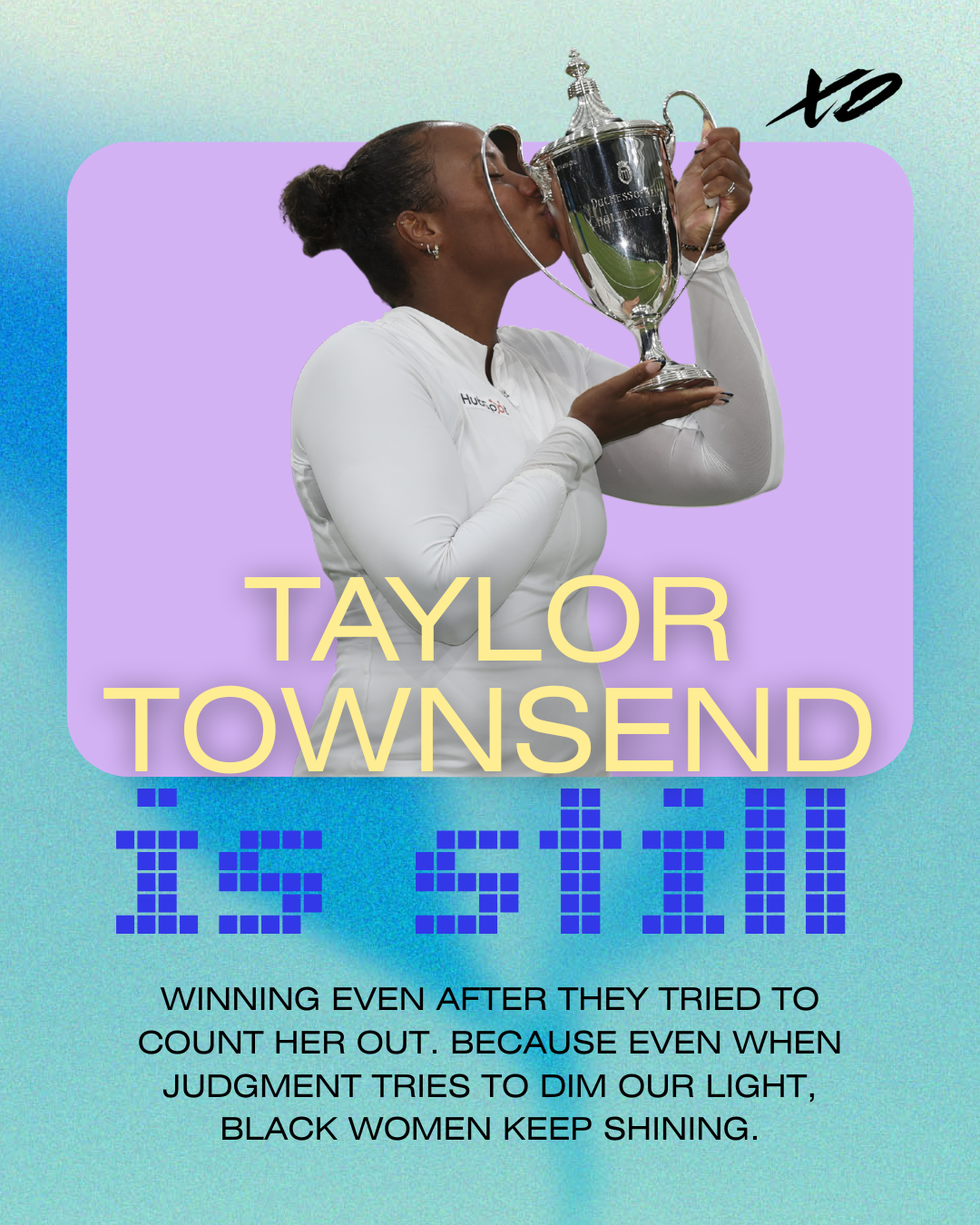
In sports, Angel Reese, Coco Gauff, and Taylor Townsend have been reminded that even excellence will not shield you from racism or judgment.
In business, visionaries like Diarrha N’Diaye-Mbaye and Melissa Butler are fighting to keep their dreams alive in an economy that too often forgets us first.
Even our icons, Beyoncé, Serena, and SZA, have faced criticism simply for evolving beyond the boxes society tried to keep them in.
From everyday women to cultural phenoms, the pattern is the same. Our light is being tested.
And yet, somehow, through it all, we are still showing up as that girl, and that deserves to be celebrated.
Because while the world debates our worth, we keep raising our value. And that proof is all around us.
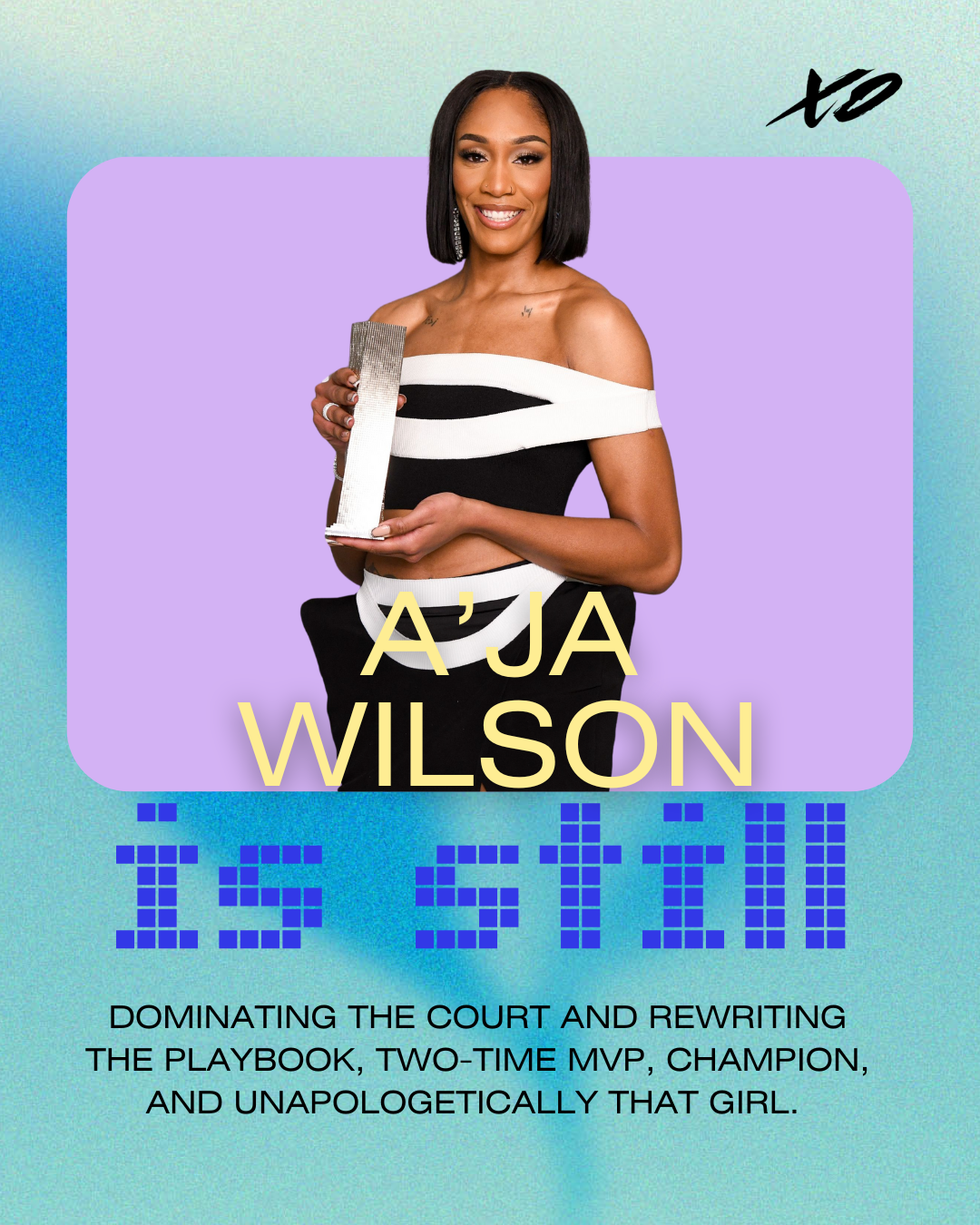
This year alone, Naomi Osaka returned from motherhood and mental health challenges to reach the semifinals of the US Open. A’ja Wilson claimed another MVP, reminding us that beauty and dominance can coexist. Brandy and Monica are snatching our edges on tour. Kahlana Barfield Brown sold out her new line in the face of a retailer that had been canceled. And Melissa Butler’s company, The Lip Bar, is projecting a forty percent surge in sales.
We are no longer defining strength by how much pain we can endure. We are defining it by the unbreakable light we continue to radiate.
We are the women walking our daily steps and also continuing to run solid businesses. We are growing in love, taking solo trips, laughing until it hurts, raising babies and ideas, drinking our green juice, and praying our peace back into existence.
We are rediscovering the joy of rest and realizing that softness is not weakness, it is strategy.
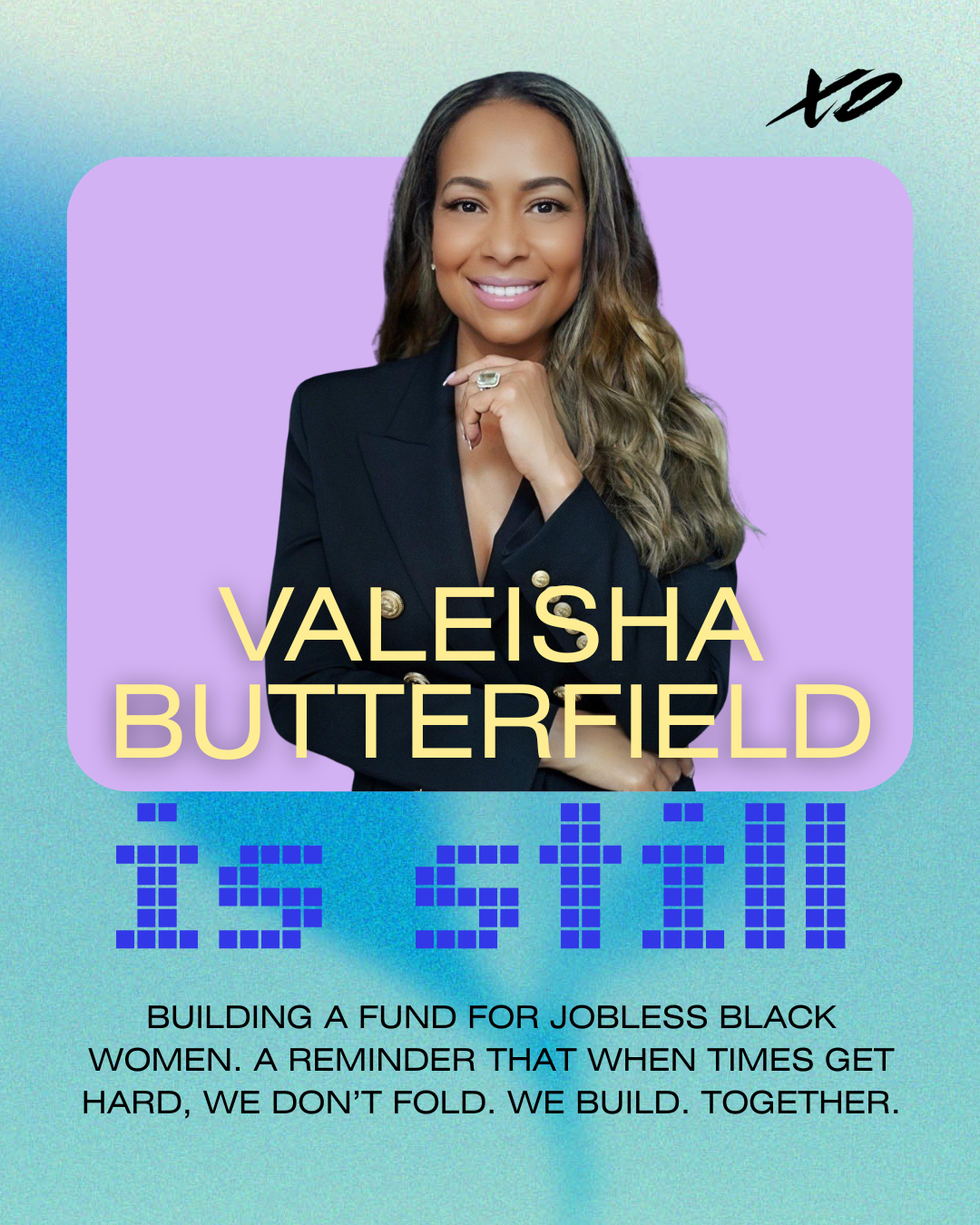
And through it all, we continue to lift one another. Emma Grede is creating seats at the table. Valeisha Butterfield has started a fund for jobless Black women. Arian Simone is leading in media with fearless conviction. We are pouring into each other in ways the world rarely sees but always feels.
So yes, we are in the midst of societal warfare. Yes, we are being tested. Yes, we are facing economic strain, political targeting, and public scrutiny. But even war cannot dim a light that is divinely ours.
And we are still shining.
And we are still softening.
And we are still creating.
And we are still It.
That is the quiet magic of Black womanhood, our ability to hold both truth and triumph in the same breath, to say yes, and to life’s contradictions.
It is no coincidence that this year, as SheaMoisture embraces the message “Yes, And,” they stand beside us as partners in celebrating this class of It Girls. Because that phrase, those two simple words, capture the very essence of this moment.
Yes, we are tired. And we are still rising.
Yes, we are questioned. And we are the answer.
Yes, we are bruised. And we are still beautiful.
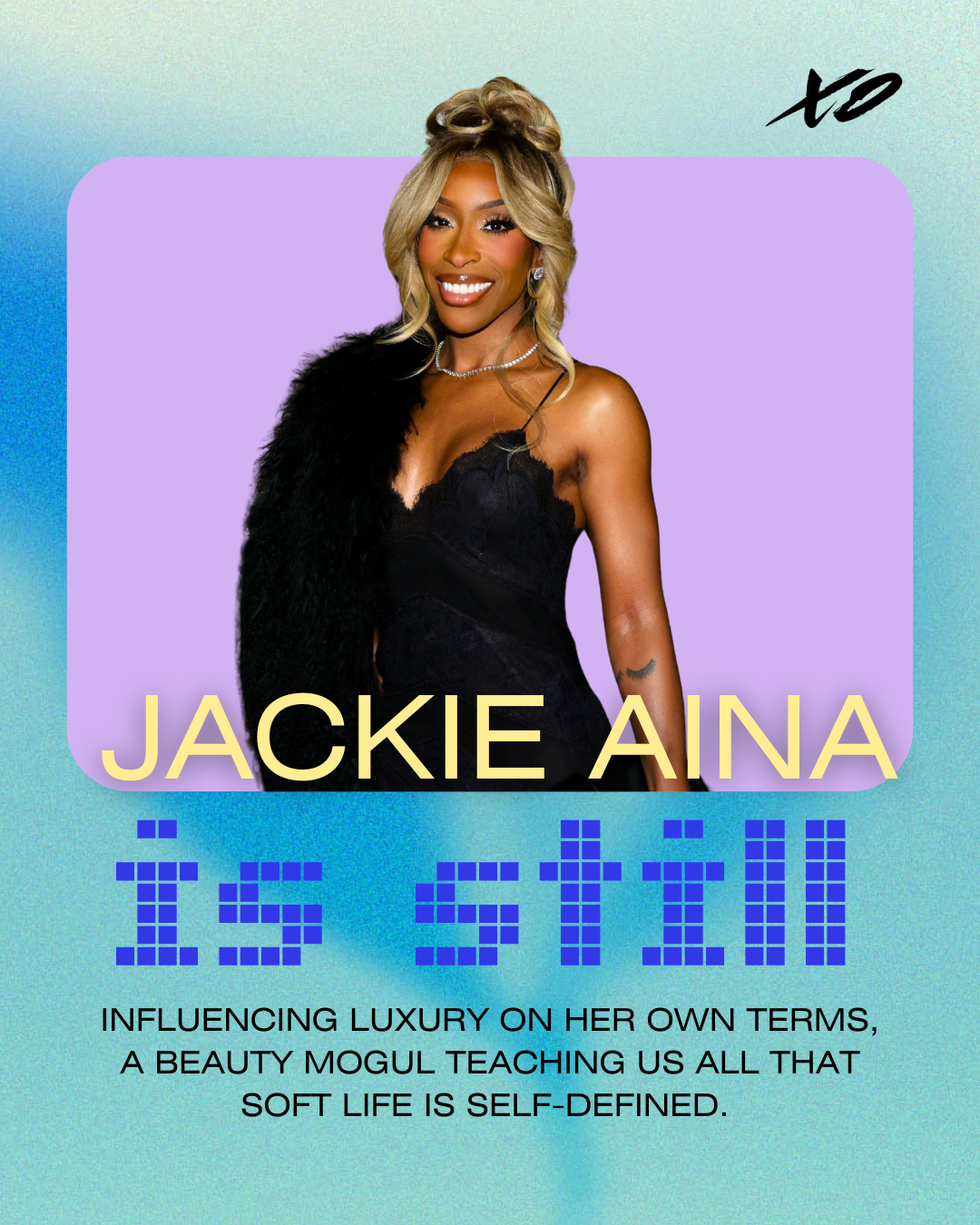
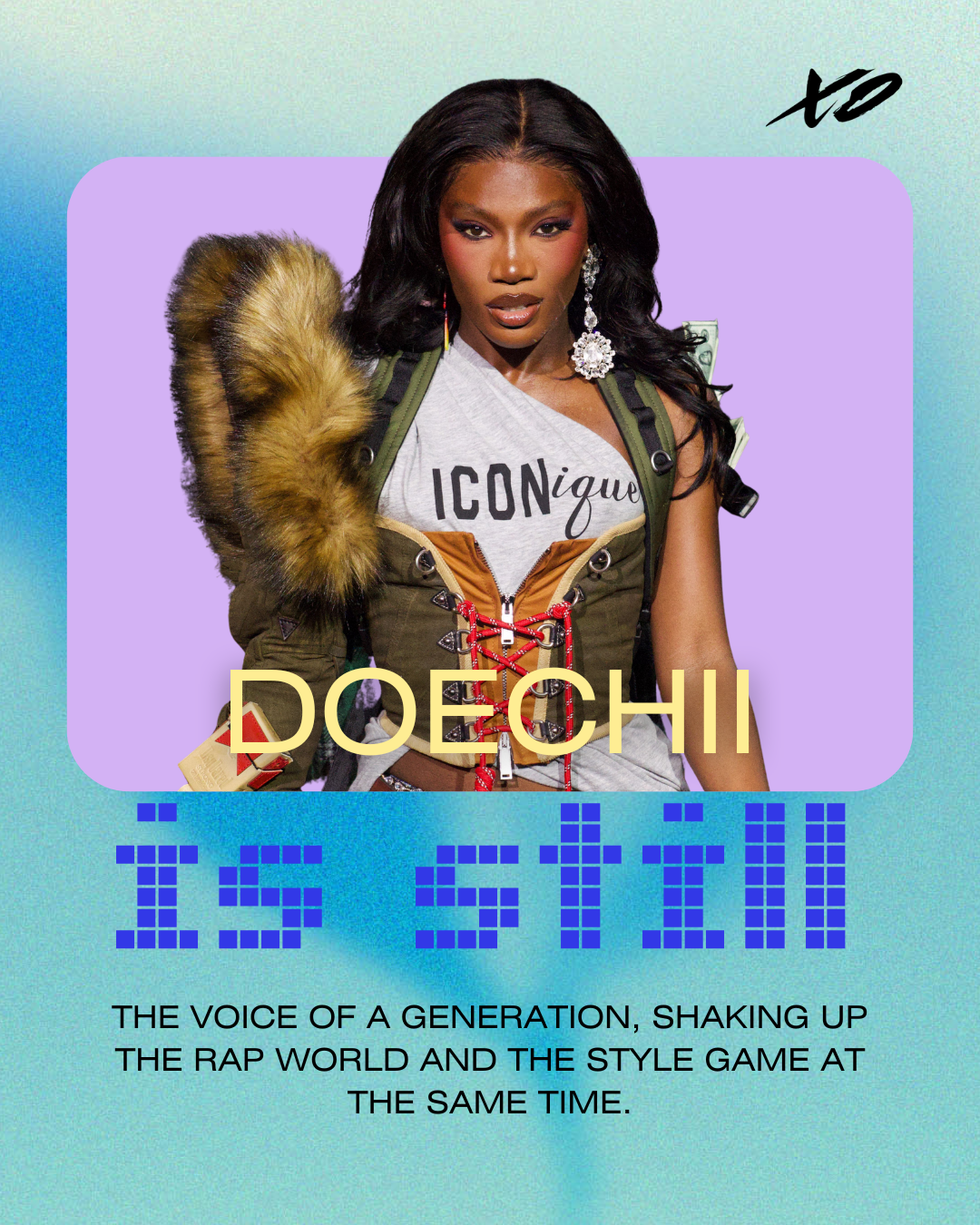
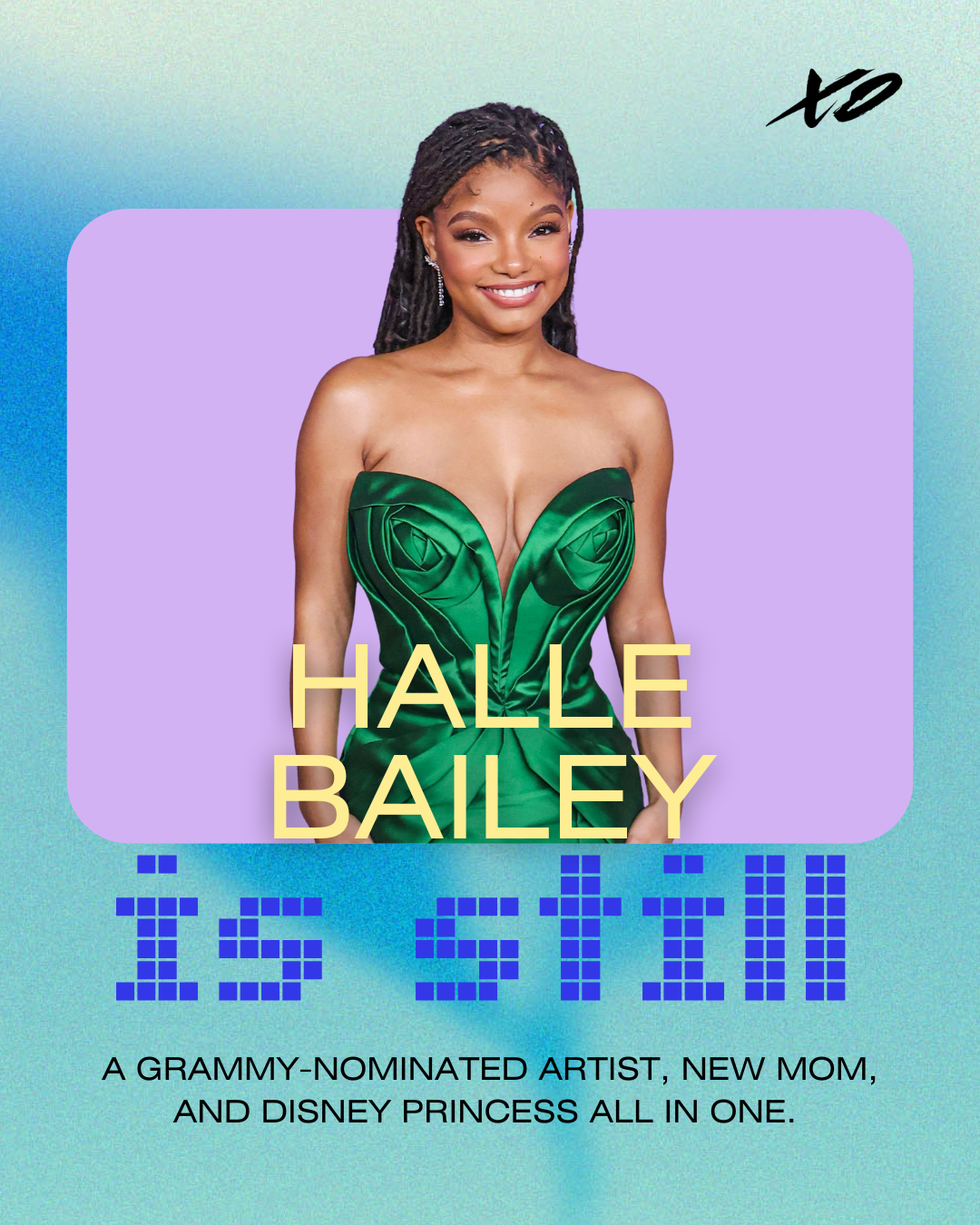
This year’s It Girl 100 is more than a list. It is a love letter to every Black woman who dares to live out loud in a world that would rather she whisper. This year’s class is living proof of “Yes, And,” women who are finding ways to thrive and to heal, to build and to rest, to lead and to love, all at once.
It is proof that our joy is not naive, our success not accidental. It is the reminder that our light has never needed permission.
So without further ado, we celebrate the It Girl 100 Class of 2025–2026.
We celebrate the millions of us who keep doing it with grace, grit, and glory.
Because despite it all, we still shine.
Because we are still her.
Because we are still IT, girl.
Meet all 100 women shaping culture in the It Girl 100 Class of 2025. View the complete list of honorees here.
Featured image by xoStaff
It’s not like it has to be a bad thing. In fact, studies say that somewhere around 15 percent of engaged couples actually met through a friend. All I’m saying is, before you entertain someone’s “I’ve got someone I want you to meet” invitation, it would benefit you to interview them first — for the sake of all parties involved.
The questions that I recommend asking? The following six are what I think can get everyone on the same page, so that there is more pleasure than regret from the hook-up attempt.
1. Why Are They So Invested?
 Giphy
GiphyTwo things that I recently watched over again are the series Survivor’s Remorse (the writing is so damn good) and a movie called Trapped in Temptation (both are currently on Tubi). Something that both of them made me think about is the fact that motive reveals a lot when it comes to why people say and do the things that they do.
When it comes to the movie, specifically, without giving the film away — let me just say that, if you are in a relationship, be really careful about listening to individuals who try to talk you out of maintaining it. More times than not, the motive is shady as hell. And honestly, sometimes people who are close to obsessed with you being in one deserve a bit of side-eye too.
Now, if it’s someone who loves all things love, they are in love and they want you to experience something similar — that’s sweet. Just make sure that they are approaching the set up from a healthy space. What I mean by that is they don’t see singleness as some sort of relational handicap or they aren’t trying to override what you want for your life as if they somehow know better (there are so many ways to be a control freak, y’all).
Hmph. Now that I think about it — make sure that the set-up crew isn’t trying to use you to “save” some male friend or relative of theirs. I say that because I once knew a mother whose son had — count ‘em — 10 kids and she was FOREVER trying to get me to date him. Girl, that wasn’t for me. She was looking for a Holy Ghost Jr. for that child of hers. I’ll pass. HARD PASS.
Bottom line with this one — if someone wants to set you up with someone else, the first thing to ask is why? Make sure to really listen to what their answer is. Then pay attention to if your mind, body and spirit are at peace with their answer(s).
2. Do They Know What You Want?
 Giphy
GiphyI don’t know about y’all, but the people (and let’s be honest, by far, it’s usually women) who have tried to set me up with someone? They didn’t even know what my preferences or type was. Hell, they didn’t even know my thoughts or timeline as it relates to being in a serious relationship were either. And what that boils down to is they were trying to hook me up based on their agenda, not mine — and that usually meant that the guys who they came up with? Yeah…I was good on them. LOL.
Yeah, if someone wants to hook you up, you definitely should ask them if they know what you are looking for in a guy when it comes to his looks, personality, passions, spirituality, relational desires and goals, location, etc. Because, indeed, what is the point in going out with someone who is fine as hell and yet, you want kids and he doesn’t (or vice versa) or who has a great personality yet he isn’t even in the same ballpark of your spiritual beliefs?
If your friend really wants to help you out, valuing your time should come with that — and that means bringing someone into your life who complements your lifestyle. No wiggle room here.
3. Are They Aware of Your Deal-Breakers?
 Giphy
GiphyLast year, I wrote an article for the platform entitled, “Should Bad Sex Actually Be A Relationship Deal-Breaker?” The thing that I think needs to go on record about deal-breakers is they aren’t exactly standards that you have. No, a deal-breaker is something that can’t be worked out even after trying to negotiate or compromise. When it comes to relationships, a deal-breaker might be how long two people should date before becoming exclusive or getting engaged. Another deal-breaker might be if being religious is more important than being spiritual and how that manifests itself (church or no church, etc.). And yes, another deal-breaker may be what each other’s sexual needs and expectations are.
When someone is setting you up, it is imperative that they know about your standards. For instance, for me, I am not interested in dating a divorced person, pretty much ever (I Corinthians 7:10-11). I’ve had friends who have tried to hook me up with that demographic before and it has always been a moot effort. The fact that some of them have gotten frustrated with my convictions has absolutely nothing to do with me. Some have tried to get me to compromise my deal-breakers too — like a long-distance relationship. Is it a firm “naw”? No. However, it’s not really something that I am interested in, so why not just…recommend someone local?
Yeah, if someone thinks that they know you well enough to hook you up, they absolutely should be well-versed in what your deal-breakers are before they do. And if they’ve never asked, all they are doing is assuming — and we know what that typically means. LOL.
4. What Is Their Track Record?
 Giphy
GiphyIt’s kind of wild that we now live in a time when more couples meet online than they do through “old-fashioned ways” like via their friends (although some reports say that Gen Z is getting back to that) — and yet, here we are. Still, if you are willing to let someone play pseudo matchmaker in your life, you are well within your rights to inquire about their track record in that department. Have they hooked others up, successfully, before? Has any of their “Cupid work” caused both people to get exactly what they wanted out of the situation? If/when things went awry, why was that?
I know someone who is constantly trying to hook people up. Thing is, maybe 10-15 percent (no joke) of their efforts have proven to be positive and fruitful — and we’re talking about close to close to two decades of them doing it. Listen, time is too precious to be out here doing stuff ONLY to please other people. That said, if someone wants you to devote some time to one of their grand ideas, you are well within your rights to ask about their past and current success score when it comes to it.
5. Can They Keep Their Own Feelings Out of It?
 Giphy
GiphyWanna know if someone who is offering to do something for you is actually doing it more for themselves? If they try to make it be about them when things don’t go the way they would like, that is a dead ringer. An example? They post a message about you on social media and then question you about why you didn’t do the same thing in return. Another example? They do something for you and then throw it in your face during an argument. Still another example? They set you up with someone, it doesn’t work out, and suddenly you’ve put them in a weird spot. No dear — you put your own self in that position by trying to hook two people up in the first place.
I promise you, it will spare everyone unnecessary energy spent (or even drama experienced) if, before you agree to be hooked up, you get the matchmaker on record stating that they will keep their emotions out of it as much as possible. MEANING — they will do the introductions and then let the chips fall where they may. If they can’t do this, my two cents (save it or spend it) would be to decline the offer. Because all you need is someone texting you about why you haven’t called their cousin back or having an attitude with you when you break up with some guy at their church who they thought was the perfect catch (P.S. These aren’t hypothetical examples — LOL).
6. Will They Respect Your Boundaries? Start to Finish?
 Giphy
GiphyYeah, this final one is a biggie. Just because someone sets you up with another person, that doesn’t automatically or necessarily mean that they should have the right to the details of the dynamic. I don’t care if it’s the first date or the 10th date. I don’t care if you decide to just be sex buddies or to have a full-blown relationship. I don’t care if you stay together or break-up — it’s your relationship which makes it your business. Whatever you share is privileged data.
Yeah, I would say that probably the most challenging thing about being hooked up by someone you know is they have a tendency to think that they are a part of the relationship too — and that is a lie. If things go well beyond a couple of dates, you and the guy should discuss what you will both share with the person who introduced you and then agree to stick to that boundary, no matter what. It’s a great way to protect the dynamic, to keep “outside voices” from influencing the growth and to navigate how you want to move, moving forward.
Someone who hooked you up for the right reasons and knows how to honor limits? They will understand. Will they ask questions? Absolutely. Will they pry? Nah.
___
Should you sit and let someone hook you up? I mean, you never know how your blessing will come. Just make sure that they are prepared for you to do some digging into their mindset before they start sweetly meddling into your love life.
It’s only fair. Hell, and right. LOL.
Let’s make things inbox official! Sign up for the xoNecole newsletter for love, wellness, career, and exclusive content delivered straight to your inbox.
Featured image by PeopleImages/Shutterstock