Workers across the nation are pushing back against companies' widespread rollback of remote positions after the pandemic revolutionized the way we work. For nearly three years, workers settled into a new routine that included Zoom calls, comfy clothes, and a short commute from the bed to their workspace. Yet, fast-forward to today, companies are reversing course and pushing the return to the office and on-site meetings, luring workers with promises of the benefits of face time with their boss and employers and sometimes even higher salaries.
A report from LinkedIn shows the number of job openings offering remote work is declining. In March 2022, remote-focused listings accounted for more than 20% of job postings, but that number dropped to 14% in November of that same year.
And still, workers are saying "no” to returning to the office after years of adapting to remote work and proving they can effectively and efficiently complete their jobs from home. Many are refusing to once again get in their cars for long commutes and once again outfit their closets with business wear.
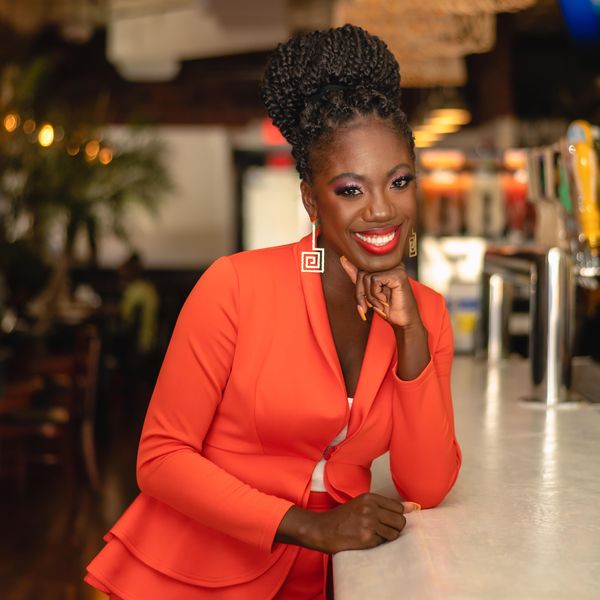
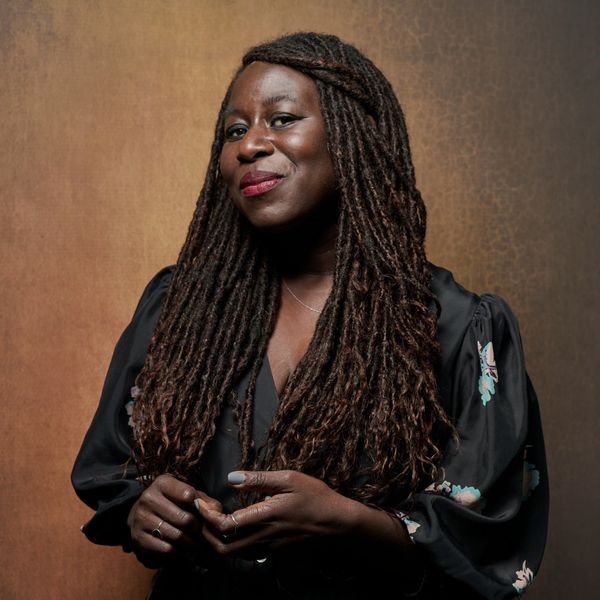
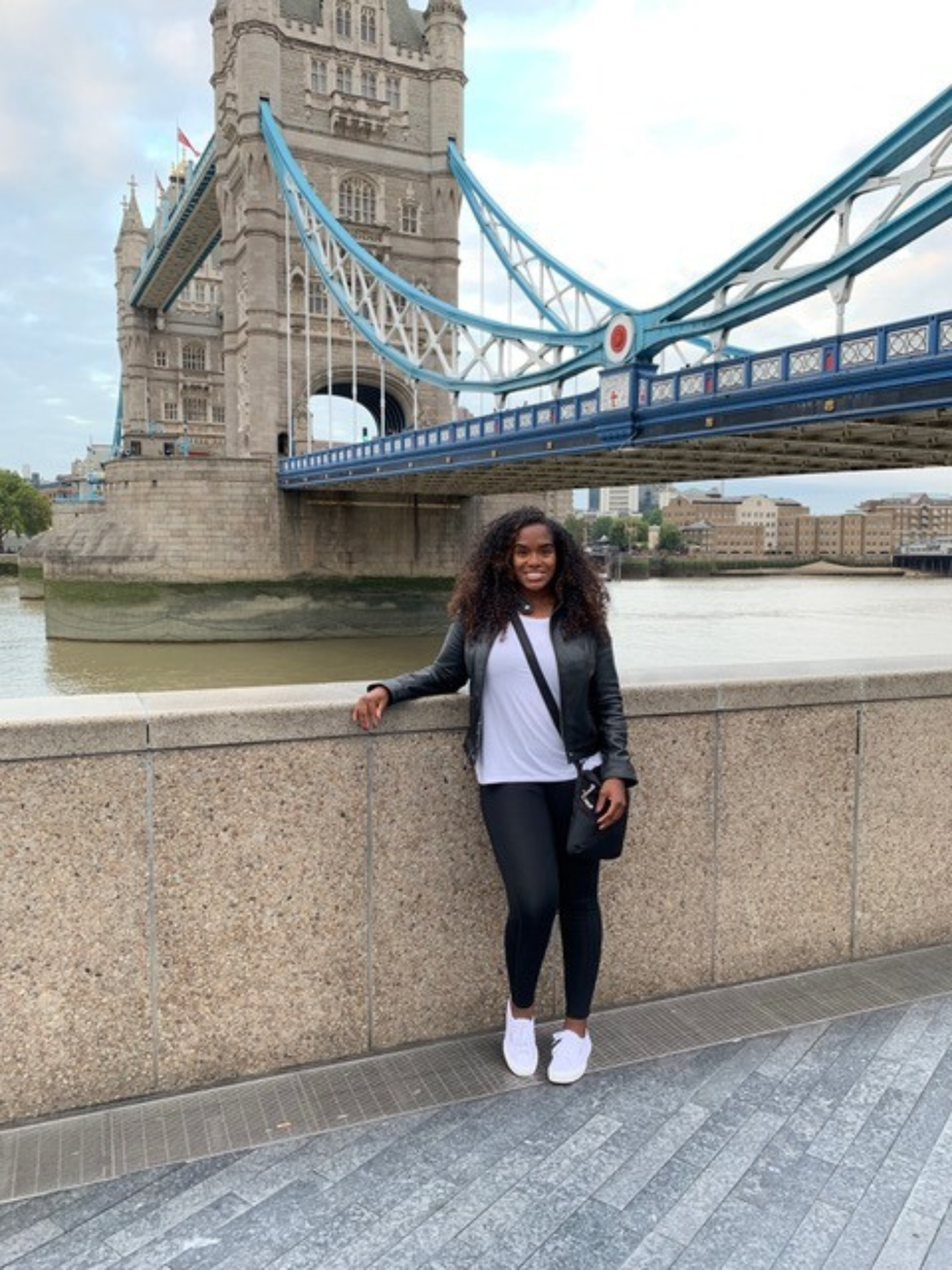
xoNecole spoke to two women about their experience navigating the once remote-friendly environments that are quickly morphing into hybrid or full-time in-office roles.
Dalal
Dalal calls herself a “pandemic cliché.” The journalist left Atlanta with her laptop in hand and returned to her hometown in Chicago at the start of the pandemic, not knowing it would be years before she returned. She moved home to pitch in more, joining the nearly one-fifth of U.S. workers who are caregivers in their families, according to the Rosalynn Carter Institute.
After being at home for nearly two years, she got the call to return to the Atlanta office and found herself reluctant to return. "I started to explore the possibility of staying remote," Dalal shares. "I was immediately offered a job that paid more and was local in Chicago."
Q: Initially, you hesitated about returning to the office but then found an in-office opportunity that on paper, looked too good to pass up and still allowed you to stay in the same city as your family. How did you reconcile going back to the office and the return to the same in-office pressures you had left behind?
A: I lasted three months in that new in-office role before I put in my notice. I actually went back to my previous company and was offered a remote role if I came back as a freelancer. As a freelancer, the pay is lower, there’s less stability, and your salary is solely based on the days you work, and I gave up vacation time. But now, I am able to say “no.” No, when I need to take my mom to a doctor's appointment. No, I don't want to do the 4 a.m. shift. If I had stayed full-time with my steady office job, I wouldn’t have that flexibility.
"Now, I am able to say 'no.' No, when I need to take my mom to a doctor's appointment. No, I don't want to do the 4 a.m. shift. If I had stayed full-time with my steady office job, I wouldn't have that flexibility."
Q: After going from remote to an in-office job and then back to remote, what benefits did you find in remaining WFH?
A: Having that quiet time alone to focus on my position. My quality of work didn’t go down, it went up. Not only can I do this job, but I can do it really well without [the] distractions that come along with the office space where everybody is freaking out about 40 different things. There are people coming to your desk asking for things that are not so immediate, and it gets to the point where you can't really focus on the work.
Working remotely, you can literally turn off your phone, mute team chats, and start to learn to prioritize what is important and what is not.
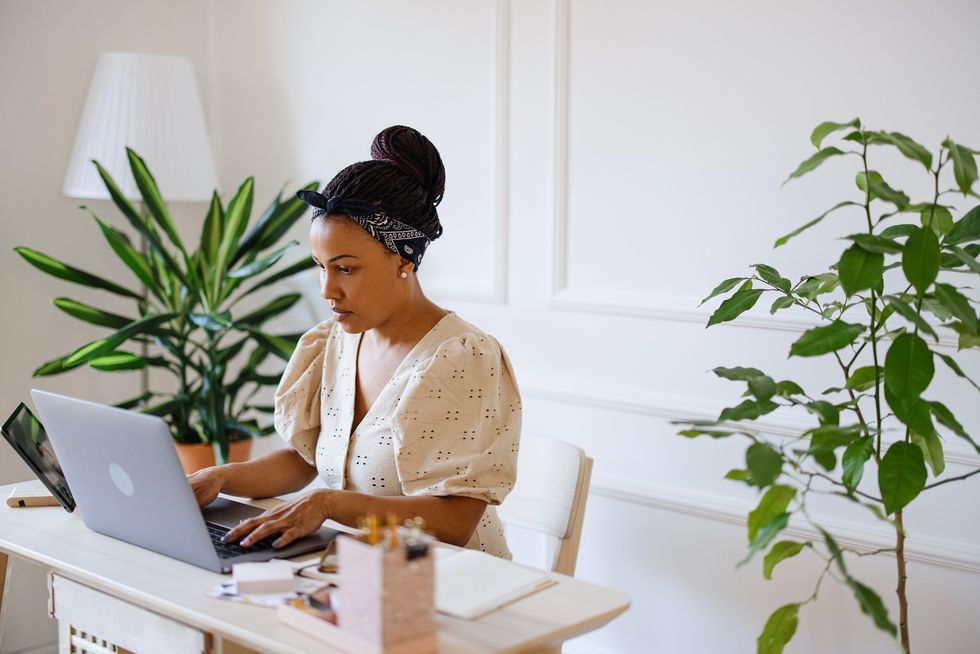
Anchiy/Getty Images
Q: Are there any regrets about losing or missing out on that in-office experience?
A: You always see job opportunities out there. I could be making so much more if I move to New York or back to D.C. But then, I’ll also be paying $2,400 a month in rent, which I'm not doing now. Then there are the other expenses, during the gas crisis, it would have cost me $3-400 a month. Then there are the silly things, like if I get hungry, I just go make myself a sandwich. Whereas in the office, I’d maybe spend $15 a day on lunch just to have that peace of mind away from my colleagues. Also, there’s the added cost of dressing professionally, which is something I really had to worry about in D.C. that I don't have to worry about at home.
Q: In the push to get workers back in the office, is there anything you feel like employers actually lose out on?
A: During the pandemic, people became available all of the time. Let's say my shift starts at 7 in the morning, but if you text me at 6:30 a.m. I still might respond because the lines are more blurred at home and not as concrete as working an 8-hour shift in the office and going home and turning off your work phone.
Q: We’re seeing massive layoffs and a rapid decline in remote roles. How should other workers approach staying firm with their decision to stay remote?
A: In careers that are focused on status, the next big role, or your next big organization, there's always going to be something for you. Opportunities always evolve. You just have to figure out the balance between what's most important at that point in your life. Be confident in the work that you're doing and your abilities, and constantly put yourself out there. Don’t be scared.
Chelsea
Traditionally, tech workers have had a wealth of access to remote roles even before the pandemic. Today, that dynamic stretches across both occupations and demographics across the board. Flexibility is now in demand, and despite the efforts of employers to win employees back into the physical workplace, Americans are keen to remain at home no matter the cost. A study by Goodhire found that 61% of those surveyed would take a pay cut to maintain remote working status.
xoNecole spoke to a tech professional, Chelsea, an operations project manager, on navigating the now-changing landscape for tech workers who once had the upper hand in remote roles.
Q: What’s your experience been like in tech?
A: I've been remote most of my career with heavy travel, so while I'm not in an office, half the month I'm either on site or in a different city. The tech world crumbled during the pandemic, and I got laid off twice. I ended up taking a great role at the end of 2020 that financially was the most I've ever made.
Q: So you’ve finally landed this incredible role. What happened when the call to go back into the office came?
A: I got anxious. Initially, this company sold the job as a remote role, and then a year in, they said we’re going back into the office.
Q: Wow! So they misrepresented the job? How did you handle going into this role thinking you would be remote and then being called into an office you were never supposed to see the inside of?
A: It's manipulative, but I think that it's going to happen more and more as we get further away from the pandemic. After it was announced we would be going back, I got anxious! I was in a unit that called itself innovative and prided itself by saying they would remain remote. But companywide, there was a mandate to return to the office, and that included my unit.
On top of that, I struggled with connecting with my coworkers. They were all a lot older than me, they were all married and just at a different stage of life, and there wasn't much diversity. So even though I was remote and it was a great role, I was miserable thinking about returning to the office with people I did not connect with.
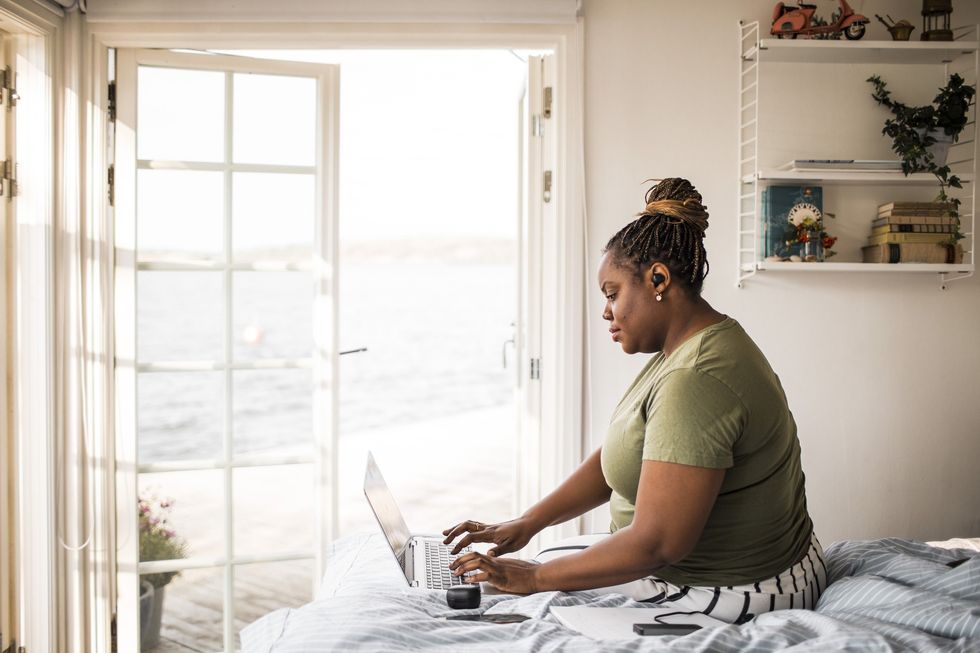
Maskot/Getty Images
Q: How did you handle essentially being told remote work was no longer an option and you would have to go into the office?
A: I made a bold move and reached out to a company I’d connected with previously but had turned down. I asked if they would still be interested in me as a candidate. They didn’t have anything immediately but eventually made an offer.
Q: How did the new offer compare to your current one?
A: Overall, it was a 25% pay cut, thousands less, and still, it was a no-brainer for me. It has been the best decision that I have made. It was still fully remote, included travel, and the people have been amazing. I have the best connections with my coworkers even though we’ve never met in person, we still hop on Zoom and cackle together. Despite the pay cut, I’m happy with my choice.
"It was a 25% pay cut, thousands less, and still, it was a no-brainer for me... Despite the pay cut, I'm happy with my choice."
Q: For many, the idea of a pay cut is taking a step back. What were the conversations you had surrounding your decision?
A: My partner is very big on negotiating and not making lateral moves, so it didn’t make sense to him. But this role is a better fit all around, and even though it's less money, you can’t buy happiness.
Q: You accepted a pay cut to remain remote. Why was that important for you?
A: Flexibility! On my calendar today, I blocked off two hours. You know what it's for? A kindergarten graduation. Going back into the office, I would have had to take PTO or check in and let everyone know where I was going and when I would be back. Now, I just put a block on my calendar that says I’m not available. I can work from out of town or go out of the country, and as long as I have my laptop and my phone, I can still get my work done.
On top of that, it’s the realization that eight hours sitting at a desk is not the most productive for me. Sometimes I’m more productive after the traditional hours of 9-5, and being remote gives me that flexibility.
Q: Like so many others, you found yourself at a company that walked back their initial remote policy. Has this new company expressed that they, too, will go that route?
A: We’re a national company with locations across the country, and everyone, including leadership and central team members, work remotely. The only way I go into an office now is when it’s my choice, and I’ve been very frank with my boss that if it was a set requirement to come into the office, I would find another job. I don’t ever see my company going back in the office, and it’s a plus because it allows for a wider pool of talent, and we all bring different ideas and experiences to the team.
Q: What advice can you offer on having the confidence to make choices that not everyone agrees with when it comes to your career and staying in a remote role?
A: I would say, “Don't focus on one single career.” Every kind of career path has remote work, not just tech. Ultimately don't be afraid to leave.
Let’s make things inbox official! Sign up for the xoNecole newsletter for daily love, wellness, career, and exclusive content delivered straight to your inbox.
Featured image by Olena Kovalova/Getty Images
- These Are The Top Companies For Diversity—And They're Remote-Friendly, Too ›
- 6 Legit Work-From-Home Jobs That Actually Pay Well ›
- These Six-Figure Jobs Are In-Demand, Full-Time & Fully Remote ›
- How To Work Remotely While Traveling The World ›
- Going Back To The Office After Working Remote? Here's How To Cope ›
- These Are The Jobs Set To Have High Salaries In 2025 - xoNecole ›
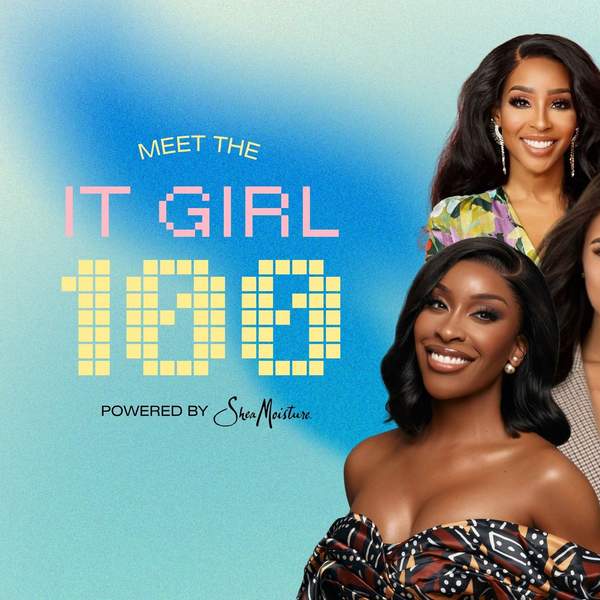
Because We Are Still IT, Girl: It Girl 100 Returns
Last year, when our xoNecole team dropped our inaugural It Girl 100 honoree list, the world felt, ahem, a bit brighter.
It was March 2024, and we still had a Black woman as the Vice President of the United States. DEI rollbacks weren’t being tossed around like confetti. And more than 300,000 Black women were still gainfully employed in the workforce.
Though that was just nineteen months ago, things were different. Perhaps the world then felt more receptive to our light as Black women.
At the time, we launched It Girl 100 to spotlight the huge motion we were making as dope, GenZennial Black women leaving our mark on culture. The girls were on the rise, flourishing, drinking their water, minding their business, leading companies, and learning to do it all softly, in rest. We wanted to celebrate that momentum—because we love that for us.
So, we handpicked one hundred It Girls who embody that palpable It Factor moving through us as young Black women, the kind of motion lighting up the world both IRL and across the internet.
It Girl 100 became xoNecole’s most successful program, with the hashtag organically reaching more than forty million impressions on Instagram in just twenty-four hours. Yes, it caught on like wildfire because we celebrated some of the most brilliant and influential GenZennial women of color setting trends and shaping culture. But more than that, it resonated because the women we celebrated felt seen.
Many were already known in their industries for keeping this generation fly and lit, but rarely received recognition or flowers. It Girl 100 became a safe space to be uplifted, and for us as Black women to bask in what felt like an era of our brilliance, beauty, and boundless influence on full display.
And then, almost overnight, it was as if the rug was pulled from under us as Black women, as the It Girls of the world.
Our much-needed, much-deserved season of ease and soft living quickly metamorphosed into a time of self-preservation and survival. Our motion and economic progression seemed strategically slowed, our light under siege.
The air feels heavier now. The headlines colder. Our Black girl magic is being picked apart and politicized for simply existing.
With that climate shift, as we prepare to launch our second annual It Girl 100 honoree list, our team has had to dig deep on the purpose and intention behind this year’s list. Knowing the spirit of It Girl 100 is about motion, sauce, strides, and progression, how do we celebrate amid uncertainty and collective grief when the juice feels like it is being squeezed out of us?
As we wrestled with that question, we were reminded that this tension isn’t new. Black women have always had to find joy in the midst of struggle, to create light even in the darkest corners. We have carried the weight of scrutiny for generations, expected to be strong, to serve, to smile through the sting. But this moment feels different. It feels deeply personal.
We are living at the intersection of liberation and backlash. We are learning to take off our capes, to say no when we are tired, to embrace softness without apology.
And somehow, the world has found new ways to punish us for it.

In lifestyle, women like Kayla Nicole and Ayesha Curry have been ridiculed for daring to choose themselves. Tracee Ellis Ross was labeled bitter for speaking her truth about love. Meghan Markle, still, cannot breathe without critique.
In politics, Kamala Harris, Letitia James, and Jasmine Crockett are dragged through the mud for standing tall in rooms not built for them.
In sports, Angel Reese, Coco Gauff, and Taylor Townsend have been reminded that even excellence will not shield you from racism or judgment.

In business, visionaries like Diarrha N’Diaye-Mbaye and Melissa Butler are fighting to keep their dreams alive in an economy that too often forgets us first.
Even our icons, Beyoncé, Serena, and SZA, have faced criticism simply for evolving beyond the boxes society tried to keep them in.
From everyday women to cultural phenoms, the pattern is the same. Our light is being tested.

And yet, somehow, through it all, we are still showing up as that girl, and that deserves to be celebrated.
Because while the world debates our worth, we keep raising our value. And that proof is all around us.
This year alone, Naomi Osaka returned from motherhood and mental health challenges to reach the semifinals of the US Open. A’ja Wilson claimed another MVP, reminding us that beauty and dominance can coexist. Brandy and Monica are snatching our edges on tour. Kahlana Barfield Brown sold out her new line in the face of a retailer that had been canceled. And Melissa Butler’s company, The Lip Bar, is projecting a forty percent surge in sales.

We are no longer defining strength by how much pain we can endure. We are defining it by the unbreakable light we continue to radiate.
We are the women walking our daily steps and also continuing to run solid businesses. We are growing in love, taking solo trips, laughing until it hurts, raising babies and ideas, drinking our green juice, and praying our peace back into existence.
We are rediscovering the joy of rest and realizing that softness is not weakness, it is strategy.
And through it all, we continue to lift one another. Emma Grede is creating seats at the table. Valeisha Butterfield has started a fund for jobless Black women. Arian Simone is leading in media with fearless conviction. We are pouring into each other in ways the world rarely sees but always feels.

So yes, we are in the midst of societal warfare. Yes, we are being tested. Yes, we are facing economic strain, political targeting, and public scrutiny. But even war cannot dim a light that is divinely ours.
And we are still shining.
And we are still softening.
And we are still creating.
And we are still It.

That is the quiet magic of Black womanhood, our ability to hold both truth and triumph in the same breath, to say yes, and to life’s contradictions.
It is no coincidence that this year, as SheaMoisture embraces the message “Yes, And,” they stand beside us as partners in celebrating this class of It Girls. Because that phrase, those two simple words, capture the very essence of this moment.
Yes, we are tired. And we are still rising.
Yes, we are questioned. And we are the answer.
Yes, we are bruised. And we are still beautiful.

This year’s It Girl 100 is more than a list. It is a love letter to every Black woman who dares to live out loud in a world that would rather she whisper. This year’s class is living proof of “Yes, And,” women who are finding ways to thrive and to heal, to build and to rest, to lead and to love, all at once.
It is proof that our joy is not naive, our success not accidental. It is the reminder that our light has never needed permission.
So without further ado, we celebrate the It Girl 100 Class of 2025–2026.
We celebrate the millions of us who keep doing it with grace, grit, and glory.
Because despite it all, we still shine.
Because we are still her.
Because we are still IT, girl.
Meet all 100 women shaping culture in the It Girl 100 Class of 2025. View the complete list of honorees here.
Featured image by xoStaff
Because We Are Still IT, Girl: It Girl 100 Returns
Last year, when our xoNecole team dropped our inaugural It Girl 100 honoree list, the world felt, ahem, a bit brighter.
It was March 2024, and we still had a Black woman as the Vice President of the United States. DEI rollbacks weren’t being tossed around like confetti. And more than 300,000 Black women were still gainfully employed in the workforce.
Though that was just nineteen months ago, things were different. Perhaps the world then felt more receptive to our light as Black women.
At the time, we launched It Girl 100 to spotlight the huge motion we were making as dope, GenZennial Black women leaving our mark on culture. The girls were on the rise, flourishing, drinking their water, minding their business, leading companies, and learning to do it all softly, in rest. We wanted to celebrate that momentum—because we love that for us.
So, we handpicked one hundred It Girls who embody that palpable It Factor moving through us as young Black women, the kind of motion lighting up the world both IRL and across the internet.
It Girl 100 became xoNecole’s most successful program, with the hashtag organically reaching more than forty million impressions on Instagram in just twenty-four hours. Yes, it caught on like wildfire because we celebrated some of the most brilliant and influential GenZennial women of color setting trends and shaping culture. But more than that, it resonated because the women we celebrated felt seen.
Many were already known in their industries for keeping this generation fly and lit, but rarely received recognition or flowers. It Girl 100 became a safe space to be uplifted, and for us as Black women to bask in what felt like an era of our brilliance, beauty, and boundless influence on full display.
And then, almost overnight, it was as if the rug was pulled from under us as Black women, as the It Girls of the world.
Our much-needed, much-deserved season of ease and soft living quickly metamorphosed into a time of self-preservation and survival. Our motion and economic progression seemed strategically slowed, our light under siege.
The air feels heavier now. The headlines colder. Our Black girl magic is being picked apart and politicized for simply existing.
With that climate shift, as we prepare to launch our second annual It Girl 100 honoree list, our team has had to dig deep on the purpose and intention behind this year’s list. Knowing the spirit of It Girl 100 is about motion, sauce, strides, and progression, how do we celebrate amid uncertainty and collective grief when the juice feels like it is being squeezed out of us?
As we wrestled with that question, we were reminded that this tension isn’t new. Black women have always had to find joy in the midst of struggle, to create light even in the darkest corners. We have carried the weight of scrutiny for generations, expected to be strong, to serve, to smile through the sting. But this moment feels different. It feels deeply personal.
We are living at the intersection of liberation and backlash. We are learning to take off our capes, to say no when we are tired, to embrace softness without apology.
And somehow, the world has found new ways to punish us for it.

In lifestyle, women like Kayla Nicole and Ayesha Curry have been ridiculed for daring to choose themselves. Tracee Ellis Ross was labeled bitter for speaking her truth about love. Meghan Markle, still, cannot breathe without critique.
In politics, Kamala Harris, Letitia James, and Jasmine Crockett are dragged through the mud for standing tall in rooms not built for them.
In sports, Angel Reese, Coco Gauff, and Taylor Townsend have been reminded that even excellence will not shield you from racism or judgment.

In business, visionaries like Diarrha N’Diaye-Mbaye and Melissa Butler are fighting to keep their dreams alive in an economy that too often forgets us first.
Even our icons, Beyoncé, Serena, and SZA, have faced criticism simply for evolving beyond the boxes society tried to keep them in.
From everyday women to cultural phenoms, the pattern is the same. Our light is being tested.

And yet, somehow, through it all, we are still showing up as that girl, and that deserves to be celebrated.
Because while the world debates our worth, we keep raising our value. And that proof is all around us.
This year alone, Naomi Osaka returned from motherhood and mental health challenges to reach the semifinals of the US Open. A’ja Wilson claimed another MVP, reminding us that beauty and dominance can coexist. Brandy and Monica are snatching our edges on tour. Kahlana Barfield Brown sold out her new line in the face of a retailer that had been canceled. And Melissa Butler’s company, The Lip Bar, is projecting a forty percent surge in sales.

We are no longer defining strength by how much pain we can endure. We are defining it by the unbreakable light we continue to radiate.
We are the women walking our daily steps and also continuing to run solid businesses. We are growing in love, taking solo trips, laughing until it hurts, raising babies and ideas, drinking our green juice, and praying our peace back into existence.
We are rediscovering the joy of rest and realizing that softness is not weakness, it is strategy.
And through it all, we continue to lift one another. Emma Grede is creating seats at the table. Valeisha Butterfield has started a fund for jobless Black women. Arian Simone is leading in media with fearless conviction. We are pouring into each other in ways the world rarely sees but always feels.

So yes, we are in the midst of societal warfare. Yes, we are being tested. Yes, we are facing economic strain, political targeting, and public scrutiny. But even war cannot dim a light that is divinely ours.
And we are still shining.
And we are still softening.
And we are still creating.
And we are still It.

That is the quiet magic of Black womanhood, our ability to hold both truth and triumph in the same breath, to say yes, and to life’s contradictions.
It is no coincidence that this year, as SheaMoisture embraces the message “Yes, And,” they stand beside us as partners in celebrating this class of It Girls. Because that phrase, those two simple words, capture the very essence of this moment.
Yes, we are tired. And we are still rising.
Yes, we are questioned. And we are the answer.
Yes, we are bruised. And we are still beautiful.

This year’s It Girl 100 is more than a list. It is a love letter to every Black woman who dares to live out loud in a world that would rather she whisper. This year’s class is living proof of “Yes, And,” women who are finding ways to thrive and to heal, to build and to rest, to lead and to love, all at once.
It is proof that our joy is not naive, our success not accidental. It is the reminder that our light has never needed permission.
So without further ado, we celebrate the It Girl 100 Class of 2025–2026.
We celebrate the millions of us who keep doing it with grace, grit, and glory.
Because despite it all, we still shine.
Because we are still her.
Because we are still IT, girl.
Meet all 100 women shaping culture in the It Girl 100 Class of 2025. View the complete list of honorees here.
Featured image by xoStaff