



Like millions of black women around the world, I've struggled with managing fibroids. And after successfully changing my diet and eliminating stress triggers, I had to make the tough decision to go under the knife for a myomectomy.
Five days out of surgery and 41 days into recovery, I was relieved but quite depressed and miserable.
I did a lot of thinking and soul-searching in that short period of time, reflecting on major moments from the past three years of my life: running a successful consultancy, living in Jamaica for 30 days, traveling to Ghana with a client, losing two jobs--and my sanity--and meeting the love of my life.
Related: How I Healed My Uterine Fibroids The Holistic Way
Add to that the recent removal of nine tumors from my womb and a C-section-like scar without the baby to show for it, and you've got a nice Netflix rom-com on your hands.
I was hell-bent on using the time of bedrest and healing constructively, so, in an effort to cut the whining, loathing and feelings of utter inconvenient annoyance, I offer the following tips for at least slaying those feelings with a bit of delusion and positive thinking. Oh, and these ain't your Granny's get-well tips:
Replace thoughts of fear, disfigurement and further complications with Netflix binging, meditation and gratitude.

Getty Images
I've never, in my life, had to have any sort of surgery or be admitted into a hospital. Since fibroids crashed my 35th birthday, I've had two blood transfusions, two lengthy stays in the surgery prep area, two life-threatening visits to the ER, several panic attacks, and one too many days in the hospital for surgery and observation—all within a year.
I really don't do well with being sick and dealing with doctors and their medical possibilities. The whole idea of having a scar across my pelvic area, possibly having scar tissue, possibly having new tumors grow back, and possibly not being able to have a vaginal birth (if I am even able to possibly have a kid) has invited anxiety and depression to bang on my door.
To totally rebuke the nasty, utterly terrifying thoughts going through my head, I turned to prayer (thanks to my awesome sister who actually believes in the concept of "prayer warriors" and is fervent in consistently praying with and for me), Netflix series (gotta love a little Maisel and some thrilling crime docs), and my faith that God is in control. These trumped any doomful possibility any day.
Ignore the “Oh yeah, So-and-So went through the same thing back in ’83. You’ll be alright.”

Getty Images
I guess people who lack self-awareness don't see how annoying and a tad dismissive it is to immediately compare your hurt to someone else's.
I heal how I feel.
It's great to be able to relate to other women who've had the same or a similar procedure, but those who have never been through a myomectomy or any sort of surgery may have their self-awareness or sensitivity dials turned down to zero. They'll downplay your pain, question why you have to be out from work for so long, scrutinize you turning down that cheeseburger and fries while recovering, or ask intrusive questions about things that have nothing to do with ensuring your well-being or post-surgical peace. Earphones, selective hearing, and closing my eyes to fake sleep were my best friends in these cases. Get you some.
Surround yourself with elements or things that will make you smile.

Getty Images
After being in the hospital, I felt totally yucky. I'm a super-germaphobe, and I hated wearing that gown. (I could have brought pajamas for my stay, but did you miss the part about me being a germaphobe? I wanted nothing more than the sweats I came there wearing to be in contact with anything from the hospital.)
Pre-surgery, you can't use deodorant, lotions, or perfumes, so, again, I felt disgusting.
After I got home and was finally able to take a real shower, I put on my favorite lotion (along with sesame and coconut oil for my very dry skin after multiple wipes with that God-awful antibacterial liquid they put on you to prep for surgery.) I love Palmer's Moisturizing Body Oil and Bath & Body Works' Shea Butter lotion in Sweet Pea.
(Of course, I also made sure to follow doctor's orders in terms of cleaning my new birthmark—I mean, scar–with nothing but soap and water, patting it dry, and letting none of my good-smelling lotions or oils near it. Today, I still use the oil along with pure African shea butter on my scar, which has worked nicely. My doc--a black medical-industry phenom in her own right --did an amazing job making a clean and neat five-inch incision that will one day become a faint memory.)
My aunt brought me balloons (which I love, even at the ripe age of 36), and my grandmother kept flowers in my room.
When you get the strength, make use of your favorite Plug-in or vaporizer scent, wear a bright-colored scarf to keep your hair under wraps, or play your favorite music. Create a happy atmosphere.
Cliche? Yes, but go ahead and catch up on learning something new.

Getty Images
It took me hours to even figure out how to change the look and font for a new blog I started, but I did it. Oh, and those Netflix docs: I learned how gullible, gluttonous and wicked people could be via the Fyre Fest docs, how complex the whole issue of legalizing marijuana is via a California community that's apparently a hilly, murderous haven of marijuana farmers via Murder Mountain, and how to say hello and thank you in Russian via the Red Queen.
Seriously, take a few free courses, learn more about recovery methods and healthcare options for reproductive health, challenge yourself to daily writing exercises, or play a new game. Maybe knitting wasn't your thing before you had to go under the knife, but that crochet bikini or dress might look damn good on your next vacation!
Embrace visits from people who maybe thought you’d died and want to be sure you hadn’t.

Getty Images
OK, I'm being dramatic but it is refreshing to reconnect with family members you haven't spoken to in a while over stories about fertility, hospital stays and the best pain meds to take. I was truly blessed by it and was able to do something I'd been putting off doing for years: reconnecting with folk. Sometimes it takes a difficult situation to do that, but just thank God for the opportunity.
Enjoy the conversation and take in the love in whatever form it comes.
Dealing with fibroids can be one huge annoyance at best and an expensive health disaster at worst. but you can overcome and thrive through it all. Take it from me. I now smile and wink at the scar that serves as a reminder that I've joined millions of other badass women who survive and slay.
Related Stories:
How I Healed My Uterine Fibroids The Holistic Way - Read More
3-Step Guide To Self-Healing - Read More
Healing: What Two Weeks In A Psychiatric Hospital Taught Me - Read More
I Tried Energy Healing & It Transformed My Life - Read More
- How I Used Holistic Methods To Heal My Uterine Fibroids - xoNecole ›
- Healing Diet Changes For Fibroids - xoNecole: Women's Interest, Love, Wellness, Beauty ›
- da Vinci Surgery l Minimally Invasive Fibroid Removal ›
- 7 Myomectomy myths debunked | MDedge ObGyn ›
- Myomectomy - Better Health Channel ›
- Laparoscopic Myomectomy for Fibroid Removal | CIGC ›
- Abdominal Myomectomy: What to Expect at Home ›
- Myomectomy: Procedure, Types, Recovery, Fertility, and More ›
- Fibroids Surgery: Myomectomy, Hysterectomy Open Surgery ›
- Myomectomy | Conditions & Treatments | UCSF Medical Center ›
- 5 Types of Uterine Fibroid Surgery Explained - Fibroids Removal ›
- Myomectomy - Mayo Clinic ›
RELATED
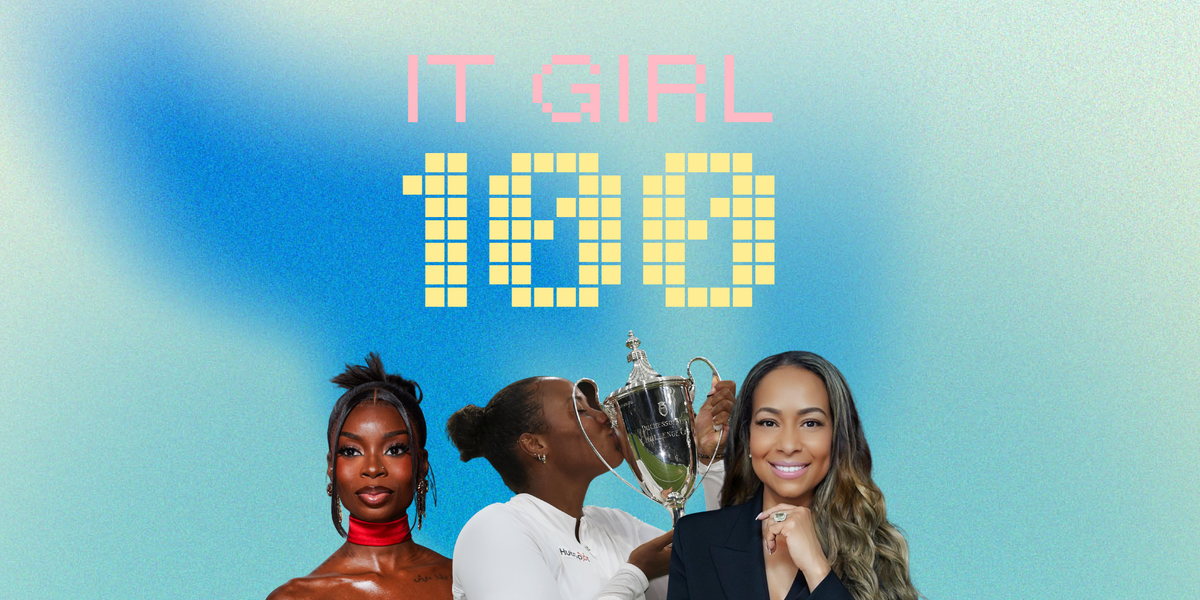
So, we handpicked one hundred It Girls who embody that palpable It Factor moving through us as young Black women, the kind of motion lighting up the world both IRL and across the internet.
It Girl 100 became xoNecole’s most successful program, with the hashtag organically reaching more than forty million impressions on Instagram in just twenty-four hours. Yes, it caught on like wildfire because we celebrated some of the most brilliant and influential GenZennial women of color setting trends and shaping culture. But more than that, it resonated because the women we celebrated felt seen.
Many were already known in their industries for keeping this generation fly and lit, but rarely received recognition or flowers. It Girl 100 became a safe space to be uplifted, and for us as Black women to bask in what felt like an era of our brilliance, beauty, and boundless influence on full display.
And then, almost overnight, it was as if the rug was pulled from under us as Black women, as the It Girls of the world.
Our much-needed, much-deserved season of ease and soft living quickly metamorphosed into a time of self-preservation and survival. Our motion and economic progression seemed strategically slowed, our light under siege.
The air feels heavier now. The headlines colder. Our Black girl magic is being picked apart and politicized for simply existing.
With that climate shift, as we prepare to launch our second annual It Girl 100 honoree list, our team has had to dig deep on the purpose and intention behind this year’s list. Knowing the spirit of It Girl 100 is about motion, sauce, strides, and progression, how do we celebrate amid uncertainty and collective grief when the juice feels like it is being squeezed out of us?
As we wrestled with that question, we were reminded that this tension isn’t new. Black women have always had to find joy in the midst of struggle, to create light even in the darkest corners. We have carried the weight of scrutiny for generations, expected to be strong, to serve, to smile through the sting. But this moment feels different. It feels deeply personal.
We are living at the intersection of liberation and backlash. We are learning to take off our capes, to say no when we are tired, to embrace softness without apology.
And somehow, the world has found new ways to punish us for it.
In lifestyle, women like Kayla Nicole and Ayesha Curry have been ridiculed for daring to choose themselves. Tracee Ellis Ross was labeled bitter for speaking her truth about love. Meghan Markle, still, cannot breathe without critique.
In politics, Kamala Harris, Letitia James, and Jasmine Crockett are dragged through the mud for standing tall in rooms not built for them.
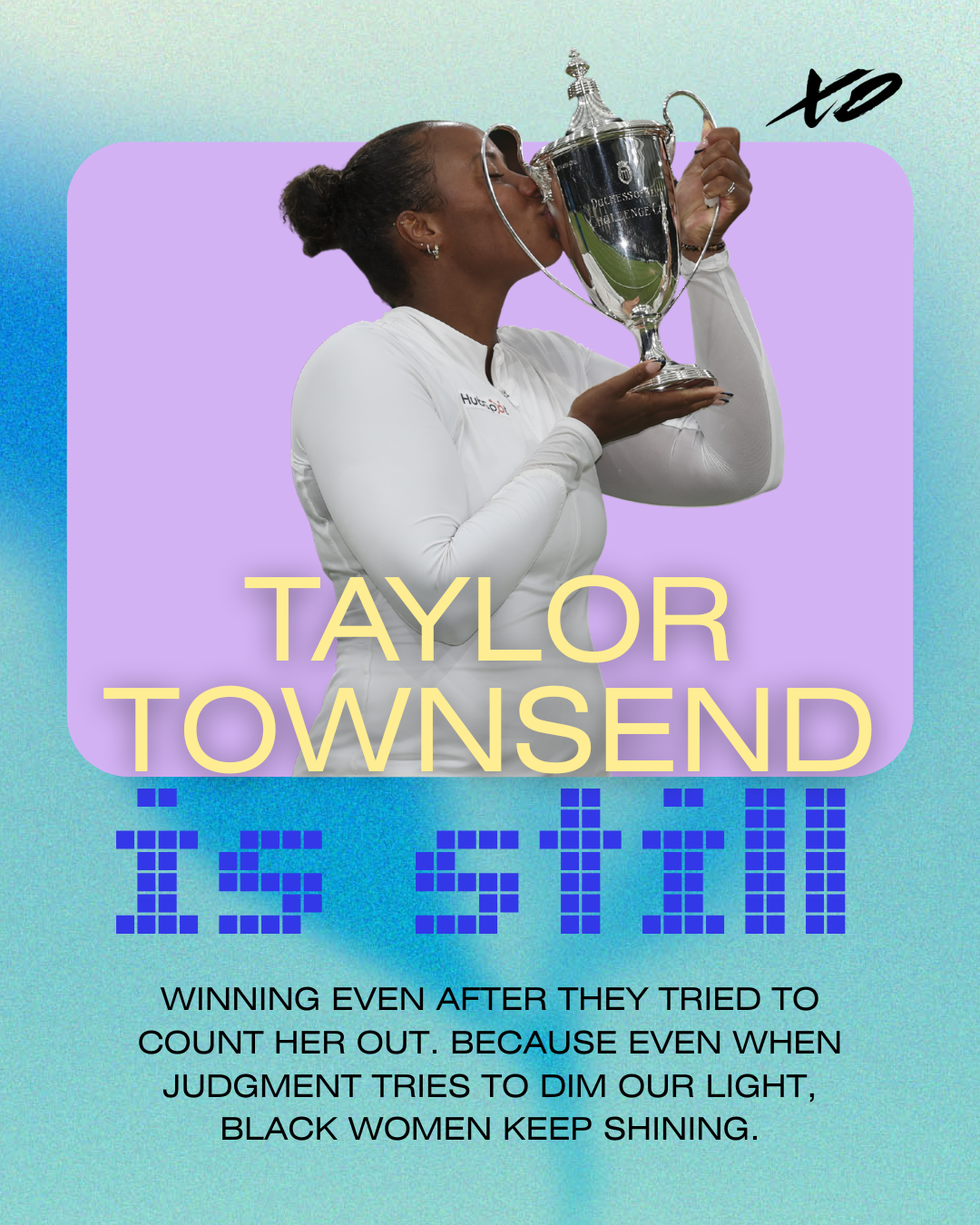
In sports, Angel Reese, Coco Gauff, and Taylor Townsend have been reminded that even excellence will not shield you from racism or judgment.
In business, visionaries like Diarrha N’Diaye-Mbaye and Melissa Butler are fighting to keep their dreams alive in an economy that too often forgets us first.
Even our icons, Beyoncé, Serena, and SZA, have faced criticism simply for evolving beyond the boxes society tried to keep them in.
From everyday women to cultural phenoms, the pattern is the same. Our light is being tested.
And yet, somehow, through it all, we are still showing up as that girl, and that deserves to be celebrated.
Because while the world debates our worth, we keep raising our value. And that proof is all around us.
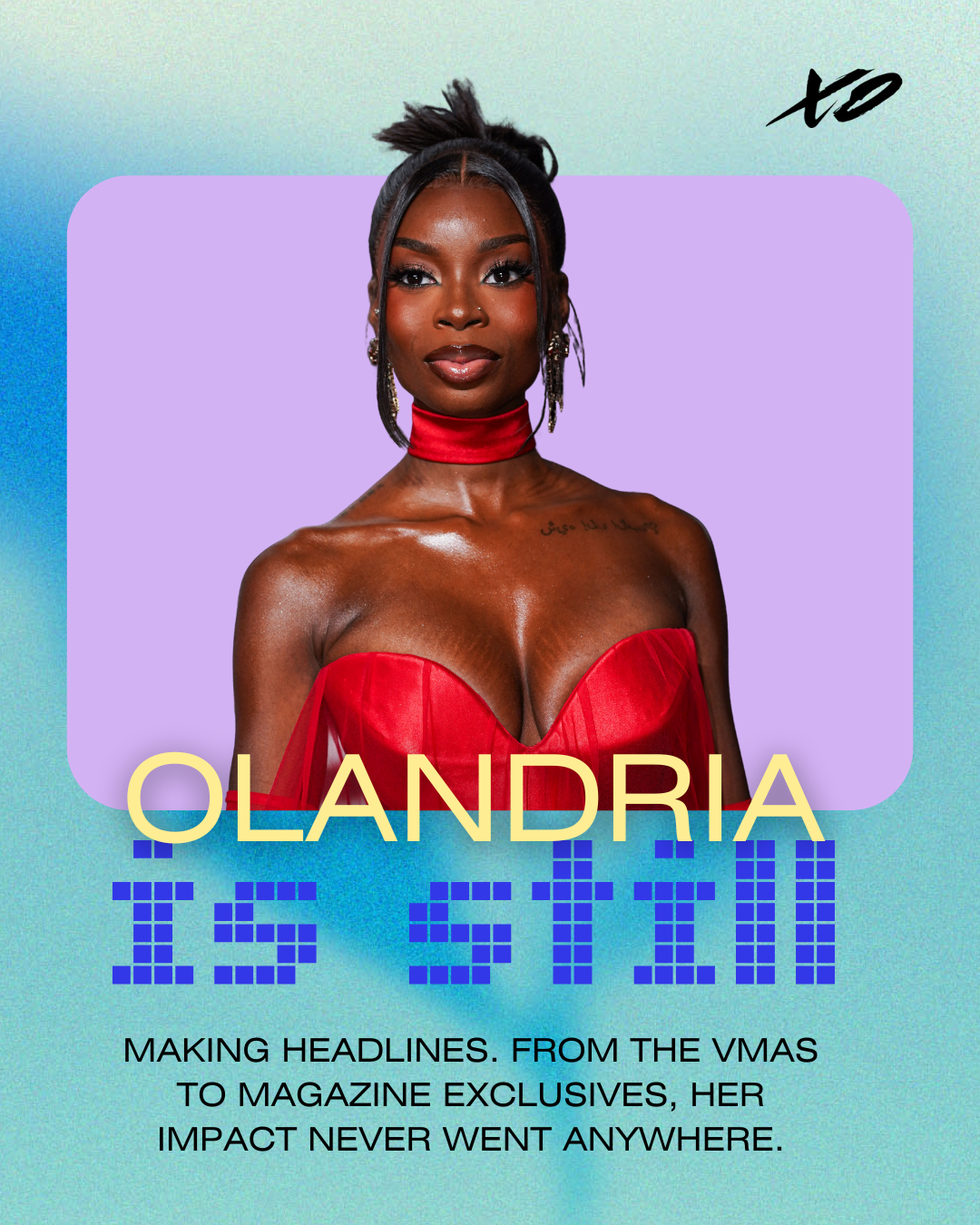
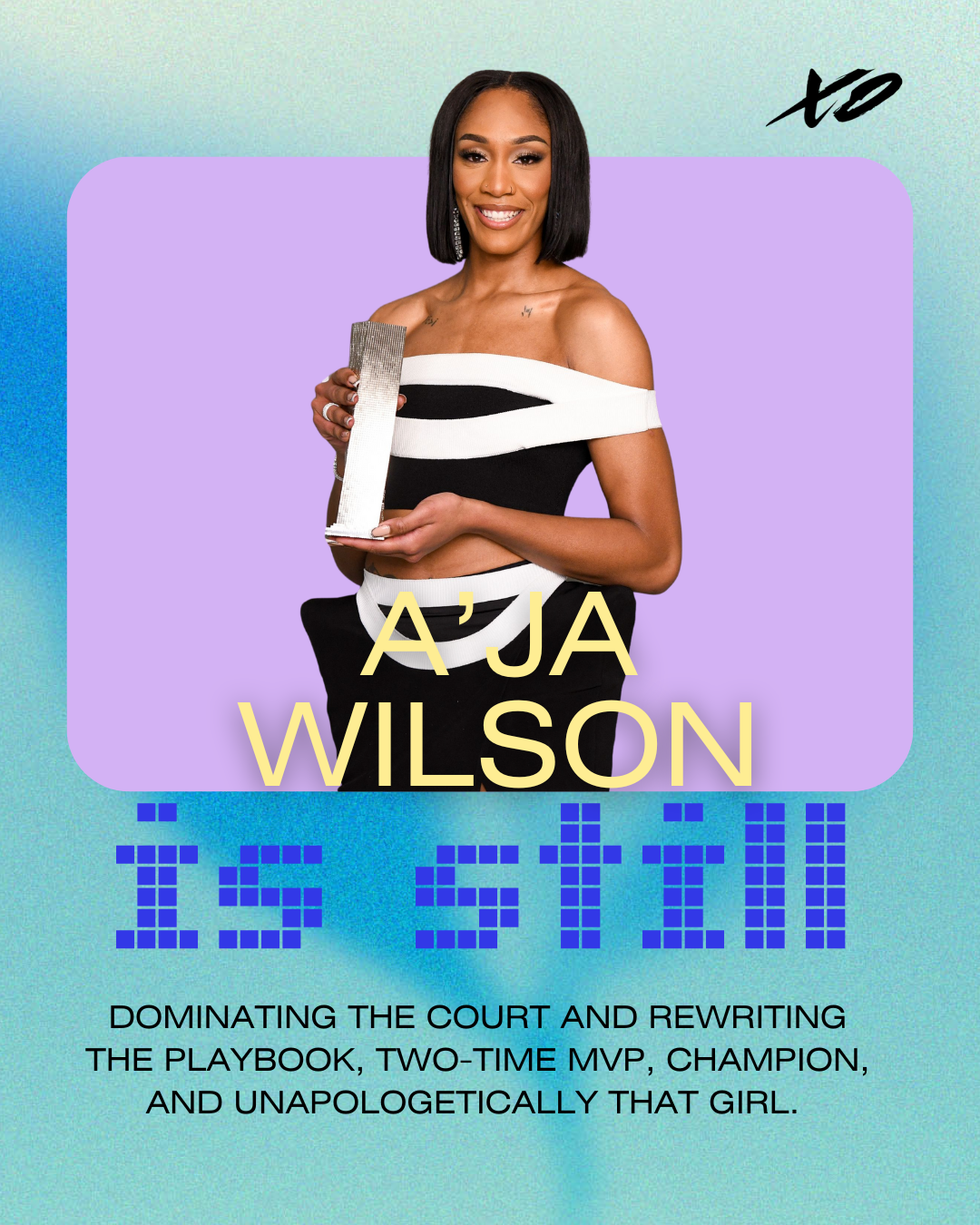
This year alone, Naomi Osaka returned from motherhood and mental health challenges to reach the semifinals of the US Open. A’ja Wilson claimed another MVP, reminding us that beauty and dominance can coexist. Brandy and Monica are snatching our edges on tour. Kahlana Barfield Brown sold out her new line in the face of a retailer that had been canceled. And Melissa Butler’s company, The Lip Bar, is projecting a forty percent surge in sales.
We are no longer defining strength by how much pain we can endure. We are defining it by the unbreakable light we continue to radiate.
We are the women walking our daily steps and also continuing to run solid businesses. We are growing in love, taking solo trips, laughing until it hurts, raising babies and ideas, drinking our green juice, and praying our peace back into existence.
We are rediscovering the joy of rest and realizing that softness is not weakness, it is strategy.
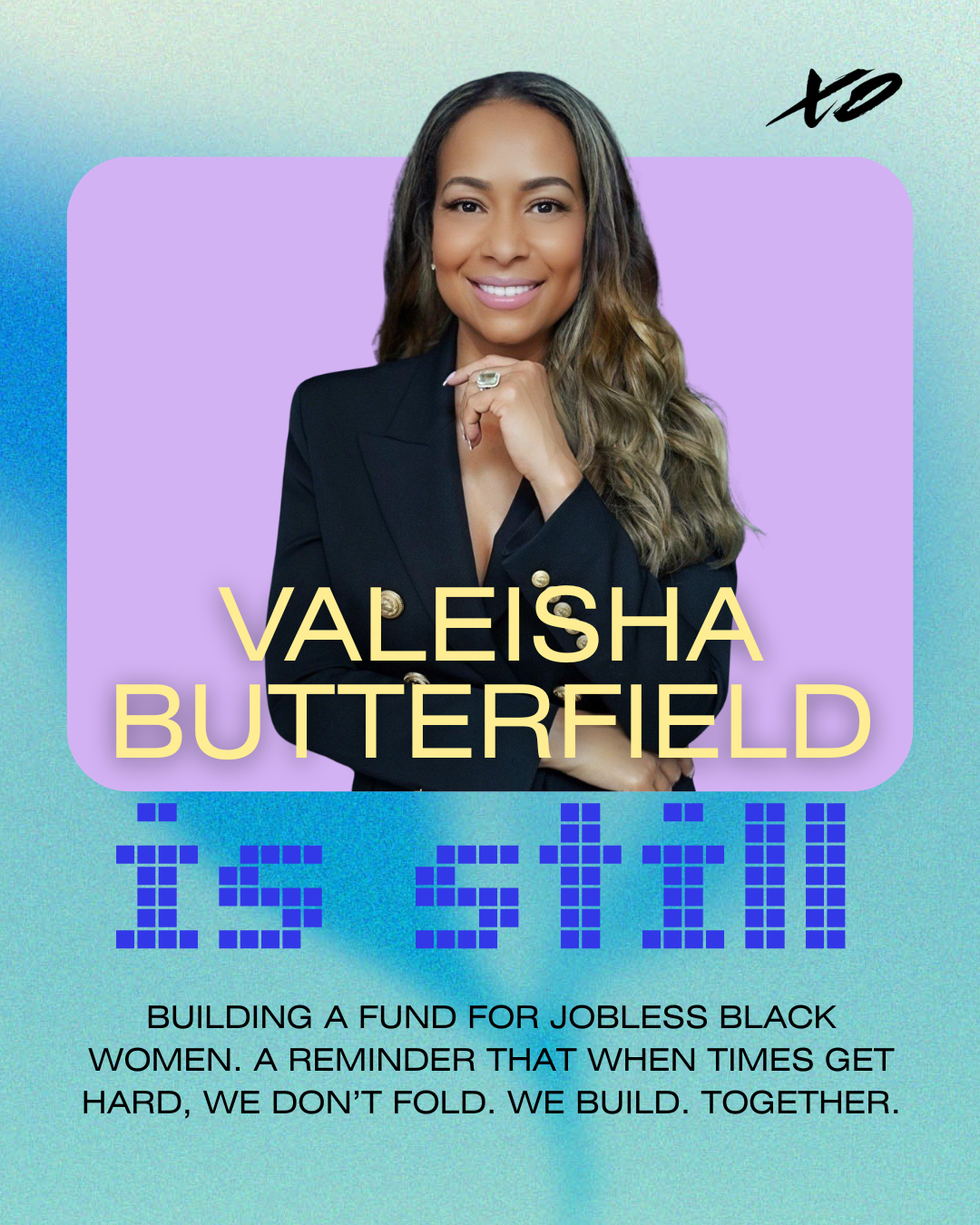
And through it all, we continue to lift one another. Emma Grede is creating seats at the table. Valeisha Butterfield has started a fund for jobless Black women. Arian Simone is leading in media with fearless conviction. We are pouring into each other in ways the world rarely sees but always feels.
So yes, we are in the midst of societal warfare. Yes, we are being tested. Yes, we are facing economic strain, political targeting, and public scrutiny. But even war cannot dim a light that is divinely ours.
And we are still shining.
And we are still softening.
And we are still creating.
And we are still It.
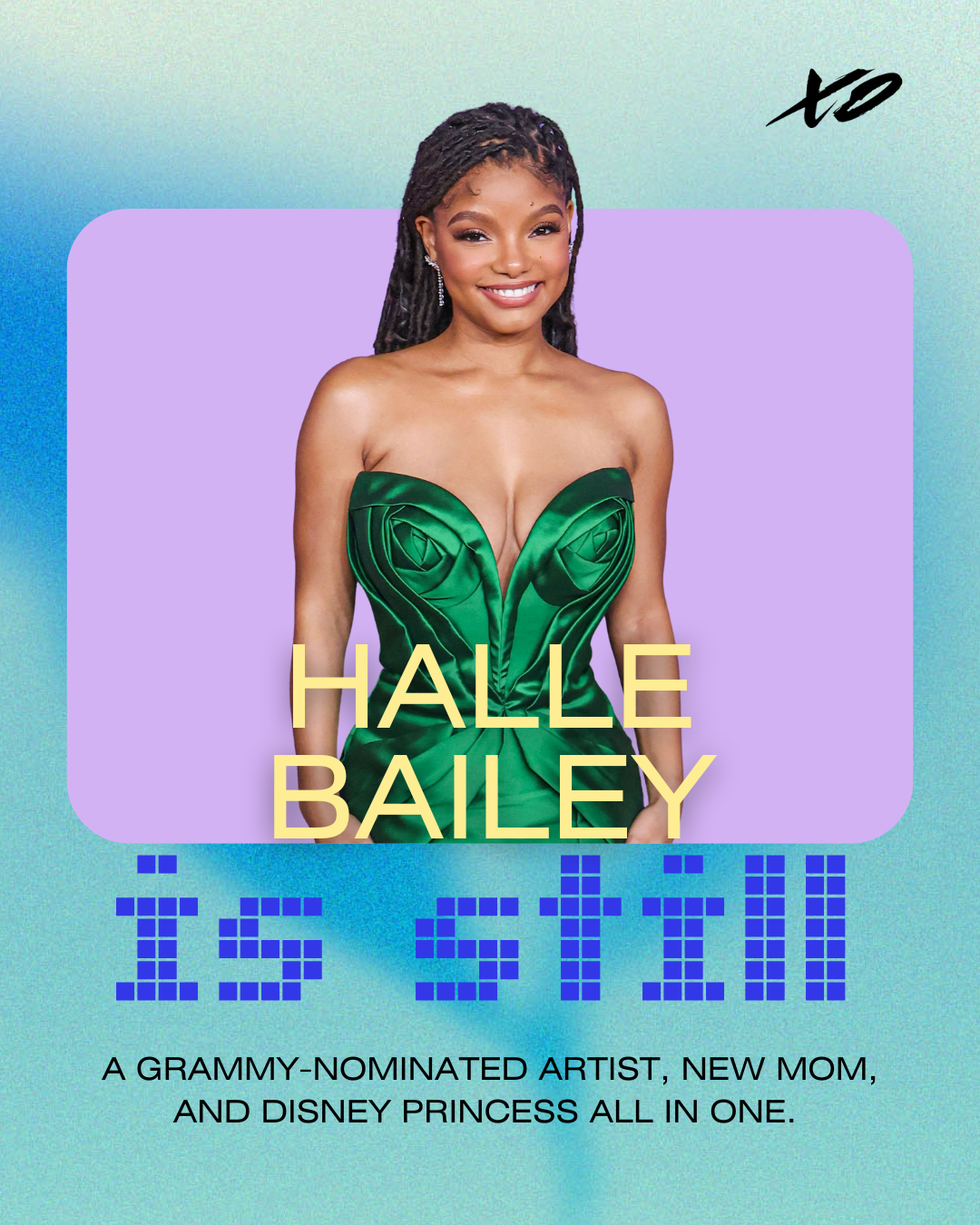
That is the quiet magic of Black womanhood, our ability to hold both truth and triumph in the same breath, to say yes, and to life’s contradictions.
It is no coincidence that this year, as SheaMoisture embraces the message “Yes, And,” they stand beside us as partners in celebrating this class of It Girls. Because that phrase, those two simple words, capture the very essence of this moment.
Yes, we are tired. And we are still rising.
Yes, we are questioned. And we are the answer.
Yes, we are bruised. And we are still beautiful.
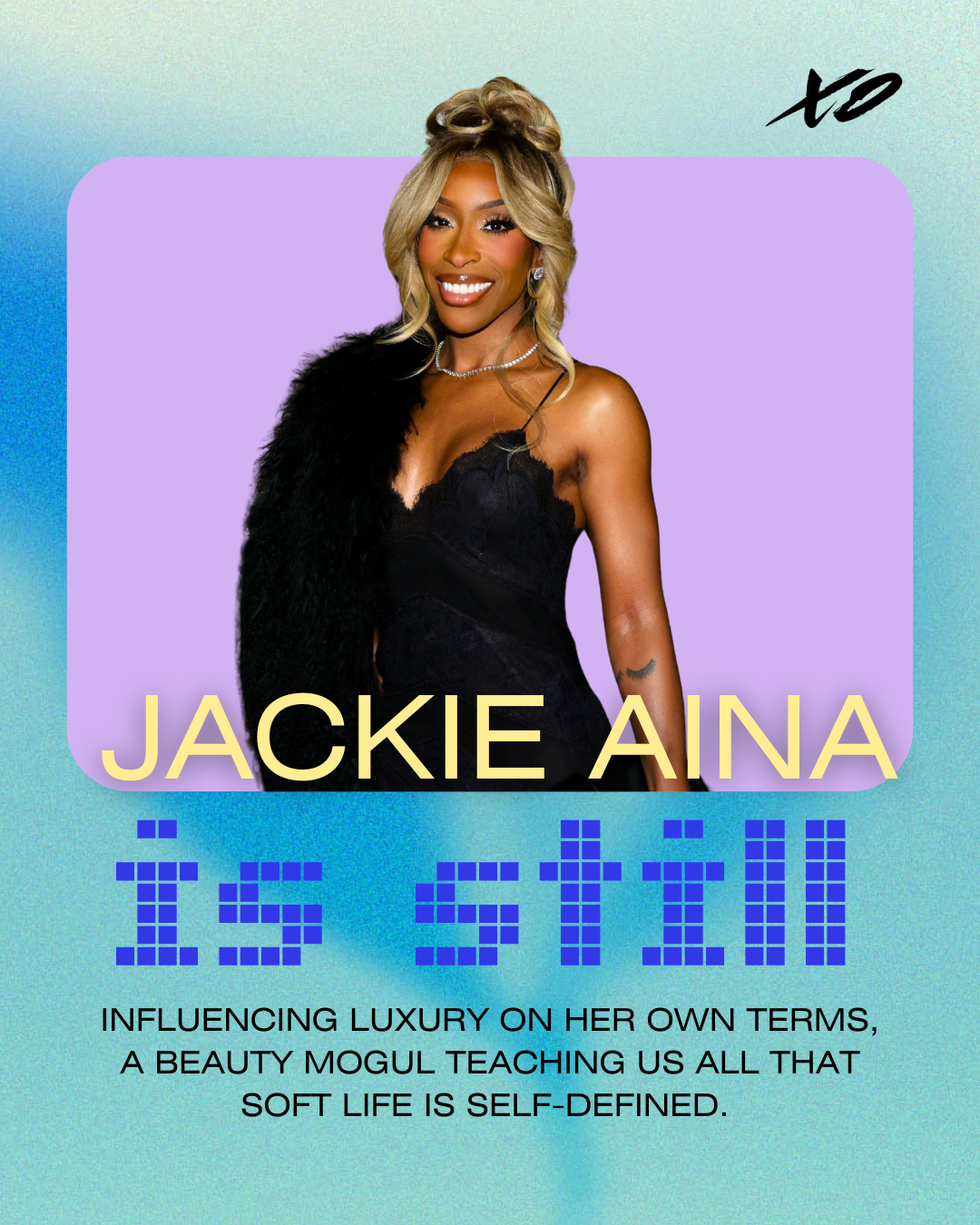
This year’s It Girl 100 is more than a list. It is a love letter to every Black woman who dares to live out loud in a world that would rather she whisper. This year’s class is living proof of “Yes, And,” women who are finding ways to thrive and to heal, to build and to rest, to lead and to love, all at once.
It is proof that our joy is not naive, our success not accidental. It is the reminder that our light has never needed permission.
So without further ado, we celebrate the It Girl 100 Class of 2025–2026.
We celebrate the millions of us who keep doing it with grace, grit, and glory.
Because despite it all, we still shine.
Because we are still her.
Because we are still IT, girl.
Meet all 100 women shaping culture in the It Girl 100 Class of 2025. View the complete list of honorees here.
Featured image by xoStaff

Then there were those who gave up their zip code altogether and found a permanent home in the skies. After years spent recruiting students for a university, Lisa-Gaye Shakespeare became a full-time travel influencer and founded her travel company, Shakespeare Agency. And she's not alone.
These stories mirror the experiences of women across the world. For millions, the pandemic induced a seismic shift in priorities and desires. Corporate careers that were once hailed as the ultimate “I made it” moment in one's career were pushed to the back burner as women quit their jobs in search of a more self-fulfilling purpose.
xoNecole spoke to these three Black women who used the pandemic as a springboard to make their wildest dreams a reality, the lessons they learned, and posed the question of whether they’ll ever return to cubicle life.
Answers have been edited for context and length.
xoNecole: How did the pandemic lead to you leaving the cubicle?
Randi: I was becoming stagnant. I was working in mortgage and banking but I felt like my personality was too big for that job! From there, I transitioned to radio but was laid off during the pandemic. That’s what made me go full throttle with entrepreneurship.
Gabrielle: I moved around a lot for work. Five times over a span of seven years. I knew I needed a break because I had experienced so much. So, I just quit one day. Effective immediately. I didn’t know what I was going to do, I just knew I needed a break and to just regroup.
Lisa-Gaye: I was working in recruiting at a university and my dream job just kind of fell into my lap! But, I never got to fully enjoy it before the world shut down in March [2020] and I was laid off. On top of that, I was stuck in Miami because Jamaica had closed its borders due to the pandemic before I was able to return.
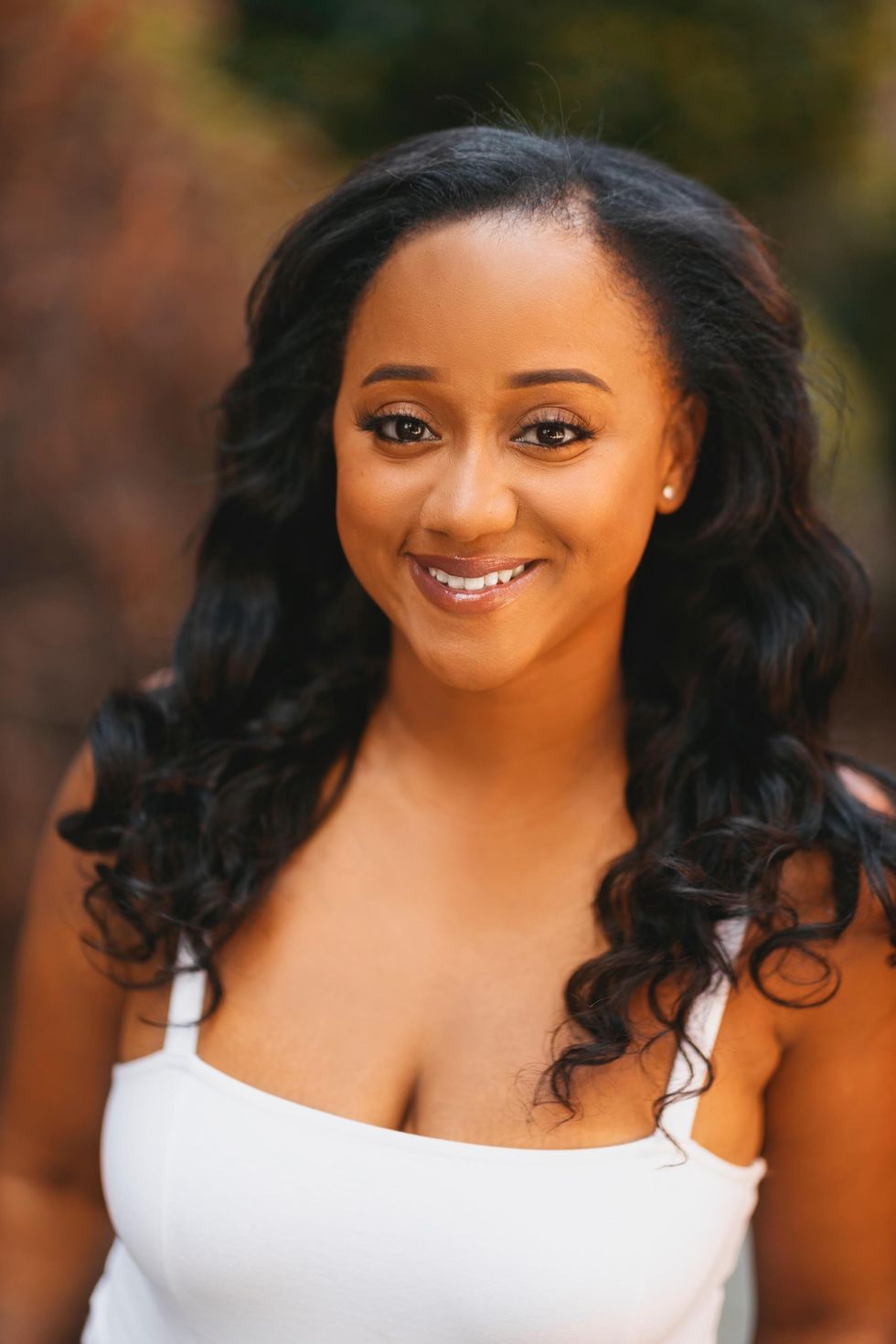
Randi O
xoN: Tell us about your journey after leaving Corporate America.
Randi: I do it all now! I have a podcast, I’m an on-air talent, I act, and I own a public relations company that focuses on social media engagement. It’s all from my network. When you go out and start a business, you can’t just say, “Okay I’m done with Corporate America,” and “Let me do my own thing.” If you don’t build community, if you don’t build a network it's going to be very hard to sustain.
Gabrielle: I realized in New York, there was not a lot to do for Black lesbians and queer folks. We don’t really have dedicated bars and spaces so I started doing events and it took off. I started focusing on my brand, Raw Honey. I opened a co-working space, and I was able to host an NYC Pride event in front of 100,000 people. I hit the ground running with Raw Honey. My events were all women coming to find community and come together with other lesbians and queer folks. I found my purpose in that.
Lisa-Gaye: After being laid off, I wrote out all of my passions and that’s how I came up with [my company] Shakespeare Agency. It was all of the things that I loved to do under one umbrella. The pandemic pulled that out of me. I had a very large social media following, so I pitched to hotels that I would feature them on my blog and social media. This reignited my passion for travel. I took the rest of the year to refocus my brand to focus solely on being a content creator within the travel space.
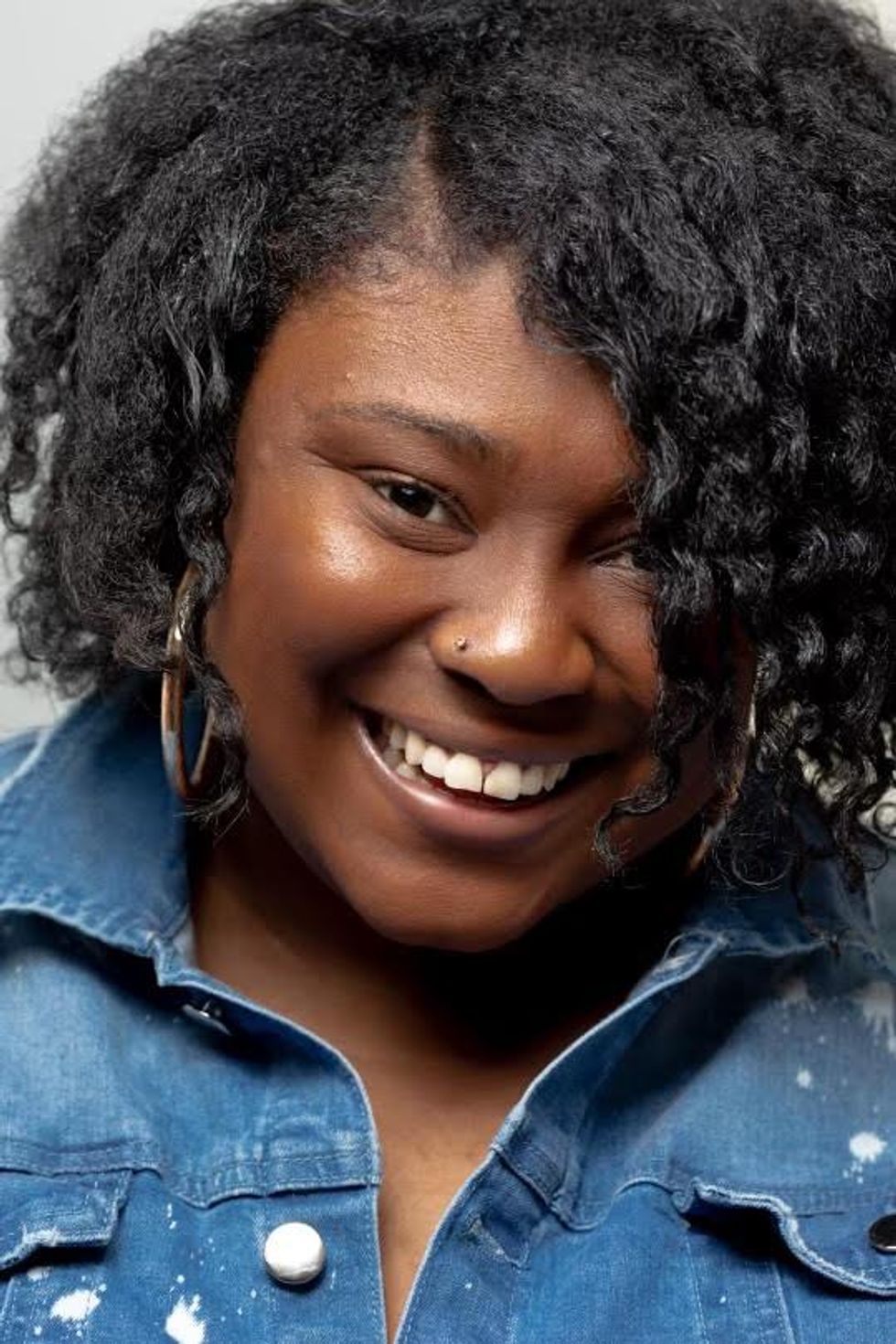
Gabrielle
xoN: What have you learned about yourself during your time as an entrepreneur?
Randi: [I learned] the importance of my network and community that I created. When I was laid off I was still keeping those relationships with people that I used to work with. So it was easy for me to transition into social media management and I didn’t have to start from scratch.
Gabrielle: The biggest thing I learned about myself was my own personal identity as a Black lesbian and how much I had assimilated into straight and corporate culture and not being myself. Now, I feel comfortable and confident being my authentic self. Now, I'm not sacrificing anything else for my career. I have a full life. I have friends. I have a social life. And when you are happy and have a full quality of life, I feel like [I] can have more longevity in my career.
Lisa-Gaye: [I'm doing] the best that I've ever done. The discipline that I’m building within myself. Nobody is saying, ‘Oh you have to be at work at this time.’ There’s no boss saying, ‘Why are you late?’ But, if I’m laying in bed at 10 a.m. then it's me saying [to myself], 'Okay, Lisa, get up, it's time for you to start working!’ That’s all on me.
xoNecole: What mistakes do you want to help people avoid when leaving Corporate America?
Randi: You have to learn about the highs and lows of entrepreneurship. You have a fast season and a slow season and I started to learn that when you're self-employed the latter season hits hard. Don't get caught up on the lows, just keep going and don't stop. I’m glad I did.
Gabrielle: I think everyone should quit their job and just figure it out for a second. You will discover so much about yourself when you take a second to just focus on you. Your skill set will always be there. You can’t be afraid of what will happen when you bet on yourself.
Lisa-Gaye: When it comes to being an influencer the field is saturated and a lot of people suffer from imposter syndrome. There is nothing wrong with being an imposter but find out how to make it yours, how to make it better. If you go to the store, you see 10 million different brands of bread! But you are choosing the brand that you like because you like that particular flavor.
So be an imposter, but be the best imposter of yourself and add your own flair, your own flavor. Make the better bread. The bread that you want.
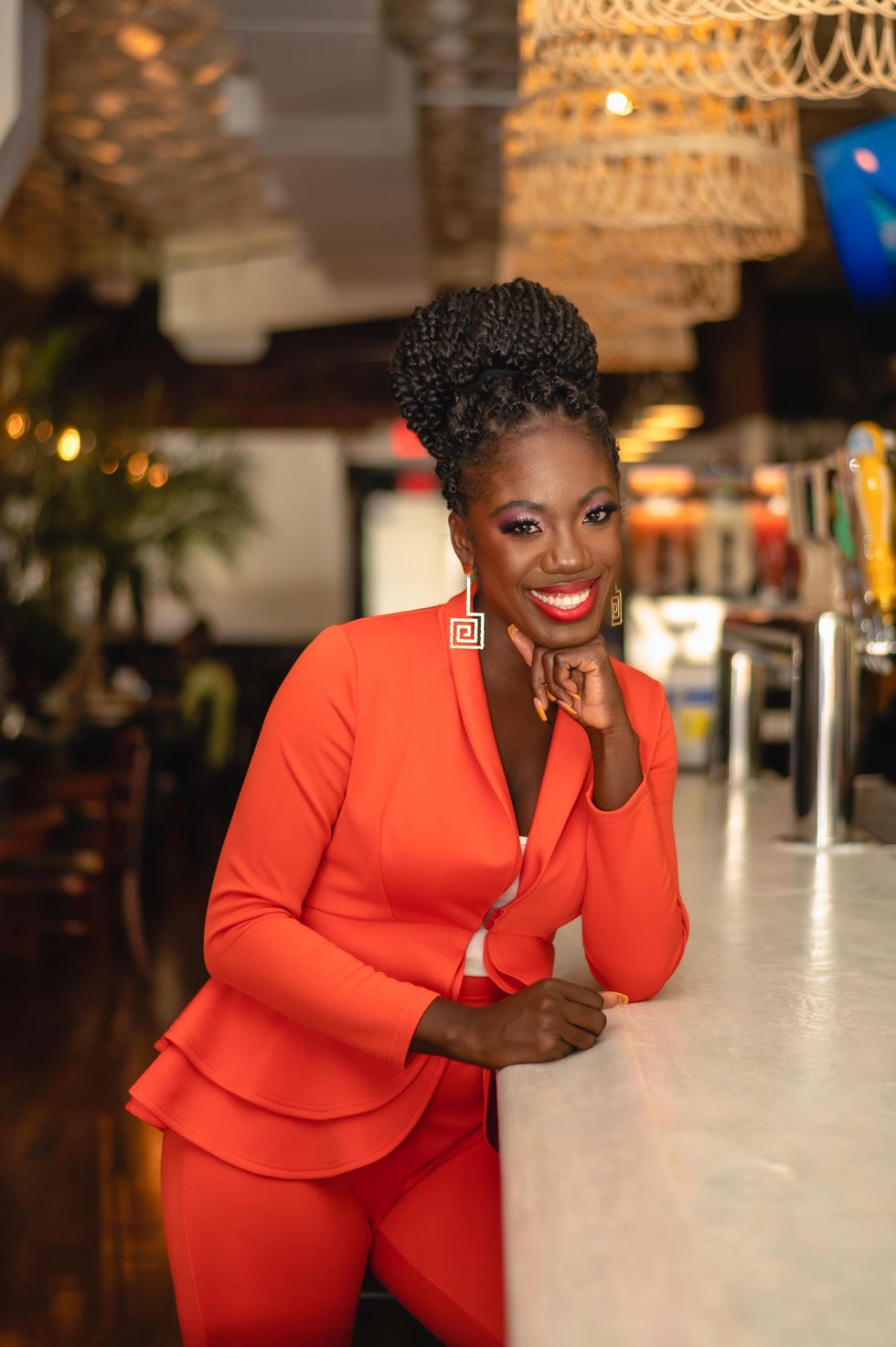
Lisa-Gaye Shakespeare
xoNecole: Will you ever return to your 9 to 5?
Randi: I wouldn’t go back to Corporate America. But I don’t mind working under someone. A lot of people try to get into this business saying, “I can't work under anyone.” That’s not necessarily the reason to start a business because you're always going to answer to somebody. Clients, brands, there’s always someone else involved.
Gabrielle: I went back! I really needed a break and I gave myself that. But, I realized I’m a corporate girl, [and] I enjoy the work that I do. I’m good at it and I really missed that side of myself. I have different sides of me and my whole identity is not Raw Honey or my queerness. A big side of me is business and that’s why I love having my career. Now I feel like my best self.
Lisa-Gaye: I really don’t. For right now, I love working for myself. It's gratifying, it's challenging, it's exciting. It’s a big deal for me to say I own my own business. That I am my own boss, and I'm a Black woman doing it.
Let’s make things inbox official! Sign up for the xoNecole newsletter for love, wellness, career, and exclusive content delivered straight to your inbox.
Featured image courtesy of Lisa-Gaye Shakespeare
Originally published on February 6, 2023