



At this point, who doesn’t know what the five love languages are, right? I mean, they’re so popular that I’d also be shocked if most people weren’t also aware that a pastor and counselor (who recently turned 87, by the way) by the name of Dr. Gary Chapman is who came up with the concept. And honestly, that’s why I’m also not surprised that, even though millions upon millions of copies of his book, The 5 Love Languages: The Secret to Love That Lasts have been sold (and applied), as of late, there have been naysayers writing articles stating that his theories are not scientifically substantiated.
Uh-uh, if you read a lot of those pieces deeper (like this one here), they claim that there hasn’t been enough data collected to know if quality time, physical touch, words of affirmation, acts of service, and/or gifts are truly the ways that we prefer to feel loved by others the most. Hmph. Sounds like a bunch of haters who are pissed that they didn’t come up with the concept first, so I’ll skip over the skepticism and continue to apply them to some of my pieces, thank you very much.
In fact, one of my favorite things about love languages is I think they can — and should — be applied in a myriad of different ways. That’s why, over the years, I’ve penned pieces for the platform like “15 Date Ideas Based On Your Love Language,” “Are You Ready To Apply Your Love Language To Your Sex Life?,” “This Is How To Apply Love Languages To Your Friendships” — and today, it’s all about how to use the five love languages as it relates to one of the greatest things about you: your vagina (and the outer part of it which is your vulva).
Although it might sound a bit weird to think about love languages in this way at first, I think that after you read this all the way through, you’ll get the importance of showing your uniquely-yours-treasure-trove extreme love, in all five ways, just as much and often as you possibly can.
Quality Time

Unsplash
Some of y’all might feel some type of way about what I’m about to say but I’m going to say it anyway. Am I the only one who notices how much social media rants about body counts not mattering and yet, at the same time, whenever it’s time to do some spiritual soul-seeking or “getting back to me,” one of the first things that comes up is going through a season of abstinence? Let me tell you something, when I started my own abstinence journey a billion years ago, at first, I just saw it as a break from the physical aspect of sex. Oh, but as I started to do more research on what science says about copulation (like TIME’s “How Previous Sexual Partners Affect Offspring”), it helped me to become even firmer in my stance that I’m not a fan of casual sex — shoot, now more than ever.
Anyway, as far as quality time with one’s vagina goes, honestly, the first thing that comes to my mind is being abstinent for a season (check out “What Actually Happens To Your Vagina During Seasons Of Abstinence?”). Why? Because when you take time out to not allow anyone into that very sacred space, it can help you to learn about what your vagina wants and needs…beyond sexual pleasure. And honestly, it can help you to tap into your sensual nature on another level too (check out “10 Women Tell Me How Abstinence Actually Made Them...Sexier”).
As far as how long the season should last, that is totally up to you. All I’m saying is that it’s something worth considering. I know a lot of women (and men) who have done it. Not one of them has regretted it.
Another way to look at showing quality time to your vagina is taking a “vagina vacation” because think about it — what happens on vacations? Rest, relaxation, pampering, right? So, why not treat your vagina to one of these? It might seem crazy to wrap your mind around yet there are spas and resorts that are specifically designed to focus on kegel and pelvic floor exercises, treatments that you can give to your vulva, and holistic approaches that you can take to increase your natural lubrication, decrease your chances of having a vaginal infection and improve the overall quality of vaginal intercourse.
My recommendation? Think about the treatments that you want to give your vagina, then select a spa in another city. You can spend the day giving “her” some TLC and then the rest of the time chilling out.
Physical Touch
Unsplash
If the first thing that came to your mind with this one is masturbation — although I can see why, it doesn’t have to be. There are definitely other ways that you can express “self-love” to your genital region than (just) that. For instance, there is vaginal mapping (check out “Why 'Vaginal Mapping' Needs To Be Part Of Your Healing Journey”) which is all about giving your vulva and vagina a therapeutic massage for the purpose of providing them both with a level of compassion when it comes to checking out areas where there might be pain, numbness or even areas of discomfort.
While this can obviously be physically beneficial, there are some psychological reasons why this is a wise practice too; for instance, sometimes this type of touch can remind you of some suppressed trauma you might’ve experienced or anxiety that you may have. If that is the case, you may want to discuss it with your doctor and/or a reputable sex therapist.
Another thing that you may want to consider is performing a vaginal self-exam (see “Why You Should Give Yourself A ‘Vaginal Self-Exam’”). This is basically a breast self-exam, just for your vulva and vagina, so that you can see if there are any (physical) abnormalities that you might’ve missed while bathing. Another way to love on “her,” physically, is to simply do a vaginal massage which is also called a yoni massage. Although it’s somewhat similar to vaginal mapping, its main purpose is to simply help you to feel more comfortable with yourself in that space.
Personally, I do vaginal massages in the sense of using a combination of warmed-up grapeseed oil and lavender oil to increase blood circulation to my pubic mound and vaginal lips as well as soften my pubic hair. Anyway, you can read more about vaginal/yoni massages here.
Words of Affirmation

Unsplash
A couple of years ago, I penned a piece for the platform entitled, “Vaginas Are Like Plants. Here's What I Mean By That.” One of the things that I mentioned in it is the importance of — wait for it — talking to your va-jay-jay. If you think that it’s just something that I made up in my head, check out HuffPost’s (UK) article, “Speaking To Your Vagina Can Help It Thrive, Says Gynaecologist.”
The long short of it is there is a part of our brain known as the reticular activating system (RAS); it’s what helps to regulate our sleep, attention, and arousal cycles and patterns. It is also thought to be a part of how our subconscious mind operates. Anyway, the theory is that if you speak positively to and about your vagina, that will cause you to 1) act lovingly towards it and 2) want to provide it with the things that it needs.
If you add to this the fact that research also says that things like stress and not feeling good about yourself can lead to things like vaginal dryness, a lowered libido, and recurring yeast infections, speaking good things about your vagina could only work to your benefit…don’t cha think?
Acts of Service
Unsplash
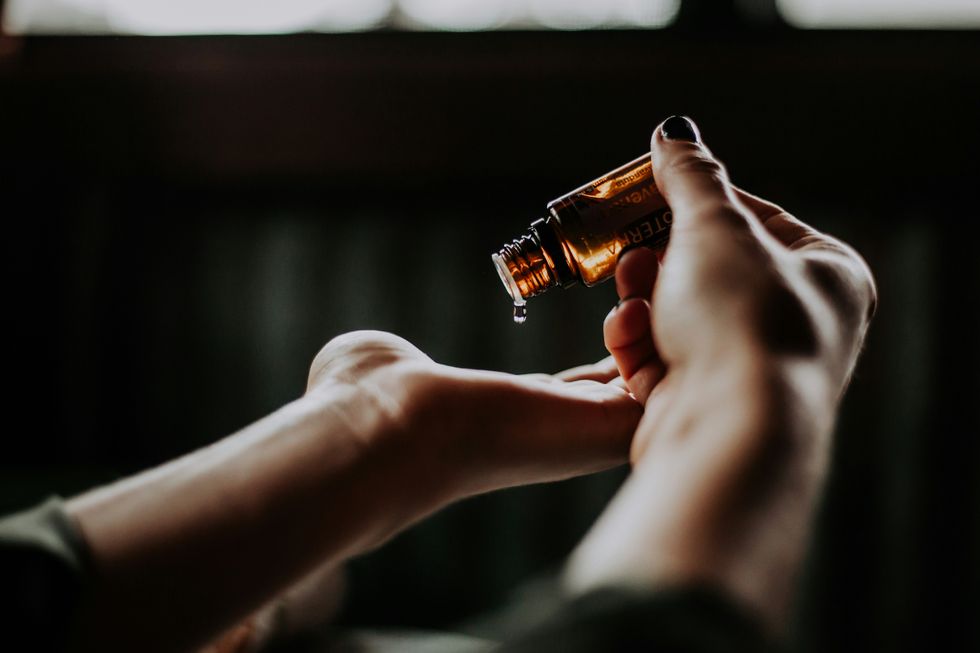
To me, acts of service simply means vaginal maintenance — getting waxes (if that’s your thing); taking a daily probiotic; doing kegels; buying new cotton panties every 6-9 months; using white (and unscented) toilet paper (other kinds can irritate your vagina); using water or only vaginal washes that are made specifically for your vulva and vagina (I like Boric Fresh PH Balancing Daily Feminine Wash and Pangaea Wash™: 100% Natural Foaming Feminine Wash and you can also check out “Love On Yourself With These 7 All-Natural DIY Vaginal Washes”); using condoms; keeping your labia moisturized with some coconut, avocado or olive oil (which contain properties to protect vulvar skin); NOT using scented products (if your vagina or vulva has a consistent odor, see your doctor), and sleeping naked (so that “she” can breathe).
Yeah, even though my own primary love languages aren’t acts of service, I’ve always liked this one because it commands respect: “Don’t just say that you love me; DO SOMETHING ABOUT IT.” Salute. LOL.
Gifts
Unsplash
Something that I like a lot about DIY gift baskets is you can customize them in super detailed ways — this includes when it comes to your vagina and vulva. For instance, if you wanted to show “her” some extra love via gift-giving, you could create a yoni basket that is filled with things like — yoni bath bombs, some vulva balm and you should also check out “Your Vagina's Holiday Wishlist Includes Pelvic Floor Massagers, Tanga Panties, & More” for more inspiration.
Also, I actually treated myself to a tumbler that says “Make Better Coochie Decisions” (by Goddess Intentions) on it, simply because I thought the message was hella cute. At the end of the day, a gift is a token of appreciation. Your vagina deserves to feel appreciated by you…on the regular.
___
It can’t be said enough that the more that I learn about the vagina (and vulva), the more intentional I am about giving it extra special praise, care and attention. This list is just a reminder to consider doing the same.
Show “her” love and watch how she responds in return. Yes, literally, sis.
Let’s make things inbox official! Sign up for the xoNecole newsletter for love, wellness, career, and exclusive content delivered straight to your inbox.
Featured image by FabrikaCr/Getty Images
RELATED




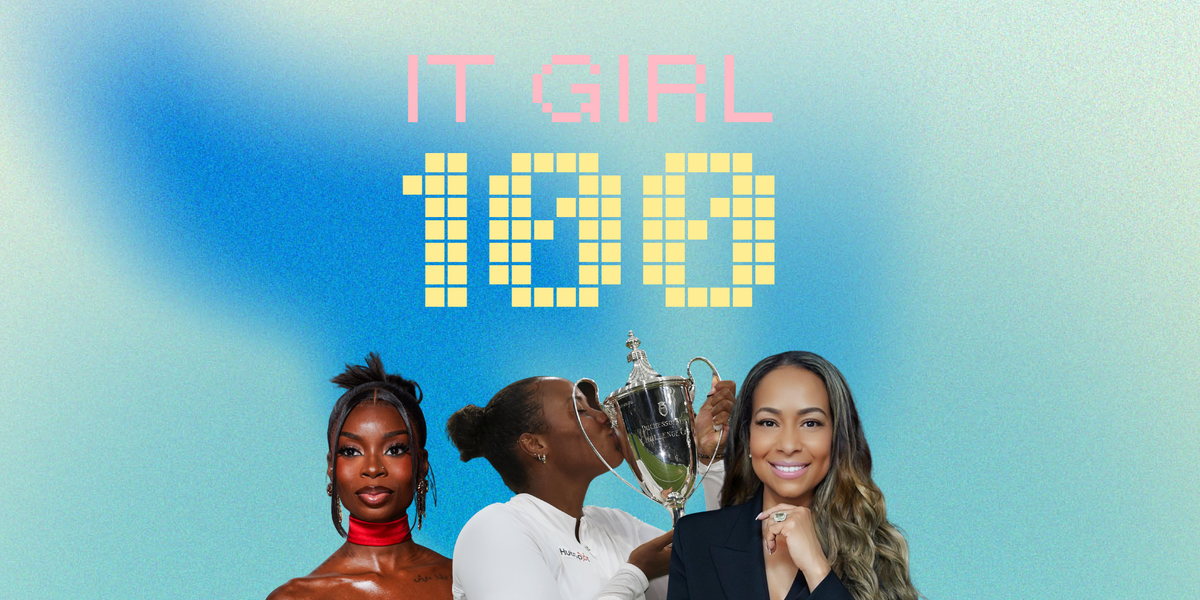
So, we handpicked one hundred It Girls who embody that palpable It Factor moving through us as young Black women, the kind of motion lighting up the world both IRL and across the internet.
It Girl 100 became xoNecole’s most successful program, with the hashtag organically reaching more than forty million impressions on Instagram in just twenty-four hours. Yes, it caught on like wildfire because we celebrated some of the most brilliant and influential GenZennial women of color setting trends and shaping culture. But more than that, it resonated because the women we celebrated felt seen.
Many were already known in their industries for keeping this generation fly and lit, but rarely received recognition or flowers. It Girl 100 became a safe space to be uplifted, and for us as Black women to bask in what felt like an era of our brilliance, beauty, and boundless influence on full display.
And then, almost overnight, it was as if the rug was pulled from under us as Black women, as the It Girls of the world.
Our much-needed, much-deserved season of ease and soft living quickly metamorphosed into a time of self-preservation and survival. Our motion and economic progression seemed strategically slowed, our light under siege.
The air feels heavier now. The headlines colder. Our Black girl magic is being picked apart and politicized for simply existing.
With that climate shift, as we prepare to launch our second annual It Girl 100 honoree list, our team has had to dig deep on the purpose and intention behind this year’s list. Knowing the spirit of It Girl 100 is about motion, sauce, strides, and progression, how do we celebrate amid uncertainty and collective grief when the juice feels like it is being squeezed out of us?
As we wrestled with that question, we were reminded that this tension isn’t new. Black women have always had to find joy in the midst of struggle, to create light even in the darkest corners. We have carried the weight of scrutiny for generations, expected to be strong, to serve, to smile through the sting. But this moment feels different. It feels deeply personal.
We are living at the intersection of liberation and backlash. We are learning to take off our capes, to say no when we are tired, to embrace softness without apology.
And somehow, the world has found new ways to punish us for it.
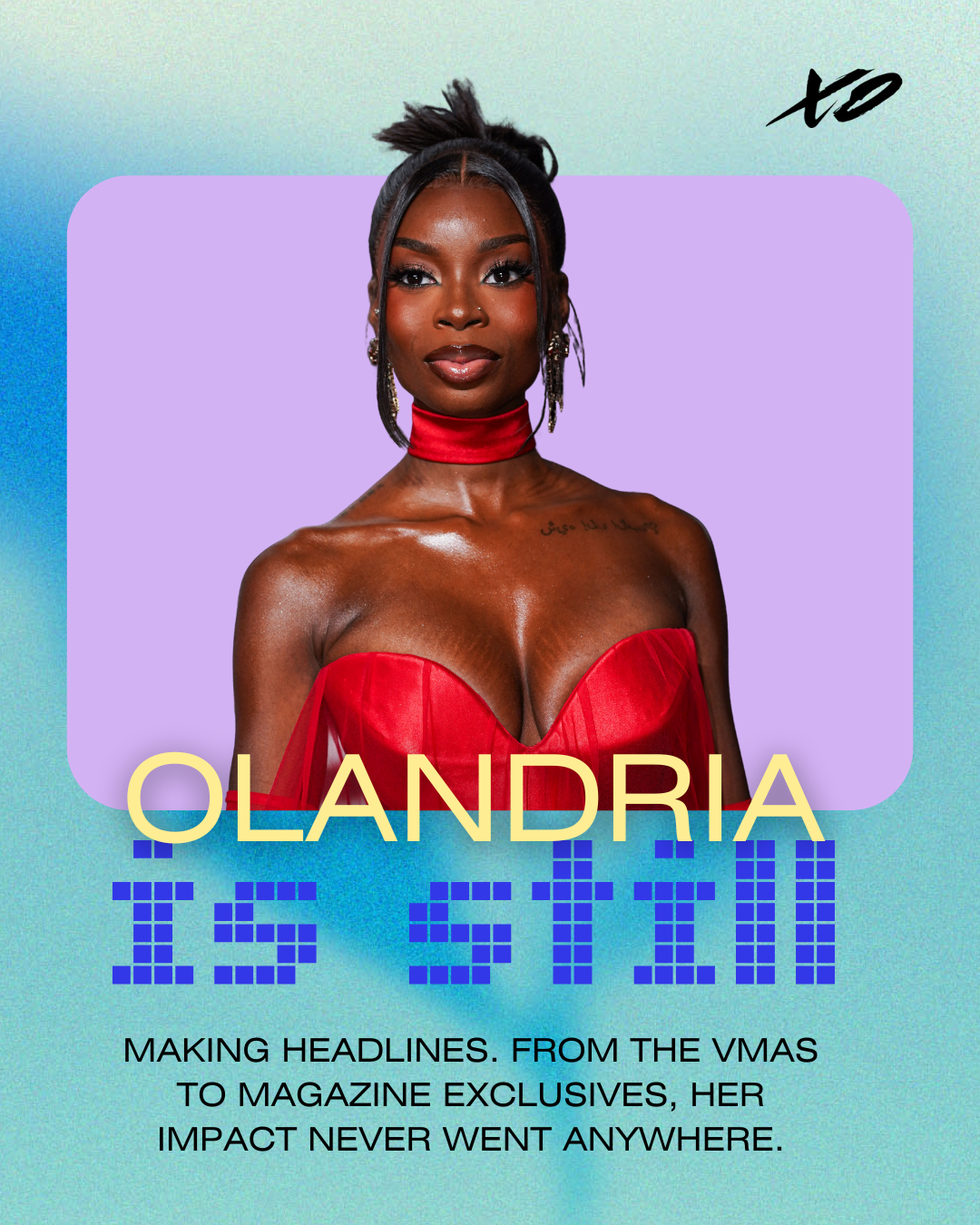
In lifestyle, women like Kayla Nicole and Ayesha Curry have been ridiculed for daring to choose themselves. Tracee Ellis Ross was labeled bitter for speaking her truth about love. Meghan Markle, still, cannot breathe without critique.
In politics, Kamala Harris, Letitia James, and Jasmine Crockett are dragged through the mud for standing tall in rooms not built for them.
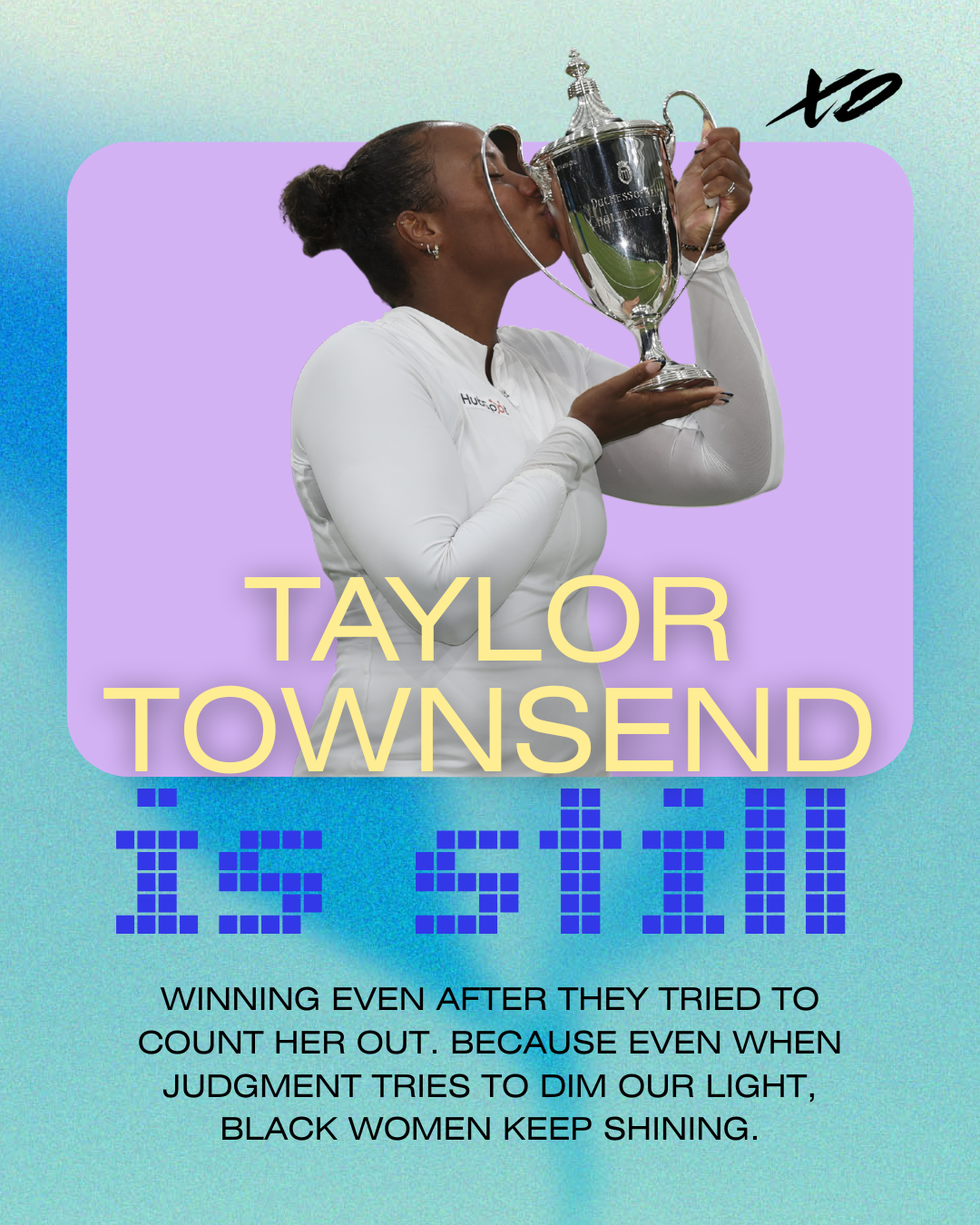
In sports, Angel Reese, Coco Gauff, and Taylor Townsend have been reminded that even excellence will not shield you from racism or judgment.
In business, visionaries like Diarrha N’Diaye-Mbaye and Melissa Butler are fighting to keep their dreams alive in an economy that too often forgets us first.
Even our icons, Beyoncé, Serena, and SZA, have faced criticism simply for evolving beyond the boxes society tried to keep them in.
From everyday women to cultural phenoms, the pattern is the same. Our light is being tested.
And yet, somehow, through it all, we are still showing up as that girl, and that deserves to be celebrated.
Because while the world debates our worth, we keep raising our value. And that proof is all around us.
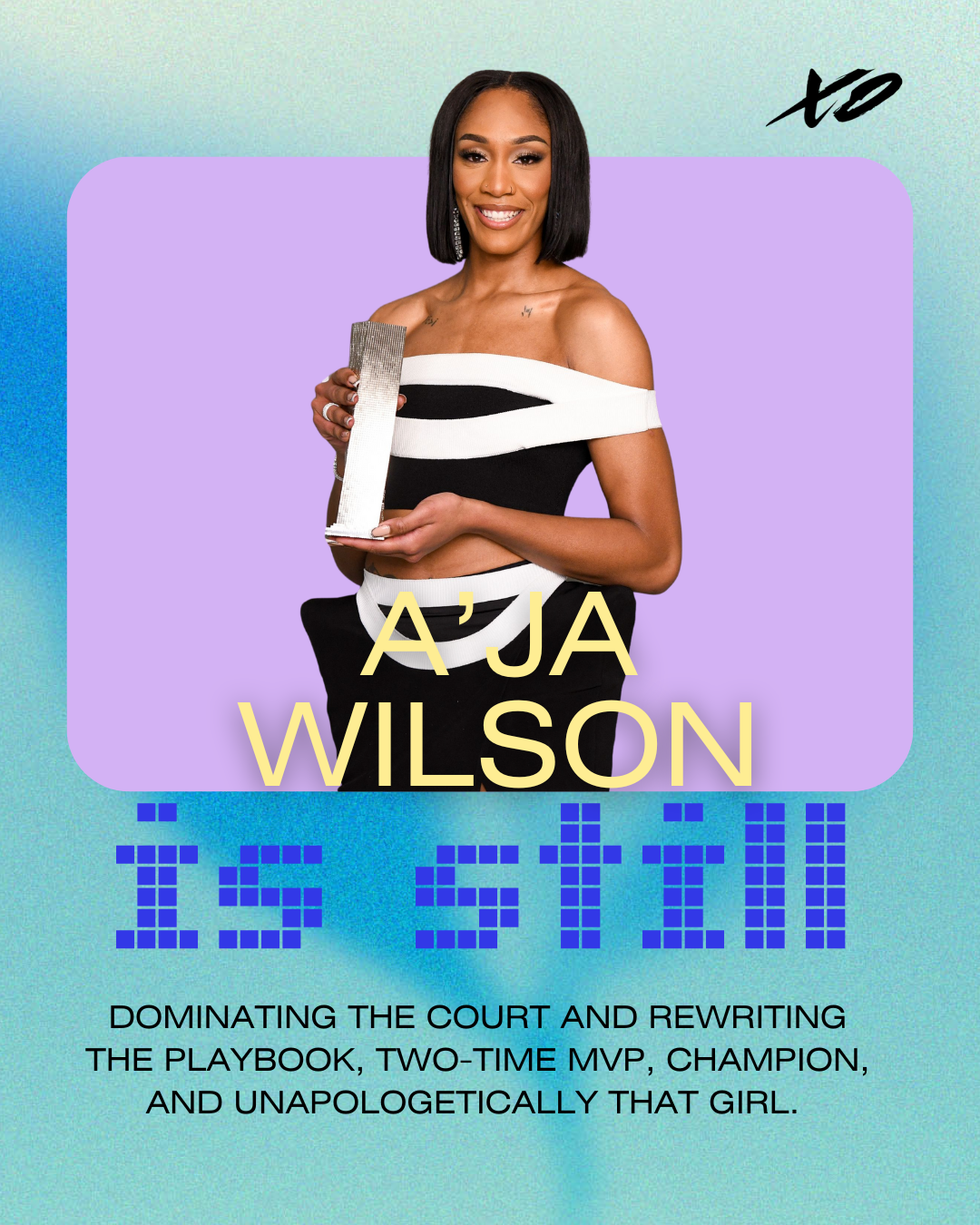
This year alone, Naomi Osaka returned from motherhood and mental health challenges to reach the semifinals of the US Open. A’ja Wilson claimed another MVP, reminding us that beauty and dominance can coexist. Brandy and Monica are snatching our edges on tour. Kahlana Barfield Brown sold out her new line in the face of a retailer that had been canceled. And Melissa Butler’s company, The Lip Bar, is projecting a forty percent surge in sales.
We are no longer defining strength by how much pain we can endure. We are defining it by the unbreakable light we continue to radiate.
We are the women walking our daily steps and also continuing to run solid businesses. We are growing in love, taking solo trips, laughing until it hurts, raising babies and ideas, drinking our green juice, and praying our peace back into existence.
We are rediscovering the joy of rest and realizing that softness is not weakness, it is strategy.
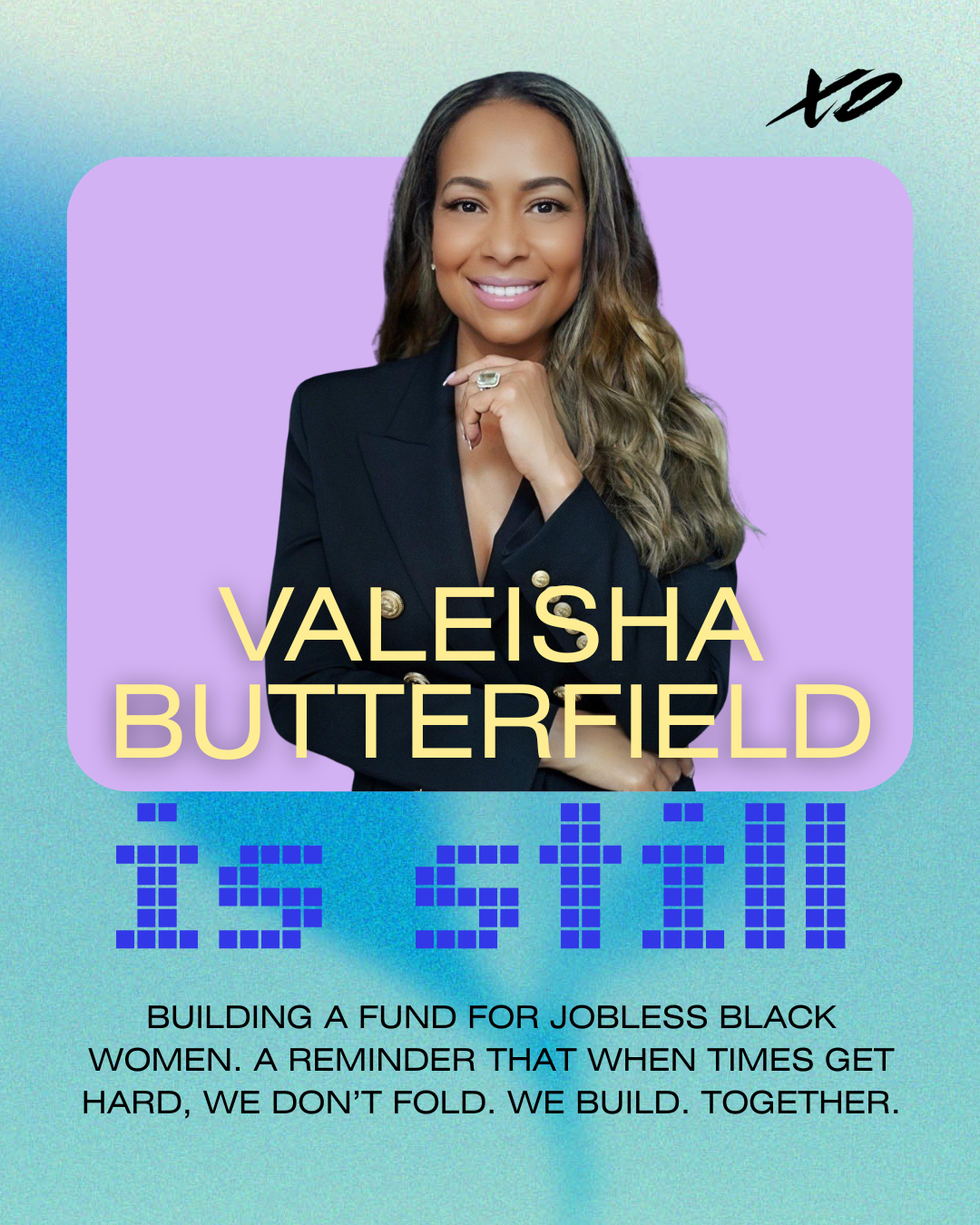
And through it all, we continue to lift one another. Emma Grede is creating seats at the table. Valeisha Butterfield has started a fund for jobless Black women. Arian Simone is leading in media with fearless conviction. We are pouring into each other in ways the world rarely sees but always feels.
So yes, we are in the midst of societal warfare. Yes, we are being tested. Yes, we are facing economic strain, political targeting, and public scrutiny. But even war cannot dim a light that is divinely ours.
And we are still shining.
And we are still softening.
And we are still creating.
And we are still It.
That is the quiet magic of Black womanhood, our ability to hold both truth and triumph in the same breath, to say yes, and to life’s contradictions.
It is no coincidence that this year, as SheaMoisture embraces the message “Yes, And,” they stand beside us as partners in celebrating this class of It Girls. Because that phrase, those two simple words, capture the very essence of this moment.
Yes, we are tired. And we are still rising.
Yes, we are questioned. And we are the answer.
Yes, we are bruised. And we are still beautiful.
This year’s It Girl 100 is more than a list. It is a love letter to every Black woman who dares to live out loud in a world that would rather she whisper. This year’s class is living proof of “Yes, And,” women who are finding ways to thrive and to heal, to build and to rest, to lead and to love, all at once.
It is proof that our joy is not naive, our success not accidental. It is the reminder that our light has never needed permission.
So without further ado, we celebrate the It Girl 100 Class of 2025–2026.
We celebrate the millions of us who keep doing it with grace, grit, and glory.
Because despite it all, we still shine.
Because we are still her.
Because we are still IT, girl.
Meet all 100 women shaping culture in the It Girl 100 Class of 2025. View the complete list of honorees here.
Featured image by xoStaff

Kayla Nicole says she wore a dress that was once worn by Braxton herself for the Halloween costume. “It’s not a secret Toni is more on the petite side. I’m obsessed with all 5’2” of her,” she tells xoNecole via email. “But I’m 5’10'' and not missing any meals, honey, so to my surprise, when I got the dress and it actually fit, I knew it was destiny.”
The episode was the perfect way for the multihyphenate to take control of her own narrative. By addressing the viral moment on her own platform, she was able to stir the conversation and keep the focus on her adoration for Braxton, an artist she says she grew up listening to and who still makes her most-played playlist every year. Elsewhere, she likely would’ve received questions about whether or not the costume was a subliminal aimed at her ex-boyfriend and his pop star fiancée. “I think that people will try to project their own narratives, right?” she said, hinting at this in the episode. “But, for me personally – I think it’s very important to say this in this moment – I’m not in the business of tearing other women down. I’m in the business of celebrating them.”
Kayla Nicole is among xoNecole’s It Girl 100 Class of 2025, powered by SheaMoisture, recognized in the Viral Voices category for her work in media and the trends she sets on our timelines, all while prioritizing her own mental and physical health. As she puts it: “Yes, I’m curating conversations on my podcast The Pre-Game, and cultivating community with my wellness brand Tribe Therepē.”
Despite being the frequent topic of conversation online, Kayla Nicole says she’s learning to take advantage of her growing social media platform without becoming consumed by it. “I refuse to let the internet consume me. It’s supposed to be a resource and tool for connection, so if it becomes anything beyond that I will log out,” she says.
On The Pre-Game, which launched earlier this year, she has positioned herself as listeners “homegirl.” “There’s definitely a delicate dance between being genuine and oversharing, and I’ve had to learn that the hard way. Now I share from a place of reflection, not reaction,” she says. “If it can help someone feel seen or less alone, I’ll talk about it within reason. But I’ve certainly learned to protect parts of my life that I cherish most. I share what serves connection but doesn’t cost me peace.
"I refuse to let the internet consume me. It’s supposed to be a resource and tool for connection, so if it becomes anything beyond that I will log out."
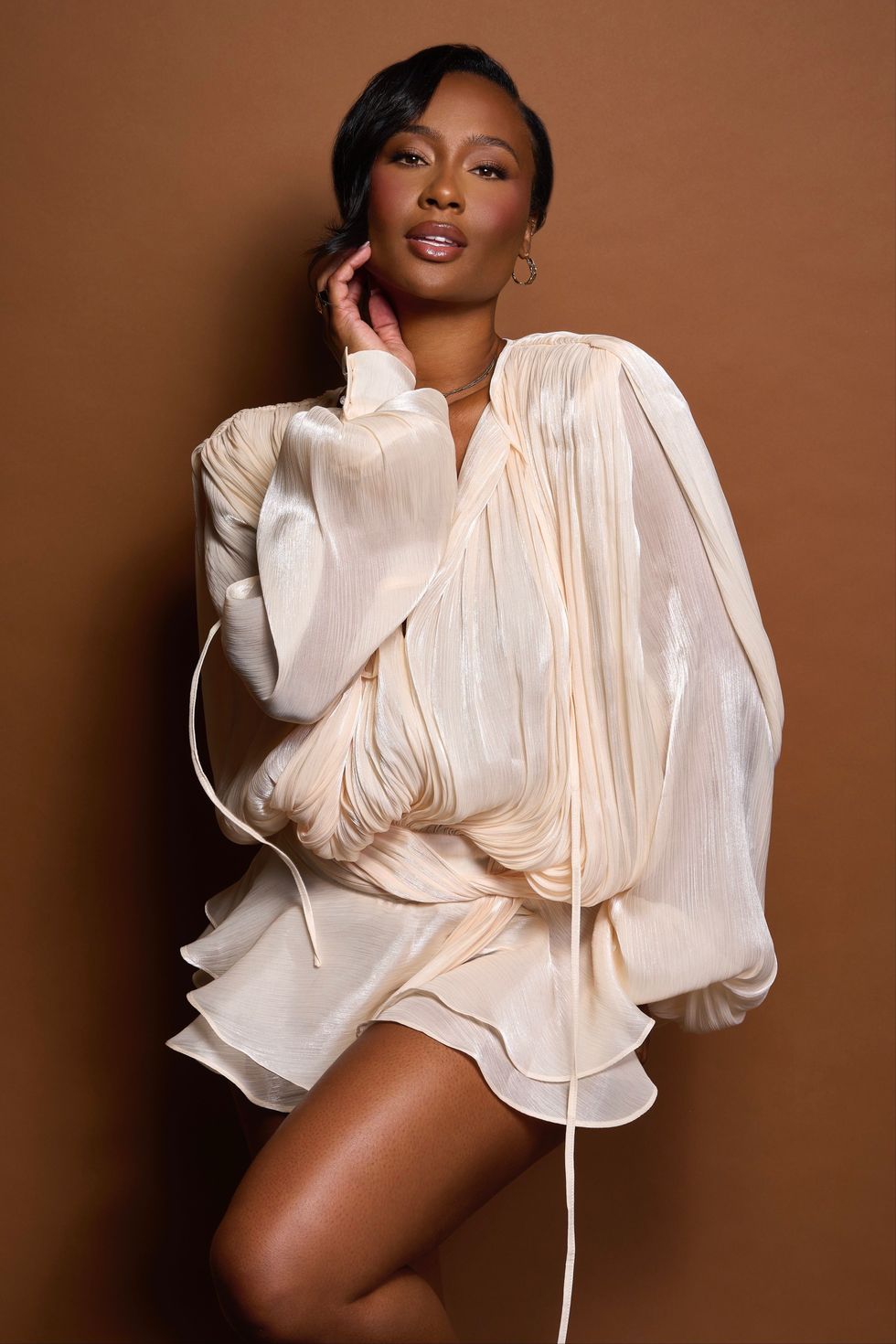
Credit: Malcolm Roberson
Throughout each episode, she sips a cocktail and addresses trending topics (even when they involve herself). It’s a platform the Pepperdine University alumnus has been preparing to have since she graduated with a degree in broadcast journalism, with a concentration in political science.
“I just knew I was going to end up on a local news network at the head anchor table, breaking high speed chases, and tossing it to the weather girl,” she says. Instead, she ended up working as an assistant at TMZ before covering sports as a freelance reporter. (She’s said she didn’t work for ESPN, despite previous reports saying otherwise.) The Pre-Game combines her love for pop culture and sports in a way that once felt inaccessible to her in traditional media.
She’s not just a podcaster, though. When she’s not behind the mic, taking acting classes or making her New York Fashion Week debut, Kayla Nicole is also busy elevating her wellness brand Tribe Therepē, where she shares her workouts and the workout equipment that helps her look chic while staying fit. She says the brand will add apparel to its line up in early 2026.
“Tribe Therepē has evolved into exactly what I have always envisioned. A community of women who care about being fit not just for the aesthetic, but for their mental and emotional well-being too. It’s grounded. It’s feminine. It’s strong,” she says. “And honestly, it's a reflection of where I am in my life right now. I feel so damn good - mentally, emotionally, and physically. And I am grateful to be in a space where I can pour that love and light back into the community that continues to pour into me.”
Tap into the full It Girl 100 Class of 2025 and meet all the women changing game this year and beyond. See the full list here.
Featured image by Malcolm Roberson