




The technical definition of reparenting yourself is giving yourself what you didn't have as a child. While I agree, the journey to successfully giving your inner child what you didn't receive is not that cut and dry - you can think you've as Auntie Iyanla says "done the work," and then you're triggered out of nowhere and have to go back to square one. Wellness is a journey, and to successfully explore reparenting; you have to be prepared for those curveballs your inner child throws at you.
Last summer, I went to visit my dad, stepmom, and my little brother. When I arrived, he told me my younger sister was coming too. I was excited because I hadn't seen her in years (there's six of us, I'm the second oldest.) My siblings and I aren't close, but I'm always optimistic, so I was excited to see her but I'll admit I just wanted to hang with my dad. We have a great relationship, but like any parent/child dynamic, it's had its struggles, especially when you consider that I'm his oldest daughter.
Overall, my takeaway from most older siblings I encounter is that there's often underlying jealousy of their younger siblings and resentment for their parents. Most of us are seeing them engage, show up, and overall navigate life differently with our siblings in ways that they never did with us. Not to mention the painful moments that our siblings either never experienced or are too young to remember that being older, we recount vividly. These aren't easy emotions to navigate, especially with people that you love deeply.
Moments like those, and what happened next can be triggering AF - but it showed me that I wasn't as past my childhood trauma as I thought, and it gave me the crash course in inner child healing that I needed.
The night my sister arrived, my dad told me that he was getting her a car because she was starting college. When I left for college, my father was in prison, and my mother was unemployed - it was rough, so it stung, but I was happy for her. Still, I knew I had to set boundaries and not physically be there when they went to the dealership. We spent every other day together working out, having family dinners, swimming in his development, etc. but that day, I made sure (without causing a scene, you can set boundaries and not be selfish) that I would be MIA.
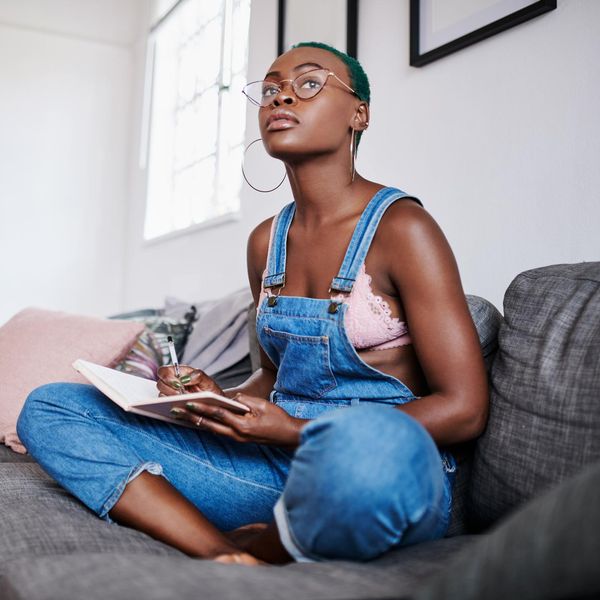
Before they left for the dealership, my dad dropped me off at Starbucks to work, I told him I missed writing, and that this was my Saturday routine at home (which is true) so he wouldn't suspect anything.
He never said anything, but my guess is he didn't buy it because he called several times to ask if I was okay, and I said yes every time. I had the best day to myself, the hours flew by, and once they finished, he showed up to get me. Minutes into the car ride, I realized they weren't finished; we were going back to the dealership - the same dealership I told him I didn't want to go to. They had to sign some additional papers, and when they got out the car and walked towards the convertible he was all set to purchase, I felt myself losing it.
I got out of the car, and I walked far enough so that no one could see me, and I called my mother crying hysterically. It didn't matter that I had a car that I loved, in that moment, I was 17, and even though my dad was within reach of me, I instantly felt abandoned. The emotions that followed shocked me even more because out of nowhere, I started to get flashbacks about my ex. It was as if my unresolved trauma was like, "Wait you forgot something," and I cried even harder, thinking of all the ways my ex showed up for other women that he never did for me.
I was a mess, a complete mess.
As I dried my tears, my mom calmed me down and reminded me of where we are now and that I was safe. She told me that had my dad been home, he would have been there and that his absence didn't mean he didn't care about my needs, it meant he was in prison - a place where he was suffering too. Once we got home, I went for a swim by myself, and guess who showed up? My dad.
He told me that he was sorry if seeing him do things for my sister that he couldn't do for me was painful, and that if I wanted, he would trade in my car too. The 15-year-old in me who would've killed for a punch buggy convertible wanted to respond, "Hell yeah!" But the 26-year-old adult whose car is almost paid off knew that wouldn't fix anything. The car wasn't the issue, the feelings of inadequacy were.
Inner child healing is admitting what the issues are, even when you don't want to face what's underneath the surface. If you've ever had a moment like mine, remember these things as you embark on your reparenting journey:
Your parents were not born to be your parents.
Jada Pinkett Smith's episode of Red Table Talk on forgiving her father gave me the reality check I needed. Along with her brother actor Caleeb Pinkett, the talk show host delved into how she forgave her father - and the moment where she realized that she'd been emotionally dependent on him based on his title:
"I had the most startling realization that Rob's life wasn't about him being my father. It was about him being on his journey, and along the way, he just happened to give life to me."
Freeing yourself from this narrative in your mind allows you to not only forgive your parents, but anyone else who you arrogantly assume has to behave a certain way because of the position they hold in your life.
Remind yourself where you are now.
Trauma can't be all you set your thoughts on; you need to tell yourself good things too. Lately, I remind myself of the small things that are different when I find myself getting sad; I say things like, "I have a growing relationship with God. I'm loved. I'm maturing daily. I'm meeting my own needs. I live in a beautiful home. I'm kind to others."
Affirm the truths that reflect where you are now, not the hurt of your past. Also, enjoy the good parts of your childhood too. My parents passed down much more than trauma - they gave me an understanding of God, creativity, sass and whit, money to travel the world, intelligence, and the freedom to explore any career path that I wanted.
Give everything you ever needed to yourself.
Reparenting can bring up a range of emotions for people who were abandoned, adopted, had inconsistent parents, etc. but here's something that we can all universally apply - your parents don't owe you shit but life. In my mind, I thought my dad should have been as gentle as Woody Carmichael from Spike Lee's Crooklyn, or as hands-on as Flex Washington from the UPN show, One on One, but all of that was rooted in my childlike ignorance of how life worked.
Asking my dad to be anything other than who he was, a young father with minimal references of what a man needed to be for his children was unrealistic AF. Beyond that, wrapping my head around this freed me from looking to anyone to fill voids within me. No one can be everything for you, and embracing this, allowed me to tap into a level of emotional self-sufficiency (and accountability to myself) that I never knew I could.
Have a real conversation with your parents about your childhood trauma (if possible).

A turning point for my dad and me after not speaking for a while was sitting down and talking about everything we left unsaid over the years. He told me things from his childhood that hurt him and admitted that without even knowing he'd been parenting me through the lens of what he didn't have, completely ignoring what I needed and I told him how his behavior affected how I interacted with men.
For the first time, I saw that much of my sensitivity comes from him and that he held onto things just like I did. That conversation made it clear that we both needed to reparent ourselves, and for the first time, I saw my dad for who he was, as a person, and quite frankly, as a child. Additionally, that discussion showed me how important it was that I continue to heal, so my children won't need to have a similar talk with me years from now.
Let’s make things inbox official! Sign up for the xoNecole newsletter for love, wellness, career, and exclusive content delivered straight to your inbox.
Featured image via Shutterstock
- How To Reconnect With Your Body - xoNecole: Women's Interest, Love, Wellness, Beauty ›
- Steps to Healing From Childhood Trauma - xoNecole: Women's Interest, Love, Wellness, Beauty ›
- Black Women Healing, Mindful Healing Practices - xoNecole: Women's Interest, Love, Wellness, Beauty ›
- Reparenting therapy can help you heal your inner child | Well+Good ›
- Re-Parent Your Inner Child | DailyOM ›
- 7 Things Your Inner Child Needs to Hear You Say ›
- What is Reparenting and How to Begin - The Holistic Psychologist ›
- Essential Secrets of Psychotherapy : The Inner Child | Psychology ... ›
- Re-Parent Yourself and Repair Yourself: Making Your Inner Child ... ›
- REPARENTING YOUR INNER CHILD (PART 1) | The 3 Stages of ... ›
- What Is Reparenting and Why You Should Consider It ›
- How To Heal And Re-parent Your Inner Child | Life Labs ›
- 25 Signs You Have a Wounded Inner Child (and How to Heal ... ›
RELATED
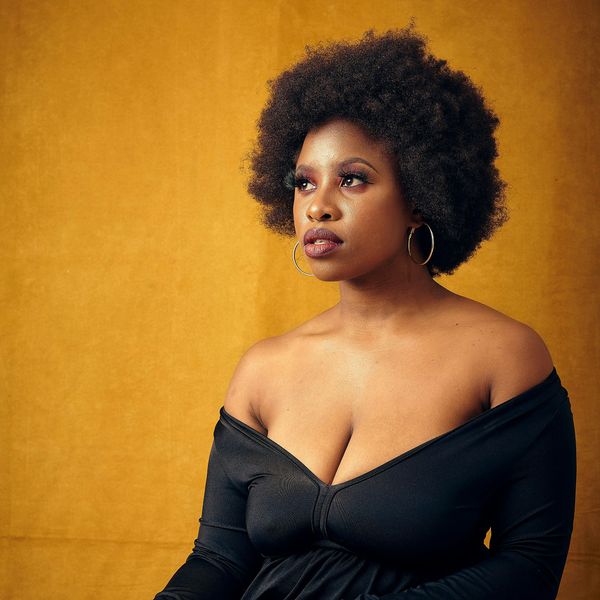
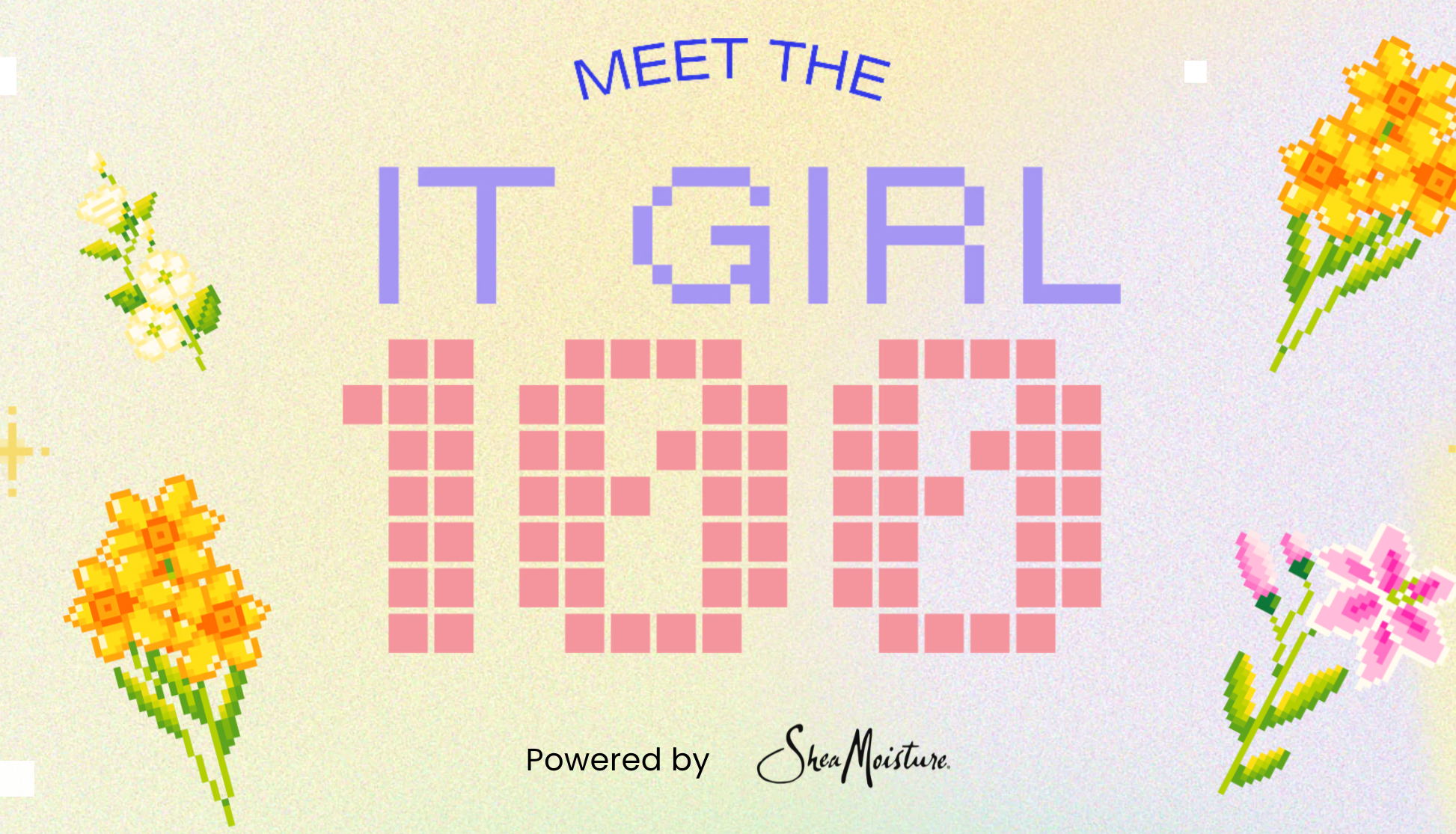
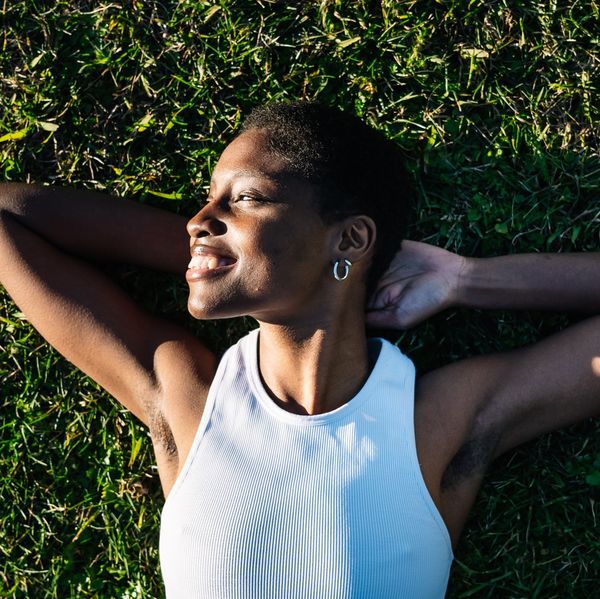
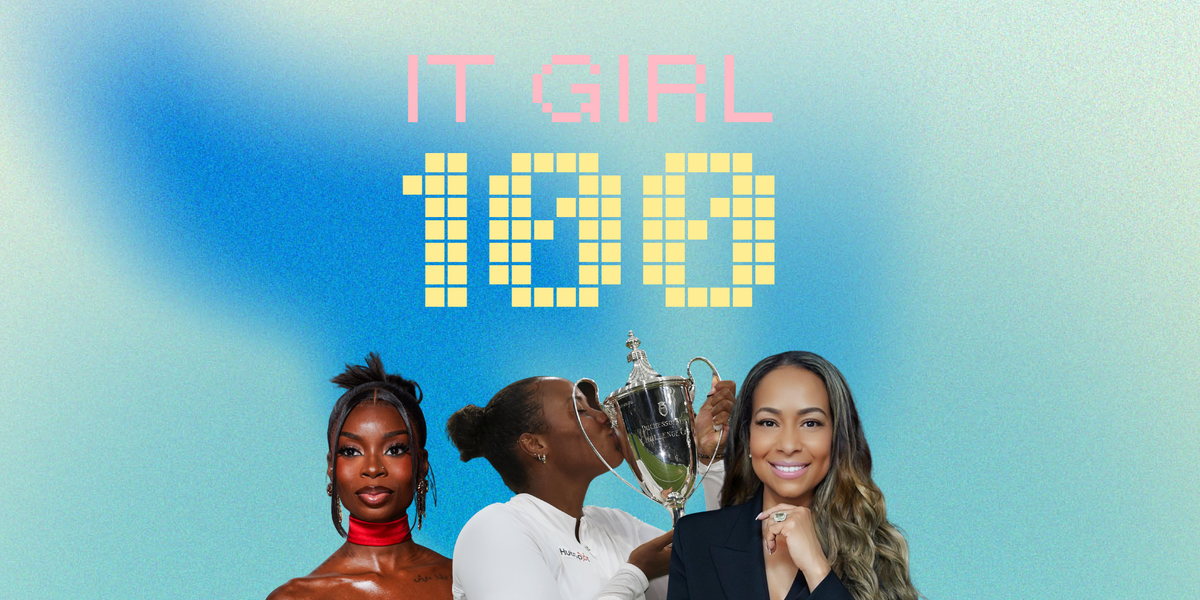
So, we handpicked one hundred It Girls who embody that palpable It Factor moving through us as young Black women, the kind of motion lighting up the world both IRL and across the internet.
It Girl 100 became xoNecole’s most successful program, with the hashtag organically reaching more than forty million impressions on Instagram in just twenty-four hours. Yes, it caught on like wildfire because we celebrated some of the most brilliant and influential GenZennial women of color setting trends and shaping culture. But more than that, it resonated because the women we celebrated felt seen.
Many were already known in their industries for keeping this generation fly and lit, but rarely received recognition or flowers. It Girl 100 became a safe space to be uplifted, and for us as Black women to bask in what felt like an era of our brilliance, beauty, and boundless influence on full display.
And then, almost overnight, it was as if the rug was pulled from under us as Black women, as the It Girls of the world.
Our much-needed, much-deserved season of ease and soft living quickly metamorphosed into a time of self-preservation and survival. Our motion and economic progression seemed strategically slowed, our light under siege.
The air feels heavier now. The headlines colder. Our Black girl magic is being picked apart and politicized for simply existing.
With that climate shift, as we prepare to launch our second annual It Girl 100 honoree list, our team has had to dig deep on the purpose and intention behind this year’s list. Knowing the spirit of It Girl 100 is about motion, sauce, strides, and progression, how do we celebrate amid uncertainty and collective grief when the juice feels like it is being squeezed out of us?
As we wrestled with that question, we were reminded that this tension isn’t new. Black women have always had to find joy in the midst of struggle, to create light even in the darkest corners. We have carried the weight of scrutiny for generations, expected to be strong, to serve, to smile through the sting. But this moment feels different. It feels deeply personal.
We are living at the intersection of liberation and backlash. We are learning to take off our capes, to say no when we are tired, to embrace softness without apology.
And somehow, the world has found new ways to punish us for it.
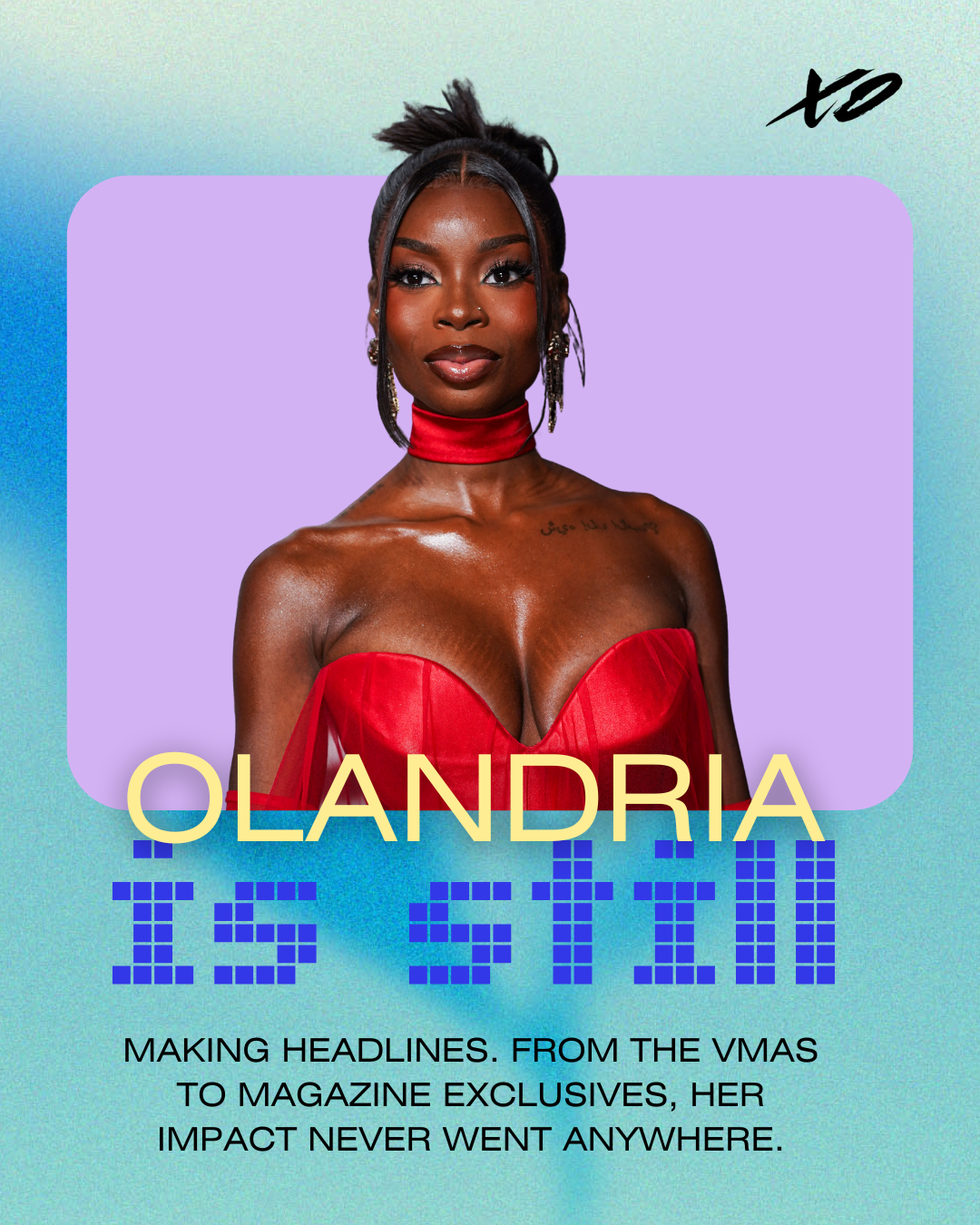
In lifestyle, women like Kayla Nicole and Ayesha Curry have been ridiculed for daring to choose themselves. Tracee Ellis Ross was labeled bitter for speaking her truth about love. Meghan Markle, still, cannot breathe without critique.
In politics, Kamala Harris, Letitia James, and Jasmine Crockett are dragged through the mud for standing tall in rooms not built for them.
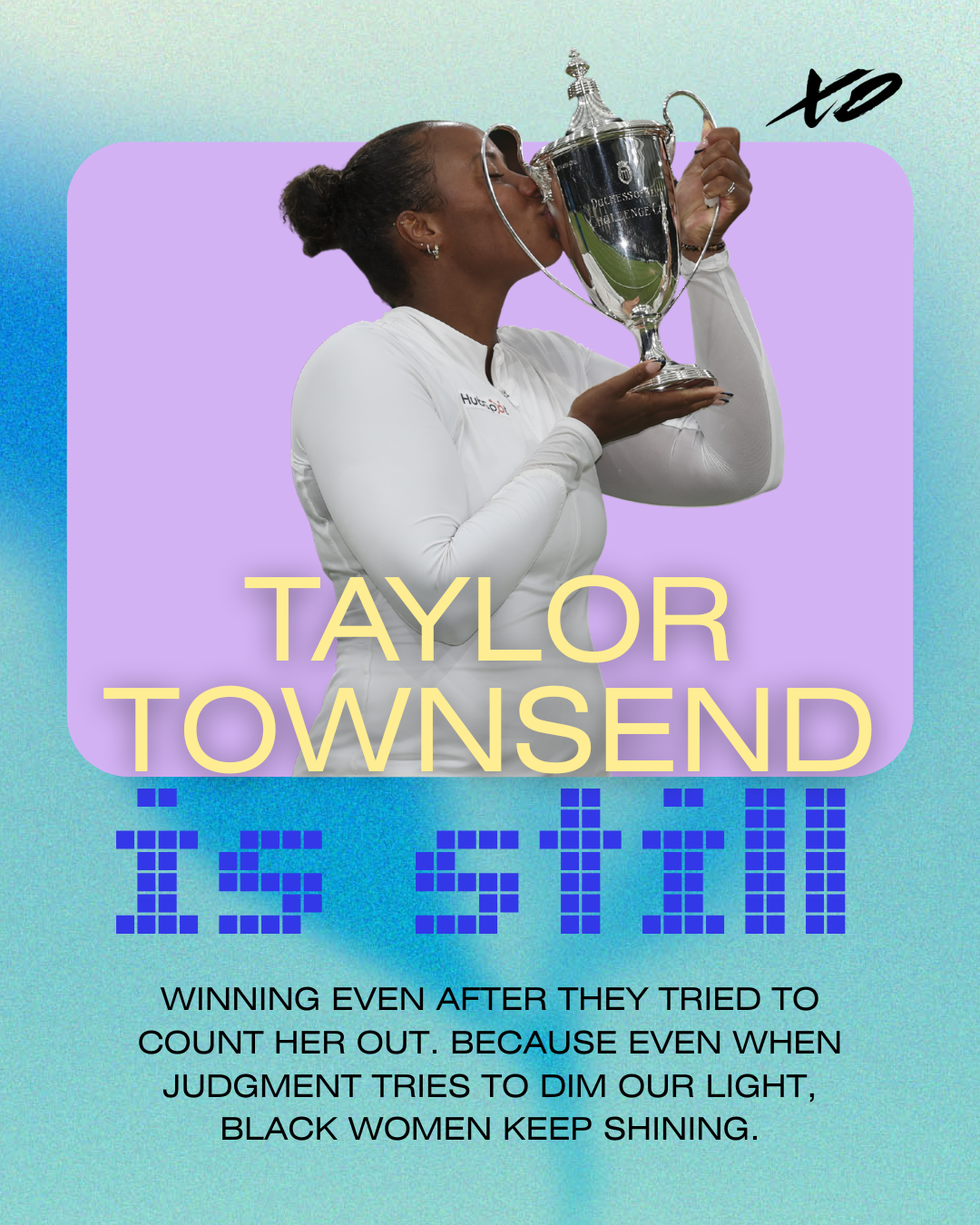
In sports, Angel Reese, Coco Gauff, and Taylor Townsend have been reminded that even excellence will not shield you from racism or judgment.
In business, visionaries like Diarrha N’Diaye-Mbaye and Melissa Butler are fighting to keep their dreams alive in an economy that too often forgets us first.
Even our icons, Beyoncé, Serena, and SZA, have faced criticism simply for evolving beyond the boxes society tried to keep them in.
From everyday women to cultural phenoms, the pattern is the same. Our light is being tested.
And yet, somehow, through it all, we are still showing up as that girl, and that deserves to be celebrated.
Because while the world debates our worth, we keep raising our value. And that proof is all around us.
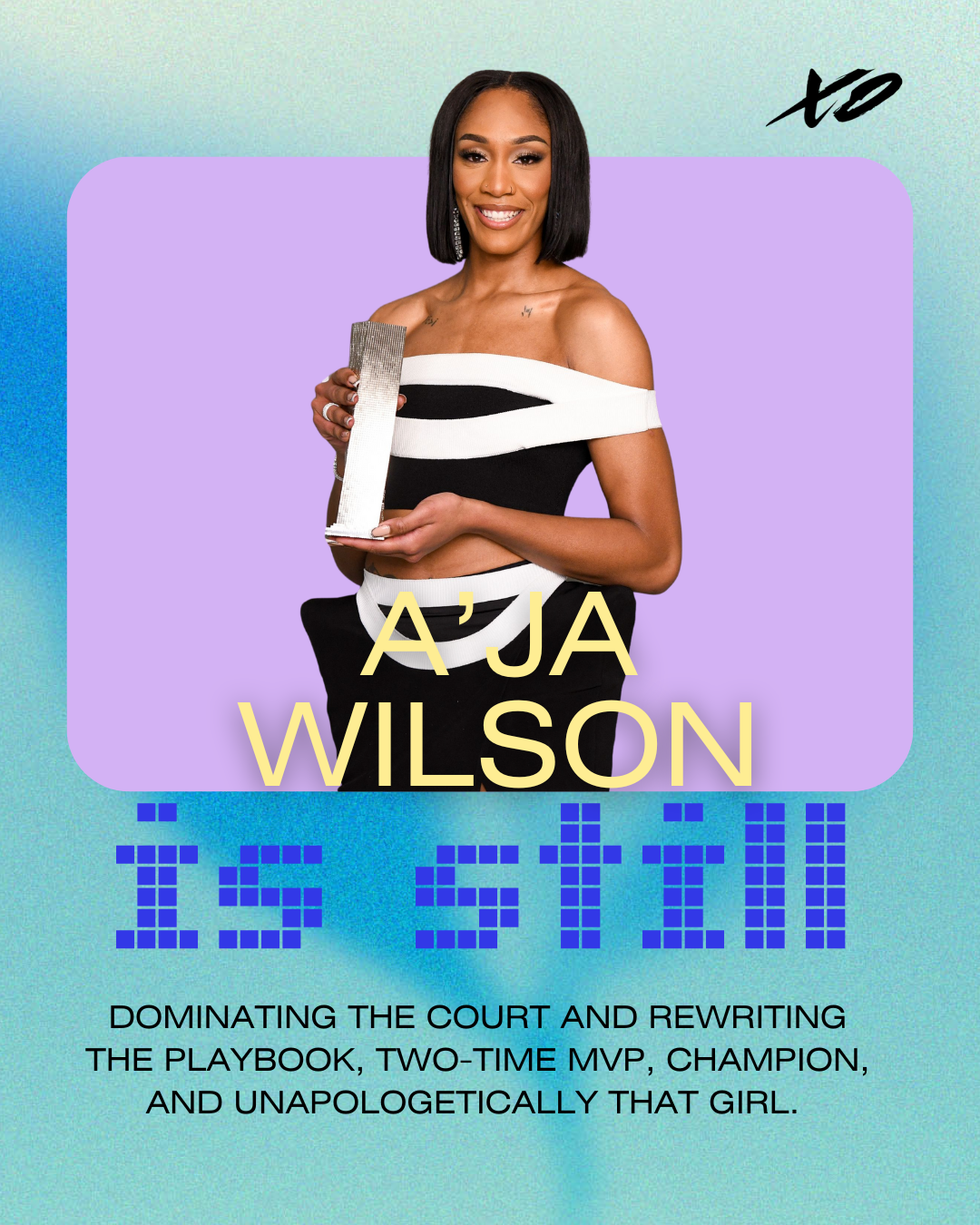
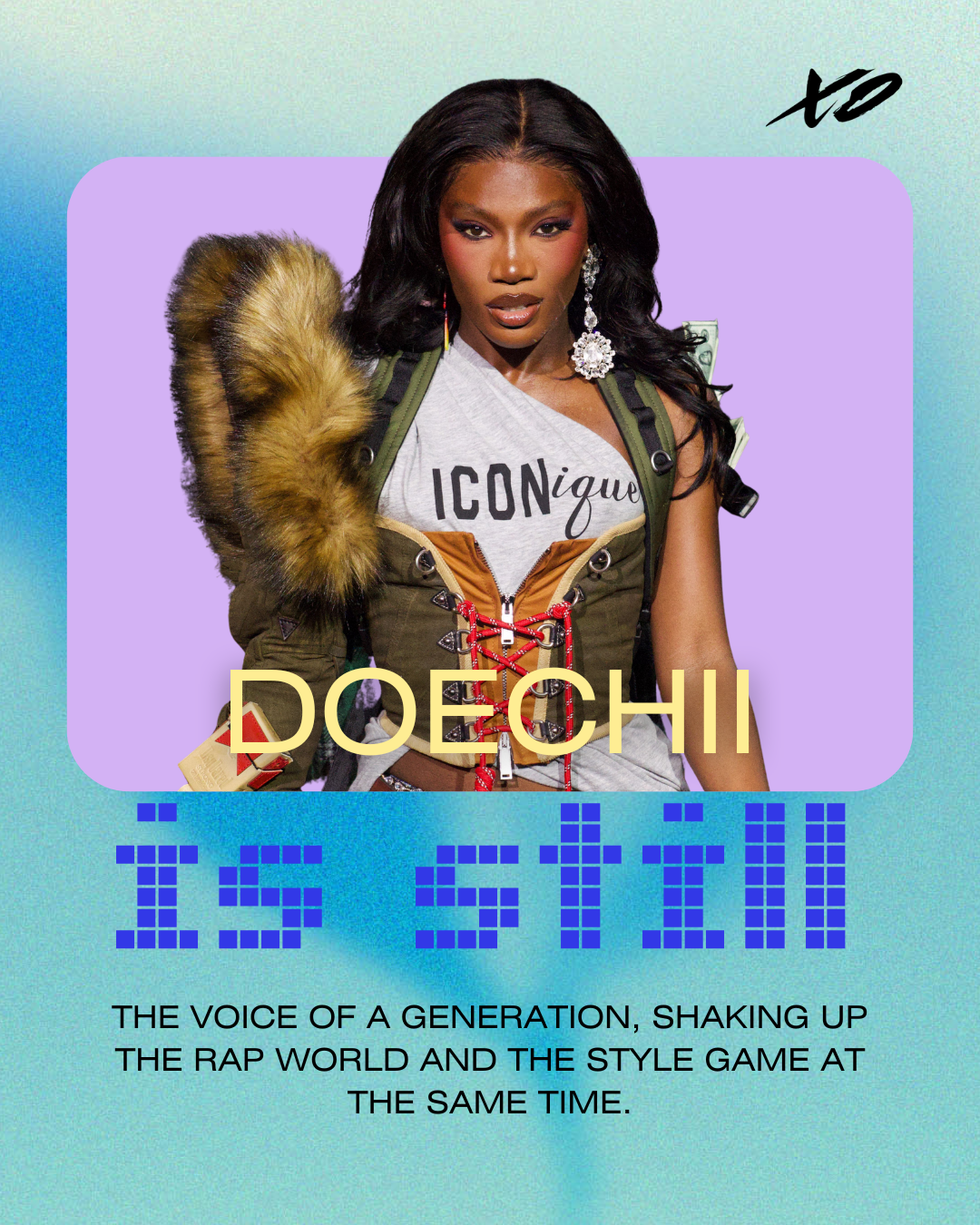
This year alone, Naomi Osaka returned from motherhood and mental health challenges to reach the semifinals of the US Open. A’ja Wilson claimed another MVP, reminding us that beauty and dominance can coexist. Brandy and Monica are snatching our edges on tour. Kahlana Barfield Brown sold out her new line in the face of a retailer that had been canceled. And Melissa Butler’s company, The Lip Bar, is projecting a forty percent surge in sales.
We are no longer defining strength by how much pain we can endure. We are defining it by the unbreakable light we continue to radiate.
We are the women walking our daily steps and also continuing to run solid businesses. We are growing in love, taking solo trips, laughing until it hurts, raising babies and ideas, drinking our green juice, and praying our peace back into existence.
We are rediscovering the joy of rest and realizing that softness is not weakness, it is strategy.
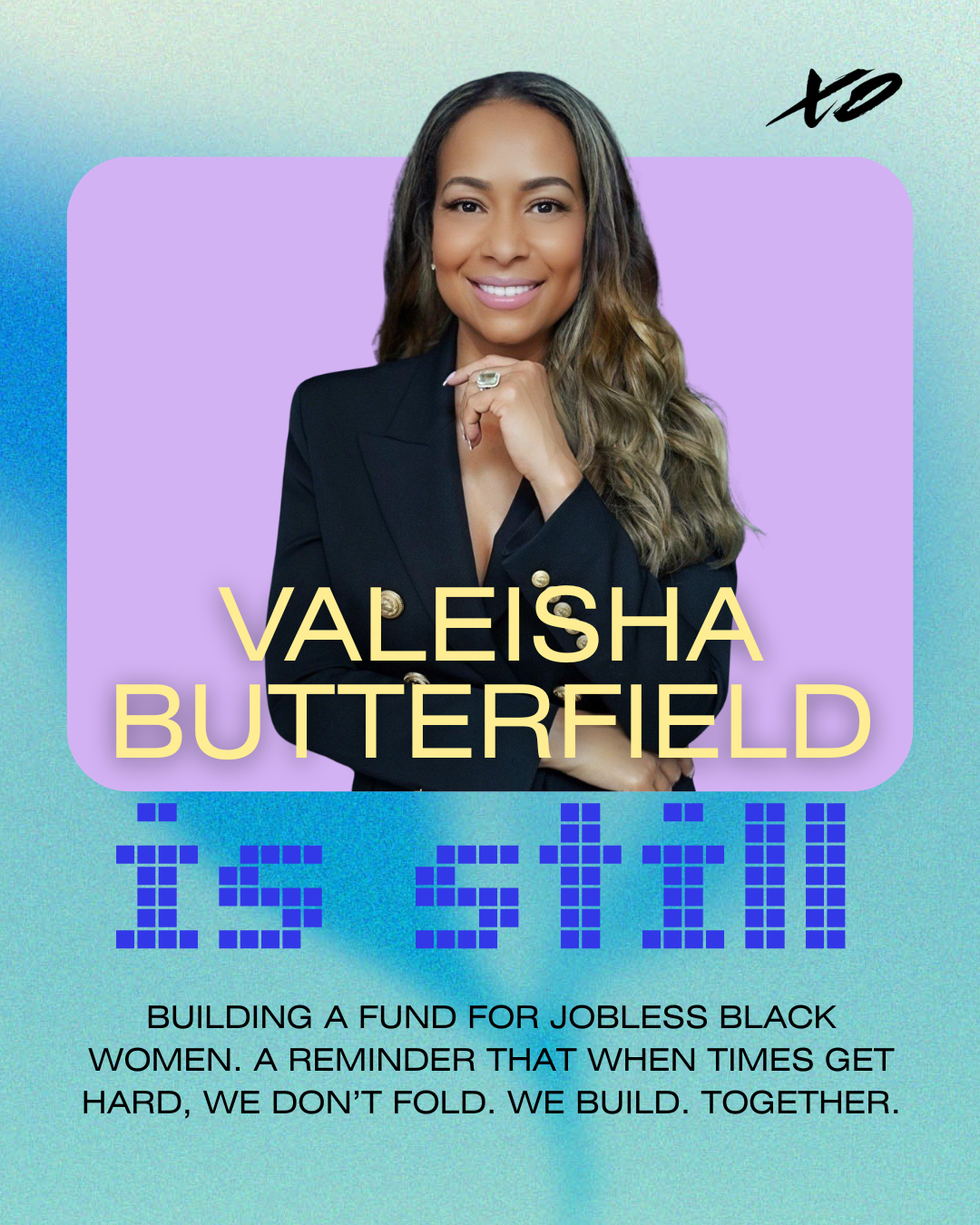
And through it all, we continue to lift one another. Emma Grede is creating seats at the table. Valeisha Butterfield has started a fund for jobless Black women. Arian Simone is leading in media with fearless conviction. We are pouring into each other in ways the world rarely sees but always feels.
So yes, we are in the midst of societal warfare. Yes, we are being tested. Yes, we are facing economic strain, political targeting, and public scrutiny. But even war cannot dim a light that is divinely ours.
And we are still shining.
And we are still softening.
And we are still creating.
And we are still It.
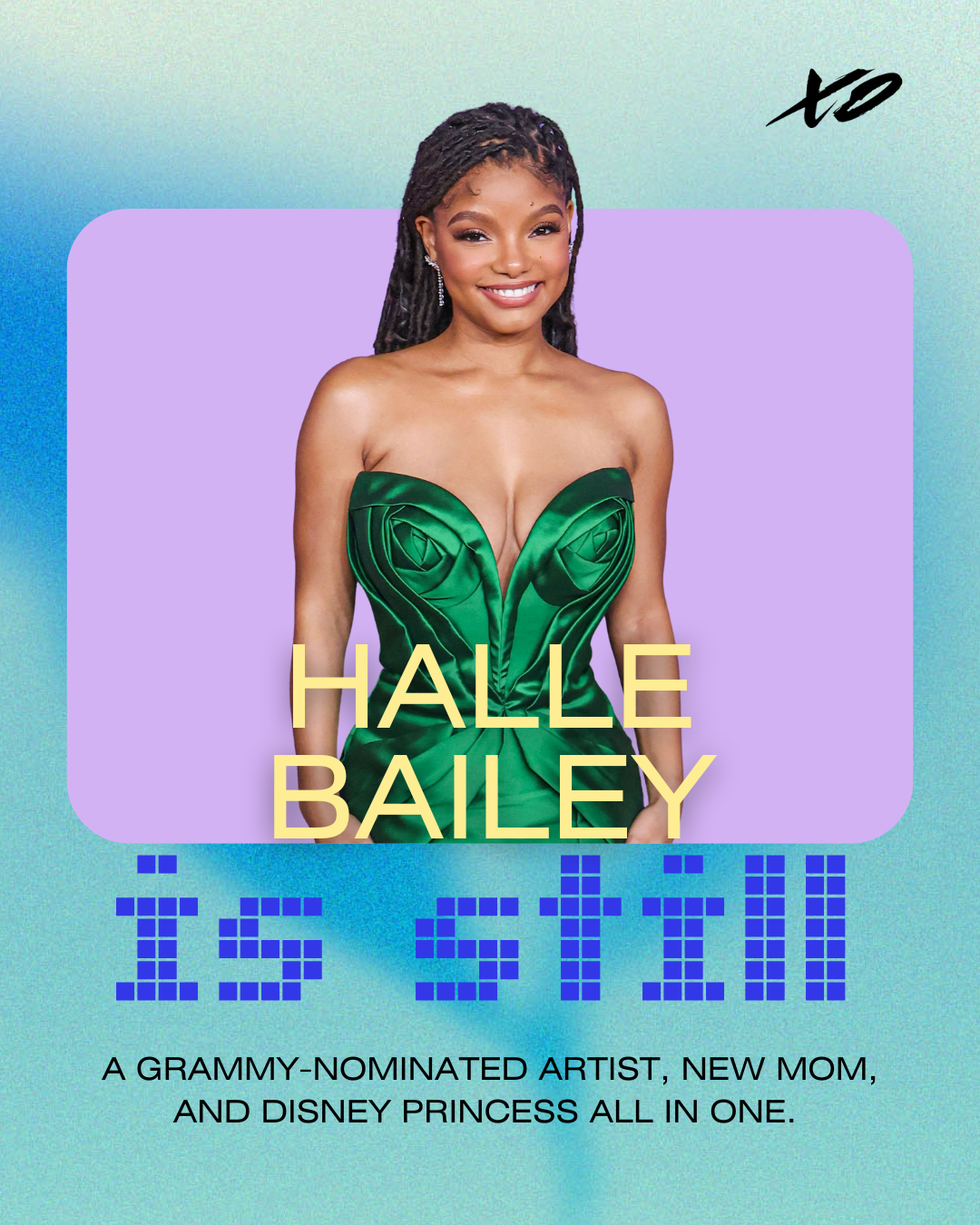
That is the quiet magic of Black womanhood, our ability to hold both truth and triumph in the same breath, to say yes, and to life’s contradictions.
It is no coincidence that this year, as SheaMoisture embraces the message “Yes, And,” they stand beside us as partners in celebrating this class of It Girls. Because that phrase, those two simple words, capture the very essence of this moment.
Yes, we are tired. And we are still rising.
Yes, we are questioned. And we are the answer.
Yes, we are bruised. And we are still beautiful.
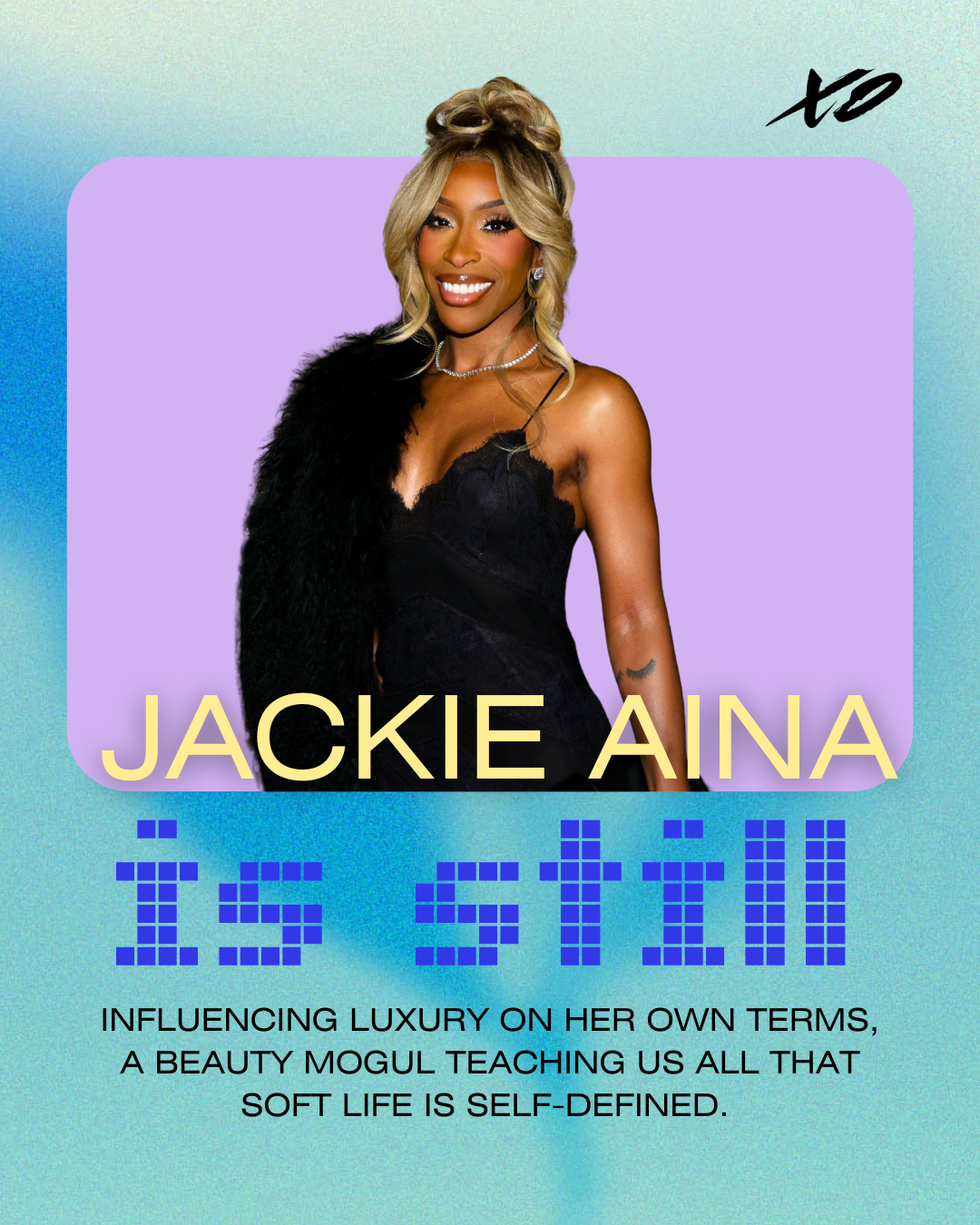
This year’s It Girl 100 is more than a list. It is a love letter to every Black woman who dares to live out loud in a world that would rather she whisper. This year’s class is living proof of “Yes, And,” women who are finding ways to thrive and to heal, to build and to rest, to lead and to love, all at once.
It is proof that our joy is not naive, our success not accidental. It is the reminder that our light has never needed permission.
So without further ado, we celebrate the It Girl 100 Class of 2025–2026.
We celebrate the millions of us who keep doing it with grace, grit, and glory.
Because despite it all, we still shine.
Because we are still her.
Because we are still IT, girl.
Meet all 100 women shaping culture in the It Girl 100 Class of 2025. View the complete list of honorees here.
Featured image by xoStaff

So, we handpicked one hundred It Girls who embody that palpable It Factor moving through us as young Black women, the kind of motion lighting up the world both IRL and across the internet.
It Girl 100 became xoNecole’s most successful program, with the hashtag organically reaching more than forty million impressions on Instagram in just twenty-four hours. Yes, it caught on like wildfire because we celebrated some of the most brilliant and influential GenZennial women of color setting trends and shaping culture. But more than that, it resonated because the women we celebrated felt seen.
Many were already known in their industries for keeping this generation fly and lit, but rarely received recognition or flowers. It Girl 100 became a safe space to be uplifted, and for us as Black women to bask in what felt like an era of our brilliance, beauty, and boundless influence on full display.
And then, almost overnight, it was as if the rug was pulled from under us as Black women, as the It Girls of the world.
Our much-needed, much-deserved season of ease and soft living quickly metamorphosed into a time of self-preservation and survival. Our motion and economic progression seemed strategically slowed, our light under siege.
The air feels heavier now. The headlines colder. Our Black girl magic is being picked apart and politicized for simply existing.
With that climate shift, as we prepare to launch our second annual It Girl 100 honoree list, our team has had to dig deep on the purpose and intention behind this year’s list. Knowing the spirit of It Girl 100 is about motion, sauce, strides, and progression, how do we celebrate amid uncertainty and collective grief when the juice feels like it is being squeezed out of us?
As we wrestled with that question, we were reminded that this tension isn’t new. Black women have always had to find joy in the midst of struggle, to create light even in the darkest corners. We have carried the weight of scrutiny for generations, expected to be strong, to serve, to smile through the sting. But this moment feels different. It feels deeply personal.
We are living at the intersection of liberation and backlash. We are learning to take off our capes, to say no when we are tired, to embrace softness without apology.
And somehow, the world has found new ways to punish us for it.
In lifestyle, women like Kayla Nicole and Ayesha Curry have been ridiculed for daring to choose themselves. Tracee Ellis Ross was labeled bitter for speaking her truth about love. Meghan Markle, still, cannot breathe without critique.
In politics, Kamala Harris, Letitia James, and Jasmine Crockett are dragged through the mud for standing tall in rooms not built for them.
In sports, Angel Reese, Coco Gauff, and Taylor Townsend have been reminded that even excellence will not shield you from racism or judgment.
In business, visionaries like Diarrha N’Diaye-Mbaye and Melissa Butler are fighting to keep their dreams alive in an economy that too often forgets us first.
Even our icons, Beyoncé, Serena, and SZA, have faced criticism simply for evolving beyond the boxes society tried to keep them in.
From everyday women to cultural phenoms, the pattern is the same. Our light is being tested.
And yet, somehow, through it all, we are still showing up as that girl, and that deserves to be celebrated.
Because while the world debates our worth, we keep raising our value. And that proof is all around us.
This year alone, Naomi Osaka returned from motherhood and mental health challenges to reach the semifinals of the US Open. A’ja Wilson claimed another MVP, reminding us that beauty and dominance can coexist. Brandy and Monica are snatching our edges on tour. Kahlana Barfield Brown sold out her new line in the face of a retailer that had been canceled. And Melissa Butler’s company, The Lip Bar, is projecting a forty percent surge in sales.
We are no longer defining strength by how much pain we can endure. We are defining it by the unbreakable light we continue to radiate.
We are the women walking our daily steps and also continuing to run solid businesses. We are growing in love, taking solo trips, laughing until it hurts, raising babies and ideas, drinking our green juice, and praying our peace back into existence.
We are rediscovering the joy of rest and realizing that softness is not weakness, it is strategy.
And through it all, we continue to lift one another. Emma Grede is creating seats at the table. Valeisha Butterfield has started a fund for jobless Black women. Arian Simone is leading in media with fearless conviction. We are pouring into each other in ways the world rarely sees but always feels.
So yes, we are in the midst of societal warfare. Yes, we are being tested. Yes, we are facing economic strain, political targeting, and public scrutiny. But even war cannot dim a light that is divinely ours.
And we are still shining.
And we are still softening.
And we are still creating.
And we are still It.
That is the quiet magic of Black womanhood, our ability to hold both truth and triumph in the same breath, to say yes, and to life’s contradictions.
It is no coincidence that this year, as SheaMoisture embraces the message “Yes, And,” they stand beside us as partners in celebrating this class of It Girls. Because that phrase, those two simple words, capture the very essence of this moment.
Yes, we are tired. And we are still rising.
Yes, we are questioned. And we are the answer.
Yes, we are bruised. And we are still beautiful.
This year’s It Girl 100 is more than a list. It is a love letter to every Black woman who dares to live out loud in a world that would rather she whisper. This year’s class is living proof of “Yes, And,” women who are finding ways to thrive and to heal, to build and to rest, to lead and to love, all at once.
It is proof that our joy is not naive, our success not accidental. It is the reminder that our light has never needed permission.
So without further ado, we celebrate the It Girl 100 Class of 2025–2026.
We celebrate the millions of us who keep doing it with grace, grit, and glory.
Because despite it all, we still shine.
Because we are still her.
Because we are still IT, girl.
Meet all 100 women shaping culture in the It Girl 100 Class of 2025. View the complete list of honorees here.
Featured image by xoStaff