



"As soon as I get back to Chicago, I'm definitely getting some Lou Malnati's Pizza or something," Jasmine Jordan confesses.
Currently quarantining from her home in Charlotte, North Carolina, the Chi-town native speaks of better days when the coronavirus no longer confines us to our couches. She's not complaining though. The newly-engaged mom is appreciating the trips that were traded in for some much-needed family time. "I could go for a deep-dish pizza right now."
OK, so maybe she craves just a little bit of normalcy.
But normal looks a little different for the daughter of a basketball legend. And though her life may seem predestined, Jordan is determined to build a legacy that lives beyond that of her father's accomplishments. After all, the apple doesn't fall far from the tree. She's a star in her own right.
DADDY’S LITTLE GIRL IS MORE THAN A PRINCESS.
Born and raised in the Windy City, she lived a life of both sunny skies and winter storms. Growing up in the lap of luxury afforded her a privileged life that she certainly doesn't deny, but her parents made sure that she was aware of life on the other side. Grandma's house on Wallace Street gave her a taste of the Southside talked about in headlines.
"[My mom] was like it's not about a scare tactic or anything like that, you just need to know how the world is around you," says Jordan, reminiscing on days of family visits where pops would play ball in the backyard with the neighborhood kids. "It felt like home. No matter what we did behind those gates, we knew we're still a part of this community. They made sure that we knew how life was around us so we never felt like we were in a bubble or sheltered, and never felt like we couldn't connect and relate to other people that look like us because of our economic backgrounds."
At Loyola Academy, a predominately white private school where wealth wasn't uncommon, Jordan was welcomed as the heiress to the throne. But she wanted to be known for something more than her pedigree. "My father is my father. He has his fame and he's built his empire and brand, but at the end of the day those are his accomplishments," she says. "Do I reap the benefits of it being his daughter? Absolutely. But I have no right to claim those things, and I never do because those are his accomplishments. I'm his daughter and I'm still going to make a name and do whatever I need to do so people can see me for me."
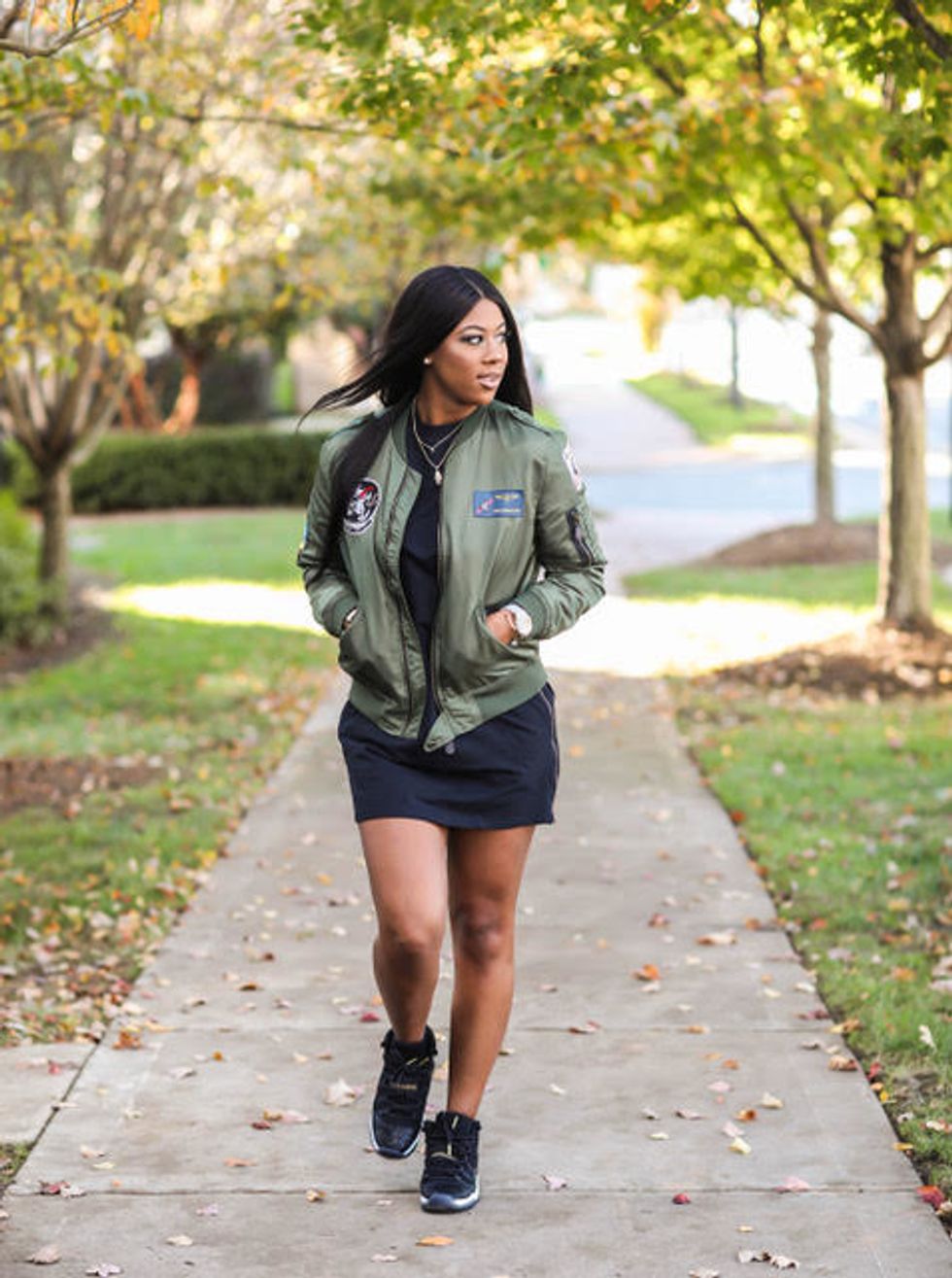
Courtesy of Jasmine Jordan
"My father is my father. He has his fame and he's built his empire and brand, but at the end of the day those are his accomplishments. Do I reap the benefits of it being his daughter? Absolutely. But I have no right to claim those things, and I never do because those are his accomplishments. I'm his daughter and I'm still going to make a name and do whatever I need to do so people can see me for me."
When she transitioned to public school during her junior year, however, titles and worldly treasures no longer held rank amongst her new group of friends. "They're not checking for my bank account. They're not checking for my last name. They're trying to see, all right, can you hang with us? You know, do you know how we go off? Do you know our background? And my thing is, I may not have grown up on the streets or anything like that, but I'm fully aware of it. I'm a well-rounded individual and that's critical."
Living in both worlds gave her the confidence to own her privilege and simultaneously embrace her people. While life at home was much different than the one at school, moving amongst her peers where she wasn't defined by who her parents were allowed her to become her own woman.
"We knew we were fortunate. We are blessed, but we aren't different. Once you remove those materials factors away then you realize that I'm just Jasmine. I'm just me."
SHE'S DADDY’S LITTLE GIRL BUT ALSO A GROWN A** WOMAN.
And as an executive of the Jordan Brand, the 27-year-old boss chick is helping to run an empire, working as the liaison between the Jordan Brand and its respective athletes. From ensuring the players get their footwear and apparel to ball in style to coordinating efforts for photoshoots and media appearances, Jordan often takes on the role of a mama bear protecting her young, many of which aren't too far off in age.
"Being their representative and making sure that they are representing the brand as well, I'm going to be super protective about them and make sure they're comfortable and make sure that they're being heard in different settings," she says. "I just want to make sure that my athletes and whoever I'm working with or having meetings with are comfortable in that setting as we get the job done, and whatever that entails. [I want to] make sure we execute at the highest level."
As a Black woman in a male-dominated industry, Jordan is fighting for her own voice just as much as those of her athletes.
And as the oldest, female sports representative for the Jordan Brand, all eyes are on her, and expectations are set high. Not to mention the fact that her father's a legend. That's pressure on another level of pressure. "I'm getting hit left and right with all these expectations, but I don't run from them. I embrace it because at the end of the day, if I can pave the way for more Black women to get into this industry, then I'm doing my job."
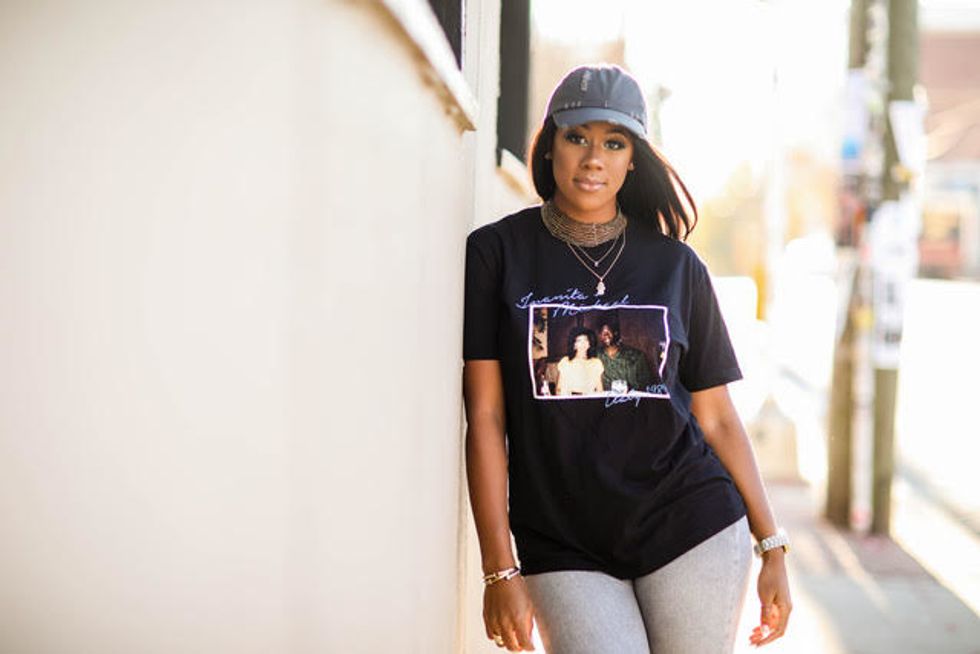
Courtesy of Jasmine Jordan
"I'm getting hit left and right with all these expectations, but I don't run from them. I embrace it because at the end of the day, if I can pave the way for more Black women to get into this industry, then I'm doing my job."
A 2014 graduate of Syracuse University with a degree in sports marketing, Jordan hit the ground running just three days after graduation working as the coordinator of Basketball Operations for the Charlotte Hornets, where she stayed for four seasons before moving on to the Jordan Brand. She credits the job for giving her the business etiquette required in her role today.
"A lot of my communications outside of the athletes were with the teams or colleges, so it was a lot of emails," she recounts. "It really took me out of my element. I'm a people person, I like to talk on the phone or see you and engage with you in person and knowing that I couldn't connect with the colleges or the reps from other NBA teams on a consistent basis outside of email was definitely hard. So, I definitely loved the fact that I had to really sit down at a computer for eight or nine hours out of the day and constantly engage that way and make sure that they still felt my personality or my words through the emails I was sending."
Despite what naysayers may think, her transition to the Jordan Brand, initially as a Field Representative, was no easy feat. "I'm not checking for people who think I have a handout or assume because it's my father's brand it should be easy for me. I had to go through the same process as everybody else. I had to do interviews, I had to submit resumes, so on and so forth. My work ethic is definitely going to speak for itself."

Courtesy of Jasmine Jordan
"I'm not checking for people who think I have a handout or assume because it's my father's brand it should be easy for me. I had to go through the same process as everybody else. I had to do interviews, I had to submit resumes, so on and so forth. My work ethic is definitely going to speak for itself."
On her first day, she felt like the new girl on campus. Dividing her time between Nike's headquarters in Portland while maintaining relations with the team in Charlotte presented its own set of challenges, and she spent the first few months in her role trying to prove herself, only to learn that there is no "I" in "team". "I didn't reach out and ask for help when doing projects," says Jordan. "At first I was like, I just want to hold everything close to me and master it. I'm going to figure it out and then, boom, I'll present."
That mindset failed her when Kemba Walker, who was known for sporting Air Jordan 32s, expressed that the shoe design was uncomfortable when having to cut and drive to the basket. "Instead of asking the team for the proper language to explain what Kemba was uncomfortable with, I just kept saying, 'No, it's the Achilles; it's hurting him.' So, we had to create like three or four different shoes and none of them were accurate or correct because I wasn't speaking in their language."
Pride often comes before a fall, and her own mistakes led to an understanding that asking questions and learning the designer's lingo would help better translate her requests and reduce inefficiency. "I really had to humble myself and understand it's not that anyone's taking anything from me, it's the fact that we're a family. We're a small organization, Jordan Brand. I've got to look at them as family and not just colleagues, and understand that if one person's down, then we're all down."
SHE'S BUILDING HER OWN LEGACY.
Embracing her new "family" would help her go on to launch the Jordan Heiress collection, complementing the growing line of women-focused sneakers. A sneakerhead and fashion lover herself (her personal collection is well over 500 pairs), Jordan regards the experience as a passion project, echoing the advice of her mentor Jeanie Buss, President of the Los Angeles Lakers, to "make sure you love it and it aligns with your heart and it feels right."
"I wanted it to feel like that rich design and have that texture really feel like it could be a designer shoe like the Louis Vuitton, but it's still true to Jordan and true to our retro story," she says.
It's that love and commitment that has allowed Jordan and the Jordan Brand team to continue to catapult the brand which, according to Forbes, just reached its first billion-dollar quarter after an impressive $3.1 billion in wholesale revenue over the previous fiscal year. "If I can have my work ethic, my accomplishments, and my success on projects outshine the fact that I'm my father's child, then my job is done."
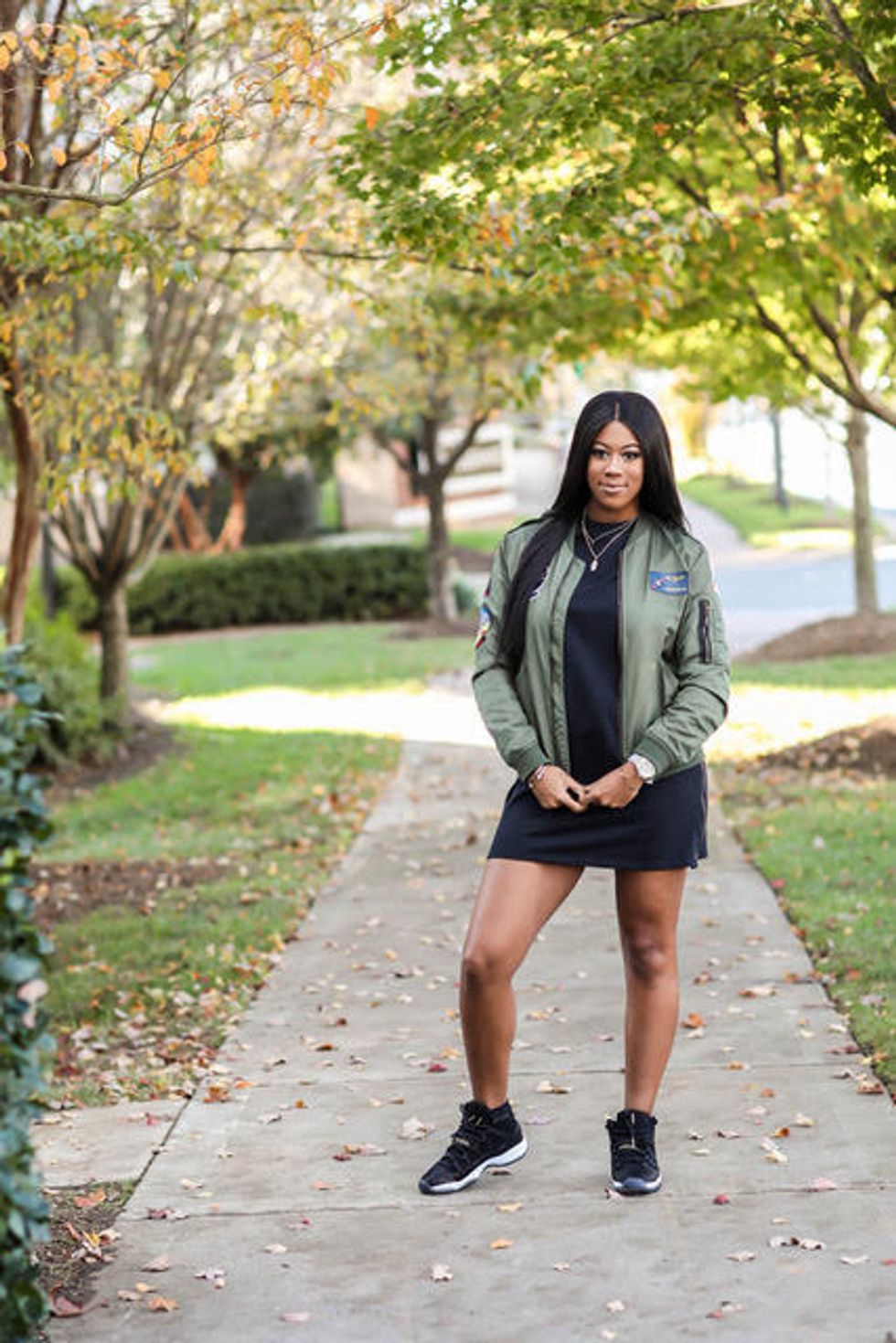
Courtesy of Jasmine Jordan
"If I can have my work ethic, my accomplishments, and my success on projects outshine the fact that I'm my father's child, then my job is done."
Jasmine Jordan's building her own. She's a hustler and a go-getter, just like Mike. But she's also a new mother and a soon-to-be wife to fiancé and NBA player Rakeem Christmas. Both roles she embraces with open arms while carrying the workload of a corporate executive on her shoulders. But no worries, she was built for the league of extraordinary women. Between phone calls and emails from work and the never-ending demands of life at home, she slips in five minutes of prayer and meditation here, a currently self-administered manicure there—moments of stillness that are much welcomed in her busy schedule. Motherhood has taught her to practice patience and peace, lessons that extend from the baby room to the boardroom.
"He's new to this world and he's depending on me—depending on his dad and really just depending on us to figure out how to function and understand what's happening around him, and that takes a lot of patience and being calm and laughing," she admits. "I think those are definitely the things that have really come because of becoming a mother. But I appreciate it because now I'm way more patient and I laugh at almost anything and everything just to shake off whatever I might actually be feeling."
It doesn't escape Jordan that she's also raising a Black son in a world that judges him not by his bank account but by the color of his skin. Success, it turns out, isn't a shield from white supremacists or racism.
"He's only blind because he doesn't even realize what's happening, which is a blessing in disguise," says Jordan. "But it is going to be the conversations that I remember my mom having with my brothers (Jeffrey and Marcus) and just saying like, hey, when you go out in public, make sure you're like 'yes or no sir,' 'yes ma'am no ma'am.' You know, manners and be polite. Don't sag your jeans, things that aren't typical conversations for white people or anybody that's not Black. It's about making sure we've raised him just to be a respectful young man and a respectful individual, but we're going to have to have those additional conversations so he can understand what life is like as a Black man."
For now, the little prince can rest easy knowing that he's well-loved and taken care of, though Jordan is clear that she won't just be handing over the keys to the empire. Like her, he'll have to learn about business beyond that of her family to make sure the bag stays secure. "I'm now working with financial advisors and wealth management programs to truly understand what it is to be a beneficiary of wealth," she says. "It's not just about getting money and being able to spend it, you want to make sure that money outgrows and outlives you."
For five Sundays in a row, millions of viewers tuned in to watch The Last Dance, which documented the life and the legacy of her father. But Jasmine Jordan's own story is just getting started, and she's already proving that she's just as worthy of the spotlight.
For more of Jasmine, follow her on Instagram.
Featured image courtesy of Jasmine Jordan.
RELATED



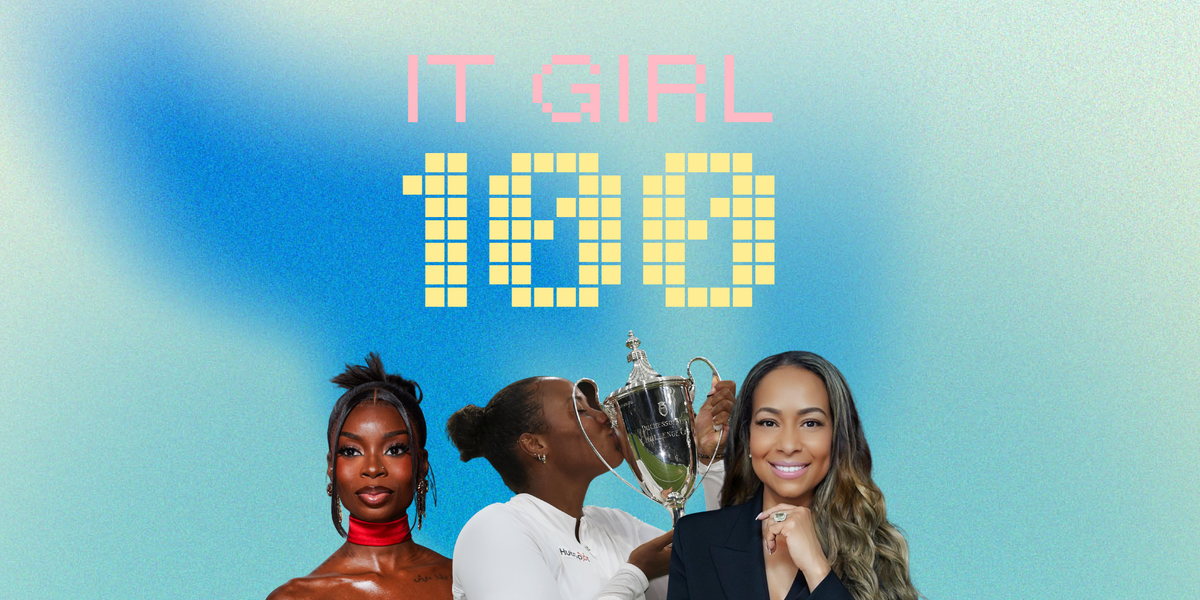
So, we handpicked one hundred It Girls who embody that palpable It Factor moving through us as young Black women, the kind of motion lighting up the world both IRL and across the internet.
It Girl 100 became xoNecole’s most successful program, with the hashtag organically reaching more than forty million impressions on Instagram in just twenty-four hours. Yes, it caught on like wildfire because we celebrated some of the most brilliant and influential GenZennial women of color setting trends and shaping culture. But more than that, it resonated because the women we celebrated felt seen.
Many were already known in their industries for keeping this generation fly and lit, but rarely received recognition or flowers. It Girl 100 became a safe space to be uplifted, and for us as Black women to bask in what felt like an era of our brilliance, beauty, and boundless influence on full display.
And then, almost overnight, it was as if the rug was pulled from under us as Black women, as the It Girls of the world.
Our much-needed, much-deserved season of ease and soft living quickly metamorphosed into a time of self-preservation and survival. Our motion and economic progression seemed strategically slowed, our light under siege.
The air feels heavier now. The headlines colder. Our Black girl magic is being picked apart and politicized for simply existing.
With that climate shift, as we prepare to launch our second annual It Girl 100 honoree list, our team has had to dig deep on the purpose and intention behind this year’s list. Knowing the spirit of It Girl 100 is about motion, sauce, strides, and progression, how do we celebrate amid uncertainty and collective grief when the juice feels like it is being squeezed out of us?
As we wrestled with that question, we were reminded that this tension isn’t new. Black women have always had to find joy in the midst of struggle, to create light even in the darkest corners. We have carried the weight of scrutiny for generations, expected to be strong, to serve, to smile through the sting. But this moment feels different. It feels deeply personal.
We are living at the intersection of liberation and backlash. We are learning to take off our capes, to say no when we are tired, to embrace softness without apology.
And somehow, the world has found new ways to punish us for it.
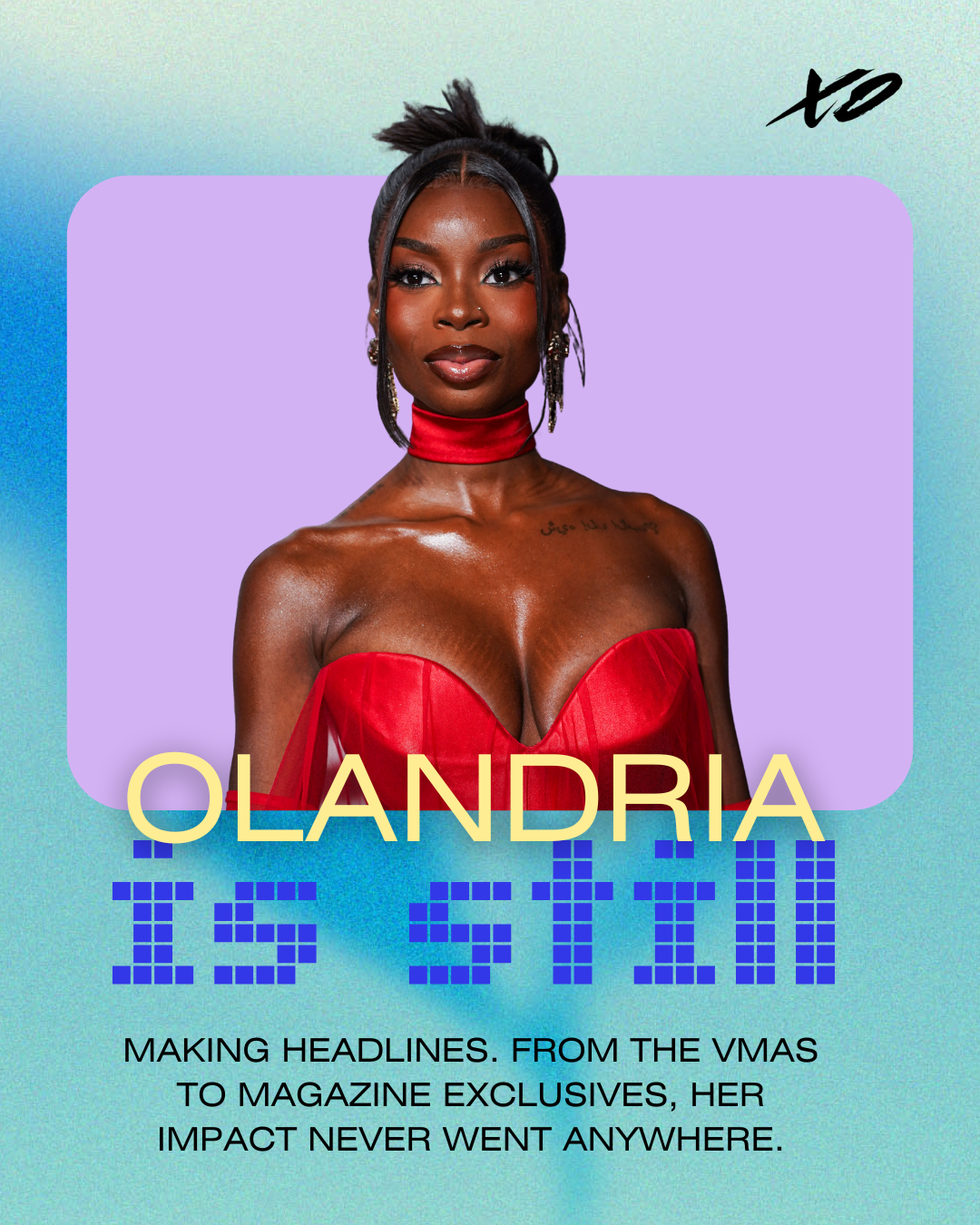
In lifestyle, women like Kayla Nicole and Ayesha Curry have been ridiculed for daring to choose themselves. Tracee Ellis Ross was labeled bitter for speaking her truth about love. Meghan Markle, still, cannot breathe without critique.
In politics, Kamala Harris, Letitia James, and Jasmine Crockett are dragged through the mud for standing tall in rooms not built for them.
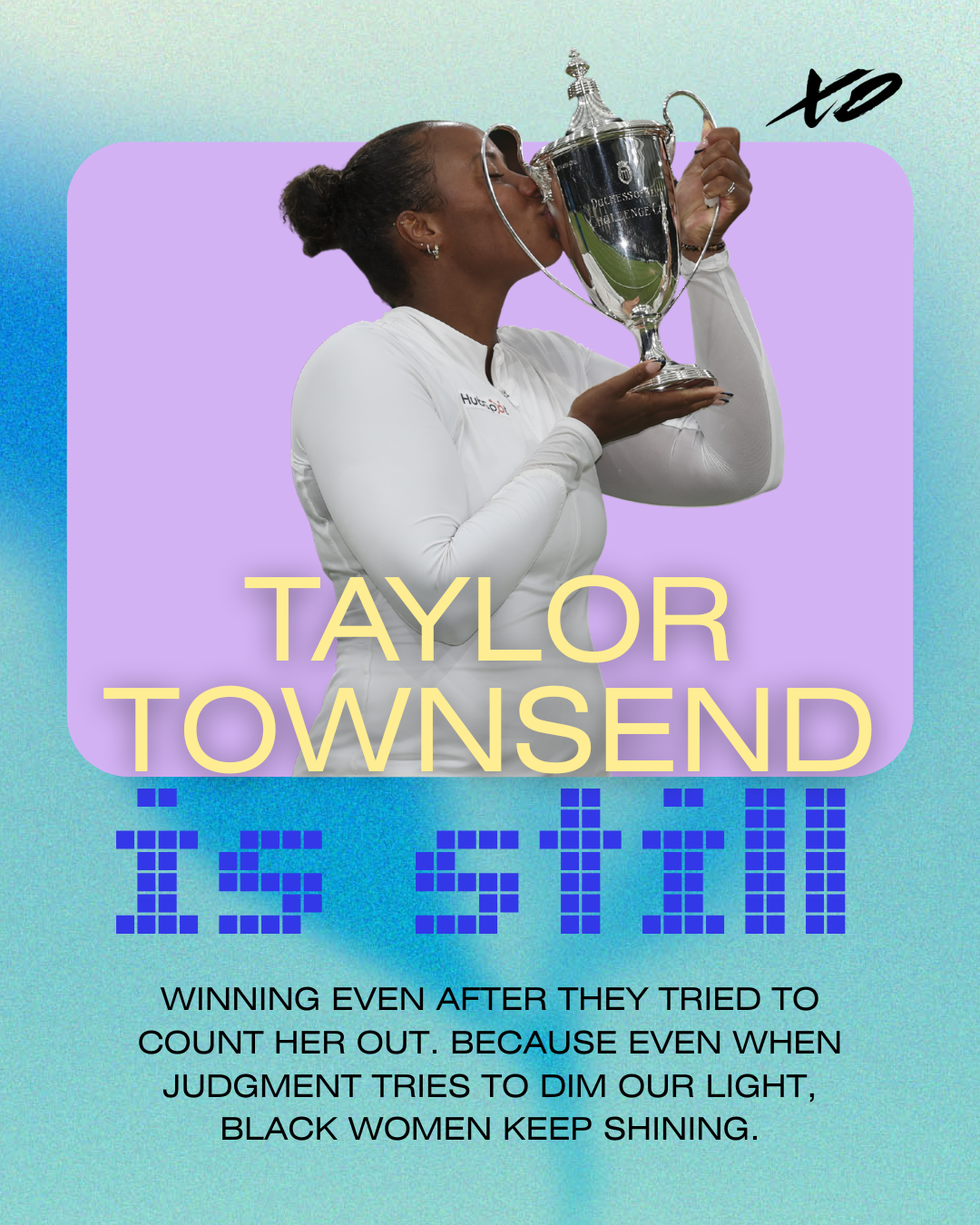
In sports, Angel Reese, Coco Gauff, and Taylor Townsend have been reminded that even excellence will not shield you from racism or judgment.
In business, visionaries like Diarrha N’Diaye-Mbaye and Melissa Butler are fighting to keep their dreams alive in an economy that too often forgets us first.
Even our icons, Beyoncé, Serena, and SZA, have faced criticism simply for evolving beyond the boxes society tried to keep them in.
From everyday women to cultural phenoms, the pattern is the same. Our light is being tested.
And yet, somehow, through it all, we are still showing up as that girl, and that deserves to be celebrated.
Because while the world debates our worth, we keep raising our value. And that proof is all around us.
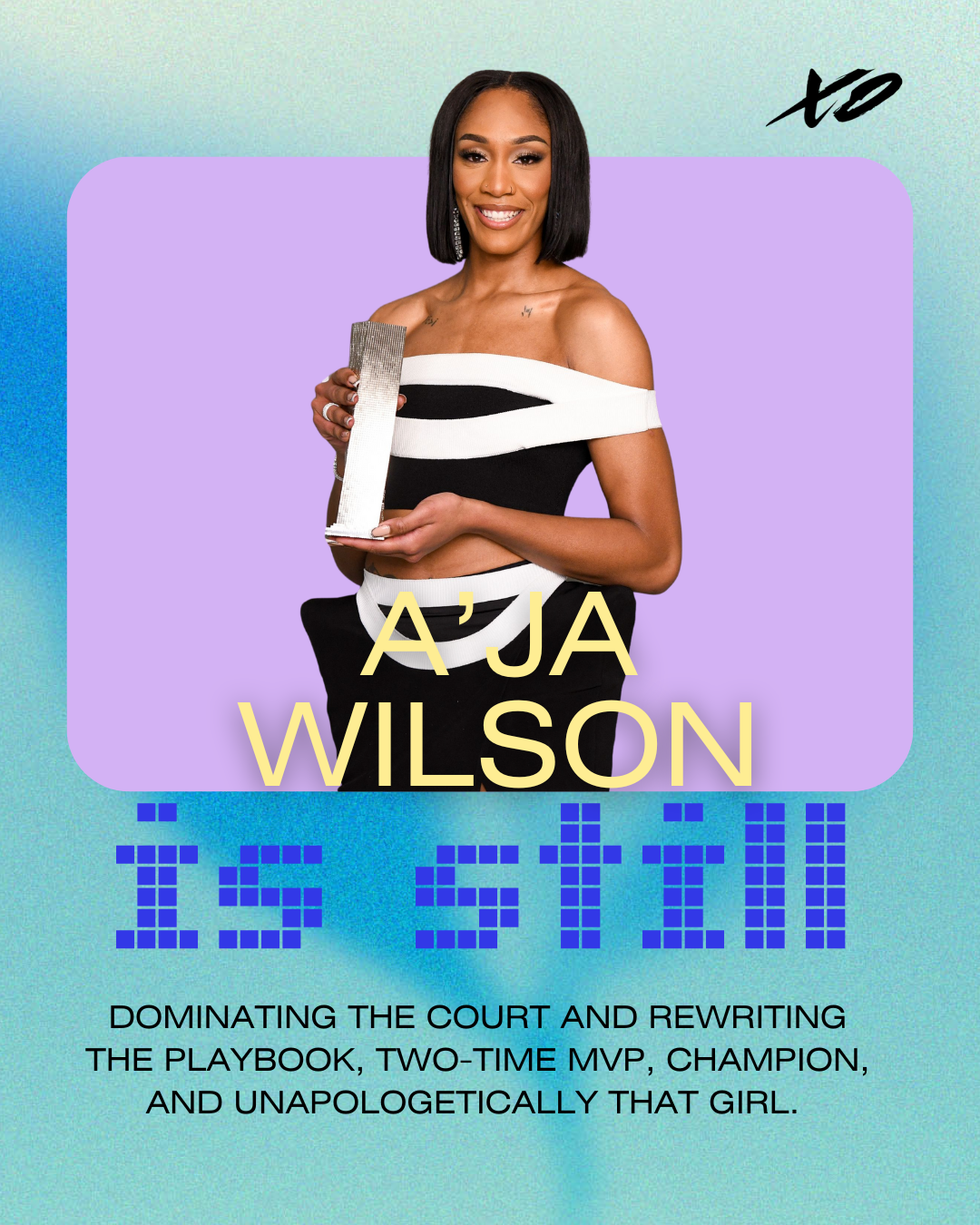
This year alone, Naomi Osaka returned from motherhood and mental health challenges to reach the semifinals of the US Open. A’ja Wilson claimed another MVP, reminding us that beauty and dominance can coexist. Brandy and Monica are snatching our edges on tour. Kahlana Barfield Brown sold out her new line in the face of a retailer that had been canceled. And Melissa Butler’s company, The Lip Bar, is projecting a forty percent surge in sales.
We are no longer defining strength by how much pain we can endure. We are defining it by the unbreakable light we continue to radiate.
We are the women walking our daily steps and also continuing to run solid businesses. We are growing in love, taking solo trips, laughing until it hurts, raising babies and ideas, drinking our green juice, and praying our peace back into existence.
We are rediscovering the joy of rest and realizing that softness is not weakness, it is strategy.
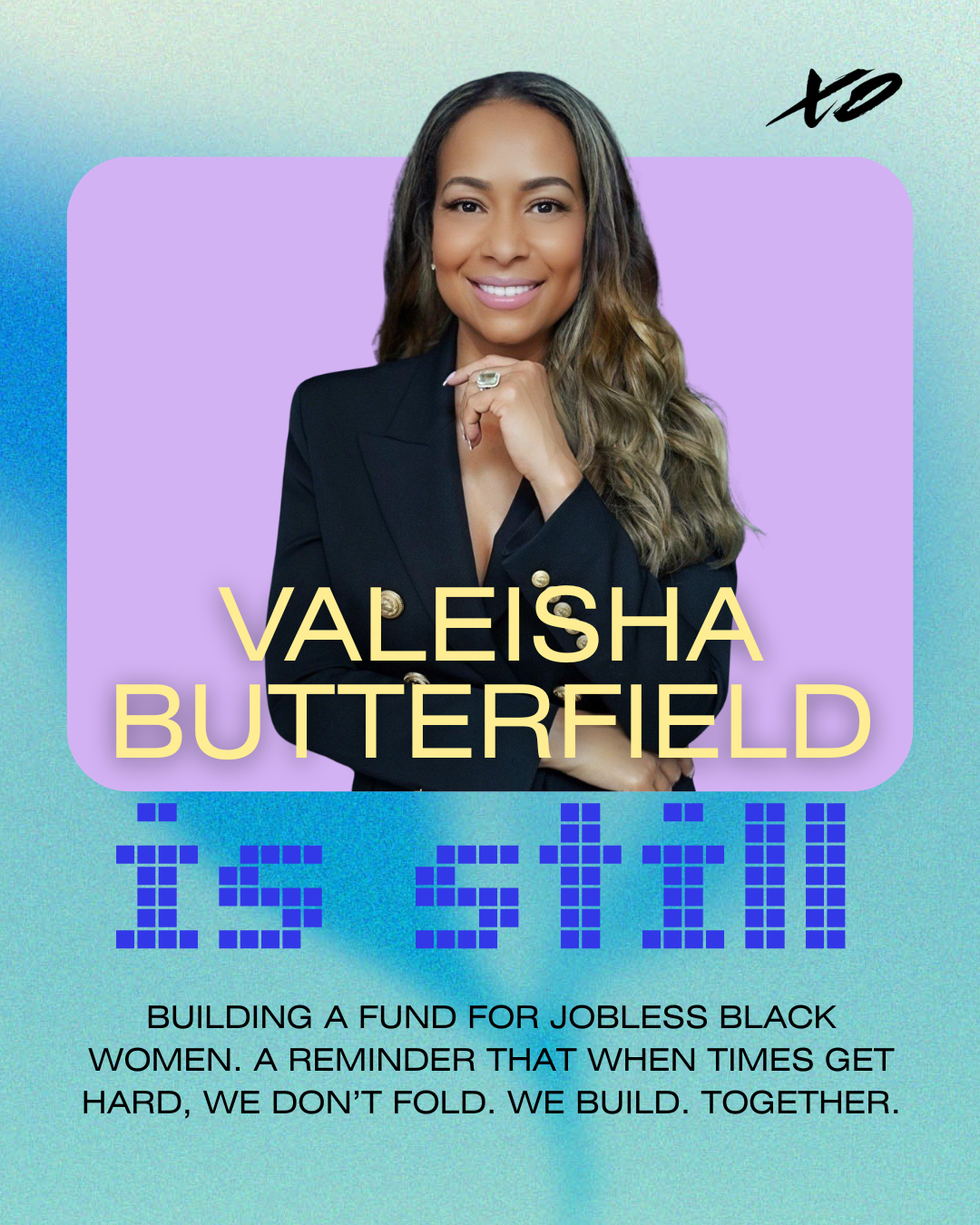
And through it all, we continue to lift one another. Emma Grede is creating seats at the table. Valeisha Butterfield has started a fund for jobless Black women. Arian Simone is leading in media with fearless conviction. We are pouring into each other in ways the world rarely sees but always feels.
So yes, we are in the midst of societal warfare. Yes, we are being tested. Yes, we are facing economic strain, political targeting, and public scrutiny. But even war cannot dim a light that is divinely ours.
And we are still shining.
And we are still softening.
And we are still creating.
And we are still It.
That is the quiet magic of Black womanhood, our ability to hold both truth and triumph in the same breath, to say yes, and to life’s contradictions.
It is no coincidence that this year, as SheaMoisture embraces the message “Yes, And,” they stand beside us as partners in celebrating this class of It Girls. Because that phrase, those two simple words, capture the very essence of this moment.
Yes, we are tired. And we are still rising.
Yes, we are questioned. And we are the answer.
Yes, we are bruised. And we are still beautiful.
This year’s It Girl 100 is more than a list. It is a love letter to every Black woman who dares to live out loud in a world that would rather she whisper. This year’s class is living proof of “Yes, And,” women who are finding ways to thrive and to heal, to build and to rest, to lead and to love, all at once.
It is proof that our joy is not naive, our success not accidental. It is the reminder that our light has never needed permission.
So without further ado, we celebrate the It Girl 100 Class of 2025–2026.
We celebrate the millions of us who keep doing it with grace, grit, and glory.
Because despite it all, we still shine.
Because we are still her.
Because we are still IT, girl.
Meet all 100 women shaping culture in the It Girl 100 Class of 2025. View the complete list of honorees here.
Featured image by xoStaff

Then there were those who gave up their zip code altogether and found a permanent home in the skies. After years spent recruiting students for a university, Lisa-Gaye Shakespeare became a full-time travel influencer and founded her travel company, Shakespeare Agency. And she's not alone.
These stories mirror the experiences of women across the world. For millions, the pandemic induced a seismic shift in priorities and desires. Corporate careers that were once hailed as the ultimate “I made it” moment in one's career were pushed to the back burner as women quit their jobs in search of a more self-fulfilling purpose.
xoNecole spoke to these three Black women who used the pandemic as a springboard to make their wildest dreams a reality, the lessons they learned, and posed the question of whether they’ll ever return to cubicle life.
Answers have been edited for context and length.
xoNecole: How did the pandemic lead to you leaving the cubicle?
Randi: I was becoming stagnant. I was working in mortgage and banking but I felt like my personality was too big for that job! From there, I transitioned to radio but was laid off during the pandemic. That’s what made me go full throttle with entrepreneurship.
Gabrielle: I moved around a lot for work. Five times over a span of seven years. I knew I needed a break because I had experienced so much. So, I just quit one day. Effective immediately. I didn’t know what I was going to do, I just knew I needed a break and to just regroup.
Lisa-Gaye: I was working in recruiting at a university and my dream job just kind of fell into my lap! But, I never got to fully enjoy it before the world shut down in March [2020] and I was laid off. On top of that, I was stuck in Miami because Jamaica had closed its borders due to the pandemic before I was able to return.

Randi O
xoN: Tell us about your journey after leaving Corporate America.
Randi: I do it all now! I have a podcast, I’m an on-air talent, I act, and I own a public relations company that focuses on social media engagement. It’s all from my network. When you go out and start a business, you can’t just say, “Okay I’m done with Corporate America,” and “Let me do my own thing.” If you don’t build community, if you don’t build a network it's going to be very hard to sustain.
Gabrielle: I realized in New York, there was not a lot to do for Black lesbians and queer folks. We don’t really have dedicated bars and spaces so I started doing events and it took off. I started focusing on my brand, Raw Honey. I opened a co-working space, and I was able to host an NYC Pride event in front of 100,000 people. I hit the ground running with Raw Honey. My events were all women coming to find community and come together with other lesbians and queer folks. I found my purpose in that.
Lisa-Gaye: After being laid off, I wrote out all of my passions and that’s how I came up with [my company] Shakespeare Agency. It was all of the things that I loved to do under one umbrella. The pandemic pulled that out of me. I had a very large social media following, so I pitched to hotels that I would feature them on my blog and social media. This reignited my passion for travel. I took the rest of the year to refocus my brand to focus solely on being a content creator within the travel space.
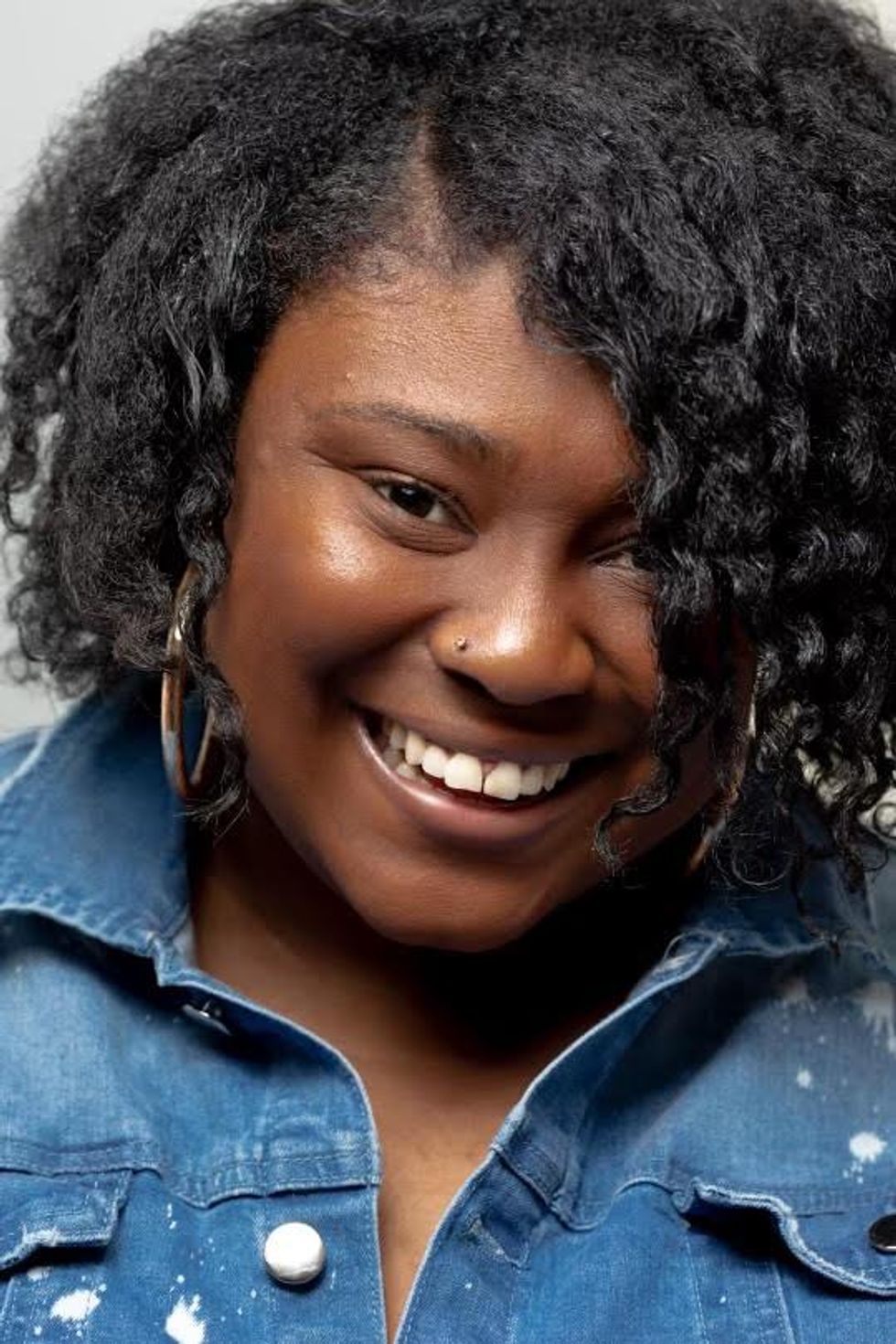
Gabrielle
xoN: What have you learned about yourself during your time as an entrepreneur?
Randi: [I learned] the importance of my network and community that I created. When I was laid off I was still keeping those relationships with people that I used to work with. So it was easy for me to transition into social media management and I didn’t have to start from scratch.
Gabrielle: The biggest thing I learned about myself was my own personal identity as a Black lesbian and how much I had assimilated into straight and corporate culture and not being myself. Now, I feel comfortable and confident being my authentic self. Now, I'm not sacrificing anything else for my career. I have a full life. I have friends. I have a social life. And when you are happy and have a full quality of life, I feel like [I] can have more longevity in my career.
Lisa-Gaye: [I'm doing] the best that I've ever done. The discipline that I’m building within myself. Nobody is saying, ‘Oh you have to be at work at this time.’ There’s no boss saying, ‘Why are you late?’ But, if I’m laying in bed at 10 a.m. then it's me saying [to myself], 'Okay, Lisa, get up, it's time for you to start working!’ That’s all on me.
xoNecole: What mistakes do you want to help people avoid when leaving Corporate America?
Randi: You have to learn about the highs and lows of entrepreneurship. You have a fast season and a slow season and I started to learn that when you're self-employed the latter season hits hard. Don't get caught up on the lows, just keep going and don't stop. I’m glad I did.
Gabrielle: I think everyone should quit their job and just figure it out for a second. You will discover so much about yourself when you take a second to just focus on you. Your skill set will always be there. You can’t be afraid of what will happen when you bet on yourself.
Lisa-Gaye: When it comes to being an influencer the field is saturated and a lot of people suffer from imposter syndrome. There is nothing wrong with being an imposter but find out how to make it yours, how to make it better. If you go to the store, you see 10 million different brands of bread! But you are choosing the brand that you like because you like that particular flavor.
So be an imposter, but be the best imposter of yourself and add your own flair, your own flavor. Make the better bread. The bread that you want.
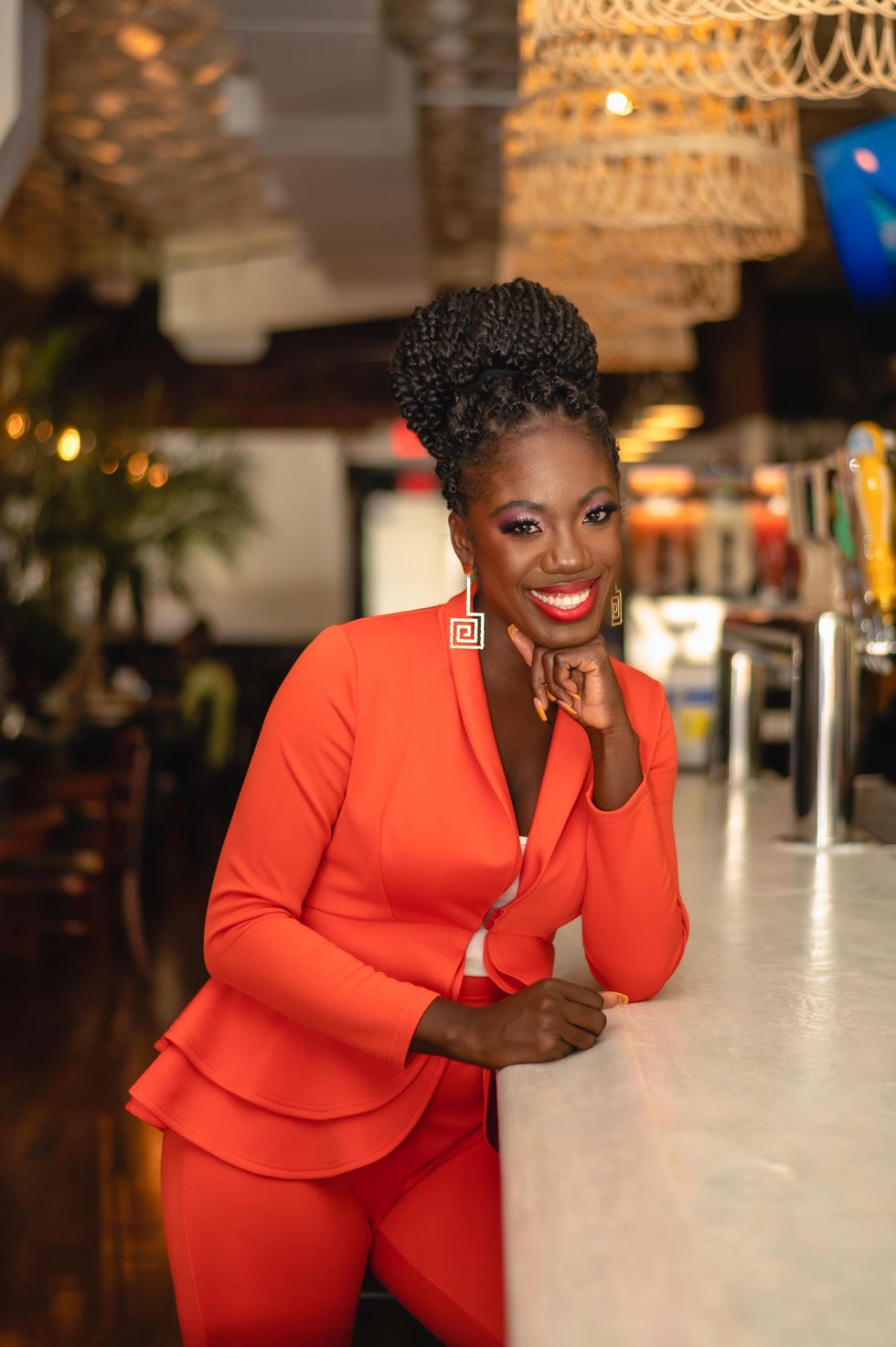
Lisa-Gaye Shakespeare
xoNecole: Will you ever return to your 9 to 5?
Randi: I wouldn’t go back to Corporate America. But I don’t mind working under someone. A lot of people try to get into this business saying, “I can't work under anyone.” That’s not necessarily the reason to start a business because you're always going to answer to somebody. Clients, brands, there’s always someone else involved.
Gabrielle: I went back! I really needed a break and I gave myself that. But, I realized I’m a corporate girl, [and] I enjoy the work that I do. I’m good at it and I really missed that side of myself. I have different sides of me and my whole identity is not Raw Honey or my queerness. A big side of me is business and that’s why I love having my career. Now I feel like my best self.
Lisa-Gaye: I really don’t. For right now, I love working for myself. It's gratifying, it's challenging, it's exciting. It’s a big deal for me to say I own my own business. That I am my own boss, and I'm a Black woman doing it.
Let’s make things inbox official! Sign up for the xoNecole newsletter for love, wellness, career, and exclusive content delivered straight to your inbox.
Featured image courtesy of Lisa-Gaye Shakespeare
Originally published on February 6, 2023