



While I was checking out a video by YouTuber Obaa Yaa Jones on things that Black women can do to keep moisture in their hair (you can watch it here), it got me to thinking about hair masks. More specifically, why hair masks should be incorporated at least every other wash day. Now hear me out.
As Black women, most of us have curls that are tight to the point that it’s difficult for the natural sebum that is on our scalp to travel all the way down the strands of our hair in order to fully lubricate them. If you add to that the reality that some of us also have the type of hair porosity that makes it hard for our locks to retain moisture, it can be a constant struggle to give our tresses the hydration that they need in order to avoid damage and breakage (so that we can retain the hair length that we are after). One thing that can make this less of an issue? Hair masks.
If you’re somewhat familiar with hair masks but you honestly haven’t tried them (yet), take a few moments to read this all the way through. As someone who has high porosity hair and is on her own journey to gain longer locks that are super healthy, I’ve been playing around with hair masks for a minute now — and even though it is an extra step to what can already be quite the wash day sometimes…honestly, I don’t have not one regret.
What Is a Hair Mask?
 Giphy
GiphyOkay, so you know how, oftentimes, when getting a facial, a mask will be incorporated in order to treat certain types of skin issues? Hair masks basically do the same thing — only, they’re specifically made for your tresses and they’re usually for the purpose of deeply penetrating your hair with hydration.
What I’ve come to find is if your hair is particularly dry, you color-treat your hair, you’ve been noticing signs of heat damage, and/or you enjoy wearing your hair in its natural state (and you want your curls to have less frizz so that they can really pop), hair masks can benefit you on a few different levels. That’s because the heavy amount of oils and/or butters in them can help to create some real moisture-related restoration.
What Are the Tips for Getting the Most Out of a Hair Mask?
 Giphy
GiphyIn a moment, I’m going to share with you some hair mask options that are available to you. First, though, let’s talk a bit about how you can receive the most benefits from using a hair mask.
Treat the issue. Not all hair masks are just alike, so although more moisture may be your ultimate goal, if your hair has worn-out ends, seek out a hair mask that treats that. Color-treated? Look for one that is good for that. Frizzing going on? Get a hair mask for that. This is important because, personally, there have been times when I’ve just picked up a popular hair mask that ended up not doing me much good; the reason why is because it was for one thing when I had something entirely different going on with my tresses.
Follow the instructions. If you decide to go with a commercial brand, the instructions are there for a reason. Please make sure to read them and follow them all the way through. Otherwise, your hair may not end up as hydrated, soft, or manageable as you were hoping for.
Not on the scalp; definitely on the ends. A big mistake that a lot of people make when it comes to hair masks is they just scoop up a handful and put it on top of their head. Yeah…naw. You need to make sure that you’ve got enough to coat your freshly washed hair from root to tip; however, keep in mind that hair masks are more for your hair than your scalp. This point is key because many ingredients that are in a lot of hair masks could potentially clog up your hair follicles and/or irritate your scalp, if you massage your scalp with them or leave the product on your scalp for a long period of time.
Cover your hair up. Putting a hair mask on your locks, only to wash it out after five minutes or so, isn’t going to get you the kind of results that you seek. If you’re really going to do this hair mask thing in excellence, be prepared to have your hair wrapped up in a shower cap, warm towel, or steamer for no less than an hour. In fact, some hair masks recommend that you leave them on overnight (although, don’t come to that conclusion on your own; again, read the instructions).
Make it a part of your hair care routine. There is something to be said about the need to “train your hair” in order to get it how you’d like it to be. That’s why it’s important to not just one-and-done your hair when it comes to hair masks. Me? I try to treat my locks to one every other wash day (and I typically wash my hair every two weeks).
How Do You Choose a Hair Mask That Is Best for You?
 Giphy
GiphyNow that you know a bit about how to get the most benefits from a hair mask, you might be wondering which one you should use. Honestly, this could require a bit of trial and error on your part; however, there are articles like Shape’s “14 Hair Masks That Will Give You the Healthiest Strands of Your Life, Vetted and Reviewed” and Glamour’s “The Best Natural Hair Masks, According to the Pros” can potentially point you in the right direction. Another hack would be to go to your favorite search engine and put “hair mask for Black women” in the search field to see some natural hair-specific options.
Okay, but what if you’d prefer to avoid as many chemicals as possible? If that is indeed the case, there are a ton of DIY hair mask options for you to choose from. Below, I’ve included five homemade hair mask options along with some of the reasons why the ingredients in them are such a wise choice.
RECIPE #1
1 Tablespoon of Honey
1 Tablespoon of Avocado
1 Teaspoon of Rosemary Oil
Your hair will adore honey because it’s a humectant; this means that it absorbs moisture from the air and pulls it into your skin and hair. Some other selling points about honey are it's rich in antioxidants and antibacterial properties, it deeply conditions your hair and it helps to strengthen your strands over time.
Avocados are rich in fatty acids that also help to cultivate (and retain) moisture in your hair; plus, the vitamins C and E work together to reduce frizz, prevent free radicals from harming your hair, and reduce damage as well. Rosemary oil? It also conditions your hair while increasing blood circulation to your hair follicles which results in faster and stronger hair growth.
RECIPE #2
½ Cup of Cocoa Powder
2 Teaspoons of Coconut Cream
1 Teaspoon of Coconut Oil
If it sounds crazy to you to put cocoa powder in your hair, you might want to read “12 Ways Dark Chocolate Can Benefit Your Body From Head To Toe.” The reality is there are nutrients in cocoa (like iron, magnesium, potassium, zinc, and copper) that can help to strengthen your hair and add shine and volume to it as well.
The high amounts of lauric acid and protein in coconut cream (or milk) can help to reduce hair loss and dandruff as it deeply moisturizes your hair for longer periods of time. Coconut oil is similar to coconut milk/cream, the only bonus is it can help to protect your hair’s cuticles (which can reduce breakage) too.
RECIPE #3
2 Tablespoons of Sweet Almond Oil
1 Teaspoon of Cinnamon
5 Drops of Peppermint Oil
I’ve been using sweet almond oil on my skin for quite some time now. Hair-wise, I dibble and dabble in it with no regrets because the oil has the ability to deeply moisturize my hair and also prevent split ends, thanks to the high concentration of Vitamin E that it contains. Cinnamon can help you out because it has properties that can help with hair growth; some research even says that this spice could help you end up with thicker hair.
Peppermint oil is always going to be a winner because it can potentially help to reduce hair loss, it increases blood circulation and oxygen flow to your hair follicles and it contains antimicrobials that reduce dandruff and dryness as well.
RECIPE #4
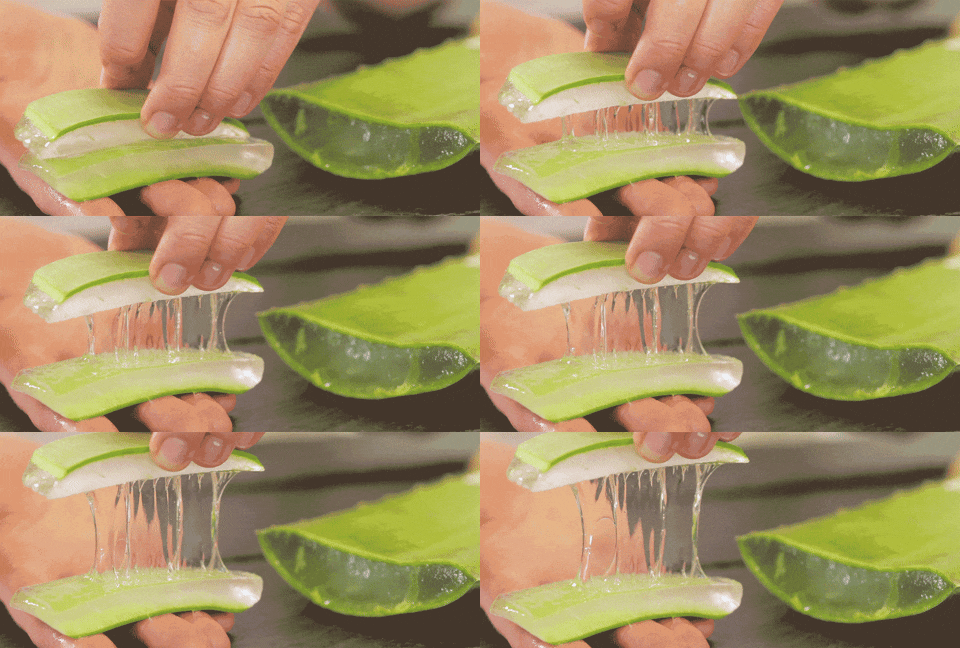
½ Cup of Aloe Vera Gel
1 Tablespoon of Olive Oil
5 Drops of Tea Tree Oil
Being that Aloe vera is made up of almost 99 percent water (no joke), that should already give you enough insight into why it’s a stellar conditioner for your hair. Beyond that, though, Aloe vera is a great hair mask ingredient because it has vitamins A, B12, C, and E that can help to strengthen your hair and properties that can help to improve your hair’s texture.
Olive oil is a great treatment for overly processed hair or if you want to prevent split ends. Tea tree oil is wonderful when it comes to removing product build-up.
RECIPE #5
1 Banana
1 Egg
2 Teaspoons of Plain Greek Yogurt
If any of these recipes is a throwback classic, it would have to be this one; that’s because it’s common for bananas, eggs, and yogurt to go into homemade hair masks. A cool thing about bananas is they contain something known as silica; it’s a chemical compound that reduces frizz. There are also antioxidants in bananas that help to decrease oxidative stress (which can lead to hair damage) and bananas can deeply condition your hair too.
Eggs? Eggs are loaded with protein (which your hair is made mostly of) which means that they can strengthen your hair as well as decrease dryness. Greek yogurt can also give your hair a protein boost as it also strengthens your hair follicles and softens your strands.
___
I promise you that, no matter how many articles you read on how to have a head full of thriving hair, especially when it comes to us, maintaining moisture is going to be mentioned. Now that you know that hair masks are top-tier at doing this for you…seems like this needs to be on your next wash-day agenda…right? For real, though.
It’s worth the time and effort. Trust me.
Let’s make things inbox official! Sign up for the xoNecole newsletter for love, wellness, career, and exclusive content delivered straight to your inbox.
Featured image by PeopleImages/Getty Images
RELATED


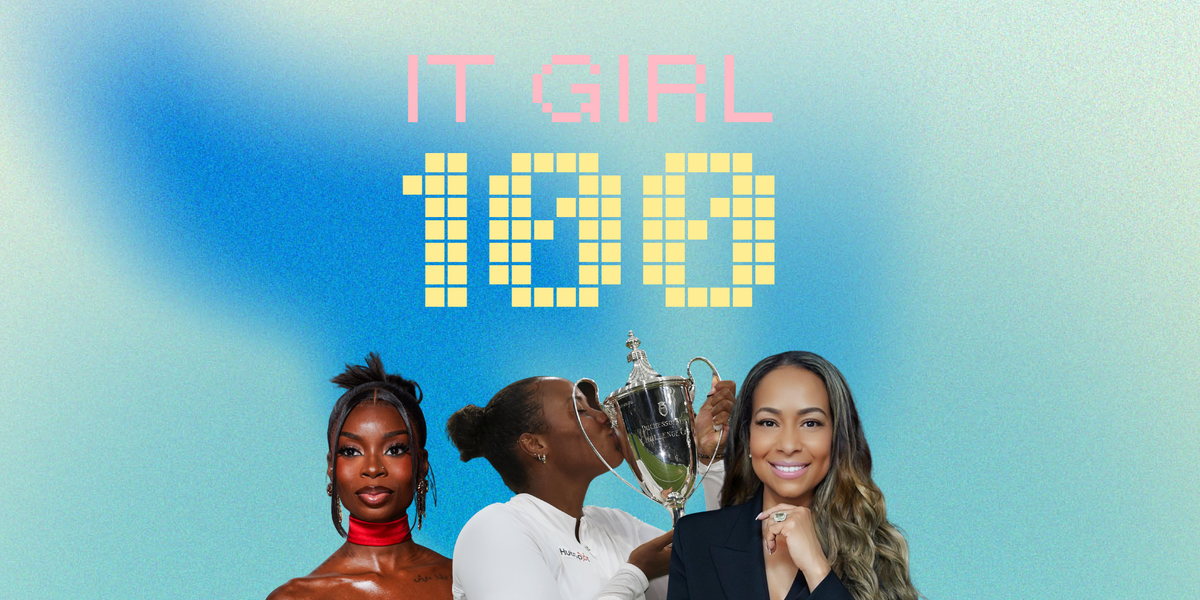
So, we handpicked one hundred It Girls who embody that palpable It Factor moving through us as young Black women, the kind of motion lighting up the world both IRL and across the internet.
It Girl 100 became xoNecole’s most successful program, with the hashtag organically reaching more than forty million impressions on Instagram in just twenty-four hours. Yes, it caught on like wildfire because we celebrated some of the most brilliant and influential GenZennial women of color setting trends and shaping culture. But more than that, it resonated because the women we celebrated felt seen.
Many were already known in their industries for keeping this generation fly and lit, but rarely received recognition or flowers. It Girl 100 became a safe space to be uplifted, and for us as Black women to bask in what felt like an era of our brilliance, beauty, and boundless influence on full display.
And then, almost overnight, it was as if the rug was pulled from under us as Black women, as the It Girls of the world.
Our much-needed, much-deserved season of ease and soft living quickly metamorphosed into a time of self-preservation and survival. Our motion and economic progression seemed strategically slowed, our light under siege.
The air feels heavier now. The headlines colder. Our Black girl magic is being picked apart and politicized for simply existing.
With that climate shift, as we prepare to launch our second annual It Girl 100 honoree list, our team has had to dig deep on the purpose and intention behind this year’s list. Knowing the spirit of It Girl 100 is about motion, sauce, strides, and progression, how do we celebrate amid uncertainty and collective grief when the juice feels like it is being squeezed out of us?
As we wrestled with that question, we were reminded that this tension isn’t new. Black women have always had to find joy in the midst of struggle, to create light even in the darkest corners. We have carried the weight of scrutiny for generations, expected to be strong, to serve, to smile through the sting. But this moment feels different. It feels deeply personal.
We are living at the intersection of liberation and backlash. We are learning to take off our capes, to say no when we are tired, to embrace softness without apology.
And somehow, the world has found new ways to punish us for it.
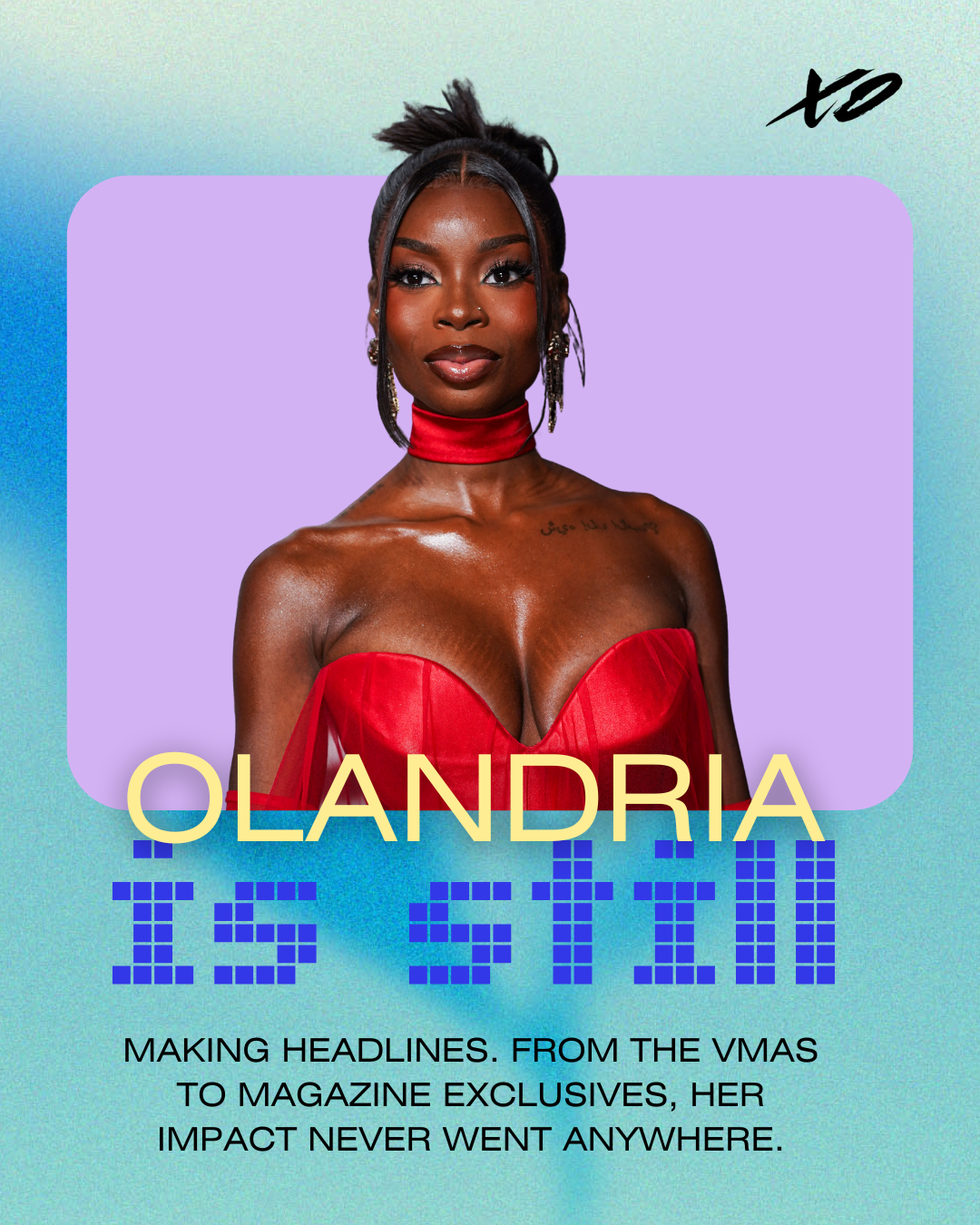
In lifestyle, women like Kayla Nicole and Ayesha Curry have been ridiculed for daring to choose themselves. Tracee Ellis Ross was labeled bitter for speaking her truth about love. Meghan Markle, still, cannot breathe without critique.
In politics, Kamala Harris, Letitia James, and Jasmine Crockett are dragged through the mud for standing tall in rooms not built for them.
In sports, Angel Reese, Coco Gauff, and Taylor Townsend have been reminded that even excellence will not shield you from racism or judgment.
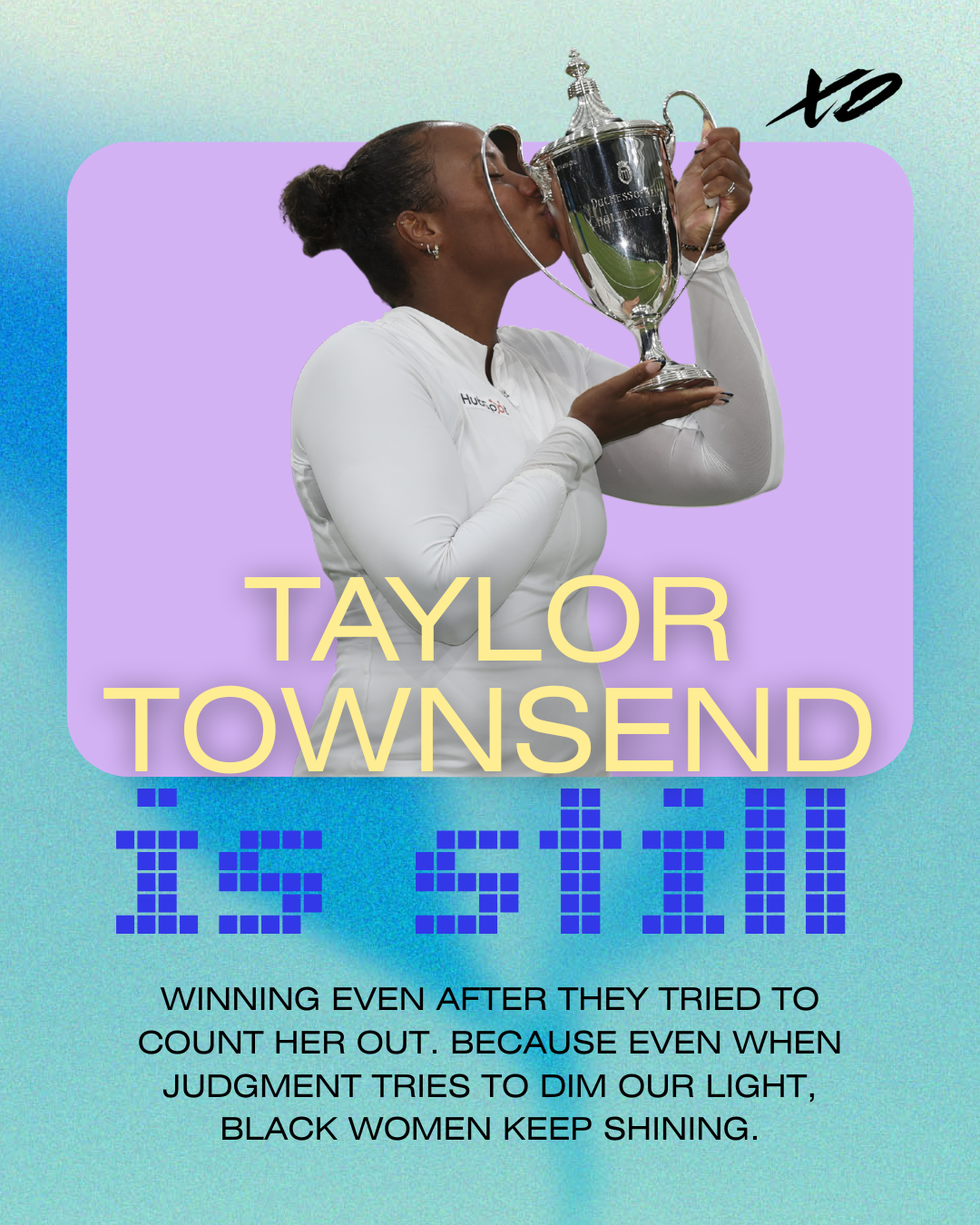
In business, visionaries like Diarrha N’Diaye-Mbaye and Melissa Butler are fighting to keep their dreams alive in an economy that too often forgets us first.
Even our icons, Beyoncé, Serena, and SZA, have faced criticism simply for evolving beyond the boxes society tried to keep them in.
From everyday women to cultural phenoms, the pattern is the same. Our light is being tested.
And yet, somehow, through it all, we are still showing up as that girl, and that deserves to be celebrated.
Because while the world debates our worth, we keep raising our value. And that proof is all around us.
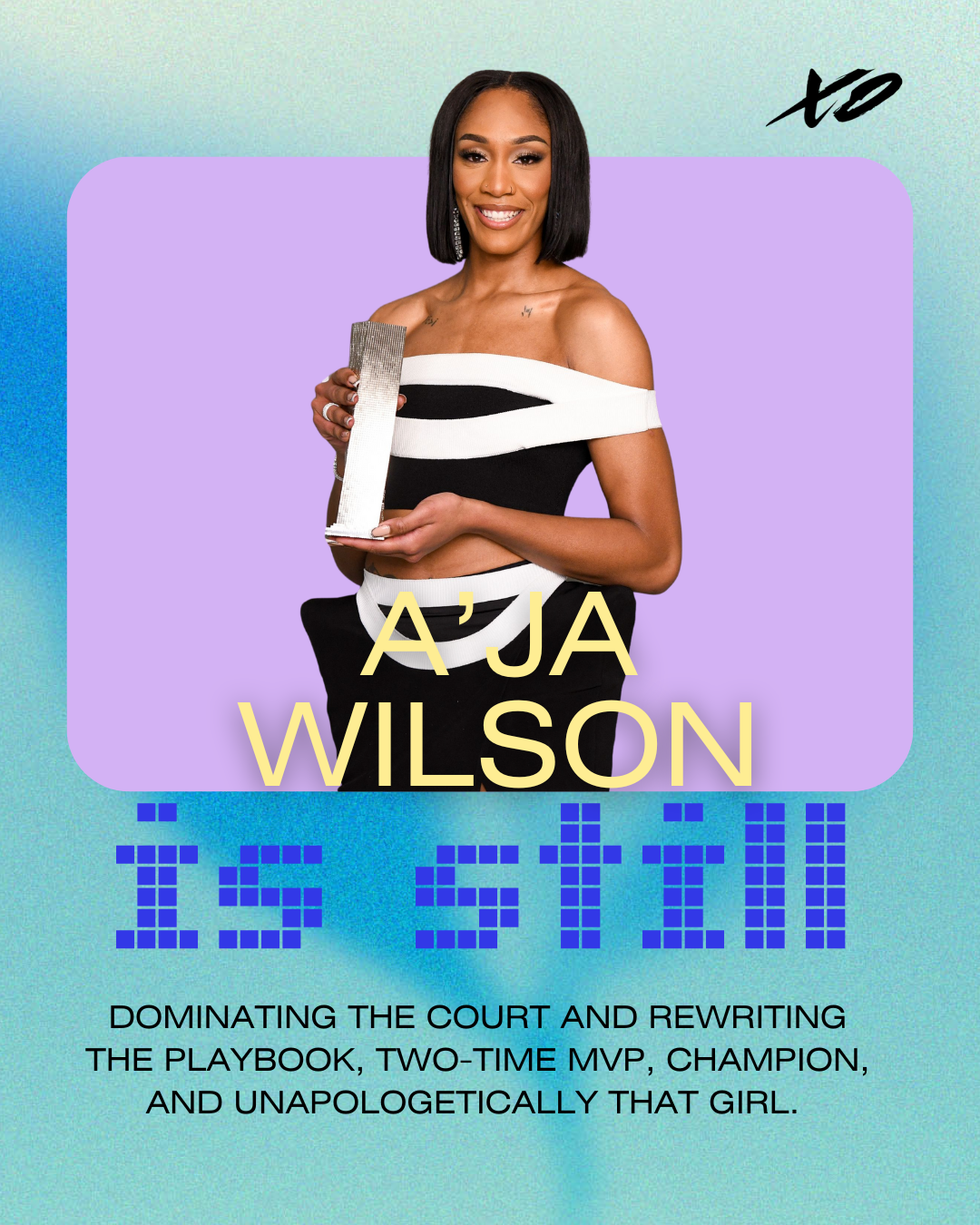
This year alone, Naomi Osaka returned from motherhood and mental health challenges to reach the semifinals of the US Open. A’ja Wilson claimed another MVP, reminding us that beauty and dominance can coexist. Brandy and Monica are snatching our edges on tour. Kahlana Barfield Brown sold out her new line in the face of a retailer that had been canceled. And Melissa Butler’s company, The Lip Bar, is projecting a forty percent surge in sales.
We are no longer defining strength by how much pain we can endure. We are defining it by the unbreakable light we continue to radiate.
We are the women walking our daily steps and also continuing to run solid businesses. We are growing in love, taking solo trips, laughing until it hurts, raising babies and ideas, drinking our green juice, and praying our peace back into existence.
We are rediscovering the joy of rest and realizing that softness is not weakness, it is strategy.
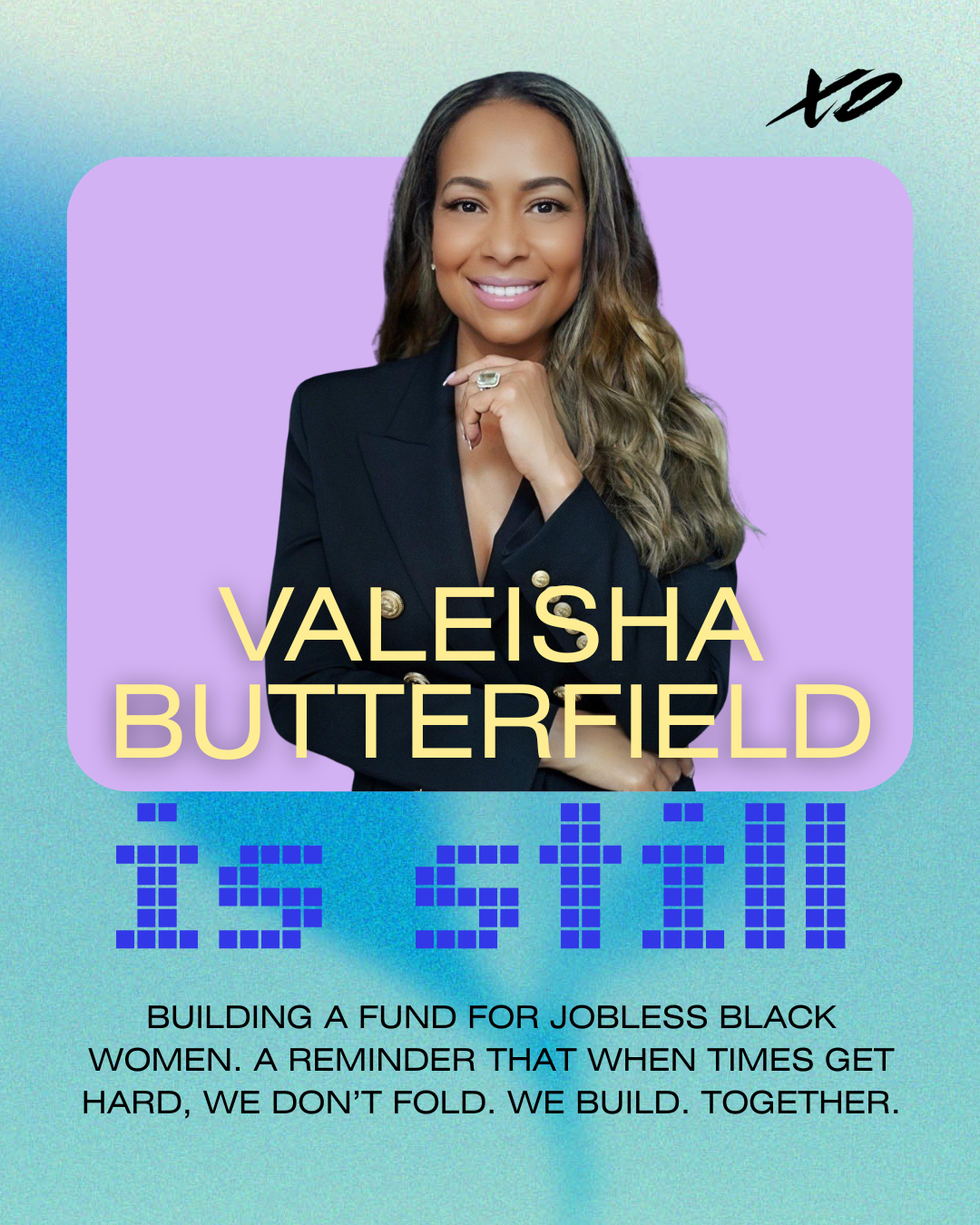
And through it all, we continue to lift one another. Emma Grede is creating seats at the table. Valeisha Butterfield has started a fund for jobless Black women. Arian Simone is leading in media with fearless conviction. We are pouring into each other in ways the world rarely sees but always feels.
So yes, we are in the midst of societal warfare. Yes, we are being tested. Yes, we are facing economic strain, political targeting, and public scrutiny. But even war cannot dim a light that is divinely ours.
And we are still shining.
And we are still softening.
And we are still creating.
And we are still It.
That is the quiet magic of Black womanhood, our ability to hold both truth and triumph in the same breath, to say yes, and to life’s contradictions.
It is no coincidence that this year, as SheaMoisture embraces the message “Yes, And,” they stand beside us as partners in celebrating this class of It Girls. Because that phrase, those two simple words, capture the very essence of this moment.
Yes, we are tired. And we are still rising.
Yes, we are questioned. And we are the answer.
Yes, we are bruised. And we are still beautiful.
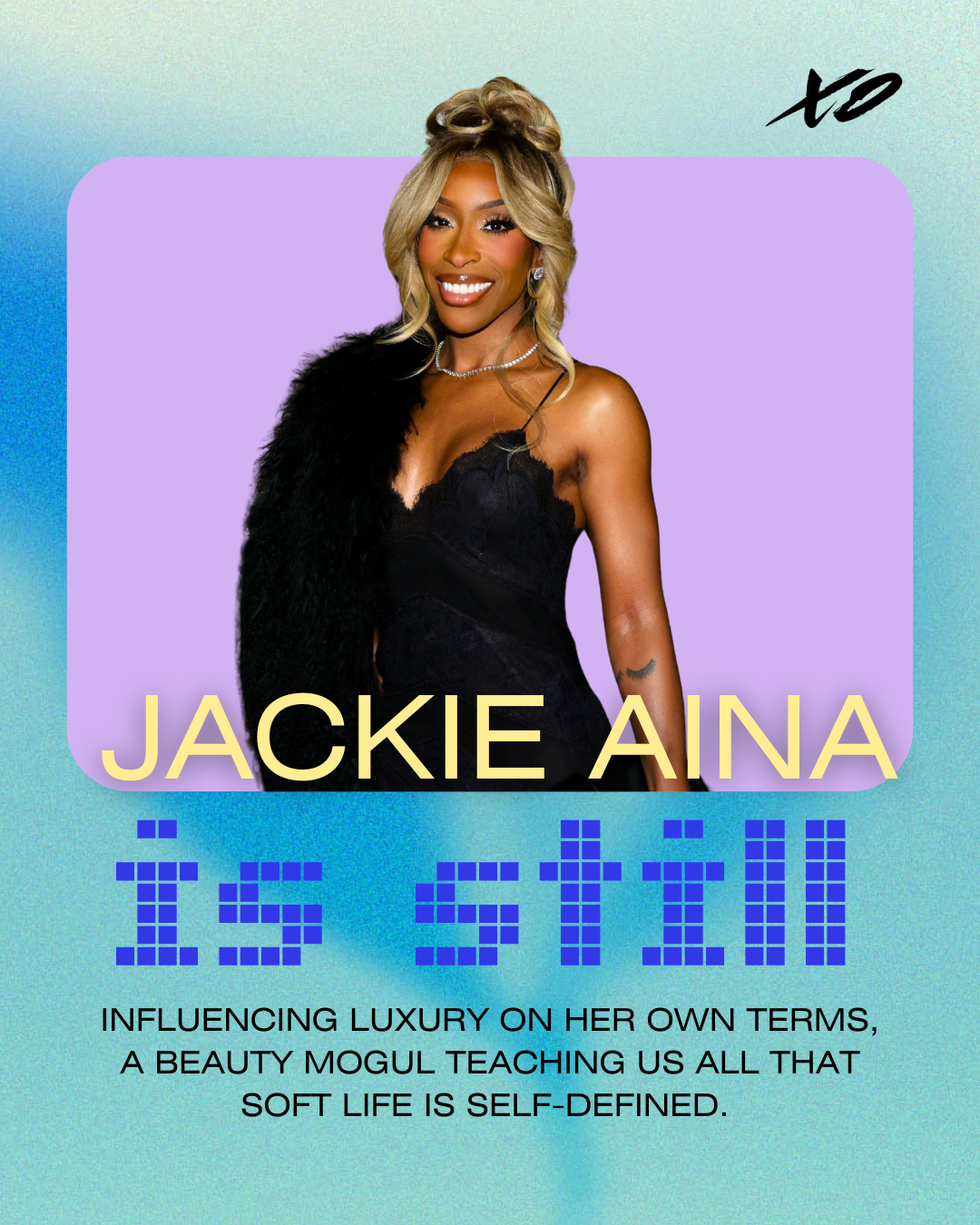
This year’s It Girl 100 is more than a list. It is a love letter to every Black woman who dares to live out loud in a world that would rather she whisper. This year’s class is living proof of “Yes, And,” women who are finding ways to thrive and to heal, to build and to rest, to lead and to love, all at once.
It is proof that our joy is not naive, our success not accidental. It is the reminder that our light has never needed permission.
So without further ado, we celebrate the It Girl 100 Class of 2025–2026.
We celebrate the millions of us who keep doing it with grace, grit, and glory.
Because despite it all, we still shine.
Because we are still her.
Because we are still IT, girl.
Meet all 100 women shaping culture in the It Girl 100 Class of 2025. View the complete list of honorees here.
Featured image by xoStaff

So, we handpicked one hundred It Girls who embody that palpable It Factor moving through us as young Black women, the kind of motion lighting up the world both IRL and across the internet.
It Girl 100 became xoNecole’s most successful program, with the hashtag organically reaching more than forty million impressions on Instagram in just twenty-four hours. Yes, it caught on like wildfire because we celebrated some of the most brilliant and influential GenZennial women of color setting trends and shaping culture. But more than that, it resonated because the women we celebrated felt seen.
Many were already known in their industries for keeping this generation fly and lit, but rarely received recognition or flowers. It Girl 100 became a safe space to be uplifted, and for us as Black women to bask in what felt like an era of our brilliance, beauty, and boundless influence on full display.
And then, almost overnight, it was as if the rug was pulled from under us as Black women, as the It Girls of the world.
Our much-needed, much-deserved season of ease and soft living quickly metamorphosed into a time of self-preservation and survival. Our motion and economic progression seemed strategically slowed, our light under siege.
The air feels heavier now. The headlines colder. Our Black girl magic is being picked apart and politicized for simply existing.
With that climate shift, as we prepare to launch our second annual It Girl 100 honoree list, our team has had to dig deep on the purpose and intention behind this year’s list. Knowing the spirit of It Girl 100 is about motion, sauce, strides, and progression, how do we celebrate amid uncertainty and collective grief when the juice feels like it is being squeezed out of us?
As we wrestled with that question, we were reminded that this tension isn’t new. Black women have always had to find joy in the midst of struggle, to create light even in the darkest corners. We have carried the weight of scrutiny for generations, expected to be strong, to serve, to smile through the sting. But this moment feels different. It feels deeply personal.
We are living at the intersection of liberation and backlash. We are learning to take off our capes, to say no when we are tired, to embrace softness without apology.
And somehow, the world has found new ways to punish us for it.
In lifestyle, women like Kayla Nicole and Ayesha Curry have been ridiculed for daring to choose themselves. Tracee Ellis Ross was labeled bitter for speaking her truth about love. Meghan Markle, still, cannot breathe without critique.
In politics, Kamala Harris, Letitia James, and Jasmine Crockett are dragged through the mud for standing tall in rooms not built for them.
In sports, Angel Reese, Coco Gauff, and Taylor Townsend have been reminded that even excellence will not shield you from racism or judgment.
In business, visionaries like Diarrha N’Diaye-Mbaye and Melissa Butler are fighting to keep their dreams alive in an economy that too often forgets us first.
Even our icons, Beyoncé, Serena, and SZA, have faced criticism simply for evolving beyond the boxes society tried to keep them in.
From everyday women to cultural phenoms, the pattern is the same. Our light is being tested.
And yet, somehow, through it all, we are still showing up as that girl, and that deserves to be celebrated.
Because while the world debates our worth, we keep raising our value. And that proof is all around us.
This year alone, Naomi Osaka returned from motherhood and mental health challenges to reach the semifinals of the US Open. A’ja Wilson claimed another MVP, reminding us that beauty and dominance can coexist. Brandy and Monica are snatching our edges on tour. Kahlana Barfield Brown sold out her new line in the face of a retailer that had been canceled. And Melissa Butler’s company, The Lip Bar, is projecting a forty percent surge in sales.
We are no longer defining strength by how much pain we can endure. We are defining it by the unbreakable light we continue to radiate.
We are the women walking our daily steps and also continuing to run solid businesses. We are growing in love, taking solo trips, laughing until it hurts, raising babies and ideas, drinking our green juice, and praying our peace back into existence.
We are rediscovering the joy of rest and realizing that softness is not weakness, it is strategy.
And through it all, we continue to lift one another. Emma Grede is creating seats at the table. Valeisha Butterfield has started a fund for jobless Black women. Arian Simone is leading in media with fearless conviction. We are pouring into each other in ways the world rarely sees but always feels.
So yes, we are in the midst of societal warfare. Yes, we are being tested. Yes, we are facing economic strain, political targeting, and public scrutiny. But even war cannot dim a light that is divinely ours.
And we are still shining.
And we are still softening.
And we are still creating.
And we are still It.
That is the quiet magic of Black womanhood, our ability to hold both truth and triumph in the same breath, to say yes, and to life’s contradictions.
It is no coincidence that this year, as SheaMoisture embraces the message “Yes, And,” they stand beside us as partners in celebrating this class of It Girls. Because that phrase, those two simple words, capture the very essence of this moment.
Yes, we are tired. And we are still rising.
Yes, we are questioned. And we are the answer.
Yes, we are bruised. And we are still beautiful.
This year’s It Girl 100 is more than a list. It is a love letter to every Black woman who dares to live out loud in a world that would rather she whisper. This year’s class is living proof of “Yes, And,” women who are finding ways to thrive and to heal, to build and to rest, to lead and to love, all at once.
It is proof that our joy is not naive, our success not accidental. It is the reminder that our light has never needed permission.
So without further ado, we celebrate the It Girl 100 Class of 2025–2026.
We celebrate the millions of us who keep doing it with grace, grit, and glory.
Because despite it all, we still shine.
Because we are still her.
Because we are still IT, girl.
Meet all 100 women shaping culture in the It Girl 100 Class of 2025. View the complete list of honorees here.
Featured image by xoStaff