

So your stylist requires you to "come washed".
For some, that sounds like an odd request. For others, it sounds pretty normal.
One of the main trending topics in the black beauty community is that beauticians are requiring clients to come "washed". I'm sure some of you may have turned your face up at that.
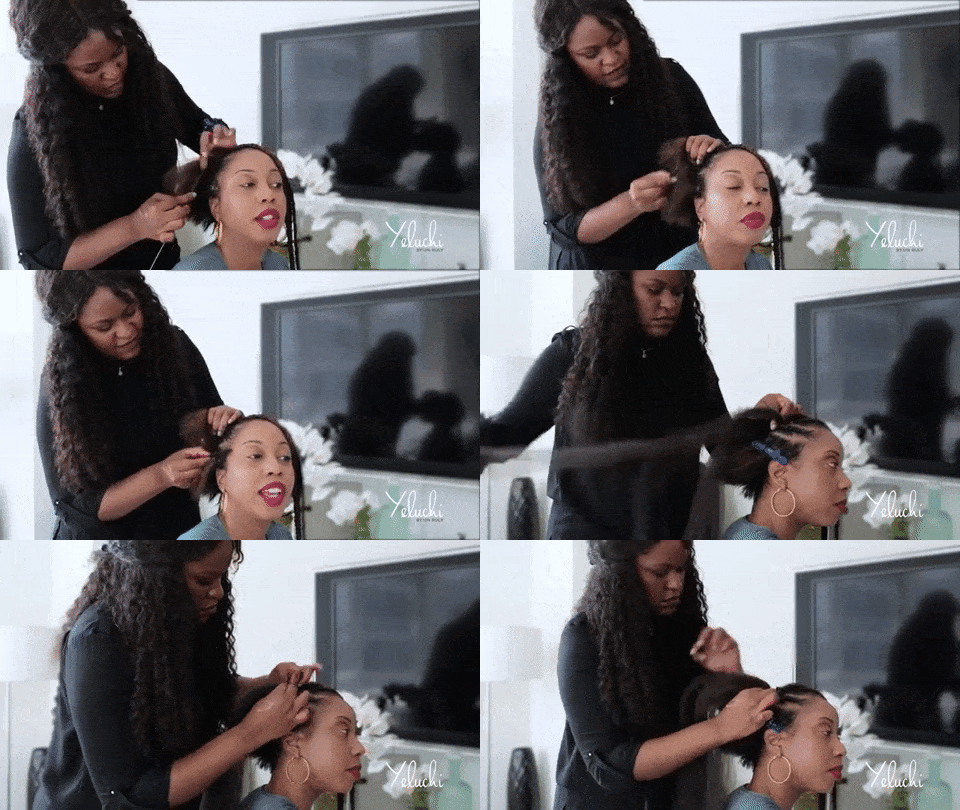
A shampoo at the salon is an experience that most people, if not all, look forward to within their salon experience. I mean, who doesn't like to lean back in a shampoo bowl and experience that lovely scalp massage and cleaning! My eyes just rolled in the back of my head thinking about it.
Across various social media platforms, memes and tweets alike have triggered this conversation.
you’re not a stylist if I have to come with my hair washed, blow-dried, conditioned, and with the hair.
— Cam🥂 (@_threehunna) August 30, 2019
Question if your going to a hair salon for braids why do you have to come with your hair already washed 🤔
— 👑Myeeeee (@_MeOhMyeee) August 28, 2019
For my daughter hair y’all want me to come washed & blow dryed then gonna charge me 65-70 dollars tf wrong wit y’all
— ForeverRELL🕊💙 (@Tionaaa___) August 22, 2019
I need to go somewhere to get my hair washed really good and braided down but y’all “stylist” be wanting us to come with our hair already washed so I doubt y’all providing that service 🙄
— Kilo (@DontLoseYour_Ki) August 29, 2019
I want this girl to do my closure but I gotta come washed and braided 🥴🥴🥴 who tf just braids hair for a sew in ??!!
— 𝕷𝖊𝖝 𝕲𝖆𝖑𝖔𝖗𝖊 🕸 (@LexxGalore) August 28, 2019
detroit hair stylist be like come washed bring your own hair, flat-irons, edge control, and chair.
— Es. (@theessieb) August 28, 2019
these Miami stylist really lost they damn mind! This bitch wanna charge $250 for some basic ass braids AND want you to come washed, pressed, AND bring your own edge control? Bitch i might as well do my own damn hair, tf? 🤨
— Ash🌞 (@SincerelyAnese) August 31, 2019
Let's dive into this "come washed" hair movement, shall we?
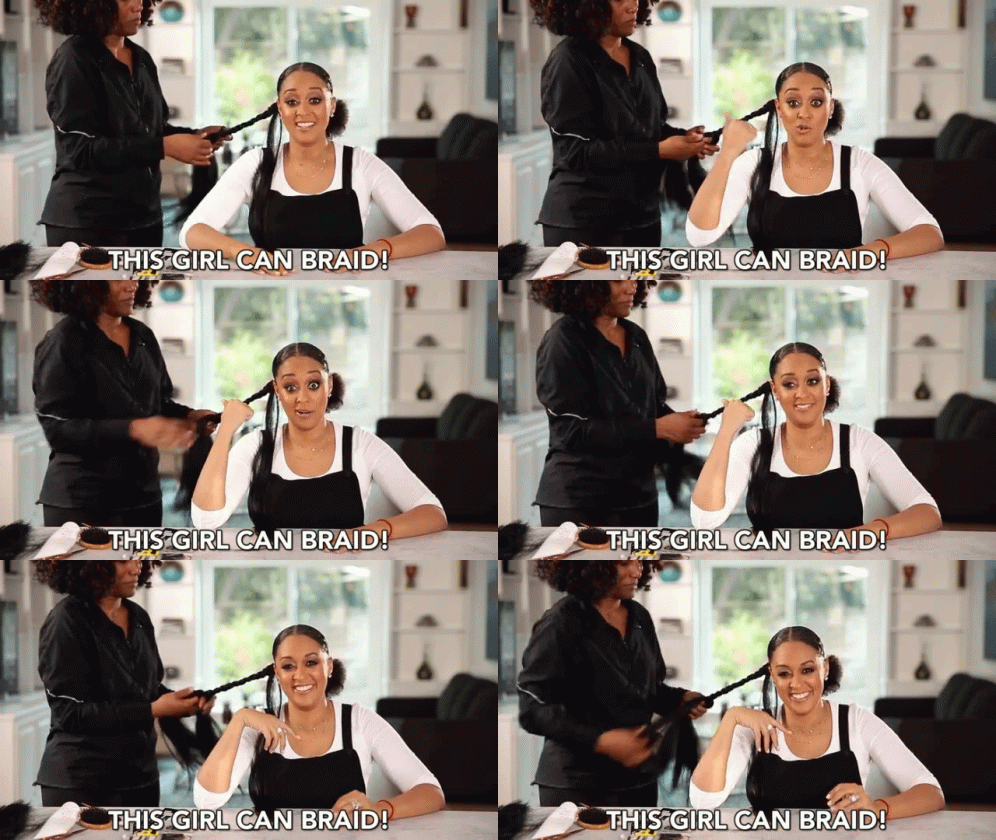
There's thousands of West African owned braiding salons across the U.S., and most aren't licensed cosmetologists or hair stylists. They have the natural gift for braiding so, why not profit? As a result, you have to come shampooed and dry to be serviced (for most of those salons). Mostly, so they can maximize the productivity and turnover rate of clients in and out of the salon. African-Americans have tapped into this market with their love of braiding using some, if not all, of the same business style.
Formal training and theory of hair and scalp is what beauty school gives, so if you didn't attend an institution to learn the science behind caring for hair, there are so many things you don't know. The benefits of shampooing, proper sanitation, infection control and many other things are commonly reinforced in the teachings of cosmetology, barbering and esthetics. Imagine going into a braiding salon for passion twists, and the braider starts parting your hair with the same comb she used on an earlier client who has a severe dandruff condition. To make matters worse, you see no proof of sanitation like an EPA grade cleanser or Barbicide Jar. What face did you just make at that moment when you thought about it? Riiiight!
Since most states across the country don't require the licensing of braiders, most won't know this very important information unless they take it upon themselves to do the research, or if a client disaster happens.
This isn't to shame braiders who don't know, simply because...they don't know. But let's tap into trained stylists who DO know. The harmful ideology of "Well I know better, I just won't do it," is what's dangerous to the public. Skills such as product selection, a client using a specific shampoo, or choosing conditioner or leave-in may not guarantee a bomb-end result of a style such as a silk press. Think about it. Finally, there's the proper terminology of washed versus shampooing...but that's another conversation for another day.
Right or wrong, it's the public's responsibility to decide who they will patronize based on the information given by a stylist. Most states offer online access which allows you to view a list of stylists who are properly licensed. If a customer chooses to support a stylist who is not licensed, they unconsciously waive their right to expect professionalism because that stylist is, by law, unprofessional. That doesn't demote their kindness or skill at all. In so many words, don't expect professionalism in unprofessional spaces, and you won't be disappointed.
There, I said it.
To keep up with Lakia and The Kia Xperience Salon, follow her on Instagram @thekiaxperience or visit www.thekiaxperience.com.
Featured image via Giphy
RELATED
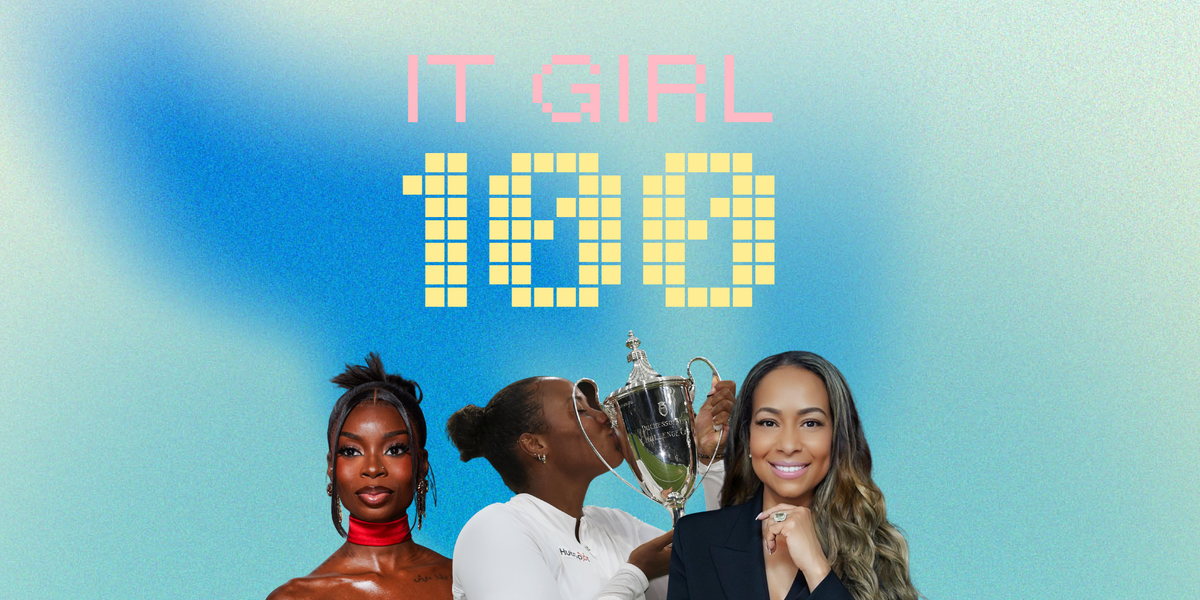
So, we handpicked one hundred It Girls who embody that palpable It Factor moving through us as young Black women, the kind of motion lighting up the world both IRL and across the internet.
It Girl 100 became xoNecole’s most successful program, with the hashtag organically reaching more than forty million impressions on Instagram in just twenty-four hours. Yes, it caught on like wildfire because we celebrated some of the most brilliant and influential GenZennial women of color setting trends and shaping culture. But more than that, it resonated because the women we celebrated felt seen.
Many were already known in their industries for keeping this generation fly and lit, but rarely received recognition or flowers. It Girl 100 became a safe space to be uplifted, and for us as Black women to bask in what felt like an era of our brilliance, beauty, and boundless influence on full display.
And then, almost overnight, it was as if the rug was pulled from under us as Black women, as the It Girls of the world.
Our much-needed, much-deserved season of ease and soft living quickly metamorphosed into a time of self-preservation and survival. Our motion and economic progression seemed strategically slowed, our light under siege.
The air feels heavier now. The headlines colder. Our Black girl magic is being picked apart and politicized for simply existing.
With that climate shift, as we prepare to launch our second annual It Girl 100 honoree list, our team has had to dig deep on the purpose and intention behind this year’s list. Knowing the spirit of It Girl 100 is about motion, sauce, strides, and progression, how do we celebrate amid uncertainty and collective grief when the juice feels like it is being squeezed out of us?
As we wrestled with that question, we were reminded that this tension isn’t new. Black women have always had to find joy in the midst of struggle, to create light even in the darkest corners. We have carried the weight of scrutiny for generations, expected to be strong, to serve, to smile through the sting. But this moment feels different. It feels deeply personal.
We are living at the intersection of liberation and backlash. We are learning to take off our capes, to say no when we are tired, to embrace softness without apology.
And somehow, the world has found new ways to punish us for it.
In lifestyle, women like Kayla Nicole and Ayesha Curry have been ridiculed for daring to choose themselves. Tracee Ellis Ross was labeled bitter for speaking her truth about love. Meghan Markle, still, cannot breathe without critique.
In politics, Kamala Harris, Letitia James, and Jasmine Crockett are dragged through the mud for standing tall in rooms not built for them.
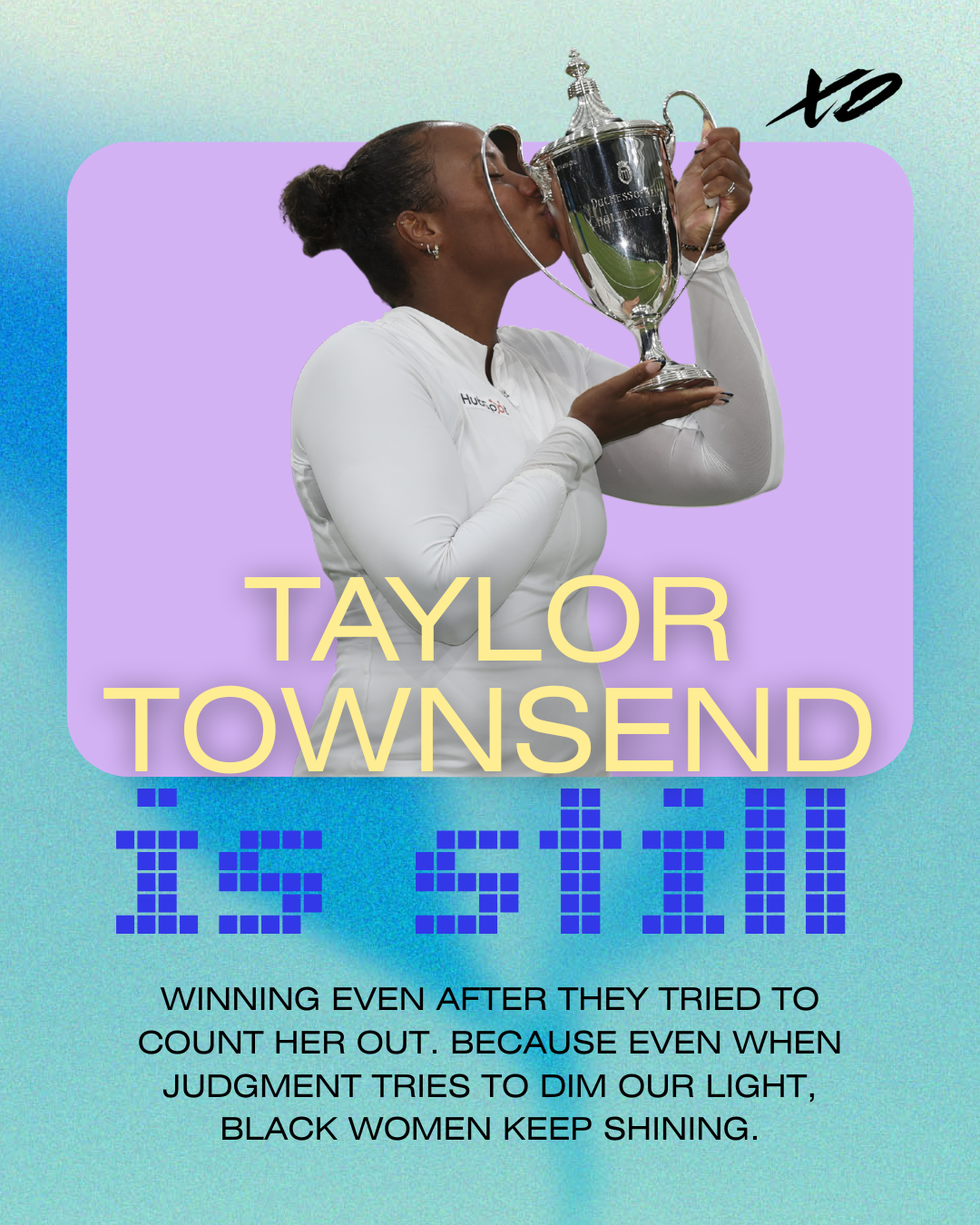
In sports, Angel Reese, Coco Gauff, and Taylor Townsend have been reminded that even excellence will not shield you from racism or judgment.
In business, visionaries like Diarrha N’Diaye-Mbaye and Melissa Butler are fighting to keep their dreams alive in an economy that too often forgets us first.
Even our icons, Beyoncé, Serena, and SZA, have faced criticism simply for evolving beyond the boxes society tried to keep them in.
From everyday women to cultural phenoms, the pattern is the same. Our light is being tested.
And yet, somehow, through it all, we are still showing up as that girl, and that deserves to be celebrated.
Because while the world debates our worth, we keep raising our value. And that proof is all around us.
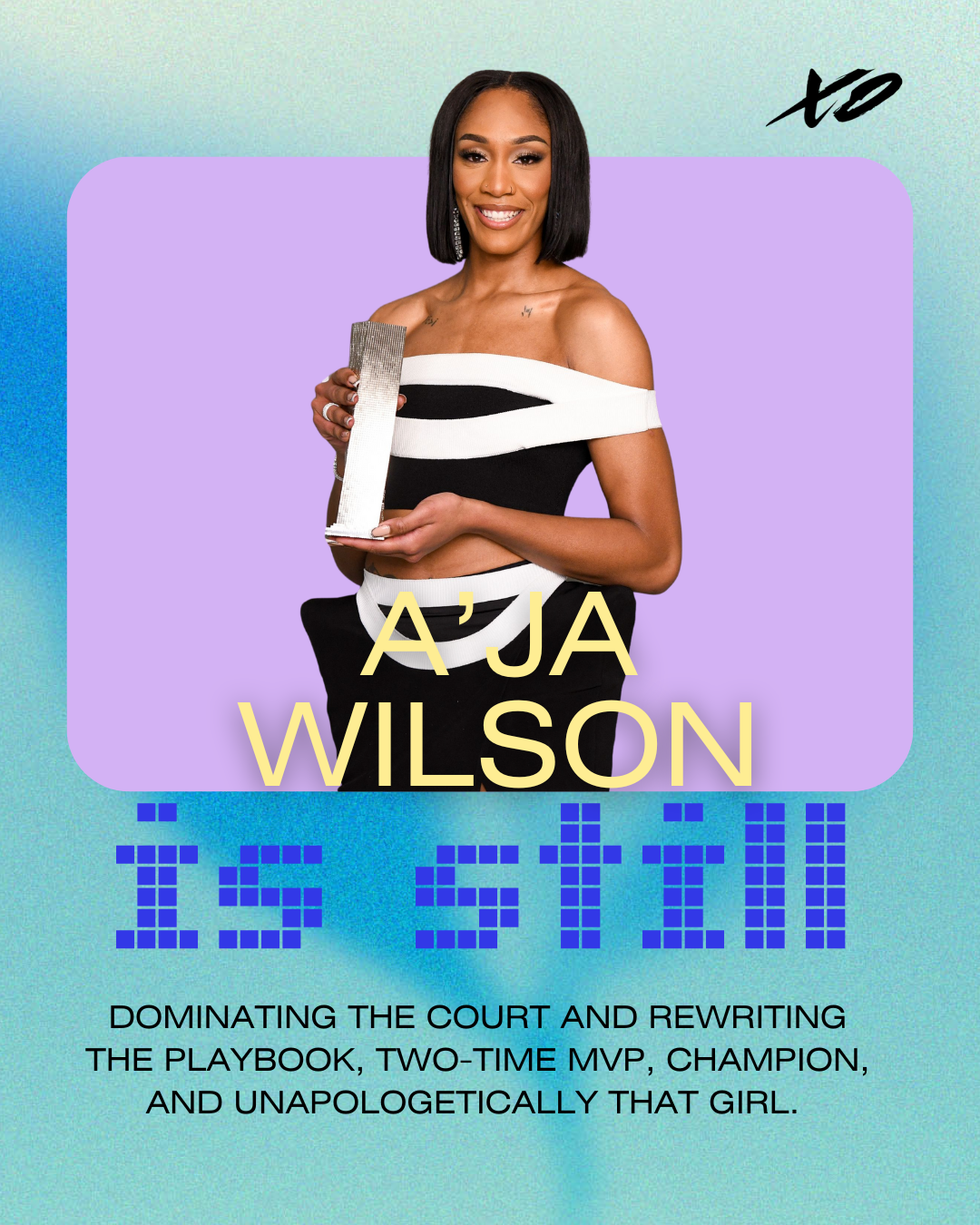
This year alone, Naomi Osaka returned from motherhood and mental health challenges to reach the semifinals of the US Open. A’ja Wilson claimed another MVP, reminding us that beauty and dominance can coexist. Brandy and Monica are snatching our edges on tour. Kahlana Barfield Brown sold out her new line in the face of a retailer that had been canceled. And Melissa Butler’s company, The Lip Bar, is projecting a forty percent surge in sales.
We are no longer defining strength by how much pain we can endure. We are defining it by the unbreakable light we continue to radiate.
We are the women walking our daily steps and also continuing to run solid businesses. We are growing in love, taking solo trips, laughing until it hurts, raising babies and ideas, drinking our green juice, and praying our peace back into existence.
We are rediscovering the joy of rest and realizing that softness is not weakness, it is strategy.
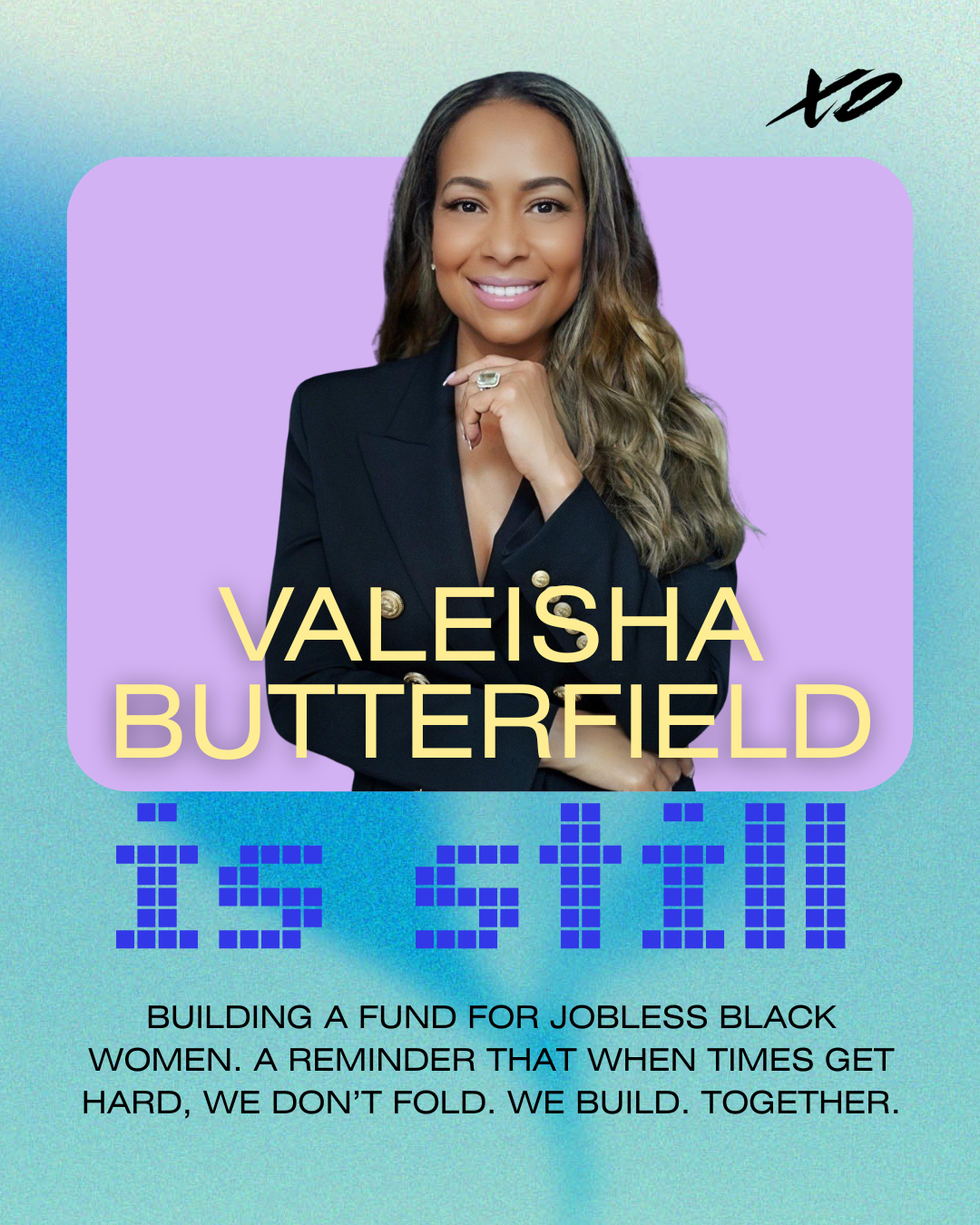
And through it all, we continue to lift one another. Emma Grede is creating seats at the table. Valeisha Butterfield has started a fund for jobless Black women. Arian Simone is leading in media with fearless conviction. We are pouring into each other in ways the world rarely sees but always feels.
So yes, we are in the midst of societal warfare. Yes, we are being tested. Yes, we are facing economic strain, political targeting, and public scrutiny. But even war cannot dim a light that is divinely ours.
And we are still shining.
And we are still softening.
And we are still creating.
And we are still It.
That is the quiet magic of Black womanhood, our ability to hold both truth and triumph in the same breath, to say yes, and to life’s contradictions.
It is no coincidence that this year, as SheaMoisture embraces the message “Yes, And,” they stand beside us as partners in celebrating this class of It Girls. Because that phrase, those two simple words, capture the very essence of this moment.
Yes, we are tired. And we are still rising.
Yes, we are questioned. And we are the answer.
Yes, we are bruised. And we are still beautiful.
This year’s It Girl 100 is more than a list. It is a love letter to every Black woman who dares to live out loud in a world that would rather she whisper. This year’s class is living proof of “Yes, And,” women who are finding ways to thrive and to heal, to build and to rest, to lead and to love, all at once.
It is proof that our joy is not naive, our success not accidental. It is the reminder that our light has never needed permission.
So without further ado, we celebrate the It Girl 100 Class of 2025–2026.
We celebrate the millions of us who keep doing it with grace, grit, and glory.
Because despite it all, we still shine.
Because we are still her.
Because we are still IT, girl.
Meet all 100 women shaping culture in the It Girl 100 Class of 2025. View the complete list of honorees here.
Featured image by xoStaff
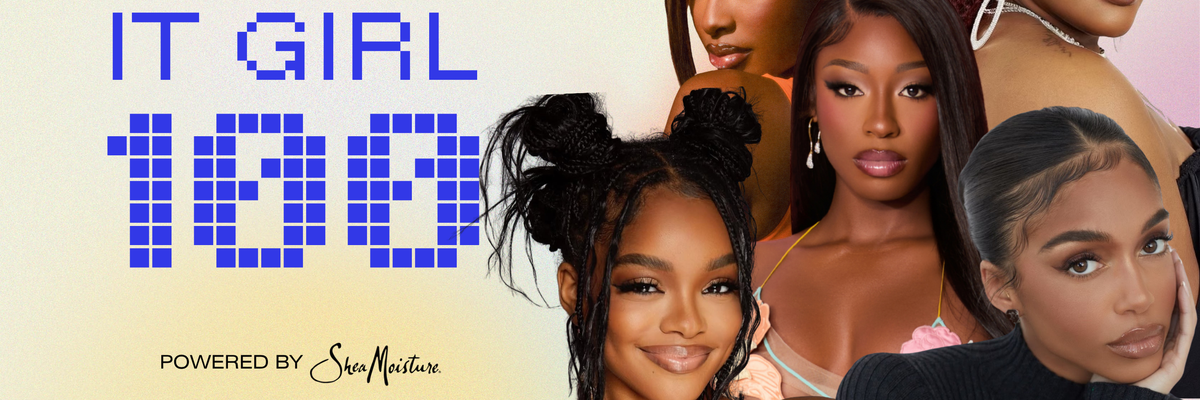
This year's It Girl 100 is a mosaic of brilliance, spotlighting media personalities, cultural disruptors, beauty visionaries, and boundary-pushing prodigies who embody the spirit of "Yes, And." This digital celebration honors the women who embrace every facet of themselves, proving you can be a light and still honor your desire to glow at your own pace.
The women repping for the Culture & Entertainment category prove relevance is crafted, not accidental. It's the alchemy of talent, intention, and magnetism that becomes the spark.
Here's the roll call for xoNecole's It Girl 100 Class of 2025: Culture & Entertainment.
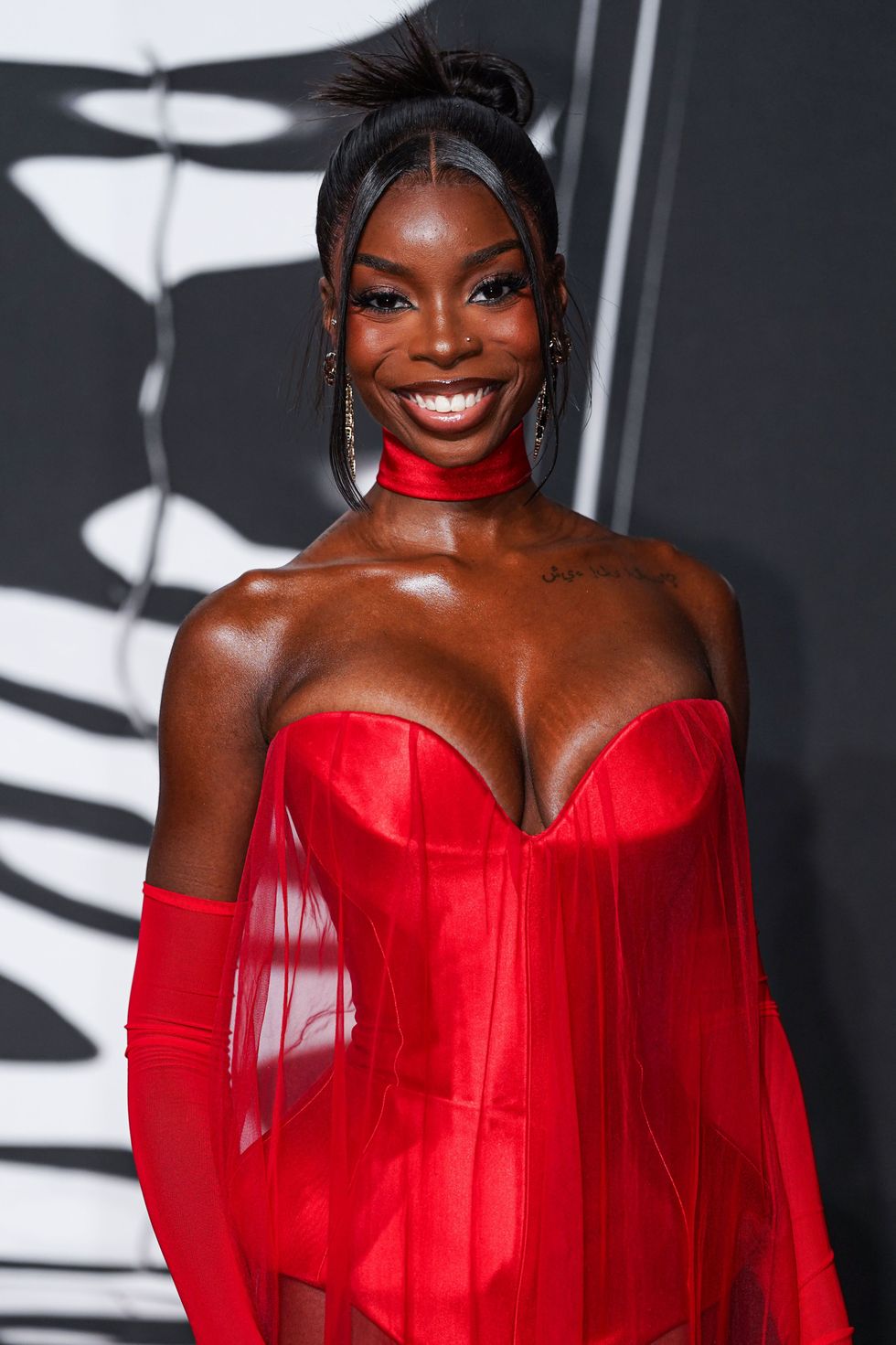
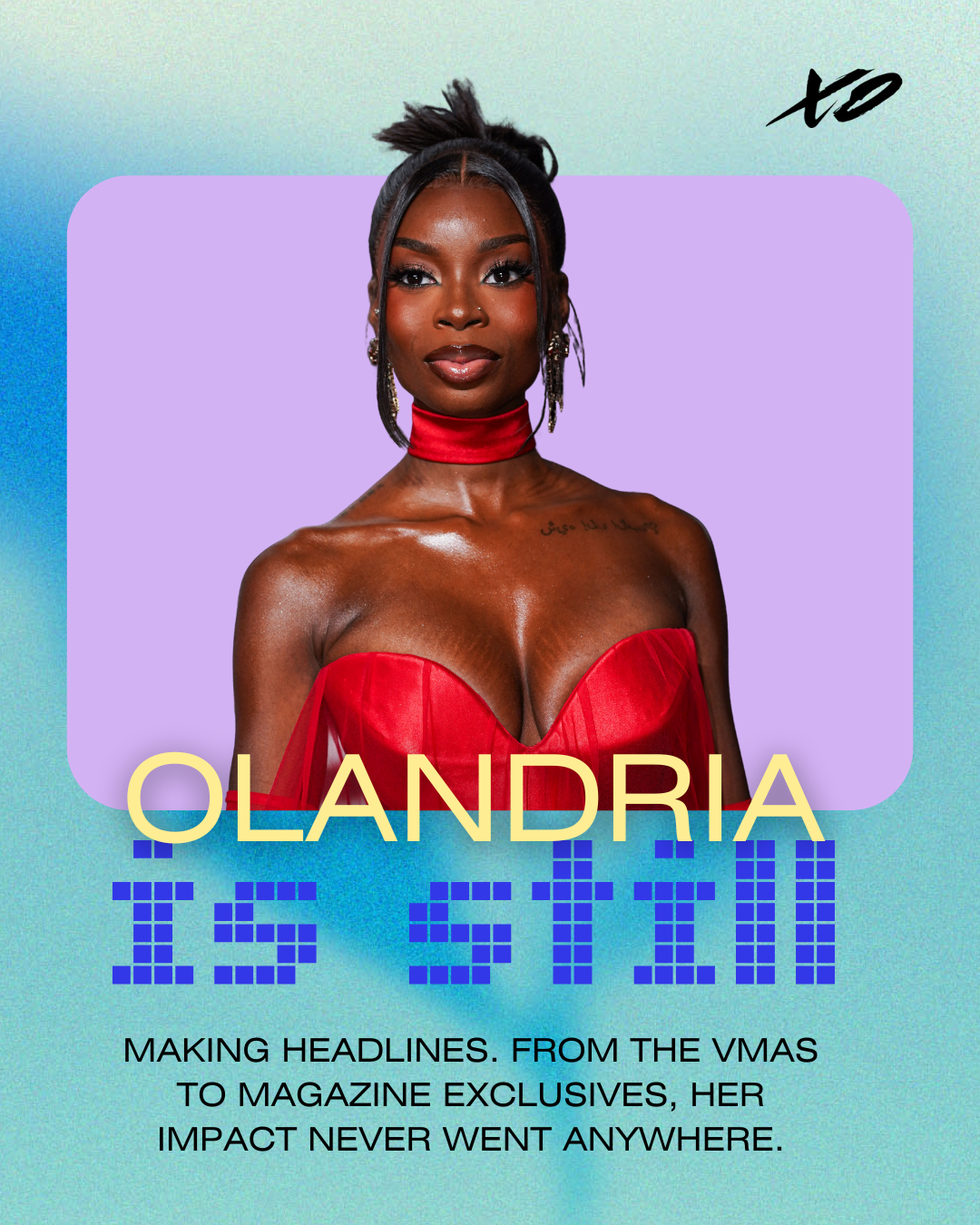
Model and Media Personality Olandria Carthen
Shutterstock
Olandria Carthen
Her Handle: @x_olandria
Her Title: Model and Media Personality
Who's That It Girl: Olandria Carthen is lighting up the entertainment space with creativity and confidence. We love her for carving out a name rooted in self-belief and for using her artistry to uplift and inspire.
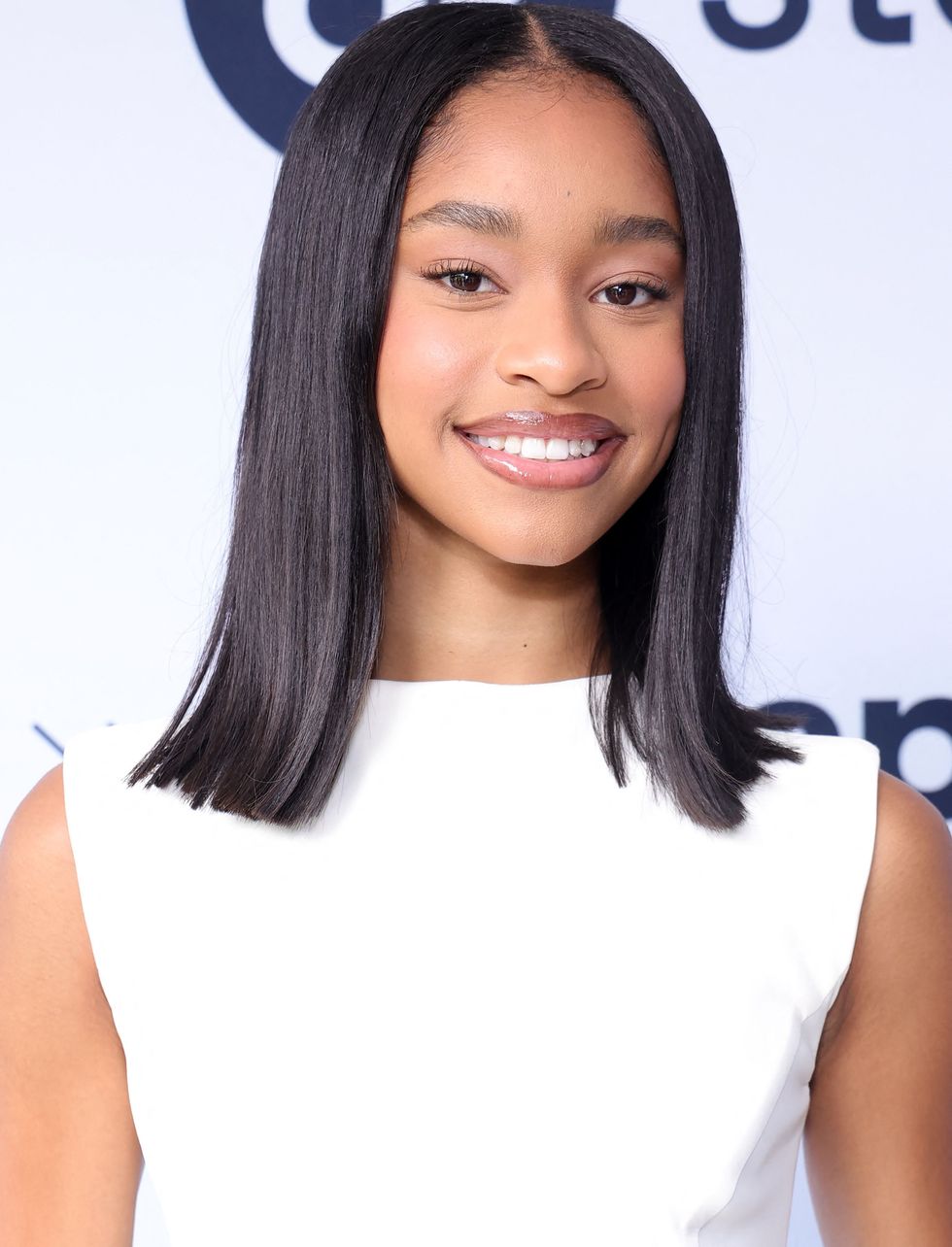
Actress Akira Akbar
Shutterstock
Akira Akbar
Her Handle: @akira_akbar
Her Title: Actress
Who's That It Girl: Bright, fearless, and full of heart, Akira Akbar is redefining what young Hollywood looks like. We honor her for bringing depth and authenticity to every role and for reminding the world that talent has no age limit.
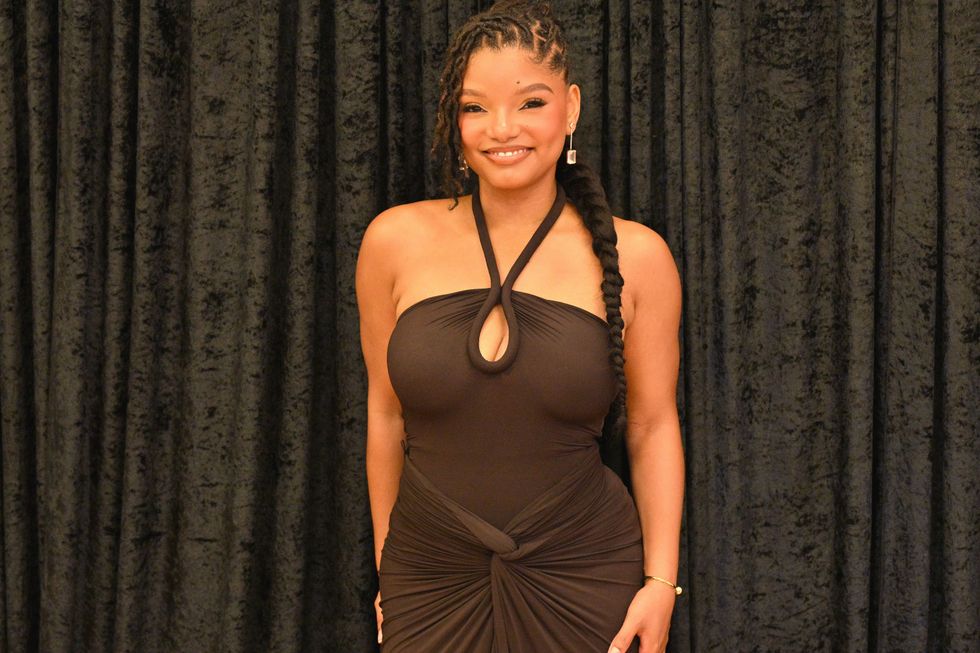
Singer, Songwriter and Actress Halle Bailey
Shutterstock
Halle Bailey
Her Handle: @hallebailey
Her Title: Singer, Songwriter and Actress
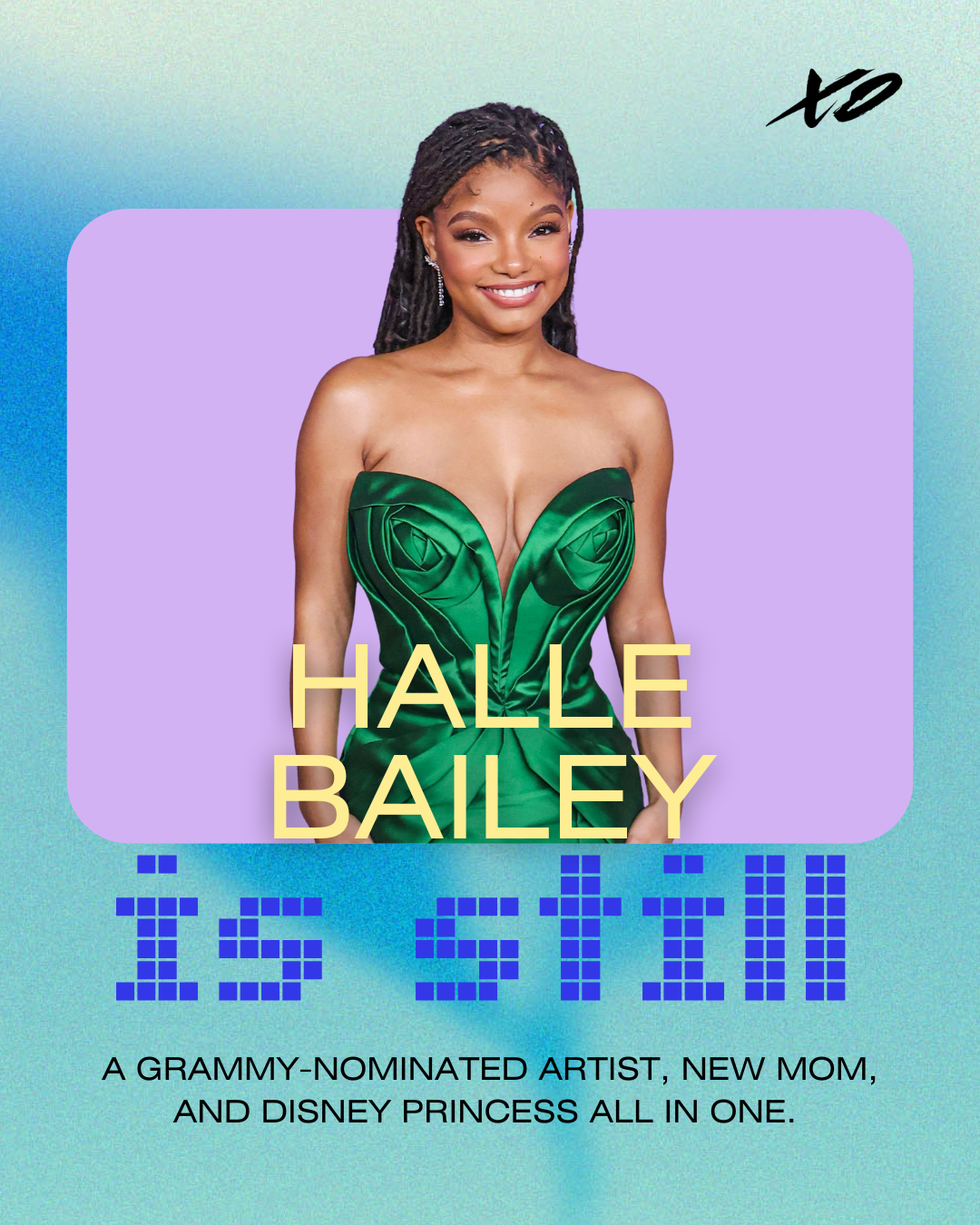
Who's That It Girl: Halle Bailey is ethereal strength in motion. We love her for redefining princesshood, representation, and the power of visibility, inspiring young dreamers to believe their voices belong on every stage.
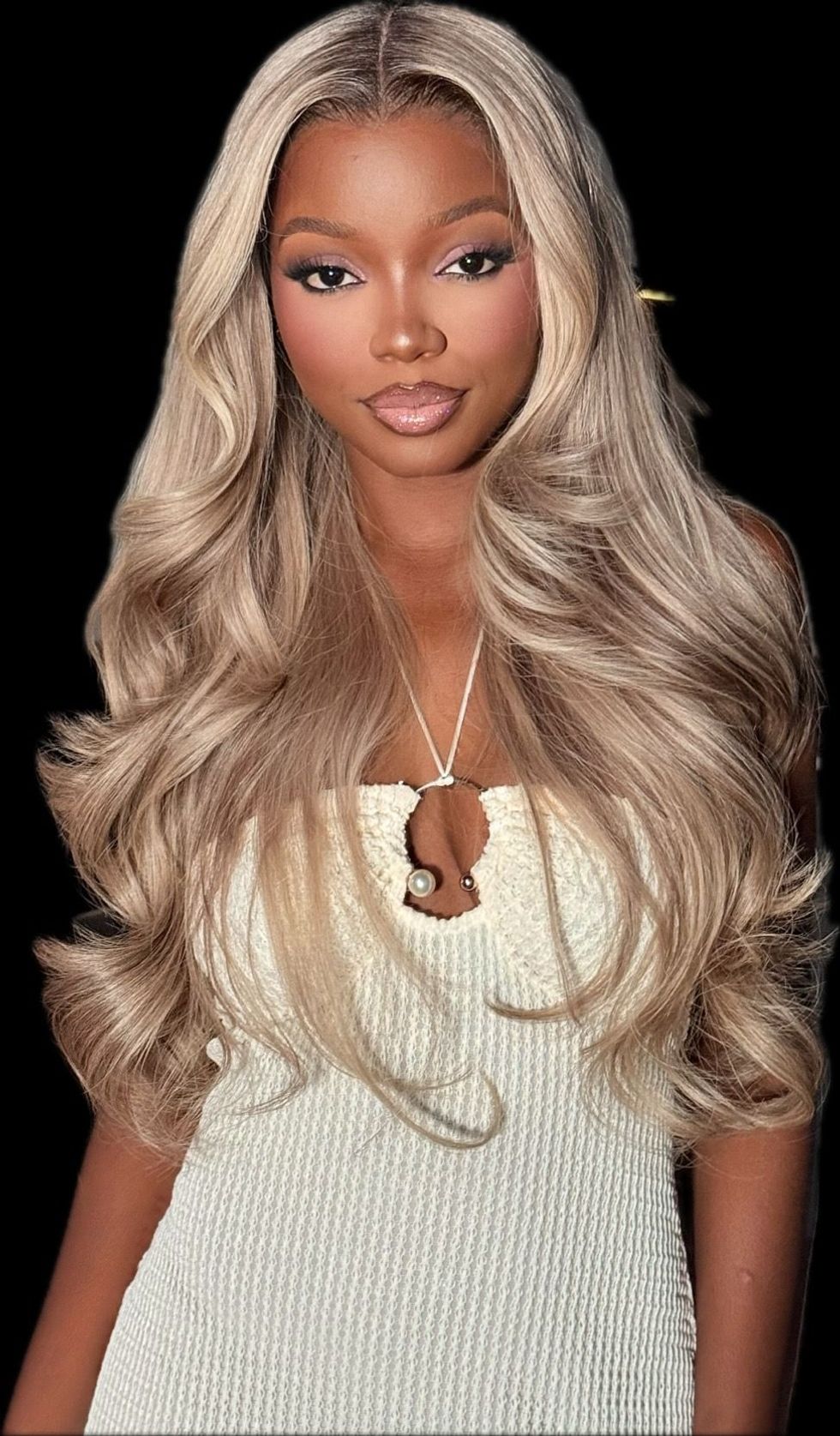
Entrepreneur, Model, Actress, and Cultural Voice Chelley Bissanthe
Courtesy
Chelley Bissanthe
Her Handle: @_slimthin
Her Title: Entrepreneur, Model, Actress, and Cultural Voice
Who's That It Girl: Chelley Bissainthe is a Haitian-American model, entrepreneur, and advocate. She uses her platform to uplift communities, honor her Caribbean heritage, and build pathways to ownership and legacy.
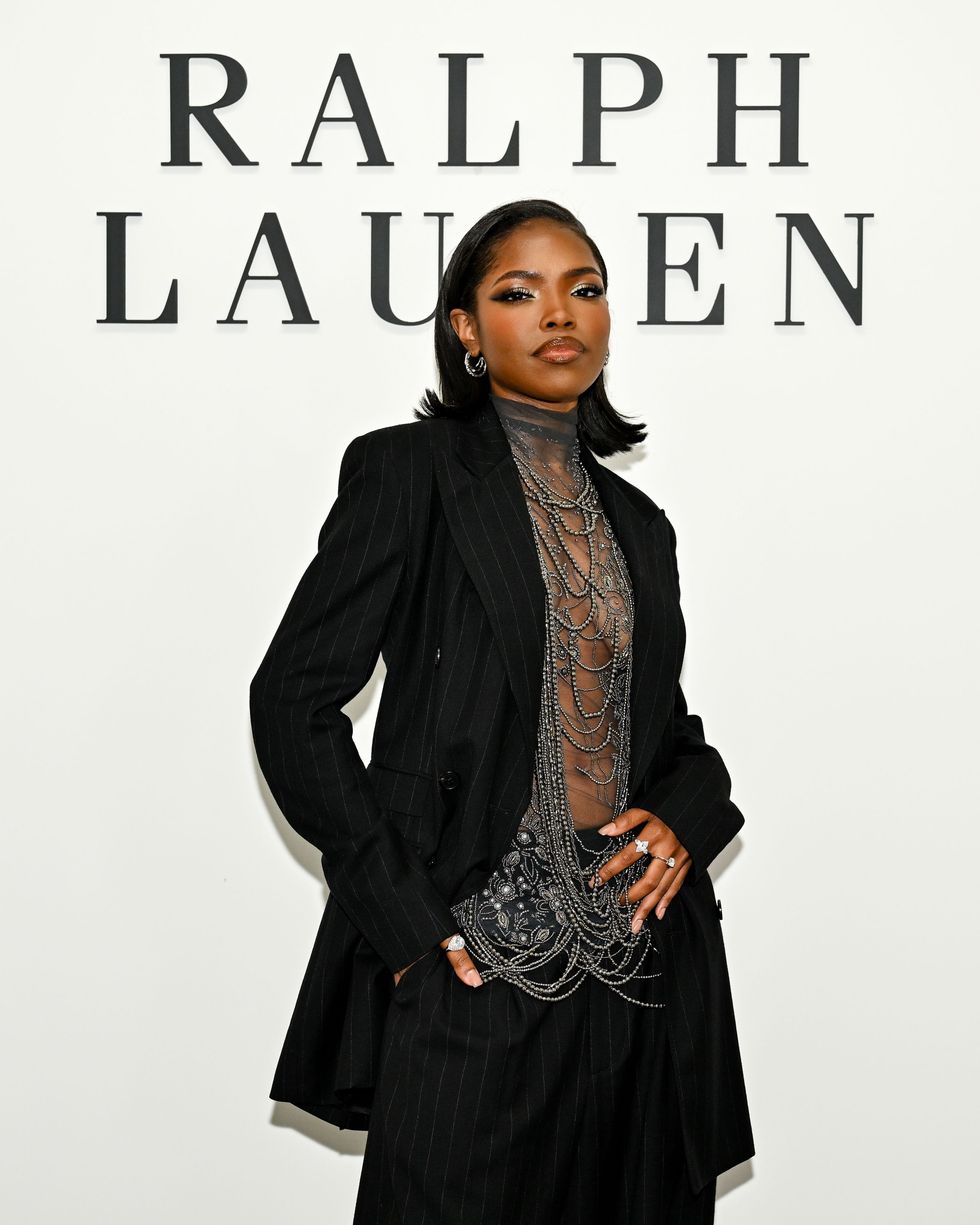
Actress and Singer Ryan Destiny
Shutterstock
Ryan Destiny
Her Handle: @ryandestiny
Her Title: Actress and Singer
Who's That It Girl: Ryan Destiny embodies star power and stillness in one. We celebrate her for her poise, range, and unshakable confidence, proof that quiet strength can shine just as bright as any spotlight.
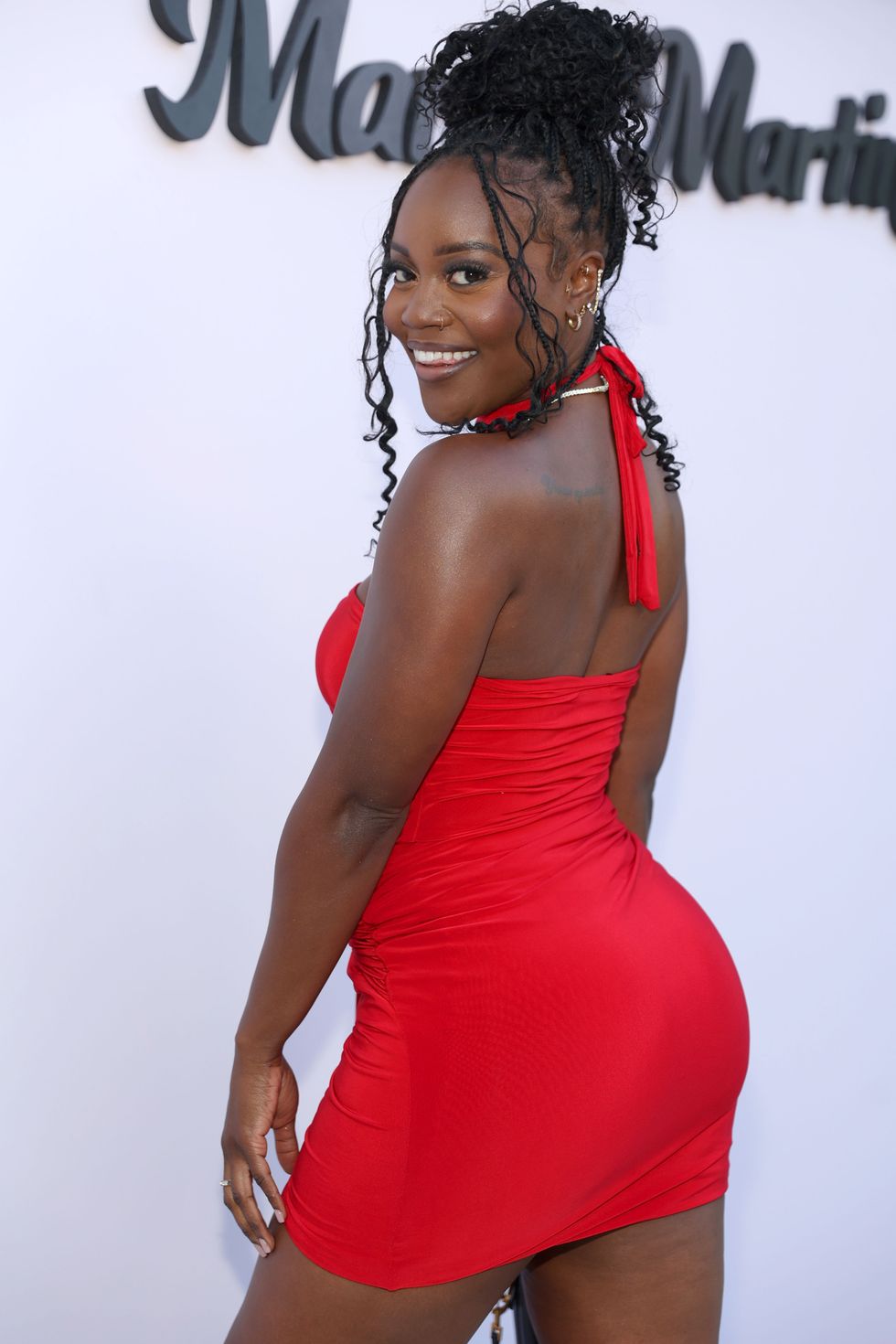
Reality TV Personality and Influencer Amber Desiree (AD)
Shutterstock
Amber Desiree (AD)
Her Handle: @amberdesiree
Her Title: Reality TV Personality and Influencer
Who's That It Girl: Charismatic and bold, Amber Desiree brings emotional depth and vibrant storytelling to every project she touches. We love her for representing multifaceted womanhood on screen and off, inspiring a generation of creatives to lead with authenticity.
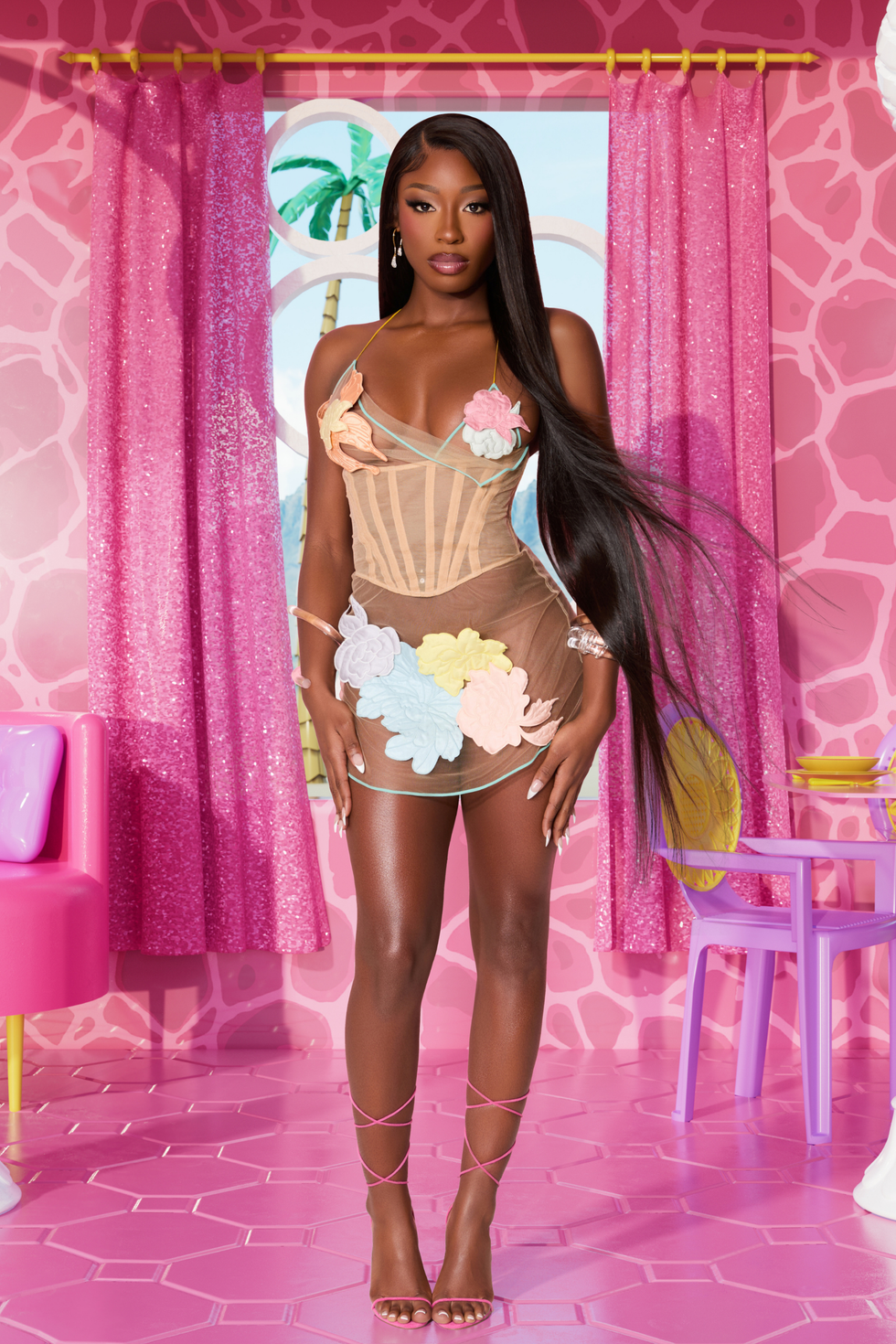
Top Creator, Model, Media Personality and Cultural Tastemaker Serena Page
Credit: Jacob Webster
Serena Page
Her Handle: @serenaapagee
Her Title: Top Creator, Model, Media Personality and Cultural Tastemaker
Who's That It Girl: Serena Page first captured hearts on Love Island USA Season 6 and has since become one of pop culture’s favorite “it girls.” Her confidence and authenticity have made her a go-to face for brands like SheaMoisture, Pepsi, and CeraVe.
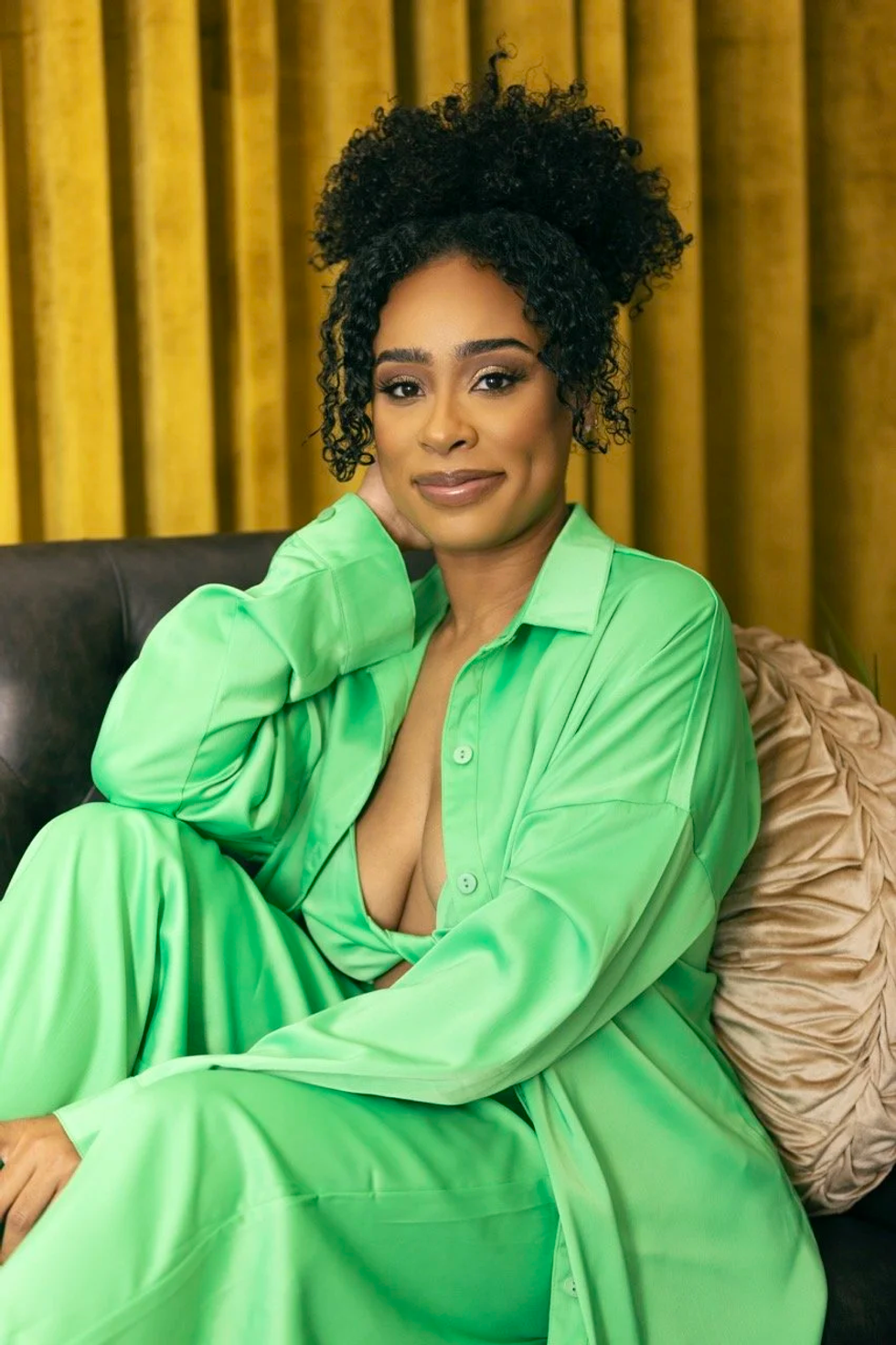
Director and Executive Producer Courtney Whitaker
Courtesy
Courtney Whitaker
Her Handle: @courtneyewhitaker
Her Title: Director and Executive Producer
Who's That It Girl: Courtney Whitaker is a two-time Emmy-winning producer and director specializing in TV, documentaries, and branded content. With over 20 projects completed, she's dedicated to amplifying underrepresented voices through impactful storytelling.
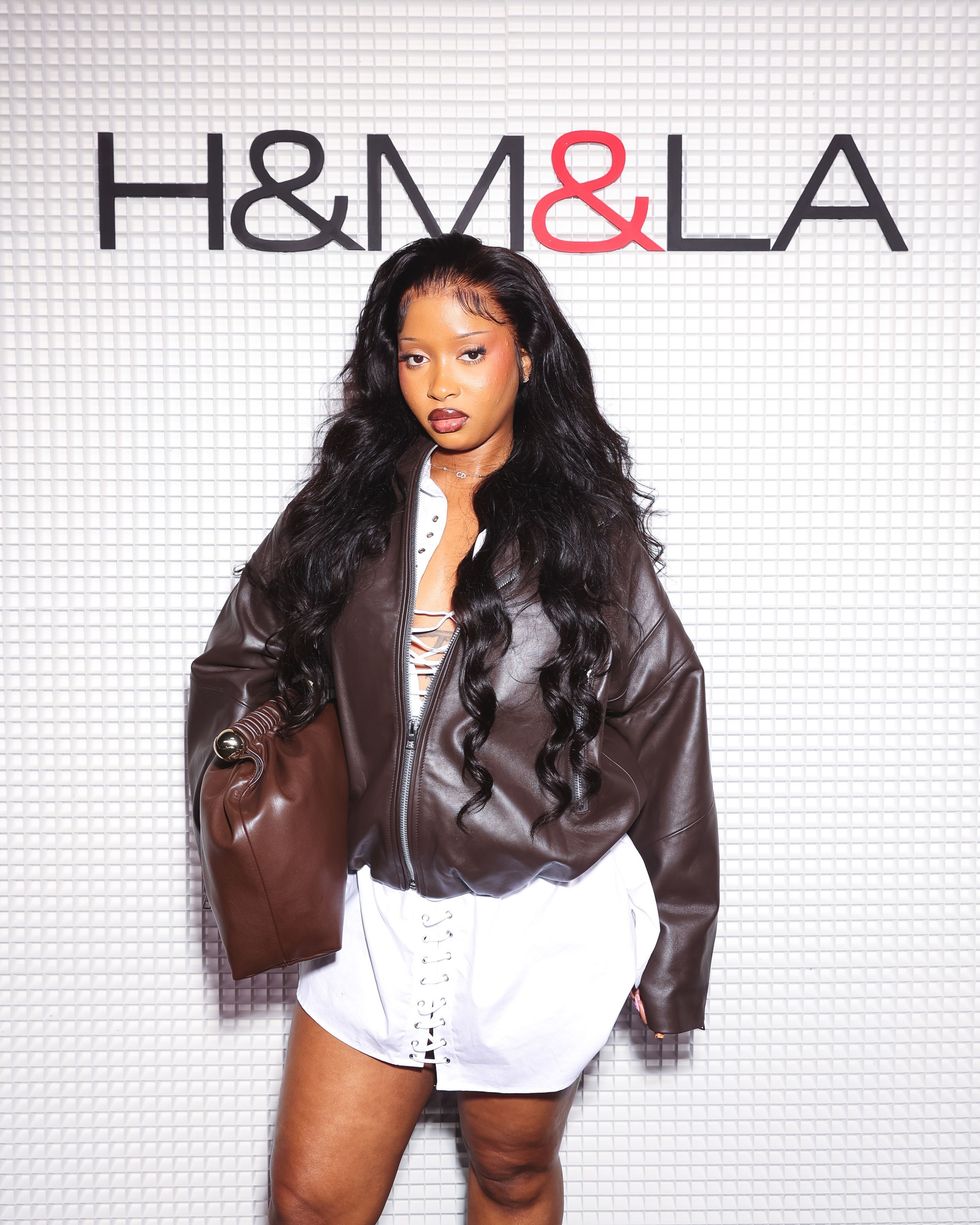
DJ Uncle Waffles
Shutterstock
Uncle Waffles
Her Handle: @unclewaffles_
Her Who's That It Girl: The DJ queen of the global stage, Uncle Waffles turns sound into celebration. We love her for electrifying dance floors and championing African creativity with confidence, rhythm, and undeniable joy.
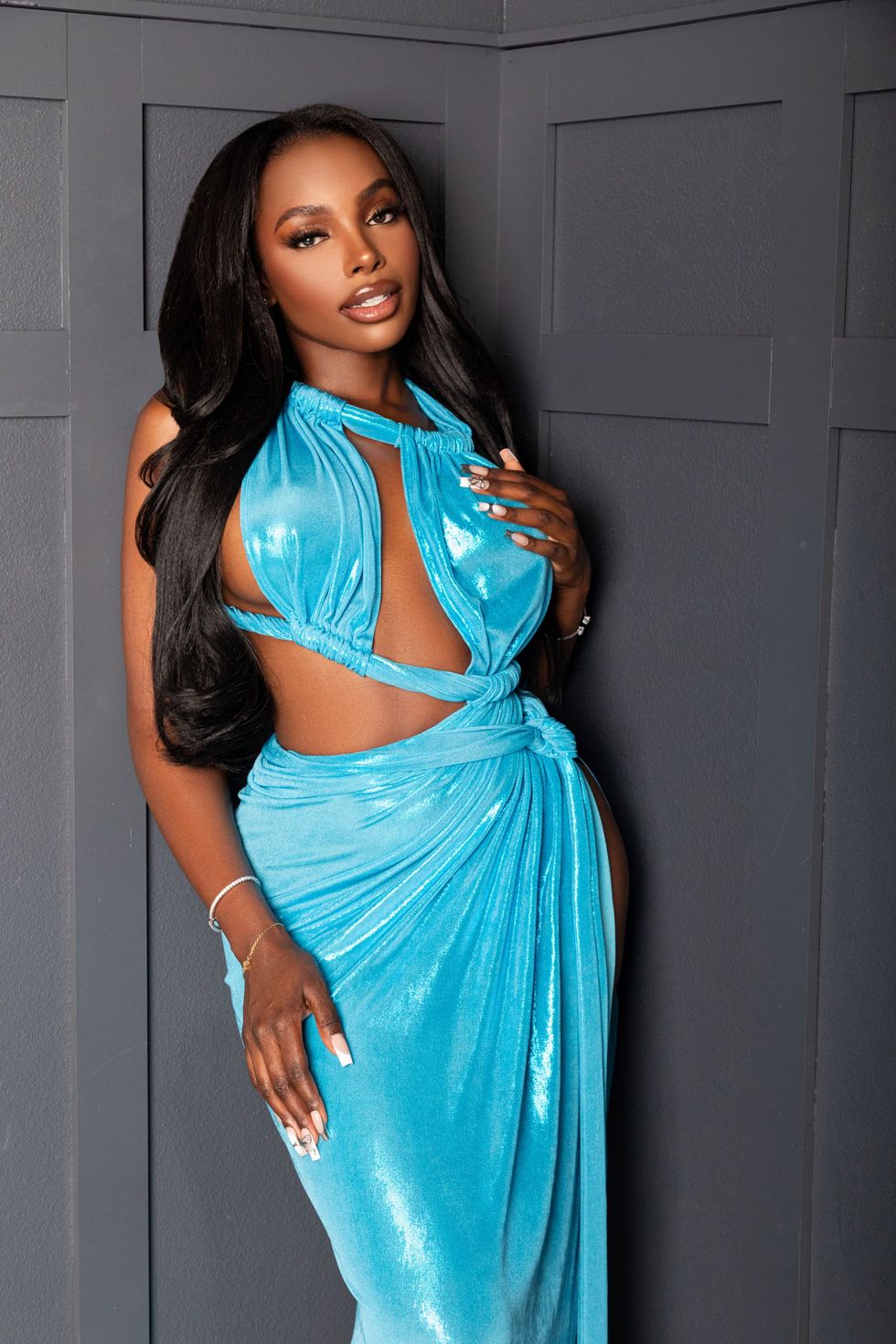
Entrepreneur and Television Personality JaNa Craig
Credit: Susan Madore
JaNa Craig
Her Handle: @janacraig_
Her Title: Creator, Entrepreneur and Television Personality
Who's That It Girl: With creativity that defies convention, JaNa Craig is building a lane all her own in music and production. We celebrate her for reminding women that reinvention is power and authenticity is art.
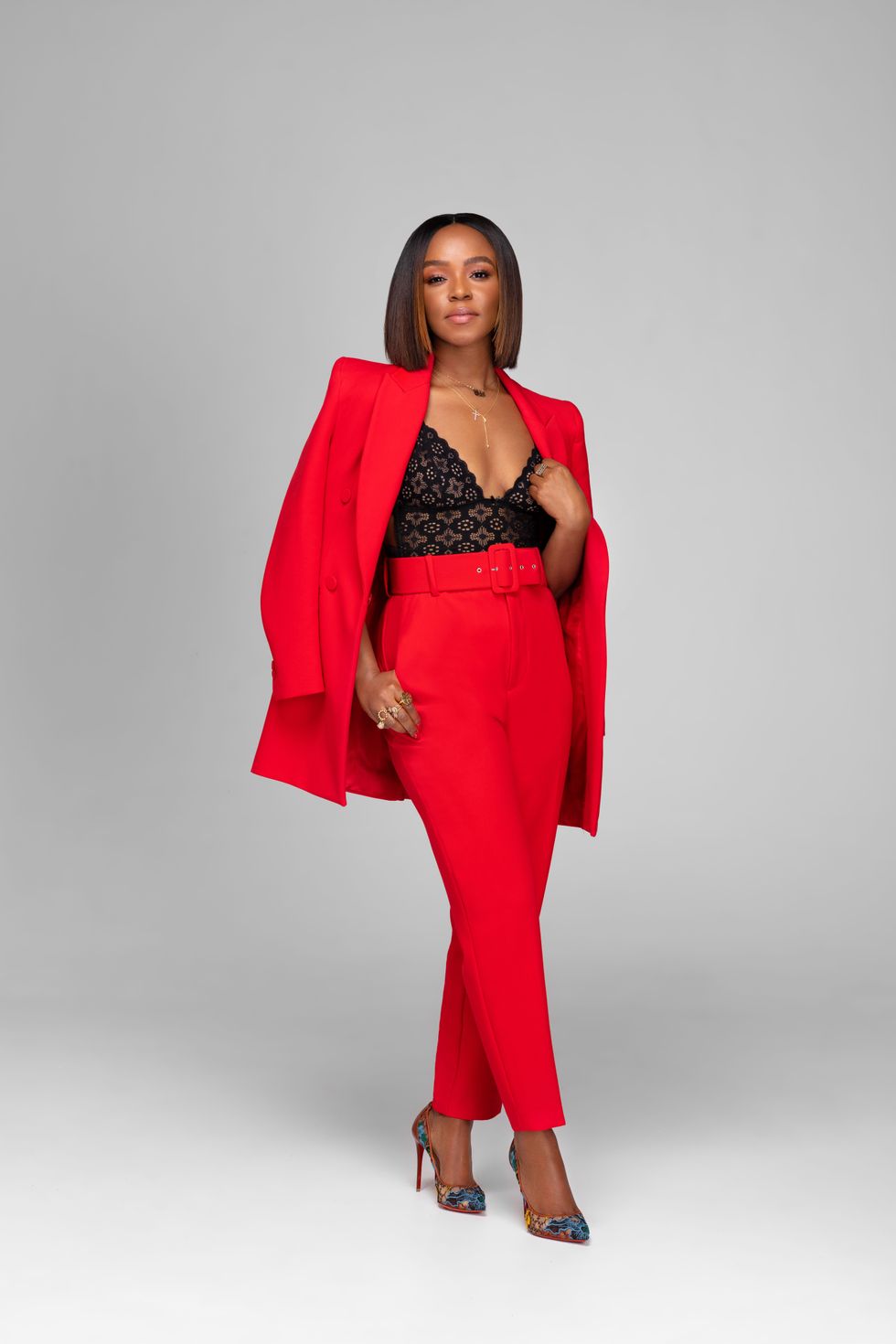
Award-Winning Journalist, Host and Creator Gia Peppers
Credit: Jonavennci Divad - Ravenn Burs
Gia Peppers
Her Handle: @giapeppers
Her Title: Award-Winning Journalist, Host and Creator of Healed Girl Era Podcast
Who's That It Girl: Gia Peppers is an award-winning journalist, host, and podcaster who uses her platforms to tell powerful stories. Through More Than That and Healed Girl Era, she reminds audiences to embrace their voice and value.
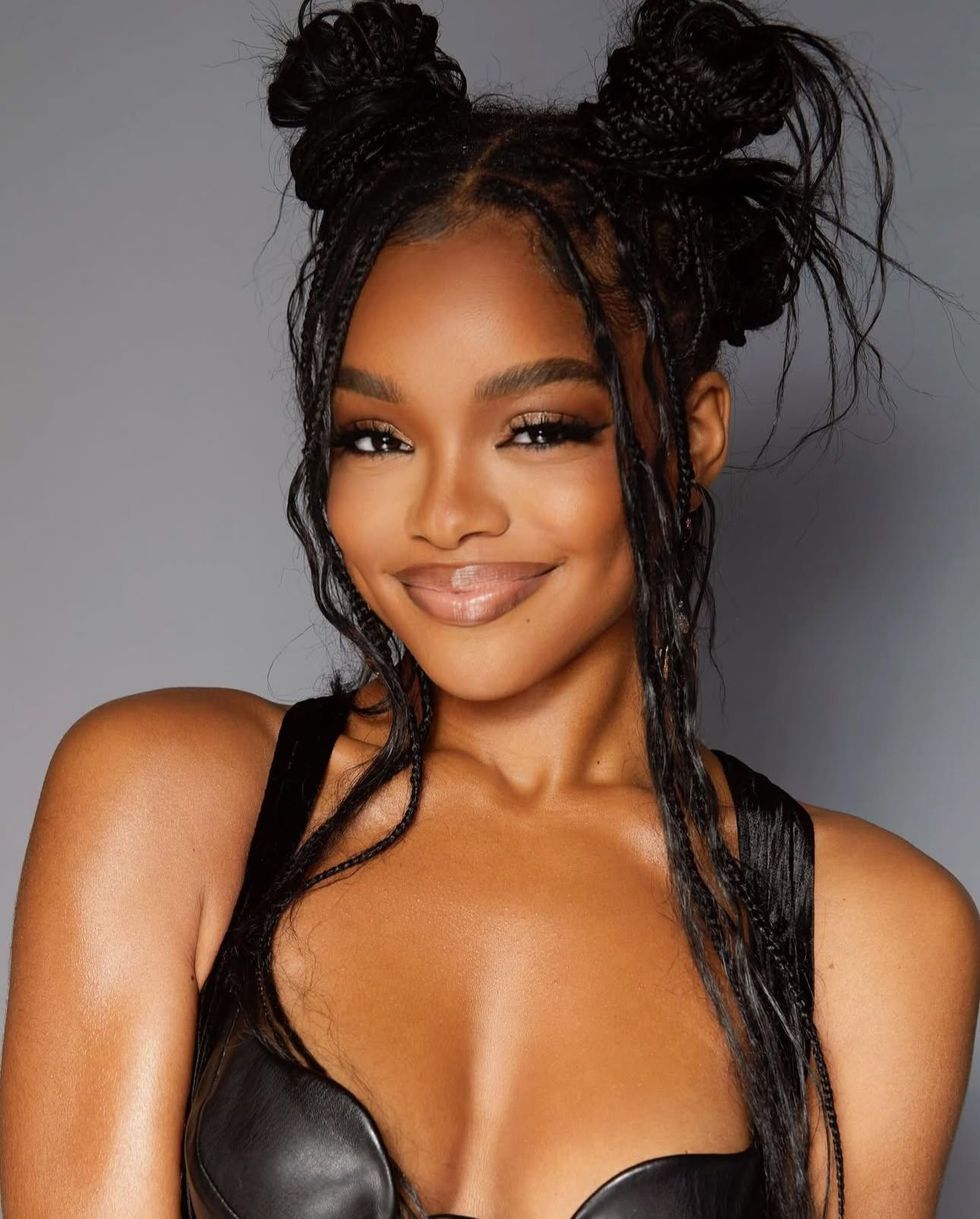
Actress, Executive Producer, and Founder Marsai Martin
Credit: Maya McHenry
Marsai Martin
Her Handle: @marsaimartin
Her Title: Actress, Executive Producer, and Founder of Genius Entertainment and Sai Summer Cookout
Who's That It Girl: Marsai Martin is a creative prodigy with executive energy. We’re inspired by her for producing, directing, and acting with intention, showing young Black girls that leadership starts wherever you decide it does.
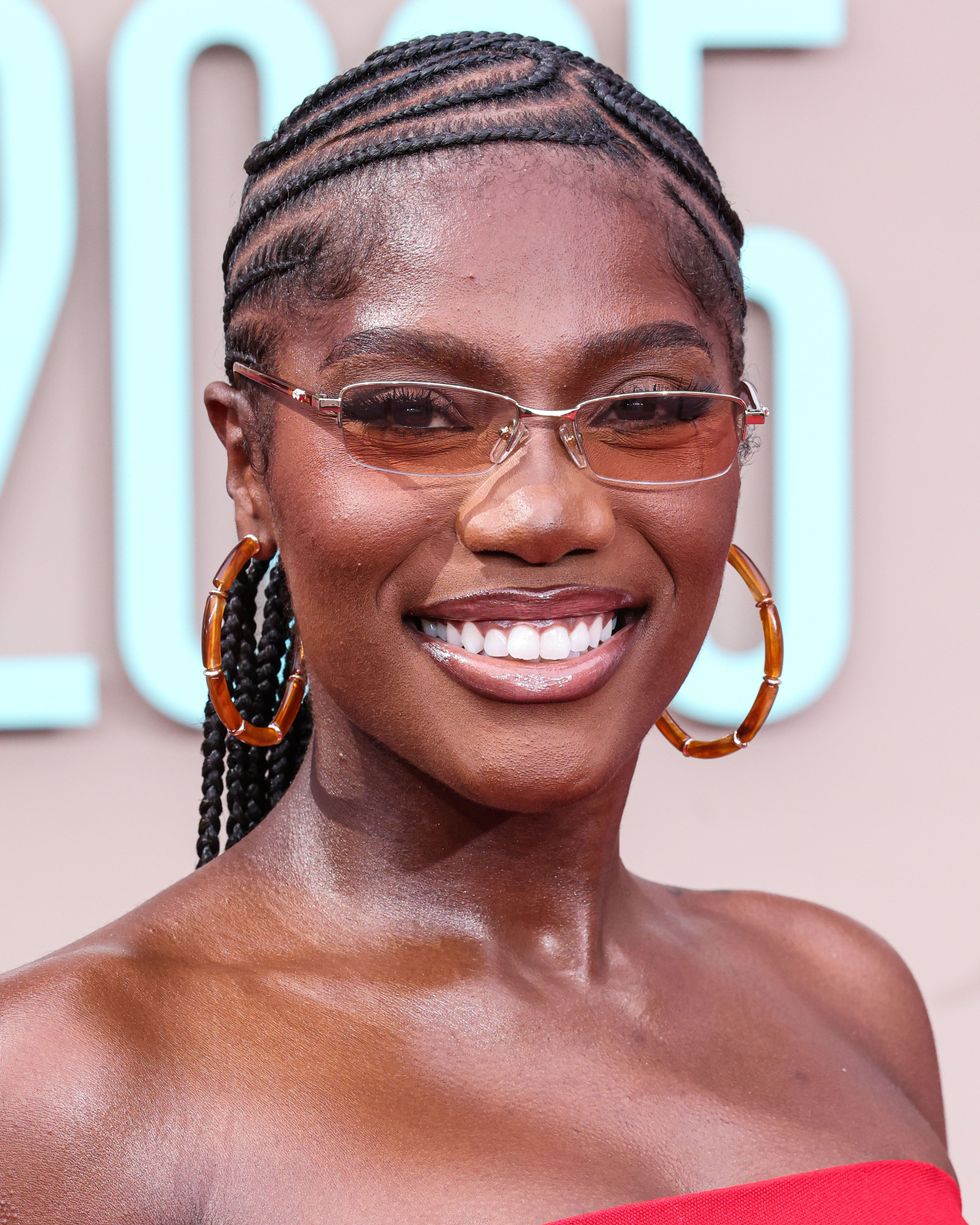
Rapper and Singer Doechii
Shutterstock
Doechii
Her Handle: @doechii
Her Title: Rapper and Singer
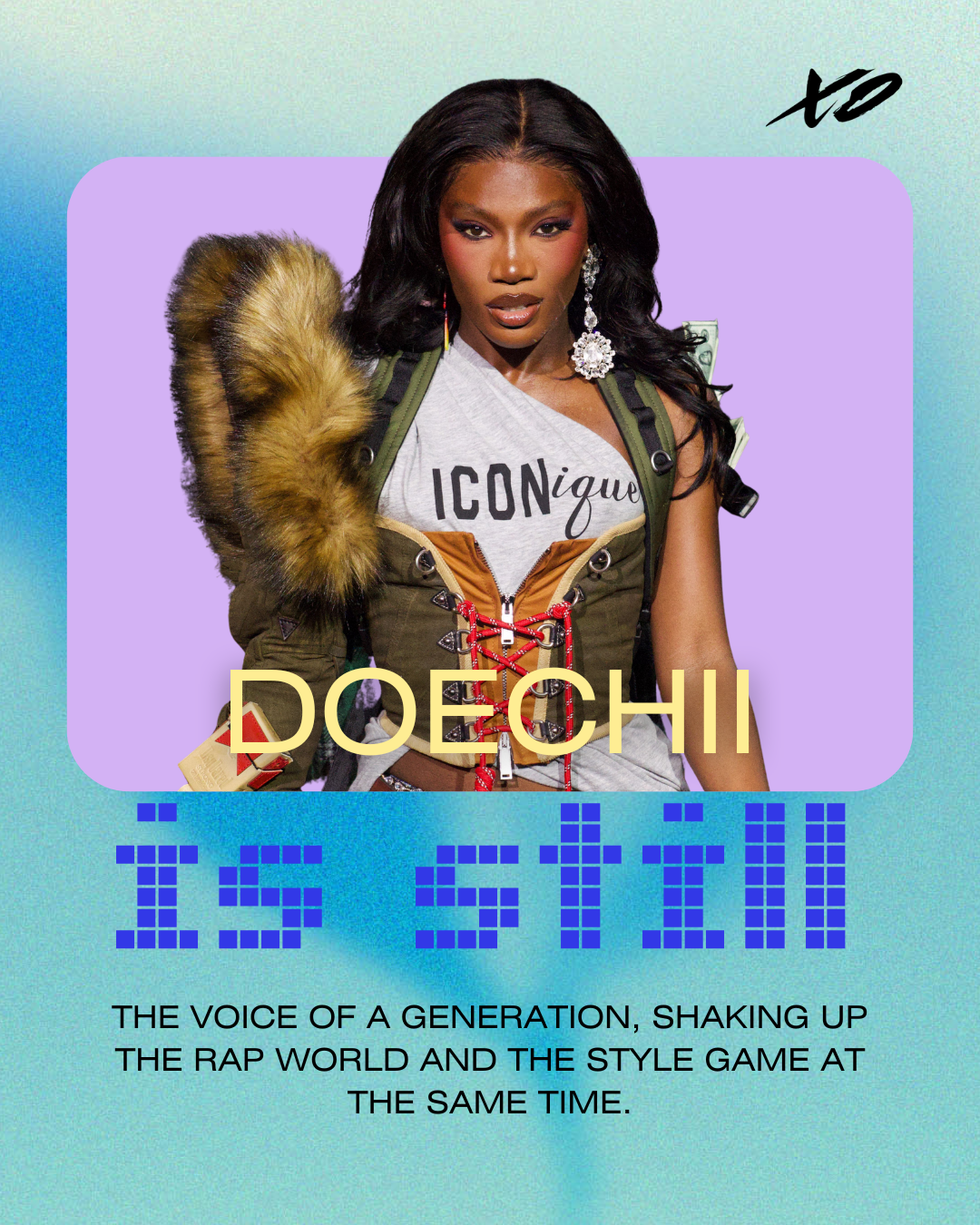
Who's That It Girl: A lyrical firestorm and unapologetic visionary, Doechii is shaping the sound of this generation. We honor her for pushing the boundaries of genre, performance, and self-expression with fearless creativity.
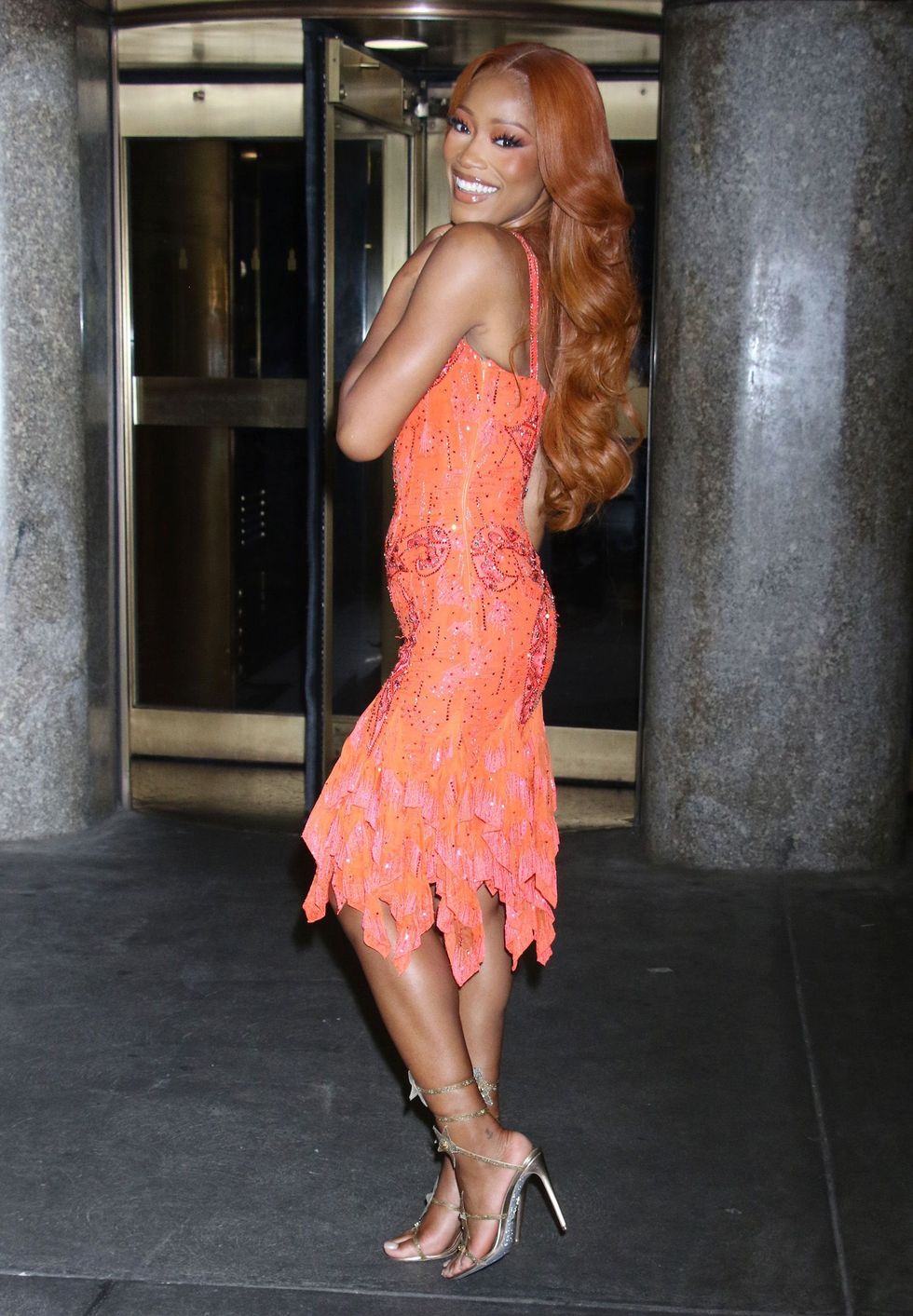
Actress, Singer, Producer and TV Host Keke Palmer
Shutterstock
Keke Palmer
Her Handle: @keke
Her Title: Actress, Singer, Producer and TV Host
Who's That It Girl: An icon of charisma and confidence, Keke Palmer is entertainment royalty. We celebrate her for leading with humor, honesty, and hustle, showing that versatility is her superpower and evolution her legacy.
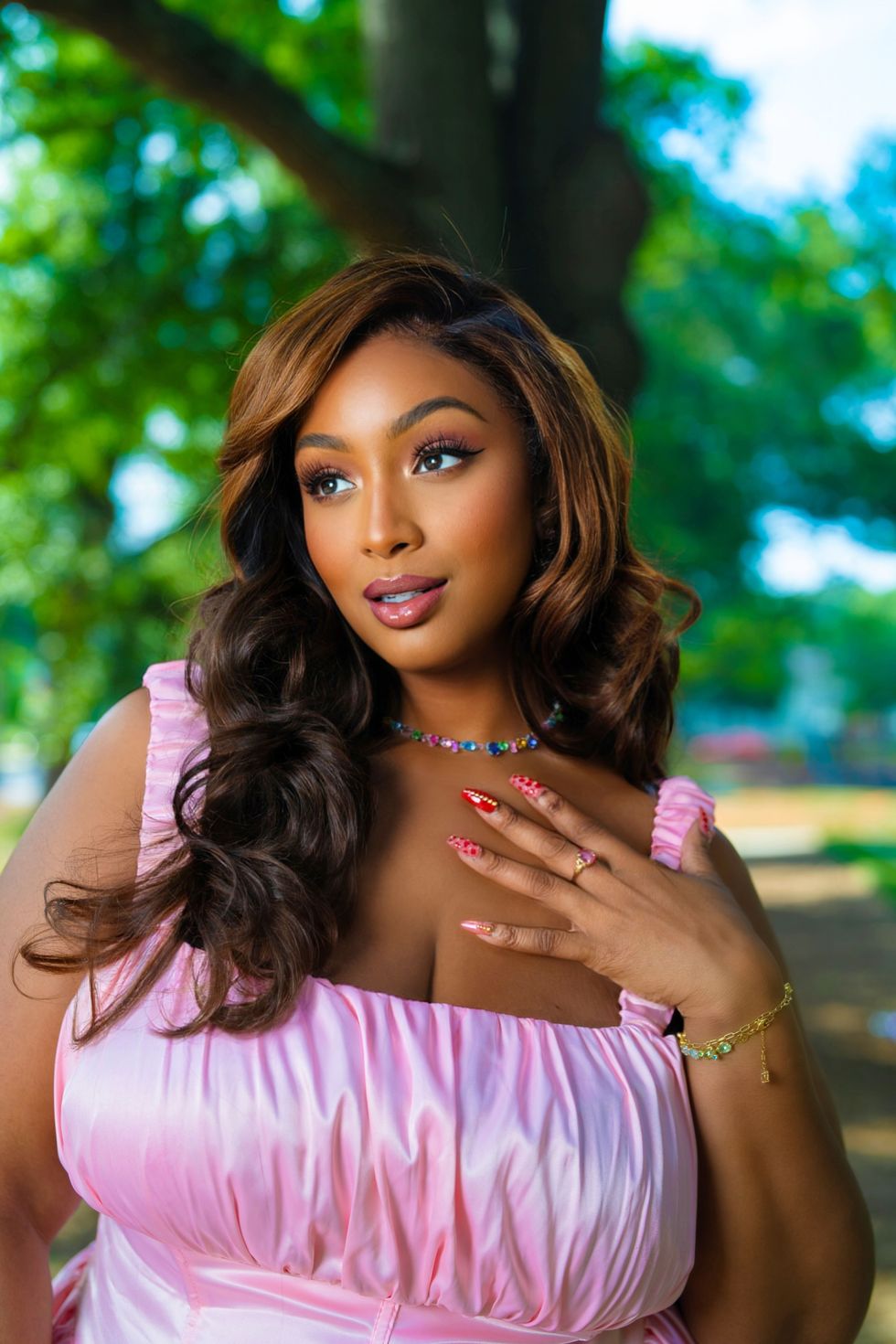
Actress, Model, Singer, Designer, Content Creator and Entrepreneur Nzinga Imani
Credit: Shae DeWaal
Nzinga Imani
Her Handle: @nzingaimani
Her Title: Actress, Model, Singer, Designer, Content Creator and Entrepreneur
Who's That It Girl: We love Nzinga Imani for her bold authenticity and on-screen presence. As an actress, model, and entrepreneur, she’s redefining beauty and representation in entertainment.
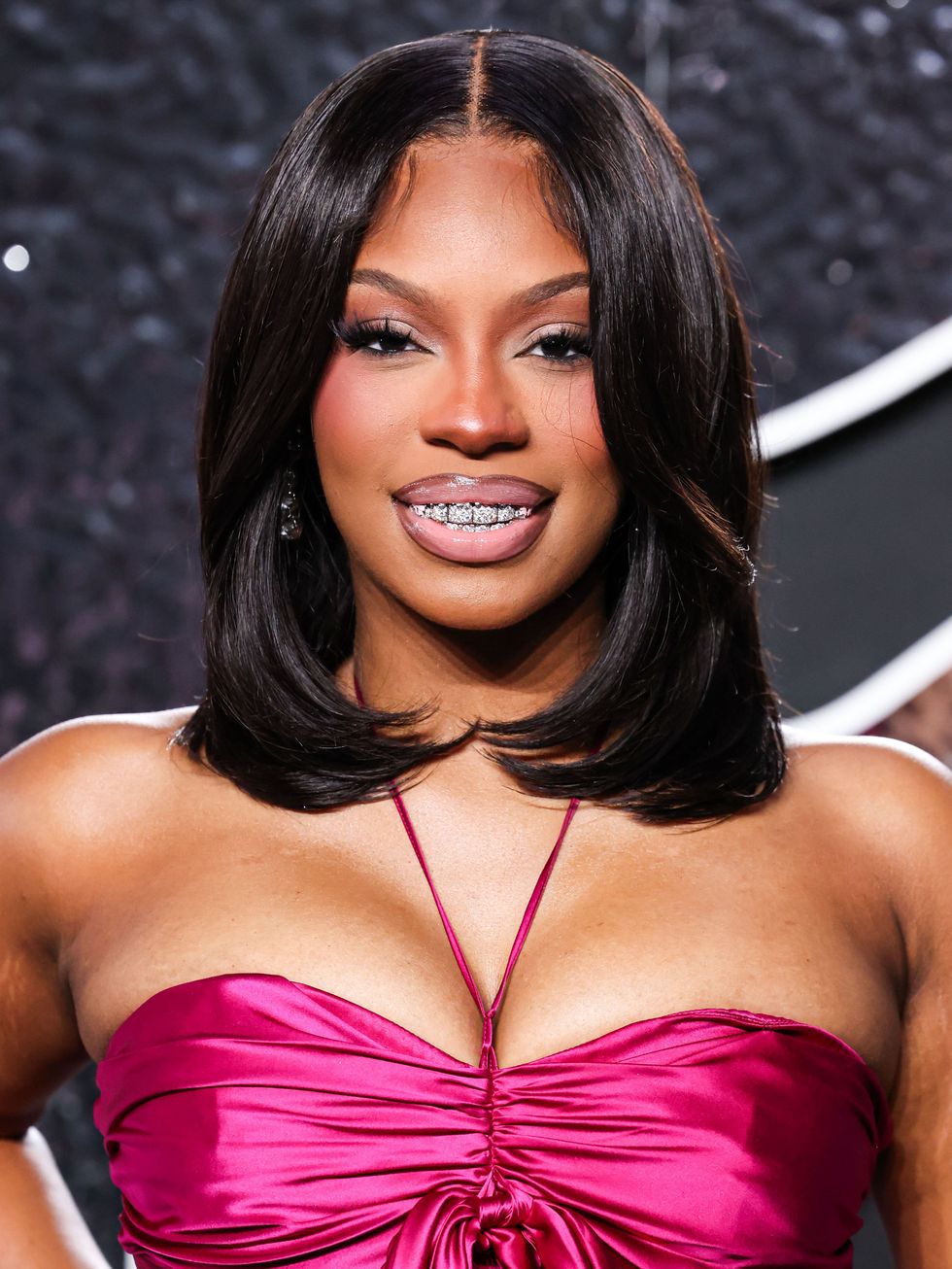
Rapper and Singer Monaleo
Shutterstock
Monaleo
Her Handle: @themonaleo
Her Title: Rapper and Singer
Who's That It Girl: Monaleo’s voice hits with power and purpose. We honor her for pairing confidence with vulnerability, turning her truth into anthems that inspire women to heal loudly and live boldly.
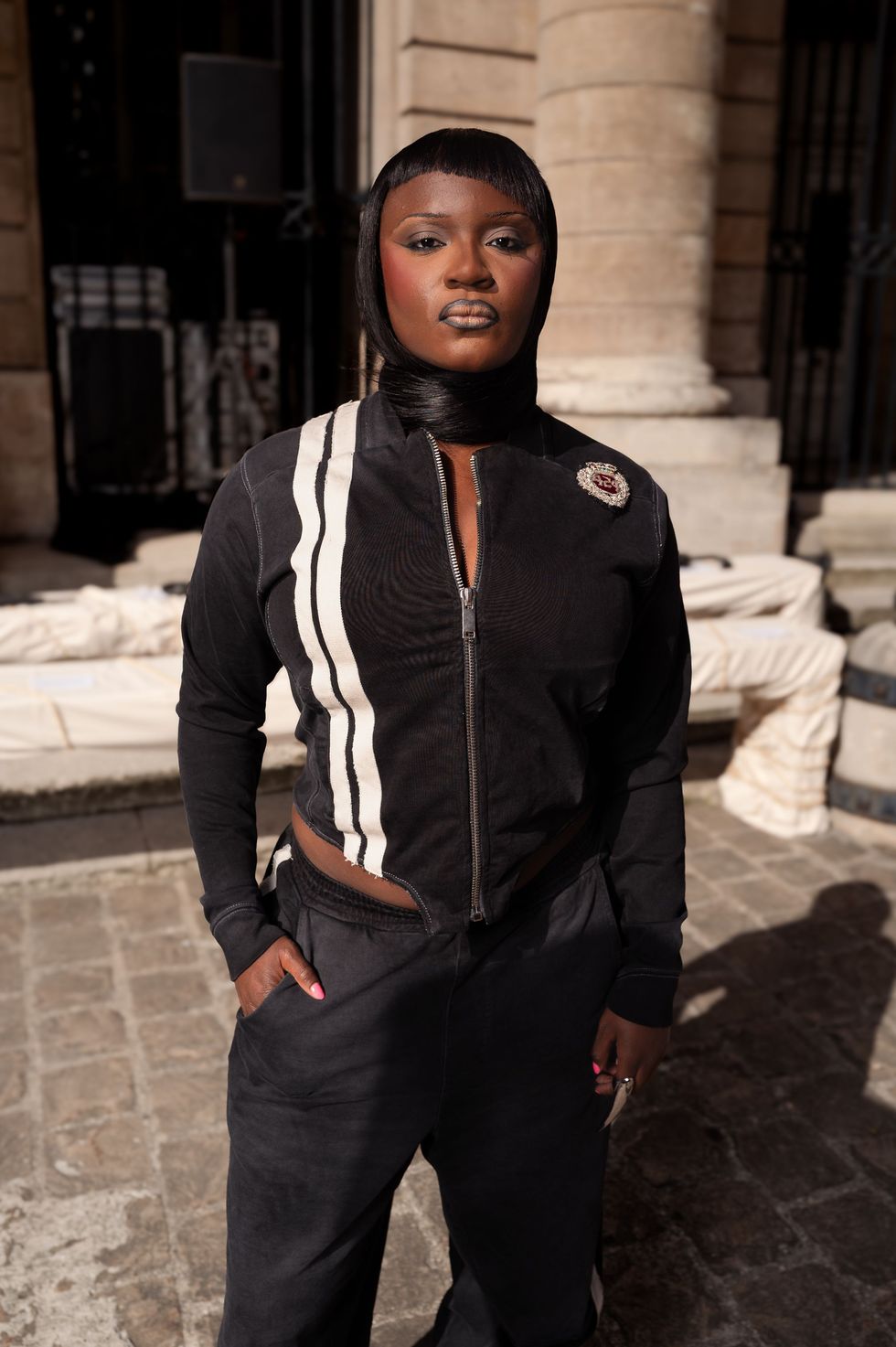
Singer and Songwriter Amaarae
Shutterstock
Amaarae
Her Handle: @amaarae
Her Title: Singer and Songwriter
Who's That It Girl: With a sound that bends genres and a style that breaks rules, Amaarae is one of music’s most daring voices. We celebrate her for pushing boundaries, owning her individuality, and amplifying the power of Afro-fusion on a global stage.
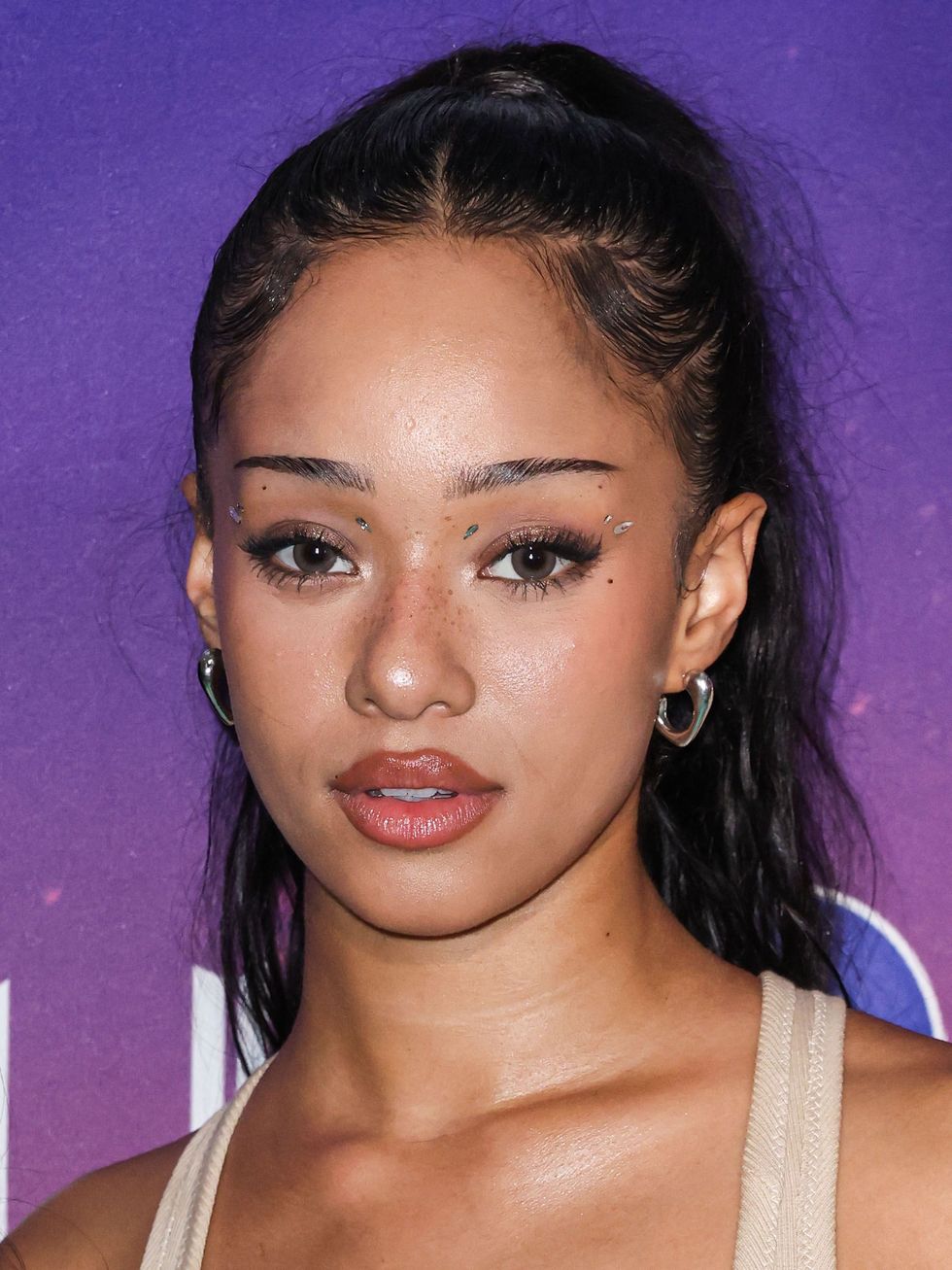
Singer, KATSEYE Monan Bannerman
Shutterstock
Monan Bannerman
Her Handle: @meretmanon
Her Title: Singer, KATSEYE
Who's That It Girl: As a member of KATSEYE, Monan merges style, grace, and global influence. We celebrate her for bringing cultural depth and individuality to the next generation of pop icons.
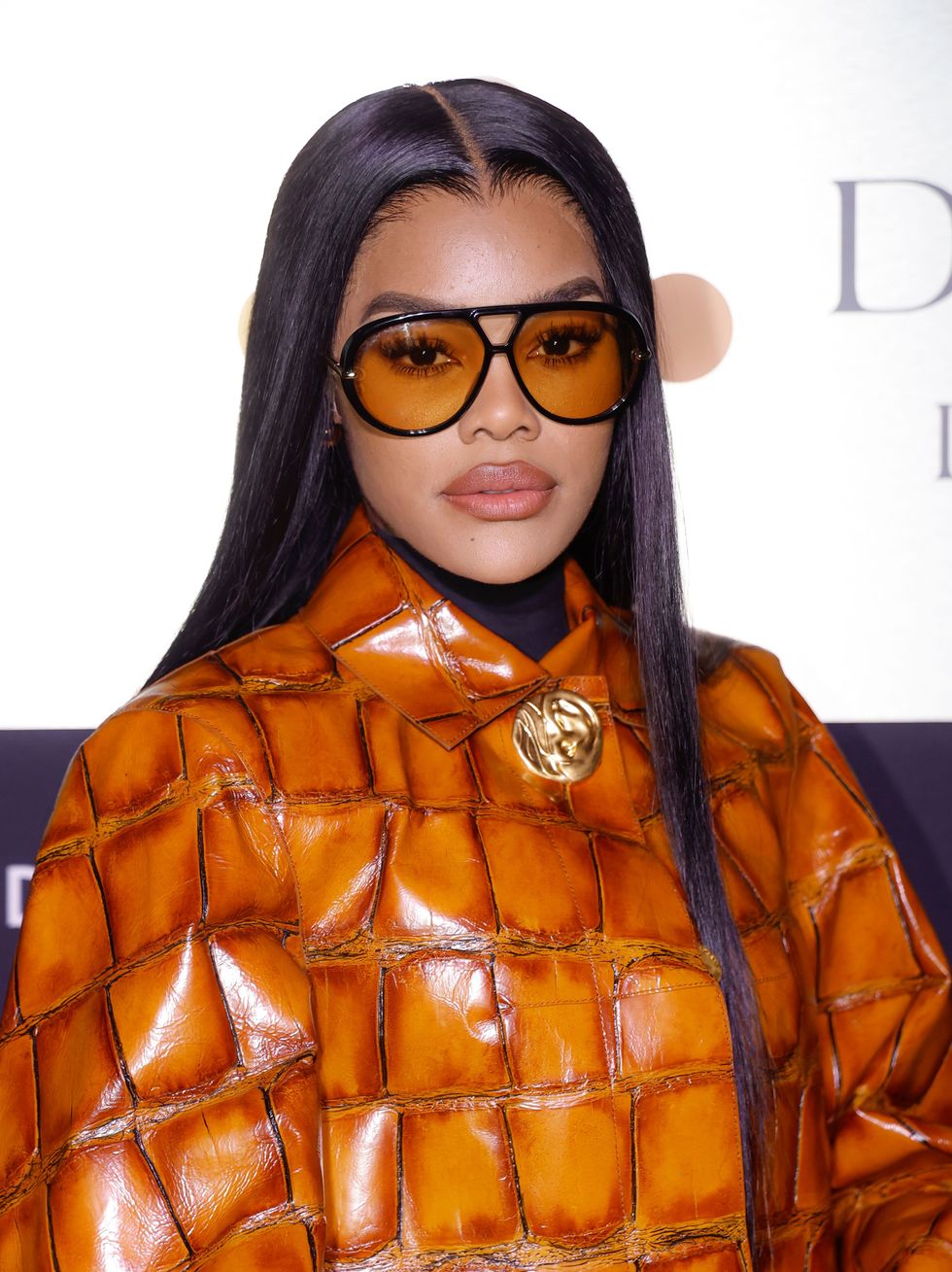
Singer, Actress, Creative Director, and Choreographer Teyana Taylor
Shutterstock
Teyana Taylor
Her Handle: @teyanataylor
Her Title: Singer, Actress, Creative Director, and Choreographer
Who's That It Girl: Teyana Taylor is the embodiment of artistry, singer, choreographer, director, designer. We honor her for transforming every creative avenue she touches into a masterpiece of movement, emotion, and empowerment.
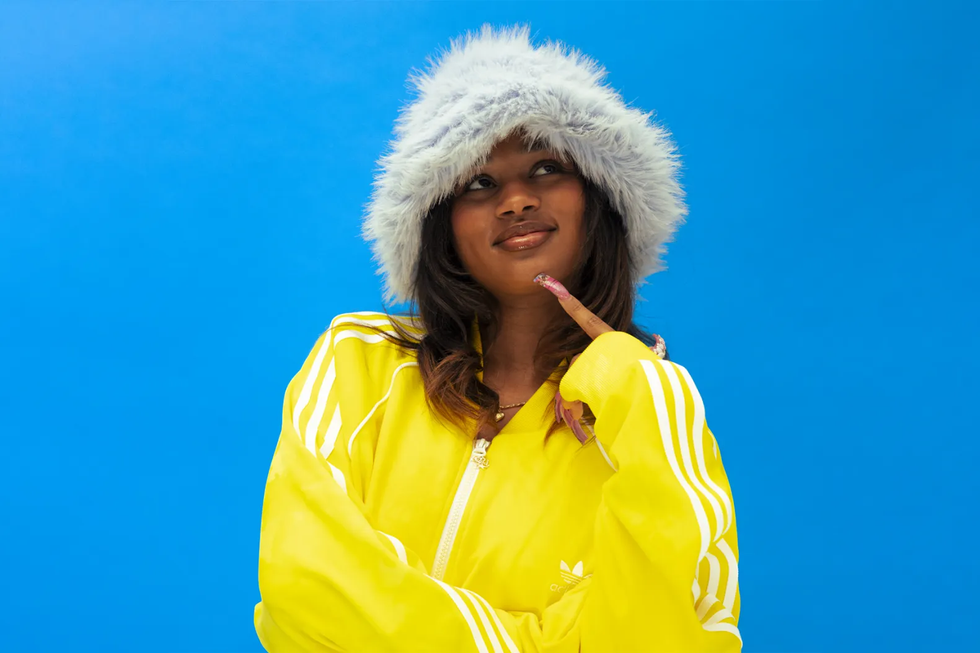
Singer, Songwriter and Producer Laila!
Courtesy
Laila!
Her Handle: @prodlaila
Her Title: Singer, Songwriter, and Producer
Who's That It Girl: Laila is the creative force whose sound pulses with honesty and energy. We honor her for capturing emotion through production and storytelling, inspiring a new era of music that feels intimate yet universal.
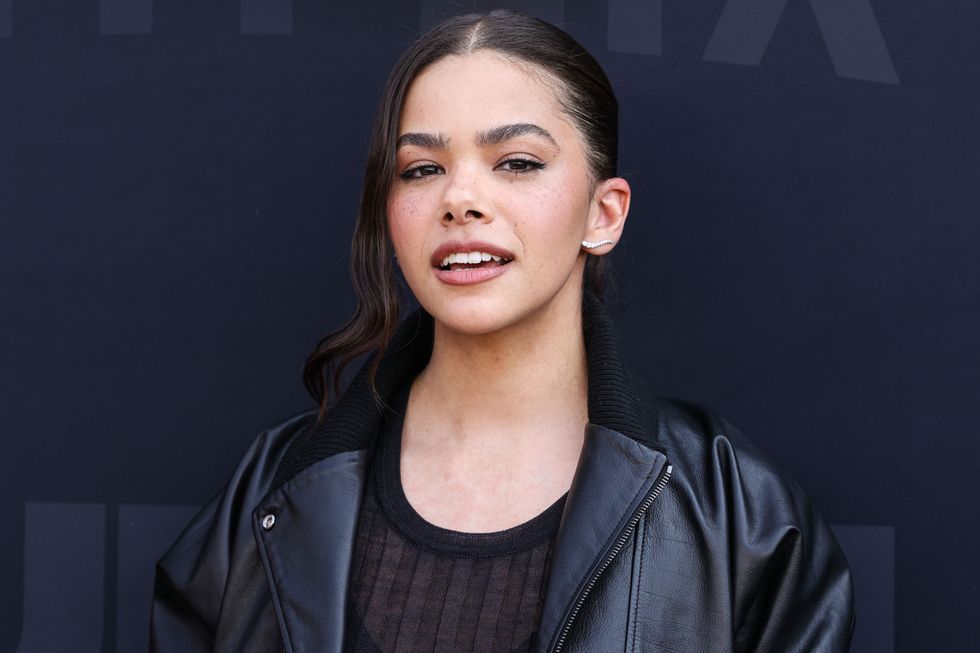
Actress Antonia Gentry
Shutterstock
Antonia Gentry
Her Handle: @_antoniagentry_
Her Title: Actress
Who's That It Girl: With talent that transcends screens, Antonia Gentry brings raw emotion and grace to every performance. We honor her for reminding us that vulnerability is strength and that storytelling can be both healing and revolutionary.
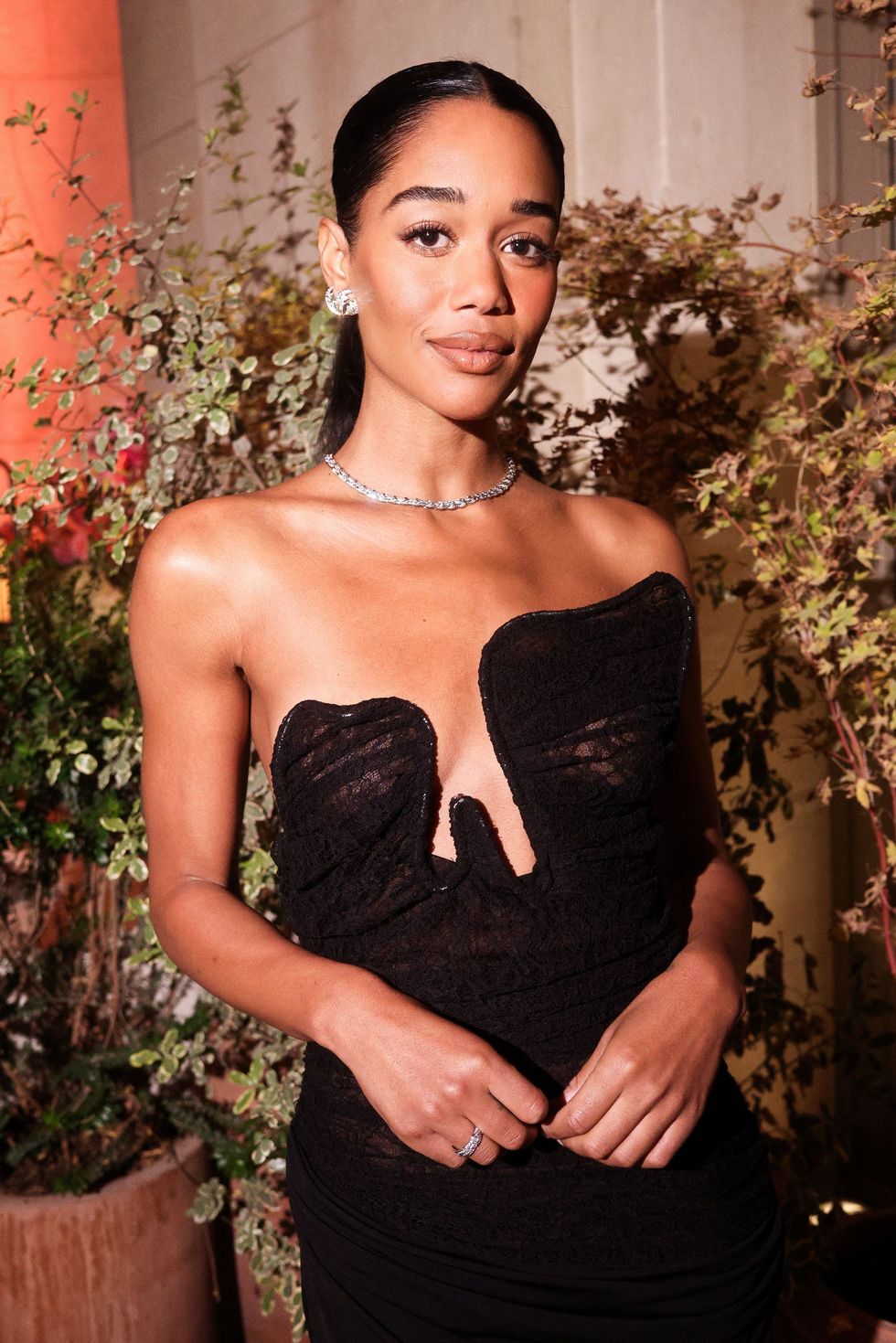
Actress and Model Laura Harrier
Shutterstock
Laura Harrier
Her Handle: @lauraharrier
Her Title: Actress and Model
Who's That It Girl: Effortlessly chic and profoundly grounded, Laura Harrier is redefining Hollywood grace. We celebrate her for using her platform to champion representation and for proving that elegance and activism can coexist beautifully.
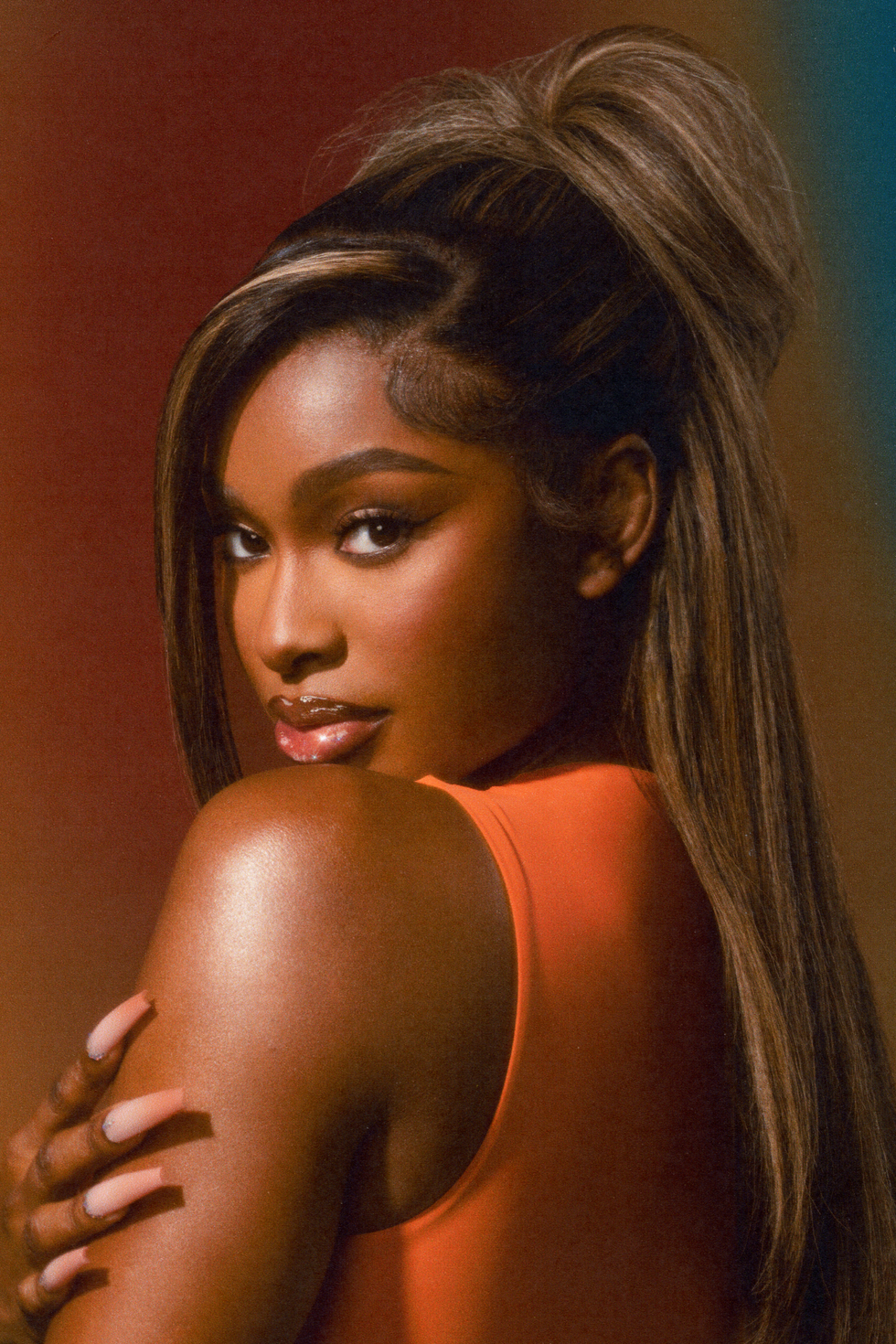
R&B Singer/Songwriter, Actress Coco Jones
Courtesy
Coco Jones
Her Handle: @cocojones
Her Title: R&B Singer/Songwriter, Actress
Who's That It Girl: Coco Jones is a Grammy-winning R&B breakout who captivates with her timeless artistry and soulful voice. She also stars as Hilary Banks in the Bel-Air reboot and recently wrapped an upcoming romantic comedy That’s Her.
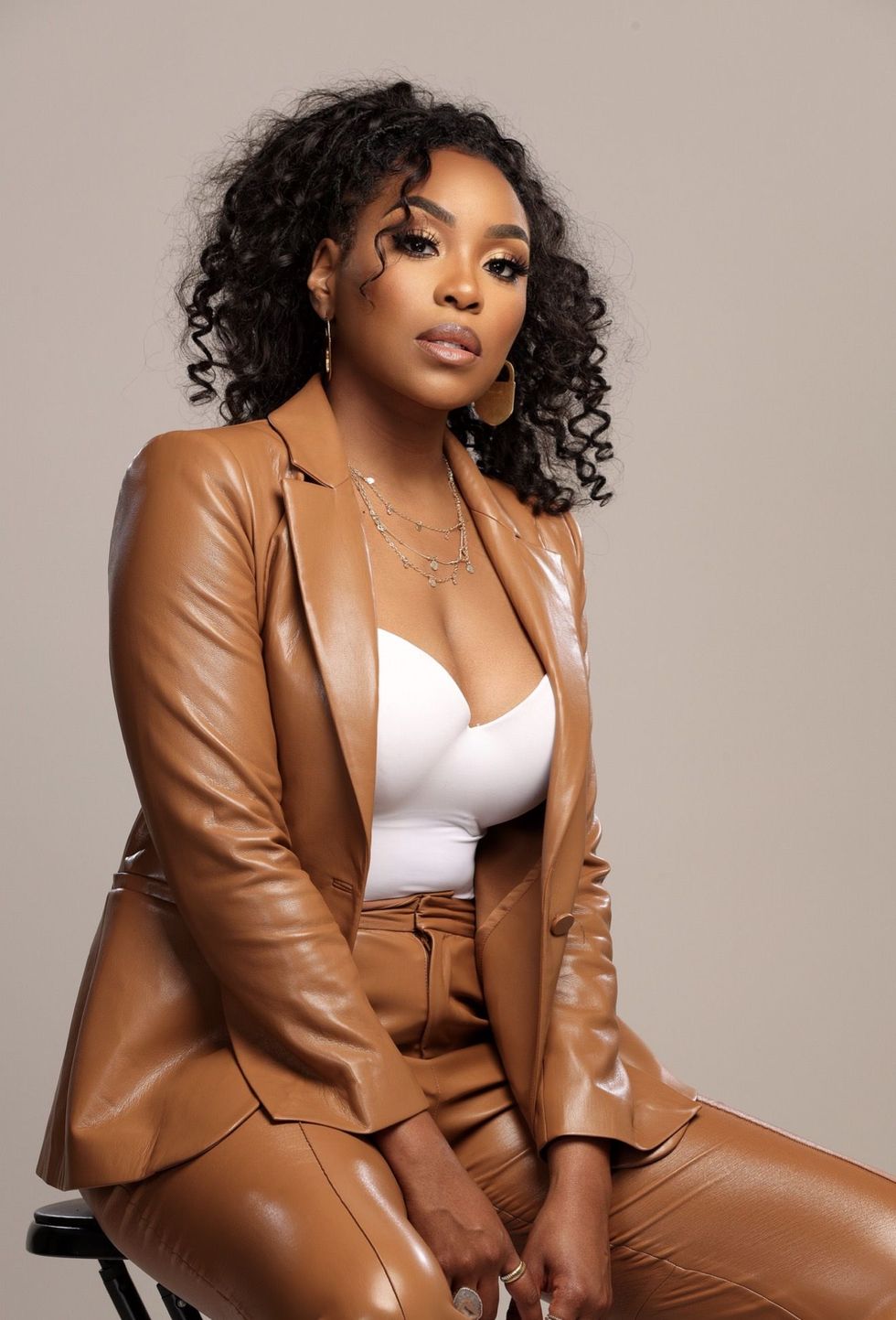
Entrepreneur, Media Personality and Philanthropist Lauren Speed-Hamilton
Courtesy
Lauren Speed-Hamilton
Her Handle: @need4lspeed
Her Title: Entrepreneur, Media Personality and Philanthropist
Who's That It Girl: Lauren Speed-Hamilton turned her Love Is Blind journey into a masterclass in purpose-driven storytelling. We love her for inspiring authenticity in love, media, and entrepreneurship, building connection where vulnerability meets vision.
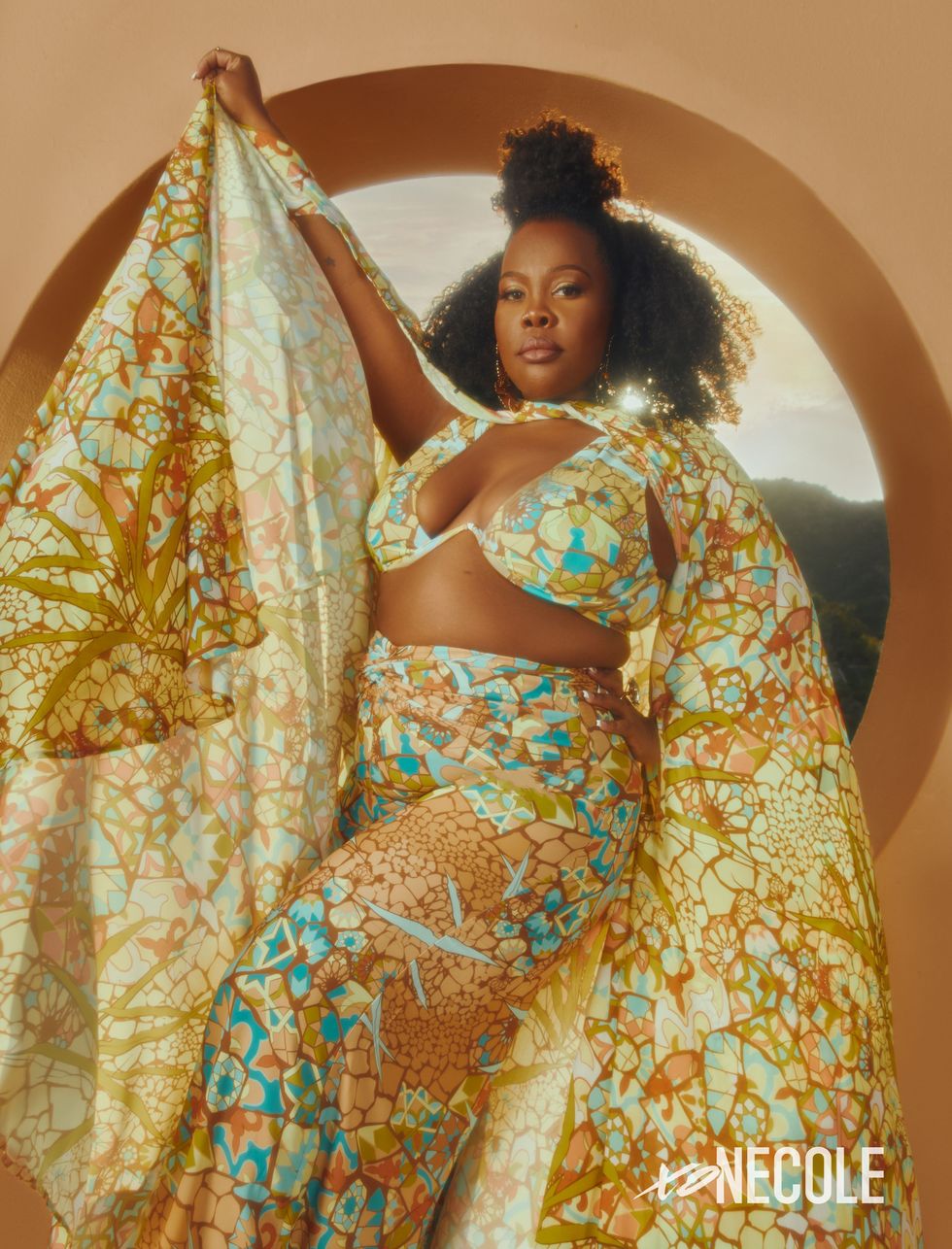
Actress and Singer Amber Riley
Credit: xoNecole
Amber Riley
Her Handle: @msamberpriley
Her Title: Actress and Singer
Who's That It Girl: Amber Riley’s voice is pure power, soulful, spiritual, and unforgettable. We celebrate her for using her artistry to uplift others, redefining what resilience and radiance look like in entertainment.
Joy Woods
Her Handle: @joynwoods
Her Title: Actress
Who's That It Girl: Joy Woods’ name says it all, joy radiates through every note she sings. We’re inspired by her Broadway brilliance and her commitment to showing that Black women’s voices are boundless and breathtaking.
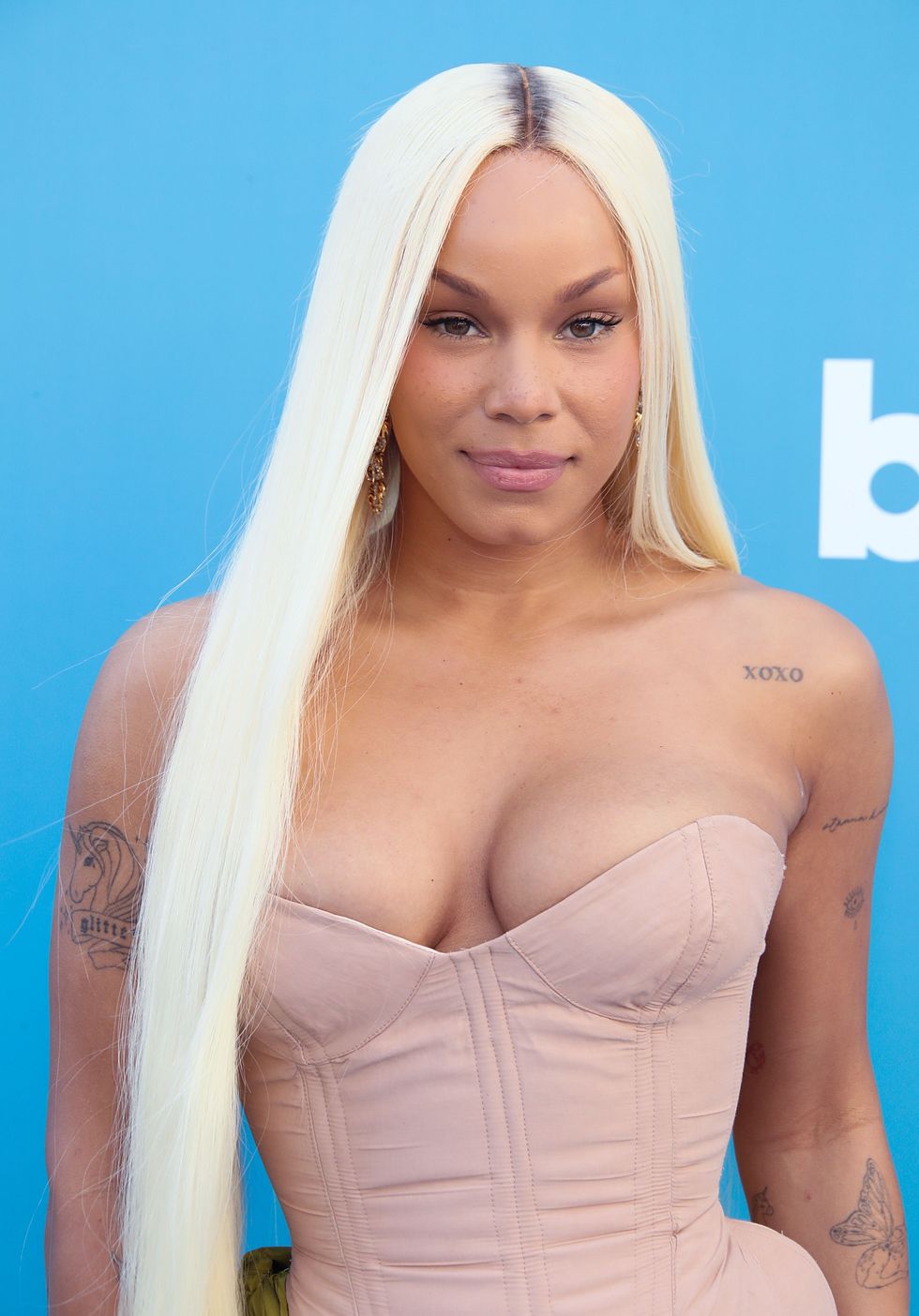
Country Singer, Songwriter Tanner Adell
Shutterstock
Tanner Adell
Her Handle: @tanneradell
Her Title: Country Singer, Songwriter
Who's That It Girl: With a voice as bold as her vision, Tanner Adell is redefining country music with style and soul. We celebrate her for breaking barriers, blending cultures, and creating a sound that’s unapologetically her own.
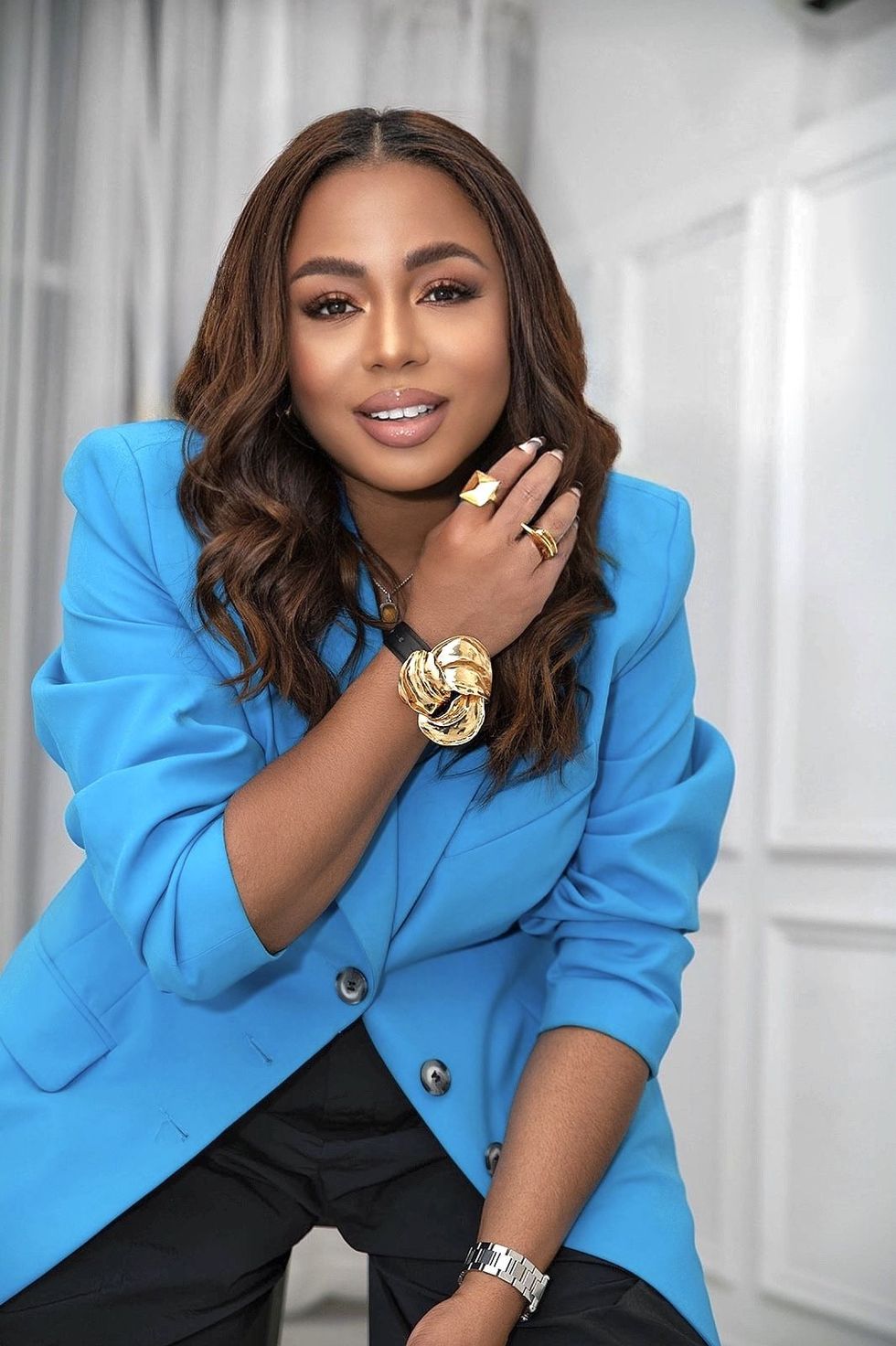
Producer, Host and Media Maven Kéla Walker
Courtesy
Kéla Walker
Her Handle: @KelaWalker
Her Title: Producer, Host and Media Maven
Who's That It Girl: Kéla Walker is a 7x Emmy-nominated producer, host, and digital tastemaker, a modern-day media maven merging television storytelling with contemporary influence. As the founder of Walker Media Group, she curates aspirational lifestyle content anchored in style, culture, and substance. From red carpets to real life, Kéla brings a distinct point of view that bridges legacy media and the digital landscape.
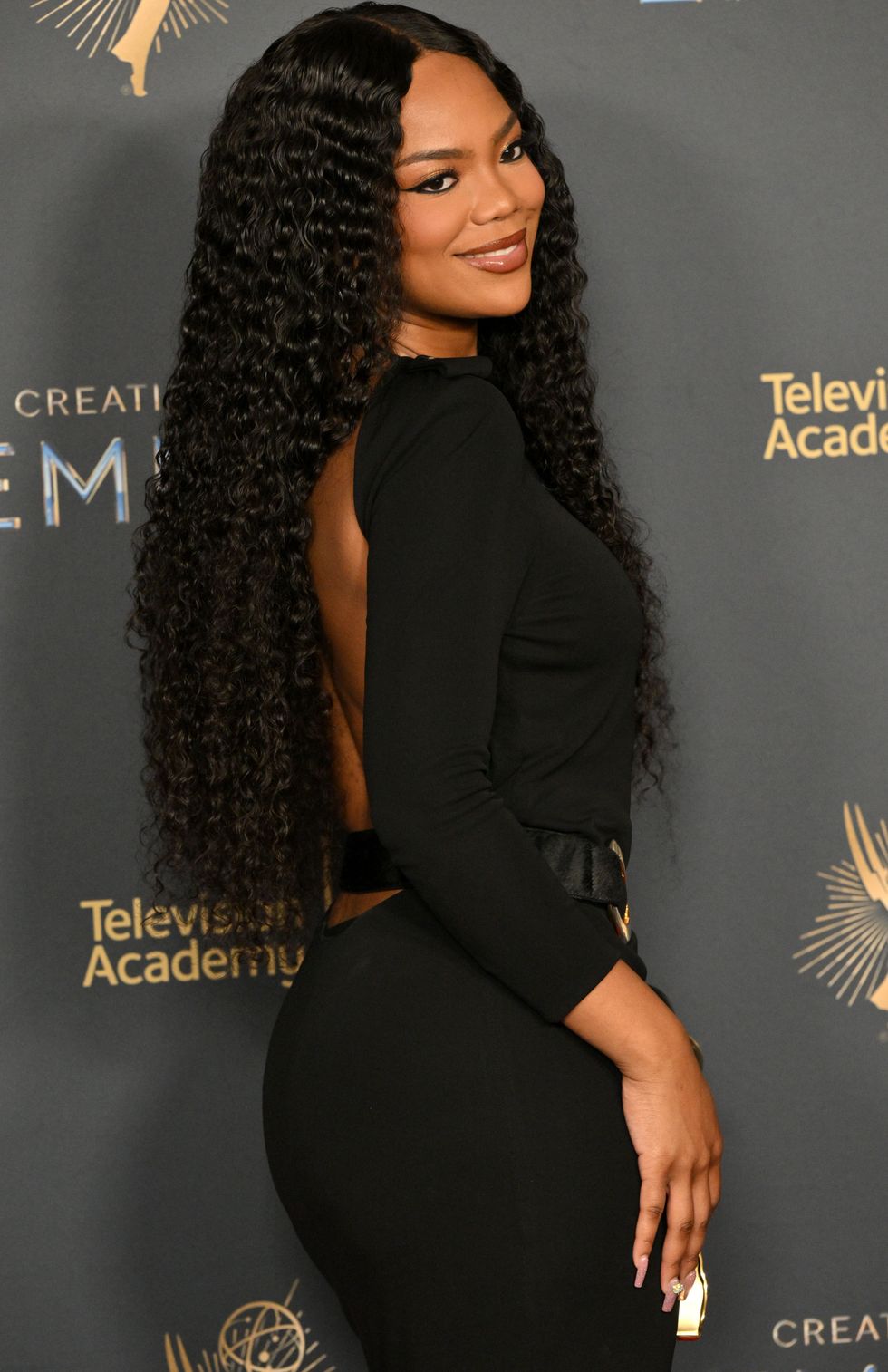
TV Personality Riley Burruss
Shutterstock
Riley Burruss
Her Handle: @rileyburruss
Her Title: TV Personality
Who's That It Girl: We celebrate Riley Burruss as a rising creative and storyteller forging her own space in entertainment. Fresh out of NYU with a degree in music business, she’s building momentum through Next Gen NYC and her podcast The Burruss Banter, all while exploring a future in entertainment law.
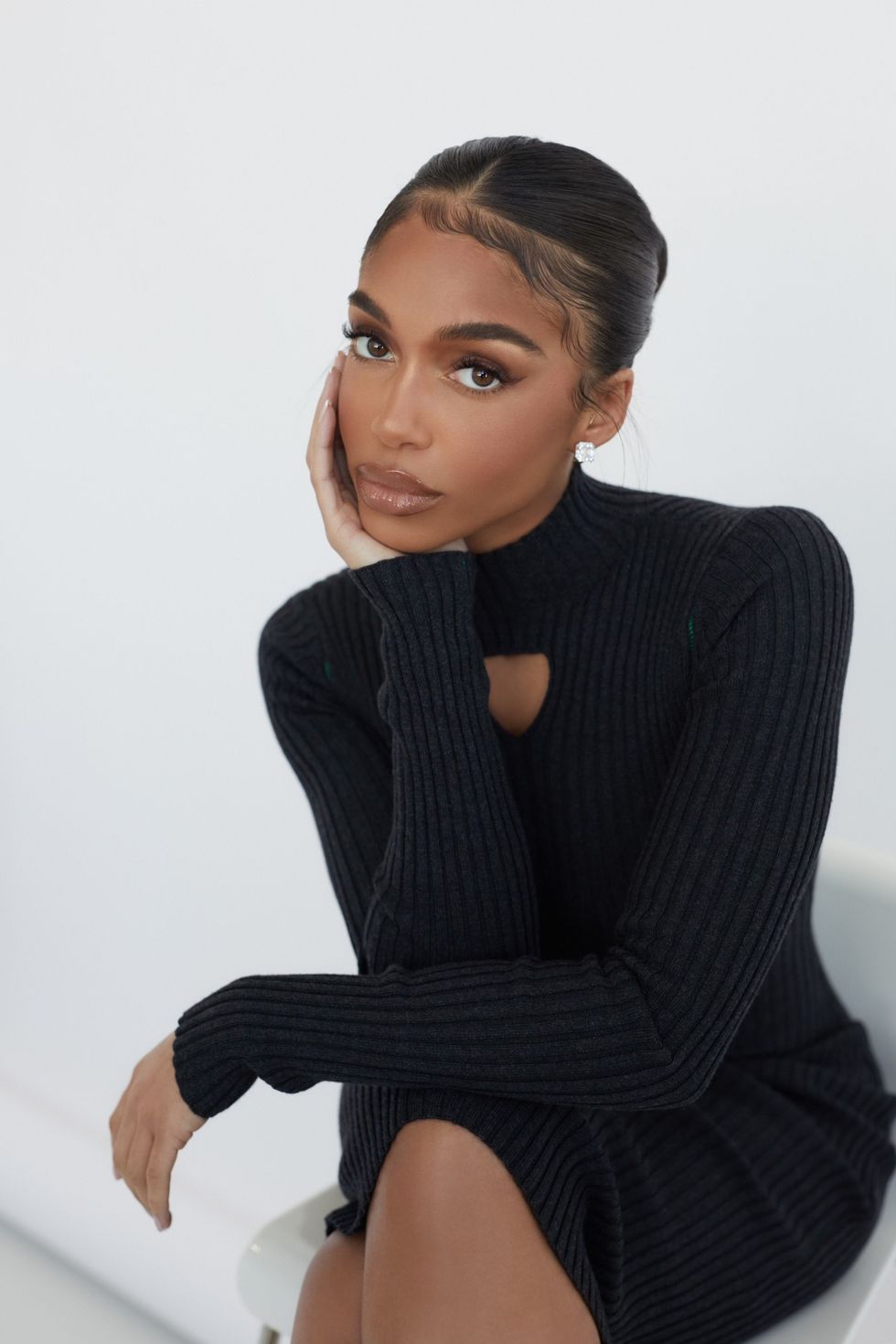
Entrepreneur, Actor, Model, Style Icon and Entrepreneur Lori Harvey
Credit:
Lori Harvey
Her Handle: @loriharvey
Her Title: Beauty Entrepreneur, Actor, Model, Style Icon and Entrepreneur
Who's That It Girl: Lori Harvey embodies modern femininity and independence. We celebrate her for turning self-love into legacy and for inspiring women to walk confidently in their own power.
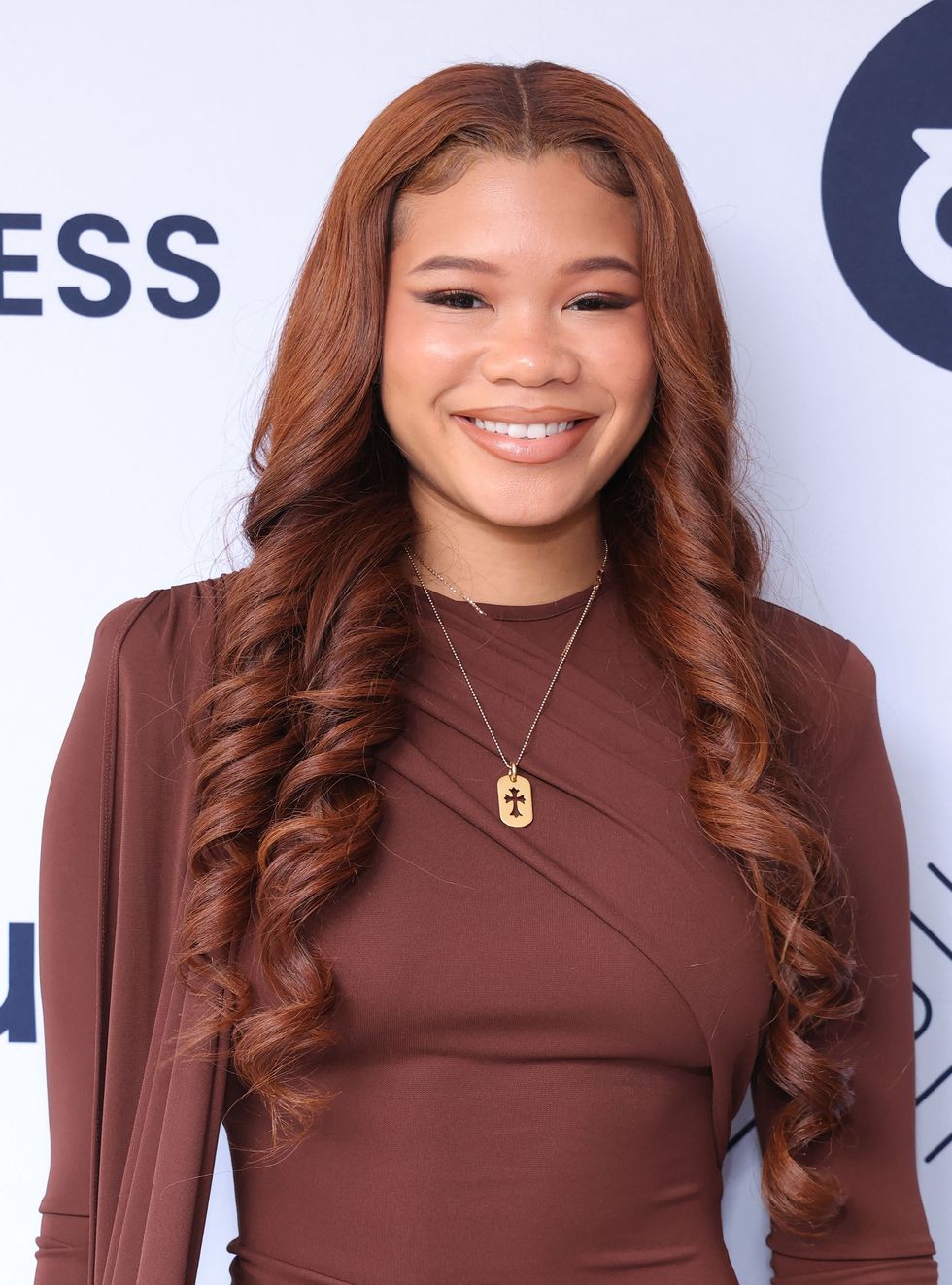
Actress Storm Reid
Shutterstock
Storm Reid
Her Handle: @stormreid
Her Title: Actress
Who's That It Girl: Storm Reid radiates brilliance far beyond her years. We love her for bringing compassion, creativity, and courage to every role, a true beacon for young women dreaming of changing the world through art.
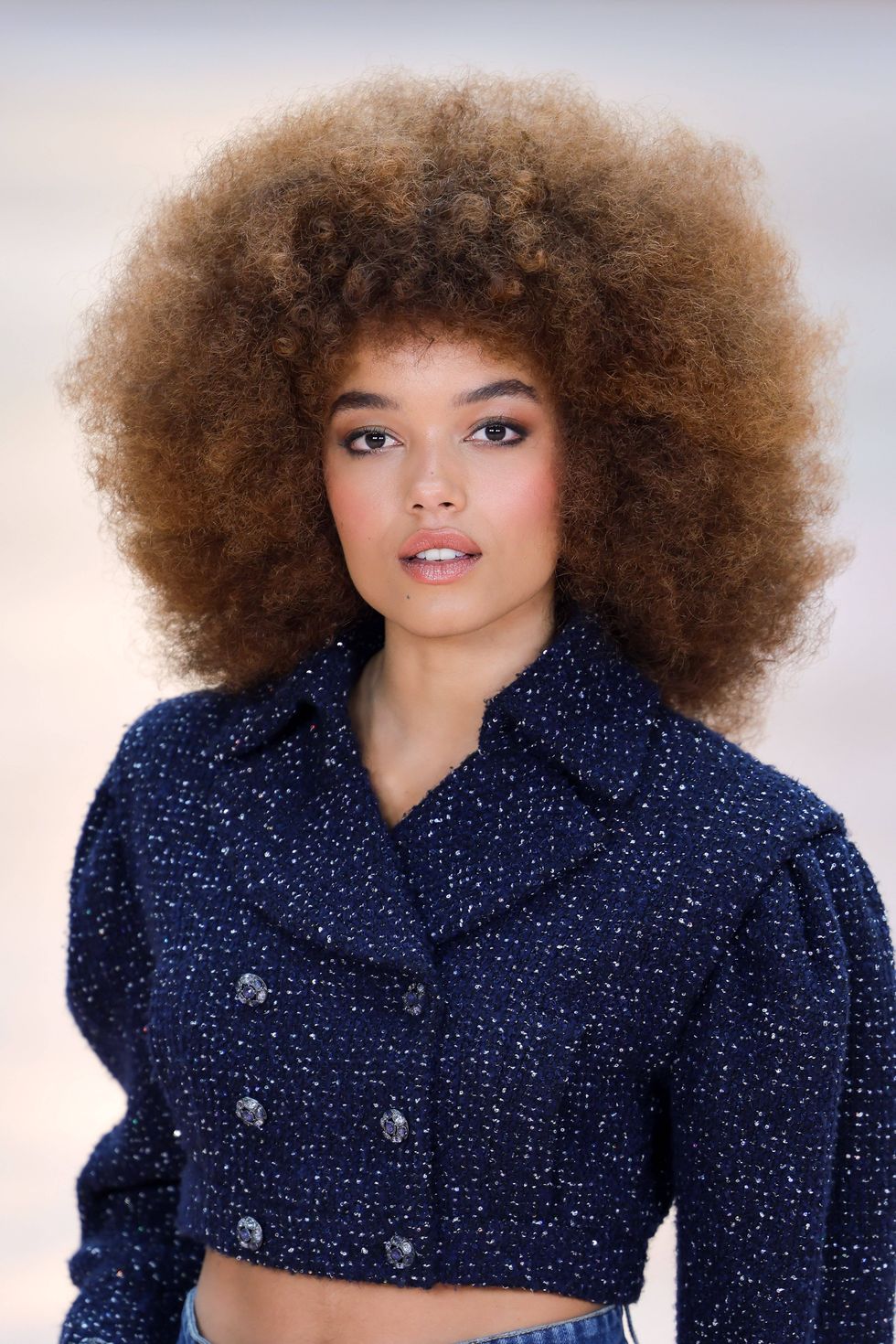
Actress Whitney Peak
Shutterstock
Whitney Peak
Her Handle: @whitneypeak
Her Title: Actress
Who's That It Girl: Whitney Peak exudes quiet confidence and magnetic charm. We celebrate her for redefining modern cool and for reminding young women that authenticity is the most timeless form of beauty.
Tap into the full It Girl 100 Class of 2025 and meet all the women shaping the culture this year and beyond. See the full list here.
Featured image by xoStaff