



Although major depressive disorder (MDD) is less common among African American men than white men, African American men with depressive symptoms often are misdiagnosed, according to the Association of American Medical Colleges. Depression, anxiety or any mental health issue amongst Black men is often dismissed or unaddressed in the Black community, which deeply affects the quality of life for Black people as an entirety. In fact, according to the U.S. News & World Report, the suicide attempt rates amongst Black teen males continue to rise in comparison to any other ethnic group and suicide still remains as the second leading cause of death between the ages of 10 to 38.
As we begin to break the stigma and create changes in our community by starting positive conversations and speaking up about mental health, we subconsciously create a safe space for young Black boys to relieve any feelings of loneliness, fear and hopelessness. xoNecole had the opportunity and pleasure of speaking with these powerful Black men across psychology, social work, and mental health advocacy about their personal journeys and advice for young Black men fitting the same shoes that they themselves have walked in.
A Black Man’s Mental Health and Stereotypes
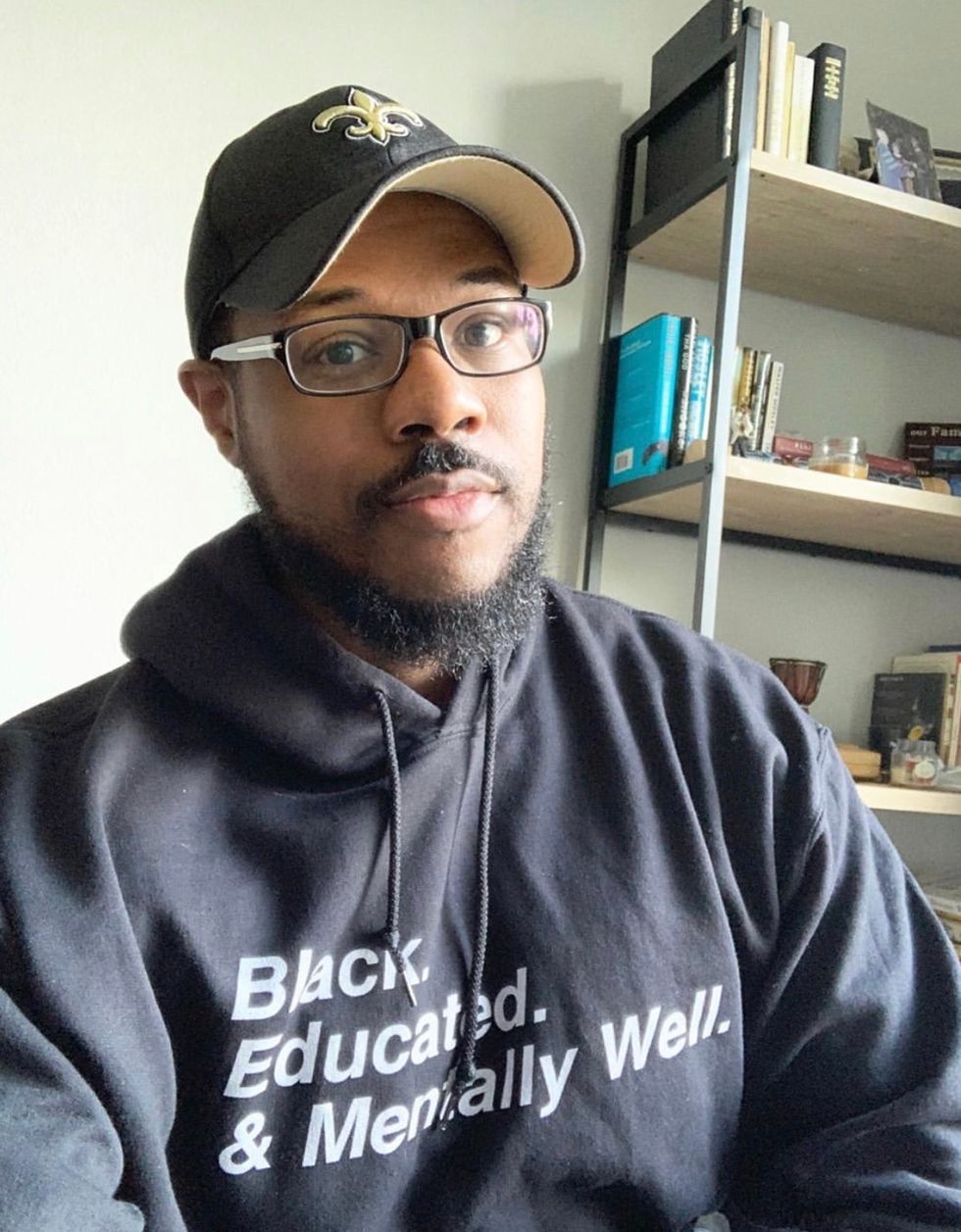
We don't notice it off-rip, but societal norms and gender differences cause a disruption in how we should be dealing with mental health in its entirety. According to the Psychological Health Center of Excellence, "gender stereotypes are fixed ideas about men's and women's traits and capabilities and how they should comport themselves, based on their biological sex". Gender stereotypes are omnipresent in everyday life, but especially so in the realm of mental health and its impact on each gender.
"There are few stereotypes about Black men such as they don't have the capacity to express their feelings or emotions, they're angry or aggressive, or they're not monogamous. I think regardless of ethnicity or race, some men prefer not to be emotional or talk about their feelings," shares Dr. Erlanger A. Turner. The author, clinical psychologist, and assistant professor of psychology at Pepperdine University vocalizes his disagreement with these stereotypes by stating that most Black men do not fit into the categories given to them. "In regards to stereotypes of Black men, I think because of these perceptions Black men are assumed to have poor mental health and engage in unhealthy behaviors such as substance use or sex to cope with life."
He continues, "I do think that based on each man's views about adhering to ideals of masculinity, that it may influence their decisions about when and to whom do they express their emotional side." Unfortunately, pertaining to those ideals of masculinity, especially when diving into a deeper conversation about gender as a social construct, in the Black community, being vulnerable and honest about your emotional well-being is deemed as "soft", "weak", or "unmanly".
From The Womb To The Tomb
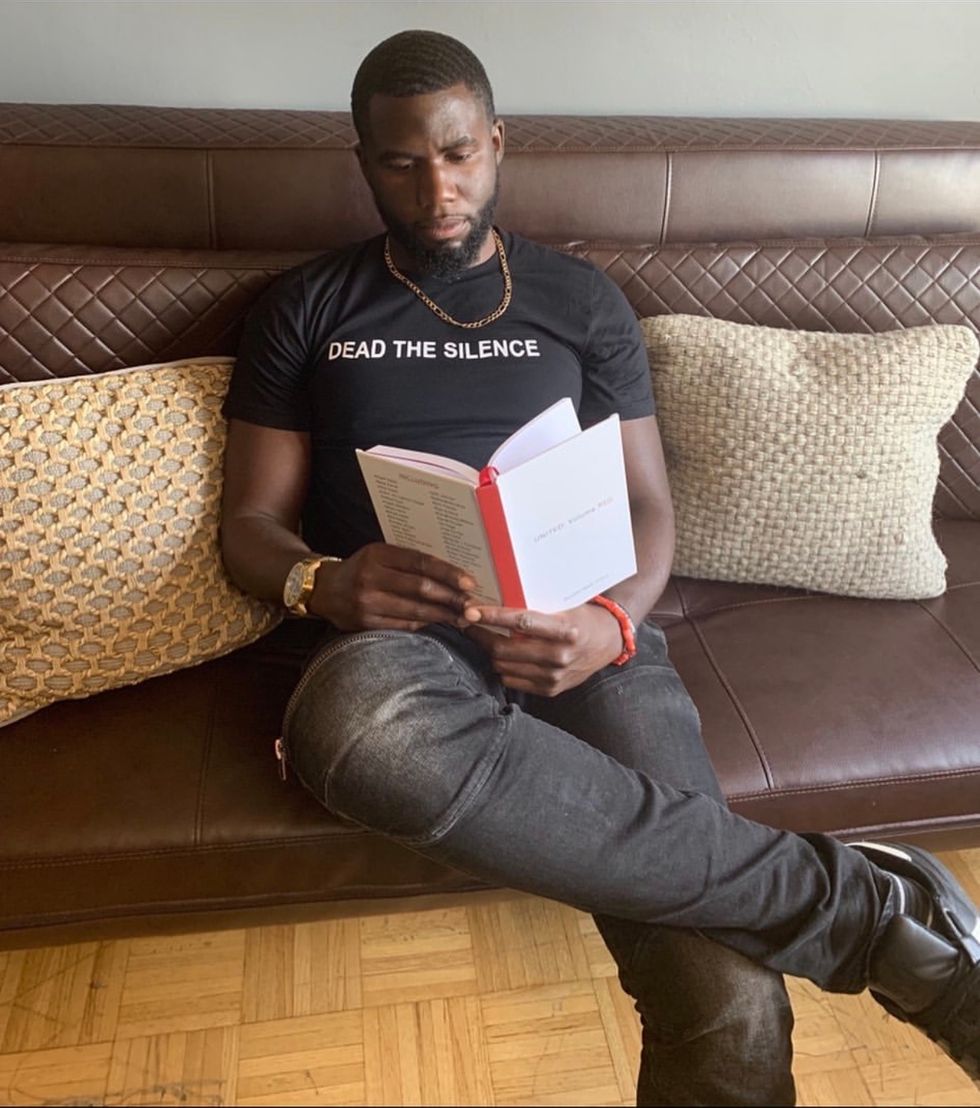
Osadeba Omokaro, co-founder of DEAD THE SILENCE, chimes in with a thought about his childhood and how gender roles play a part in his emotional well-being, "As a child, all the people that were around me that were emotional were feminine, and the more stoic individuals were manly. The interesting part of this is as an adult I believe men can be internally emotional yet remain unwavering as long as they truly process those emotions, but if a male has emotions yet cannot identify them, they are lost."
"As an adult I believe men can be internally emotional yet remain unwavering as long as they truly process those emotions, but if a male has emotions yet cannot identify them, they are lost."
Osadeba continues to reflect on his upbringing as a child and recalls that he was not initially encouraged to open up about his emotions. "I was told not to show my emotions from my brothers, OGs, girls and my dad," he says." It made me hard and a fighter."
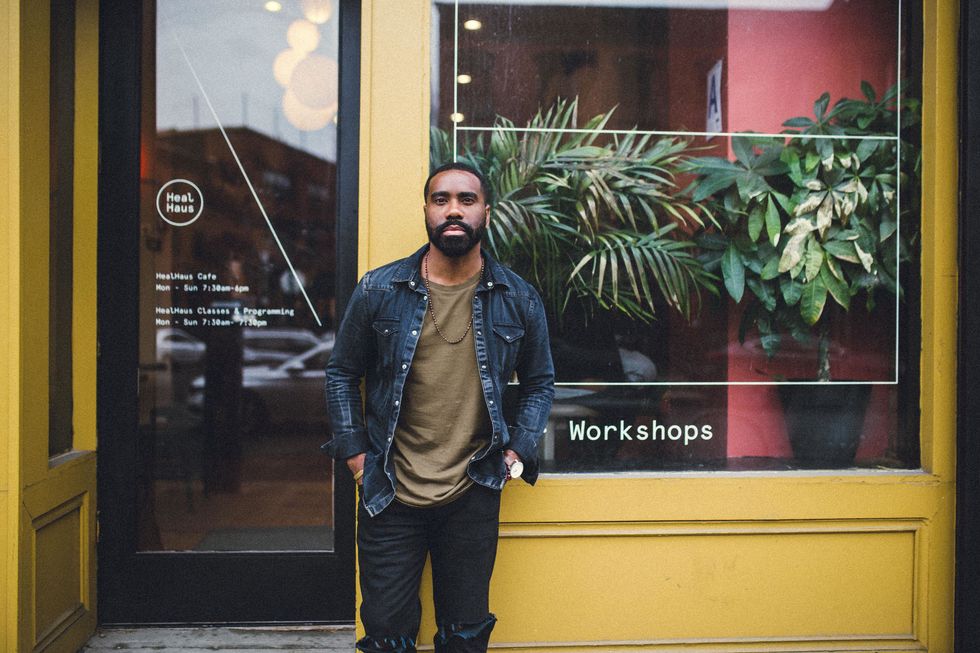
"A lot of men are conditioned at a young age not to show emotion or express feelings. This follows many men into adulthood and manifests itself in various parts of our lives. There is a shift happening though, where men are realizing that holding everything in does not serve them," co-founder of HealHaus Darian Hall adds. As a Black man as well as a member of a Black fraternity, Kappa Alpha Psi, Darian realized the importance of creating a space for people of color in New York City to practice mental wellness and combating depression and anxiety.
"A lot of men are conditioned at a young age not to show emotion or express feelings. This follows many men into adulthood and manifests itself in various parts of our lives. There is a shift happening though, where men are realizing that holding everything in does not serve them."
On the impact of his childhood on his emotional structure as an adult, founder of The Lives of Men Jason Rosario ponders retrospectively about how his poorly-given childhood advice was transferred. "I think a lot of boys, not just me, received those messages directly and indirectly. What that does is separate us as men from our humanity and capacity to feel. When we get older, we've become so good at compartmentalizing and suppressing our emotions that we become emotionally repressed and unable to identify, much less articulate how we feel," he says.
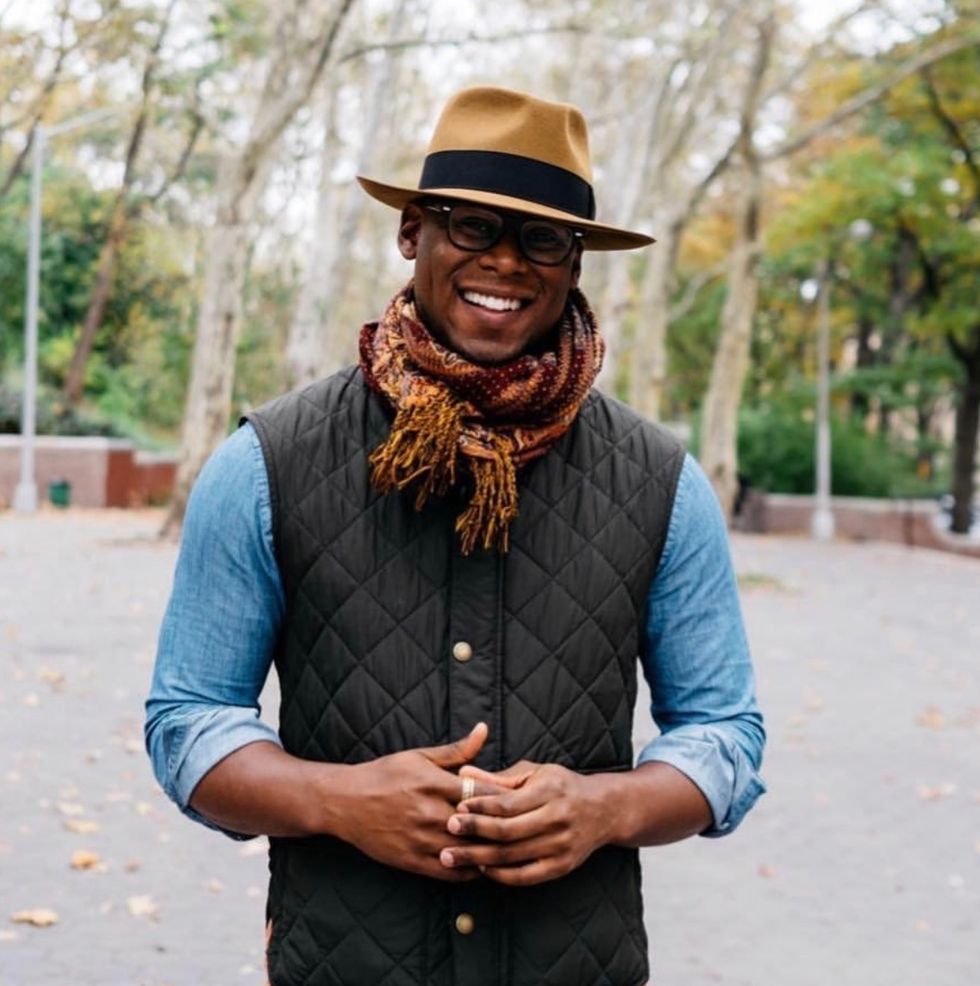
"I think a lot of boys, not just me, received those messages directly and indirectly. What that does is separate us as men from our humanity and capacity to feel. When we get older, we've become so good at compartmentalizing and suppressing our emotions that we become emotionally repressed and unable to identify, much less articulate how we feel."
As We Go On…
When coming into one's adulthood in today's society, men are oftentimes challenged of their manhood with financial and physical tasks such as taking care of their families by bringing home the primary source of income or lifting an old three-ton chiffarobe out of the basement. However, as a society, we have failed our Black men by not providing them with the proper safe space to express their mental health concerns to their friends, spouses, peers, colleagues or even conditioned them to believe that a therapist is an option.
"The fear that many Black men experience around expressing their feelings is rooted in mistrust, which goes back to the days of slavery. Black men were tortured, abused, and/or ridiculed for expressing their feelings," Dr. Randy "Dr. S" Sconiers states with historical context. Furthermore, he added that society continues to perpetuate those narratives by creating harmful stigmas around Black men expressing their feelings, thus being associated with weakness and inferiority. "For these reasons, Black men have been conditioned within systems such as schools and social constructs to hold feelings in order to be viewed as strong and manly. In other words, 'man up and keep your feelings inside.' That's totally wrong and damaging to the psyche of Black men."
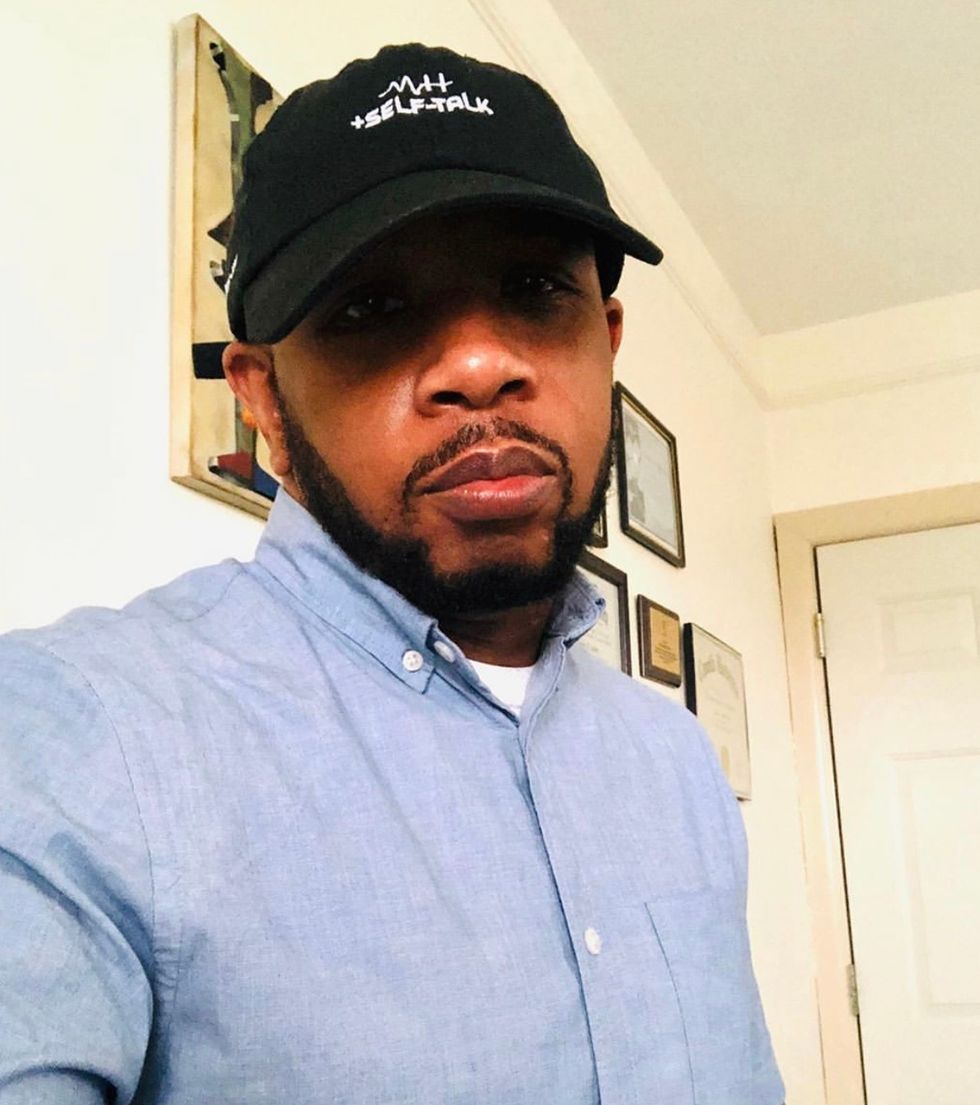
"Black men have been conditioned within systems such as schools and social constructs to hold feelings in order to be viewed as strong and manly. In other words, 'man up and keep your feelings inside.' That's totally wrong and damaging to the psyche of Black men."
The podcast host and founder of Mental-Hop also thinks about the impact of love, women, and romantic relationships on today's Black men. When asked by xoNecole about his thoughts on women expressing their lack of respect for a 'beta-male' or a man that wears his heart on his sleeve, Dr. S responds with, "I believe that kind of thinking by women only further harms the overall well-being of Black men."
Because men put so much stock into the feelings and thoughts of what women think, if there's a widely accepted consensus that women don't want a 'beta man', it only reinforces that they should not express themselves in order to be deemed as more attractive by the opposite sex. "Conversely, if a woman expresses that a man who expresses his feelings signifies a strength and attractiveness, men may ultimately see that as something to aspire to do more often."
The Next Generation…
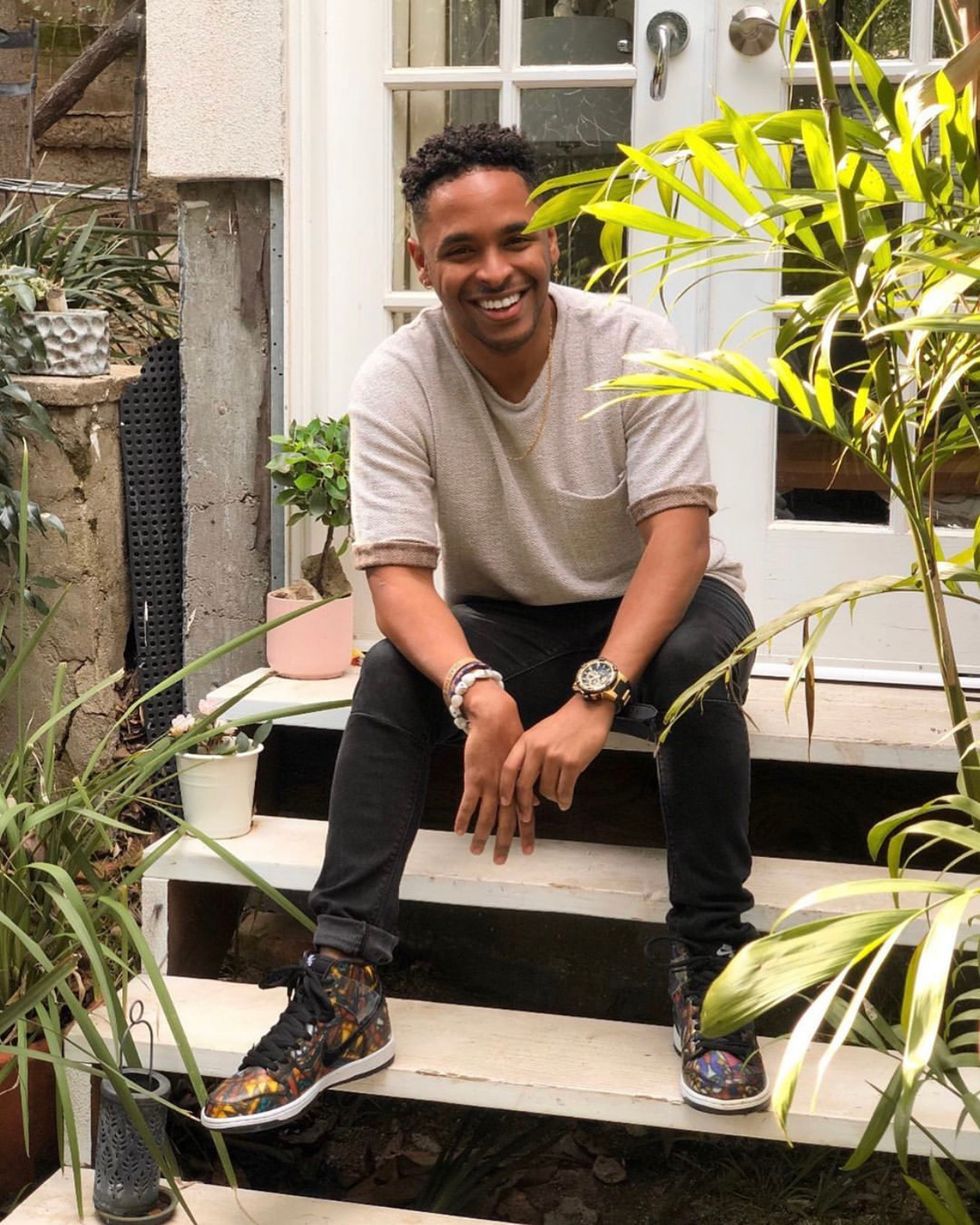
'Train them up in the way that they should go,' is something I've been hearing all my life whether I overheard people talking to my mother about me and my siblings or church folk gathered around gossiping about the latest young people scandal. Everyone, from what I've experienced, takes this term as forcing a child to live the life that you'd want them to live as opposed to the emotional healthy, non-scarring life that they should. When asked by xoNecole if he had any advice to share with the next generation of young Black men about mental health and wellness disparities, Jason wants to remind them that they are simply enough. "That their existence alone makes them worthy of love, respect, compassion," he adds. "I want boys to grow up knowing that it's OK to access the full spectrum of their emotions because that along with their masculine essence is what makes them special."
"I want boys to grow up knowing that it's OK to access the full spectrum of their emotions because that along with their masculine essence is what makes them special."
Anthony Duncan, co-founder of DEAD THE SILENCE alongside Osadeba, pulls from his own tragic experience of the loss of his sister to give advice for the next generation of young Black men to emerge. "I was not able to show my emotions when my younger sister passed away from suicide. Everyone around me was heartbroken and I did not feel that I could express my emotions. I felt I had to be strong for others around me," Anthony shares with xoNecole. "I would like to teach them not to be afraid to express how they feel. Being strong is showcasing your vulnerability and being able to lead as well. Connection is key to communication and without it we do not have anything."
In honor of Mental Health Awareness Month and continuing to be the light he wishes to see in the world, HealHaus' Darian Hall is offering $10 off unlimited monthly live yoga and meditation classes for xoNecole readers. For seven days only, use the code: "xonecole" when you sign up on HealHaus.com.
Featured image courtesy of Darian Hall
RELATED
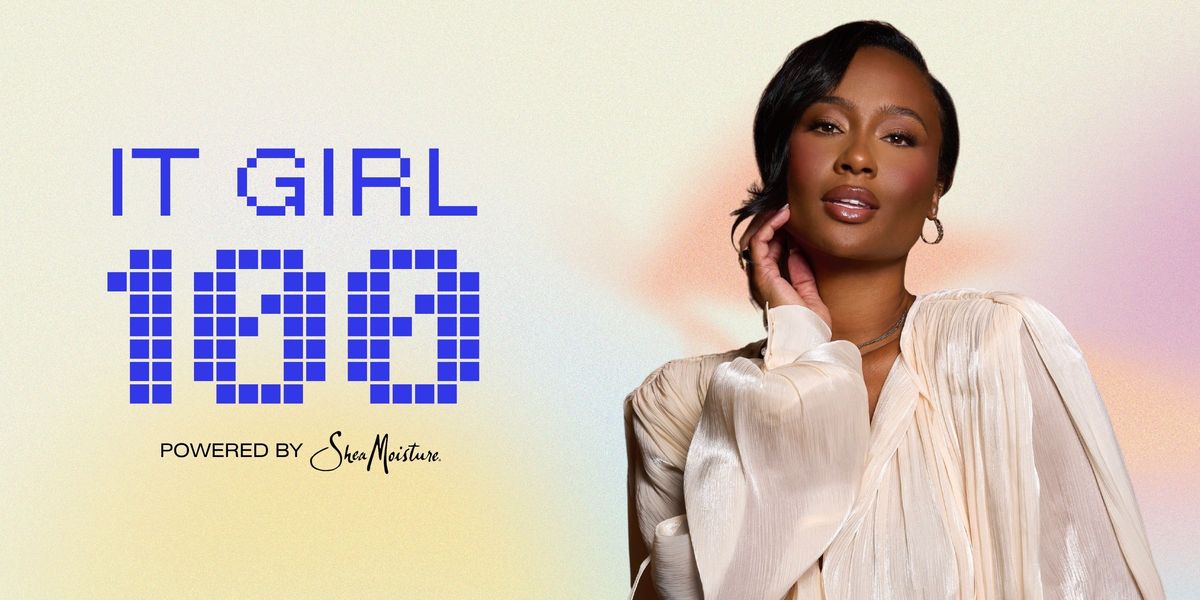
Kayla Nicole says she wore a dress that was once worn by Braxton herself for the Halloween costume. “It’s not a secret Toni is more on the petite side. I’m obsessed with all 5’2” of her,” she tells xoNecole via email. “But I’m 5’10'' and not missing any meals, honey, so to my surprise, when I got the dress and it actually fit, I knew it was destiny.”
The episode was the perfect way for the multihyphenate to take control of her own narrative. By addressing the viral moment on her own platform, she was able to stir the conversation and keep the focus on her adoration for Braxton, an artist she says she grew up listening to and who still makes her most-played playlist every year. Elsewhere, she likely would’ve received questions about whether or not the costume was a subliminal aimed at her ex-boyfriend and his pop star fiancée. “I think that people will try to project their own narratives, right?” she said, hinting at this in the episode. “But, for me personally – I think it’s very important to say this in this moment – I’m not in the business of tearing other women down. I’m in the business of celebrating them.”
Kayla Nicole is among xoNecole’s It Girl 100 Class of 2025, powered by SheaMoisture, recognized in the Viral Voices category for her work in media and the trends she sets on our timelines, all while prioritizing her own mental and physical health. As she puts it: “Yes, I’m curating conversations on my podcast The Pre-Game, and cultivating community with my wellness brand Tribe Therepē.”
Despite being the frequent topic of conversation online, Kayla Nicole says she’s learning to take advantage of her growing social media platform without becoming consumed by it. “I refuse to let the internet consume me. It’s supposed to be a resource and tool for connection, so if it becomes anything beyond that I will log out,” she says.
On The Pre-Game, which launched earlier this year, she has positioned herself as listeners “homegirl.” “There’s definitely a delicate dance between being genuine and oversharing, and I’ve had to learn that the hard way. Now I share from a place of reflection, not reaction,” she says. “If it can help someone feel seen or less alone, I’ll talk about it within reason. But I’ve certainly learned to protect parts of my life that I cherish most. I share what serves connection but doesn’t cost me peace.
"I refuse to let the internet consume me. It’s supposed to be a resource and tool for connection, so if it becomes anything beyond that I will log out."
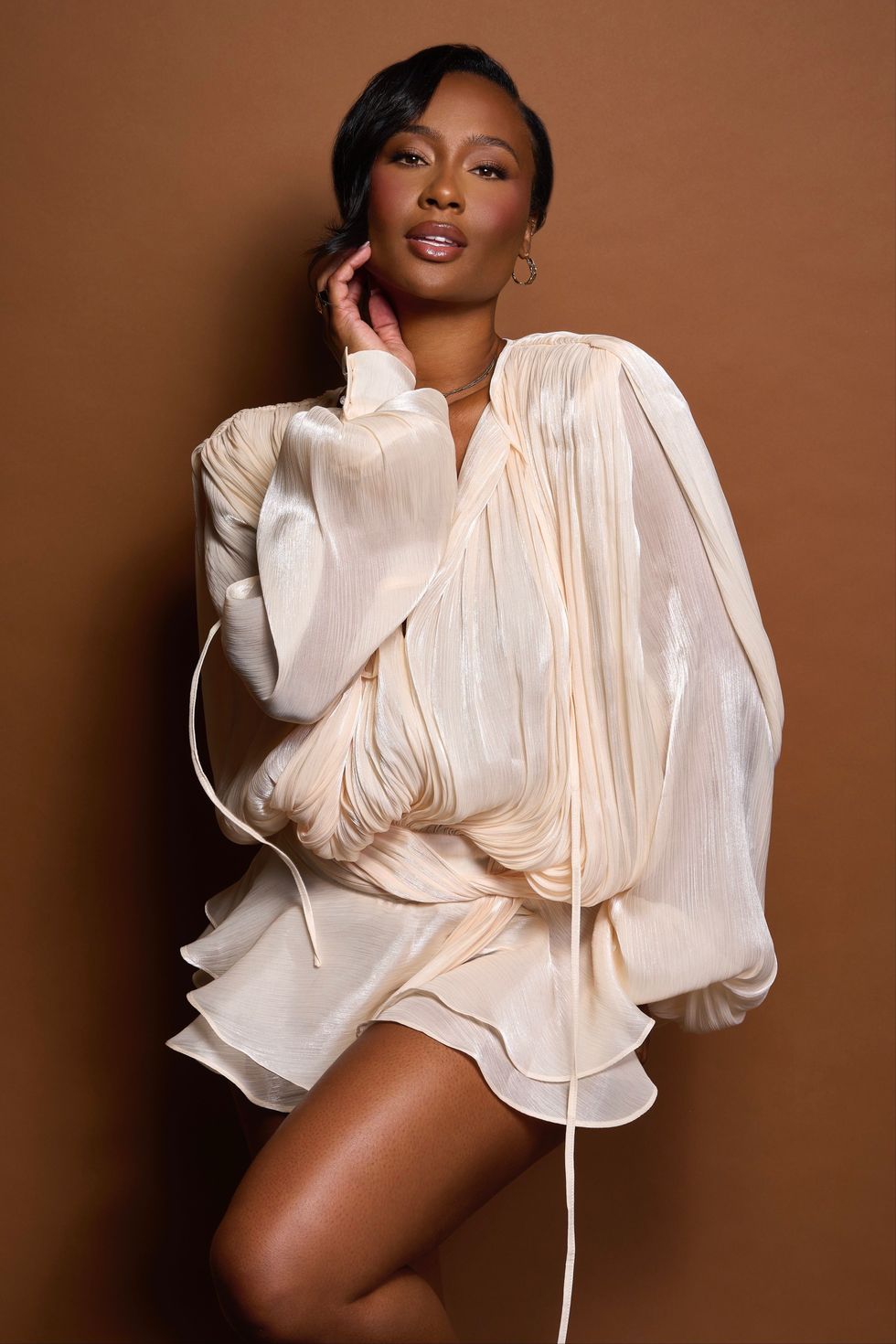
Credit: Malcolm Roberson
Throughout each episode, she sips a cocktail and addresses trending topics (even when they involve herself). It’s a platform the Pepperdine University alumnus has been preparing to have since she graduated with a degree in broadcast journalism, with a concentration in political science.
“I just knew I was going to end up on a local news network at the head anchor table, breaking high speed chases, and tossing it to the weather girl,” she says. Instead, she ended up working as an assistant at TMZ before covering sports as a freelance reporter. (She’s said she didn’t work for ESPN, despite previous reports saying otherwise.) The Pre-Game combines her love for pop culture and sports in a way that once felt inaccessible to her in traditional media.
She’s not just a podcaster, though. When she’s not behind the mic, taking acting classes or making her New York Fashion Week debut, Kayla Nicole is also busy elevating her wellness brand Tribe Therepē, where she shares her workouts and the workout equipment that helps her look chic while staying fit. She says the brand will add apparel to its line up in early 2026.
“Tribe Therepē has evolved into exactly what I have always envisioned. A community of women who care about being fit not just for the aesthetic, but for their mental and emotional well-being too. It’s grounded. It’s feminine. It’s strong,” she says. “And honestly, it's a reflection of where I am in my life right now. I feel so damn good - mentally, emotionally, and physically. And I am grateful to be in a space where I can pour that love and light back into the community that continues to pour into me.”
Tap into the full It Girl 100 Class of 2025 and meet all the women changing game this year and beyond. See the full list here.
Featured image by Malcolm Roberson
My main motive? Mostly, I hope that it will serve as a solid reminder to embrace all of the things that you adore about this time of year, so long as you do it in moderation and you weigh the costs.
Especially as far as drinking alcohol is concerned.
PRO: Manages Blood Sugar Levels
 Giphy
GiphyHere’s something that you may have never seen coming. Were you aware of the fact that alcohol can actually help to stabilize your blood sugar? Yep, according to the American Diabetes Association, so long as you leave it to no more than 1-2 cocktails a day, alcohol may be able to lower your A1C levels. Pretty cool, right?
CON: It’s a Carcinogen
 Giphy
GiphyAlcohol is a carcinogen. The reason why this should somewhat alarm you is because carcinogens are things (like tobacco, UV rays, processed meats, etc.) that can increase your chances of being diagnosed with cancer (especially mouth, throat, esophagus, stomach and breast cancer). There are various ways this happens including the fact that alcohol, specifically, can hinder your body from breaking down certain nutrients, it can cause your estrogen levels to spike and alcohol can also cause certain toxins to damage your DNA and certain bodily proteins over time.
PRO: Cultivates Euphoric Feelings
 Giphy
GiphyIf you find yourself feeling more euphoric while you’re enjoying a drink, it’s not all up in your head. Although, for the more part, alcohol is considered to be a depressant, when consumed in small amounts, it can provide a stimulant effect. This happens due to the fact that when you first start to consume alcohol, it causes the production of the feel-good hormone known as dopamine to increase — and since dopamine makes us all feel more relaxed and confident while heightening our senses of pleasure too…well, there you have it.
CON: May Increase Anxiety/Depression
 Giphy
GiphyAs they say, “what goes up, most come down” at some point — and that is what you have to be careful of when it comes to alcohol consumption. For instance, when you drink alcohol, although it tends to initially cause your dopamine levels to uptick, because it is a temporary bodily response, sometimes the dips are lower than the rises…and that is when anxiety starts to kick in. A similar point is made with depression because oftentimes, people with depression-related symptoms, will use alcohol as a way to deflect from what’s really going on with them — and that can make them feel even worse than ever once the buzz of alcohol starts to wear off.
PRO: Has Some Heart-Related Benefits
 Giphy
GiphyWhen it comes to your heart, there are interesting findings surrounding its relationship to alcohol. For instance, some research states that, so long as the consumption is moderate, alcohol can actually help to increase the good cholesterol in your system while also breaking down proteins that can potentially lead to blood clots; both of these factors alone can reduce your chances of dying from heart disease.
CON: Packs on Pounds
 Giphy
GiphyIt’s no secret that alcohol tends to contain quite a few calories. That’s why, it’s not uncommon for people who’ve lost weight to mention “I’ve stopped drinking” as one of the causes for the shed pounds. That’s not to say that there aren’t some alcoholic beverages that have less calories than others including vodka (133 calories per serving), white wine (148 calories per serving) and tequila (99 calories per shot). Just keep in mind that the more you drink, the more calories get into your system and the more weight you stand to gain.
PRO: Lowers Inhibitions
 Giphy
GiphyAlthough you really should only be uninhibited around people who you absolutely trust, if that person is your partner and you’re looking to have a pretty — eh hem — active evening, alcohol can certainly help to make that happen. The science of it all is the prefrontal cortex of your brain is what regulates your inhibitions and levels of self-control. Meanwhile, alcohol suppresses your inhibitions which can cause you to be more spontaneous and open to trying things that you might not immediately do if you were sober. And with the right individual, that can be sexually beneficial (emphasis on “right person”).
CON: Makes It Harder to Orgasm
 Giphy
GiphyOn the other hand, as odd as it may seem (in light of what I just said), if you have too much alcohol in your system, it could make climaxing difficult. That’s because orgasms happen, in part, due to your nervous system being stimulated — and since alcohol is technically a depressant…well, it could reduce nerve sensitivity (especially as far as your clitoris goes) for you while making it challenging for your partner to remain erect or have consistent stamina. And yeah, that sucks.
____
‘Tis the season. And with that, if some wassails or hot buttered rums are in your immediate future — hey, don’t let me stop you — not even a lil’ bit.
All I’m saying is now that you know what alcoholic drinks have to offer (both ways), you can know exactly how to incorporate them into your holiday plans. Enjoy!
Let’s make things inbox official! Sign up for the xoNecole newsletter for love, wellness, career, and exclusive content delivered straight to your inbox.
Featured image by Unsplash