



With the rise of more and more black women breaking away from traditional 9-5s to become their own bosses, the CEO is getting a revamp as the SHEeo. In the Meet The SHEeo series, we talk to melanated mavens leveling up and glowing up, all while redefining what it means to be a boss.
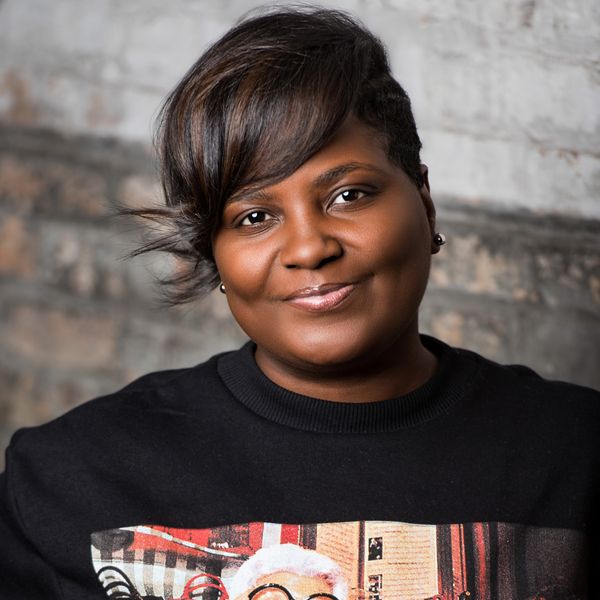
Candera Thompson launched Bask & Bloom Essentials as a remedy to postpartum hair breakage and shedding. Using high-quality ingredients free from harsh chemicals and toxins, Bask & Bloom offers a full hair care line, including herbal infusions that protect against breakage while providing intense moisture. Within four years, the company has built a loyal customer base thanks to their wide range of product bundles that cater to various hair textures for a more simplified hair regimen.
Meet Candera Thompson of Bask & Bloom Essentials.
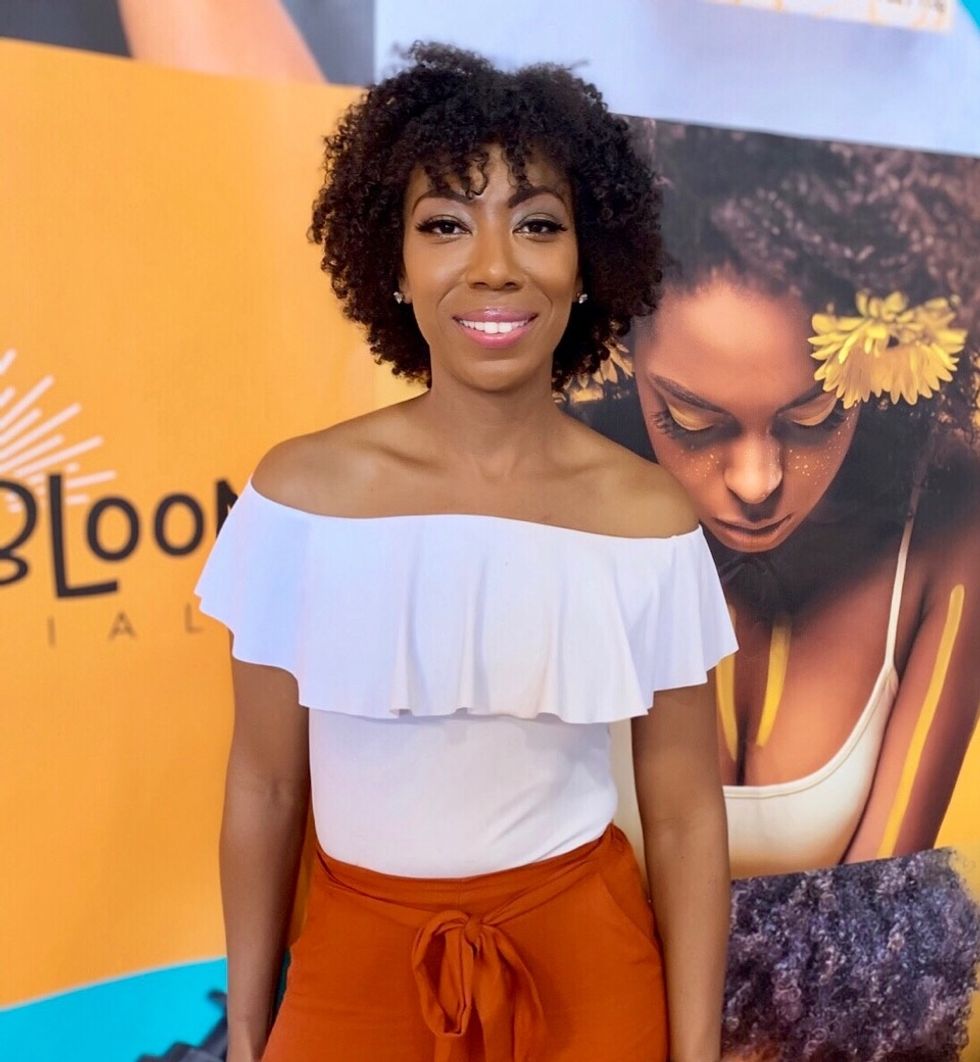 Photo courtesy of Candera Thompson
Title: CEO of Bask & Bloom Essentials
Year Founded: 2015
Location: Saint Louis, MO
# of Employees: 3
30-Second Pitch: Bask & Bloom Essentials is a rapidly growing brand in the hair and skin care industry serving all members of a household. We offer a full hair care line that includes herbal infusions to protect against breakage while providing intense moisture and our skin care line promotes a basic, 3-step regimen to maintain a natural glow.
What inspired you to start your brand?
I was transitioning to natural after having my first daughter and experiencing lots of breaking and shedding. While some postpartum shedding is normal, I wanted to find a remedy once I got past that phase to strengthen my hair and give it a fuller look. A few ladies in a Natural Hair Facebook group I was in suggested black tea rinses and I started researching herbal teas that were beneficial for the hair. After trying and seeing some of the issues subside, I wanted to research further to add these ingredients into a line of hair care products.
What was your a-ha moment that brought your idea into reality?
My a-ha moment came while on a vendor's website where I purchased my herbs from. They updated with how-to videos and a few of them showed how to infuse herbs into an oil or liquid extract. A light bulb went off, this is how I would include them into my products. After research and testing for a few months, I was more confident it bringing a line to market.
Who is your ideal customer?
[My ideal customers are] 24-45-year-old ingredient-conscious women seeking to solve issues with dry, brittle hair and sensitive skin. They are college educated with an annual income ranging from $60-$80k. They prefer access to a unique, full line of products and love being educated on different naturalremedies for beauty through demos and tutorials.
What makes your business different?
Seeing that we use unique herbs in our products, we spend a lot of time educating our audience on the multiple benefits of each ingredient. We create challenges that are unique to a group of customers to participate in that demonstrates overall healthier hair and skin and the end of that time period. We offer a range of bundles based on hair texture and solutions to make it easier for consumers to have a better regimen. This has allowed us to create a loyal base of customers who have shared our company to everyone they know, making them a believer in our brand also.
What obstacles did you have to overcome while launching and growing your brand? How were you able to overcome them?
Funding, resources to effectively launch a beauty brand and great recommendations for manufacturers, time management with working a full-time job and being a mother. I saved a lot of my paycheck to put into my business so I had to become very frugal in the beginning to create excitement around my products and launch. I incorporated the mindset that "done is better than perfect" and if I can at least get started, the business will eventually fund itself. I decided against working with a manufacturer in the beginning to mass produce and instead had everything tested by a lab to ensure all ingredient levels were ideal for launch. As far as time management, I just had to say no to a lot as there is no such thing as balance. I built my brand to the point where I could leave my full-time job, even though I got laid off before I could resign.
"I incorporated the mindset that 'done is better than perfect' and if I can at least get started, the business will eventually fund itself."
What was the defining moment in your entrepreneurial journey?
When I got laid off from my full-time job, I was three months pregnant with my second child, planning to not return after I had her. At three months pregnant, many would've have been afraid to not have a steady paycheck but I took it as a sign. I got what I asked for and was preparing for even if it was premature.
Where have you seen the biggest return on investment? (i.e. marketing, ads, vending, social media)
Social media and email marketing and Facebook/IG ads.
Where do you see your company in 5-10 years? (The ultimate goal?)
On the shelves of big retail stores, international pop up shops to meet and greet customers, a few boutiques where customers can test products and get one-on-one recommendations and shop, launching a nonprofit program for teenage girls interested in entrepreneurship, making it to eight figures in revenue and investing into other black-owned beauty brands.
Biggest lesson you’ve learned in business?
Do it afraid and unsure, everyone else is and are making fear look good.
For more of Candera and Bask & Bloom, follow her on social: Instagram.
RELATED


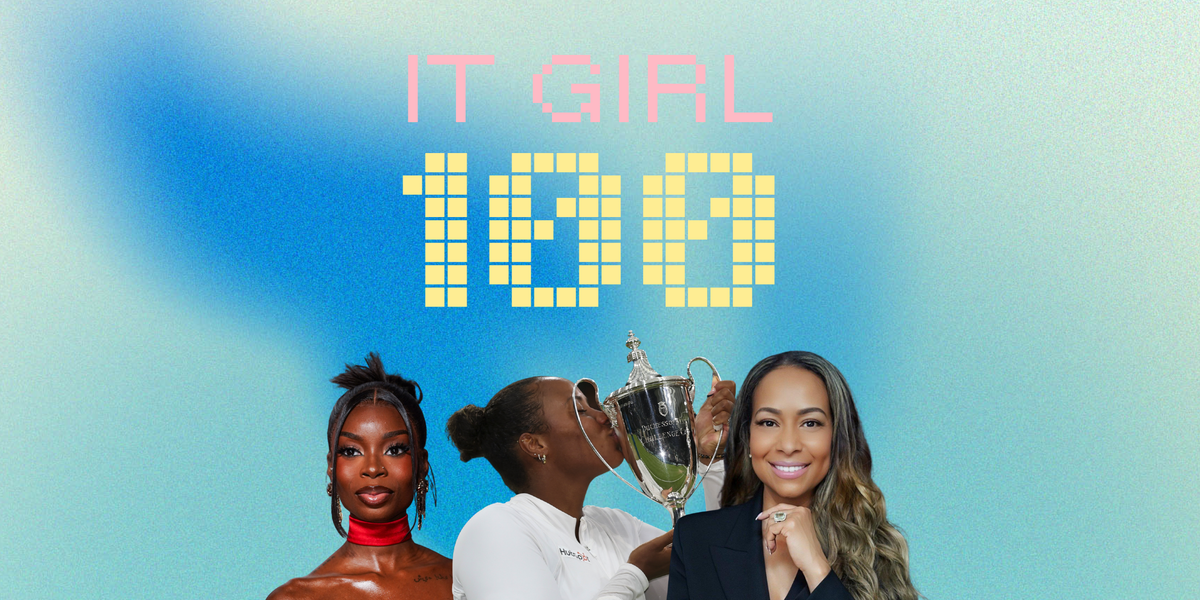
So, we handpicked one hundred It Girls who embody that palpable It Factor moving through us as young Black women, the kind of motion lighting up the world both IRL and across the internet.
It Girl 100 became xoNecole’s most successful program, with the hashtag organically reaching more than forty million impressions on Instagram in just twenty-four hours. Yes, it caught on like wildfire because we celebrated some of the most brilliant and influential GenZennial women of color setting trends and shaping culture. But more than that, it resonated because the women we celebrated felt seen.
Many were already known in their industries for keeping this generation fly and lit, but rarely received recognition or flowers. It Girl 100 became a safe space to be uplifted, and for us as Black women to bask in what felt like an era of our brilliance, beauty, and boundless influence on full display.
And then, almost overnight, it was as if the rug was pulled from under us as Black women, as the It Girls of the world.
Our much-needed, much-deserved season of ease and soft living quickly metamorphosed into a time of self-preservation and survival. Our motion and economic progression seemed strategically slowed, our light under siege.
The air feels heavier now. The headlines colder. Our Black girl magic is being picked apart and politicized for simply existing.
With that climate shift, as we prepare to launch our second annual It Girl 100 honoree list, our team has had to dig deep on the purpose and intention behind this year’s list. Knowing the spirit of It Girl 100 is about motion, sauce, strides, and progression, how do we celebrate amid uncertainty and collective grief when the juice feels like it is being squeezed out of us?
As we wrestled with that question, we were reminded that this tension isn’t new. Black women have always had to find joy in the midst of struggle, to create light even in the darkest corners. We have carried the weight of scrutiny for generations, expected to be strong, to serve, to smile through the sting. But this moment feels different. It feels deeply personal.
We are living at the intersection of liberation and backlash. We are learning to take off our capes, to say no when we are tired, to embrace softness without apology.
And somehow, the world has found new ways to punish us for it.
In lifestyle, women like Kayla Nicole and Ayesha Curry have been ridiculed for daring to choose themselves. Tracee Ellis Ross was labeled bitter for speaking her truth about love. Meghan Markle, still, cannot breathe without critique.
In politics, Kamala Harris, Letitia James, and Jasmine Crockett are dragged through the mud for standing tall in rooms not built for them.
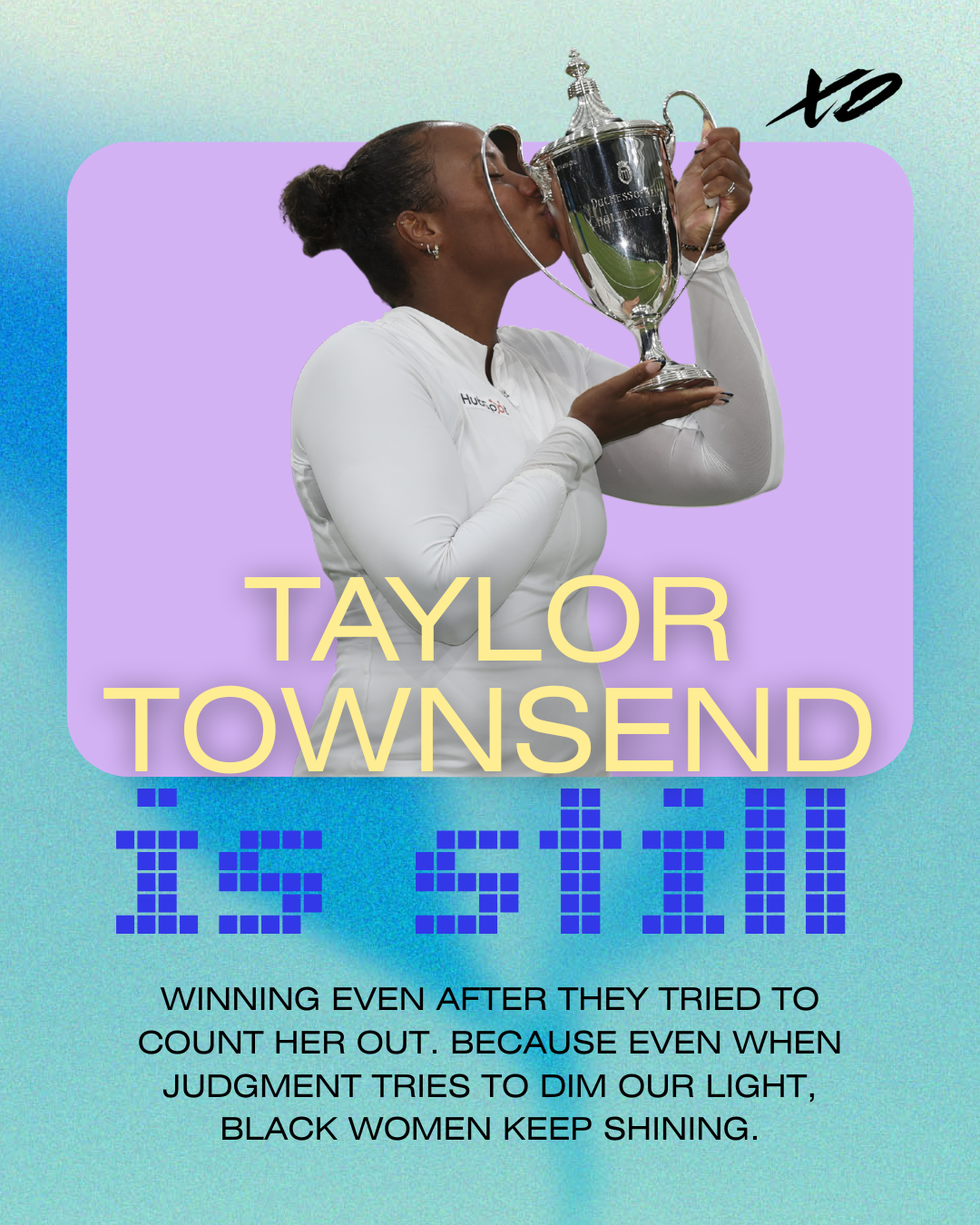
In sports, Angel Reese, Coco Gauff, and Taylor Townsend have been reminded that even excellence will not shield you from racism or judgment.
In business, visionaries like Diarrha N’Diaye-Mbaye and Melissa Butler are fighting to keep their dreams alive in an economy that too often forgets us first.
Even our icons, Beyoncé, Serena, and SZA, have faced criticism simply for evolving beyond the boxes society tried to keep them in.
From everyday women to cultural phenoms, the pattern is the same. Our light is being tested.
And yet, somehow, through it all, we are still showing up as that girl, and that deserves to be celebrated.
Because while the world debates our worth, we keep raising our value. And that proof is all around us.
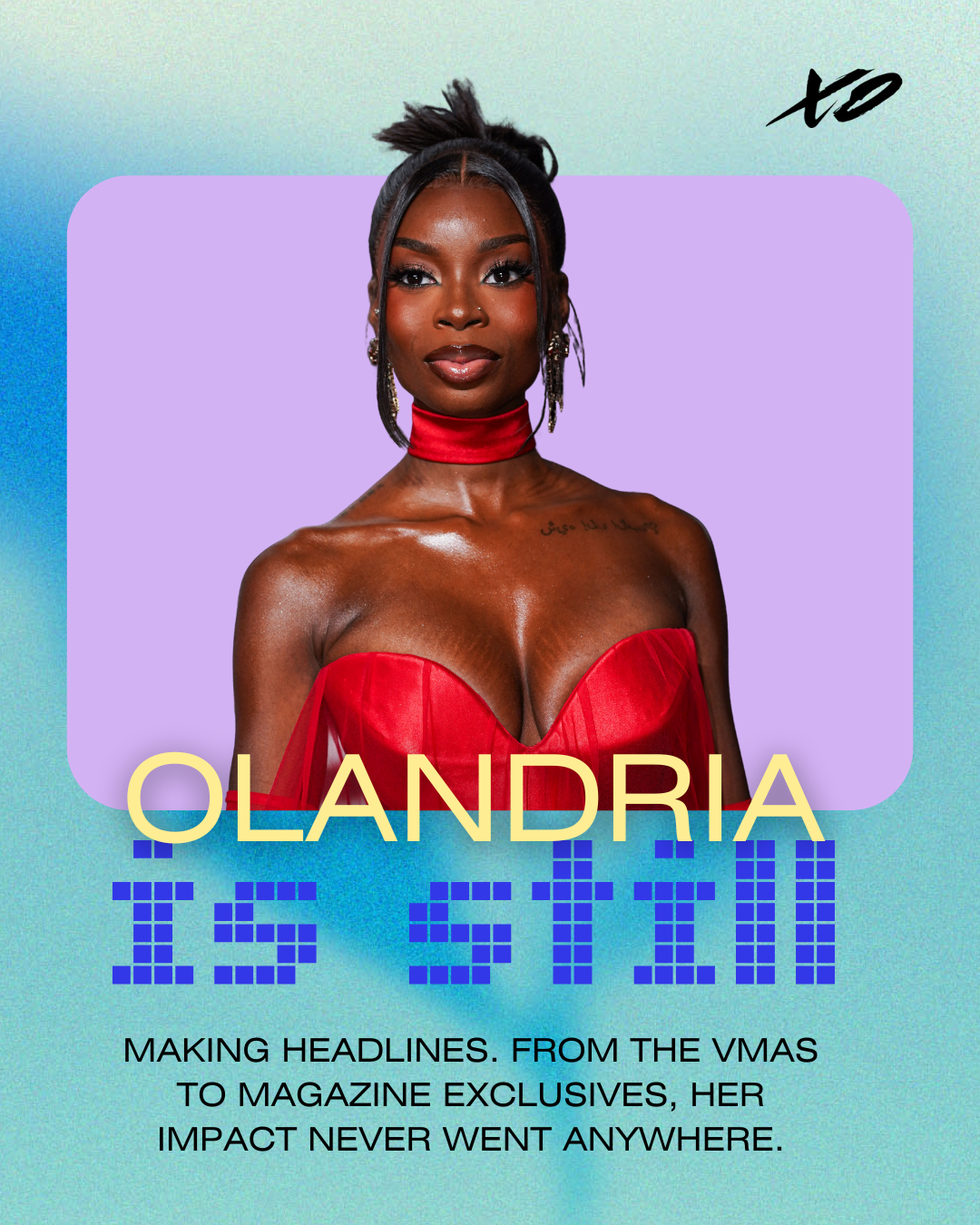
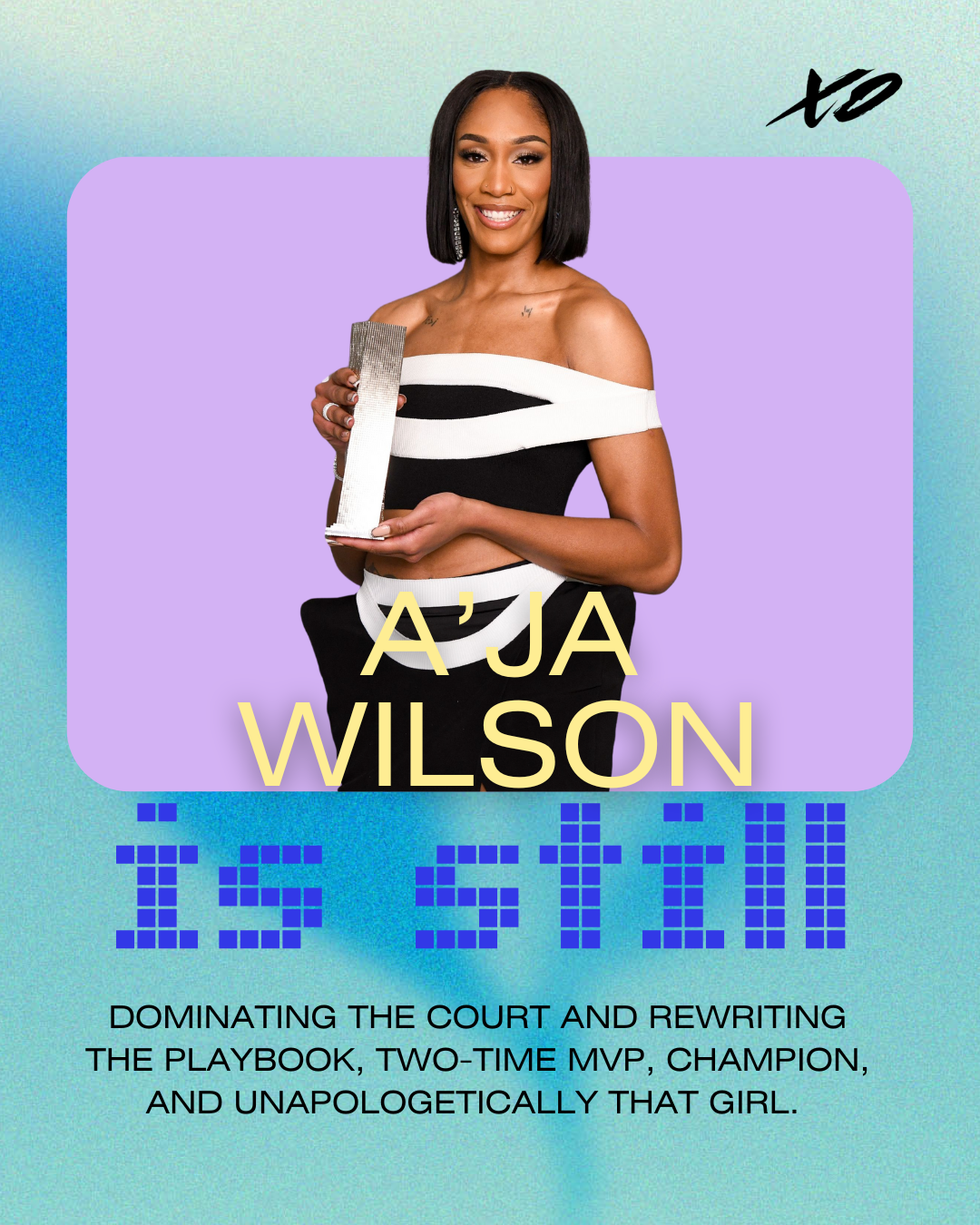
This year alone, Naomi Osaka returned from motherhood and mental health challenges to reach the semifinals of the US Open. A’ja Wilson claimed another MVP, reminding us that beauty and dominance can coexist. Brandy and Monica are snatching our edges on tour. Kahlana Barfield Brown sold out her new line in the face of a retailer that had been canceled. And Melissa Butler’s company, The Lip Bar, is projecting a forty percent surge in sales.
We are no longer defining strength by how much pain we can endure. We are defining it by the unbreakable light we continue to radiate.
We are the women walking our daily steps and also continuing to run solid businesses. We are growing in love, taking solo trips, laughing until it hurts, raising babies and ideas, drinking our green juice, and praying our peace back into existence.
We are rediscovering the joy of rest and realizing that softness is not weakness, it is strategy.
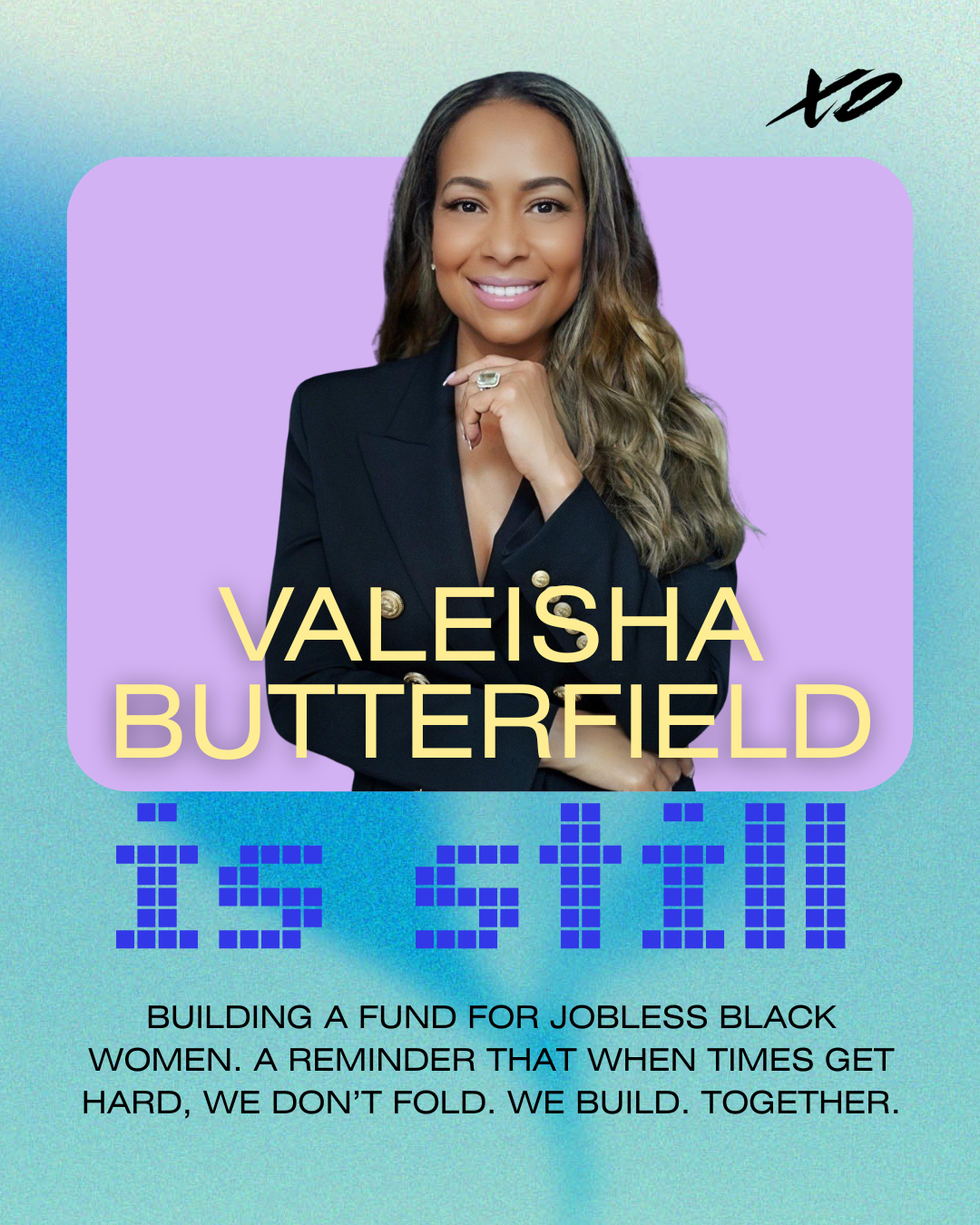
And through it all, we continue to lift one another. Emma Grede is creating seats at the table. Valeisha Butterfield has started a fund for jobless Black women. Arian Simone is leading in media with fearless conviction. We are pouring into each other in ways the world rarely sees but always feels.
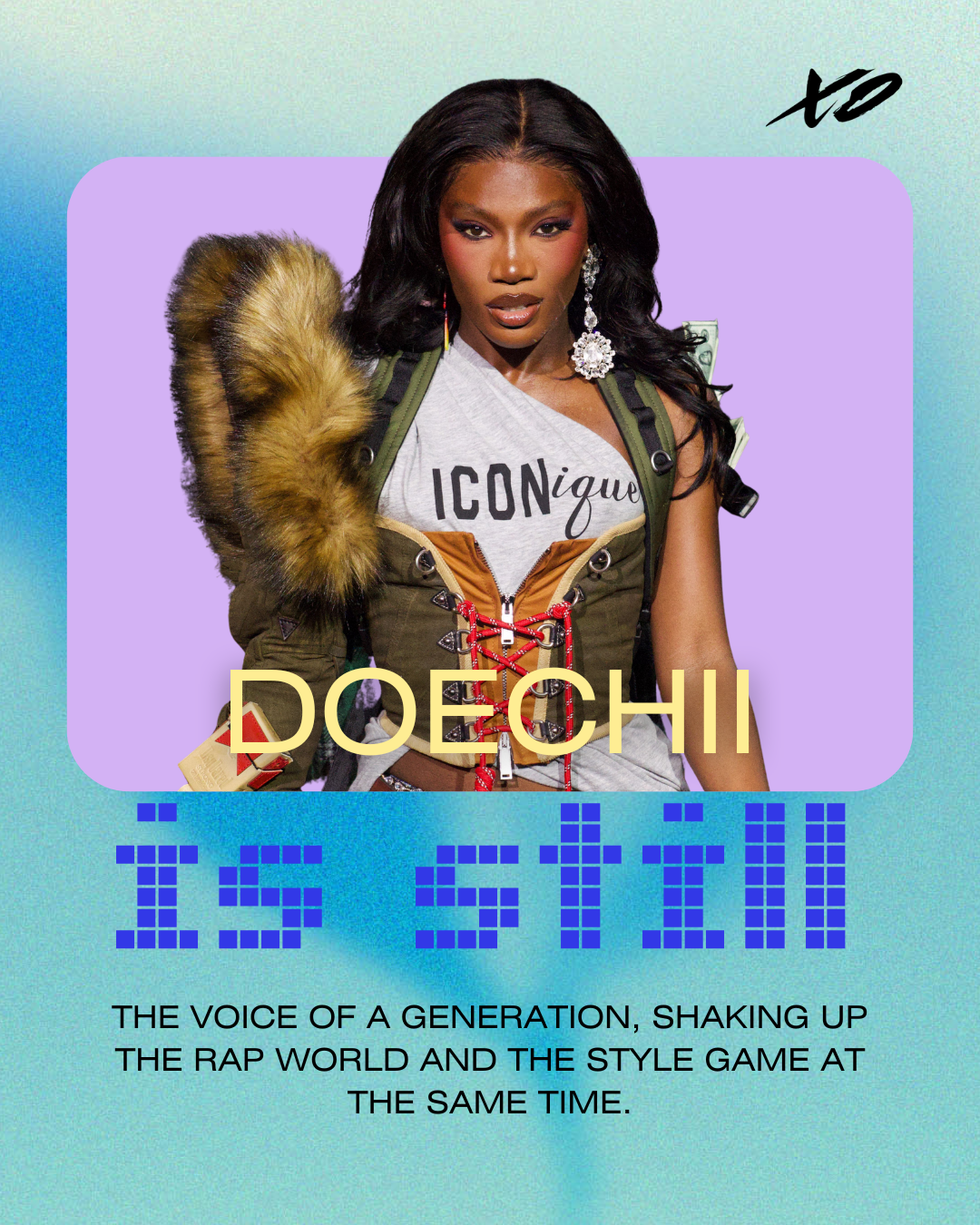
So yes, we are in the midst of societal warfare. Yes, we are being tested. Yes, we are facing economic strain, political targeting, and public scrutiny. But even war cannot dim a light that is divinely ours.
And we are still shining.
And we are still softening.
And we are still creating.
And we are still It.
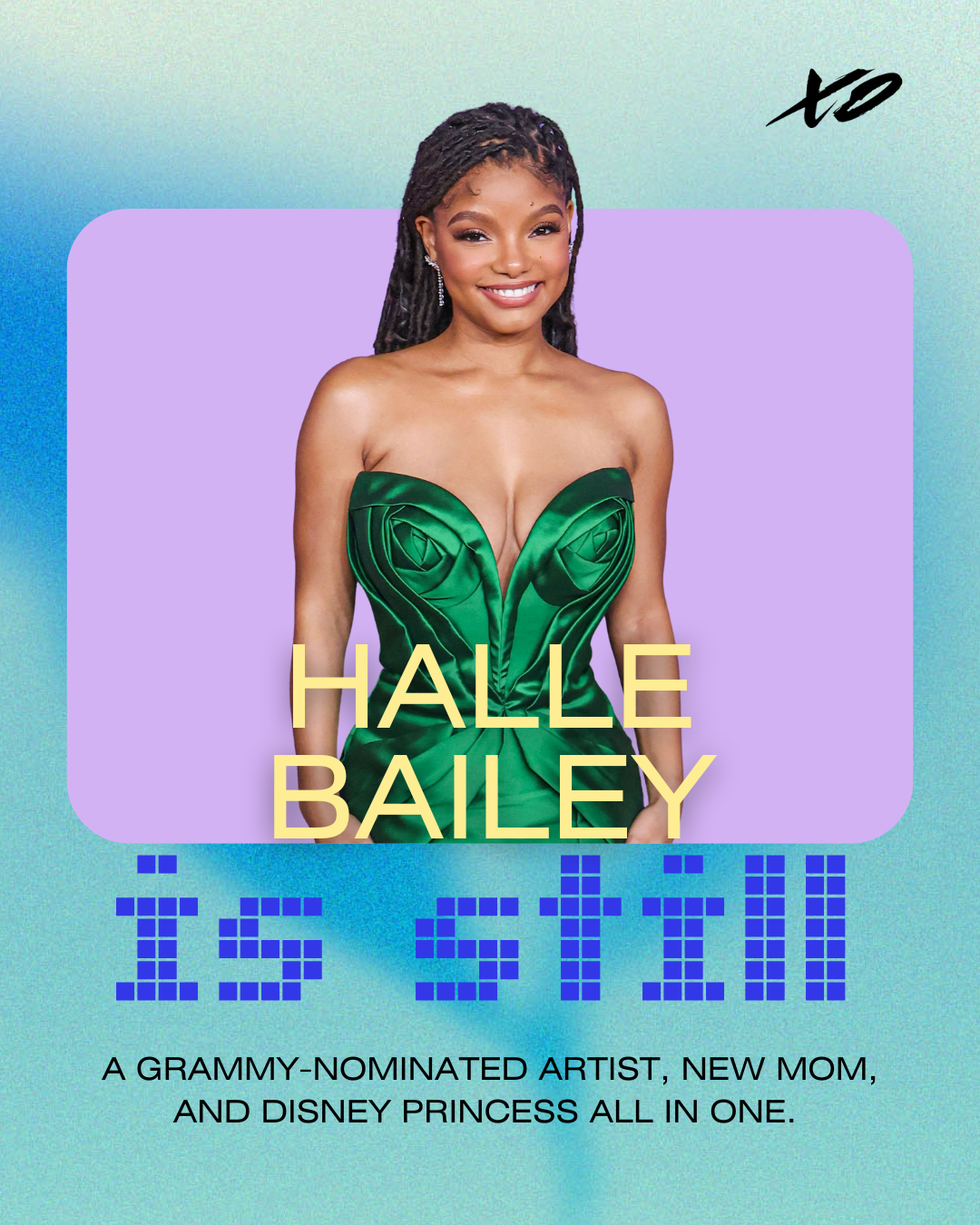
That is the quiet magic of Black womanhood, our ability to hold both truth and triumph in the same breath, to say yes, and to life’s contradictions.
It is no coincidence that this year, as SheaMoisture embraces the message “Yes, And,” they stand beside us as partners in celebrating this class of It Girls. Because that phrase, those two simple words, capture the very essence of this moment.
Yes, we are tired. And we are still rising.
Yes, we are questioned. And we are the answer.
Yes, we are bruised. And we are still beautiful.
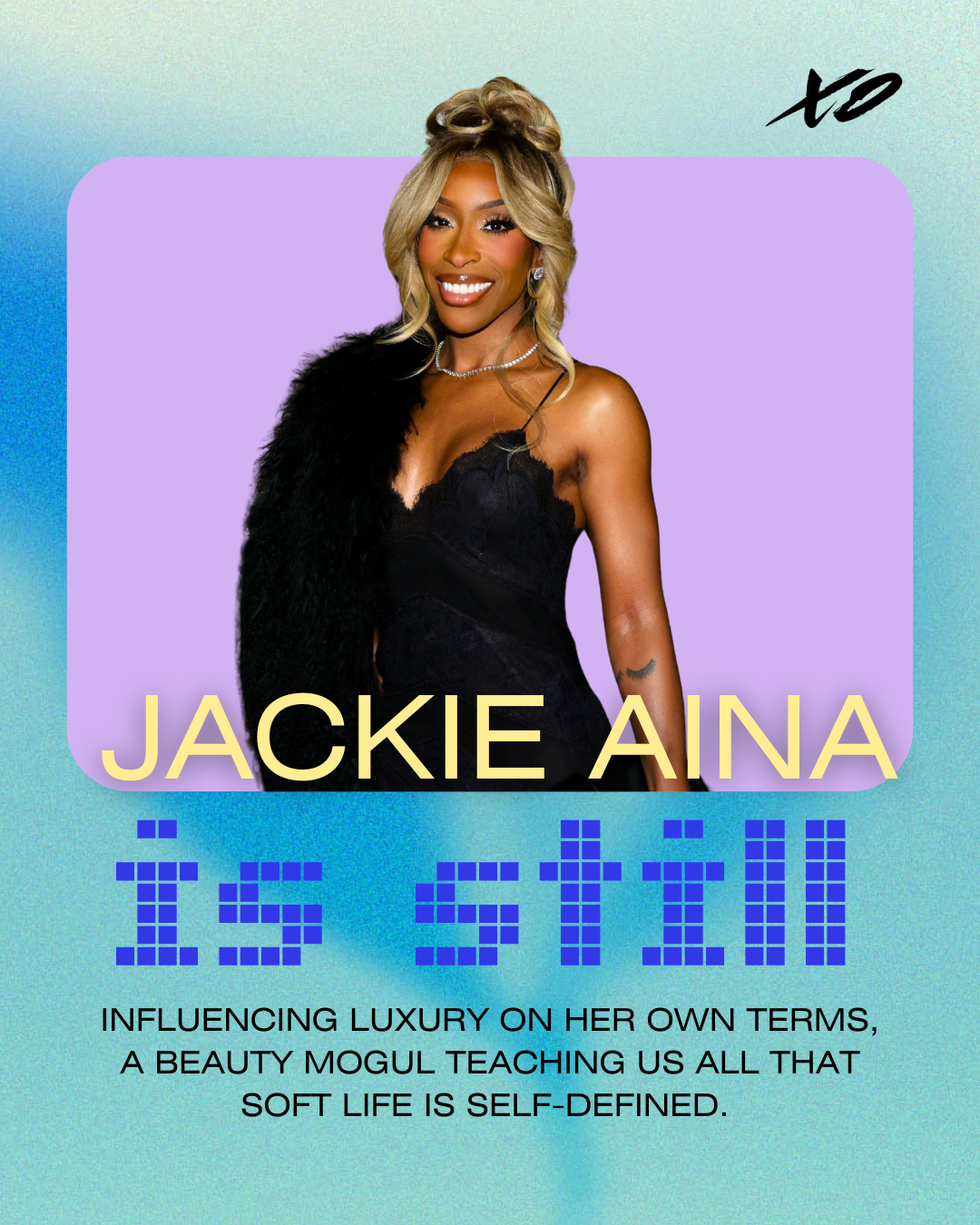
This year’s It Girl 100 is more than a list. It is a love letter to every Black woman who dares to live out loud in a world that would rather she whisper. This year’s class is living proof of “Yes, And,” women who are finding ways to thrive and to heal, to build and to rest, to lead and to love, all at once.
It is proof that our joy is not naive, our success not accidental. It is the reminder that our light has never needed permission.
So without further ado, we celebrate the It Girl 100 Class of 2025–2026.
We celebrate the millions of us who keep doing it with grace, grit, and glory.
Because despite it all, we still shine.
Because we are still her.
Because we are still IT, girl.
Meet all 100 women shaping culture in the It Girl 100 Class of 2025. View the complete list of honorees here.
Featured image by xoStaff

So, we handpicked one hundred It Girls who embody that palpable It Factor moving through us as young Black women, the kind of motion lighting up the world both IRL and across the internet.
It Girl 100 became xoNecole’s most successful program, with the hashtag organically reaching more than forty million impressions on Instagram in just twenty-four hours. Yes, it caught on like wildfire because we celebrated some of the most brilliant and influential GenZennial women of color setting trends and shaping culture. But more than that, it resonated because the women we celebrated felt seen.
Many were already known in their industries for keeping this generation fly and lit, but rarely received recognition or flowers. It Girl 100 became a safe space to be uplifted, and for us as Black women to bask in what felt like an era of our brilliance, beauty, and boundless influence on full display.
And then, almost overnight, it was as if the rug was pulled from under us as Black women, as the It Girls of the world.
Our much-needed, much-deserved season of ease and soft living quickly metamorphosed into a time of self-preservation and survival. Our motion and economic progression seemed strategically slowed, our light under siege.
The air feels heavier now. The headlines colder. Our Black girl magic is being picked apart and politicized for simply existing.
With that climate shift, as we prepare to launch our second annual It Girl 100 honoree list, our team has had to dig deep on the purpose and intention behind this year’s list. Knowing the spirit of It Girl 100 is about motion, sauce, strides, and progression, how do we celebrate amid uncertainty and collective grief when the juice feels like it is being squeezed out of us?
As we wrestled with that question, we were reminded that this tension isn’t new. Black women have always had to find joy in the midst of struggle, to create light even in the darkest corners. We have carried the weight of scrutiny for generations, expected to be strong, to serve, to smile through the sting. But this moment feels different. It feels deeply personal.
We are living at the intersection of liberation and backlash. We are learning to take off our capes, to say no when we are tired, to embrace softness without apology.
And somehow, the world has found new ways to punish us for it.
In lifestyle, women like Kayla Nicole and Ayesha Curry have been ridiculed for daring to choose themselves. Tracee Ellis Ross was labeled bitter for speaking her truth about love. Meghan Markle, still, cannot breathe without critique.
In politics, Kamala Harris, Letitia James, and Jasmine Crockett are dragged through the mud for standing tall in rooms not built for them.
In sports, Angel Reese, Coco Gauff, and Taylor Townsend have been reminded that even excellence will not shield you from racism or judgment.
In business, visionaries like Diarrha N’Diaye-Mbaye and Melissa Butler are fighting to keep their dreams alive in an economy that too often forgets us first.
Even our icons, Beyoncé, Serena, and SZA, have faced criticism simply for evolving beyond the boxes society tried to keep them in.
From everyday women to cultural phenoms, the pattern is the same. Our light is being tested.
And yet, somehow, through it all, we are still showing up as that girl, and that deserves to be celebrated.
Because while the world debates our worth, we keep raising our value. And that proof is all around us.
This year alone, Naomi Osaka returned from motherhood and mental health challenges to reach the semifinals of the US Open. A’ja Wilson claimed another MVP, reminding us that beauty and dominance can coexist. Brandy and Monica are snatching our edges on tour. Kahlana Barfield Brown sold out her new line in the face of a retailer that had been canceled. And Melissa Butler’s company, The Lip Bar, is projecting a forty percent surge in sales.
We are no longer defining strength by how much pain we can endure. We are defining it by the unbreakable light we continue to radiate.
We are the women walking our daily steps and also continuing to run solid businesses. We are growing in love, taking solo trips, laughing until it hurts, raising babies and ideas, drinking our green juice, and praying our peace back into existence.
We are rediscovering the joy of rest and realizing that softness is not weakness, it is strategy.
And through it all, we continue to lift one another. Emma Grede is creating seats at the table. Valeisha Butterfield has started a fund for jobless Black women. Arian Simone is leading in media with fearless conviction. We are pouring into each other in ways the world rarely sees but always feels.
So yes, we are in the midst of societal warfare. Yes, we are being tested. Yes, we are facing economic strain, political targeting, and public scrutiny. But even war cannot dim a light that is divinely ours.
And we are still shining.
And we are still softening.
And we are still creating.
And we are still It.
That is the quiet magic of Black womanhood, our ability to hold both truth and triumph in the same breath, to say yes, and to life’s contradictions.
It is no coincidence that this year, as SheaMoisture embraces the message “Yes, And,” they stand beside us as partners in celebrating this class of It Girls. Because that phrase, those two simple words, capture the very essence of this moment.
Yes, we are tired. And we are still rising.
Yes, we are questioned. And we are the answer.
Yes, we are bruised. And we are still beautiful.
This year’s It Girl 100 is more than a list. It is a love letter to every Black woman who dares to live out loud in a world that would rather she whisper. This year’s class is living proof of “Yes, And,” women who are finding ways to thrive and to heal, to build and to rest, to lead and to love, all at once.
It is proof that our joy is not naive, our success not accidental. It is the reminder that our light has never needed permission.
So without further ado, we celebrate the It Girl 100 Class of 2025–2026.
We celebrate the millions of us who keep doing it with grace, grit, and glory.
Because despite it all, we still shine.
Because we are still her.
Because we are still IT, girl.
Meet all 100 women shaping culture in the It Girl 100 Class of 2025. View the complete list of honorees here.
Featured image by xoStaff