

For most of my adult life, I have been a fan of Ayurveda. The main reason why I appreciate it so much is because it’s an Indian-based holistic approach to medicine that focuses on the fact that keeping one’s system in balance is the key to optimal health and overall well-being. In fact, the word “Ayurveda” actually means “the science [or knowledge] of life” in Sanskrit.
Because Ayurveda is big on properly harnessing and utilizing one’s energy as well, it’s important to know that it’s a science that focuses on three main energy principles: Kapha which all about your body’s bones, muscles and tendons; Pitta (it incorporates fire and water) which is all about your metabolic system, and Vata (it centers around space and air) which is all about better understanding how your energy associates with your movements.
As life would have it, fall is the time of year when Vata kicks up into high gear. And so, in the spirit and goodness of Ayurveda, I thought it would be — pardon the weather pun — cool to share with you 10 things surrounding the practice that can help you to feel especially awesome this entire fall (and winter) season.
1. Dress for the Season. NOT the Weather.

Unsplash
I don’t know about y’all, but something that one of my great-grandmothers used to say all of the time is “Dress for the season, not the weather;” this meant that, even if it’s a 70-degree day in October, I don’t need to act like it’s spring…because it’s not. She was Black; however, this is a pearl of wisdom that Ayurveda believes in too.
In Ayurveda, dressing in layers is a big deal — so is being intentional about covering up your head, neck and ears because, when cold weather or infections irritate these areas, that can directly impact your Vata in a negative way. So, if you need an excuse to get more hats and scarves this year — now you’ve got a really good one.
2. Focus on Your Ears
Speaking of your ears, because they are considered to be the gateway to your mind, Ayurveda encourages people to be hypervigilant about protecting them. Wearing ear plugs (to decrease loud noises); NOT using Q-tips (they can push wax further into your ear and/or potentially damage your eardrum); keeping your ears clean and dry; reducing stress levels, and exercising (so that blood can circulate to your ears in order to keep them healthy) are some of the ways to protect your ears.
Know what else you should consider doing? Massaging your ears. It’s another way to bring blood to them and decrease any anxiety that you might be feeling. You can read more about Ayurvedic ear massages here.
3. Consider Doing a Fall Cleanse
Unsplash
Although doing a detox is a good idea no matter what time of year it may be, Ayurveda is all about cleansing one’s system in the spring and then again in the fall. The belief is that both times of the year are ideal for strengthening your immunity in order to deal with allergies (spring) and peak cold and flu season (fall). If you’re curious about what many fall-themed Ayurvedic cleanses consist of, you can check them out here.
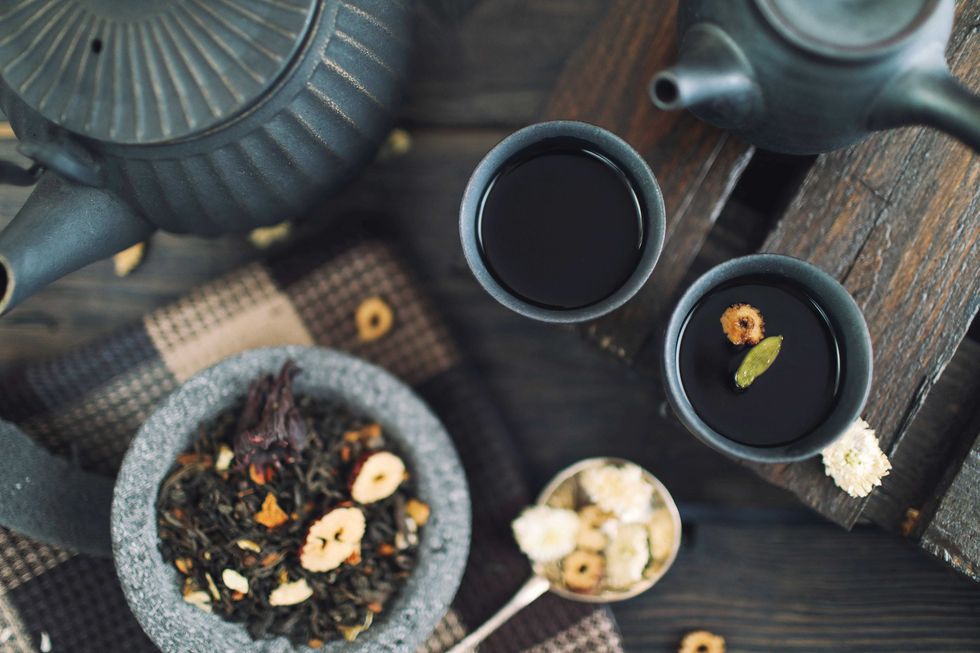
For now, some of the tips include avoiding juice cleanses (the coldness of them in cold weather can affect your circulation), ramping up your herbal tea consumption and cooking with oils that will lubricate your system, add more antioxidants to your body and help to remove toxins like sesame oil.
4. Breathe. A Bit Differently.
Remember how I stated that both Ayurveda and Vata are about energy? Well, in Ayurvedic medicine, there is a breathing practice called nadi shodhana which is also known as alternative nostril breathing. The thought process here is by breathing through one nostril at a time, you can easily remove blockages both literally and symbolically. You can learn more about how to properly do it here.
5. Do (More) Yoga

Unsplash
You might be surprised to hear this but another interesting thing about the Vata season is it’s actually recommended that you scale down (the potential stress and strain of) your exercise routine. Now, this doesn’t mean that you stop altogether — it’s just that since your strength and energy levels tend to be lower during this time of the year, it’s advised to participate in workouts that are sensitive like this — like yoga.
Yoga is something that you can do indoors. Yoga is low impact. Yoga directly addresses stress and depression-related symptoms. Yoga strengthens immunity. Yoga also helps you to feel less burned out — just in time for the holiday season.
6. Consume Herbal Teas That Focus on Proper Digestion
Something that is of peak importance in the practice of Ayurveda is making sure that your digestive system is working properly. And since fall and winter are when the consumption of hot herbal teas is at an all-time high, make sure to get the kind that are specifically made to benefit you as far as your digestion is concerned.
Teas that top the list include dandelion (it helps your body to better process carbs and fats); ginger (it helps with indigestion and bloating); fennel (it helps with constipation); marshmallow root (it helps to reduce gut inflammation), and peppermint (it helps to treat gas).
7. Get (More) Ashwagandha into Your System
Unsplash
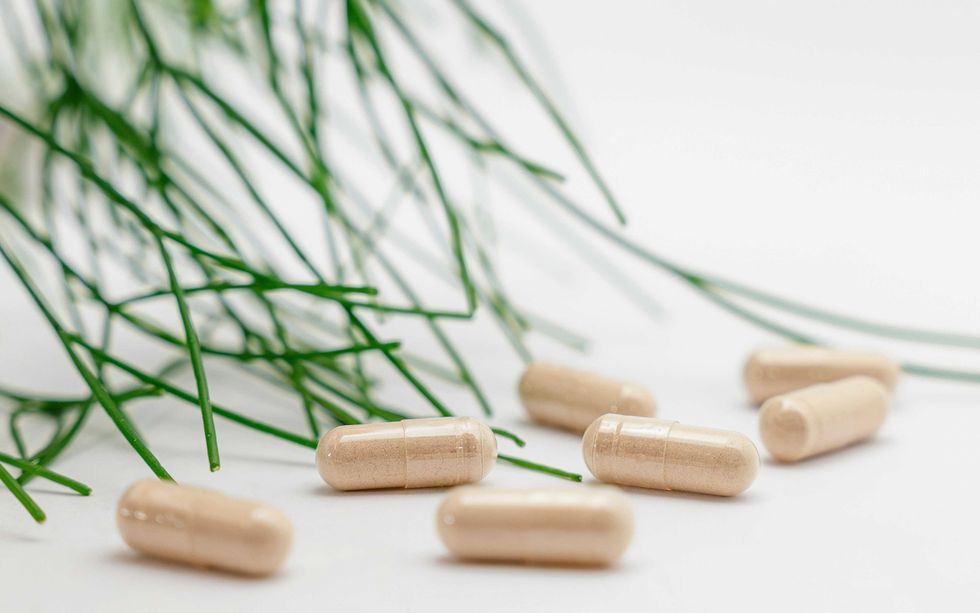
Ashwagandha is an herb that Ayurveda is extremely fond of. It’s with good reason too because this one does everything from decrease stress (and inflammation) and reduce depression-related symptoms to improve your brain function and sleep and improve the quality of sperm in men.
In fact, if you’re looking to spend a bit more time cuddled up this fall and wintertime, ashwagandha has been known to give libidos in both men and women a boost as well. You can take it in tea or supplement form.
8. Massage Your Body (with “Warming” Scents)
Whether it’s your scalp, your hands, your feet — or any other part of your body that tickles your fancy, make a point to massage yourself during the fall and winter seasons. It’s a surefire way to reduce stress; muscle strain; headache tension; make your feet feel more comfortable, and help you to get a sound night’s rest.
Make sure that when you do it that you incorporate a “warm” essential oil like cinnamon, juniper, clove, myrrh and vanilla. All are rich and inviting. All provide a comforting feeling to your mind, body and spirit too. For tips on how to give yourself a proper massage to various parts of your body, click here.
9. Bathe in Sandalwood (or Magnesium Flakes)

Unsplash
In the Ayurvedic world, a bath is known as a snana and it’s all about treating bathing as a ritual so that you can — detoxify your system; reduce fatigue; increase blood circulation; beautify your skin; intensify your sex drive; improve your digestion, and give yourself more energy (which again, is what Vata focuses a lot on). To get the most out of this type of bath, do it in the morning time (yep) and with warm water.
Oh, and try either adding some sandalwood essential oil or magnesium flakes to the water. Sandalwood helps to reduce inflammation and anxiety. Magnesium flakes decrease fatigue while restoring energy levels.
10. Eat More Protein and (Healthy) Fats
And finally, as I was doing research for this article, I found it interesting that many articles say that, during Vata, you should “avoid cold, frozen or raw foods.” What should you consume instead? Warm, comforting dishes — ones that are loaded with protein and healthy fats including meats, eggs, almond and ghee oil, spices and root vegetables (like carrots, potatoes and garlic). Homemade stew, anyone?
___
Remember, at the end of the day, Ayurveda is about finding the healthiest way to live your best life — and here are 10 easy and fulfilling ways to do just that. Happy Fall, y’all!
Let’s make things inbox official! Sign up for the xoNecole newsletter for love, wellness, career, and exclusive content delivered straight to your inbox.
Featured image by LightField Studios/Shutterstock