



RELATED





A big part of the clarity that is coming through this month is due to Neptune going direct in Pisces on December 10, after being retrograde here since July. With Neptune now direct, we are able to see our inspiration and creativity a little more clearly, providing the perfect energy for dreams and manifestation to be built upon. The smoke is clearing, and it’s up to you to decide what you want to do with this newfound clarity that this transit is bringing. Mercury also moves back into Sagittarius on December 11, which is great for communication and clarity, and the adventures you were trying to see through at the beginning of November come around for you again with greater purpose and support.
On December 15, Mars enters Capricorn until the end of January 2026, and this is the extra push we need to make important changes and to be on the path towards greater abundance, stability, and prosperity. Mars in Capricorn takes care of business, and we have extra energy at our disposal during this time to do so. This transit is an ideal time to focus on your career or financial goals for next year and to start putting some of these plans into motion now. A few days later, we have the New Moon of the month, which will be in Sagittarius on December 19, and this is the perfect New Moon to manifest.
The energy is high, magic is in the air, and it’s all about moving forward with the new beginnings that are inspiring you and bringing you joy to think about right now.
Capricorn Season officially begins on December 21, and this earth sign energy is how we heal, gain closure, and build new foundations in our world. With Venus also moving into a Capricorn a few days later, there is something about peace, prosperity, and security that we are gaining in life and in love as we close out the year, and this is what we need right now. This month is about reflecting on what was, letting go of old hurt, and renewing. December is an ending and a new beginning in one, and there is magic in this space to be created.
Read for your sun and rising sign below to see what December 2025 has in store for you.
 AriesKyra Jay for xoNecole
ARIES
December is a full-circle moment for you, Aries. You are seeing the gifts in your world and have a lot of gratitude for the way things have come about for you as of late. There are culminations in your world that are providing you with more abundance, stability, and community, and you are exactly where you are meant to be this month. With the Sun in a fellow fire sign and in your 9th house of travel for most of the month, December is a good time to get out of your comfort zone, explore the world around you, and get your body moving.
Mars, your ruling planet, also makes a change and moves into Capricorn on December 15, which will fuel your inspiration and power in your career space. You are making a lot of professional progress as we close out the year; however, make sure to be more mindful of your competitive drive right now. The New Moon on December 19 is the perfect opportunity for you to create some new plans and goals when it comes to traveling, education, and where you want to gain some new inspiration in your world. Overall, this is a month of things coming together for you serendipitously.
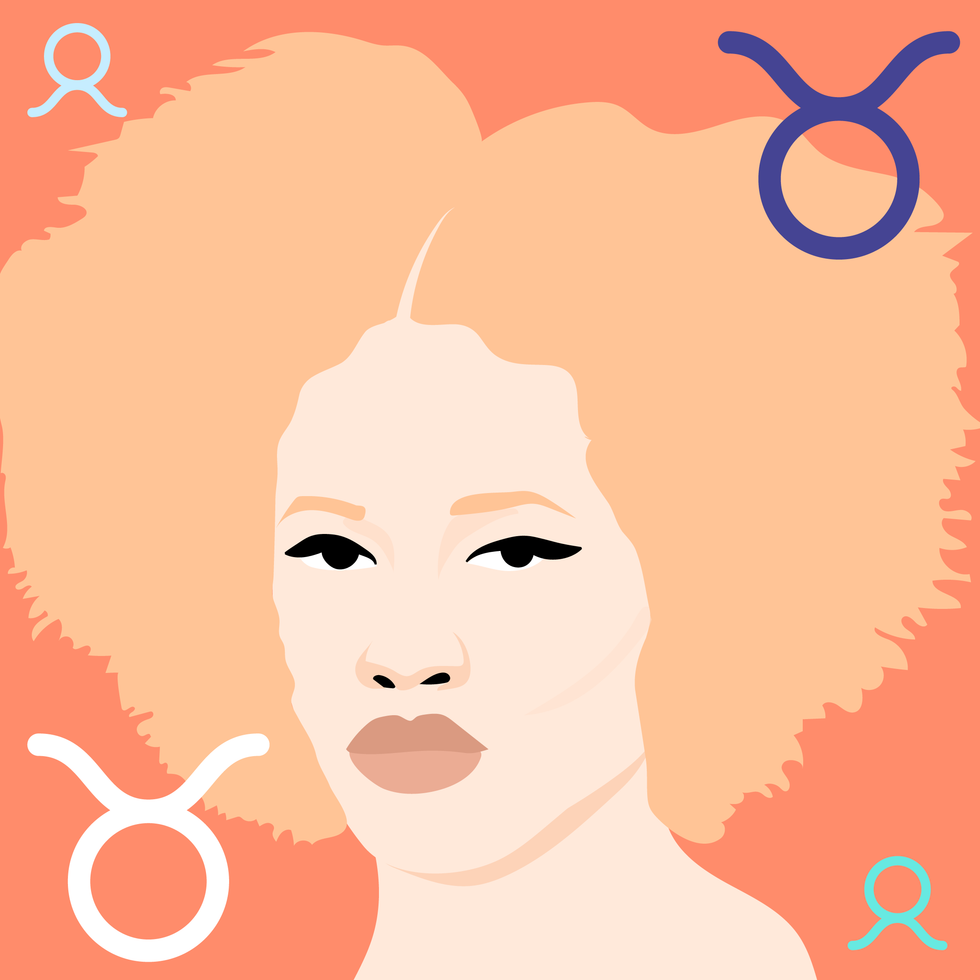 TaurusKyra Jay for xoNecole
TAURUS
December is about trusting your intuition, Taurus. You have a lot on your mind this month, and it’s best to delegate, communicate, and allow yourself some relief by opening up to someone and not feeling like you have to hold everything in. As we begin the month, we have a Supermoon in Gemini happening in your house of income, and the plans and projects you have been building here come to fruition for you now. This is the time to gain clarity on your financial world and to take a look at what spending habits you want to let go of here as well.
With Venus in your 8th house of shared resources for most of the month, you are doing a cleanse on your commitments, partnerships, and business ventures. You are taking a look at what you want to dedicate yourself to in the future, and what commitments you may need to let go of now in order to be in the space you truly want to be, both financially and within some of your relationship dynamics. Before we end the month, we have a New Moon in this same area of your chart, and it’s time to look at the opportunities that are presenting themselves and to trust your internal guidance system to lead you forward.
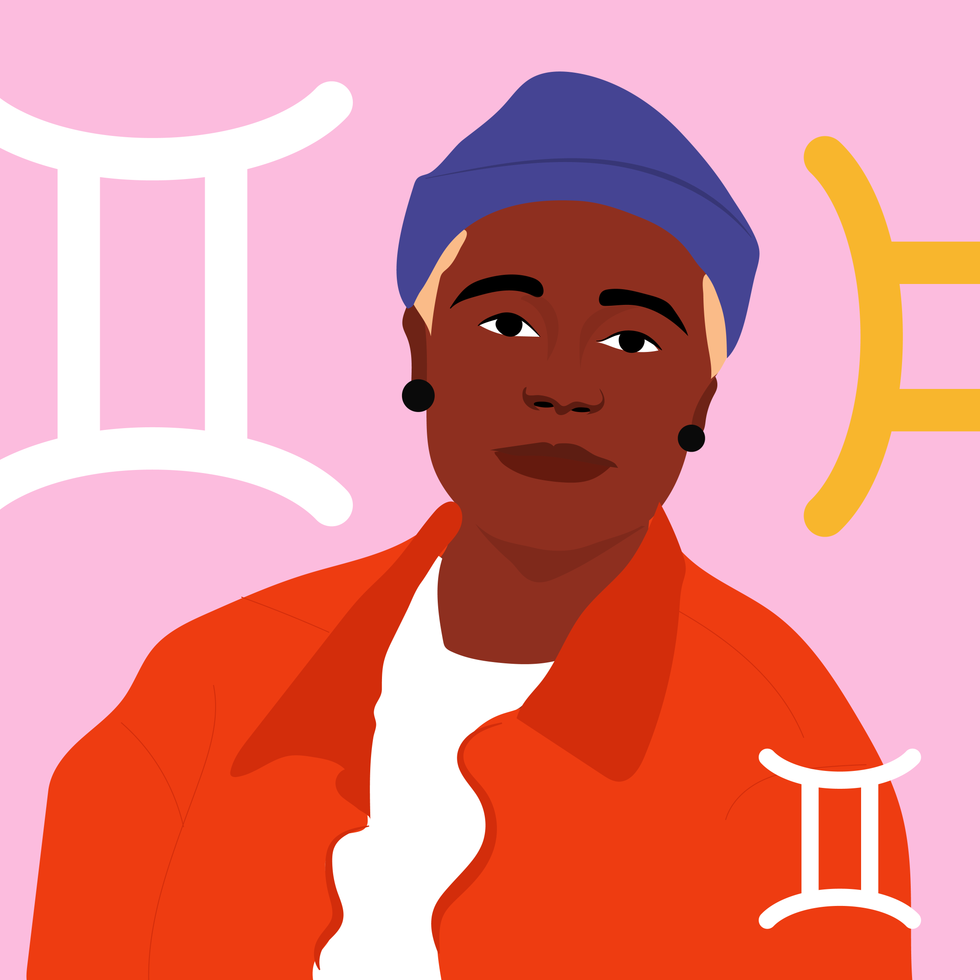 GeminiKyra Jay for xoNecole
GEMINI
You are moving forward fearlessly this month, Gemini. December is your month of love, passion, and dignity, and you are owning the light that you shine. We begin the month with the last Supermoon of the year, happening in your sign, and you are stepping up to the plate. You are showing up, owning how much you have grown this year, and allowing yourself to heal while also acknowledging that you have done your best and you deserve to have fun in the midst of the changes you are creating.
Mercury, your ruling planet, is officially out of retrograde, and you can use this energy to the fullest potential now. With Mercury in your 7th house of love, it’s time to speak from the heart and to talk about the things that matter and that are inspiring you right now to your loved ones. You never know what kind of epiphanies you may have when you open up the conversation to others. Before the month ends, you have a New Moon in this same love area of your chart, and this New Moon is all about manifesting romance, commitment, and abundance in your world.
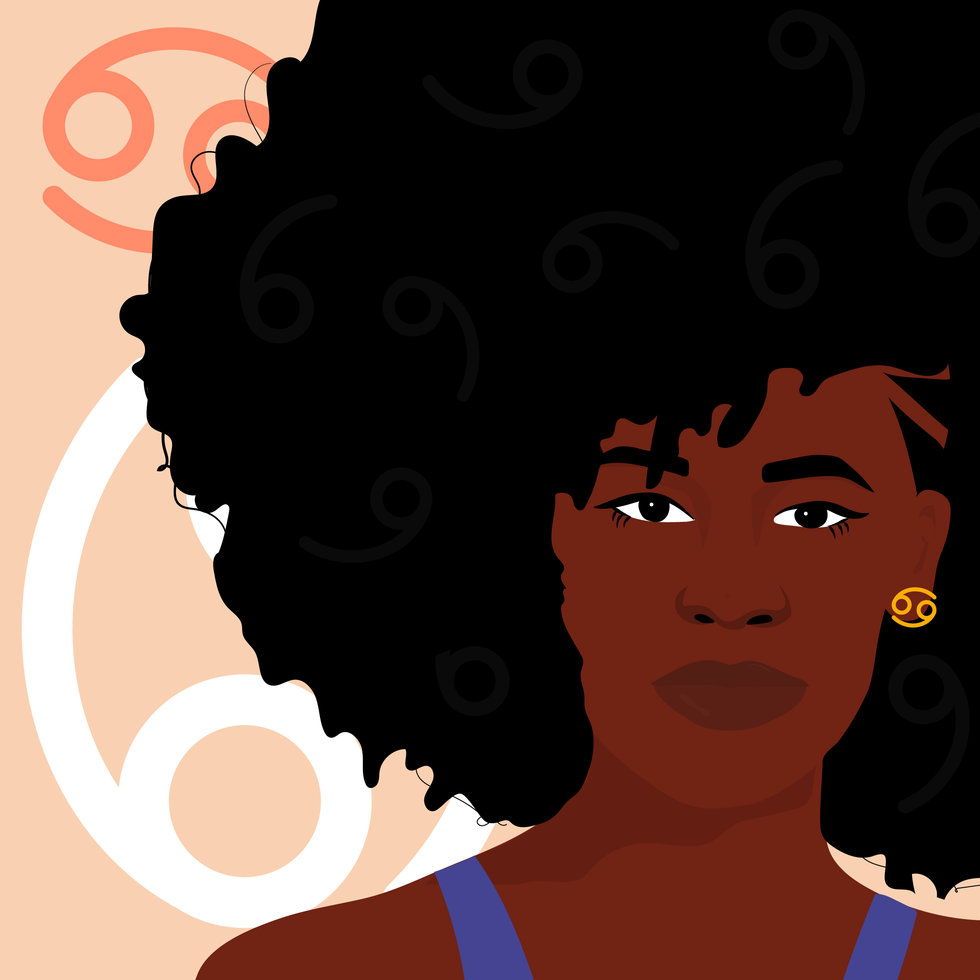 CancerKyra Jay for xoNecole
CANCER
December is an opening for more love, more joy, and more freedom in your life, Cancer. You have come to a place where you hold so much gratitude in your heart for where you are today and where your heart is shining, and things come together for you with more ease right now. With the Sun in your 6th house of health, work, and daily routines for most of the month, you are getting your ducks in a row while also putting more energy and effort into taking care of yourself, your priorities, and your well-being. This month surprises you in many ways, and it’s because you are showing up.
Mars and Venus both move into your house of love, relationships, marriage, and abundance this month, and you are making strides in your love life. You have both of these opposing forces on your side and are being recognized for the love you are while also receiving the love you want. This month, overall, is about focusing more on the positives in your world and letting your heart have its joy. Before December comes to an end, there is a New Moon in Sagittarius, and this is the perfect opportunity to create the plans you want to see through next year, especially when it comes to your work life, colleagues, business ventures, and health.
 LeoKyra Jay for xoNecole
LEO
The scales of karma are balancing, and they are balancing in your favor this month, Leo. December is your month of truth, and of seeing it clearly in your world. The Sun is in your house of romance, pleasure, and happiness for most of the month, and it’s time to relax, be in the present moment, and allow what is meant to be, to be. With a Supermoon in your 11th house of manifestation as December begins, this is a powerful month for seeing your dreams come to fruition, and for feeling like the intentions you have set this year are finally here for you now.
Mars also moves into your 6th house mid-month, and this is the perfect energy to have to move into the new year. You have extra energy at your disposal right now and are feeling fearless with what is possible for you and your daily routine. Before the month ends, we also have a New Moon in a fellow fire sign, Sagittarius, and this is a breakthrough moment for you and your heart. December, overall, wants to show you how loved and supported you are and will be doing so in magical, unexpected, and concrete ways.
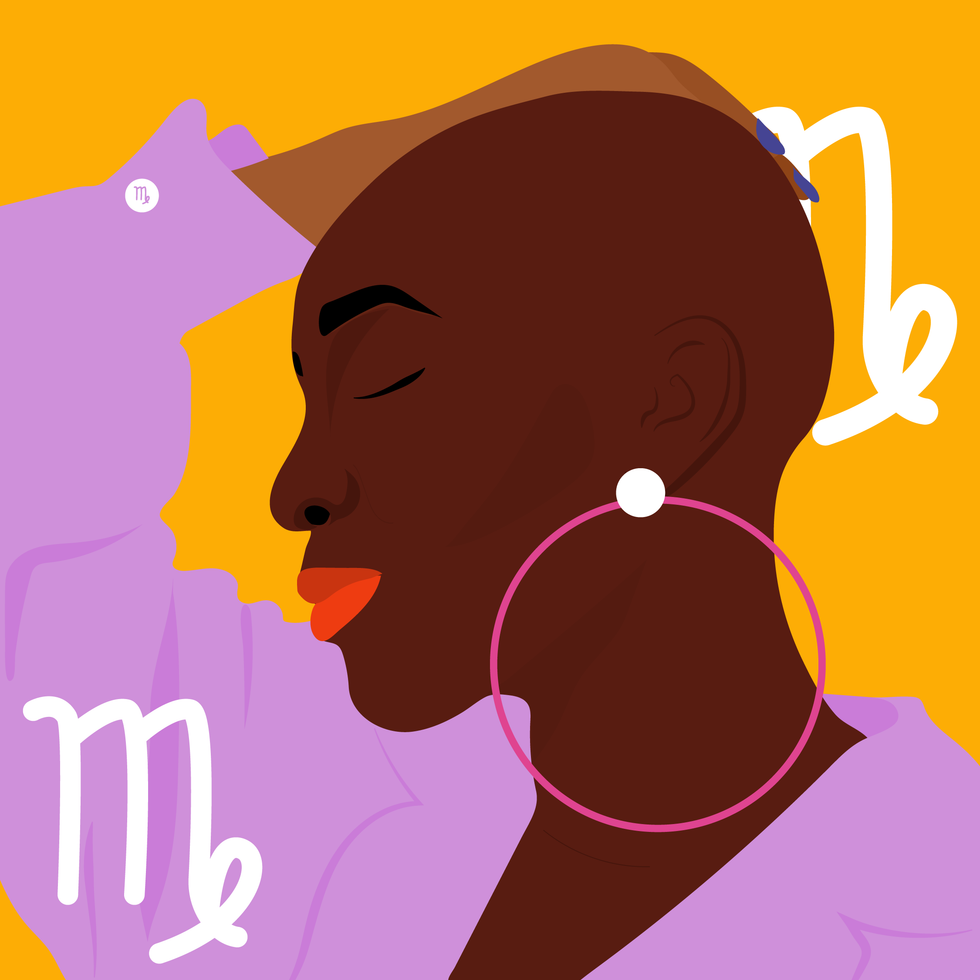 VirgoKyra Jay for xoNecole
VIRGO
December is a month of victory, Virgo. You are showing up and experiencing some new successes in your world that move you forward on your path in life. With a Supermoon in your 10th house of career as we begin the month, the effort and intentions you have made this year come into full bloom, and you are being recognized for who you are and the good work you have done. This month is all about showing up and allowing yourself to be seen and loved, knowing that you deserve the support and opportunities you are receiving.
Mars moves into Capricorn on December 15, which brings the passion and excitement into your love life, hobbies, and little pleasures in life that light you up. You want to have fun this month and are going to be walking into the new year with this fearless, happy, and spontaneous energy within you. Before the month ends, Venus also enters Capricorn, and in this same area of your chart, you have a lot to look forward to and believe in right now. Overall, December wants you to be happy and will be doing everything possible to make that happen for you. This is your month to shine, Virgo.
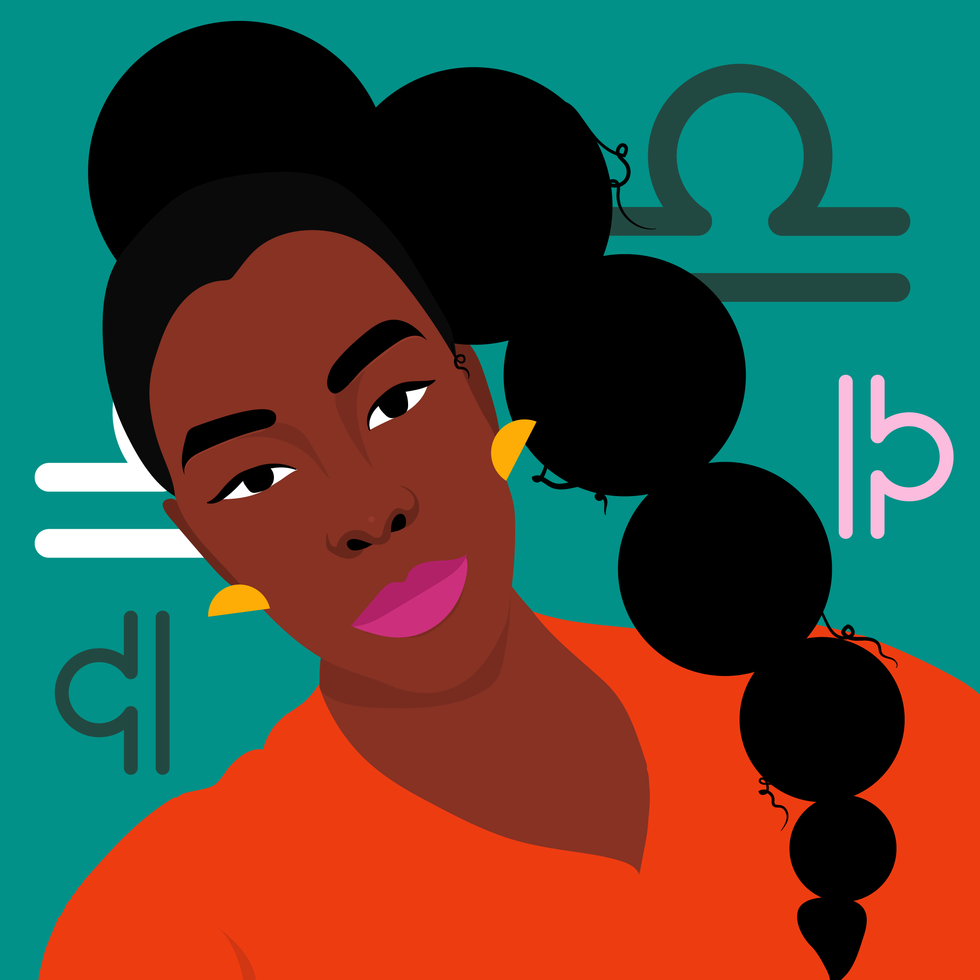 LibraKyra Jay for xoNecole
LIBRA
December is a month of opportunity for you, Libra. New doors open, and you are financially making breakthroughs this month because of it. December begins with a Supermoon in your 9th house, and you are getting a clearer view of where you have been making strides in your life and how it has all brought you here to this present moment of freedom. This month is showing you what happens when you are fearless with your purpose and when you believe in yourself and what you are worthy of.
Moving further into December, Mars moves into your 4th house of home and family mid-month, and you are closing out the year in your safe spaces. You are spending more time with your loved ones and taking the time to quiet your mind and listen to what your heart has been telling you. Before the month ends, we have a New Moon in Sagittarius, happening in an area of your life that deals with communication. This is a great time for getting the answers you have been looking for and for feeling more clear-headed and confident about the decisions you are making as you move into the new year.
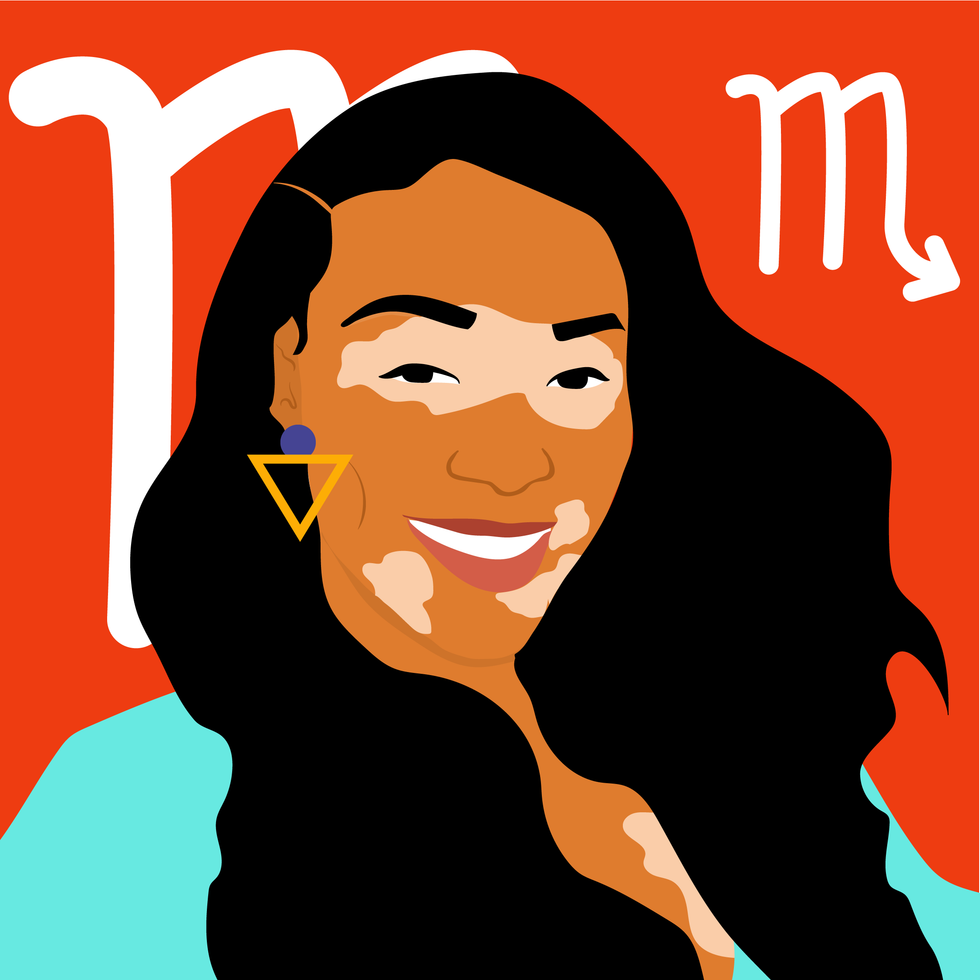 ScorpioKyra Jay for xoNecole
SCORPIO
Patience is a virtue this month, Scorpio. December is all about remaining patient and vigilant with what you are creating in your world, and knowing that the universe has your back. It’s time to be reminded of the power of hope, and this month is an opening to greater clarity in your life. There is a lot of energy in your financial zones right now, and this is providing you with new opportunities and new insight; however, the speed at which things come about for you may feel daunting. Keep your head up and eyes focused on what you want and know that you are more than worthy of receiving it.
With Mercury in your 2nd house of income this month, December is a good time to plant new seeds and to think about where you want to be financially a month from now or even a year. This month is asking you to think bigger and to think more long-term so that you can set the appropriate plans into motion now. We also have a New Moon in your house of income before the month ends, and this is when you will see more of your dreams come to fruition in this area of your life, and have more opportunities to build. Overall, December will be teaching you a lot, Scorpio.
 SagittariusKyra Jay for xoNecole
SAGITTARIUS
Sagittarius Season is here, and there is a lot in store for you this month, Sag. December is all about what you are dedicating yourself to. It’s about setting your intentions and putting the work in to back up your dreams, and about getting things in order so that when the new beginnings come, you are ready for them. The Sun and Venus are in your sign for most of this month, and there are a lot of eyes on you right now. You have the potential to create a new beginning for yourself, and it’s time to invest in yourself, your love life, and your dreams.
Mercury moves into Sagittarius on December 11, and this is giving you another opportunity to see through some of the plans that you had initiated in November. Mercury was retrograde in your sign last month, and there may have been some disruptions to your vision and plans for the future, and now this energy is turning around for you. Before the month ends, we also have a New Moon in Sagittarius, and you are walking through new doors fearlessly. You are catching others by surprise by your growth this month, and you are thinking a lot about your purpose, future, and plans for the new year.
 CapricornKyra Jay for xoNecole
CAPRICORN
December is all about the vision, Capricorn. You are moving through a lot of changes and transformations this month, yet they are giving you a chance at a new beginning in the process. You are focused more on the future and what goals you want to manifest for yourself right now, and are ready to let go of what hasn’t been working for you. With the Sun in your 12th house of closure for most of December, this is your time for healing, but remember, healing doesn’t have to be isolating or boring; you can thrive while you renew, and you are this month.
Mid-month, the excitement picks up for you, and you are feeling more energized than you have in a while. Mars moves into Capricorn until the end of January 2026, and you are being proactive with your goals, intentions, and passions. You are a force to be reckoned with this month, and you are making things happen for yourself with confidence. Capricorn Season officially begins on December 21 this year, and this is definitely speeding up your healing process. You are breaking free from what was, and with Venus also moving into Capricorn before the month ends, you are leaving this year in high spirits and with love opening a new door for you.
 AquariusKyra Jay for xoNecole
AQUARIUS
December is all about community, creativity, and manifestation, Aquarius. This is the month to work together with others to help bring your dreams to life. You are in a space of inspiration, empowerment, and beauty, and are creating more of this energy around you and in your world. Look out for what support comes your way this month and know that you don’t have to do everything alone to succeed. With the Sun in your 11th house of manifestation and friendship, your intentions are coming to fruition, and it’s time to celebrate with the people you love and to own how far you have come this year.
On December 19, we have a New Moon in Sagittarius, lighting up your life in all of the best ways possible. This is your New Moon of freedom, victory, and magic, and you are seeing new beginnings appear that you were once just hoping for. Before the month comes to an end, Venus moves into your 12th house of closure, and after an active and successful month, you are ready to relax, heal, and give your heart some of the attention it has been asking for. You are moving into the new year with the need to release and renew what hasn’t been working in your relationships, and you are finally ready to.
 PiscesKyra Jay for xoNecole
PISCES
December is a big month for you, Pisces. You are making some huge accomplishments this month, and are feeling like everything you have been through this year has been worth it for these moments that are coming to fruition for you now. The Sun is in your 10th house of career and reputation for most of the month, and this is where a lot of your focus is right now. You are claiming your successes and putting yourself out there in ways that not only serve you, but that inspire others as well.
Neptune officially goes direct on December 10, after being retrograde in your sign since July, and you are finally seeing things a little more clearly. You are feeling renewed inspiration and passion in your life, and your intuition is your strongest asset right now. Before December comes to an end, we also have a New Moon in your 10th house of career, and what happens now not only changes things for you in the present, but it also opens new doors and what is possible for you in the new year as well. Overall, you are on top of your game this month and are owning the joy and empowerment you feel.
Featured image by Kyra Jay for xoNecole

1. Turn the Temperatures Down
Unsplash
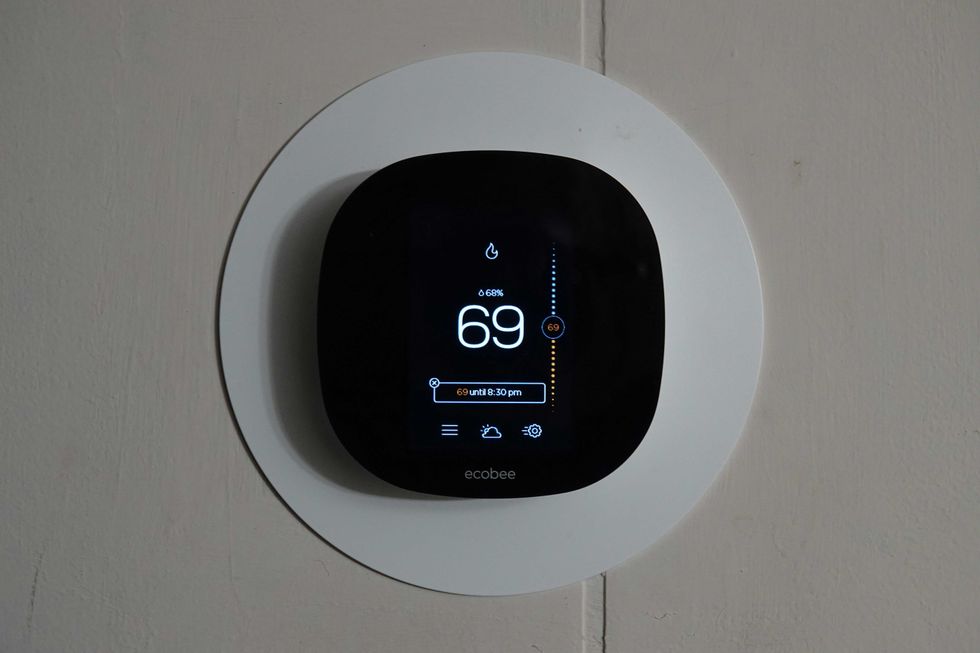
There is nothing like coming in from the bitter cold and feeling the heat from your HVAC unit. Problem is, since the air draws moisture out while constantly circulating warm-to-hot air in the process, that can totally dehydrate your skin — and dry skin tends to feel rough, flaky and tight.
One way to combat this is to keep your thermostat(s) set to somewhere around 68 degrees; not only is that good for maintaining some level of moisture in the air, your electricity bills will remain bearable that way as well.
2. Eat/Drink Less of What Dehydrates You

Unsplash
Did you know that there are certain foods that, one way or another, will play a role in dehydrating you? Sugary foods will cause you to release more fluids through your system. Salty foods can absorb hydration in your body. Alcohol and caffeine are considered to be diuretics which means that they take more fluids from you than they actually provide.
And something else that can take more water from you than it should? Believe it or not, protein. Although it does come with its benefits, because it can put a bit of strain on your kidneys, you may need to drink more water, just so that you can get rid of toxins easier.
Meanwhile, foods that will hydrate you are fresh fruits and veggies. Ones that are in this season include apples, grapes, collard greens, celery, pears, cabbage and winter squash.
3. Go with Unscented Body Washes

Unsplash
Some of you may not like this one; however, if you read it all the way through, I have an alternative that may just put a smile on your face. Okay, so your scented body washes — yeah, if you want healthy and supple skin, you should scale back on those bad boys. The reason why is because many of them contain sulfates and artificial fragrances that are harsh on your skin and can end up drying it out.
The alternative? Use unscented ones and then add an essential oil scent to it. For the record, ones that actually help to soften your skin include lavender, sandalwood, chamomile, frankincense and rose.
4. Exfoliate Less. Hydrate More.
Unsplash
Since your skin sheds somewhere around 30,000 skin cells a minute (wild, right?), it is absolutely essential that you exfoliate your skin year-round. After all, exfoliating is what not only removes dead skin cells and unclog pores, it also helps significantly improve your skin’s tone and texture by increasing the collagen production that is in it. However, since it also has a way of drying out your skin, it’s important that you gently exfoliate during this time of year; this means less scrubs and dry brushing less often.
Instead, exfoliate with certain skin acids (which I will get to in a sec) and focus on doing what will hydrate your skin more including drinking plenty of water and applying serums to your skin. Serums are a light product that is full of ingredients that are especially designed to help moisturize and protect your skin.
5. Apply Some Acids (Yep, You Read That Right)
Unsplash
On the surface (no pun intended), it might seem odd that acid can help to soften your skin yet that is absolutely the truth. Examples? While hyaluronic acid (check out “Why Your Skin, Hair, And Nails Need Hyaluronic Acid Like...Yesterday”) is a humectant that helps to moisturize your skin and reduce any “roughness” that it may feel, malic acid is an alpha hydroxy acid that improves your skin’s texture.
And while lactic acid is a fruit acid that provides moisture by increasing collagen production, mandelic acid (one of my current faves) will help to even and smooth your skin right on out.
6. Try Some (Holiday-Scented) Oils and Creams
Unsplash
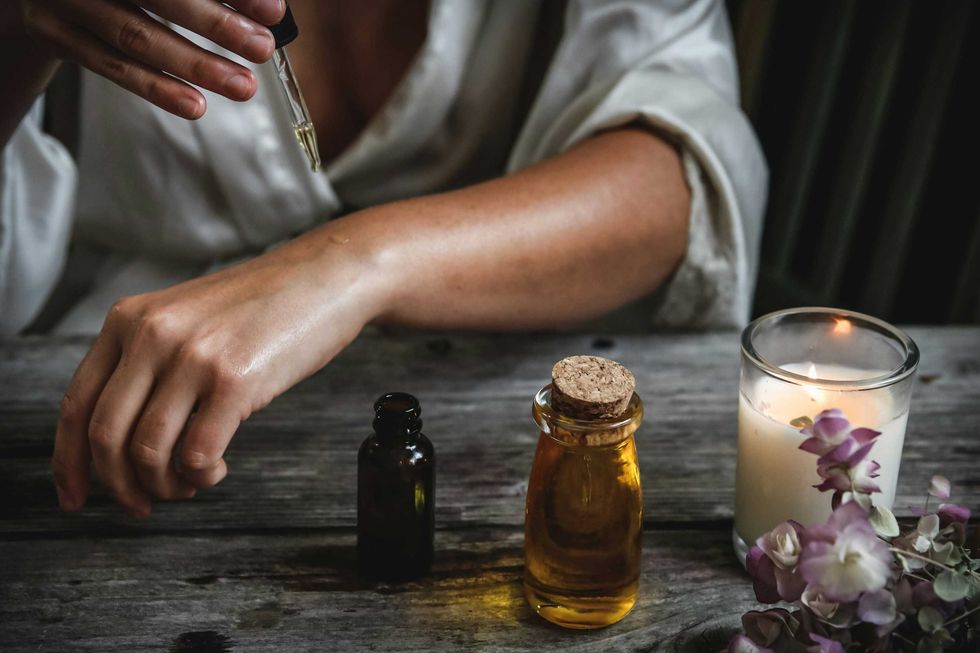
If you want to provide a barrier for your skin from the cold weather and bitter winds, you should consider applying oils to your skin; ones that are packed with fatty acids like avocado, sunflower and grapeseed. Creams can be super nourishing for your skin too; that’s because they have a way of locking in moisture for longer periods of time.
And if you really want to take things up a notch, add some holiday-scented essential oils to your oils and creams — ones like vanilla, clove, cranberry, peppermint and plum. You can even mix one or two together to create a signature scent that is all your own.
7. Put Rosehip Oil on Your Lips
Unsplash
What would be the point in having silky smooth skin if your lips are dry and chapped? C’mon now. That’s why, especially before you turn in every night, it’s a good idea to apply a coat of rosehip oil to your lips. Not only are the properties in the oil extremely moisturizing and hydrating, it’s the kind of oil that can help to cultivate new cells to your lips and even create collagen so that they appear firm and youthful.
8. Turn on Your Humidifier

Unsplash
The reason why I wrote “10 Really Good Reasons To Get Yourself A Humidifier This Fall” a few years back is because folks tend to really underestimate how beneficial a humidifier can be. When it comes to your skin, specifically, you should consider investing in one because the added air moisture that they provide helps to hydrate your skin as well as balance sebum levels, provide a protective barrier from indoor air pollution and soothe irritated skin as well.
And since sleep is a way to restore your skin, having a humidifier going in your bedroom will take “beauty sleep” and super smooth skin to a whole ‘nother level. Enjoy!
Let’s make things inbox official! Sign up for the xoNecole newsletter for love, wellness, career, and exclusive content delivered straight to your inbox.
Featured image by Prostock-studio/Shutterstock